Eurypylus
Mortal man
In Greek mythology, Eurypylus (Ancient Greek: Εὐρύπυλος, romanized: Eurupulos, lit. 'wide-gated') was a Thessalian king.
Explore on the graph- Mentions
- 13
- Connected characters
- 1
- Books
- 8


Mentions in the Iliad
A. T. Murray, Loeb Classical Library, Harvard University Press, 1924 · Homer, Iliad with an English Translation · CC BY-SA 3.0 US
“and that held Asterium and the white crests of Titanus, these were led by Eurypylus, the glorious son of Euaemon. And with him there followed forty black ships. And they that held Argissa, and dwelt in Gyrtone, Orthe, and Elone, and the white city of Oloösson,”
“So he fell in the dust, and bit the cold bronze with his teeth. And Eurypylus, son of Euaemon, slew goodly Hypsenor, son of Dolopion high of heart, that was made priest of Scamander, and was honoured of the folk even as a god—upon him did Eurypylus, Euaemon's glorious son,”
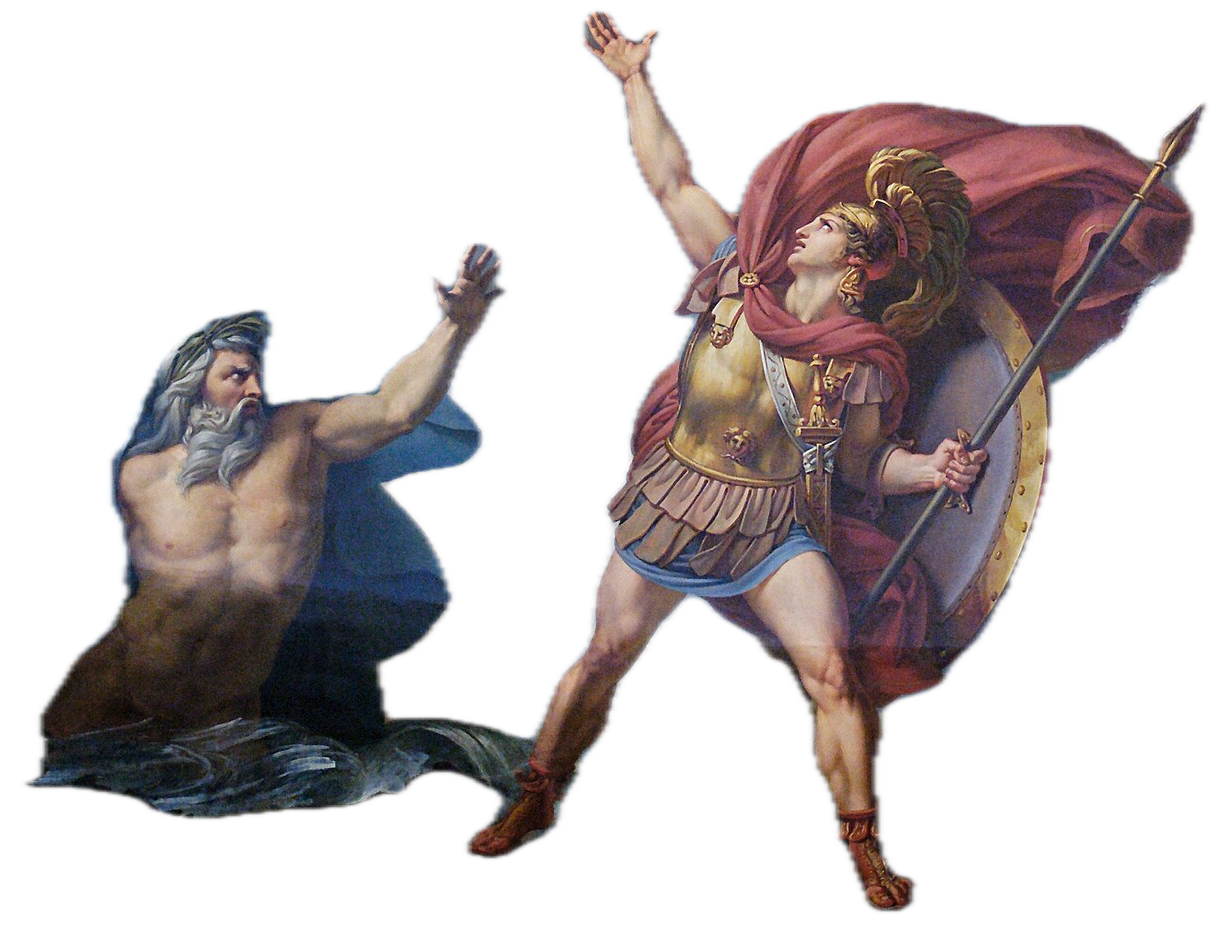
“and after them Idomeneus and Idomeneus' comrade Meriones, the peer of Enyalius, slayer of men, and after them Eurypylus, the glorious son of Euaemon; and upsprang Thoas, son of Andraemon, and goodly Odysseus; all these were minded to do battle with goodly Hector.”
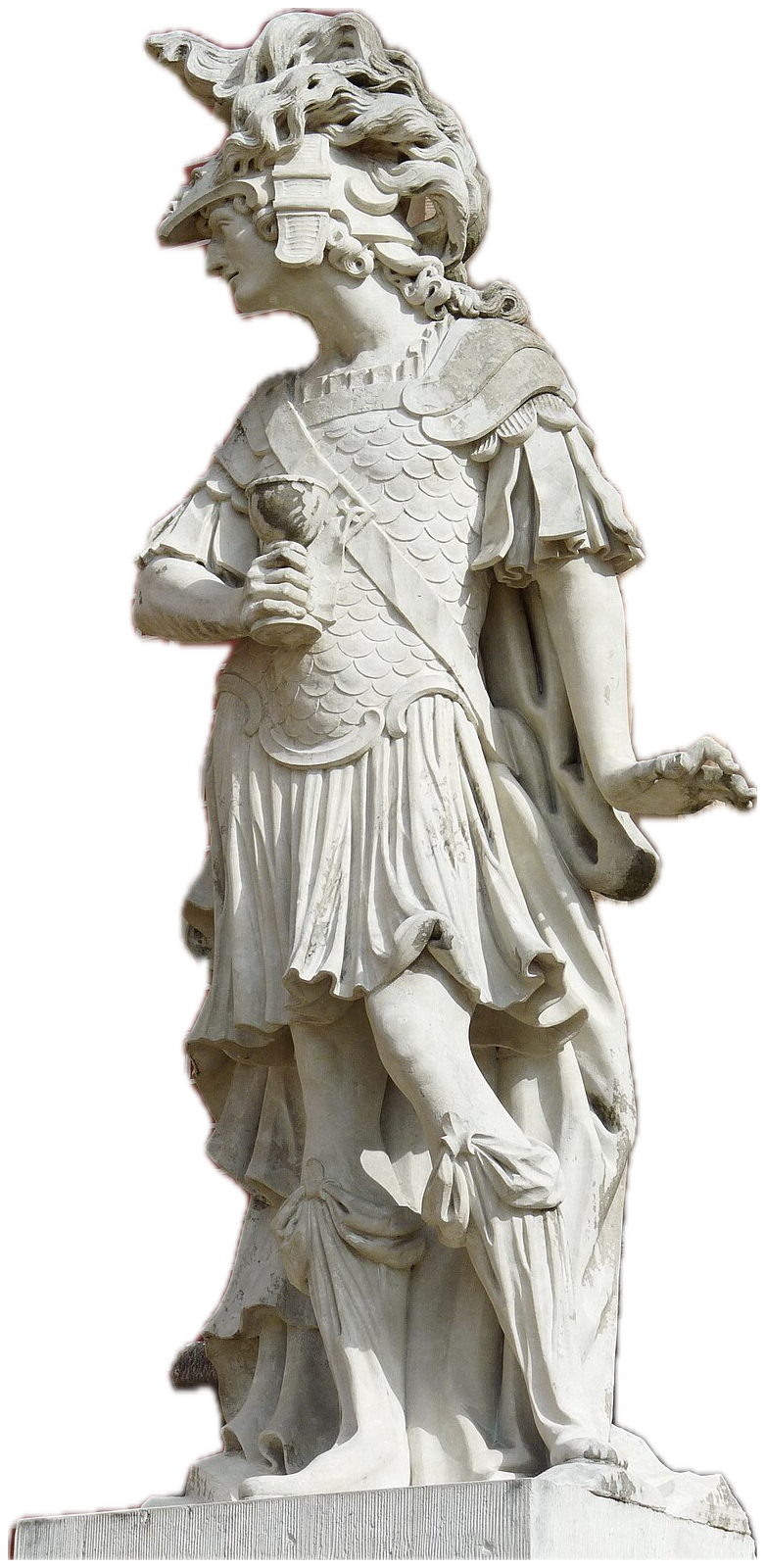

“and after them Eurypylus, the glorious son of Euaemon; and Teucer came as the ninth, stretching his back-bent bow, and took his stand beneath the shield of Aias, son of Telamon. Then would Aias move his shield aside from over him, and the warrior would spy his chance; and when he had shot his bolt and had smitten one in the throng,”
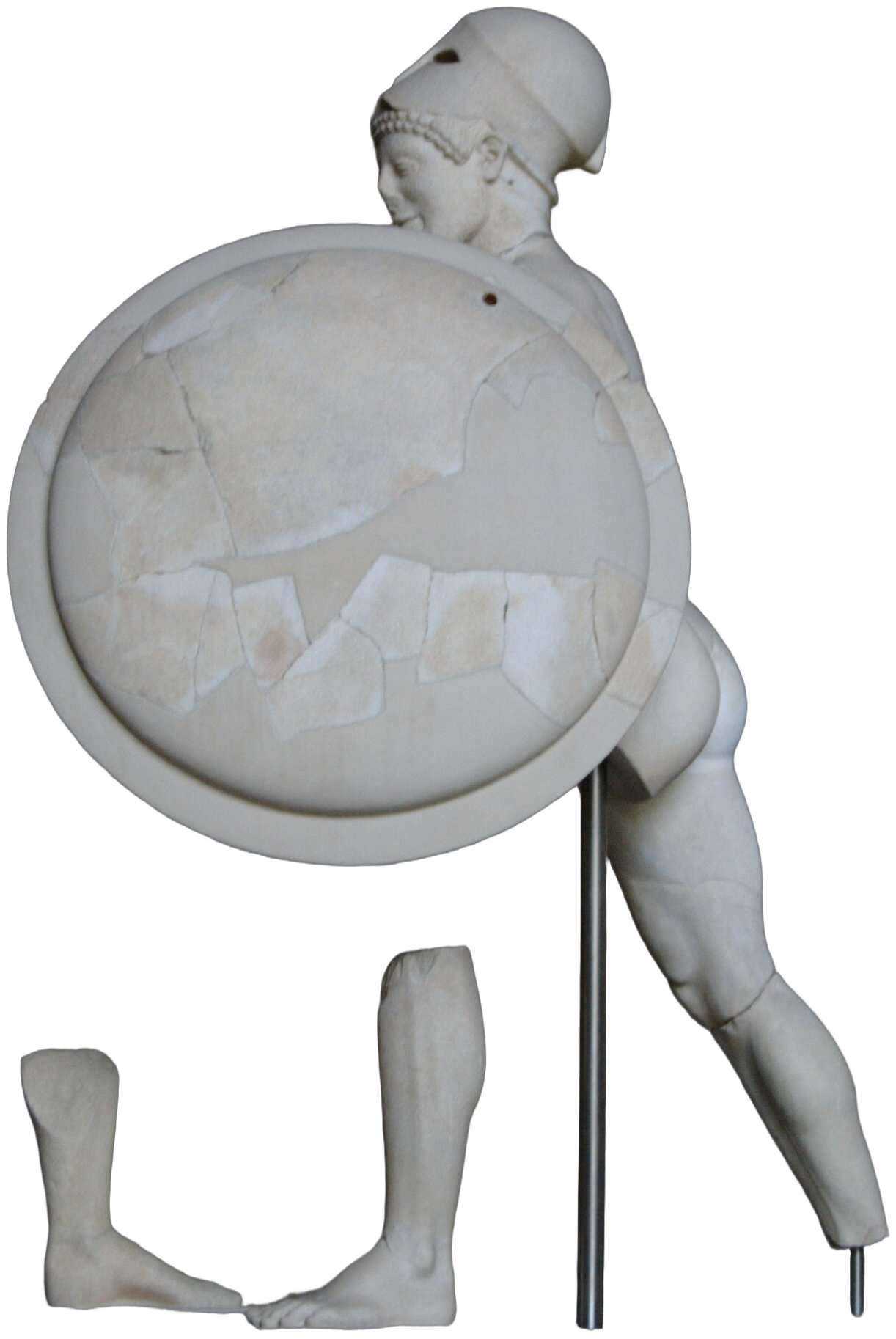
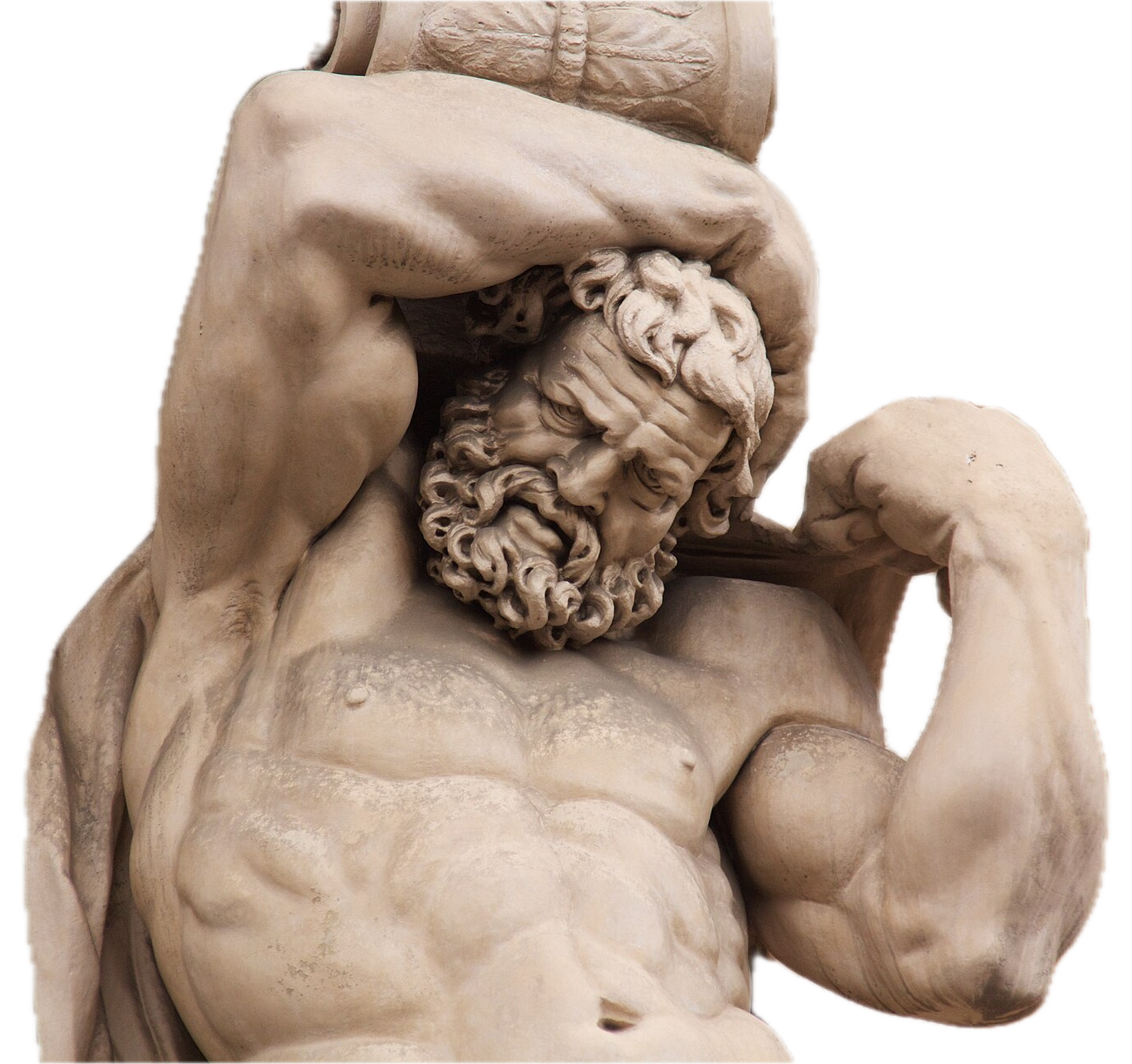
“But when Euaemon's glorious son, Eurypylus, saw him oppressed by thick-flying missiles, he came and stood by his side and hurled with his shining spear, and smote Apisaon, son of Phausius, shepherd of the host, in the liver below the midriff, and straightway loosed his knees;”
“that he will escape from dolorous war. Nay verily, stand ye and face the foe about great Aias, son of Telamon. So spake the wounded Eurypylus, and they came and stood close beside him, leaning their shields against their shoulders and holding their spears on high; and toward them came Aias,”
“Smitten is the son of Tydeus, mighty Diomedes, wounded with spearthrust is Odysseus, famed for his spear, and Agamemnon, and smitten is Eurypylus too with an arrow in the thigh, and this man beside have I but now borne forth from the war smitten with an arrow from the string. Yet Achilles,”







See all 12
“and he set out to run along the line of the ships to Achilles, son of Aeacus. But when in his running Patroclus was come to the ships of godlike Odysseus, where was their place of gathering and of the giving of dooms, whereby also were builded their altars of the gods, there Eurypylus met him,”
“and with wailing spake to him winged words: Ah ye wretched men, leaders and lords of the Danaans, thus then were ye destined, far from your friends and your native land, to glut with your white fat the swift dogs in Troy. But come, tell me this, Eurypylus, warrior fostered of Zeus,”

“So then amid the huts the valiant son of Menoetius was tending the wounded Eurypylus, but the others, Argives and Trojans, fought on in throngs, nor were the ditch of the Danaans and their wide wall above long to protect them,”
“And Patroclus, so long as the Achaeans and Trojans were fighting about the wall aloof from the swift ships, even so long sat in the hut of kindly Eurypylus, and was making him glad with talk, and on his grievous wound was spreading simples to assuage his dark pangs.”
“Smitten is the son of Tydeus, mighty Diomedes, wounded with spear-thrust is Odysseus, famed for his spear, and Agamemnon, and smitten, too, is Eurypylus with an arrow in the thigh. About these the leeches, skilled in many simples, are busied, seeking to heal their wounds; but with thee may no man deal, Achilles.”
Connections
Father · Sources
Father · Sources
and that held Asterium and the white crests of Titanus, these were led by Eurypylus, the glorious son of Euaemon. And with him there followed forty black ships. And they that held Argissa, and dwelt in Gyrtone, Orthe, and Elone, and the white city of Oloösson,
So he fell in the dust, and bit the cold bronze with his teeth. And Eurypylus, son of Euaemon, slew goodly Hypsenor, son of Dolopion high of heart, that was made priest of Scamander, and was honoured of the folk even as a god—upon him did Eurypylus, Euaemon's glorious son,
So he fell in the dust, and bit the cold bronze with his teeth. And Eurypylus, son of Euaemon, slew goodly Hypsenor, son of Dolopion high of heart, that was made priest of Scamander, and was honoured of the folk even as a god—upon him did Eurypylus, Euaemon's glorious son,
Il. 2.736 · Il. 5.76 · Il. 5.79 · Il. 7.167 · Il. 8.265 · Il. 11.575 · Il. 11.662 · Il. 11.810 · Il. 16.27
See all 1
In art
See all 0
There is nothing in this section yet.
04 / PROVENANCE
Sources and verification
The character is matched to the catalogue.
- Wikipedia · Eurypylus (son of Euaemon) · CC BY-SA 4.0
Excerpt; remaining sentences omitted.
Reference material remains distinct from the poem’s assertions. Characters who share a name retain separate pages.