Idomeneus
Mortal man
In Greek mythology, Idomeneus (; Greek: Ἰδομενεύς) was a Cretan king and commander who led the Cretan armies to the Trojan War, in eighty black ships. He was also one of the suitors of Helen, as well as a comrade of the Telamonian Ajax.
Explore on the graph
- Mentions
- 46
- Connected characters
- 5
- Books
- 17


Mentions in the Iliad
A. T. Murray, Loeb Classical Library, Harvard University Press, 1924 · Homer, Iliad with an English Translation · CC BY-SA 3.0 US
“or you, son of Peleus, of all men most extreme, so that on our behalf you may propitiate the god who strikes from afar by offering sacrifice. Glaring from beneath his brows spoke to him swift-footed Achilles: Ah me, clothed in shamelessness, thinking of profit, how shall any man of the Achaeans obey your words with a ready heart”






“Nestor, first of all, and king Idomeneus, and thereafter the twain Aiantes and the son of Tydeus, and as the sixth Odysseus, the peer of Zeus in counsel. And unbidden came to him Menelaus, good at the war-cry, for he knew in his heart wherewith his brother was busied.”
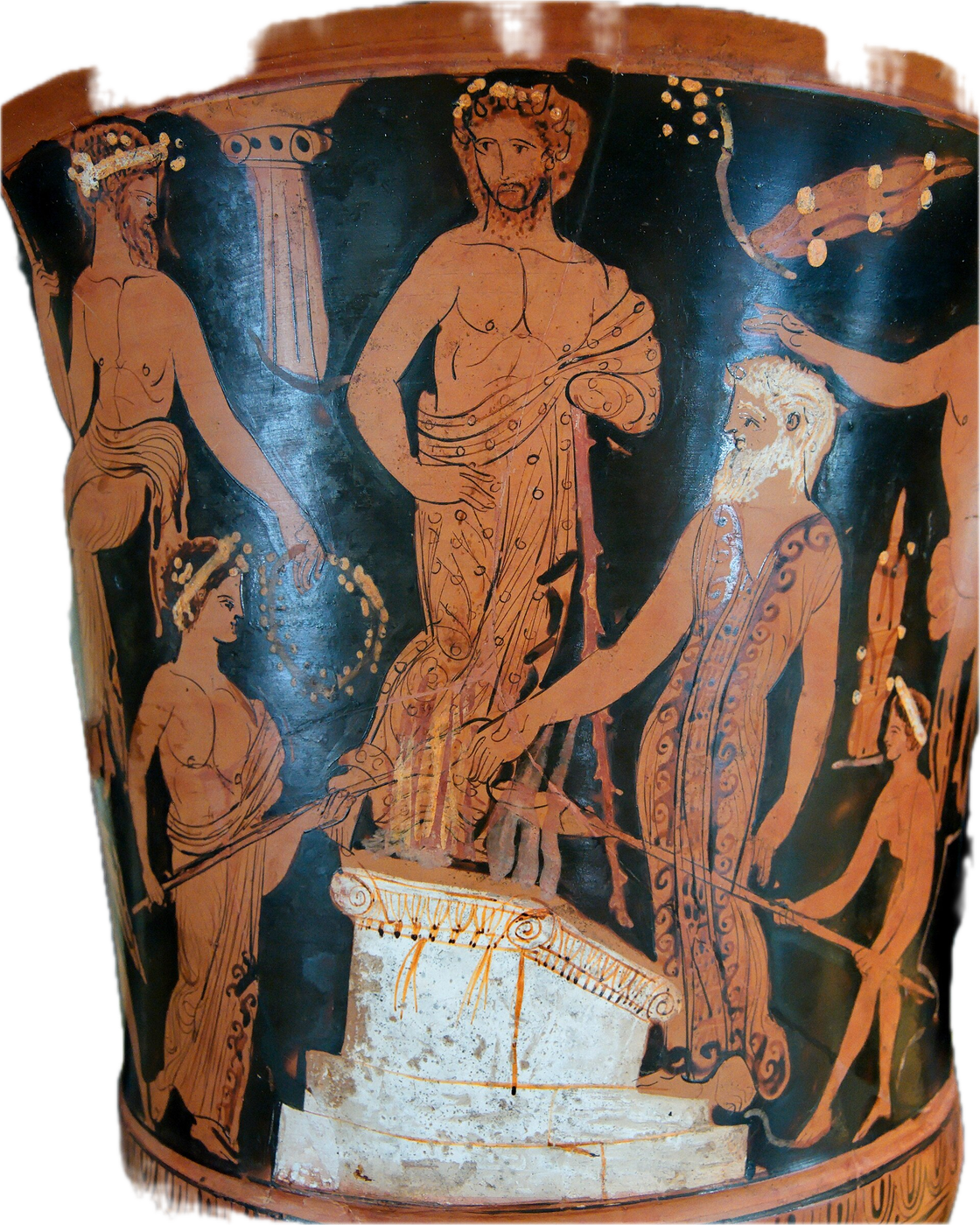
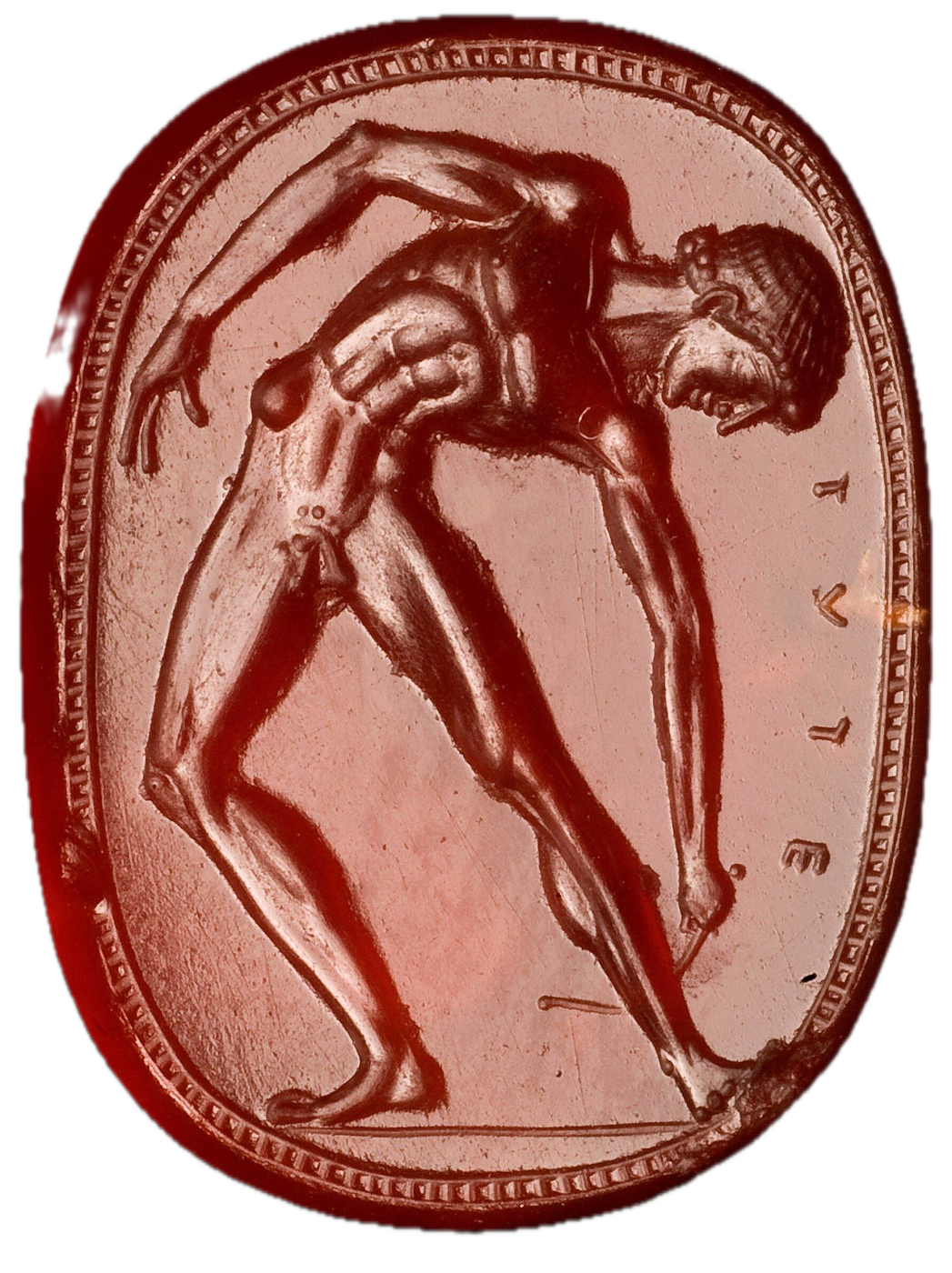
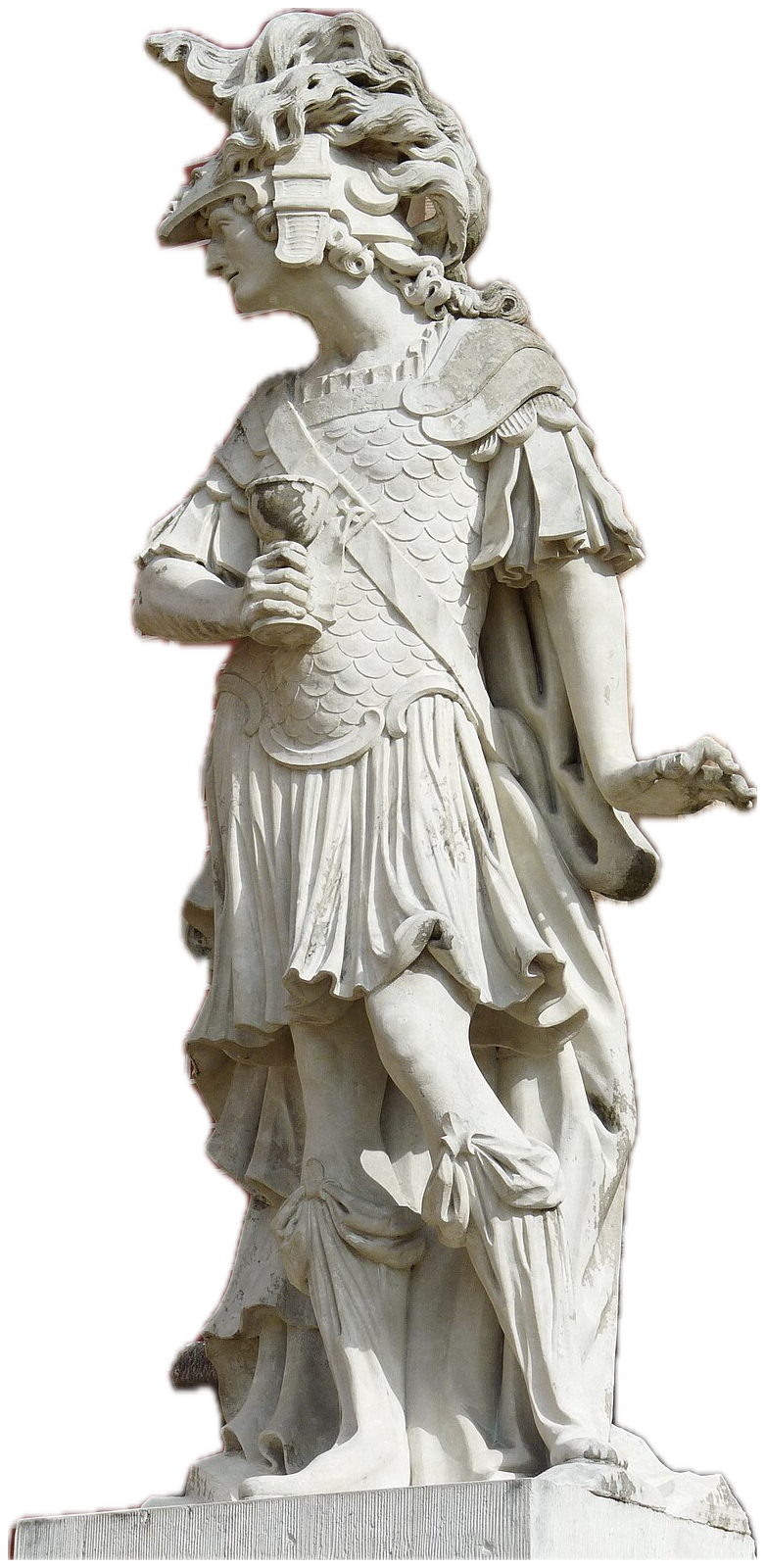

“And the Cretans had as leader Idomeneus, famed for his spear, even they that held Cnosus and Gortys, famed for its walls, Lyctus and Miletus and Lycastus, white with chalk, and Phaestus and Rhytium, well-peopled cities; and all they beside that dwelt in Crete of the hundred cities.”
“And Idomeneus over against him standeth amid the Cretans even as a god, and about him are gathered the captains of the Cretans. Full often was Menelaus, dear to Ares, wont to entertain him in our house, whenever he came from Crete. And now all the rest of the bright-eyed Achaeans do I see,”
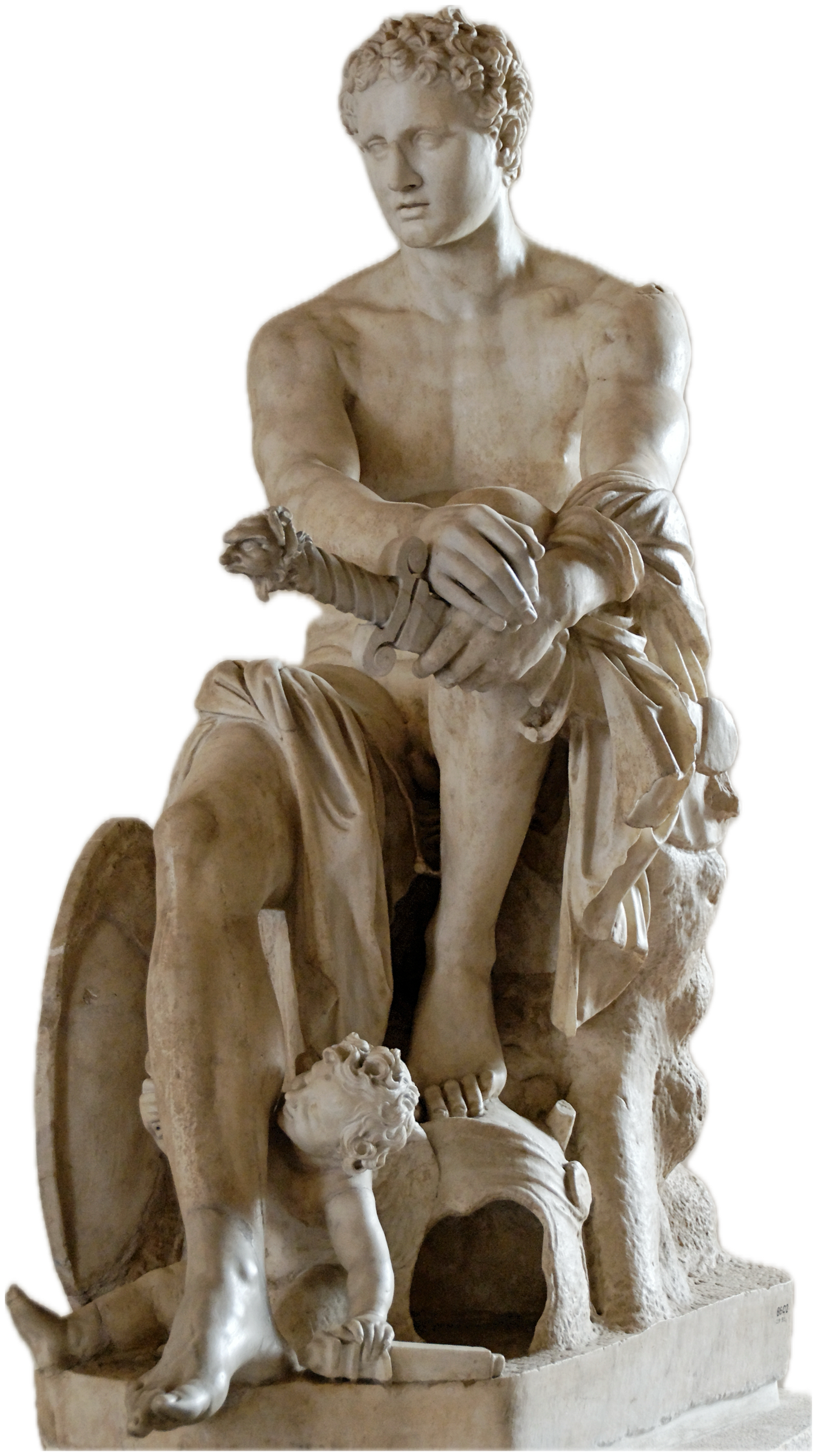
“Thus ranged he giving his commands through the ranks of warriors; and he came to the Cretans as he fared through the throng of men. These were arming them for war around wise-hearted Idomeneus; and Idomeneus stood amid the foremost fighters like a wild boar in valour, while Meriones was speeding on the hindmost battalions.”
“To him then Idomeneus, leader of the Cretans, made answer, saying: Son of Atreus, of a surety will I be to thee a trusty comrade, even as at the first I promised and gave my pledge; but do thou urge on the other long-haired Achaeans that we may fight with speed, seeing the Trojans have made of none effect our oaths.”

“for as he turned first of all to flee he fixed his spear in his back between the shoulders and drave it through his breast; and he fell with a thud, and upon him his armour clanged. And Idomeneus slew Phaestus, son of Borus the Maeonian, that had come from deep-soiled Tarne.”
See all 45
“For thrice at this point came the most valiant in company with the twain Aiantes and glorious Idomeneus and the sons of Atreus and the valiant son of Tydeus, and made essay to enter: whether it be that one well-skilled in soothsaying told them, or haply their own spirit urgeth and biddeth them thereto.”
“and after them Idomeneus and Idomeneus' comrade Meriones, the peer of Enyalius, slayer of men, and after them Eurypylus, the glorious son of Euaemon; and upsprang Thoas, son of Andraemon, and goodly Odysseus; all these were minded to do battle with goodly Hector.”

“Then himself he thundered aloud from Ida, and sent a blazing flash amid the host of the Achaeans; and at sight thereof they were seized with wonder, and pale fear gat hold of all. Then had neither Idomeneus the heart to abide, nor Agamemnon, nor yet the Aiantes twain, squires of Ares;”
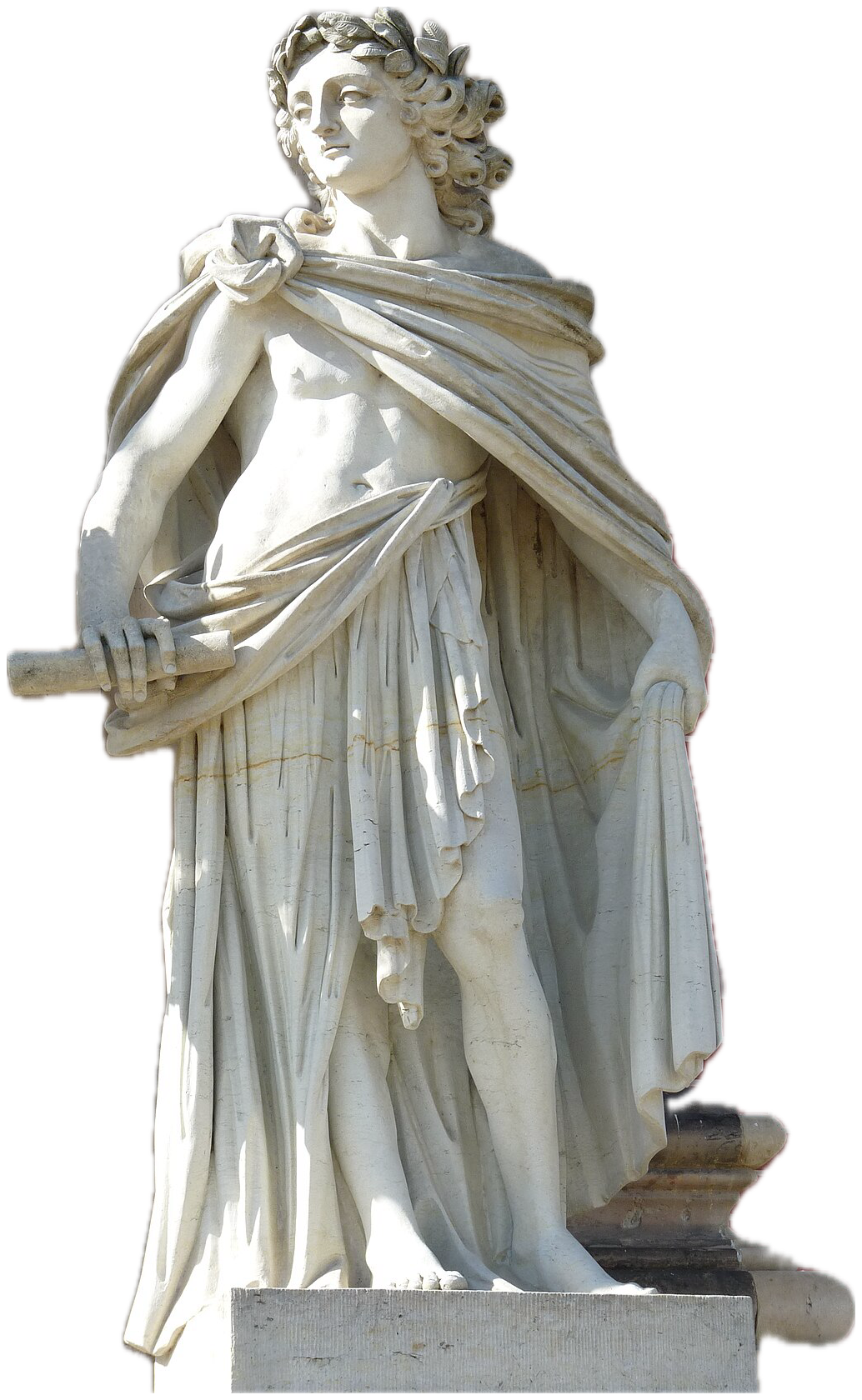
“so he fell from out the car, and upon him his armour clanged. And after him came the sons of Atreus, Agamemnon and Menelaus, and after them the Aiantes, clothed in furious valour, and after them Idomeneus and Idomeneus' comrade, Meriones, peer of Enyalius, slayer of men,”
“he that is not the dear son of goddess or of god. Deeds hath he wrought that methinks will be a sorrow to the Argives for ever and aye, so many evils hath he devised against the Achaeans. But go now, run swiftly along the lines of ships and call hither Aias and Idomeneus, and I will go to goodly Nestor”
“and the swift Aias, and the valiant son of Phyleus. And I would that one should go and summon these also, the godlike Aias and lord Idomeneus, for their ships are furthest of all and nowise nigh at hand. But Menelaus will I chide, dear though he be and honoured,”
“the heads of warriors were falling, and a cry unquenchable arose, round about great Nestor and warlike Idomeneus. With these had Hector dalliance, and terrible deeds he wrought with the spear and in horsemanship, and he laid waste the battalions of the young men. Yet would the goodly Achaeans in no wise have given ground from their course,”
“And forthwith Idomeneus spake to goodly Nestor: Nestor, son of Neleus, great glory of the Achaeans, come, get thee upon thy chariot, and let Machaon mount beside thee, and swiftly do thou drive to the ships thy single-hooved horses. For a leech is of the worth of many other men”
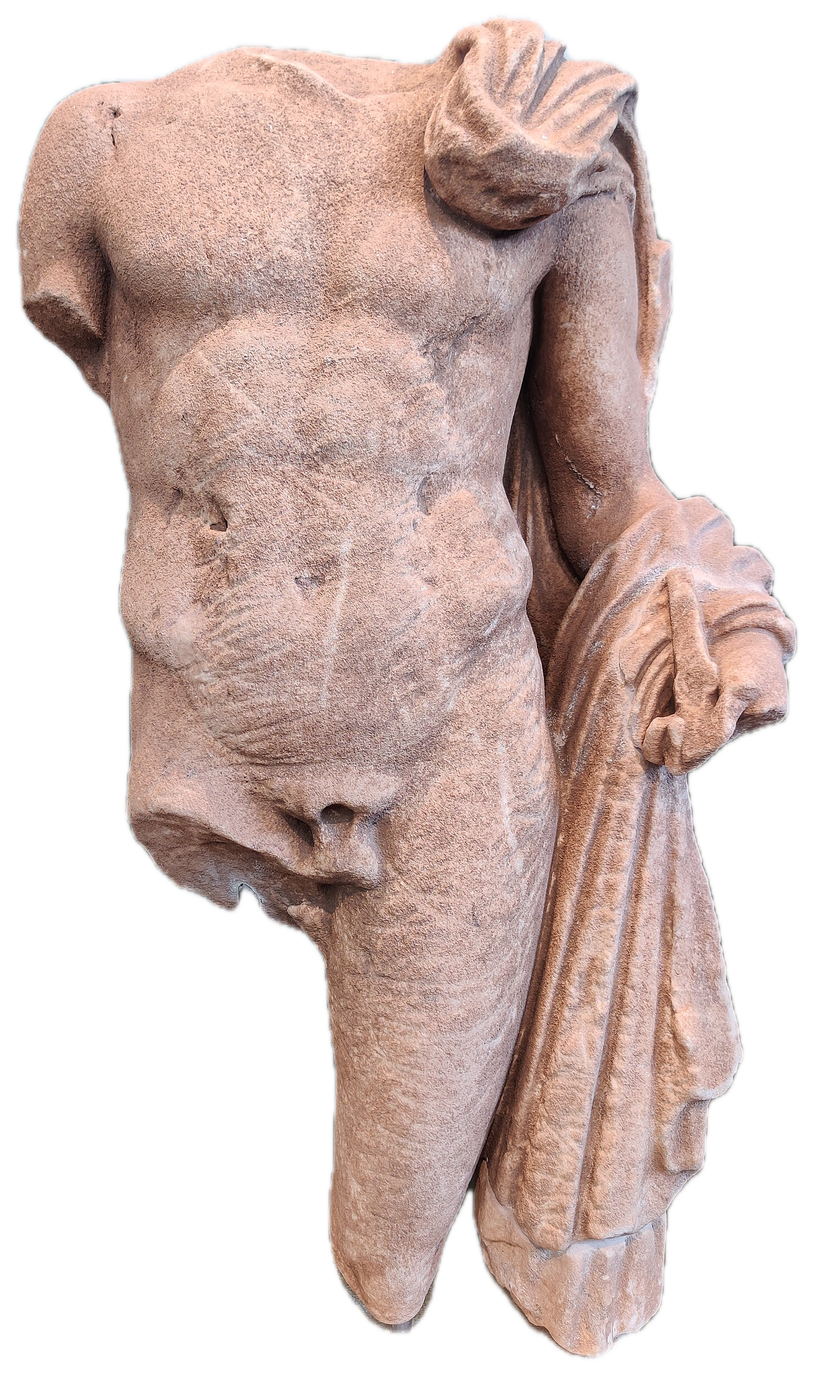
“back from the ships to windy Ilios. Nay, ere that might be, fate, of evil name, enfolded him, by the spear of Idomeneus, the lordly son of Deucalion. For he made for the left wing of the ships, even where the Achaeans were wont to return from the plain with horses and chariots:”
“and the lord, the Shaker of Earth, spake to him, likening his voice to that of Andraemon's son Thoas, that in all Pleuron and steep Calydon was lord over the Aetolians, and was honoured of the folk even as a god: Idomeneus, thou counsellor of the Cretans, where now I pray thee,”
“and Idomeneus, as soon as he was come to his well-built hut, did on his fair armour about his body, and grasped two spears, and went his way like the lightning that the son of Cronos seizeth in his hand and brandisheth from gleaming Olympus, showing forth a sign to mortals, and brightly flash the rays thereof;”
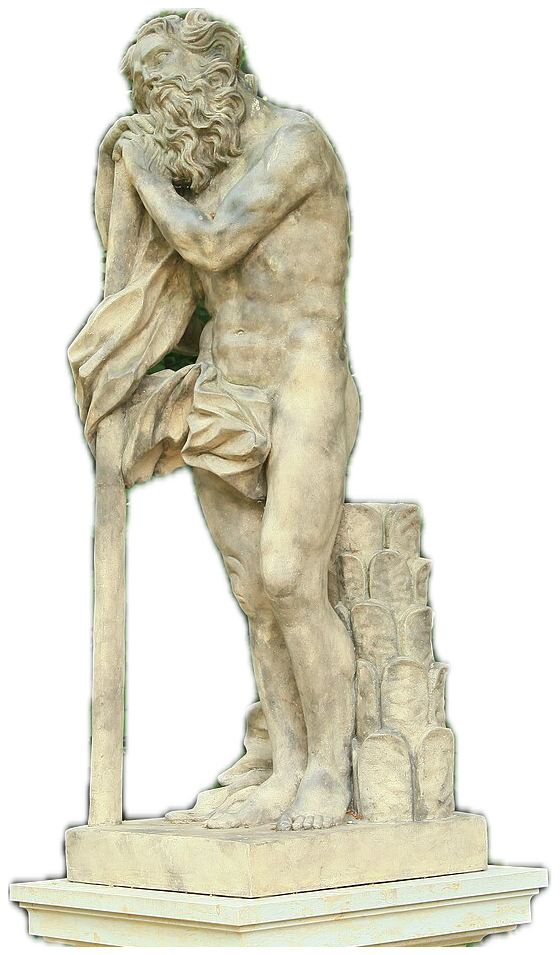
“Idomeneus, counsellor of the brazen-coated Cretans, I am on my way to fetch a spear, if perchance thou hast one left in the huts; for the one that I bare of old have I shattered, as I cast at the shield of the overweening Deïphobus. And to him Idomeneus, leader of the Cretans, made answer:”
“but I take my stand amid the foremost in battle, where men win glory, whenso the strife of war ariseth. Some other of the brazen-coated Achaeans might sooner be unaware of my fighting, but thou methinks of thine own self knowest it well. And to him Idomeneus, leader of the Cretans, made answer:”
“So spake he, and Meriones, the peer of swift Ares, speedily took from the hut a spear of bronze, and followed Idomeneus with high thought of battle. And even as Ares, the bane of mortals, goeth forth to war, and with him followeth Rout, his son, valiant alike and fearless,”
“do the long-haired Achaeans so fail in the fight. And to him again Idomeneus, leader of the Cretans, made answer: Among the midmost ships there be others for defence, the two Aiantes, and Teucer, best of all the Achaeans in bowmanship,”
“Now when the Trojans had sight of Idomeneus, in might as it were a flame, himself and his squire clad in armour richly dight, they called one to another through the throng, and all made at him; and by the sterns of the ships arose a strife of men clashing together. And as gusts come thick and fast when shrill winds are blowing,”
“a knot none might break nor undo, that loosed the knees of many men. Then Idomeneus, albeit his hair was flecked with grey, called to the Danaans, and leaping amid the Trojans turned them to flight. For he slew Othryoneus of Cabesus, a sojourner in Troy, that was but newly come following the rumour of war;”
“But Idomeneus aimed at him with his bright spear, and cast and smote him as he strode proudly on, nor did the corselet of bronze that he wore avail him, but the spear was fixed full in his belly, and he fell with a thud and Idomeneus exulted over him and spake, saying: Othryoneus, verily above all mortal men do I count thee happy,”
“and the horses Antilochus, son of great-souled Nestor, drave forth from the Trojans into the host of the well-greaved Achaeans. Then Deïphobus in sore grief for Asius drew very nigh to Idomeneus, and cast at him with his bright spear. Howbeit Idomeneus, looking steadily at him, avoided the spear of bronze,”
“but ran and bestrode him, and covered him with his shield. Then two trusty comrades stooped down, even Mecisteus, son of Echius, and goodly Alastor, and bare Hypsenor, groaning heavily, to the hollow ships. And Idomeneus slackened not in his furious might, but was ever fain”
“whom her father and queenly mother heartily loved in their hall, for that she excelled all maidens of her years in comeliness, and in handiwork, and in wisdom; wherefore the best man in wide Troy had taken her to wife—this Alcathous did Poseidon subdue beneath Idomeneus,”
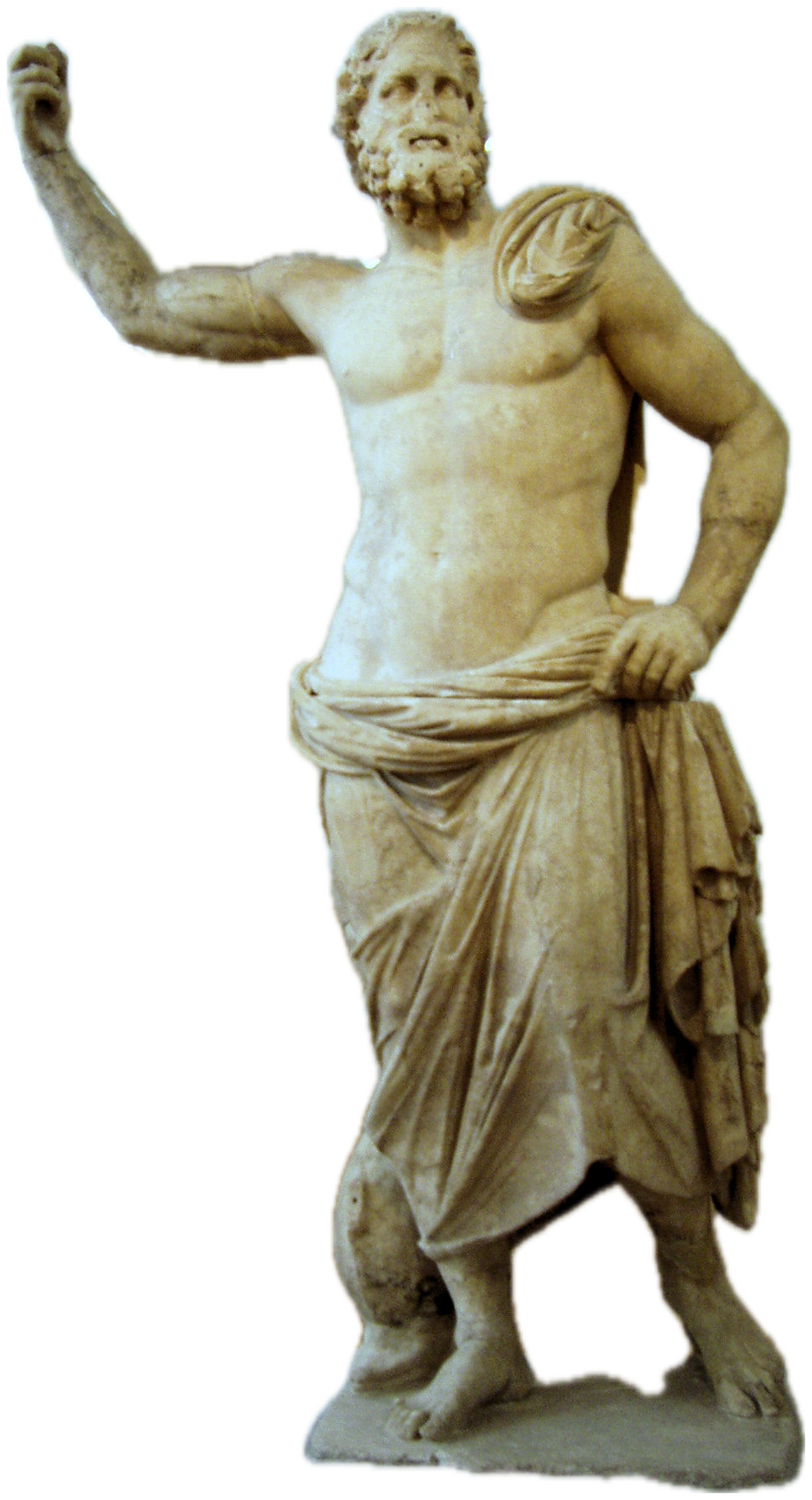
“Nay, come thou with me, that we may bear aid to Alcathous, who, for all he was but thy sister's husband, reared thee in the halls when thou wast yet a little child; he, I tell thee, hath been slain of Idomeneus, famed for his spear. So spake he, and roused the heart in the breast of Aeneas, and he went to seek Idomeneus, with high thoughts of war.”
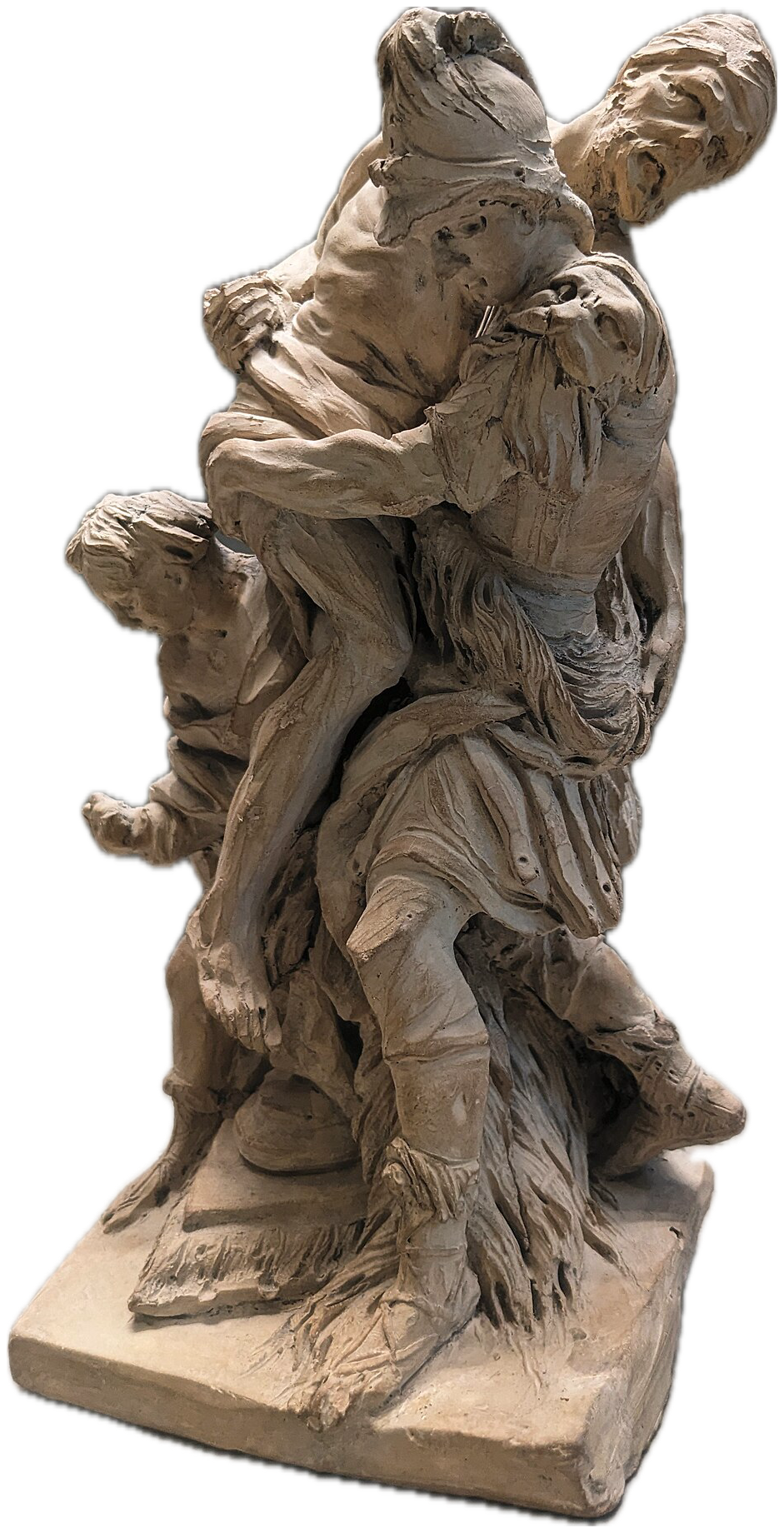
“and he whetteth his tusks, eager to ward off dogs and men; even so Idomeneus, famed for his spear, abode the oncoming of Aeneas to bear aid, and gave not ground, but called to his comrades, looking unto Ascalaphus, Aphareus, and Deïpyrus, and Meriones, and Antilochus, masters of the war-cry;”
“Aeneas and Idomeneus, peers of Ares, were eager each to cleave the other's flesh with the pitiless bronze. And Aeneas first cast at Idomeneus, but he, looking steadily at him, avoided the spear of bronze, and the lance of Aeneas sank quivering down in to the earth,”
“So spake he, and they readily hearkened and obeyed. They that were in the company of Aias and prince Idomeneus, and Teucer, and Meriones, and Meges, the peer of Ares, called to the chieftains, and marshalled the fight, fronting Hector and the Trojans,”
“Then Idomeneus smote Erymas upon the mouth with a thrust of the pitiless bronze, and clean through passed the spear of bronze beneath the brain, and clave asunder the white bones; and his teeth were shaken out, and both his eyes were filled with blood;and up through mouth and nostrils he spurted blood as he gaped,”
“Patroclus should become the sport of the dogs of Troy. So spake he, and swift Aias, son of Oileus, heard him clearly, and was first to come running to meet him amid the battle, and after him Idomeneus and Idomeneus' comrade, Meriones, the peer of Enyalius, slayer of men.”
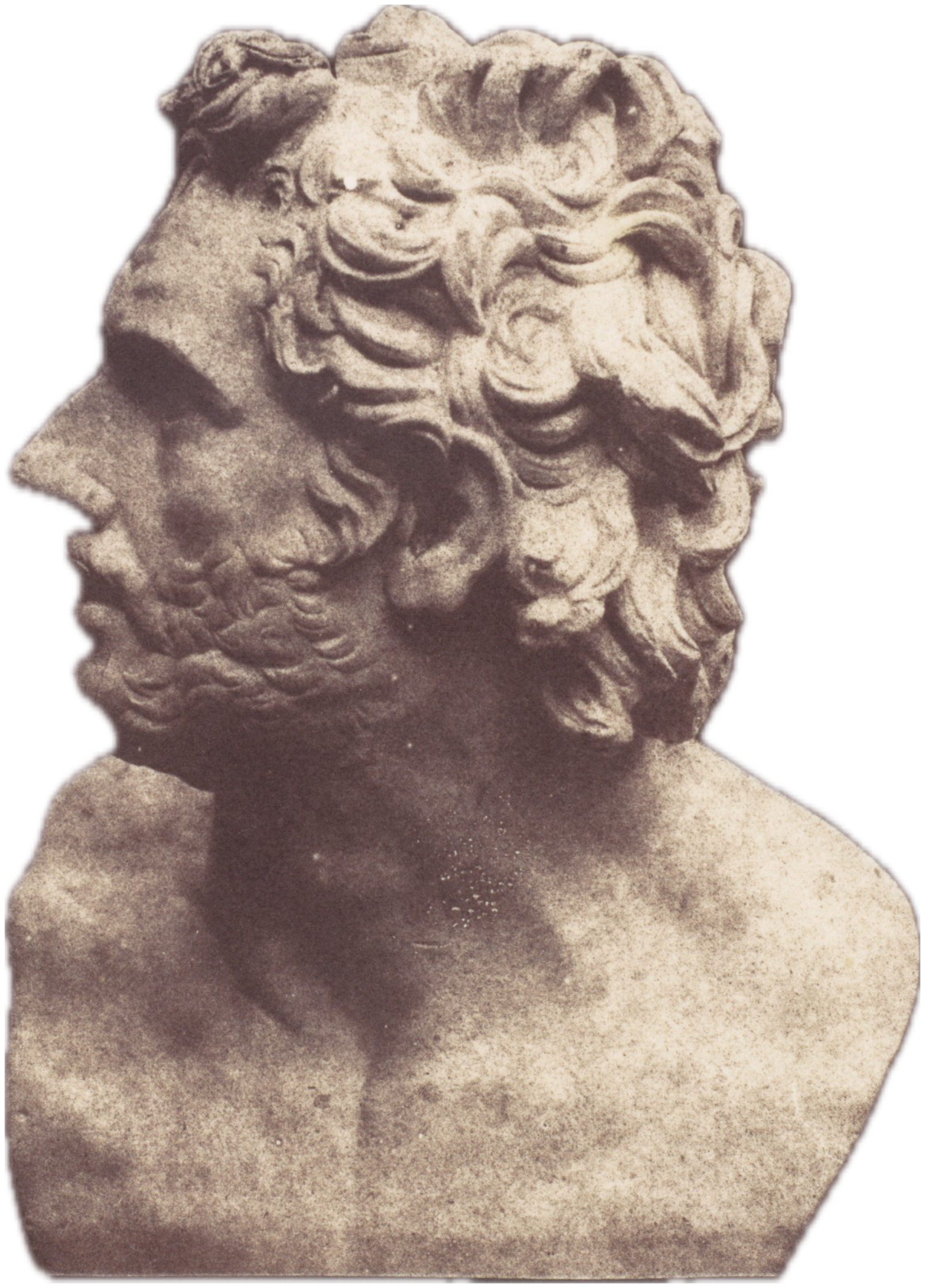
“And as Hector pursued after Leitus, Idomeneus smote him upon the corselet, on the breast beside the nipple; but the long spear-shaft was broken in the socket, and the Trojans shouted aloud. And Hector cast at Idomeneus, Deucalion's son, as he stood upon his car, and missed him by but little;”
“And Meriones stooped, and gathered them in his own hands from the earth, and spake to Idomeneus: Ply now the lash, until thou be come to the swift ships. Lo, even of thyself thou knowest that victory is no more with the Achaeans. So spake he, and Idomeneus lashed the fair-maned horses back”
“but the two sons of Atreus abode, and goodly Odysseus, and Nestor and Idomeneus and the old man Phoenix, driver of chariots, seeking to comfort him in his exceeding sorrow; but no whit would his heart be comforted until he entered the mouth of bloody war. And as he thought thereon he heaved a heavy sigh and spake, saying:”
“while yet they wailed around the piteous corpse. But the lord Agamemnon sent forth mules and men from all sides from out the huts to fetch wood and a man of valour watched thereover, even Meriones, squire of kindly Idomeneus. And they went forth bearing in their hands axes for the cutting of wood”
“Then the Achaeans split the trunks asunder and bound them behind the mules, and these tore up the earth with their feet as they hasted toward the plain through the thick underbrush. And all the woodcutters bare logs; for so were they bidden of Meriones, squire of kindly Idomeneus.”
“And the first to mark them was Idomeneus, leader of the Cretans, for he sat without the gathering, the highest of all, in a place of outlook, and when he heard the voice of him that shouted, albeit afar off, he knew it; and he was ware of a horse, shewing clear to view in front, one that was a bay all the rest of him, but on his forehead was”
“I discern not clearly, but the man seemeth to me to be an Aetolian by race, and is king among the Argives, even the son of horse-taming Tydeus, mighty Diomedes. Then shamefully chid him swift Aias, son of Oïleus: Idomeneus, why art thou a braggart from of old? Nay, still afar off are”

“The selfsame mares are in the lead, that led of old, even they of Eumelus, and himself he standeth firmly in the car and holdeth the reins. Then the leader of the Cretans waxed wroth, and spake in answer: Aias, thou master of railing, witless in counsel, in all things else thou fallest behind the other Argives, for thy mind is stubborn.”
“of the mare of Agamemnon, fair-maned Aethe, waxed ever higher. And if the course had been yet longer for the twain, then had he passed him by, neither left the issue in doubt. But Meriones, valiant squire of Idomeneus, was a spear-cast behind glorious Menelaus,”
“and Meriones the valiant squire of Idomeneus. Then took they the lots and shook them in a helmet of bronze, and Teucer drew by lot the first place. Forthwith he let fly an arrow with might, howbeit he vowed not that he would sacrifice to the king a glorious hecatomb of firstling lambs.”
“and a cauldron, that the fire had not yet touched, of an ox's worth, embossed with flowers; and men that were hurlers of javelins arose. Up rose the son of Atreus, wide-ruling Agamemnon and Meriones, the valiant squire of Idomeneus. But among them spake swift-footed, goodly Achilles:”
Connections
Ancestor · Sources
But Idomeneus exulted over him in terrible wise, and cried aloud: Deïphobus, shall we now deem perchance that due requital hath been made—three men slain for one—seeing thou boasteth thus? Nay, good sir, but stand forth thyself and face me, that thou mayest know what manner of son of Zeus am I that am come hither.For Zeus at the first begat Minos to be a watcher over Crete, and Minos again got him a son, even the peerless Deucalion, and Deucalion begat me, a lord over many men in wide Crete; and now have the ships brought me hither a bane to thee and thy father and the other Trojans.
Il. 13.449–452
Poetic resemblance · Sources
Aeneas and Idomeneus, peers of Ares, were eager each to cleave the other's flesh with the pitiless bronze. And Aeneas first cast at Idomeneus, but he, looking steadily at him, avoided the spear of bronze, and the lance of Aeneas sank quivering down in to the earth,
Il. 13.500
Ally · Sources
To him then Idomeneus, leader of the Cretans, made answer, saying: Son of Atreus, of a surety will I be to thee a trusty comrade, even as at the first I promised and gave my pledge; but do thou urge on the other long-haired Achaeans that we may fight with speed, seeing the Trojans have made of none effect our oaths.
Il. 4.266–267
Ally · Sources
and after them Idomeneus and Idomeneus' comrade Meriones, the peer of Enyalius, slayer of men, and after them Eurypylus, the glorious son of Euaemon; and upsprang Thoas, son of Andraemon, and goodly Odysseus; all these were minded to do battle with goodly Hector.
Il. 7.165–166
Friend · Sources
so he fell from out the car, and upon him his armour clanged. And after him came the sons of Atreus, Agamemnon and Menelaus, and after them the Aiantes, clothed in furious valour, and after them Idomeneus and Idomeneus' comrade, Meriones, peer of Enyalius, slayer of men,
and bid him arise, if so be he will be minded to go to the sacred company of the sentinels and give them charge. To him would they hearken as to no other, for his son is captain over the guard, he and Meriones, comrade of Idomeneus; for to them above all we entrusted this charge.
even so shone the bronze about his breast as he ran. And Meriones, his valiant squire, met him, while yet he was near the hut; for he was on his way to fetch him a spear of bronze; and mighty Idomeneus spake to him: Meriones, Molus' son, swift of foot, thou dearest of my comrades,
Il. 8.263–264 · Il. 10.58–59 · Il. 13.249 · Il. 23.113 · Il. 23.124 · Il. 23.528 · Il. 23.860 · Il. 23.888
Killed by Idomeneus · Sources
Then Idomeneus smote Erymas upon the mouth with a thrust of the pitiless bronze, and clean through passed the spear of bronze beneath the brain, and clave asunder the white bones; and his teeth were shaken out, and both his eyes were filled with blood;and up through mouth and nostrils he spurted blood as he gaped,and a black cloud of death enfolded him. These, then, leaders of the Damans, slew each his man. And as murderous wolves fall upon lambs or kids, choosing them from out the flocks, when through the witlessness of the shepherd they are scattered among the mountains, and the wolves seeing it,
Il. 16.345–350
See all 5
In art
See all 0
There is nothing in this section yet.
04 / PROVENANCE
Sources and verification
The character is matched to the catalogue.
- Wikipedia · Idomeneus (son of Deucalion) · CC BY-SA 4.0
Excerpt; remaining sentences omitted.
Reference material remains distinct from the poem’s assertions. Characters who share a name retain separate pages.