Neleus
Mortal man
Neleus (; Ancient Greek: Νηλεύς) was a mythological king of Pylos. In some accounts, he was also counted as an Argonaut instead of his son, Nestor.
Explore on the graph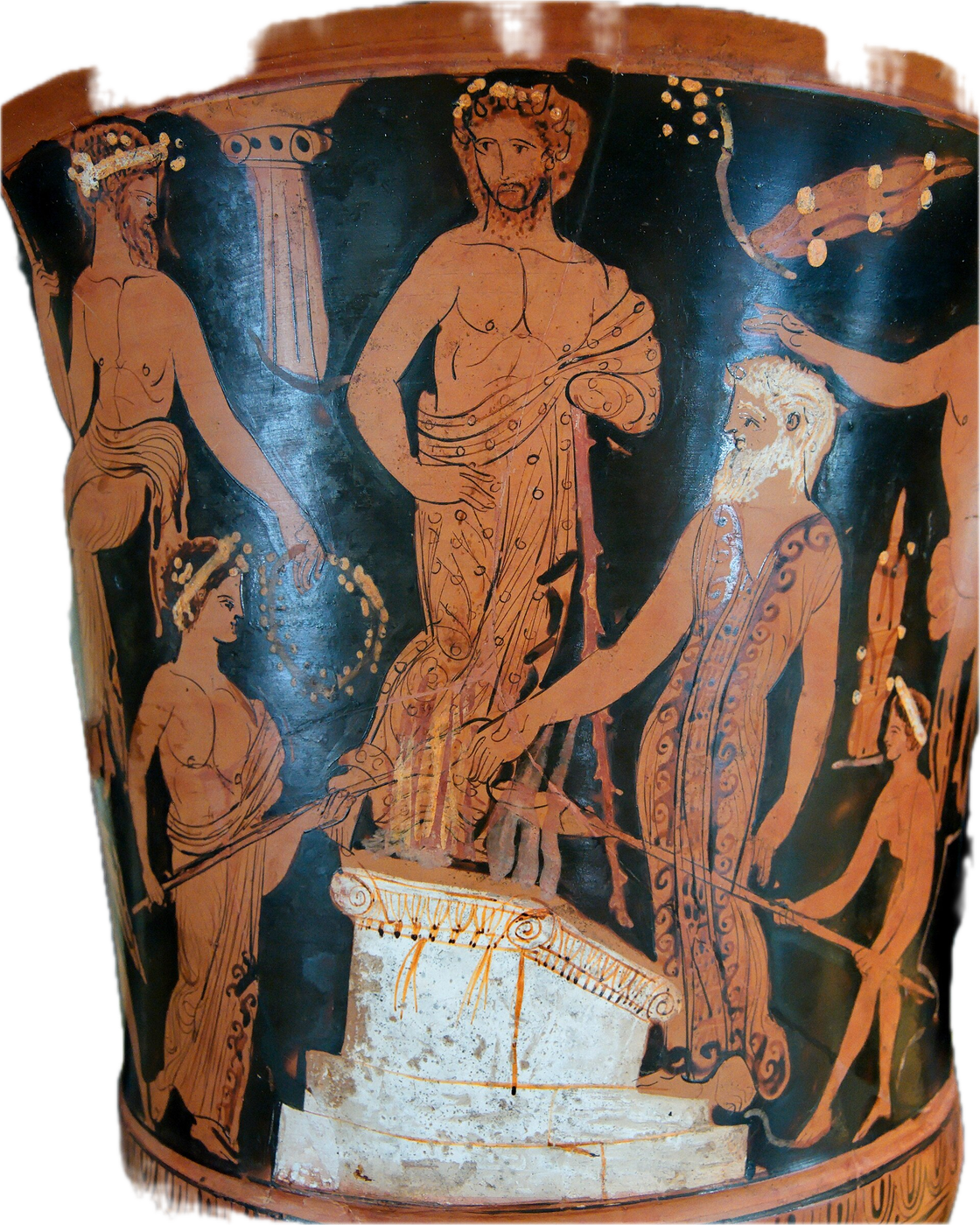
- Mentions
- 18
- Connected characters
- 3
- Books
- 6


Mentions in the Iliad
A. T. Murray, Loeb Classical Library, Harvard University Press, 1924 · Homer, Iliad with an English Translation · CC BY-SA 3.0 US
“So he took his stand above his head, in the likeness of the son of Neleus, even Nestor, whom above all the elders Agamemnon held in honour; likening himself to him, the Dream from heaven spake, saying: Thou sleepest, son of wise-hearted Atreus, the tamer of horses. To sleep the whole night through beseemeth not a man that is a counsellor,”

“but Agamemnon bade the clear-voiced heralds summon to the place of gathering the long-haired Achaeans. And they made summons, and the men gathered full quickly. But the king first made the council of the great-souled elders to sit down beside the ship of Nestor, the king Pylos-born.”
“and took his stand before the horses of the old man, Neleus' son, and spake and addressed him with winged words: Old sir, of a surety young warriors press thee sore; whereas thy might is broken and grievous old age attends thee, and thy squire is a weakling and thy horses slow.”
“then many were the hairs that he pulled from his head by the very roots in appeal to Zeus that is above, and in his noble heart he groaned mightily. And this plan seemed to his mind the best, to go first of all to Nestor, son of Neleus, if so be he might contrive with him some goodly device”

“he that is not the dear son of goddess or of god. Deeds hath he wrought that methinks will be a sorrow to the Argives for ever and aye, so many evils hath he devised against the Achaeans. But go now, run swiftly along the lines of ships and call hither Aias and Idomeneus, and I will go to goodly Nestor”
“but rather let us ourselves be busy; even thus I ween hath Zeus laid upon us even at our birth the heaviness of woe. So spake he, and sent forth his brother when he had duly given him commandment. But he went his way after Nestor, shepherd of the host, and found him by his hut and his black ship”
See all 18
“Knowest thou not that the Trojans on the rising ground of the plain are camped hard by the ships, and but scant space still holdeth them off? So said he, but the other right swiftly sprang up out of sleep, and he spake and addressed him with winged words: Hardy art thou, old sir, and from toil thou never ceasest.”
“Nestor, son of Neleus, great glory of the Achaeans, easily might a god that willed it bestow even better horses than these, for the gods are mightier far. But these horses, old sir, whereof thou askest, are newly come from Thrace, and their lord did brave Diomedes”

“And forthwith Idomeneus spake to goodly Nestor: Nestor, son of Neleus, great glory of the Achaeans, come, get thee upon thy chariot, and let Machaon mount beside thee, and swiftly do thou drive to the ships thy single-hooved horses. For a leech is of the worth of many other men”
“for the horses darted by me, speeding eagerly onward. So spake he, and Patroclus gave ear to his dear comrade, and went running along the huts and the ships of the Achaeans. But when those others were come to the hut of the son of Neleus, they stepped forth upon the bounteous earth,”
“and chestnut horses an hundred and fifty, all mares, and many of them had foals at the teat. These then we drave into Neleian Pylos by night into the citadel, and Neleus was glad at heart for that much spoil had fallen to me when going as a stripling into war.”
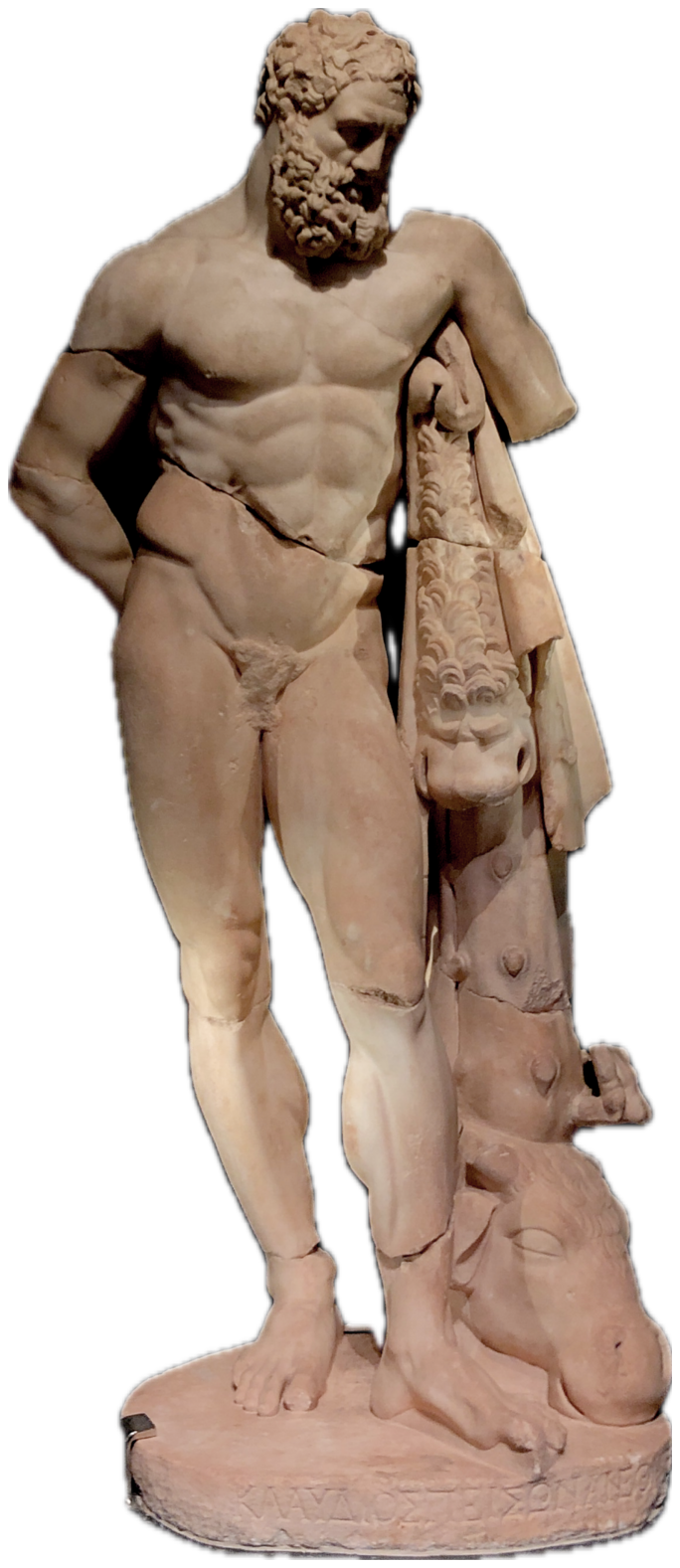
“For mighty Heracles had come and oppressed us in the years that were before, and all that were our bravest had been slain. Twelve were we that were sons of peerless Neleus, and of these I alone was left, and all the rest had perished; wherefore the brazen-coated Epeans, proud of heart thereat,”
“speeding down from Olympus by night with the message that we should array us for battle, and nowise loath were the folk she gathered in Pylos, but right eager for war. Now Neleus would not suffer me to arm myself, but hid away my horses, for he deemed that as yet I knew naught of deeds of war.”
“And old Nestor met them, and made the spirit to quail in the breasts of the Achaeans. Then lord Agamemnon lifted up his voice and spake to him: O Nestor, son of Neleus, great glory of the Achaeans, wherefore hast thou left the war, the bane of men, and come hither? I fear me lest in sooth mighty Hector make good his word and the threats wherewith on a time he threatened us,”

“her Menelaus led beneath the yoke, and exceeding fain was she of the race. And fourth Antilochus made ready his fair-maned horses, he the peerless son of Nestor, the king high of heart, the son of Neleus; and bred at Pylos were the swift-footed horses that drew his car. And his father drew nigh and gave counsel”
“there is no man that shall catch thee by a burst of speed, neither pass thee by, nay, not though in pursuit he were driving goodly Arion, the swift horse of Adrastus, that was of heavenly stock, or those of Laomedon, the goodly breed of this land. So saying Nestor, son of Neleus, sate him down again in his place,”
“even as he drave; but the fifth prize was left unclaimed, even the two-handled urn. Unto Nestor Achilles gave this, bearing it through the gathering of the Argives; and he came to his side, and said Take this now, old sire, and let it be treasure for thee, a memorial of Patroclus' burying; for nevermore shalt thou behold him”






Connections
Son · Sources
So he took his stand above his head, in the likeness of the son of Neleus, even Nestor, whom above all the elders Agamemnon held in honour; likening himself to him, the Dream from heaven spake, saying: Thou sleepest, son of wise-hearted Atreus, the tamer of horses. To sleep the whole night through beseemeth not a man that is a counsellor,
but Agamemnon bade the clear-voiced heralds summon to the place of gathering the long-haired Achaeans. And they made summons, and the men gathered full quickly. But the king first made the council of the great-souled elders to sit down beside the ship of Nestor, the king Pylos-born.
and took his stand before the horses of the old man, Neleus' son, and spake and addressed him with winged words: Old sir, of a surety young warriors press thee sore; whereas thy might is broken and grievous old age attends thee, and thy squire is a weakling and thy horses slow.
Il. 2.20 · Il. 2.53 · Il. 8.100 · Il. 10.18 · Il. 10.54 · Il. 10.73 · Il. 10.87 · Il. 10.163 · Il. 10.555 · Il. 11.511 · Il. 11.618 · Il. 11.683 · Il. 14.42 · Il. 23.302 · Il. 23.349 · Il. 23.617
Grandson · Sources
Происхождение выведено по цепочке родителей: Нелей → Нестор → Антилох.
So he took his stand above his head, in the likeness of the son of Neleus, even Nestor, whom above all the elders Agamemnon held in honour; likening himself to him, the Dream from heaven spake, saying: Thou sleepest, son of wise-hearted Atreus, the tamer of horses. To sleep the whole night through beseemeth not a man that is a counsellor,
but Agamemnon bade the clear-voiced heralds summon to the place of gathering the long-haired Achaeans. And they made summons, and the men gathered full quickly. But the king first made the council of the great-souled elders to sit down beside the ship of Nestor, the king Pylos-born.
But Antilochus, son of great-souled Nestor, beheld him, and strode through the foremost fighters; for greatly did he fear for the shepherd of the host, lest aught befall him, and he utterly thwart them of their toil. Now the twain were holding forth their hands and their sharp spears each against the other, fain to do battle,
Il. 2.20 · Il. 2.53 · Il. 5.565 · Il. 6.32 · Il. 8.100 · Il. 10.18 · Il. 10.54 · Il. 10.73 · Il. 10.87 · Il. 10.163 · Il. 10.555 · Il. 11.511 · Il. 11.618 · Il. 11.683 · Il. 13.400 · Il. 13.545 · Il. 14.42 · Il. 14.513 · Il. 18.16 · Il. 23.302 · Il. 23.305 · Il. 23.349 · Il. 23.350 · Il. 23.402 · Il. 23.541 · Il. 23.597 · Il. 23.617 · Il. 23.755–756 · Il. 23.785
Grandson · Sources
Происхождение выведено по цепочке родителей: Нелей → Нестор → Фрасимед.
So he took his stand above his head, in the likeness of the son of Neleus, even Nestor, whom above all the elders Agamemnon held in honour; likening himself to him, the Dream from heaven spake, saying: Thou sleepest, son of wise-hearted Atreus, the tamer of horses. To sleep the whole night through beseemeth not a man that is a counsellor,
but Agamemnon bade the clear-voiced heralds summon to the place of gathering the long-haired Achaeans. And they made summons, and the men gathered full quickly. But the king first made the council of the great-souled elders to sit down beside the ship of Nestor, the king Pylos-born.
and took his stand before the horses of the old man, Neleus' son, and spake and addressed him with winged words: Old sir, of a surety young warriors press thee sore; whereas thy might is broken and grievous old age attends thee, and thy squire is a weakling and thy horses slow.
Il. 2.20 · Il. 2.53 · Il. 8.100 · Il. 9.81 · Il. 10.18 · Il. 10.54 · Il. 10.57–58 · Il. 10.73 · Il. 10.87 · Il. 10.163 · Il. 10.196 · Il. 10.555 · Il. 11.511 · Il. 11.618 · Il. 11.683 · Il. 14.10 · Il. 14.42 · Il. 23.302 · Il. 23.349 · Il. 23.617
See all 3
In art
See all 0
There is nothing in this section yet.
04 / PROVENANCE
Sources and verification
The character is matched to the catalogue.
- Wikipedia · Neleus · CC BY-SA 4.0
Excerpt; remaining sentences omitted.
Reference material remains distinct from the poem’s assertions. Characters who share a name retain separate pages.