Menelaus
Mortal man
In Greek mythology, Menelaus (; Ancient Greek: Μενέλαος, romanized: Menélaos) was a king of Sparta. According to the Iliad, the Trojan War began as a result of Menelaus' wife, Helen, fleeing to Troy with the Trojan prince Paris.
Explore on the graph
- Mentions
- 90
- Connected characters
- 9
- Books
- 16


Mentions in the Iliad
A. T. Murray, Loeb Classical Library, Harvard University Press, 1924 · Homer, Iliad with an English Translation · CC BY-SA 3.0 US
“did they lay waste the harvest, for many things lie between us—shadowy mountains and sounding sea. But you, shameless one, we followed, so that you might rejoice, seeking to win recompense for Menelaus and for yourself, dog-face, from the Trojans. This you disregard, and take no heed of.”
“Nestor, first of all, and king Idomeneus, and thereafter the twain Aiantes and the son of Tydeus, and as the sixth Odysseus, the peer of Zeus in counsel. And unbidden came to him Menelaus, good at the war-cry, for he knew in his heart wherewith his brother was busied.”
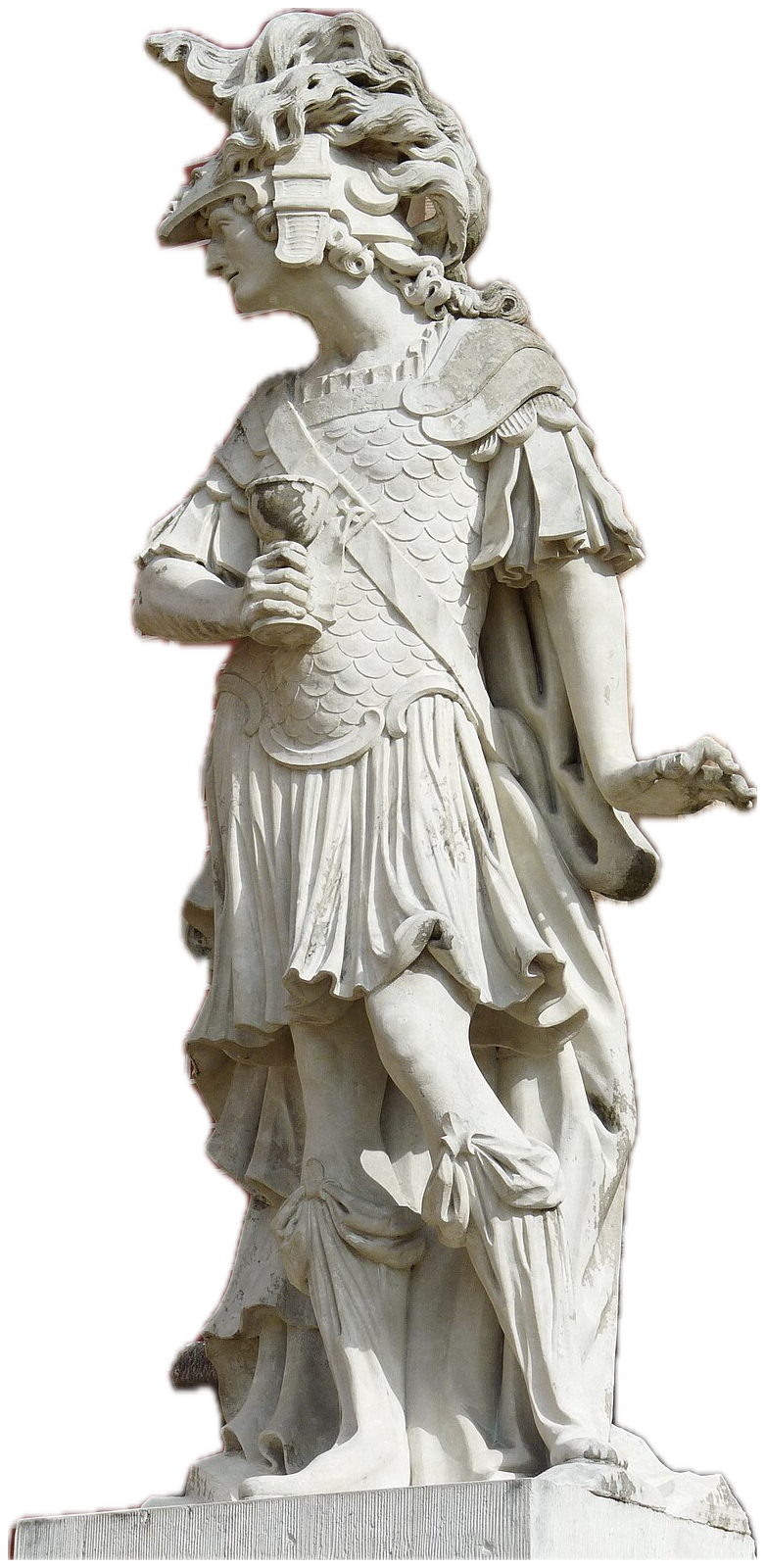

“and that held Laas, and dwelt about Oetylus,—these were led by Agamemnon's brother, even Menelaus, good at the war-cry, with sixty ships; and they were marshalled apart. And himself he moved among them, confident in his zeal, urging his men to battle; and above all others was his heart fain”
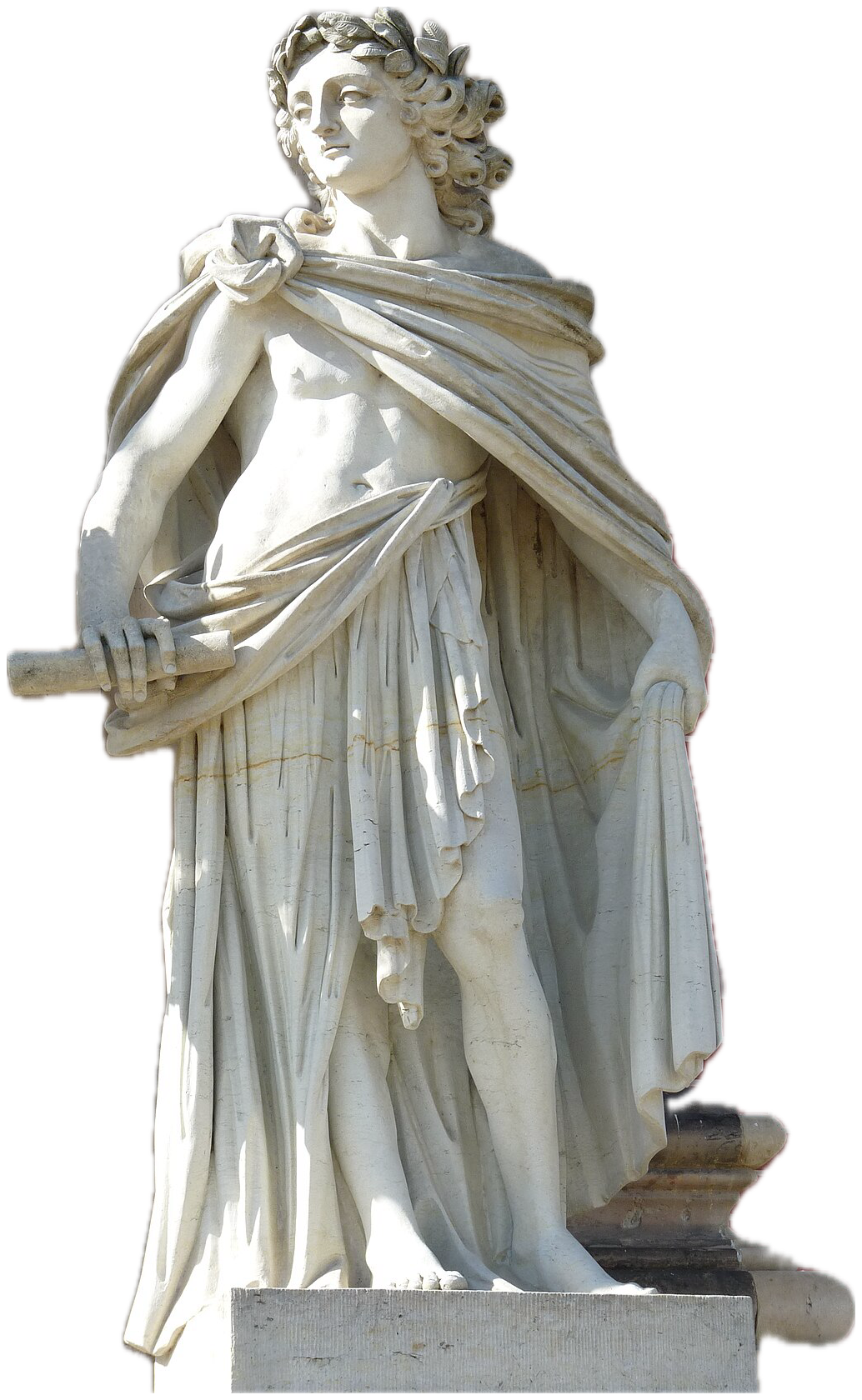
“to fight with him face to face in dread combat. But when Menelaus, dear to Ares, was ware of him as he came forth before the throng with long strides, then even as a lion is glad when he lighteth on a great carcase, having found a horned stag or a wild goat”
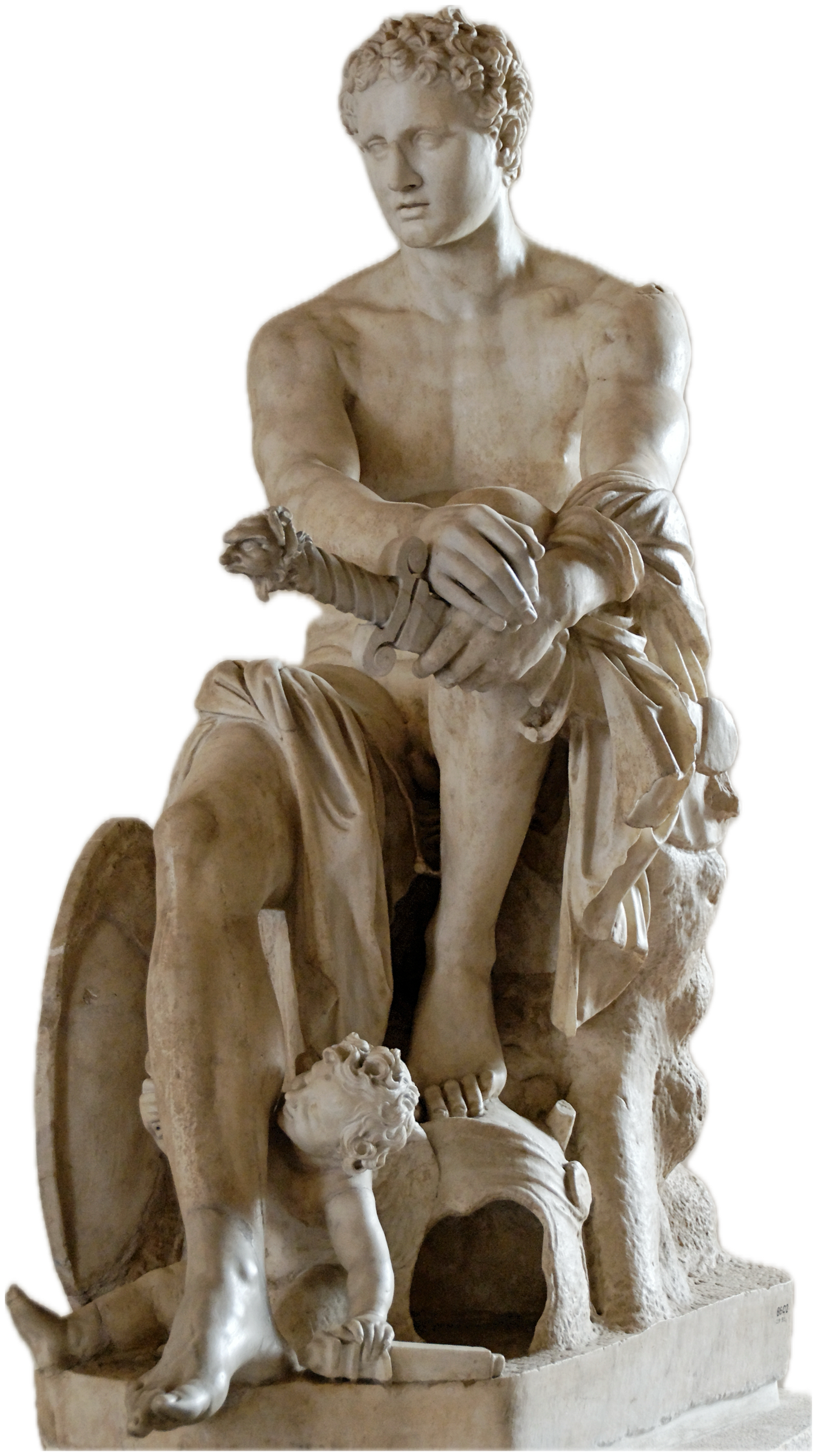
“but to thy father and city and all the people a grievous bane—to thy foes a joy, but to thine own self a hanging down of the head? Wilt thou indeed not abide Menelaus, dear to Ares? Thou wouldest learn what manner of warrior he is whose lovely wife thou hast. Then will thy lyre help thee not, neither the gifts of Aphrodite,”
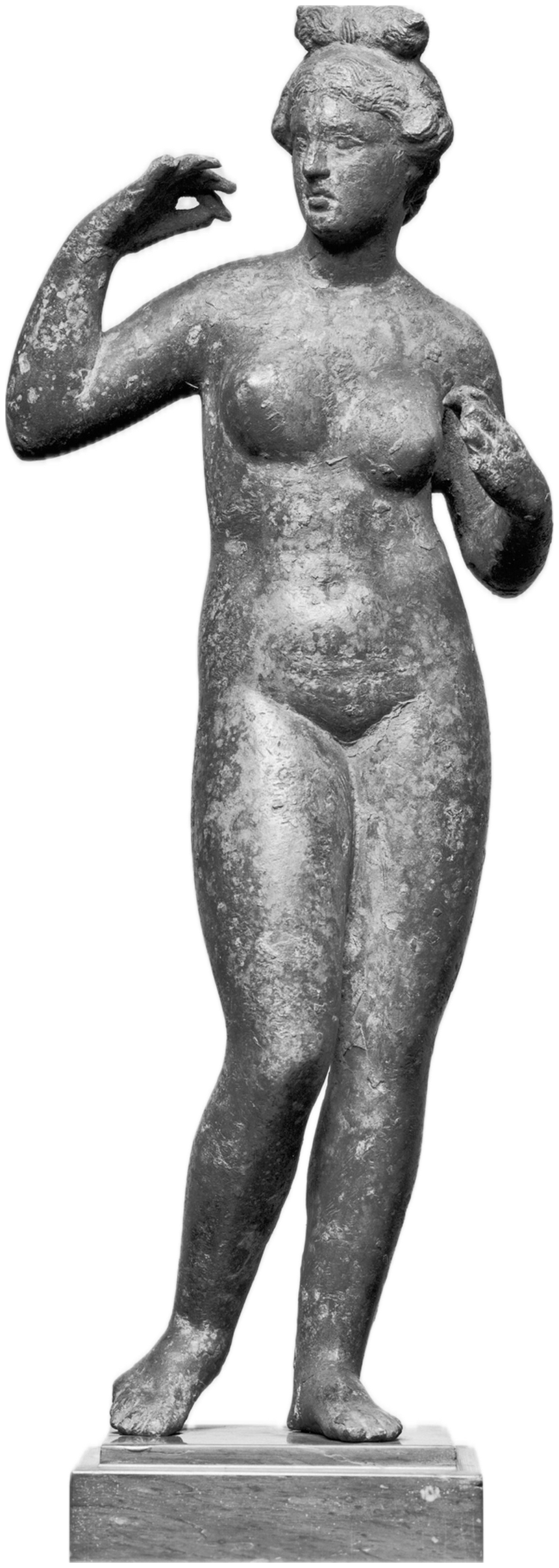
“Not to be flung aside, look you, are the glorious gifts of the gods, even all that of themselves they give, whereas by his own will could no man win them. But now, if thou wilt have me war and do battle, make the other Trojans to sit down and all the Achaeans, but set ye me in the midst and Menelaus, dear to Ares,”
“and himself in the midst and Menelaus, dear to Ares, to do battle for Helen and all her possessions. And whichsoever of the twain shall win, and prove him the better man, let him duly take all the wealth and the woman, and bear them to his home; but for us others, let us swear friendship and oaths of faith with sacrifice.”
See all 90
“So spake he, and they all became hushed in silence; and among them spake Menelaus, good at the war-cry: Hearken ye now also unto me, for upon my heart above all others hath sorrow come; my mind is that Argives and Trojans now be parted, seeing ye have suffered many woes”
“and they lean upon their shields, and beside them their long spears are fixed. But Alexander and Menelaus, dear to Ares, will do battle with their long spears for thee; and whoso shall conquer, his dear wife shalt thou be called. So spake the goddess, and put into her heart sweet longing”
“neither be left here to be a bane to us and to our children after us. So they said, but Priam spake, and called Helen to him: Come hither, dear child, and sit before me, that thou mayest see thy former lord and thy kinsfolk and thy people—thou art nowise to blame in my eyes; it is the gods, methinks, that are to blame,”
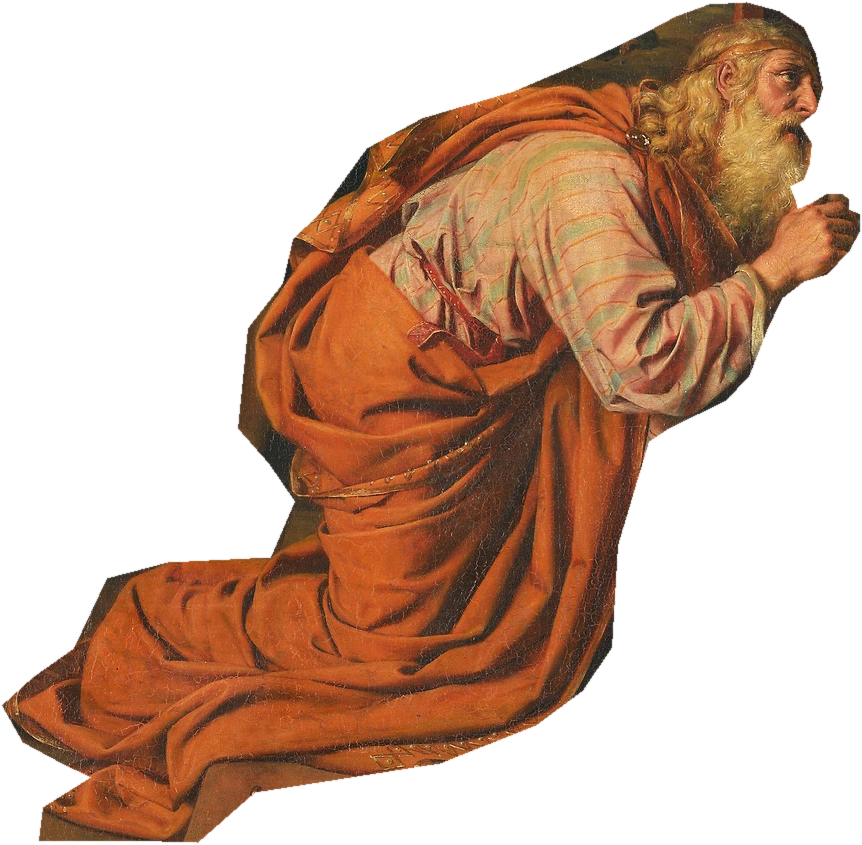
“for erstwhile on a time goodly Odysseus came hither also on an embassy concerning thee, together with Menelaus, dear to Ares; and it was I that gave them entertainment and welcomed them in my halls, and came to know the form and stature of them both and their cunning devices. Now when they mingled with the Trojans, as they were gathered together,”
“And Idomeneus over against him standeth amid the Cretans even as a god, and about him are gathered the captains of the Cretans. Full often was Menelaus, dear to Ares, wont to entertain him in our house, whenever he came from Crete. And now all the rest of the bright-eyed Achaeans do I see,”
“Rise, thou son of Laomedon, the chieftains of the horse-taming Trojans, and of the brazen-coated Achaeans, summon thee to go down into the plain, that ye may swear oaths of faith with sacrifice. But Alexander and Menelaus, dear to Ares, will do battle with long spears for the woman's sake;”
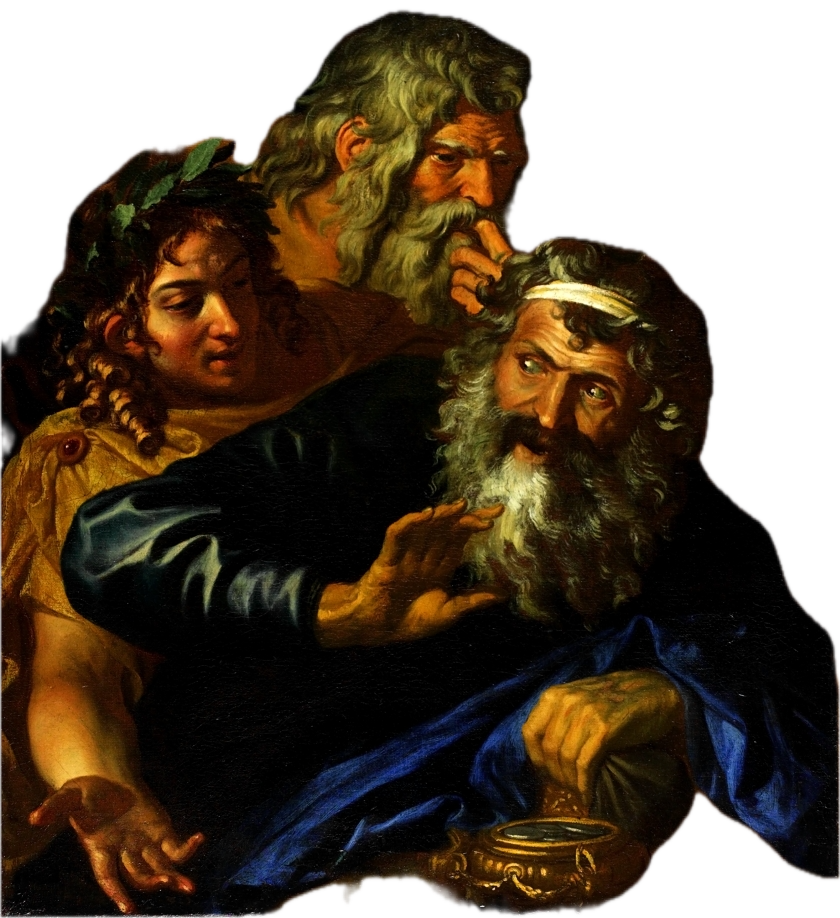
“be ye witnesses, and watch over the oaths of faith. If Alexander slay Menelaus, then let him keep Helen and all her treasure; and we will depart in our seafaring ships. But if so be fair-haired Menelaus shall slay Alexander,”
“I verily will go my way back to windy Ilios, since I can in no wise bear to behold with mine eyes my dear son doing battle with Menelaus, dear to Ares. But this, I ween, Zeus knoweth, and the other immortal gods, for which of the twain the doom of death is ordained.”
“of bronze, and thereafter his shield great and sturdy; and upon his mighty head he set a well-wrought helmet with horse-hair crest —and terribly did the plume nod from above— and he took a valorous spear, that fitted his grasp. And in the self-same manner warlike Menelaus did on his battle-gear.”
“and made prayer to father Zeus: Zeus, our king, grant that I may avenge me on him that was first to do me wrong, even on goodly Alexander, and subdue thou him beneath my hands; that many a one even of men yet to be may shudder to work evil to his host, that hath shown him friendship.”
“Father Zeus, than thou is no other god more baleful. Verily I deemed that I had got me vengeance upon Alexander for his wickedness, but now is my sword broken in my hands, and forth from my grasp has my spear flown in vain, and I smote him not. So saying, he sprang upon him, and seized him by the helmet with thick crest of horse-hair,”
“Verily thou wilt lead me yet further on to one of the well-peopled cities of Phrygia or lovely Maeonia, if there too there be some one of mortal men who is dear to thee, seeing that now Menelaus hath conquered goodly Alexander, and is minded to lead hateful me to his home.”
“Verily it was thy boast aforetime that thou wast a better man than Menelaus, dear to Ares, in the might of thy hands and with thy spear. But go now, challenge Menelaus, dear to Ares, again to do battle with thee, man to man. But, nay, I of myself bid thee refrain, and not war amain against fair-haired Menelaus,”
“And forthwith the son of Cronos made essay to provoke Hera with mocking words, and said with malice: Twain of the goddesses hath Menelaus for helpers, even Argive Hera, and Alalcomenean Athene. Howbeit these verily sit apart and take their pleasure in beholding,”
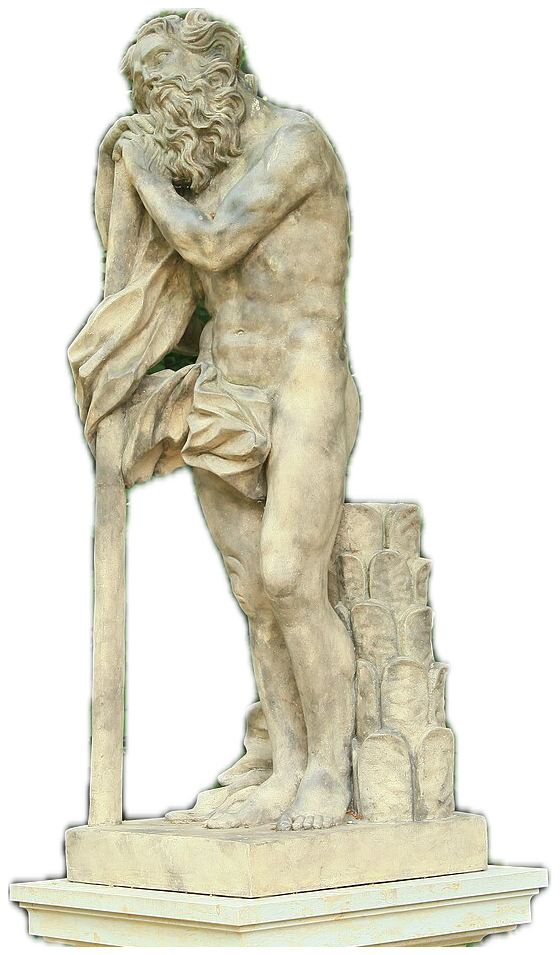
“as he stood, and about him were the stalwart ranks of the shield-bearing hosts that followed him from the streams of Aesepus. Then she drew near, and spake to him winged words: Wilt thou now hearken to me, thou wise-hearted son of Lycaon? Then wouldst thou dare to let fly a swift arrow upon Menelaus,”
“or ever Menelaus, the warlike son of Atreus, was smitten. Then opened he the lid of his quiver, and took forth an arrow, a feathered arrow that had never been shot, freighted with dark pains; and forthwith he fitted the bitter arrow to the string, and made a vow to Apollo, the wolf-born god, famed for his bow,”

“alike an ornament for his horse and to its driver a glory; even in such wise, Menelaus, were thy thighs stained with blood, thy shapely thighs and thy legs and thy fair ankles beneath. Thereat shuddered the king of men, Agamemnon, as he saw the black blood flowing from the wound,”
“and Menelaus, dear to Ares, himself likewise shuddered. But when he saw that the sinew and the barbs were without the flesh, back again into his breast was his spirit gathered. But with a heavy moan spake among them lord Agamemnon, holding Menelaus by the hand; and his comrades too made moan:”
“and Priam, and the people of Priam, with goodly spear of ash; and Zeus, son of Cronos, throned on high, that dwelleth in the heaven, shall himself shake over them all his dark aegis in wrath for this deceit. These things verily shall not fail of fulfillment; yet dread grief for thee shall be mine, O Menelaus,”
“Not in a fatal spot hath the shaft been fixed; ere that my flashing belt stayed it, and the kilt beneath, and the taslet that the coppersmiths fashioned. Then in answer to him spake lord Agamemnon: Would it may be so, dear Menelaus.”
“wounded, and around him were gathered in a circle all they that were chieftains, the godlike hero came and stood in their midst, and straightway drew forth the arrow from the clasped belt; and as it was drawn forth the sharp barbs were broken backwards.”
“did Atreus' son Menelaus slay with his sharp spear, even him the mighty hunter; for Artemis herself had taught him to smite all wild things that the mountain forest nurtureth. Yet in no wise did the archer Artemis avail him now, neither all that skill in archery wherein of old he excelled;”
“but this, meseems, was to avail me not. Already have I let fly a shaft at two chieftains, the son of Tydeus and Atreus' son, and smitten them fairly, and from them both of a surety I drew forth blood, yet did I but arouse them the more. Wherefore with ill hap was it that I took from the peg my curved bow”
“Now when the twain had reached manhood, they followed with the Argives on the black ships to Ilios famed for its horses, seeking to win recompense for the sons of Atreus, Agamemnon and Menelaus; but their own selves in that land did the doom of death enfold. Like them two lions upon the mountain tops”
“But as they fell Menelaus dear to Ares had pity for them, and strode through the foremost fighters, harnessed in flaming bronze and brandishing his spear; and Ares roused his might with intent that he might be vanquished beneath the hands of Aeneas.”
“and themselves turned back and fought amid the foremost. Then the twain slew Pylaemenes, peer of Ares, the leader of the great-souled Paphlagonian shieldmen. Him as he stood still, the son of Atreus, spear-famed Menelaus, pierced with his spear, smiting him upon the collar-bone;”
“verily it was for naught that we pledged our word to Menelaus, that not until he had sacked well-walled Ilios should he get him home, if we are to suffer baneful Ares thus to rage. Nay, come, let us twain likewise bethink us of furious valour. So spake she, and the goddess, flashing-eyed Athene, failed not to hearken.”
“And the warrior Leïtus slew Phylacus, as he fled before him; and Eurypylus laid Melanthius low. But Adrastus did Menelaus, good at the warcry, take alive; for his two horses, coursing in terror over the plain, became entangled in a tamarisk bough, and breaking the curved car at the end of the pole,”
“themselves went on toward the city whither the rest were fleeing in rout; but their master rolled from out the car beside the wheel headlong in the dust upon his face. And to his side came Menelaus, son of Atreus, bearing his far-shadowing spear.”
“but let all perish together out of Ilios, unmourned and unmarked. So spake the warrior, and turned his brother's mind, for he counselled aright; so Menelaus with his hand thrust from him the warrior Adrastus, and lord Agamemnon smote him on the flank, and he fell backward; and the son of Atreus”
“whom on a time in the midst of his prowess glorious Hector slew.’ So shall some man say, and my glory shall never die. So spake he, and they all became hushed in silence; shame had they to deny him, but they feared to meet him. Howbeit at length Menelaus arose among them and spake,”

“So spake the warrior and turned his brother's mind, for he counselled aright; and Menelaus obeyed. Then with gladness his squires took his armour from his shoulders; and Nestor rose up and spake amid the Argives: Fie upon you! In good sooth is great grief come upon the land of Achaea.”
“Come ye now, let us give Argive Helen and the treasure with her unto the sons of Atreus to take away. Now do we fight after proving false to our oaths of faith, wherefore have I no hope that aught will issue to our profit, if we do not thus. When he had thus spoken he sate him down, and among them uprose”
“For this present take ye your supper throughout the city, even as of old, and take heed to keep watch, and be wakeful every man; and at dawn let Idaeus go to the hollow ships to declare to Atreus' sons, Agamemnon and Menelaus, the word of Alexander, for whose sake strife hath been set afoot.”
“in his hollow ships—would that he had perished first!—all this he is minded to give, and to add thereto from his own store; but the wedded wife of glorious Menelaus, he declares he will not give; though verily the Trojans bid him do it. Moreover they bade me declare unto you this word also, whether ye be minded”
“And for themselves alone unto the sons of Atreus, Agamemnon and Menelaus, had Euneus given wine to be brought them, even a thousand measures. From these ships the long-haired Achaeans bought them wine, some for bronze, some for gleaming iron, some for hides, some for whole cattle,”
“so he fell from out the car, and upon him his armour clanged. And after him came the sons of Atreus, Agamemnon and Menelaus, and after them the Aiantes, clothed in furious valour, and after them Idomeneus and Idomeneus' comrade, Meriones, peer of Enyalius, slayer of men,”
“And even in like manner was Menelaus holden of trembling fear—for on his eyelids too sleep settled not down—lest aught should befall the Argives who for his sake had come to Troy over the wide waters of the sea, pondering in their hearts fierce war. With a leopard's skin first he covered his broad shoulders, a dappled fell,”
“to go forth alone and spy upon the foemen, through the immortal night; right hardy of heart must that man be. Then in answer to him spake lord Agamemnon: Need have we, both thou and I, O Menelaus, fostered of Zeus, of shrewd counsel that shall save and deliver”
“but rather let us ourselves be busy; even thus I ween hath Zeus laid upon us even at our birth the heaviness of woe. So spake he, and sent forth his brother when he had duly given him commandment. But he went his way after Nestor, shepherd of the host, and found him by his hut and his black ship”
“and the swift Aias, and the valiant son of Phyleus. And I would that one should go and summon these also, the godlike Aias and lord Idomeneus, for their ships are furthest of all and nowise nigh at hand. But Menelaus will I chide, dear though he be and honoured,”
“fain was the son of Atreus, Menelaus, famed for his spear, and fain too was the stead-fast Odysseus to steal into the throng of the Trojans, for ever daring was the spirit in his breast. Then among them spake the king of men, Agamemnon: Diomedes, son of Tydeus, dear to my heart,”

“So said he, since he feared for the sake of fair-haired Menelaus. But among them spake again Diomedes, good at the war-cry: If of a truth ye bid me of myself choose me a comrade, how should I then forget godlike Odysseus, whose heart and proud spirit are beyond all others eager”
“would not suffer that Helen be given back to fair-haired Menelaus. His two sons lord Agamemnon took, the twain being in one car, and together were they seeking to drive the swift horses, for the shining reins had slipped from their hands, and the two horses were running wild; but he rushed against them like a lion,”
“had come on an embassage with godlike Odysseus, bade slay him then and there, neither suffer him to return to the Achaeans, now of a surety shall ye pay the price of your father's foul outrage. He spake, and thrust Peisander from his chariot to the ground, smiting him with his spear upon the breast, and backward was he hurled upon the earth.”
“called one to another through the throng and made at him all together. But he gave ground, and shouted to his comrades; thrice shouted he then loud as a man's head can shout, and thrice did Menelaus, dear to Ares, hear his call, and forthwith he spake to Aias that was nigh at hand:”
“Then Aias drew near, bearing his shield that was like a city wall, and stood forth beside him, and the Trojans scattered in flight, one here, one there. And warlike Menelaus led Odysseus forth from the throng, holding him by the hand, till his squire drave up the horses and car. Then Aias leapt upon the Trojans and slew Doryclus,”
“and down upon the eyes of Deïpyrus came the darkness of night, and enfolded him. But the son of Atreus was seized with grief thereat, even Menelaus, good at the war-cry, and he strode forth with a threat against the prince, the warrior Helenus, brandishing his sharp spear, while the other drew the centre-piece of his bow. So the twain at the one moment let fly,”
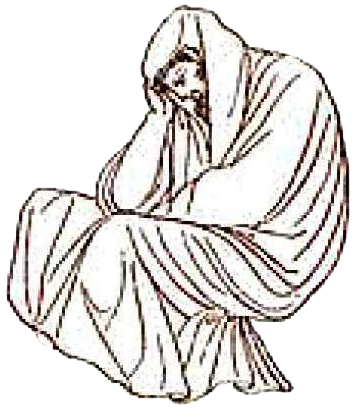
“even a sling that his squire carried for him, the shepherd of the host. But Peisander made straight at glorious Menelaus; howbeit an evil fate was leading him to the end of death, to be slain by thee, Menelaus, in the dread conflict. And when they were come near, as they advanced one against the other,”
“But the son of Atreus drew his silver-studded sword, and leapt upon Peisander; and he from beneath his shield grasped a goodly axe of fine bronze, set on a haft of olive-wood, long and well-polished; and at the one moment they set each upon the other. Peisander verily smote Menelaus upon the horn of his helmet with crest of horse-hair”
“With this peerless Menelaus stripped from the body the bloody armour and gave it to his comrades, and himself went back again, and mingled with the foremost fighters. Then there leapt forth against him the son of king Pylaemenes, even Harpalion, that followed his dear father to Troy unto the war,”
“and Teucer laid low Prothoön and Periphetes,; thereafter Atreus' son smote with a thrust in the flank Hyperenor, shepherd of the host, and the bronze let forth the bowels, as it clove through, and his soul sped hastening through the stricken wound, and darkness enfolded his eyes.”
“meanwhile warlike Menelaus came to bear him aid, and he took his stand on one side with his spear, unmarked of Dolops, and cast and smote him on the shoulder from behind; and the spear in its fury sped through his breast, darting eagerly onward, and he fell upon his face; and the twain made for him to strip from his shoulders his armour wrought of bronze.”
“So spake he, and they even of themselves were eager to ward off the foe, but they laid up his word in their hearts, and fenced in the ships with a hedge of bronze; and against them Zeus urged on the Trojans. Then Menelaus, good at the war-cry, exhorted Antilochus: Antilochus, none other of the Achaeans is younger than thou,”
“and the spear brake the bone, and he fell on his face on the ground. And warlike Menelaus thrust and smote Thoas on the breast, where it was left bare beside the shield, and loosed his limbs. And the son of Phyleus as he watched Amphiclus that was rushing upon him, proved quicker than his foe, and smote him upon the base of the leg, where”
“And the son of Atreus, Menelaus, dear to Ares, failed not to mark that Patroclus had been slain in battle by the Trojans, but fared amid the foremost fighters, harnessed in flaming bronze, and bestrode the dead, as over a calf standeth lowing plaintively its mother, that hath brought forth”
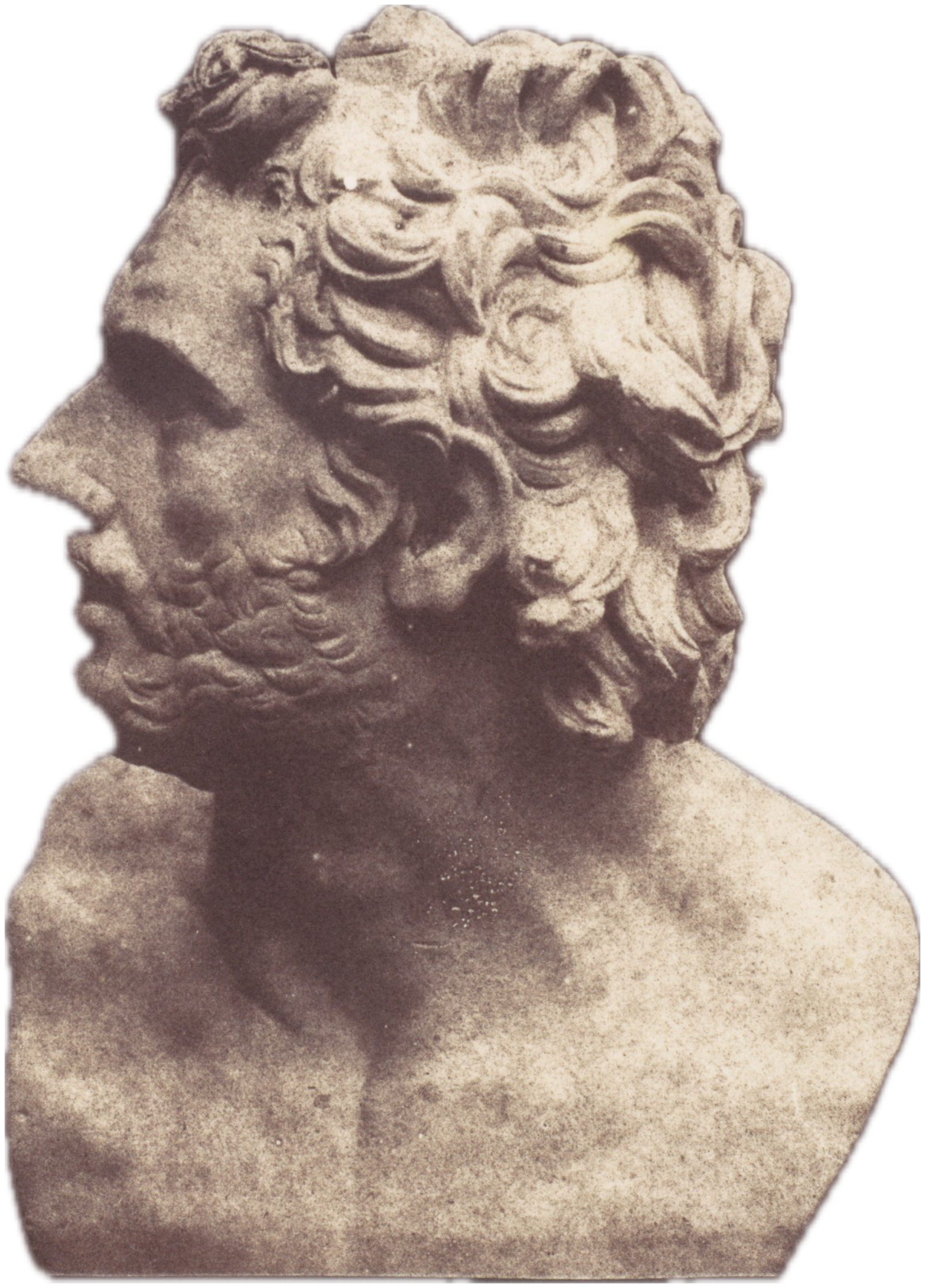
“Patroclus with the spear in the fierce conflict; wherefore suffer thou me to win goodly renown among the Trojans, lest I cast and smite thee, and rob thee of honey-sweet life. Then, his heart mightily stirred, fair-haired Menelaus spake unto him: O father Zeus, no good thing is it to boast overweeningly.”
“but its point was bent back in the stout shield. Then in turn did Atreus' son, Menelaus, rush upon him with his spear, and made prayer to father Zeus; and as he gave back, stabbed him at the base of the throat, and put his weight into the thrust, trusting in his heavy hand; and clean out through the tender neck passed the point.”
“and round about him hounds and herds-men folk clamour loudly from afar, but have no will to come against him, for pale fear taketh hold on them; even so dared not the heart in the breast of any Trojan go to face glorious Menelaus.”
“stripping off the glorious arms, and of the other lying on the ground; and the blood was flowing down from the stricken wound. Then strode he forth amid the foremost fighters, harnessed in flaming bronze, crying a shrill cry, in fashion like unto the flame of Hephaestus that none may quench. Nor was his shrill cry unheard of the son of Atreus,”
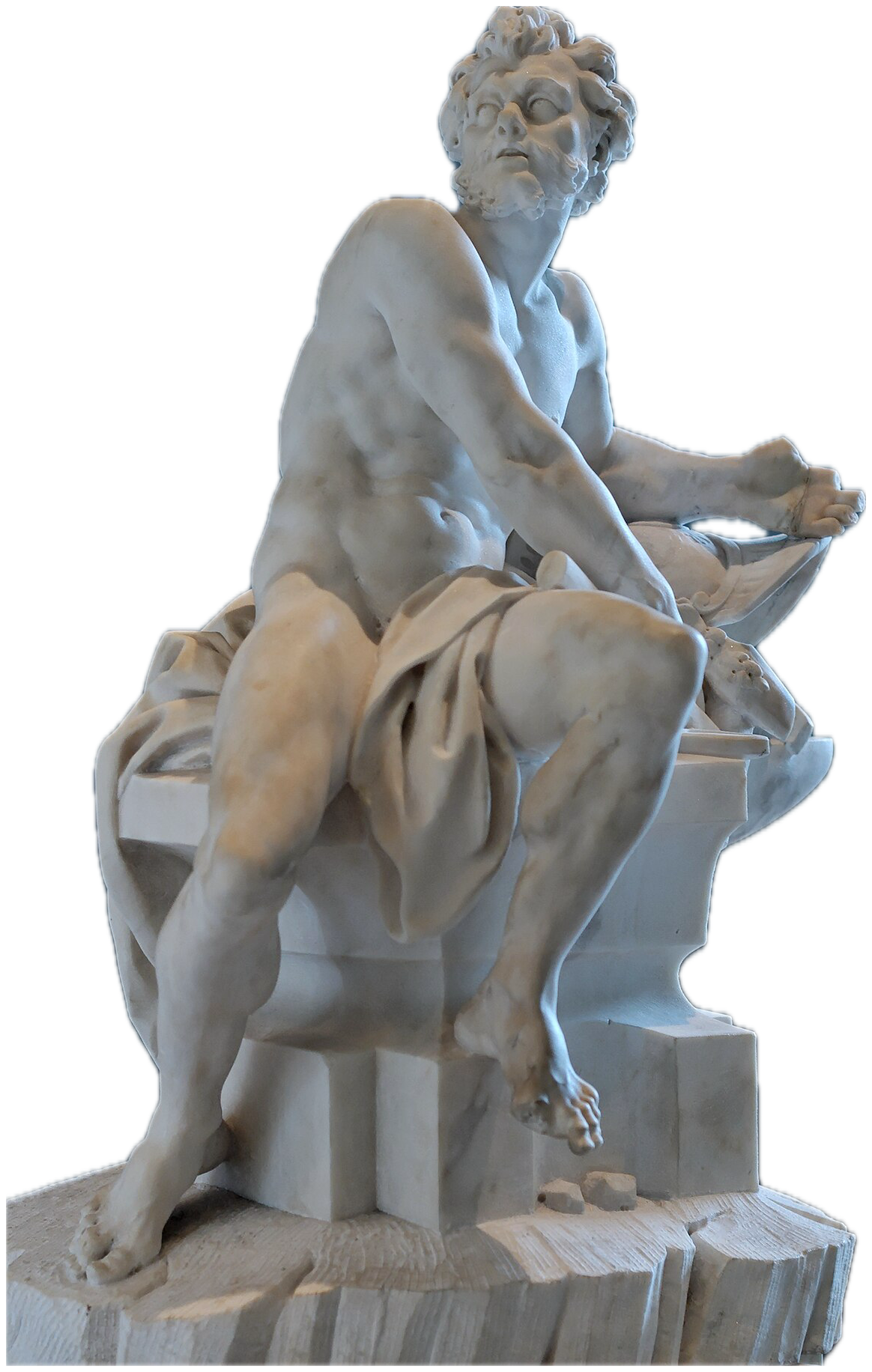
“for Achilles, Peleus' son: of ills that were the best. While he pondered thus in mind and heart, meanwhile the ranks of the Trojans came on, and Hector led them. Then Menelaus gave ground backward, and left the corpse, ever turning him about like a bearded lion”






“one that huntsmen have encountered in the forest as he leadeth his young; then he exulteth in his strength, and draweth down all his brows to cover his eyes; even so did Aias bestride the warrior Patroclus, and hard by him stood the son of Atreus, Menelaus, dear to Ares, nursing great sorrow in his breast.”
“And Glaucus, son of Hippolochus, leader of the Lycians, with an angry glance from beneath his brows, chid Hector with hard words, saying: Hector, most fair to look upon, in battle art thou sorely lacking. In good sooth 'tis but in vain that fair renown possesseth thee that art but a runagate. Bethink thee now how by thyself thou mayest save thy city and home”
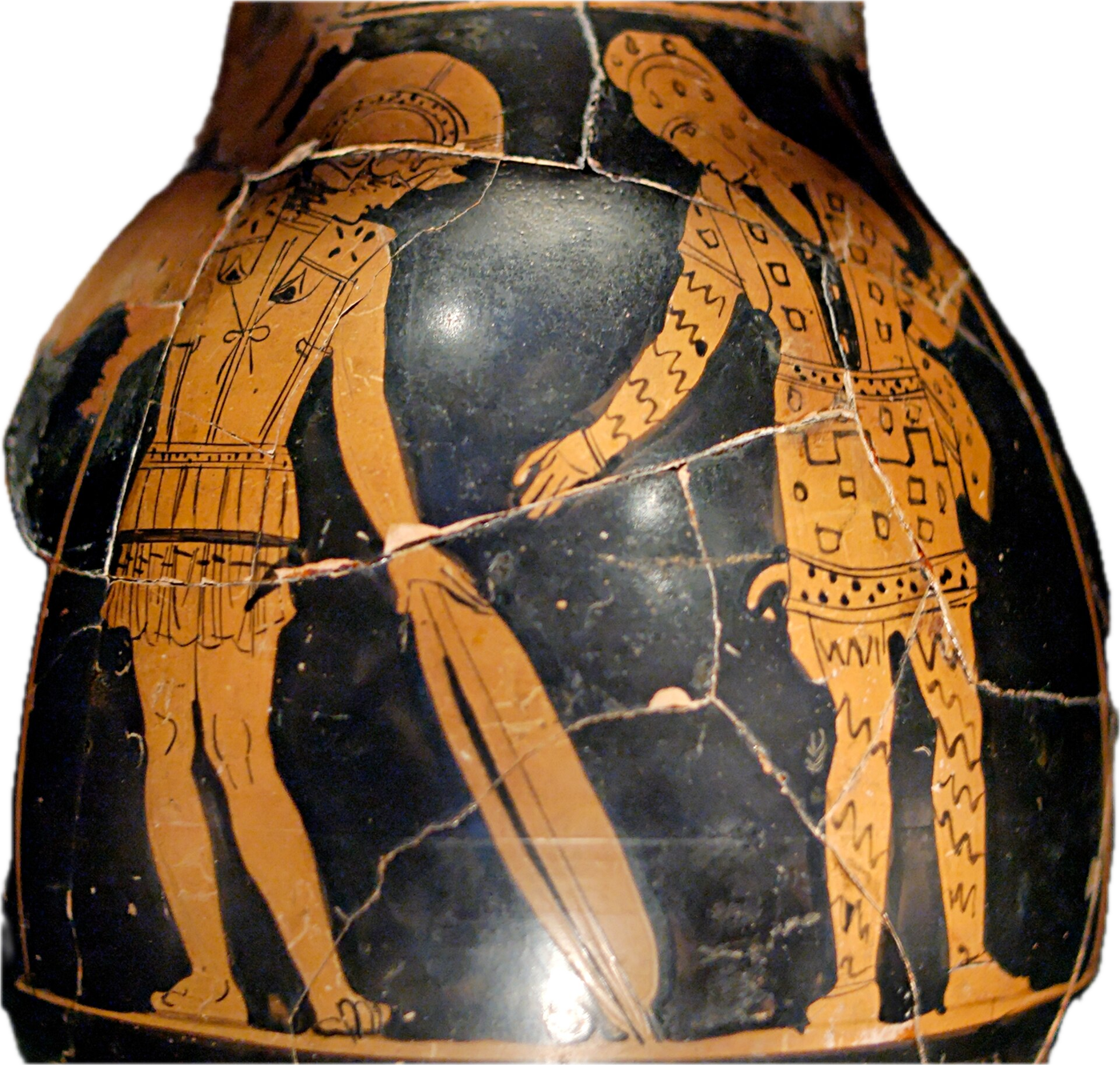
“were full of hope to drag the corpse froma beneath Aias, son of Telamon—fools that they were! Verily full many did he rob of life over that corpse. Then spake Aias unto Menelaus, good at the war-cry, Good Menelaus, fostered of Zeus, no more have I hope that we twain by ourselves alone shall win back from out the war.”
“and have slain the two of us, and driven in rout the ranks of the Argive warriors, or haply himself be slain amid the foremost. So spake he, and called to the two Aiantes and to Menelaus: Ye Aiantes twain, leaders of the Argives, and thou Menelaus, lo now, leave ye the corpse in charge of them that are bravest”
“maketh men to cease from their work upon the face of the earth, and vexeth the flocks; even so Athene, enwrapping herself in a lurid cloud, entered the throng of the Danaans, and urged on each man. First to hearten him she spake to Atreus' son, valiant Menelaus, for he was nigh to her,”
“Then Menelaus, good at the war-cry, answered her: Phoenix, old sire, my father of ancient days, would that Athene may give me strength and keep from me the onrush of darts. So should I be full fain to stand by Patroclus' side and succour him; for in sooth his death hath touched me to the heart.”
“In his likeness Apollo that worketh afar spake unto Hector: Hector, what man beside of the Achaeans will fear thee any more, seeing thou hast thus quailed before Menelaus, who aforetime was a weakling warrior? Now with none to aid him hath he taken the dead from out the ranks of the Trojans and is gone—aye, he hath slain thy trusty comrade,”
“to the hollow ships; for verily fear had fallen upon his soul. Nor were great-hearted Aias and Menelaus unaware how that Zeus was giving to the Trojans victory to turn the tide of battle; and of them great Telamonian Aias was first to speak, saying: Out upon it, now may any man, how foolish so ever he be,”
“and the sun shone forth upon them and all the battle was made plain to view. Then Aias spake unto Menelaus, good at the war-cry: Look forth now, Menelaus, nurtured of Zeus, if so be thou mayest have sight of Antilochus yet alive, son of great-souled Nestor, and bestir thou him to go with speed unto Achilles, wise of heart,”
“now let each man remember the kindliness of hapless Patroclus; for to all was he ever gentle while yet he lived, but now death and fate have come upon him. So saying fair-haired Menelaus departed, glancing warily on every side as an eagle, which, men say, hath”
“Long time was he speechless, and both his eyes were filled with tears, and the flow of his voice was checked. Yet not even so was he neglectful of the bidding of Menelaus, but set him to run, and gave his armour to his peerless comrade Laodocus, that hard beside him was wheeling his single-hoofed horses.”
“Then great Telamonian Aias answered him: All this hast thou spoken aright, most glorious Menelaus. But do thou and Meriones stoop with all speed beneath the corpse, and raise him up, and bear him forth from out the toil of war; but behind you we twain will do battle with the Trojans and goodly Hector,”
“Thus the twain were hasting to bear the corpse forth from out the battle to the hollow ships, and against them was strained a conflict fierce as fire that, rushing upon a city of men with sudden onset, setteth it aflame, and houses fall amid the mighty glare, and the might of the wind driveth it roaring on.”
“and after him upsprang Tydeus' son, mighty Diomedes, and led beneath the yoke the horses of Tros, even them that on a time he had taken from Aeneas, albeit Apollo snatched away Aeneas' self; and after him uprose Atreus' son, fair-haired Menelaus, sprung from Zeus, and led beneath the yoke swift steeds, Aethe, Agamemnon's mare, and his own horse Podargus.”
“and next to him Atreus' son, Menelaus, famed for his spear, and next to him Meriones drew his place; and last of all the son of Tydeus, albeit far the best, drew a place for his chariot. Then took they their places in a row, and Achilles shewed them the turning-post afar off in the smooth plain; and thereby he set as an umpire”
“put strength in his horses and gave glory to himself. And after him drave the son of Atreus, fair-haired Menelaus. But Antilochus called to the horses of his father: Go in now, ye twain as well; strain to your utmost speed. With yon steeds verily I nowise bid you strive,”
“A rift there was in the ground, where the water, swollen by winter rains, had broken away a part of the road and had hollowed all the place. There drave Menelaus in hope that none other might drive abreast of him. But Antilochus turned aside his single-hooved horses, and drave on outside the track, and followed after him, a little at one side.”
“lest haply the single-hooved horses should clash together in the track, and overturn the well-plaited cars, and themselves be hurled in the dust in their eager haste for victory. Then fair-haired Menelaus chid Antilochus, and said: Antilochus, than thou is none other of mortals more malicious.”
“for that by guile, and nowise by speed, had he outstripped Menelaus; howbeit even so Menelaus guided his swift horses close behind. Far as a horse is from the wheel, a horse that draweth his master over the plain,and straineth at the car—the tire thereof do the hindmost hairs of his tail touch,”
“for it runneth close behind, and but scant space is there between, as he courseth over the wide plain—even by so much was Menelaus behind peerless Antilochus, though at the first he was behind far as a man hurleth the discus; howbeit quickly was he overtaking Antilochus, for the goodly mettle”
“and placed it in Eumelus' hands and he received it gladly. Then among them uprose also Menelaus, sore vexed at heart, furiously wroth at Antilochus; and a herald gave the staff into his hand, and proclaimed silence among the Argives; and thereafter spake among them the godlike man:”
“that not of thine own will didst thou hinder my chariot by guile. Then in turn wise Antilochus answered him: Bear with me, now, for far younger am I than thou, king Menelaus, and thou art the elder and the better man. Thou knowest of what sort are the transgressions of a man that he is young,”
Connections
Father · Sources
and he withdraweth back again and pallor layeth hold of his cheeks; even so did godlike Alexander, seized with fear of Atreus' son, shrink back into the throng of the lordly Trojans. But Hector saw him, and chid him with words of shame: Evil Paris, most fair to look upon, thou that art mad after women, thou beguiler,
when they stood Menelaus overtopped him with his broad shoulders; howbeit when the twain were seated Odysseus was the more royal. But when they began to weave the web of speech and of counsel in the presence of all, Menelaus in truth spake fluently, with few words, but very clearly, seeing he was not a man of lengthy speech
brandishing their spears in wrath one at the other. First Alexander hurled his far-shadowing spear, and smote upon the son of Atreus' shield that was well balanced on every side ; howbeit the bronze brake not through but its point was turned in the stout shield. Next Atreus' son, Menelaus, rushed upon him with his spear,
Il. 3.37 · Il. 3.213 · Il. 3.347 · Il. 3.361 · Il. 3.449 · Il. 4.205 · Il. 5.50 · Il. 5.207 · Il. 5.552 · Il. 5.570 · Il. 5.578 · Il. 7.470 · Il. 8.261 · Il. 13.581 · Il. 17.69 · Il. 17.553 · Il. 23.355 · Il. 23.594
Brother · Sources
Nestor, first of all, and king Idomeneus, and thereafter the twain Aiantes and the son of Tydeus, and as the sixth Odysseus, the peer of Zeus in counsel. And unbidden came to him Menelaus, good at the war-cry, for he knew in his heart wherewith his brother was busied.
and that held Laas, and dwelt about Oetylus,—these were led by Agamemnon's brother, even Menelaus, good at the war-cry, with sixty ships; and they were marshalled apart. And himself he moved among them, confident in his zeal, urging his men to battle; and above all others was his heart fain
alike an ornament for his horse and to its driver a glory; even in such wise, Menelaus, were thy thighs stained with blood, thy shapely thighs and thy legs and thy fair ankles beneath. Thereat shuddered the king of men, Agamemnon, as he saw the black blood flowing from the wound,
Il. 2.408–409 · Il. 2.586 · Il. 4.148 · Il. 4.184 · Il. 4.189 · Il. 5.552 · Il. 6.61 · Il. 7.107–108 · Il. 7.120–121 · Il. 8.261 · Il. 10.32–34 · Il. 10.60 · Il. 10.72 · Il. 11.136–140 · Il. 17.249–250 · Il. 23.522
Wife · Sources
but to thy father and city and all the people a grievous bane—to thy foes a joy, but to thine own self a hanging down of the head? Wilt thou indeed not abide Menelaus, dear to Ares? Thou wouldest learn what manner of warrior he is whose lovely wife thou hast. Then will thy lyre help thee not, neither the gifts of Aphrodite,
neither be left here to be a bane to us and to our children after us. So they said, but Priam spake, and called Helen to him: Come hither, dear child, and sit before me, that thou mayest see thy former lord and thy kinsfolk and thy people—thou art nowise to blame in my eyes; it is the gods, methinks, that are to blame,
whether we shall again rouse evil war and the dread din of battle, or put friendship between the hosts. If this might in any wise be welcome to all and their good pleasure, then might the city of king Priam still be an habitation, and Menelaus take back Argive Helen.
Il. 3.52–53 · Il. 3.163 · Il. 4.19 · Il. 7.392 · Il. 13.626
Patron · Sources
to go forth alone and spy upon the foemen, through the immortal night; right hardy of heart must that man be. Then in answer to him spake lord Agamemnon: Need have we, both thou and I, O Menelaus, fostered of Zeus, of shrewd counsel that shall save and deliver
and the sun shone forth upon them and all the battle was made plain to view. Then Aias spake unto Menelaus, good at the war-cry: Look forth now, Menelaus, nurtured of Zeus, if so be thou mayest have sight of Antilochus yet alive, son of great-souled Nestor, and bestir thou him to go with speed unto Achilles, wise of heart,
Il. 10.43 · Il. 17.651
Patron · Sources
but to thy father and city and all the people a grievous bane—to thy foes a joy, but to thine own self a hanging down of the head? Wilt thou indeed not abide Menelaus, dear to Ares? Thou wouldest learn what manner of warrior he is whose lovely wife thou hast. Then will thy lyre help thee not, neither the gifts of Aphrodite,
Not to be flung aside, look you, are the glorious gifts of the gods, even all that of themselves they give, whereas by his own will could no man win them. But now, if thou wilt have me war and do battle, make the other Trojans to sit down and all the Achaeans, but set ye me in the midst and Menelaus, dear to Ares,
and himself in the midst and Menelaus, dear to Ares, to do battle for Helen and all her possessions. And whichsoever of the twain shall win, and prove him the better man, let him duly take all the wealth and the woman, and bear them to his home; but for us others, let us swear friendship and oaths of faith with sacrifice.
Il. 3.52 · Il. 3.69 · Il. 3.90 · Il. 3.136 · Il. 3.206 · Il. 3.232 · Il. 3.253 · Il. 3.307 · Il. 3.431 · Il. 4.115 · Il. 5.561 · Il. 17.1
Ally · Sources
Opponent · Sources
and himself in the midst and Menelaus, dear to Ares, to do battle for Helen and all her possessions. And whichsoever of the twain shall win, and prove him the better man, let him duly take all the wealth and the woman, and bear them to his home; but for us others, let us swear friendship and oaths of faith with sacrifice.
I verily will go my way back to windy Ilios, since I can in no wise bear to behold with mine eyes my dear son doing battle with Menelaus, dear to Ares. But this, I ween, Zeus knoweth, and the other immortal gods, for which of the twain the doom of death is ordained.
Il. 3.90–91 · Il. 3.307
See all 9
Friend · Sources
and the swift Aias, and the valiant son of Phyleus. And I would that one should go and summon these also, the godlike Aias and lord Idomeneus, for their ships are furthest of all and nowise nigh at hand. But Menelaus will I chide, dear though he be and honoured,aye, though thou shouldest be angry with me, nor will I hide my thought, for that he sleepeth thus, and hath suffered thee to toil alone. Now had it been meet that he laboured among all the chieftains, beseeching them, for need has come upon them that may no longer be borne. And to him did the king of men, Agamemnon, make answer, saying:
Il. 10.114–115
Ally · Sources
In art

Michel Martin Drolling. Wrath of Achilles2. собрание не указано. Public domain. https://commons.wikimedia.org/wiki/File%3AWrath_of_Achilles2.jpg
Image author: Michel Martin Drolling
Image date: 1810


Michel Martin Drolling. Michel Martin Drolling - La colère d'Achille. собрание не указано. Public domain. https://commons.wikimedia.org/wiki/File%3AMichel_Martin_Drolling_-_La_col%C3%A8re_d%27Achille.jpg
Image author: Michel Martin Drolling
Image date: 1810


Alexander Rothaug. Alexander Rothaug Menelaos findet Helena. собрание не указано. Public domain. https://commons.wikimedia.org/wiki/File%3AAlexander_Rothaug_Menelaos_findet_Helena.jpg
Image author: Alexander Rothaug
Image date: before 1946

See all 18

Alexander Rothaug. Alexander Rothaug Menelaos findet HelenaFXD. собрание не указано. Public domain. https://commons.wikimedia.org/wiki/File%3AAlexander_Rothaug_Menelaos_findet_HelenaFXD.jpg
Image author: Alexander Rothaug
Image date: before 1946


Simon Vouet. Vouet Simon Hélène offrant à Ménélas la potion de la reine Polydamne. Musée Carnavalet. Public domain. https://www.wikidata.org/wiki/Q18785915

Robert Fagan. Pasquino (Menelaus supporting the Body of Patroclus). National Trust. Public domain. https://www.wikidata.org/wiki/Q52145610

Johann Heinrich Tischbein. German: Menelaos im Zweikampf mit Paris The Duel of Menelaus and Paris title QS:P1476,de:"Menelaos im Zweikampf mit Paris" label QS:Lde,"Menelaos im Zweikampf mit Paris" label QS:Len,"The Duel of Menelaus and Paris". собрание не указано. Public domain. https://commons.wikimedia.org/wiki/File%3AMenelaos_im_Zweikampf_mit_Paris_%28Tischbein%29.jpg
Image author: Johann Heinrich Tischbein
Image date: 1757


Johann Heinrich Tischbein. Venus rettet Paris im Zweikampf mit Menelaos - Tischbein (Gemäldegalerie Alte Meister, Kassel). собрание не указано. Public domain. https://commons.wikimedia.org/wiki/File%3AVenus_rettet_Paris_im_Zweikampf_mit_Menelaos_-_Tischbein_%28Gem%C3%A4ldegalerie_Alte_Meister%2C_Kassel%29.jpg
Image author: Johann Heinrich Tischbein
Image date: 1757


Johann Heinrich Wilhelm Tischbein. Helen and Menelaus. собрание не указано. Public domain. https://commons.wikimedia.org/wiki/File%3AHelena_und_Menelaos_%28Tischbein%29.jpg
Image author: Johann Heinrich Wilhelm Tischbein
Image date: 1816


Jean-Jacques Lagrenée. Helen Recognising Telemachus, Son of Odysseus. Hermitage Museum. Public domain. https://www.wikidata.org/wiki/Q115688037
Image author: Jean-Jacques Lagrenée
Image date: 1795

Toussaint Gelton. Paris and Helena Surprised by Menelaus. Statens Museum for Kunst. Public domain. https://www.wikidata.org/wiki/Q20275235
Image author: Toussaint Gelton
Image date: between 1645 and 1680

Stanisław Wyspiański. Agamemnon rises against Achilles and Menelaus (Iliad). National Museum in Kraków. Public domain. https://www.wikidata.org/wiki/Q138499548

Bronze mirror. Metropolitan Museum of Art. CC0. https://www.wikidata.org/wiki/Q116290358

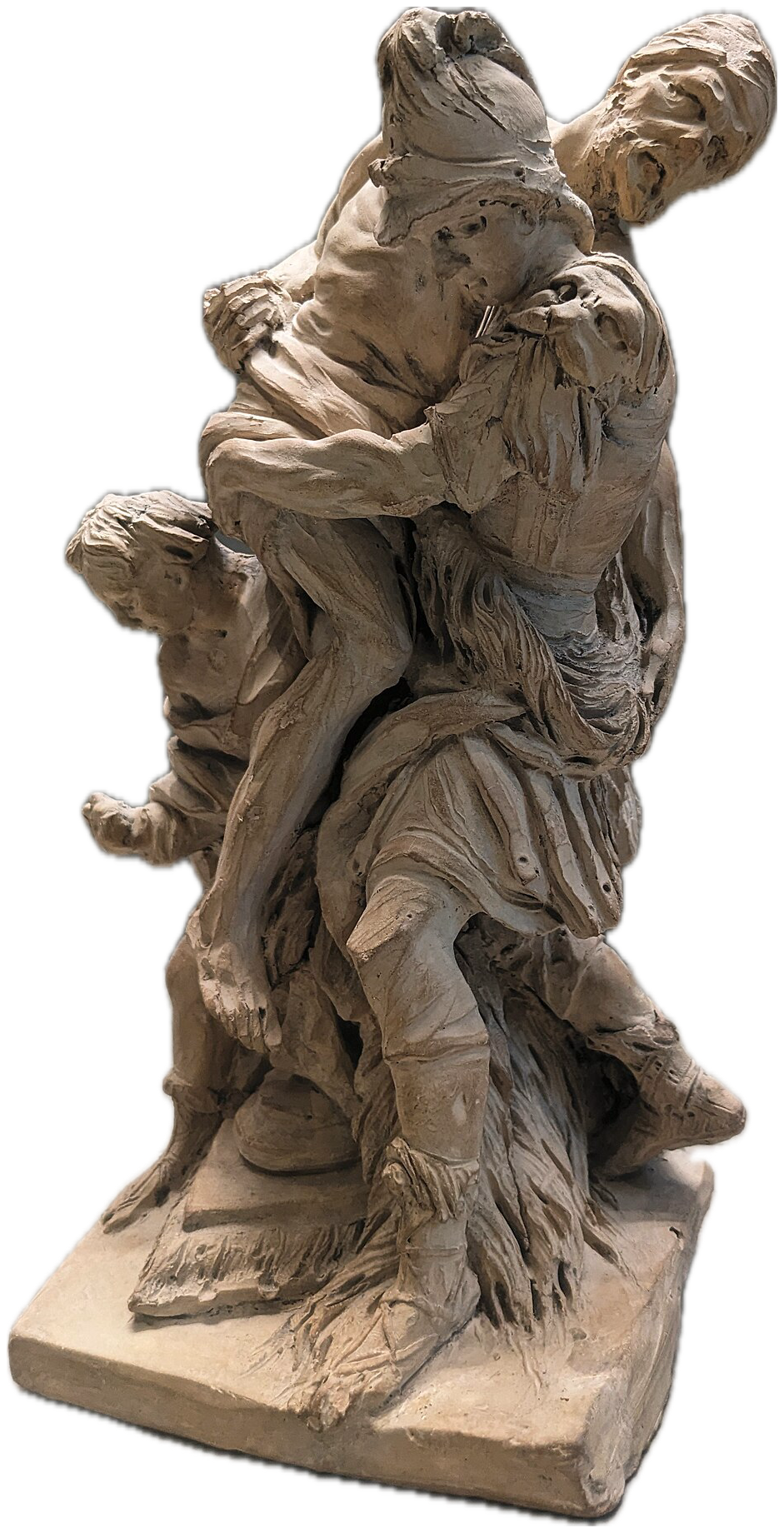
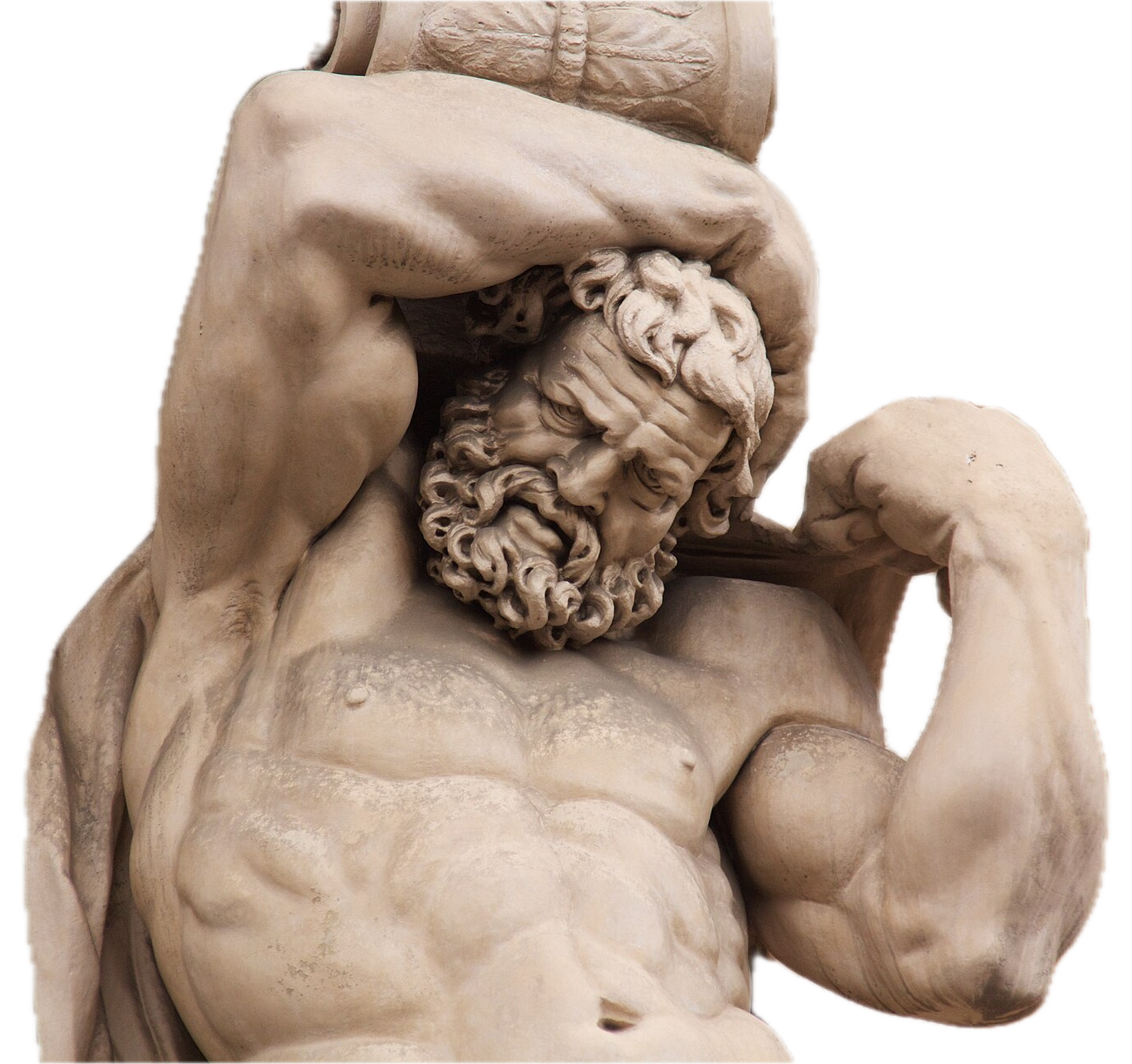
Менелай с телом Патрокла. Loggia dei Lanzi. CC BY 2.5. https://www.wikidata.org/wiki/Q1134128

Game Piece with Menelaus and Companions Battling Proteus. Metropolitan Museum of Art. CC0. https://www.wikidata.org/wiki/Q116273031

Helen Menelaus Louvre G424 full. Department of Greek, Etruscan, and Roman Antiquities of the Louvre. Public domain. https://www.wikidata.org/wiki/Q115474761

Euphorbos plate. British Museum. Public domain. https://www.wikidata.org/wiki/Q1374105

Douris. Kylix of Durides and Calliades. Department of Greek, Etruscan, and Roman Antiquities of the Louvre. CC0. https://www.wikidata.org/wiki/Q5961148
Image author: Shonagon
Image date: 2023-05-16
04 / PROVENANCE
Sources and verification
The character is matched to the catalogue.
- Wikipedia · Menelaus · CC BY-SA 4.0
Excerpt; remaining sentences omitted.
Reference material remains distinct from the poem’s assertions. Characters who share a name retain separate pages.