Antilochus
Mortal man
In Greek mythology, Antilochus (; Ancient Greek: Ἀντίλοχος Antílokhos) was a prince of Pylos and one of the Achaeans in the Trojan War. He was the youngest prince to command troops.
Explore on the graph- Mentions
- 34
- Connected characters
- 6
- Books
- 10


Mentions in the Iliad
A. T. Murray, Loeb Classical Library, Harvard University Press, 1924 · Homer, Iliad with an English Translation · CC BY-SA 3.0 US
“and far off amid the mountains the shepherd heareth the thunder thereof; even so from the joining of these in battle came shouting and toil. Antilochus was first to slay a warrior of the Trojans in full armour, a goodly man amid the foremost fighters, Echepolus, son of Thalysius. Him was he first to smite upon the horn of his helmet with crest of horse-hair,”
“But Antilochus, son of great-souled Nestor, beheld him, and strode through the foremost fighters; for greatly did he fear for the shepherd of the host, lest aught befall him, and he utterly thwart them of their toil. Now the twain were holding forth their hands and their sharp spears each against the other, fain to do battle,”
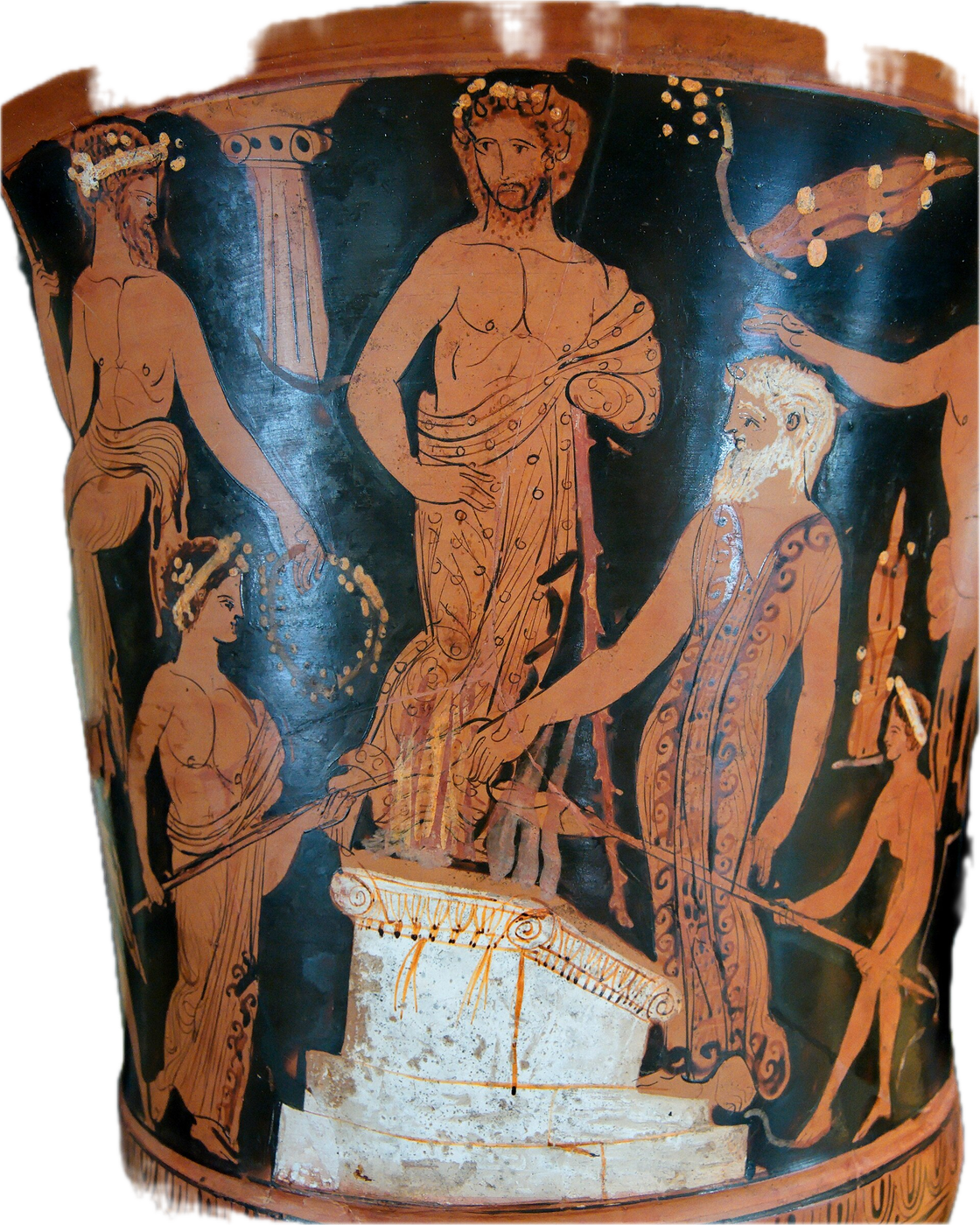
“and Antilochus made a cast at Mydon, his squire and charioteer, the goodly son of Atymnius, even as he was turning the single-hooved horses, and smote him with a stone full upon the elbow; and the reins, white with ivory, fell from his hands to the ground in the dust. Then Antilochus leapt upon him and drave his sword into his temple,”
“and Odysseus with his spear of bronze laid low Pidytes of Percote, and Teucer goodly Aretaon. And Antilochus, son of Nestor, slew Ablerus with his bright spear, and the king of men, Agamemnon, slew Elatus that dwelt in steep Pedasus by the banks of fair-flowing Satnioeis.”
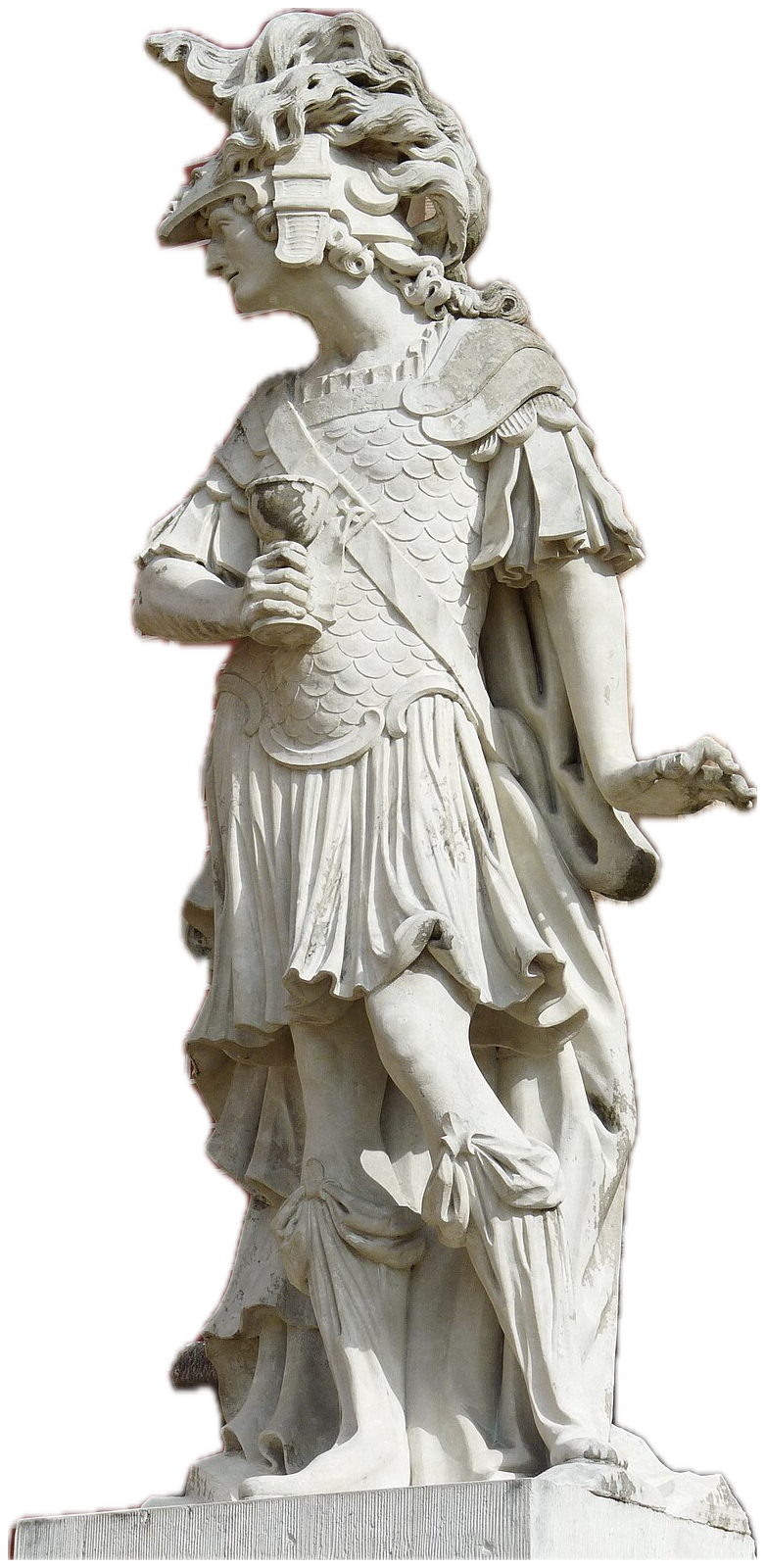
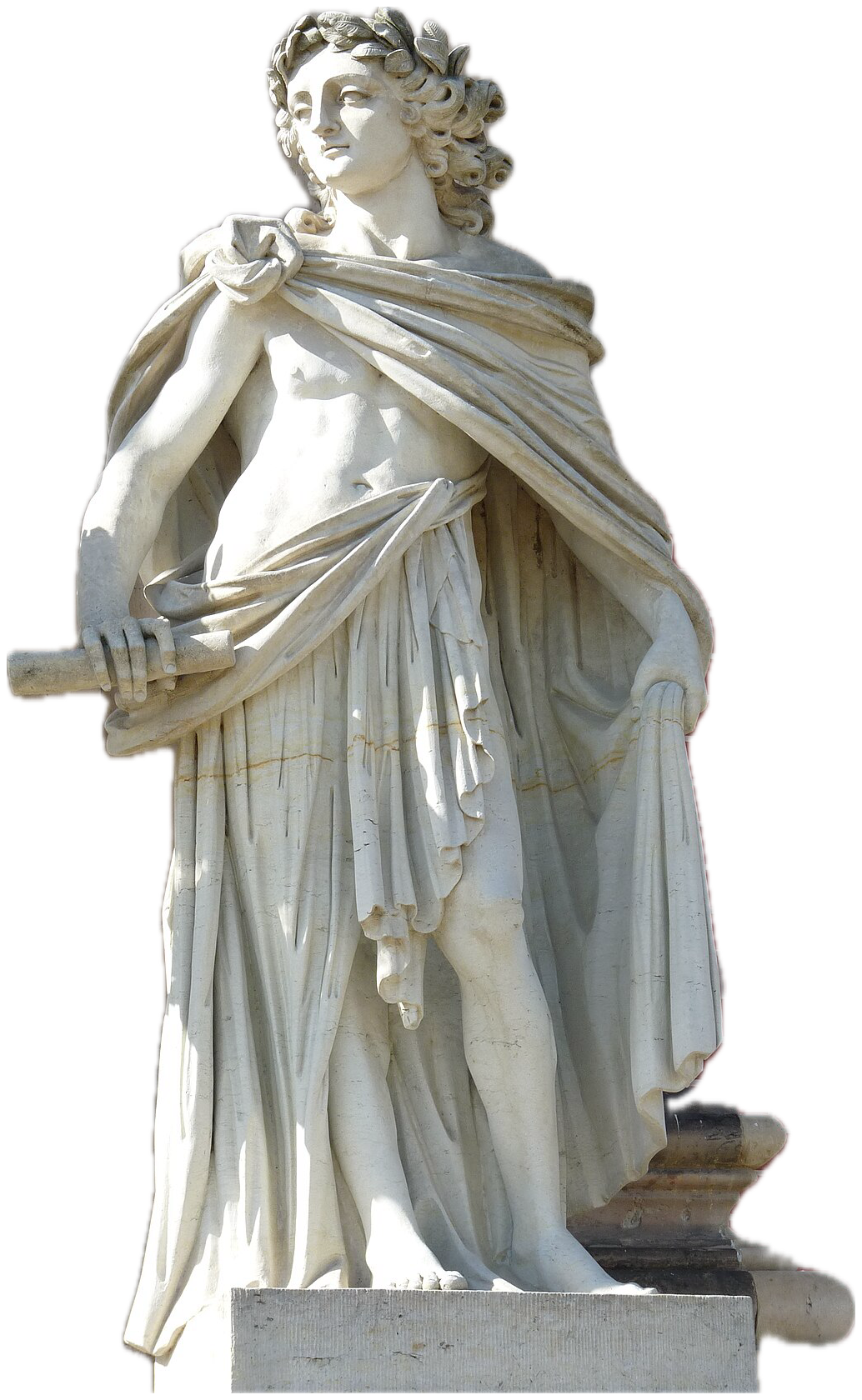
“lightly passing among them, aroused their strong battalions. To Teucer first he came and to Leïtus, to bid them on, and to the warrior Peneleos, and Thoas and Deïpyrus, and Meriones and Antilochus, masters of the war-cry; to these he spake, spurring them on with winged words:”
“neither dared turn the horses back and so escape from out the hands of the foemen; but Antilochus, staunch in fight, aimed at him, and pierced him through the middle with his spear, nor did the corselet of bronze that he wore avail him, but he fixed the spear full in his belly. And gasping he fell from out his well-built car,”
“even as he fareth to the house of Hades, the strong warder, will he be glad at heart, for lo, I have given him one to escort him on his way! So spake he, and upon the Argives came sorrow by reason of his exulting, and beyond all did he stir the soul of wise-hearted Antilochus; howbeit, despite his sorrow, he was not unmindful of his dear comrade,”
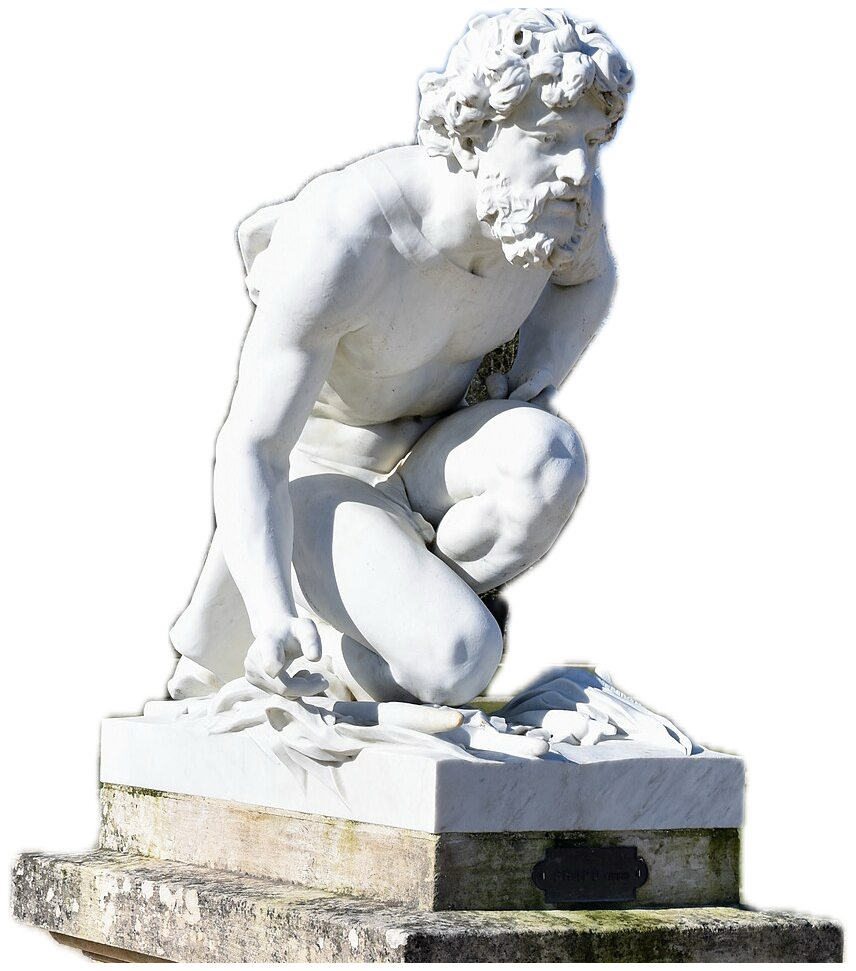
See all 33
“and he whetteth his tusks, eager to ward off dogs and men; even so Idomeneus, famed for his spear, abode the oncoming of Aeneas to bear aid, and gave not ground, but called to his comrades, looking unto Ascalaphus, Aphareus, and Deïpyrus, and Meriones, and Antilochus, masters of the war-cry;”
“Then Antilochus, biding his time, leapt upon Thoön, as he turned his back, and smote him with a thrust, and wholly severed the vein that runneth along the back continually until it reacheth the neck; this he severed wholly, and Thoön fell on his back in the dust, stretching out both his hands to his dear comrades.”
“who begrudged it the life of Antilochus. And the one part of the spear abode here, like a charred stake, in the shield of Antilochus, and half lay on the ground; and Adamas shrank back into the throng of his comrades, avoiding fate. But Meriones followed after him as he went and cast with his spear, and smote him midway between the privy parts and the navel, where most of all Ares is cruel to wretched mortals.”
“when once the famed Shaker of Earth had turned the battle. Aias verily was first, the son of Telamon. He smote Hyrtius, the son of Gyrtius, leader of the Mysians stalwart of heart; and Antilochus stripped the spoils from Phalces and Mermerus, and Meriones slew Morys and Hippotion,”
“So spake he, and they even of themselves were eager to ward off the foe, but they laid up his word in their hearts, and fenced in the ships with a hedge of bronze; and against them Zeus urged on the Trojans. Then Menelaus, good at the war-cry, exhorted Antilochus: Antilochus, none other of the Achaeans is younger than thou,”

“from the warrior as he cast. Not in vain did he let fly his spear, but smote Hicetaon's son, Melanippus, high of heart, as he was coming to the battle, upon the breast beside the nipple; and he fell with a thud, and darkness enfolded his eyes. And Antilochus sprang upon him, as a hound that darteth upon a wounded fawn,”
“a man's muscle is thickest; and round about the spear-point the sinews were rent apart; and darkness enfolded his eyes. Then of the sons of Nestor, the one, Antilochus, thrust at Atymnius with his sharp spear, and drave the spear of bronze through his flank; and he fell forward. But Maris, hard at hand,”
“and standing far apart. But those in the midst suffered woes by reason of the darkness and the war, and were sore distressed with the pitiless bronze, even all they that were chieftains. Howbeit two men that were famous warriors, even Thrasymedes and Antilochus, had not yet learned that peerless Patroclus was dead, but deemed that,”
“and the sun shone forth upon them and all the battle was made plain to view. Then Aias spake unto Menelaus, good at the war-cry: Look forth now, Menelaus, nurtured of Zeus, if so be thou mayest have sight of Antilochus yet alive, son of great-souled Nestor, and bestir thou him to go with speed unto Achilles, wise of heart,”






“range everywhither over the throng of thy many comrades, if so be they niight have sight of Nestor's son yet alive. Him he marked full quickly on the left of the whole battle, heartening his comrades and urging them on to fight. And drawing nigh fair-haired Menelaus spake to him, saying:”
“even Patroclus, and great longing for him is wrought for the Danaans. But do thou with speed run to the ships of the Achaeans and bear word unto Achilles, in hope that he may forthwith bring safe to his ship the corpse—the naked corpse; but his armour is held by Hector of the flashing helm. So spake he, and Antilochus had horror, as he heard that word.”

“So fought they like unto blazing fire, but Antilochus, swift of foot, came to bear tidings to Achilles. Him he found in front of his ships with upright horns, boding in his heart the thing that even now was brought to pass;”
“and ran forth around wise-hearted Achilles, and all beat their breasts with their hands, and the knees of each one were loosed be-neath her. And over against them Antilochus wailed and shed tears, holding the hands of Achilles, that in his noble heart was moaning mightily; for he feared lest he should cut his throat asunder with the knife.”
“her Menelaus led beneath the yoke, and exceeding fain was she of the race. And fourth Antilochus made ready his fair-maned horses, he the peerless son of Nestor, the king high of heart, the son of Neleus; and bred at Pylos were the swift-footed horses that drew his car. And his father drew nigh and gave counsel”
“to him for his profit — a wise man to one that himself had knowledge. Antilochus, for all thou art young, yet have Zeus and Poseidon loved thee and taught thee all manner of horsemanship; wherefore to teach thee is no great need, for thou knowest well how to wheel about the turning-post; yet are thy horses slowest in the race: therefore I deem there will be sorry work for thee. The horses of the others are swifter, but the men know not how to devise more cunning counsel than thine own self. Wherefore come, dear son, lay thou up in thy mind cunning of every sort, to the end that the prizes escape thee not.”
“when he had told his son the sum of every matter. And fifth Meriones made ready his fair-maned horses. Then they mounted their cars, and cast in the lots; and Achilles shook them, and forth leapt the lot of Nestor's son, Antilochus; after him had the lord Eumelus a place,”
“put strength in his horses and gave glory to himself. And after him drave the son of Atreus, fair-haired Menelaus. But Antilochus called to the horses of his father: Go in now, ye twain as well; strain to your utmost speed. With yon steeds verily I nowise bid you strive,”

“and this will I myself contrive and plan, that we slip past them in the narrow way; it shall not escape me. So spake he, and they, seized with fear at the rebuke of their master, ran swiftlier on for a little time, and then quickly did Antilochus, staunch in fight, espy a narrow place in the hollow road.”
“lest haply the single-hooved horses should clash together in the track, and overturn the well-plaited cars, and themselves be hurled in the dust in their eager haste for victory. Then fair-haired Menelaus chid Antilochus, and said: Antilochus, than thou is none other of mortals more malicious.”
“and leaned the goad against the yoke. Neither did mighty Sthenelus anywise tarry, but speedily took the prize, and gave to his comrades, high of heart, the woman and the eared tripod to bear away; and himself loosed the horses from beneath the yoke. And next after him Antilochus of the stock of Neleus drave his horses,”
“for it runneth close behind, and but scant space is there between, as he courseth over the wide plain—even by so much was Menelaus behind peerless Antilochus, though at the first he was behind far as a man hurleth the discus; howbeit quickly was he overtaking Antilochus, for the goodly mettle”
“And now would he have given him the mare —for the Achaeans assented thereto —but that Antilochus, son of great-souled Nestor, uprose and answered Achilles, son of Peleus, to claim his due: Achilles, sore wroth shall I be with thee if thou fulfill this word, for thou art minded to rob me of my prize,”
“and placed it in Eumelus' hands and he received it gladly. Then among them uprose also Menelaus, sore vexed at heart, furiously wroth at Antilochus; and a herald gave the staff into his hand, and proclaimed silence among the Argives; and thereafter spake among them the godlike man:”
“that not of thine own will didst thou hinder my chariot by guile. Then in turn wise Antilochus answered him: Bear with me, now, for far younger am I than thou, king Menelaus, and thou art the elder and the better man. Thou knowest of what sort are the transgressions of a man that he is young,”
“and Odysseus of many wiles, and after them Antilochus, Nestor's son, for he surpassed all the youths in swiftness of foot. Then took they their places in a row, and Achilles showed them the goal, and a course was marked out for them from the turning-point. Then speedily the son of Oïleus forged to the front, and close after him sped goodly Odysseus;”
“Then Antilochus bare away the last prize, smiling the while, and spake among the Argives, saying: Among you all that know it well, will I declare, my friends, that even to this day the immortals shew honour to older men. For Aias is but a little older than I,”
Connections
Father · Sources
But Antilochus, son of great-souled Nestor, beheld him, and strode through the foremost fighters; for greatly did he fear for the shepherd of the host, lest aught befall him, and he utterly thwart them of their toil. Now the twain were holding forth their hands and their sharp spears each against the other, fain to do battle,
and Odysseus with his spear of bronze laid low Pidytes of Percote, and Teucer goodly Aretaon. And Antilochus, son of Nestor, slew Ablerus with his bright spear, and the king of men, Agamemnon, slew Elatus that dwelt in steep Pedasus by the banks of fair-flowing Satnioeis.
and the horses Antilochus, son of great-souled Nestor, drave forth from the Trojans into the host of the well-greaved Achaeans. Then Deïphobus in sore grief for Asius drew very nigh to Idomeneus, and cast at him with his bright spear. Howbeit Idomeneus, looking steadily at him, avoided the spear of bronze,
Il. 5.565 · Il. 6.32 · Il. 13.400 · Il. 13.545 · Il. 14.513 · Il. 18.16 · Il. 23.305 · Il. 23.350 · Il. 23.402 · Il. 23.541 · Il. 23.597 · Il. 23.755–756 · Il. 23.785
Brother · Sources
and standing far apart. But those in the midst suffered woes by reason of the darkness and the war, and were sore distressed with the pitiless bronze, even all they that were chieftains. Howbeit two men that were famous warriors, even Thrasymedes and Antilochus, had not yet learned that peerless Patroclus was dead, but deemed that,
Il. 17.378
Grandfather · Sources
Происхождение выведено по цепочке родителей: Нелей → Нестор → Антилох.
So he took his stand above his head, in the likeness of the son of Neleus, even Nestor, whom above all the elders Agamemnon held in honour; likening himself to him, the Dream from heaven spake, saying: Thou sleepest, son of wise-hearted Atreus, the tamer of horses. To sleep the whole night through beseemeth not a man that is a counsellor,
but Agamemnon bade the clear-voiced heralds summon to the place of gathering the long-haired Achaeans. And they made summons, and the men gathered full quickly. But the king first made the council of the great-souled elders to sit down beside the ship of Nestor, the king Pylos-born.
But Antilochus, son of great-souled Nestor, beheld him, and strode through the foremost fighters; for greatly did he fear for the shepherd of the host, lest aught befall him, and he utterly thwart them of their toil. Now the twain were holding forth their hands and their sharp spears each against the other, fain to do battle,
Il. 2.20 · Il. 2.53 · Il. 5.565 · Il. 6.32 · Il. 8.100 · Il. 10.18 · Il. 10.54 · Il. 10.73 · Il. 10.87 · Il. 10.163 · Il. 10.555 · Il. 11.511 · Il. 11.618 · Il. 11.683 · Il. 13.400 · Il. 13.545 · Il. 14.42 · Il. 14.513 · Il. 18.16 · Il. 23.302 · Il. 23.305 · Il. 23.349 · Il. 23.350 · Il. 23.402 · Il. 23.541 · Il. 23.597 · Il. 23.617 · Il. 23.755–756 · Il. 23.785
Friend · Sources
So spake he , and swift-footed, goodly Achilles smiled, having joy in Antilochus, for that he was his dear comrade; and he made answer, and spake to him winged words: Antilochus, if thou wilt have men give to Eumelus some other thing from out my house as a further prize, even this will I do.
Il. 23.556
Killed by Antilochus · Sources
and far off amid the mountains the shepherd heareth the thunder thereof; even so from the joining of these in battle came shouting and toil. Antilochus was first to slay a warrior of the Trojans in full armour, a goodly man amid the foremost fighters, Echepolus, son of Thalysius. Him was he first to smite upon the horn of his helmet with crest of horse-hair,
Il. 4.457–458
Friend · Sources
Long time was he speechless, and both his eyes were filled with tears, and the flow of his voice was checked. Yet not even so was he neglectful of the bidding of Menelaus, but set him to run, and gave his armour to his peerless comrade Laodocus, that hard beside him was wheeling his single-hoofed horses.
Il. 17.698–699
See all 6
In art

Nikolai Ge. Ахиллес оплакивает Патрокла. Belarusian National Arts Museum. Public domain. https://www.wikidata.org/wiki/Q17117194
Image author: Nikolai Ge
Image date: 1855

Peter Paul Rubens. The Death of Achilles. Museum Boijmans Van Beuningen. Public domain. https://www.wikidata.org/wiki/Q19926216

Attic red-figure neck-amphora. Department of Greek, Etruscan, and Roman Antiquities of the Louvre. Public domain. https://www.wikidata.org/wiki/Q87346683
See all 3
04 / PROVENANCE
Sources and verification
The character is matched to the catalogue.
- Wikipedia · Antilochus · CC BY-SA 4.0
Excerpt; remaining sentences omitted.
Reference material remains distinct from the poem’s assertions. Characters who share a name retain separate pages.