Meriones
Mortal man
Meriones ( mə-RY-ə-neez; Ancient Greek: Μηριόνης, romanized: Mēriónēs) was the Cretan son of Molus and Melphis or Euippe in Greek mythology. Molus was a half-brother of Idomeneus.
Explore on the graph- Mentions
- 42
- Connected characters
- 4
- Books
- 14


Mentions in the Iliad
A. T. Murray, Loeb Classical Library, Harvard University Press, 1924 · Homer, Iliad with an English Translation · CC BY-SA 3.0 US
“Of all these was Idomeneus, famed for his spear, captain, and Meriones, the peer of Enyalius, slayer of men. And with these there followed eighty black ships. And Tlepolemus, son of Heracles, a valiant man and tall, led from Rhodes nine ships of the lordly Rhodians,”
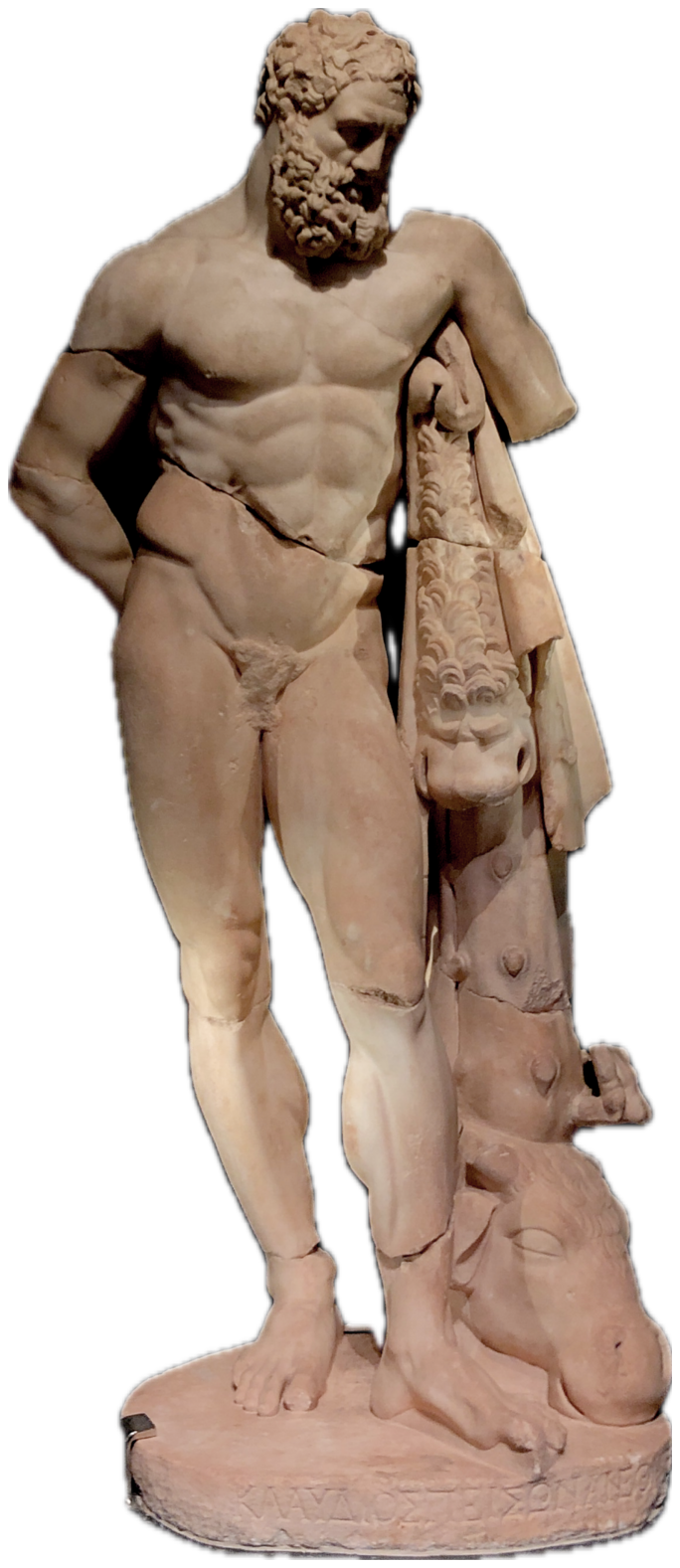
“Thus ranged he giving his commands through the ranks of warriors; and he came to the Cretans as he fared through the throng of men. These were arming them for war around wise-hearted Idomeneus; and Idomeneus stood amid the foremost fighters like a wild boar in valour, while Meriones was speeding on the hindmost battalions.”
“but the son of Atreus, Menelaus famed for his spear, smote him as he fled before him with a thrust of his spear in the back between the shoulders, and drave it through his breast. So he fell face foremost, and upon him his armour clanged. And Meriones slew Phereclus, son of Tecton,”

“After him Meriones pursued, and when he had come up with him, smote him in the right buttock, and the spear-point passed clean through even to the bladder beneath the bone;, and he fell to his knees with a groan, and death enfolded him. And Pedaeus, Antenor's son, was slain of Meges;”
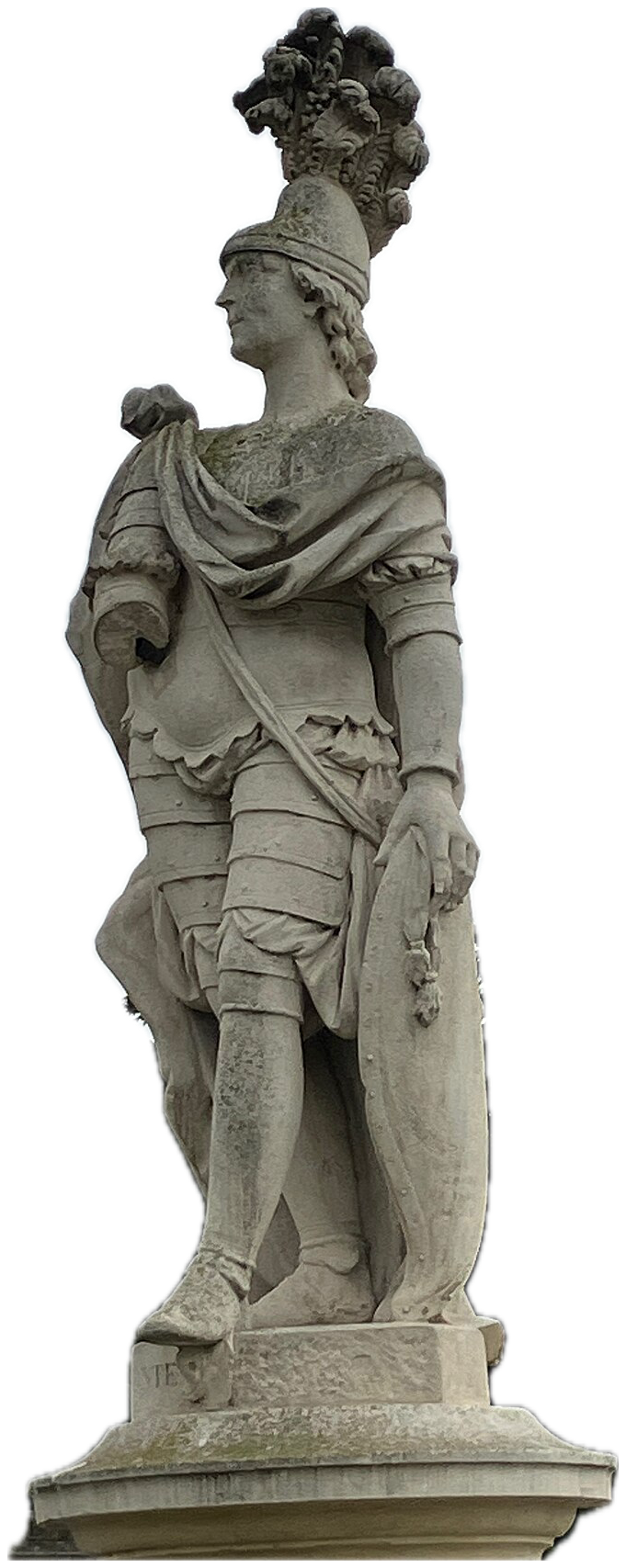
“and after them Idomeneus and Idomeneus' comrade Meriones, the peer of Enyalius, slayer of men, and after them Eurypylus, the glorious son of Euaemon; and upsprang Thoas, son of Andraemon, and goodly Odysseus; all these were minded to do battle with goodly Hector.”
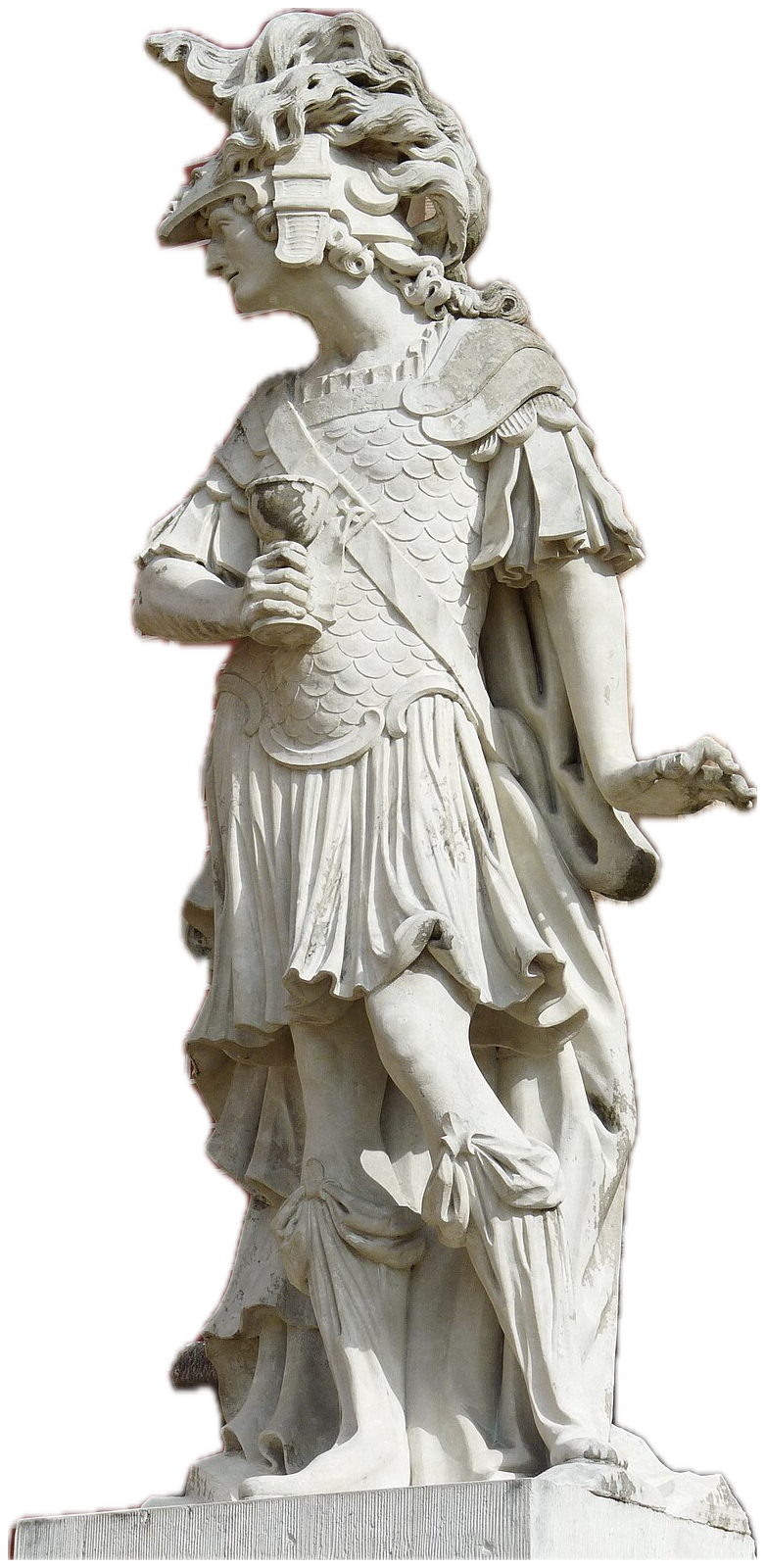

“so he fell from out the car, and upon him his armour clanged. And after him came the sons of Atreus, Agamemnon and Menelaus, and after them the Aiantes, clothed in furious valour, and after them Idomeneus and Idomeneus' comrade, Meriones, peer of Enyalius, slayer of men,”
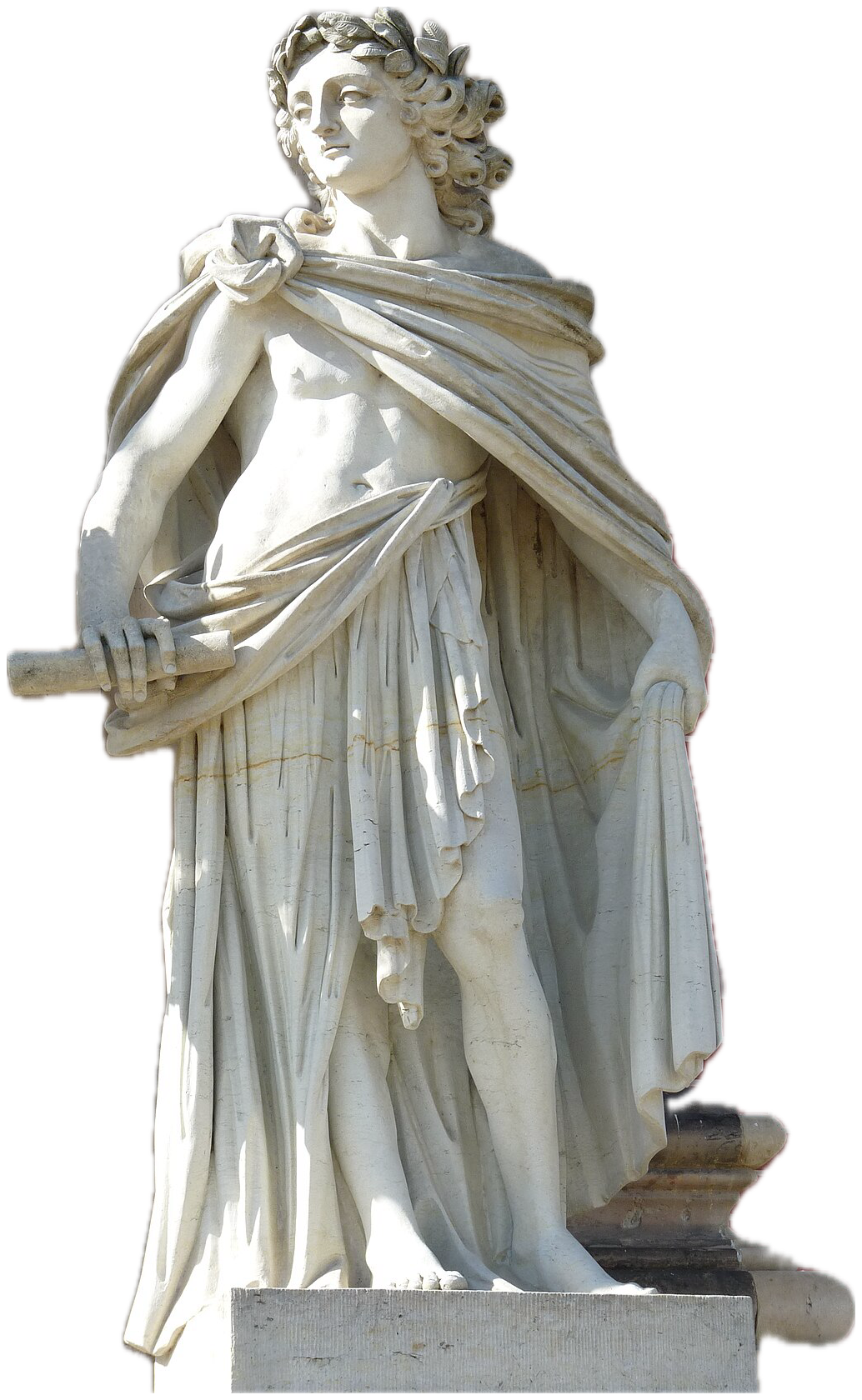
“Forth hasted the sentinels in their harness around Nestor's son Thrasymedes, shepherd of the host, and Ascalaphus and Ialmenus, sons of Ares, and Meriones and Aphareus and Deïpyrus, and the son of Creon, goodly Lycomedes.”
See all 41
“and bid him arise, if so be he will be minded to go to the sacred company of the sentinels and give them charge. To him would they hearken as to no other, for his son is captain over the guard, he and Meriones, comrade of Idomeneus; for to them above all we entrusted this charge.”
“the kings of the Argives, even all that had been called to the council. But with them went Meriones and the glorious son of Nestor; for of themselves they bade these share in their counsel. So they went through and out from the digged ditch and sate them down in an open space, where the ground shewed clear of dead men fallen,”
“how profit may be had; whereas if one alone perceive aught, yet is his wit the shorter, and but slender his device. So spake he, and many there were that were fain to follow Diomedes. Fain were the two Aiantes, squires of Ares, fain was Meriones, and right fain the son of Nestor,”

“And Meriones gave to Odysseus a bow and a quiver and a sword, and about his head he set a helm wrought of hide, and with many a tight-stretched thong was it made stiff within, while without the white teeth of a boar of gleaming tusks were set thick on this side and that,”
“lightly passing among them, aroused their strong battalions. To Teucer first he came and to Leïtus, to bid them on, and to the warrior Peneleos, and Thoas and Deïpyrus, and Meriones and Antilochus, masters of the war-cry; to these he spake, spurring them on with winged words:”
“So saying, he aroused the strength and spirit of every man. Then among them with high heart strode Deïphobus, son of Priam, and before him he held his shield that was well-balanced upon every side, stepping forward lightly on his feet and advancing under cover of his shield. And Meriones aimed at him with his bright spear,”
“even so shone the bronze about his breast as he ran. And Meriones, his valiant squire, met him, while yet he was near the hut; for he was on his way to fetch him a spear of bronze; and mighty Idomeneus spake to him: Meriones, Molus' son, swift of foot, thou dearest of my comrades,”
“Idomeneus, counsellor of the brazen-coated Cretans, I am on my way to fetch a spear, if perchance thou hast one left in the huts; for the one that I bare of old have I shattered, as I cast at the shield of the overweening Deïphobus. And to him Idomeneus, leader of the Cretans, made answer:”
“but I take my stand amid the foremost in battle, where men win glory, whenso the strife of war ariseth. Some other of the brazen-coated Achaeans might sooner be unaware of my fighting, but thou methinks of thine own self knowest it well. And to him Idomeneus, leader of the Cretans, made answer:”
“So spake he, and Meriones, the peer of swift Ares, speedily took from the hut a spear of bronze, and followed Idomeneus with high thought of battle. And even as Ares, the bane of mortals, goeth forth to war, and with him followeth Rout, his son, valiant alike and fearless,”
“would he give way, in close fight at least; but in fleetness of foot may no man vie with Achilles. But for us twain, do thou, even as thou sayest,make for the left of the host, that we may know forthwith whether we shall give glory to another or another to us. So spake he, and Meriones, the peer of swift Ares, led the way until they came to the host, at the point whither Idomeneus bade him go.”






“Now when the Trojans had sight of Idomeneus, in might as it were a flame, himself and his squire clad in armour richly dight, they called one to another through the throng, and all made at him; and by the sterns of the ships arose a strife of men clashing together. And as gusts come thick and fast when shrill winds are blowing,”
“and he whetteth his tusks, eager to ward off dogs and men; even so Idomeneus, famed for his spear, abode the oncoming of Aeneas to bear aid, and gave not ground, but called to his comrades, looking unto Ascalaphus, Aphareus, and Deïpyrus, and Meriones, and Antilochus, masters of the war-cry;”
“where also were the other immortal gods, being held aloof from the war. Then over Ascalaphus they clashed in close fight, and Deïphobus tore from Ascalaphus his shining helm, but Meriones, the peer of swift Ares, leapt upon Deïphobus and smote his arm with his spear,”
“who begrudged it the life of Antilochus. And the one part of the spear abode here, like a charred stake, in the shield of Antilochus, and half lay on the ground; and Adamas shrank back into the throng of his comrades, avoiding fate. But Meriones followed after him as he went and cast with his spear, and smote him midway between the privy parts and the navel, where most of all Ares is cruel to wretched mortals.”
“But as he drew back, Meriones let fly at him a bronze-tipped arrow, and smote him on the right buttock, and the arrow passed clean through even to the bladder beneath the bone. And sitting down where he was in the arms of his dear comrades he breathed forth his life, and lay stretched out like a worm on the earth;”
“when once the famed Shaker of Earth had turned the battle. Aias verily was first, the son of Telamon. He smote Hyrtius, the son of Gyrtius, leader of the Mysians stalwart of heart; and Antilochus stripped the spoils from Phalces and Mermerus, and Meriones slew Morys and Hippotion,”
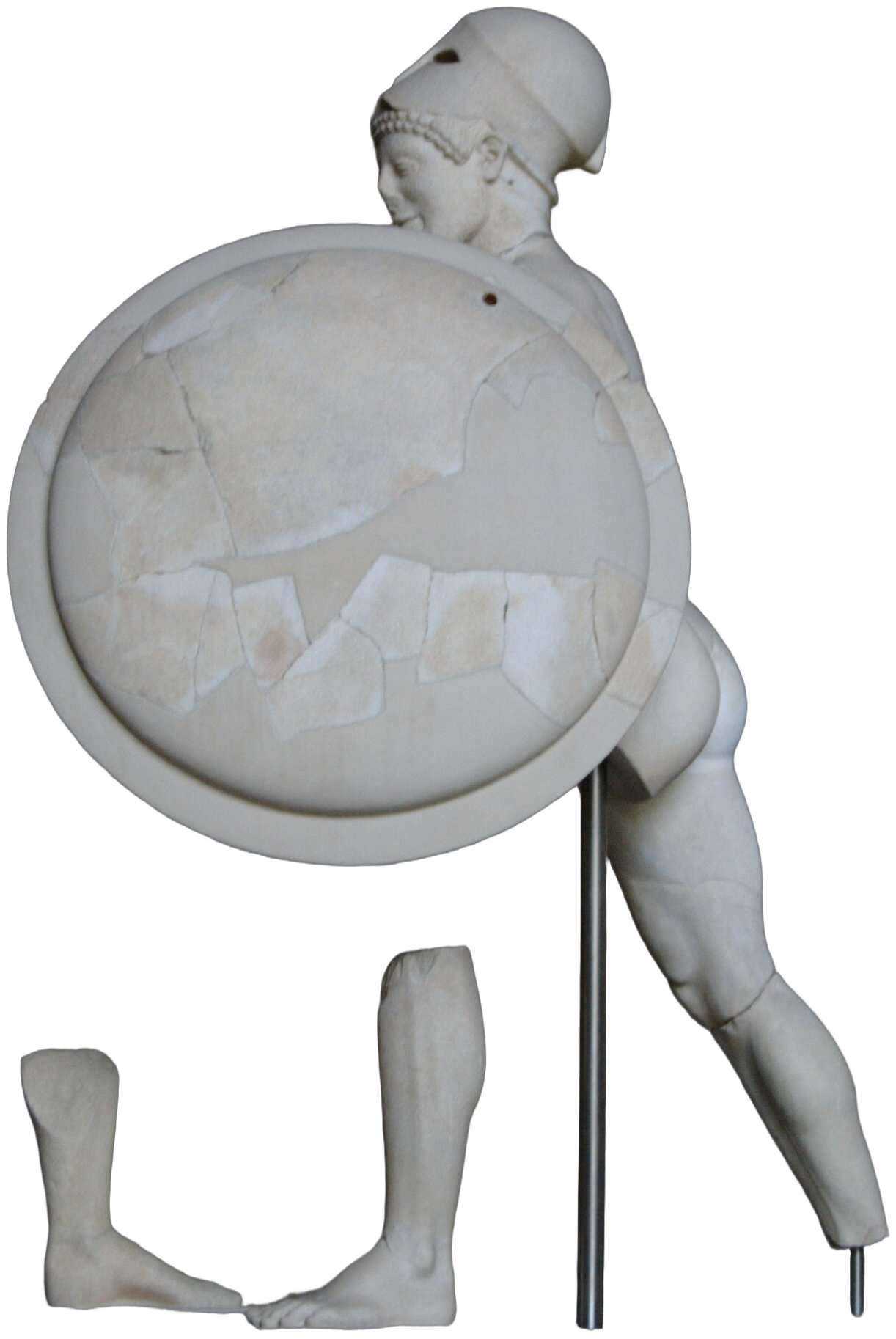
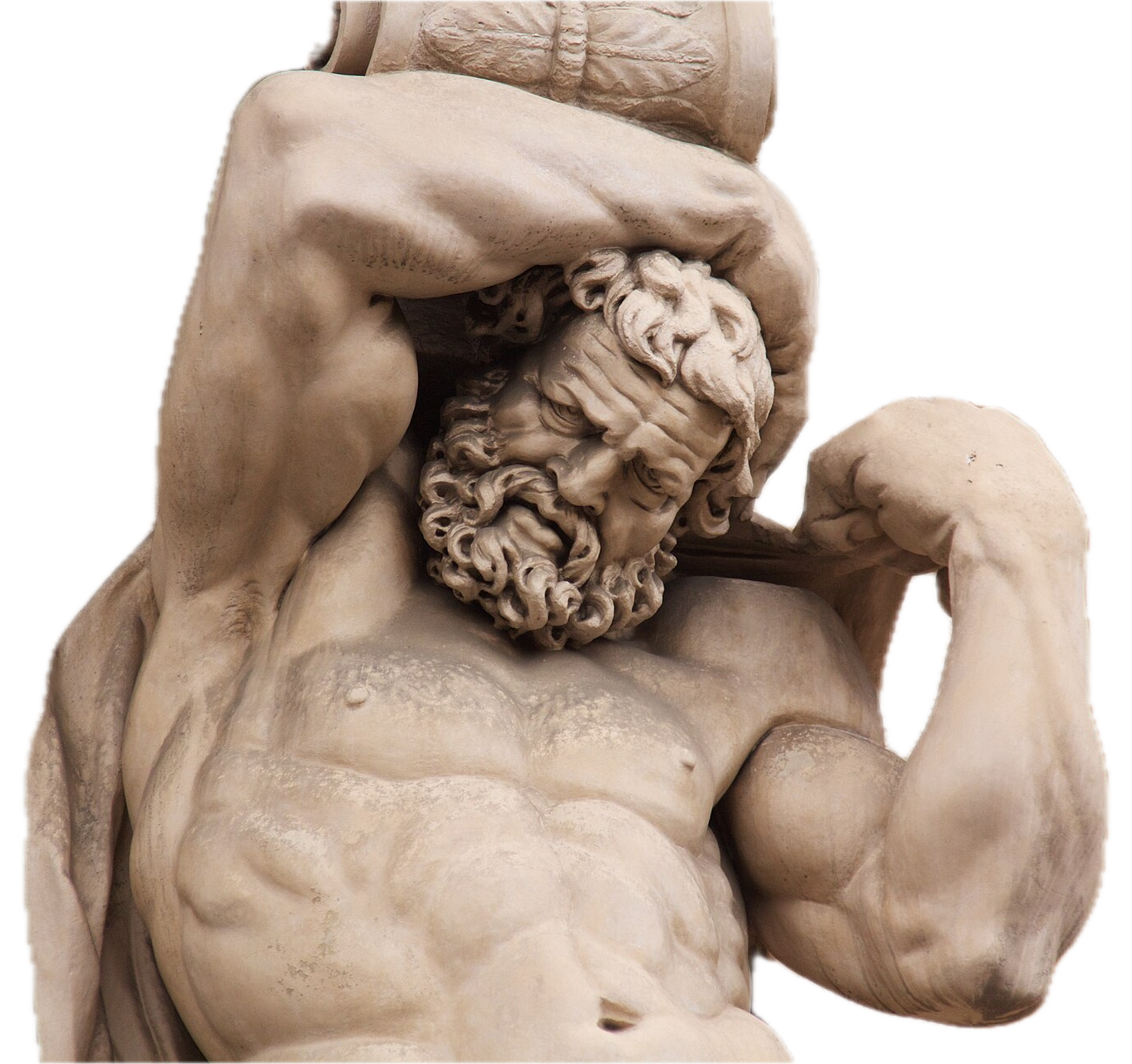
“So spake he, and they readily hearkened and obeyed. They that were in the company of Aias and prince Idomeneus, and Teucer, and Meriones, and Meges, the peer of Ares, called to the chieftains, and marshalled the fight, fronting Hector and the Trojans,”
“but Peneleos smote him upon the neck beneath the ear, and all the blade sank in, so that naught but the skin held fast, and the head hung to one side, and his limbs were loosed. And Meriones with swift strides overtook Acamas, and thrust and smote him, even as he was mounting his car, upon the right shoulder; and he fell from his car and down over his eyes a mist was shed.”
“for that a good man was fallen; but mightily did the Trojans rejoice. And they came in throngs and took their stand about him, nor did the Achaeans forget their valour, but bare their might straight toward the foe. Then Meriones slew a warrior of the Trojans, in full armour, Laogonus, the bold son of Onetor,”
“one that was priest of Idaean Zeus, and was honoured of the folk even as a god: him he smote beneath the jaw under the ear, and forthwith his spirit departed from his limbs, and hateful darkness gat hold of hinu. And Aeneas cast at Meriones his spear of bronze, for he hoped to smite him as he advanced under cover of his shield.”

“shouldst thou yield glory to me, and thy soul to Hades of the goodly steeds. So spake he, but the valiant son of Menoetius rebuked him, saying: Meriones, wherefore dost thou, that art a man of valour, speak on this wise? Good friend, it is not for words of reviling that the Trojans will give ground from the corpse; ere that shall the earth hold many a one.”
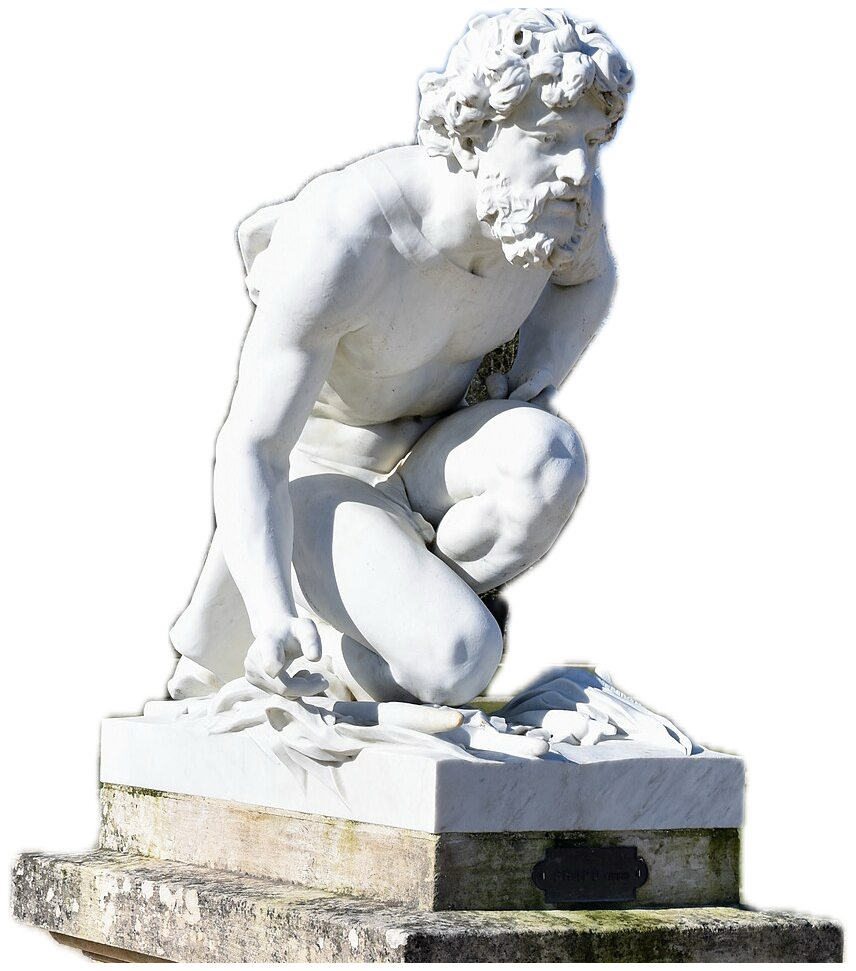
“Patroclus should become the sport of the dogs of Troy. So spake he, and swift Aias, son of Oileus, heard him clearly, and was first to come running to meet him amid the battle, and after him Idomeneus and Idomeneus' comrade, Meriones, the peer of Enyalius, slayer of men.”
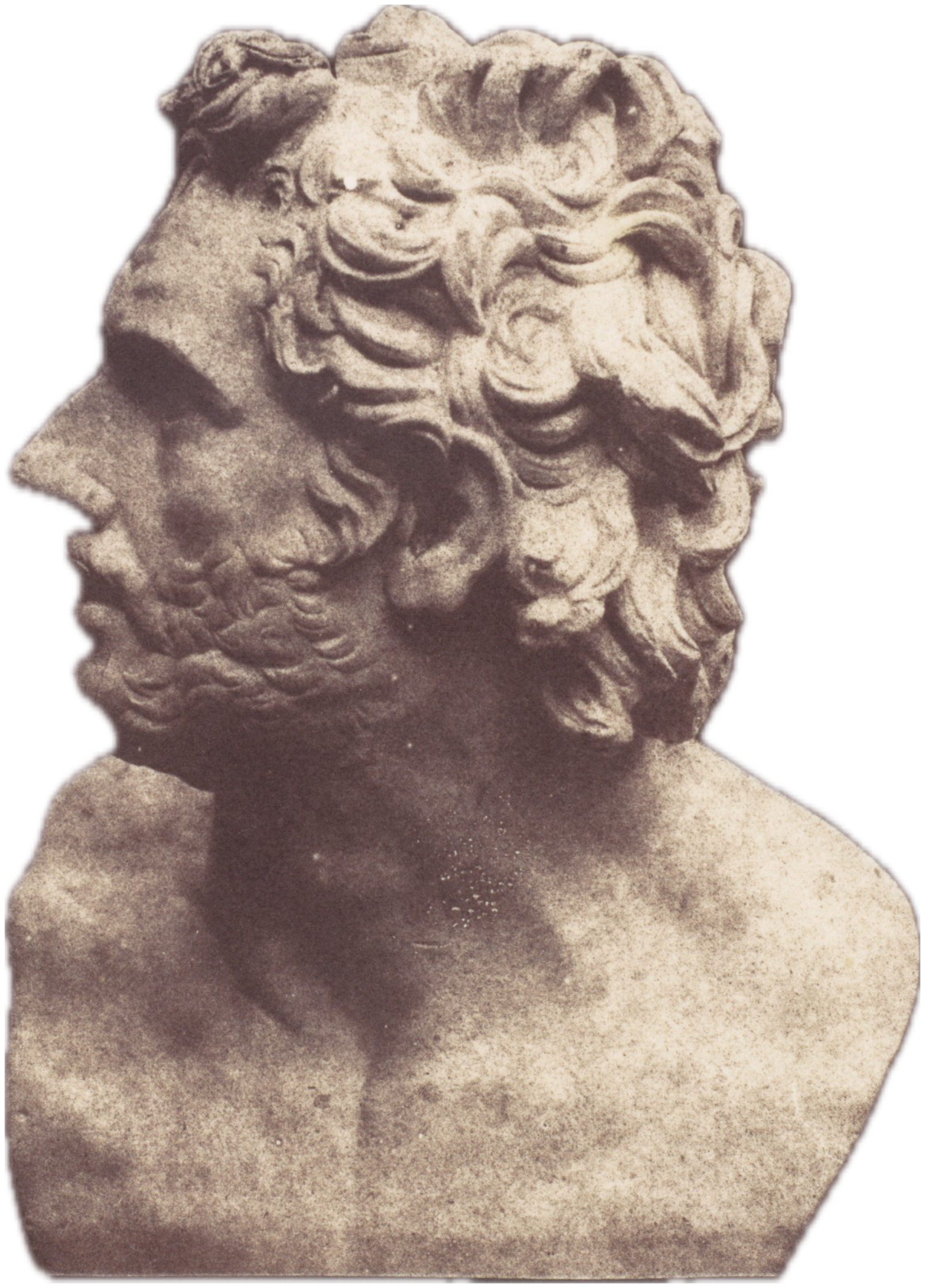
“howbeit he smote Coeranus the comrade and charioteer of Meriones that followed him from out of well-built Lyctus—for on foot had Idomeneus come at the first from the curved ships, and would have yielded great victory to the Trojans, had not Coeranus speedily driven up the swift-footed horses.”
“even so from Patroclus departed Menelaus, good at the war-cry, sorely against his will; for exceedingly did he fear lest the Achaeans in sorry rout should leave him to be a prey to the foemen. And many a charge laid he on Meriones and the Aiantes, saying: Ye Aiantes twain, leaders of the Argives, and thou, Meriones,”
“Then great Telamonian Aias answered him: All this hast thou spoken aright, most glorious Menelaus. But do thou and Meriones stoop with all speed beneath the corpse, and raise him up, and bear him forth from out the toil of war; but behind you we twain will do battle with the Trojans and goodly Hector,”
“Thus the twain were hasting to bear the corpse forth from out the battle to the hollow ships, and against them was strained a conflict fierce as fire that, rushing upon a city of men with sudden onset, setteth it aflame, and houses fall amid the mighty glare, and the might of the wind driveth it roaring on.”
“for the summons is this: Ill shall it be for him whoso is left at the ships of the Argives. Nay, setting out in one throng let us rouse keen battle against the horse-taming Trojans. He spake, and took to him the sons of glorious Nestor, and Meges, son of Phyleus, and Thoas and Meriones and Lycomedes,”
“while yet they wailed around the piteous corpse. But the lord Agamemnon sent forth mules and men from all sides from out the huts to fetch wood and a man of valour watched thereover, even Meriones, squire of kindly Idomeneus. And they went forth bearing in their hands axes for the cutting of wood”
“Then the Achaeans split the trunks asunder and bound them behind the mules, and these tore up the earth with their feet as they hasted toward the plain through the thick underbrush. And all the woodcutters bare logs; for so were they bidden of Meriones, squire of kindly Idomeneus.”
“of the mare of Agamemnon, fair-maned Aethe, waxed ever higher. And if the course had been yet longer for the twain, then had he passed him by, neither left the issue in doubt. But Meriones, valiant squire of Idomeneus, was a spear-cast behind glorious Menelaus,”
“and will give unto thee the mare, for all she is mine own, to the end that these too may know that my heart is never over-haughty neither unbending. He spake, and gave the mare unto Nosmon, the comrade of Antilochus, to lead away, and himself thereafter took the shining cauldron. And Meriones took up the two talents of gold in the fourth place,”
“and Meriones the valiant squire of Idomeneus. Then took they the lots and shook them in a helmet of bronze, and Teucer drew by lot the first place. Forthwith he let fly an arrow with might, howbeit he vowed not that he would sacrifice to the king a glorious hecatomb of firstling lambs.”
“Swiftly the life fled from her limbs, and she fell far from the mast; and the people gazed thereon and were seized with wonder. And Meriones took up all ten double axes, and Teucer bare the single to the hollow ships. Then the son of Peleus brought and set in the place of gathering a far-shadowing spear”
Connections
Father · Sources
the kings of the Argives, even all that had been called to the council. But with them went Meriones and the glorious son of Nestor; for of themselves they bade these share in their counsel. So they went through and out from the digged ditch and sate them down in an open space, where the ground shewed clear of dead men fallen,
but he gave it to his own son Meriones to wear; and now, being set thereon, it covered the head of Odysseus. So when the twain had clothed them in their dread armour, they went their way and left there all the chieftains. And for them Pallas Athene sent forth on their right a heron, hard by the way,
Il. 10.196 · Il. 10.270
Poetic resemblance · Sources
and after them Idomeneus and Idomeneus' comrade Meriones, the peer of Enyalius, slayer of men, and after them Eurypylus, the glorious son of Euaemon; and upsprang Thoas, son of Andraemon, and goodly Odysseus; all these were minded to do battle with goodly Hector.
so he fell from out the car, and upon him his armour clanged. And after him came the sons of Atreus, Agamemnon and Menelaus, and after them the Aiantes, clothed in furious valour, and after them Idomeneus and Idomeneus' comrade, Meriones, peer of Enyalius, slayer of men,
So spake he, and Meriones, the peer of swift Ares, speedily took from the hut a spear of bronze, and followed Idomeneus with high thought of battle. And even as Ares, the bane of mortals, goeth forth to war, and with him followeth Rout, his son, valiant alike and fearless,
Il. 7.166 · Il. 8.264 · Il. 13.295 · Il. 13.328 · Il. 13.528 · Il. 17.259
Ally · Sources
and after them Idomeneus and Idomeneus' comrade Meriones, the peer of Enyalius, slayer of men, and after them Eurypylus, the glorious son of Euaemon; and upsprang Thoas, son of Andraemon, and goodly Odysseus; all these were minded to do battle with goodly Hector.
Il. 7.165–166
Friend · Sources
so he fell from out the car, and upon him his armour clanged. And after him came the sons of Atreus, Agamemnon and Menelaus, and after them the Aiantes, clothed in furious valour, and after them Idomeneus and Idomeneus' comrade, Meriones, peer of Enyalius, slayer of men,
and bid him arise, if so be he will be minded to go to the sacred company of the sentinels and give them charge. To him would they hearken as to no other, for his son is captain over the guard, he and Meriones, comrade of Idomeneus; for to them above all we entrusted this charge.
even so shone the bronze about his breast as he ran. And Meriones, his valiant squire, met him, while yet he was near the hut; for he was on his way to fetch him a spear of bronze; and mighty Idomeneus spake to him: Meriones, Molus' son, swift of foot, thou dearest of my comrades,
Il. 8.263–264 · Il. 10.58–59 · Il. 13.249 · Il. 23.113 · Il. 23.124 · Il. 23.528 · Il. 23.860 · Il. 23.888
Friend · Sources
howbeit he smote Coeranus the comrade and charioteer of Meriones that followed him from out of well-built Lyctus—for on foot had Idomeneus come at the first from the curved ships, and would have yielded great victory to the Trojans, had not Coeranus speedily driven up the swift-footed horses.
Il. 17.610
See all 4
In art
See all 0
There is nothing in this section yet.
04 / PROVENANCE
Sources and verification
The character is matched to the catalogue.
- Wikipedia · Meriones (mythology) · CC BY-SA 4.0
Excerpt; remaining sentences omitted.
Reference material remains distinct from the poem’s assertions. Characters who share a name retain separate pages.