Oileus (father of Ajax the Lesser)
Mortal man
In Greek mythology, Oileus or Oïleus (; Ancient Greek: Ὀϊλεύς, romanized: Oī̈leús) was the king of Locris, and an Argonaut.
Explore on the graph- Mentions
- 14
- Connected characters
- 3
- Books
- 7


Mentions in the Iliad
A. T. Murray, Loeb Classical Library, Harvard University Press, 1924 · Homer, Iliad with an English Translation · CC BY-SA 3.0 US
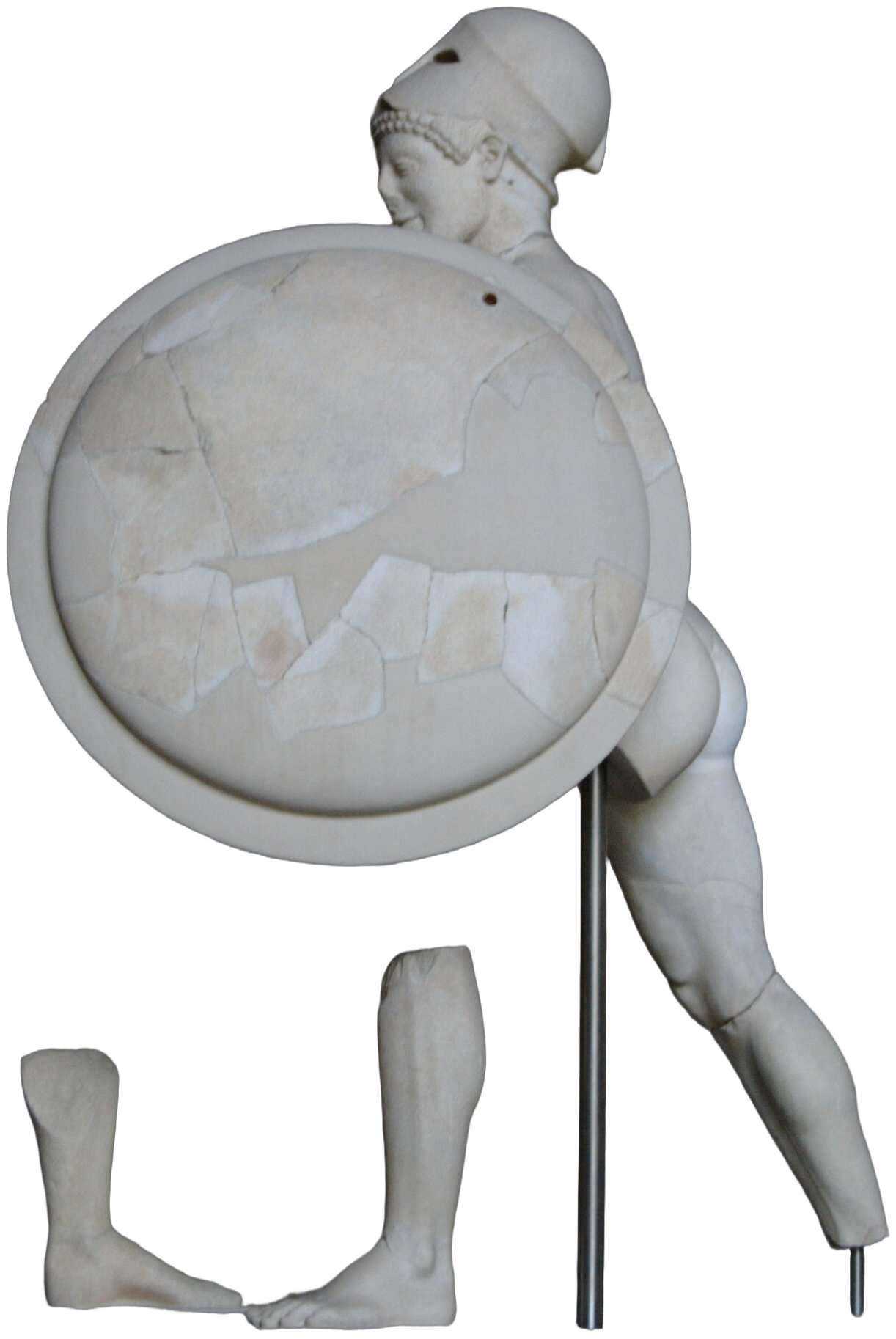
“And their leaders busily marshalled the ranks of the Phocians, and made ready for battle hard by the Boeotians on the left. And the Loerians had as leader the swift son of Oïleus, Aias the less, in no wise as great as Telamonian Aias, but far less. Small of stature was he, with corselet of linen,”
“and on each ship embarked fifty oarsmen well skilled to fight amain with the bow. But Philoctetes lay suffering grievous pains in an island, even in sacred Lemnos, where the sons of the Achaeans had left him in anguish with an evil wound from a deadly water-snake. There he lay suffering; yet full soon were the Argives beside their ships to bethink them of king Philoctetes. Howbeit neither were these men leaderless, though they longed for their leader; but Medon marshalled them, the bastard son of Oïleus, whom Rhene bare to Oïleus, sacker of cities. And they that held Tricca and Ithome of the crags,”
“Forthwith he spake winged words to the son of Oïleus: Aias, do ye twain, thou and strong Lycomedes, stand fast here and urge on the Danaans to fight amain, but I will go thither, and confront the war, and quickly will I come again, when to the full I have borne them aid.”
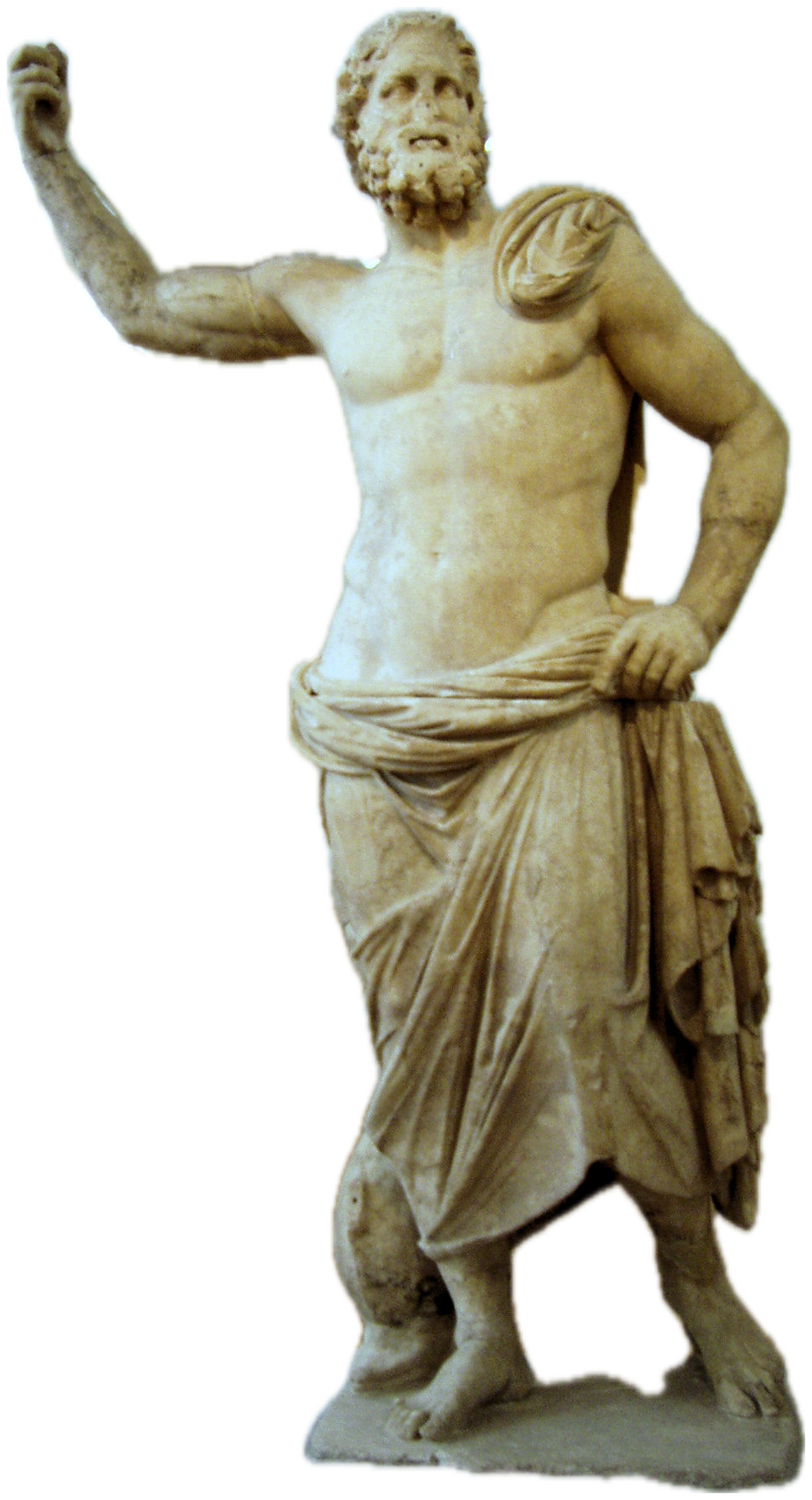
“even so from them sped Poseidon, the Shaker of Earth. And of the twain swift Aias, son of Oïleus, was first to mark the god, and forthwith spake to Aias, son of Telamon: Aias, seeing it is one of the gods who hold Olympus that in the likeness of the seer biddeth the two of us fight beside the ships—”
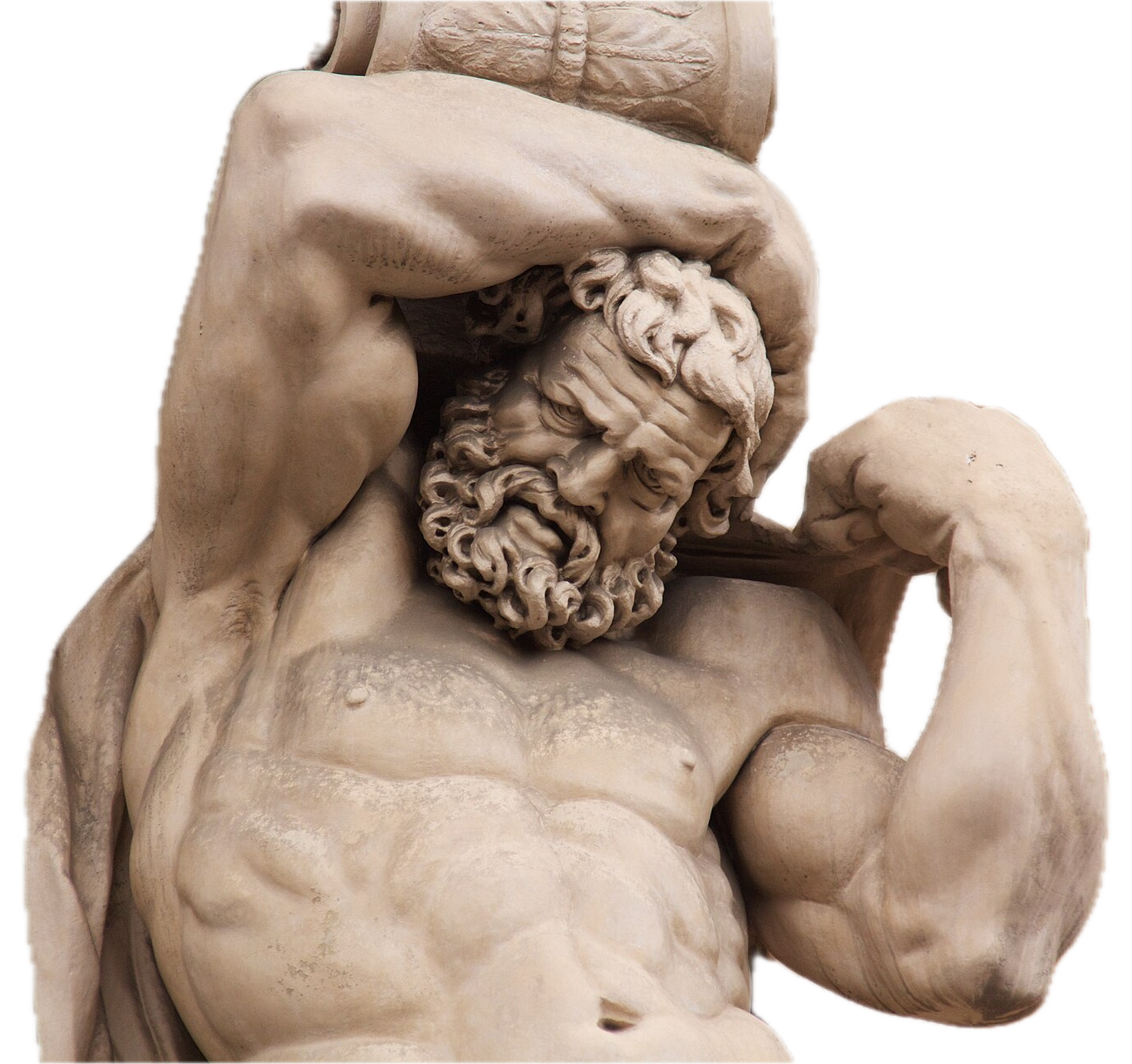
“holding it in their jaws high above the ground, even so the twain warrior Aiantes held Imbrius on high, and stripped him of his armour. And the head did the son of Oïleus cut from the tender neck, being wroth for the slaying of Amphimachus, and with a swing he sent it rolling through the throng like a ball;”
“and among them Menestheus, son of Peteos, was leader, and there followed with him Pheidas and Stichius and valiant Bias, while the Epeians were led by Meges, son of Phyleus, and Araphion and Dracius, and in the forefront of the Phthians were Medon and Podarces, staunch in fight. The one, verily, even Medon, was a bastard son of godlike Oïleus”
“and brother of Aias, but he dwelt in Phylace, far from his native land, for that he had slain a man of the kin of his stepmother Eriopis, that Oïleus had to wife; and the other, Podarces, was the son of Iphiclus, son of Phylacus. These, harnessed in their armour, in the forefront of the great-souled Phthians,”
See all 14
“But most men did Aias slay, the swift son of Oïleus; for there was none other like him to pursue with speed of foot amid the rout of men, when Zeus turned them to flight.”

“the one a leader of the brazen-coated Boeotians, and the other a trusty comrade of great-souled Menestheus; and Aeneas slew Medon and Iasus. The one verily, Medon, was a bastard son of godlike Oïleus, and brother of Aias,”
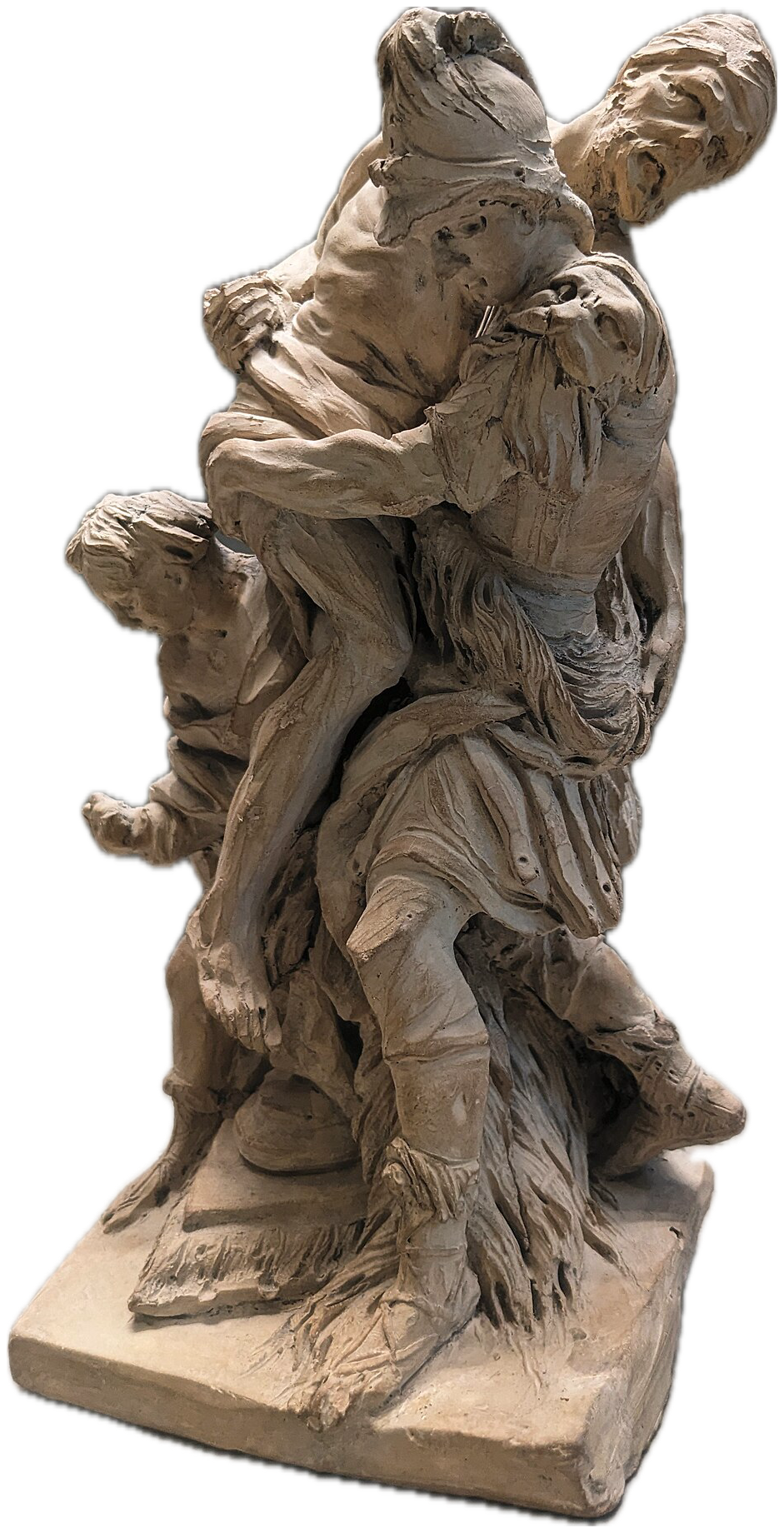
“And Aias, son of Oileus, leapt upon Cleobulus, and caught him alive, entangled in the throng; but even there he loosed his might, smiting him upon the neck with his hilted sword. Thereat all the blade grew warm with his blood, and down over his eyes came dark death and mighty fate.”
“I discern not clearly, but the man seemeth to me to be an Aetolian by race, and is king among the Argives, even the son of horse-taming Tydeus, mighty Diomedes. Then shamefully chid him swift Aias, son of Oïleus: Idomeneus, why art thou a braggart from of old? Nay, still afar off are”
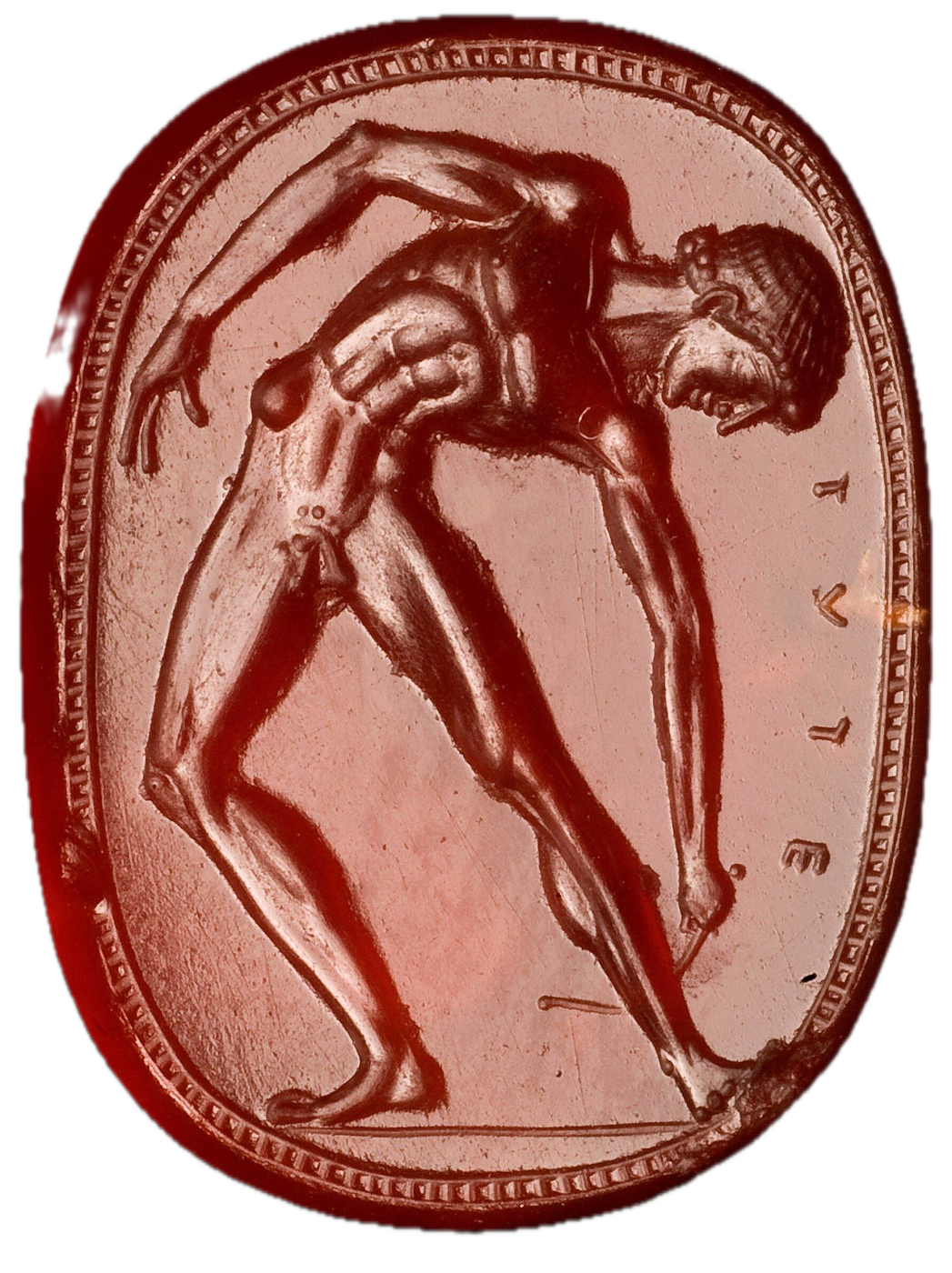

“For the second again he set an ox great and rich with fat; and a half-talent in gold he appointed for the last. And he stood up, and spake among the Argives saying: Up now, ye that will make essay likewise in this contest. So spake he, and forthwith uprose swift Aias, son of Oïleus,”
“and Odysseus of many wiles, and after them Antilochus, Nestor's son, for he surpassed all the youths in swiftness of foot. Then took they their places in a row, and Achilles showed them the goal, and a course was marked out for them from the turning-point. Then speedily the son of Oïleus forged to the front, and close after him sped goodly Odysseus;”
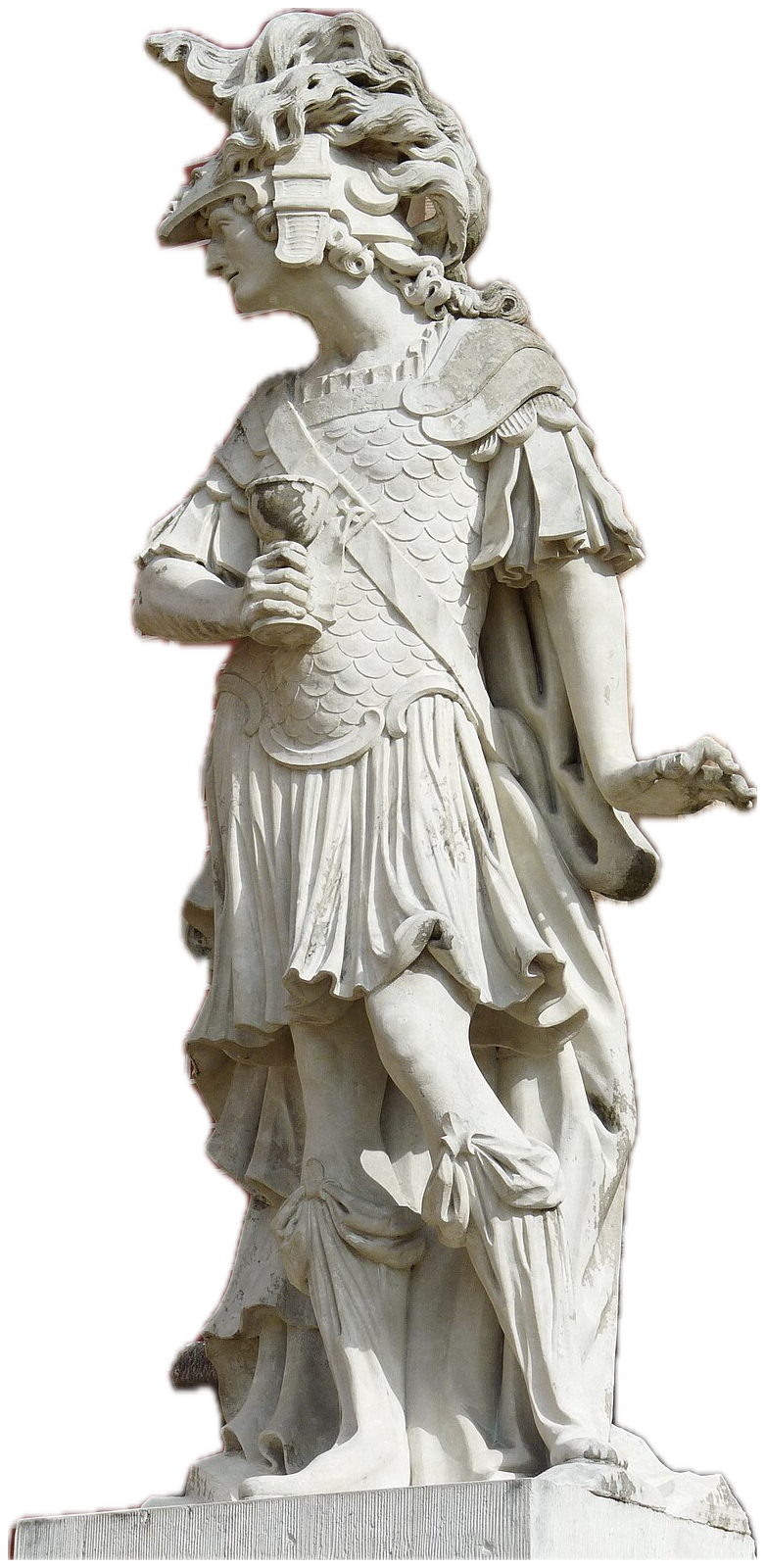
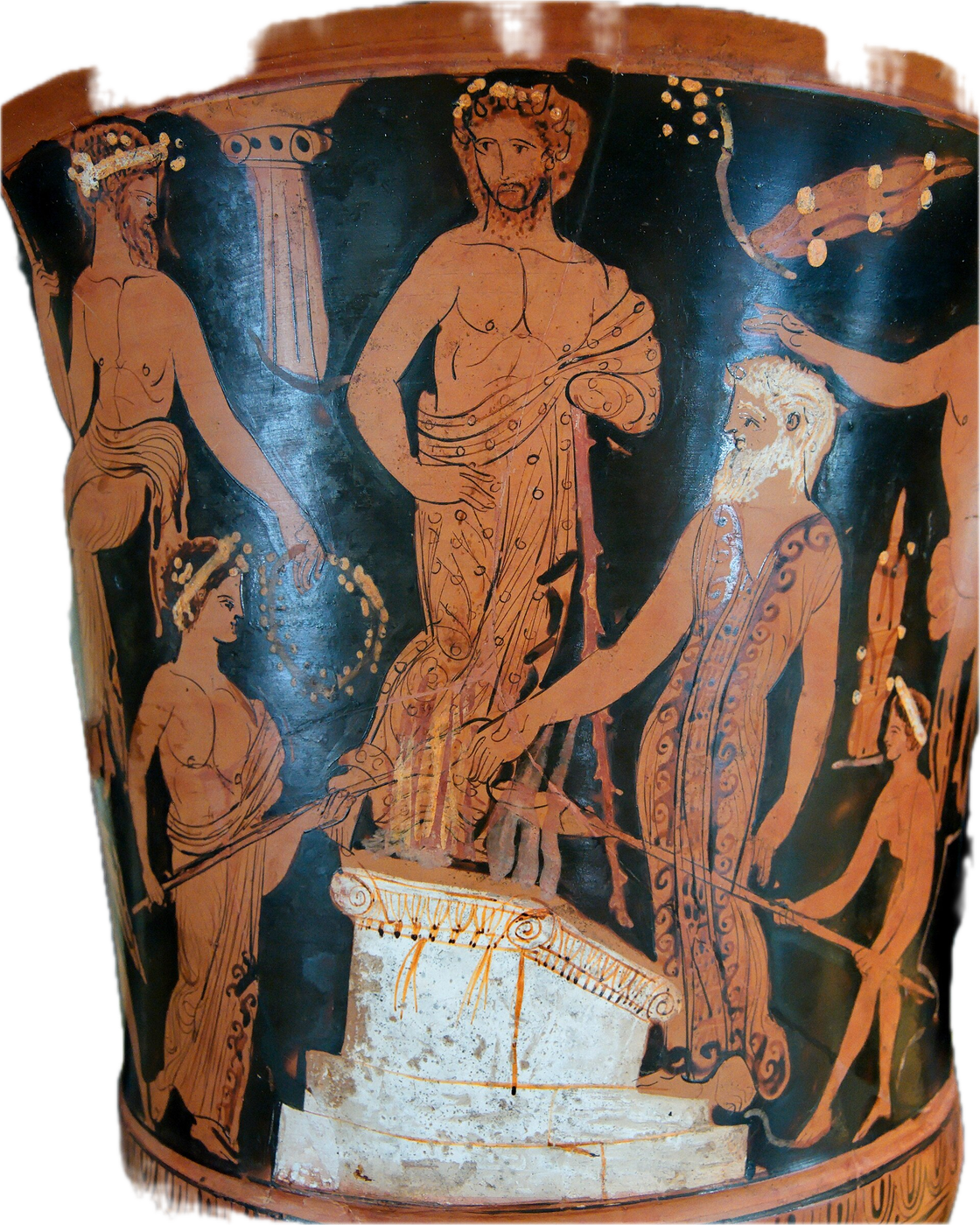






“where was strewn the filth from the slaying of the loud bellowing bulls that swift-footed Achilles had slain in honour of Patroclus; and with the filth of the bulls were his mouth and nostrils filled. So then much-enduring, goodly Odysseus took up the bowl, seeing he came in the first, and glorious Aias took the ox.”
Connections
Wife · Sources
Wife · Sources
and brother of Aias, but he dwelt in Phylace, far from his native land, for that he had slain a man of the kin of his stepmother Eriopis, that Oïleus had to wife; and the other, Podarces, was the son of Iphiclus, son of Phylacus. These, harnessed in their armour, in the forefront of the great-souled Phthians,
but he dwelt in Phylace far from his native land, for that he had slain a man of the kin of his stepmother, Eriopis that Oïleus had to wife; and Iasus was a captain of the Athenians, and was called the son of Sphelus, son of Bucolus. And Mecisteus did Polydamas slay, and Polites slew Echius
Il. 13.697 · Il. 15.336
Son · Sources
Son · Sources
and on each ship embarked fifty oarsmen well skilled to fight amain with the bow. But Philoctetes lay suffering grievous pains in an island, even in sacred Lemnos, where the sons of the Achaeans had left him in anguish with an evil wound from a deadly water-snake. There he lay suffering; yet full soon were the Argives beside their ships to bethink them of king Philoctetes. Howbeit neither were these men leaderless, though they longed for their leader; but Medon marshalled them, the bastard son of Oïleus, whom Rhene bare to Oïleus, sacker of cities. And they that held Tricca and Ithome of the crags,
and among them Menestheus, son of Peteos, was leader, and there followed with him Pheidas and Stichius and valiant Bias, while the Epeians were led by Meges, son of Phyleus, and Araphion and Dracius, and in the forefront of the Phthians were Medon and Podarces, staunch in fight. The one, verily, even Medon, was a bastard son of godlike Oïleus
the one a leader of the brazen-coated Boeotians, and the other a trusty comrade of great-souled Menestheus; and Aeneas slew Medon and Iasus. The one verily, Medon, was a bastard son of godlike Oïleus, and brother of Aias,
Il. 2.727–728 · Il. 13.694 · Il. 15.333
Son · Sources
Son · Sources
And their leaders busily marshalled the ranks of the Phocians, and made ready for battle hard by the Boeotians on the left. And the Loerians had as leader the swift son of Oïleus, Aias the less, in no wise as great as Telamonian Aias, but far less. Small of stature was he, with corselet of linen,
Forthwith he spake winged words to the son of Oïleus: Aias, do ye twain, thou and strong Lycomedes, stand fast here and urge on the Danaans to fight amain, but I will go thither, and confront the war, and quickly will I come again, when to the full I have borne them aid.
even so from them sped Poseidon, the Shaker of Earth. And of the twain swift Aias, son of Oïleus, was first to mark the god, and forthwith spake to Aias, son of Telamon: Aias, seeing it is one of the gods who hold Olympus that in the likeness of the seer biddeth the two of us fight beside the ships—
Il. 2.527 · Il. 12.366 · Il. 13.66 · Il. 13.203 · Il. 13.701 · Il. 14.520 · Il. 16.330 · Il. 23.473 · Il. 23.754 · Il. 23.759 · Il. 23.779
See all 3
In art
See all 0
There is nothing in this section yet.
04 / PROVENANCE
Sources and verification
The character is matched to the catalogue.
- Wikipedia · Oileus · CC BY-SA 4.0
Excerpt; remaining sentences omitted.
Reference material remains distinct from the poem’s assertions. Characters who share a name retain separate pages.