Apollo
God
Apollo is one of the Olympian deities in ancient Greek religion and mythology. His numerous functions include light, healing, prophecy, music, poetry, and archery.
Explore on the graph- Mentions
- 109
- Connected characters
- 34
- Books
- 21


Mentions in the Iliad
A. T. Murray, Loeb Classical Library, Harvard University Press, 1924 · Homer, Iliad with an English Translation · CC BY-SA 3.0 US
“from the time when first they parted in strife Atreus' son, king of men, and brilliant Achilles. Who then of the gods was it that brought these two together to contend? The son of Leto and Zeus; for he in anger against the king roused throughout the host an evil pestilence, and the people began to perish,”
“to the lord Apollo, whom fair-haired Leto bore: Hear me, god of the silver bow, who stand over Chryse and holy Cilla, and rule mightily over Tenedos, Sminthian god, if ever I roofed over a temple to your pleasing, or if ever I burned to you fat thigh-pieces of bulls and goats,”
“fulfill this prayer for me: let the Danaans pay for my tears by your arrows So he spoke in prayer, and Phoebus Apollo heard him. Down from the peaks of Olympus he strode, angered at heart, bearing on his shoulders his bow and covered quiver.”
“and who had guided the ships of the Achaeans to Ilios by his own prophetic powers which Phoebus Apollo had bestowed upon him. He with good intent addressed the gathering, and spoke among them: Achilles, dear to Zeus, you bid me declare the wrath of Apollo, the lord who strikes from afar.”
“not even if you name Agamemnon, who now claims to be far the best of the Achaeans. Then the blameless seer took heart, and spoke: It is not then because of a vow that he finds fault, nor because of a hecatomb, but because of the priest whom Agamemnon dishonoured, and did not release his daughter nor accept the ransom.”
“or you, son of Peleus, of all men most extreme, so that on our behalf you may propitiate the god who strikes from afar by offering sacrifice. Glaring from beneath his brows spoke to him swift-footed Achilles: Ah me, clothed in shamelessness, thinking of profit, how shall any man of the Achaeans obey your words with a ready heart”
“nor take heed of your wrath. But I will threaten you thus: as Phoebus Apollo takes from me the daughter of Chryses, her with my ship and my companions I will send back, but I will myself come to your tent and take the fair-cheeked Briseis, your prize, so that you will understand”
See all 107
“and Odysseus of many wiles went on board to take command. So these embarked and sailed over the watery ways; but the son of Atreus bade the people purify themselves. And they purified themselves, and cast the defilement into the sea, and offered to Apollo perfect hecatombs”
“came to the swift ships of the bronze-clad Achaeans, to free his daughter, bearing ransom past counting, and in his hands he held the wreaths of Apollo who strikes from afar, on a staff of gold, and he implored all the Achaeans, but most of all the two sons of Atreus, marshallers of the people.”
“Forthwith, then, I first bade propitiate the god, but thereafter anger seized the son of Atreus, and straightway he arose and spoke a threatening word, which now has come to pass. For the quick-glancing Achaeans are taking the maiden in a swift ship to Chryse, and are bearing gifts to the god;”
“Then they cast out the mooring-stones and made fast the stern cables, and themselves went forth upon the shore of the sea. They brought forth the hecatomb for Apollo, who strikes from afar, and forth stepped also the daughter of Chryses from the sea-faring ship. Her then did Odysseus of many wiles lead to the altar,”
“and place in the arms of her dear father, saying to him: Chryses, Agamemnon, king of men, sent me forth to bring to you your daughter, and to offer to Phoebus a holy hecatomb on the Danaans' behalf, that therewith we may propitiate the lord, who has now brought upon the Argives woeful lamentation.”
“ward off now from the Danaans the loathly pestilence. So he spoke in prayer, and Phoebus Apollo heard him. Then, when they had prayed, and had sprinkled the barley grains, they first drew back the victims' heads, and cut their throats, and flayed them, and cut out the thighs and covered them”
“they lay down to rest by the stern cables of the ship, and as soon as early rosy-fingered Dawn appeared, then they set sail for the wide camp of the Achaeans. And Apollo, who works from afar, sent them a favouring wind, and they set up the mast and spread the white sail.”
“Thus the whole day long till the setting of the sun they feasted, nor did their heart lack anything of the equal feast, nor of the beauteous lyre, that Apollo held, nor yet of the Muses, who sang, replying one to the other with sweet voices. But when the bright light of the sun was set,”
“Aye verily once more, old sir, art thou pre-eminent in speech above the sons of the Achaeans. I would, O father Zeus and Athene and Apollo, that I had ten such counsellors; then would the city of king Priam forthwith bow her head, taken and laid waste beneath our hands.”
“like of coat, like of age, their backs as even as a levelling line could make. These had Apollo of the silver bow reared in Pereia, both of them mares, bearing with them the panic of war. And of warriors far best was Telamonian Aias, while yet Achilles cherished his wrath; for Achilles was far the mightiest,”
“men of wealth, that drink the dark water of Aesepus, even the Troes, these again were led by the glorious son of Lycaon, Pandarus, to whom Apollo himself gave the bow. And they that held Adrasteia and the land of Apaesus, and that held Pityeia and the steep mount of Tereia,”
“Nay, come, shoot thine arrow at glorious Menelaus, and vow to Apollo, the wolf-born god, famed for his bow, that thou wilt sacrifice a glorious hecatomb of firstling lambs, when thou shalt come to thy home, the city of sacred Zeleia. So spake Athene, and persuaded his heart in his folly.”
“or ever Menelaus, the warlike son of Atreus, was smitten. Then opened he the lid of his quiver, and took forth an arrow, a feathered arrow that had never been shot, freighted with dark pains; and forthwith he fitted the bitter arrow to the string, and made a vow to Apollo, the wolf-born god, famed for his bow,”
“Ye Aiantes, leaders of the brazen-coated Argives, to you twain, for it beseemeth not to urge you, I give no charge; for of yourselves ye verily bid your people fight amain. I would, O father Zeus and Athene and Apollo, that such spirit as yours might be found in the breasts of all;”
“Then the foremost warriors and glorious Hector gave ground; and the Argives shouted aloud, and drew off the bodies, and charged far further onward. And Apollo, looking down from Pergamus, had indignation, and called with a shout to the Trojans: Rouse ye, horse-taming Trojans, give not ground in fight”
“before Argives; not of stone nor of iron is their flesh to resist the bronze that cleaveth the flesh, when they are smitten. Nay, and Achilles moreover fighteth not, the son of fair-haired Thetis, but amid the ships nurseth his bitter wrath. So spake the dread god from the city; but the Achaeans”
“the son of Zeus, sped me on my way when I set forth from Lycia. So spake he vauntingly; howbeit that other did the swift arrow not lay low, but he drew back, and took his stand before his horses and chariot, and spake to Sthenelus, son of Capaneus: Rouse thee, good son of Capaneus; get thee down from the car,”
“the ichor, such as floweth in the blessed gods; for they eat not bread neither drink flaming wine, wherefore they are bloodless, and are called immortals. She then with a loud cry let fall her son, and Phoebus Apollo took him in his arms”
“and all these things shall be the business of swift Ares and Athene. On this wise spake they one to the other; but Diomedes, good at the war-cry, leapt upon Aeneas, though well he knew that Apollo himself held forth his arms above him; yet had he no awe even of the great god, but was still eager”
“to slay Aeneas and strip from him his glorious armour. Thrice then he leapt upon him, furiously fain to slay him, and thrice did Apollo beat back his shining shield. But when for the fourth time he rushed upon him like a god, then with a terrible cry spake to him Apollo that worketh afar:”
“So spake he, and himself sate him down upon the height of Pergamus, and baneful Ares entered amid the Trojans' ranks and urged them on, in the likeness of swft Acamas, leader of the Thracians. To Priam's sons, nurtured of Zeus, he called, saying: Ye sons of Priam, the king nurtured of Zeus,”
“as the fight was joined again; and the charioteers wheeled round. The might of their hands they bare straight forward, and about the battle furious Ares drew a veil of night to aid the Trojans, ranging everywhere; so fulfilled he the behest of Phoebus Apollo of the golden sword, who bade him”
“rouse the spirit of the Trojans, whenso he saw that Pallas Athene was departed; for she it was that bare aid to the Danaans. And Apollo himself sent Aeneas forth from out the rich sanctuary, and put courage in the breast of the shepherd of the host. And Aeneas took his place in the midst of his comrades, and these waxed glad”
“while at their ease Cypris and Apollo of the silver bow take their joy, having set on this madman that regardeth not any law? Father Zeus, wilt thou in any wise be wroth with me if I smite Ares in sorry fashion and drive him out of the battle? Then in answer spake to her Zeus, the cloud-gatherer:”
“to sacred Ilios. And Apollo sped forth to meet her, for he looked down from out of Pergamus and beheld her, and was fain to have victory for the Trojans. So the twain met one with the other by the oak-tree. Then to her spake first the king Apollo, son of Zeus: Wherefore art thou again come thus eagerly from Olympus, thou daughter of great Zeus,”
“and he went into the midst and kept back the battalions of the Trojans with his spear grasped by the middle; and they all sate them down, and Agamemnon made the well-greaved Achaeans to sit. And Athene and Apollo of the silver bow in the likeness of vultures sate them”
“that the Trojans and the Trojan wives may give me my due meed of fire in my death. But if so be I slay him, and Apollo give me glory, I will spoil him of his armour and bear it to sacred Ilios and hang it upon the temple of Apollo, the god that smiteth afar, but his corpse will I render back to the well-benched ships,”
“then would he lift up his hands to the immortals in instant prayer that his soul might depart from his limbs into the house of Hades. I would, O father Zeus and Athene and Apollo, that I were young as when beside swift-flowing Celadon the Pylians and Arcadians that rage with spears gathered together and fought”
“and he burst the buckler inwards with the cast of the rock that was like unto a mill-stone, and beat down Hector's knees; so he stretched upon his back, gathered together under his shield; howbeit Apollo straightway raised him up. And now had they been smiting with their swords in close fight, but that the heralds, messengers of Zeus and men,”
“but gave not glorious hecatombs to the gods? Of a surety shall the fame thereof reach as far as the dawn spreadeth, and men will forget the wall that I and Phoebus Apollo built with toil for the warrior Laomedon. Then greatly troubled, Zeus, the cloud-gatherer, spake to him:”
“straight against Hector, and his heart was fain to smite him. Howbeit he missed him once again, for Apollo made his dart to swerve, but Archeptolemus, the bold charioteer of Hector, as he hasted into battle he smote on the breast beside the nipple. So he fell from out the car, and the swift-footed horses swerved aside thereat;”
“and that I might be honoured even as Athene and Apollo, so surely as now this day bringeth evil upon the Argives. So Hector addressed their gathering, and thereat the Trojans shouted aloud. Their sweating horses they loosed from beneath the yoke, and tethered them with thongs, each man beside his own chariot;”
“Phoebus Apollo encloseth in rocky Pytho. For by harrying may cattle be had and goodly sheep, and tripods by the winning and chestnut horses withal; but that the spirit of man should come again when once it hath passed the barrier of his teeth, neither harrying availeth nor winning.”
“Phoebus Apollo for the sake of the fair-ankled maid. Her of old in their halls had her father and honoured mother called Halcyone by name, for that the mother herself in a plight even as that of the halcyon-bird of many sorrows, wept because Apollo that worketh afar had snatched her child away.”
“But no blind watch did Apollo of the silver bow keep when he saw Athene attending the son of Tydeus; in wrath against her he entered the great throng of the Trojans, and aroused a counsellor of the Thracians, Hippocoön, the noble kinsman of Rhesus. And he leapt up out of sleep,”
“At sight of him Diomedes, good at the war-cry, shuddered, and forthwith spake to Odysseus that was near: On us twain is this ruin rolling, even mighty Hector; but come, let us stand, and ward off his onset abiding where we are. He spake and poised his far-shadowing spear, and hurled it, nor missed he the mark at which he aimed, but smote him on the head, on the top of the helmet, but the bronze was turned aside by bronze, and reached not his fair flesh, for it was stayed by the threefold crested helm, which Phoebus Apollo had bestowed upon him. But Hector sprang back a wondrous way, and mingled with the throng,”
“drave forth into the throng, and escaped black fate. And rushing after him with his spear mighty Diomedes spake to him: Now again, thou dog, art thou escaped from death, though verily thy bane came nigh thee; but once more hath Phoebus Apollo saved thee, to whom of a surety thou must make prayer whenso thou goest amid the hurtling of spears.”
“and the city of Priam was sacked in the tenth year, and the Argives had gone back in their ships to their dear native land, then verily did Poseidon and Apollo take counsel to sweep away the wall, bringing against it the might of all the rivers that flow forth from the mountains of Ida to the sea—”
“Rhesus and Heptaporus and Caresus and Rhodius, and Granicus and Aesepus, and goodly Scamander, and Simois, by the banks whereof many shields of bull's-hide and many helms fell in the dust, and the race of men half-divine—of all these did Phoebus Apollo turn the mouths together,”
“I would that I mine own self were all my days as surely the son of Zeus, that beareth the aegis, and my mother were the queenly Hera, and that I were honoured even as are Athene and Apollo, as verily this day beareth evil for the Argives, one and all; and among them shalt thou too be slain, if thou have the heart”
“Iris to come hither, and Apollo, famed for his bow, that she may go amid the host of the brazen-coated Achaeans, and bid the lord Poseidon that he cease from war, and get him to his own house; but let Phoebus Apollo rouse Hector to the fight,”
“or will yet be slain; and a hard thing it is to preserve the lineage and offspring of men. She spake she, and made furious Ares to sit down upon his throne. But Hera called Apollo forth from out the hall, and Iris, that is the messenger of the immortal gods;”
“Then unto Apollo spake Zeus, the cloud-gatherer: Go now, dear Phoebus, unto Hector, harnessed in bronze, for now is the Enfolder and Shaker of Earth gone into the bright sea, avoiding our utter wrath; else verily had others too heard of our strife,”
“abidest here fainting? Is it haply that some trouble is come upon thee? Then, his strength all spent, spake to him Hector of the flashing helm: Who of the gods art thou, mightiest one, that dost make question of me face to face? Knowest thou not that at the sterns of the Achaeans' ships as I made havoc of his comrades, Aias, good at the war-cry, smote me”
“but behind them the multitude fared back to the ships of the Achaeans. Then the Trojans drave forward in close throng, and Hector led them, advancing with long strides, while before him went Phoebus Apollo, his shoulders wrapped in cloud, bearing the fell aegis, girt with shaggy fringe, awful, gleaming bright, that the smith”
“when they have come upon them suddenly, and a herdsman is not by, even so were the Achaeans driven in rout with no might in them; for upon them Apollo had sent panic, and unto the Trojans and Hector was he giving glory. Then man slew man as the fight was scattered. Hector laid low Stichius and Arcesilaus,”
“and before them Phoebus Apollo lightly dashed down with his feet the banks of the deep trench, and cast them into the midst thereof, bridging for the men a pathway long and broad, even as far as a spear-cast, when a man hurleth, making trial of his strength.”
“Therethrough they poured forward rank on rank, and before them went Apollo, bearing the priceless aegis. And full easily did he cast down the wall of the Achaeans, even as when a boy scattereth the sand by the sea, one that makes of it a plaything in his childishness, and then again confounds it with hands and feet as he maketh sport:”
“Him hath great-souled Hector slain. Where now are thy arrows that bring swift death, and the bow that Phoebus Apollos gave thee? So spake he, and the other hearkened, and ran, and took his stand close beside him, bearing in his hand his bent-back bow and the quiver that held his arrows; and full swiftly did he let fly his shafts upon the Trojans.”
“And Meges saw, and leapt upon him, but Polydamas swerved from beneath him and him Meges missed; for Apollo would not suffer the son of Panthous to be vanquished amid the foremost fighters; but with a spear-thrust he smote Croesmus full upon the breast. And he fell with a thud, and the other set him to strip the armour from his shoulders.”
“against the war-loving Trojans: thou wilt lessen mine honour. Nor yet do thou, as thou exultest in war and conflict, and slayest the Trojans, lead on unto Ilios, lest one of the gods that are for ever shall come down from Olympus and enter the fray; right dearly doth Apollo, that worketh afar, love them.”
“And with his hand he caught and pressed his arm, for his wound tormented him, the wound that Teucer, while warding off destruction from his comrades, had dealt him with his arrow as he rushed upon the high wall. Then in prayer he spake to Apollo, that smiteth afar: Hear me, O king that art haply in the rich land of Lycia”
“that I may call to my comrades, the Lycians, and urge them on to fight, and myself do battle about the body of him that is fallen in death. So spake he in prayer, and Phoebus Apollo heard him. Forthwith he made his pains to cease, and staunched the black blood that flowed from his grievous wound, and put might into his heart.”
“and this the valiant son of Menoetius gave to his comrades to bear to the hollow ships. And then unto Apollo spake Zeus, the cloud-gatherer: Up now, dear Phoebus, go cleanse from Sarpedon the dark blood, when thou hast taken him forth from out the range of darts, and thereafter bear thou him far away, and bathe him in the streams of the river,”
“had not Phoebus Apollo taken his stand upon the well-builded wall thinking thoughts of bane for him, but bearing aid to the Trojans. Thrice did Patroclus set foot upon a corner of the high wall, and thrice did Apollo fling him back, thrusting against the bright shield with his immortal hands.”
“But when for the fourth time he rushed on like a god, then with a terrible cry Apollo spake to him winged words: Give back, Zeus-born Patroclus. It is not fated, I tell thee, that by thy spear the city of the lordly Trojans shall be laid waste, nay, nor by that of Achilles, who is better far than thou.”
“if so be thou mayest slay him, and Apollo give thee glory. So spake he, and went back again, a god into the toil of men. Then unto wise-hearted Cebriones glorious Hector gave command to lash his horses into the battle. But Apollo went his way, and entered into the throng, and sent an evil panic upon the Argives,”
“crying a terrible cry, and thrice he slew nine men. But when for the fourth time he rushed on, like a god, then for thee, Patroclus, did the end of life appear; for Phoebus met thee in the fierce conflict, an awful god. And Patroclus marked him not as he passed through the turmuoil,”
“for enfolded in thick mist did he meet him; and Apollo took his stand behind him, and smote his back and broad shoulders with the flat of his hand, and his eyes were made to whirl. And from his head Phoebus Apollo smote the helmet, that rang as it rolled”
“to the hollow ships, till thou hast cloven about the breast of man-slaying Hector the tunic red with his blood. So, I ween, spake he to thee, and persuaded thy wits in thy witlessness. Then, thy strength all spent, didst thou answer him, knight Patroclus: For this time, Hector, boast thou mightily; for to thee have”
“Full easily then would Atreus' son have borne off the glorious armour of the son of Panthous, but that Phoebus Apollo begrudged it him, and in the likeness of a man, even of Mentes, leader of the Cicones, aroused against him Hector, the peer of swift Ares. And he spake and addressed him in winged words:”
“glancing this way and that for great Aias, son of Telamon. Him he marked full quickly on the left of the whole battle, heartening his comrades, and urging them on to fight, for wondrous fear had Phoebus Apollo cast upon them. And he set him to run, and straightway came up to him, and spake, saying:”
“dear to Ares, up to Ilios, vanquished in their cowardice, and the Argives would have won glory even beyond the allotment of Zeus, by reason of their might and their strength, had not Apollo himself aroused Aeneas, taking upon him the form of the herald, Periphas, son of Epytos, that in the house of his old father”
“and in their host, and that held their realm even in defiance of Zeus. But for us Zeus willeth the victory far more than for the Danaans; yet yourselves ye have measureless fear, and fight not. So spake he, and Aeneas knew Apollo that smiteth afar, when he looked upon his face, and he called aloud, and spake to Hector:”
“and he fell with a thud. But Menelaus, son of Atreus, dragged the dead body from amid the Trojans into the throng of his comrades. Then unto Hector did Apollo draw nigh, and urged him on, in the likeness of Asius' son Phaenops, that of all his guest-friends was dearest to him, and had his house at Abydus.”
“In his likeness Apollo that worketh afar spake unto Hector: Hector, what man beside of the Achaeans will fear thee any more, seeing thou hast thus quailed before Menelaus, who aforetime was a weakling warrior? Now with none to aid him hath he taken the dead from out the ranks of the Trojans and is gone—aye, he hath slain thy trusty comrade,”
“after the valiant son of Menoetius had wrought sore harm, Apollo slew him amid the foremost fighters and gave glory to Hector. Therefore am I now come to thy knees, if so be thou wilt be minded to give my son, that is doomed to a speedy death, shield and helmet, and goodly greaves fitted with ankle-pieces,”
“but a mighty god and overpowering Fate. For it was not through sloth or slackness of ours that the Trojans availed to strip the harness from the shoulders of Patroclus, but one, far the best of gods, even he that fair-haired Leto bare, slew him amid the foremost fighters and gave glory to Hector.”
“and together with these went Hephaestus, exulting in his might, halting, but beneath him his slender legs moved nimbly; but unto the Trojans went Ares, of the flashing helm, and with him Phoebus, of the unshorn locks, and Artemis, the archer,”
“the dread and dank abode, wherefor the very gods have loathing: so great was the din that arose when the gods clashed in strife. For against king Poseidon stood Phoebus Apollo with his winged arrows, and against Enyalius the goddess, flashing-eyed Athene;”
“against Hera stood forth the huntress of the golden arrows, and the echoing chase, even the archer Artemis, sister of the god that smiteth afar; against Leto stood forth the strong helper, Hermes, and against Hephaestus the great, deep-eddying river, that god called Xanthus, and men Scamander.”
“till it have pierced through the flesh of man. Howbeit were a god to stretch with even hand the issue of war, then not lightly should he vanquish me, nay, not though he vaunt him to be wholly wrought of bronze. Then in answer to him spake the prince Apollo, son of Zeus: Nay, warrior, come, pray thou also”
“Consider within your hearts, ye twain, O Poseidon and Athene, how these things are to be. Lo, here is Aeneas, gone forth, harnessed in flaming bronze, to face the son of Peleus, and it is Phoebus Apollo that hath set him on.”
“with gods in strife. Nay, for our part let us rather go apart from the track unto some place of outlook, and sit us there, and war shall be for men. But if so be Ares or Phoebus Apollo shall make beginning of fight, or shall keep Achilles in check and suffer him not to do battle,”
“slain by the son of Peleus, for that he listened to the bidding of Apollo that smiteth afar—fool that he was! nor will the god in any wise ward from him woeful destruction. But wherefore should he, a guiltless man, suffer woes vainly by reason of sorrows that are not his own?—whereas he ever giveth acceptable gifts to the gods that hold broad heaven.”
“Then Phoebus Apollo drew nigh to Hector, and spake, saying: Hector, no longer do thou anywise stand forth as a champion against Achilles, but in the throng await thou him and from amid the din of conflict, lest so be he smite thee with a cast of his spear or with his sword in close combat. ' So spake he, and Hector fell back again into the throng of men,”
“breathing full lightly; and it came back to goodly Hector, and fell there before his feet. But Achilles leapt upon him furiously, fain to slay him, crying a terrible cry. But Apollo snatched up Hector full easily, as a god may, and shrouded him in thick mist.”
“thy bane came nigh thee; but once more hath Phoebus Apollo saved thee, to whom of a surety thou must make prayer, whenso thou goest amid the hurtling of spears. Verily I will yet make an end of thee, when I meet thee hereafter, if so be any god is helper to me likewise. But now will I make after others, whomsoever I may light upon.”
“until I have pent them in their city, and have made trial of Hector, man to man, whether he shall slay me or I him. So saying he leapt upon the Trojans like a god. Then unto Apollo spake the deep-eddying River: Out upon it, thou lord of the silver bow, child of Zeus, thou verily hast not kept the commandment”
“None other of the heavenly gods do I blame so much, but only my dear mother, that beguiled me with false words, saying that beneath the wall of the mail-clad Trojans I should perish by the swift missiles of Apollo. Would that Hector had slain me, the best of the men bred here;”
“But unto Apollo spake the lord Poseidon, the Shaker of Earth: Phoebus, wherefore do we twain stand aloof? It beseemeth not, seeing others have begun. Nay, it were the more shameful, if without fighting we should fare back to Olympus, to the house of Zeus with threshold of bronze. Begin, since thou art the younger;”
“in utter ruin with their children and their honoured wives. Then spake unto him lord Apollo, that worketh afar: Shaker of Earth, as nowise sound of mind wouldest thou count me, if I should war with thee for the sake of mortals, pitiful creatures, that like unto leaves”
“but Phoebus Apollo entered into sacred Ilios, for he was troubled for the wall of the well-builded city, lest the Danaans beyond what was ordained should lay it waste on that day. But the other gods that are for ever went unto Olympus, some of them in wrath and some exulting greatly,”
“then close ye again the double doors, close fitted; for I am adread lest yon baneful man leap within the wall. So spake he, and they undid the gates and thrust back the bars; and the gates being flung wide wrought deliverance. But Apollo leapt forth to face Achilles, that so he might ward off ruin from the Trojans.”
“And the son of Peleus in his turn set upon godlike Agenor; howbeit Apollo suffered him not to win glory, but snatched away Agenor, and shrouded him in thick mist, and sent him forth from the war to go his way in peace.”
“But Hector did deadly fate ensnare to abide there where he was in front of Ilios and the Scaean gates. Then unto the son of Peleus spake Phoebus Apollo: Wherefore, son of Peleus, dost thou pursue me with swift feet, thyself a mortal, while I am an immortal god?”
“the one availeth not to flee, nor the other to pursue—even so Achilles availed not to overtake Hector in his fleetness, neither Hector to escape. And how had Hector escaped the fates of death, but that Apollo, albeit for the last and latest time, drew nigh him to rouse his strength and make swift his knees?”
“Now of a surety is evil death nigh at hand, and no more afar from me, neither is there way of escape. So I ween from of old was the good pleasure of Zeus, and of the son of Zeus, the god that smiteth afar, even of them that aforetime were wont to succour me with ready hearts; but now again is my doom come upon me. Nay, but not without a struggle let me die, neither ingloriously,”
“Then even in dying spake unto him Hector of the flashing helm: Verily I know thee well, and forbode what shall be, neither was it to be that I should persuade thee; of a truth the heart in thy breast is of iron. Bethink thee now lest haply I bring the wrath of the gods upon thee on the day when Paris and Phoebus Apollo shall slay thee,”
“nay, the daughter of Zeus, Aphrodite, kept dogs from him by day alike and by night, and with oil anointed she him, rose-sweet, ambrosial, to the end that Achilles might not tear him as he dragged him. And over him Phoebus Apollo drew a dark cloud from heaven to the plain, and covered all the place”
“and after him upsprang Tydeus' son, mighty Diomedes, and led beneath the yoke the horses of Tros, even them that on a time he had taken from Aeneas, albeit Apollo snatched away Aeneas' self; and after him uprose Atreus' son, fair-haired Menelaus, sprung from Zeus, and led beneath the yoke swift steeds, Aethe, Agamemnon's mare, and his own horse Podargus.”
“Eumelus' car, and with their breath his back waxed warm and his broad shoulders, for right over him did they lean their heads as they flew along. And now would Tydeus' son have passed him by or left the issue in doubt, had not Phoebus Apollo waxed wroth with him and smitten from his hand the shining lash.”
“Then from his eyes ran tears in his wrath for that he saw the mares coursing even far swiftlier still than before, while his own horses were hampered, as running without goad. But Athene was not unaware of Apollo's cheating of the son of Tydeus, and right swiftly sped she after the shepherd of the host,”
“Let him to whom Apollo shall grant strength to endure, and all the Achaeans have knowledge thereof, go his way to his hut leading the sturdy muIe; but he that is worsted shall bear as his prize the two-handled cup. So spake he, and forthwith uprose a man valiant and tall,”
“So he missed the bird, for Apollo grudged him that, but hit the cord beside its foot wherewith the bird was tied, and clean away the bitter arrow cut the cord. Then the dove darted skyward, and the cord hung loose toward earth; and the Achaeans shouted aloud.”
“and bind Hector behind the chariot to drag him withal; and when he had haled him thrice about the barrow of the dead son of Menoetius, he would rest again in his hut, but would leave Hector outstretched on his face in the dust. Howbeit Apollo kept all defacement from his flesh, pitying the warrior”
“and gave precedence to her who furthered his fatal lustfulness. But when at length the twelfth morn thereafter was come, then among the immortals spake Phoebus Apollo: Cruel are ye, O ye gods, and workers of bane. Hath Hector then never burned for you thighs of bulls and goats without blemish?”
“Then stirred to anger spake to him white-armed Hera: Even this might be as thou sayest, Lord of the silver bow, if indeed ye gods will vouchsafe like honour to Achilles and to Hector. Hector is but mortal and was suckled at a woman's breast, but Achilles is the child of a goddess that I mine own self”
“The sons Apollo slew with shafts from his silver bow, being wroth against Niobe, and the daughters the archer Artemis, for that Niobe had matched her with fair-cheeked Leto, saying that the goddess had borne but twain, while herself was mother to many; wherefore they, for all they were but twain, destroyed them all.”
“oft would he drag thee about the barrow of his comrade, Patroclus, whom thou didst slay; howbeit even so might he not raise him up. But now all dewy-fresh thou liest in my halls as wert thou newly slain, like as one whom Apollo of the silver bow assaileth with his gentle shafts and slayeth.”
Connections
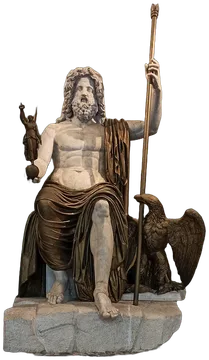
Father · Sources
from the time when first they parted in strife Atreus' son, king of men, and brilliant Achilles. Who then of the gods was it that brought these two together to contend? The son of Leto and Zeus; for he in anger against the king roused throughout the host an evil pestilence, and the people began to perish,
to sacred Ilios. And Apollo sped forth to meet her, for he looked down from out of Pergamus and beheld her, and was fain to have victory for the Trojans. So the twain met one with the other by the oak-tree. Then to her spake first the king Apollo, son of Zeus: Wherefore art thou again come thus eagerly from Olympus, thou daughter of great Zeus,
to the end that yet again the Achaeans may have respite from their toil. So spake he, nor was Apollo disobedient to his father s bidding, but went down from the hills of Ida, like a fleet falcon, the slayer of doves, that is the swiftest of winged things. He found the son of wise-hearted Priam, even goodly Hector,
Il. 1.9 · Il. 7.23 · Il. 15.236 · Il. 20.103 · Il. 21.229 · Il. 22.302
Master · Sources
to the end that yet again the Achaeans may have respite from their toil. So spake he, nor was Apollo disobedient to his father s bidding, but went down from the hills of Ida, like a fleet falcon, the slayer of doves, that is the swiftest of winged things. He found the son of wise-hearted Priam, even goodly Hector,
on the breast with a stone, and made me cease from my furious might? Aye, and I deemed that on this day I should behold the dead and the house of Hades, when I had gasped forth my life. Then spake to him again the lord Apollo, that worketh afar: Be now of good cheer, so mighty a helper hath the son of Cronossent forth from Ida to stand by thy side and succour thee, even me, Phoebus Apollo of the golden sword, that of old ever protect thee, thyself and the steep citadel withal. But come now, bid thy many charioteers drive against the hollow ships their swift horses,
Il. 15.236 · Il. 15.254–255
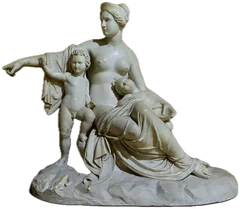
Mother · Sources
from the time when first they parted in strife Atreus' son, king of men, and brilliant Achilles. Who then of the gods was it that brought these two together to contend? The son of Leto and Zeus; for he in anger against the king roused throughout the host an evil pestilence, and the people began to perish,
to the lord Apollo, whom fair-haired Leto bore: Hear me, god of the silver bow, who stand over Chryse and holy Cilla, and rule mightily over Tenedos, Sminthian god, if ever I roofed over a temple to your pleasing, or if ever I burned to you fat thigh-pieces of bulls and goats,
Zeus, the son of Cronos, and Apollo, vouchsafed victory, they that subdued me full easily, for of themselves they took the harness from my shoulders. But if twenty such as thou had faced me, here would all have perished, slain by my spear. Nay, it was baneful Fate and the son of Leto that slew me,
Il. 1.9 · Il. 1.36 · Il. 16.849 · Il. 19.413 · Il. 24.607–608
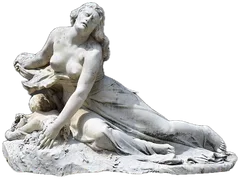
Mother · Sources
24.603–606: Аполлон перебил сыновей Ниобы; тип «вражда» не утверждается отдельно, поэтому связь показана как действие.
and lieth upon a bier; and at break of day thou shalt thyself behold him, as thou bearest him hence; but for this present let us bethink us of supper. For even the fair-haired Niobe bethought her of meat, albeit twelve children perished in her halls, six daughters and six lusty sons.The sons Apollo slew with shafts from his silver bow, being wroth against Niobe, and the daughters the archer Artemis, for that Niobe had matched her with fair-cheeked Leto, saying that the goddess had borne but twain, while herself was mother to many; wherefore they, for all they were but twain, destroyed them all.
Il. 24.603–606
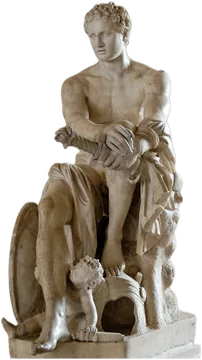
Paternal half-brother · Sources
Братство или сестринство выведено из общего родителя: Зевс. Матери и отцы, не указанные в источнике, не предполагаются. Квалификация братства/сестринства: Илиада: Общий отец; разные матери подтверждены. Общие родители: Зевс.
Wikidata: Гера — роль родителя · P25 Wikidata: Зевс — роль родителя · P22 Wikidata: Лето — роль родителя · P25 Wikidata: Зевс — роль родителя · P22from the time when first they parted in strife Atreus' son, king of men, and brilliant Achilles. Who then of the gods was it that brought these two together to contend? The son of Leto and Zeus; for he in anger against the king roused throughout the host an evil pestilence, and the people began to perish,
took furious Ares by the hand and spake to him, saying: Ares, Ares, thou bane of mortals, thou blood-stained stormer of walls, shall we not now leave the Trojans and Achaeans to fight, to whichsoever of the two it be that father Zeus shall vouchsafe glory? But for us twain, let us give place, and avoid the wrath of Zeus.
Howbeit I will no longer endure that thou shouldest be in pain, for thou art mine offspring, and it was to me that thy mother bare thee; but wert thou born of any other god, thus pestilent as thou art, then long ere this hadst thou been lower than the sons of heaven. He spake, and bade Paeëon heal his hurt;
Il. 1.9 · Il. 5.33 · Il. 5.896 · Il. 7.23 · Il. 15.236 · Il. 20.103 · Il. 21.229 · Il. 22.302
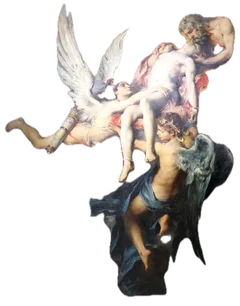
Brother through father · Sources
Братство или сестринство выведено из общего родителя: Зевс. Матери и отцы, не указанные в источнике, не предполагаются. Квалификация братства/сестринства: Илиада: Общий отец подтверждён; сведения о матерях неполны. Различие матерей не установлено. Общие родители: Зевс.
Wikidata: Зевс — пол родителя · P21 Wikidata: Лето — роль родителя · P25 Wikidata: Зевс — роль родителя · P22from the time when first they parted in strife Atreus' son, king of men, and brilliant Achilles. Who then of the gods was it that brought these two together to contend? The son of Leto and Zeus; for he in anger against the king roused throughout the host an evil pestilence, and the people began to perish,
And when they were come near as they advanced one against the other, the son and grandson of Zeus the cloud-gatherer, then Tlepolemus was first to speak, saying: Sarpedon, counsellor of the Lycians, why must thou be skulking here, that art a man unskilled in battle?They speak but a lie that say thou art sprung from Zeus that beareth the aegis, seeing thou art inferior far to those warriors that were sprung from Zeus in the days of men of old. Of other sort, men say, was mighty Heracles, my father, staunch in fight, the lionhearted,
And Tlepolemus smote Sarpedon upon the left thigh with his long spear, and the point sped through furiously and grazed the bone; howbeit his father as yet warded from him destruction. Then his goodly companions bare godlike Sarpedon forth from out the fight, and the long spear burdened him sore,as it trailed, but no man marked it or thought in their haste to draw forth from his thigh the spear of ash, that he might stand upon his feet; such toil had they in tending him. And on the other side the well-greaved Achaeans bare Tlepolemus from out the fight, and goodly Odysseusof the enduring soul was ware of it, and his spirit waxed furious within him; and he pondered then in heart and soul whether he should pursue further after the son of Zeus that thundereth aloud, or should rather take the lives of more Lycians. But not for great-hearted Odysseus was it ordained
Il. 1.9 · Il. 5.634–635 · Il. 5.662–672 · Il. 5.675 · Il. 6.198–199 · Il. 7.23 · Il. 12.292 · Il. 12.402–403 · Il. 15.67 · Il. 15.236 · Il. 16.522 · Il. 20.103 · Il. 21.229 · Il. 22.302
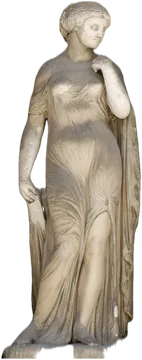
Paternal half-sister · Sources
Братство или сестринство выведено из общего родителя: Зевс. Матери и отцы, не указанные в источнике, не предполагаются. Квалификация братства/сестринства: Илиада: Общий отец; разные матери подтверждены. Общие родители: Зевс.
Гомер, Илиада — роль родителя · Ил. 3.236–238 Wikidata: Зевс — роль родителя · P22 Wikidata: Лето — роль родителя · P25 Wikidata: Зевс — роль родителя · P22from the time when first they parted in strife Atreus' son, king of men, and brilliant Achilles. Who then of the gods was it that brought these two together to contend? The son of Leto and Zeus; for he in anger against the king roused throughout the host an evil pestilence, and the people began to perish,
His battle-gear lieth upon the bounteous earth, but himself he rangeth like the bell-wether of a herd through the ranks of warriors. Like a ram he seemeth to me, a ram of thick fleece, that paceth through a great flock of white ewes. To him made answer Helen, sprung from Zeus:
and hate thee, even as now I love thee wondrously; and lest I devise grievous hatred between both, Trojans alike and Danaans; then wouldst thou perish of an evil fate. So spake she, and Helen, sprung from Zeus, was seized with fear; and she went, wrapping herself in her bright shining mantle,
Il. 1.9 · Il. 3.199 · Il. 3.418 · Il. 7.23 · Il. 15.236 · Il. 20.103 · Il. 21.229 · Il. 22.302
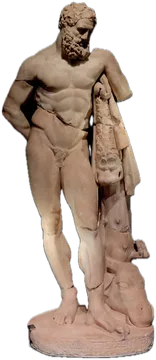
Paternal half-brother · Sources
Братство или сестринство выведено из общего родителя: Зевс. Матери и отцы, не указанные в источнике, не предполагаются. Квалификация братства/сестринства: Илиада: Общий отец; разные матери подтверждены. Общие родители: Зевс.
Wikidata: Зевс — пол родителя · P21 Wikidata: Лето — роль родителя · P25 Wikidata: Зевс — роль родителя · P22from the time when first they parted in strife Atreus' son, king of men, and brilliant Achilles. Who then of the gods was it that brought these two together to contend? The son of Leto and Zeus; for he in anger against the king roused throughout the host an evil pestilence, and the people began to perish,
And so suffered monstrous Hades even as the rest a bitter arrow, when this same man, the son of Zeus that beareth the aegis, smote him in Pylos amid the dead, and gave him over to pains. But he went to the house of Zeus and to high Olympus with grief at heart, pierced through with pains;
to sacred Ilios. And Apollo sped forth to meet her, for he looked down from out of Pergamus and beheld her, and was fain to have victory for the Trojans. So the twain met one with the other by the oak-tree. Then to her spake first the king Apollo, son of Zeus: Wherefore art thou again come thus eagerly from Olympus, thou daughter of great Zeus,
Il. 1.9 · Il. 5.396 · Il. 7.23 · Il. 8.363–365 · Il. 14.266 · Il. 14.324 · Il. 15.236 · Il. 20.103 · Il. 21.229 · Il. 22.302
See all 34
In art

Jan Boeckhorst. Apollo as god of Delphi. City Museum of Münster. Public domain. https://www.wikidata.org/wiki/Q100235804
Jan Boeckhorst. Apollo as god of Delphi. City Museum of Münster. Public domain. https://www.wikidata.org/wiki/Q100235804

Peter Paul Rubens. Apollo as Victor over Pan (sketch for the Torre de la Parada). Royal Museums of Fine Arts of Belgium. Public domain. https://www.wikidata.org/wiki/Q111172347
Peter Paul Rubens. Apollo as Victor over Pan (sketch for the Torre de la Parada). Royal Museums of Fine Arts of Belgium. Public domain. https://www.wikidata.org/wiki/Q111172347

Peter Paul Rubens. Apollo in the chariot of the sun. Liechtenstein Museum. Public domain. https://www.wikidata.org/wiki/Q111487767
Peter Paul Rubens. Apollo in the chariot of the sun. Liechtenstein Museum. Public domain. https://www.wikidata.org/wiki/Q111487767

Giovanni Baglione. Apollon by Giovanni Baglione (1620). Department of Paintings of the Louvre. Public domain. https://www.wikidata.org/wiki/Q115671302
Giovanni Baglione. Apollon by Giovanni Baglione (1620). Department of Paintings of the Louvre. Public domain. https://www.wikidata.org/wiki/Q115671302

Odilon Redon. The Chariot of Apollo. Musée des Beaux-Arts de Bordeaux. Public domain. https://www.wikidata.org/wiki/Q123055486
Odilon Redon. The Chariot of Apollo. Musée des Beaux-Arts de Bordeaux. Public domain. https://www.wikidata.org/wiki/Q123055486

Dosso Dossi. Apollo. Galleria Borghese. Public domain. https://www.wikidata.org/wiki/Q129182385
Dosso Dossi. Apollo. Galleria Borghese. Public domain. https://www.wikidata.org/wiki/Q129182385

Filippo Lauri. Apollo Flaying Marsyas. Department of Paintings of the Louvre. Public domain. https://www.wikidata.org/wiki/Q18573590
Filippo Lauri. Apollo Flaying Marsyas. Department of Paintings of the Louvre. Public domain. https://www.wikidata.org/wiki/Q18573590
See all 412
Sources and verification
The character is matched to the catalogue.
- Wikipedia · Apollo · CC BY-SA 4.0
Excerpt; remaining sentences omitted.
Reference material remains distinct from the poem’s assertions. Characters who share a name retain separate pages.