Симоент
God
A character named in Homer's Iliad. The English introduction is not yet available.
Explore on the graph- Mentions
- 3
- Connected characters
- 1
- Books
- 3


Mentions in the Iliad
A. T. Murray, Loeb Classical Library, Harvard University Press, 1924 · Homer, Iliad with an English Translation · CC BY-SA 3.0 US
“there the goddess, white-armed Hera, stayed her horses, and loosed them from the car, and shed thick mist about them; and Simoïs made ambrosia to spring up for them to graze upon. Then the goddesses twain went their way with steps like those of timorous doves, eager to bring aid to the Argive warriors.”
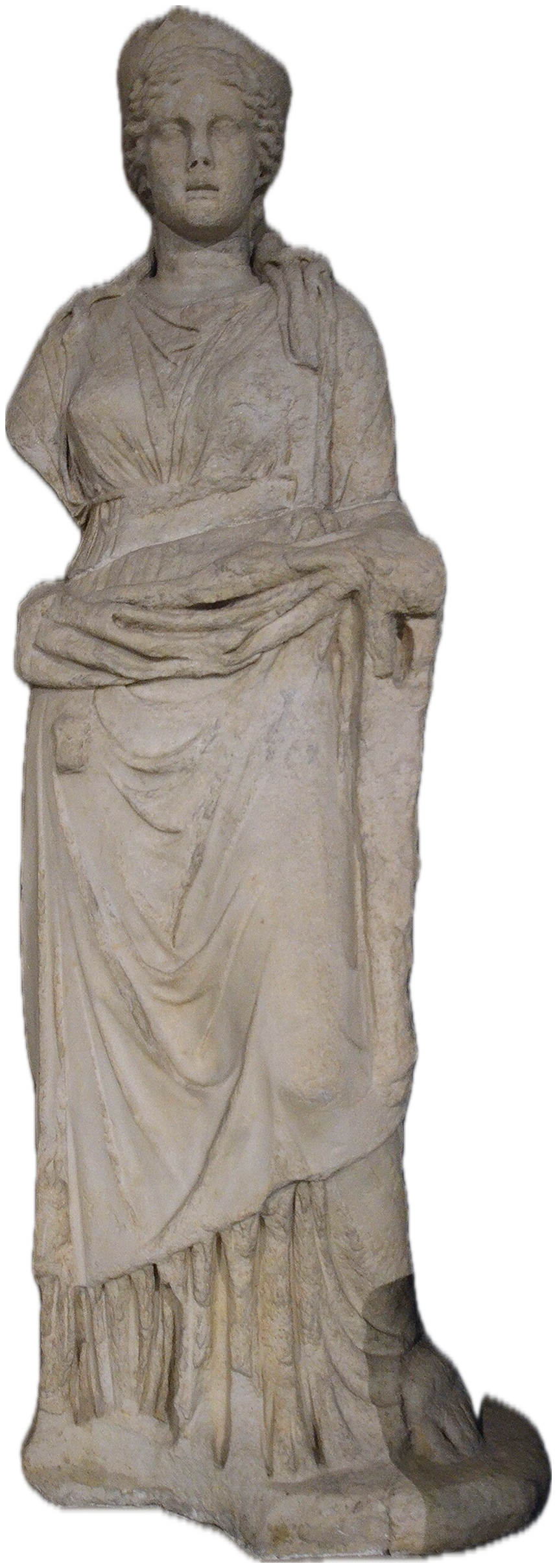
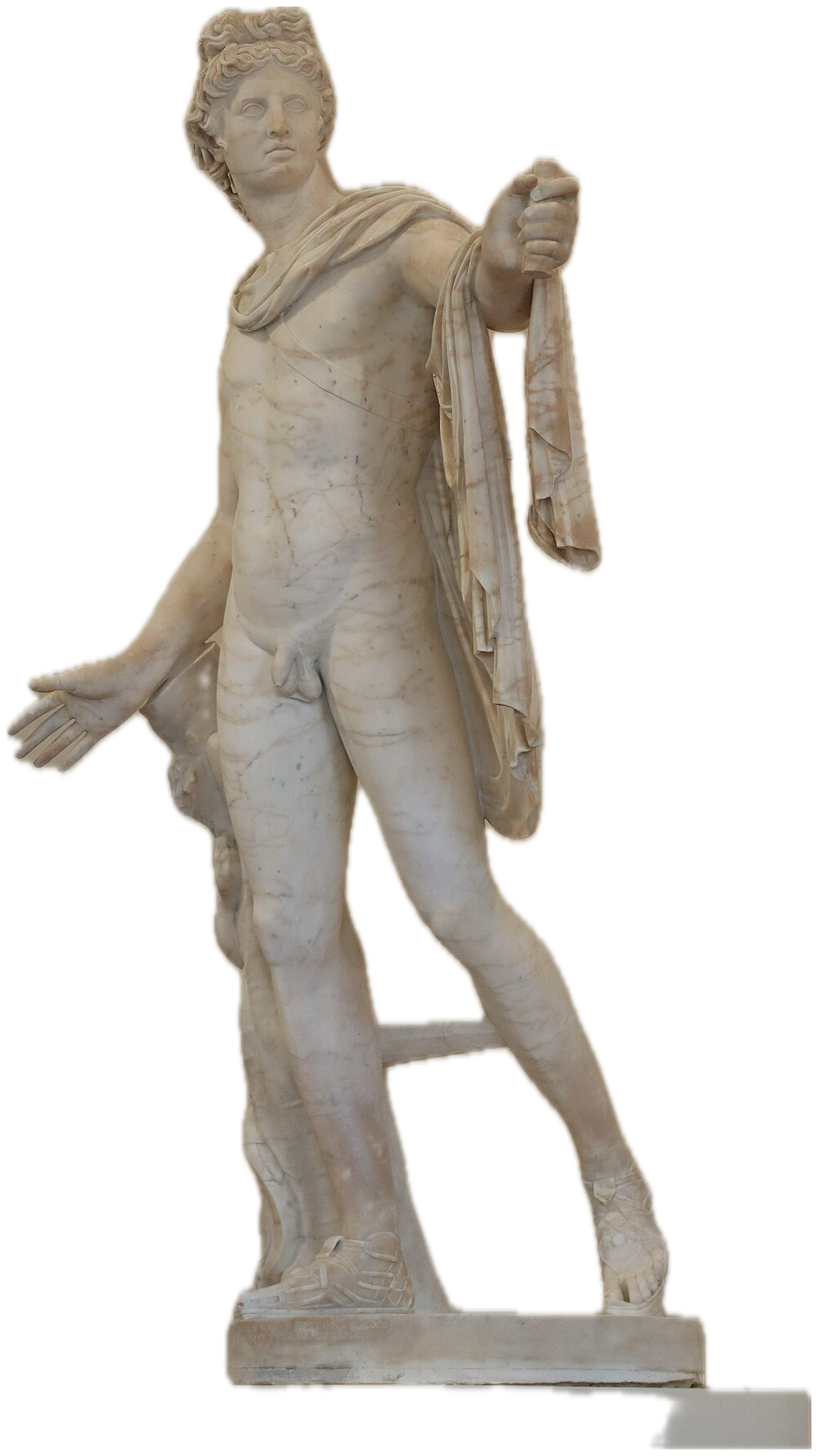
“Rhesus and Heptaporus and Caresus and Rhodius, and Granicus and Aesepus, and goodly Scamander, and Simois, by the banks whereof many shields of bull's-hide and many helms fell in the dust, and the race of men half-divine—of all these did Phoebus Apollo turn the mouths together,”
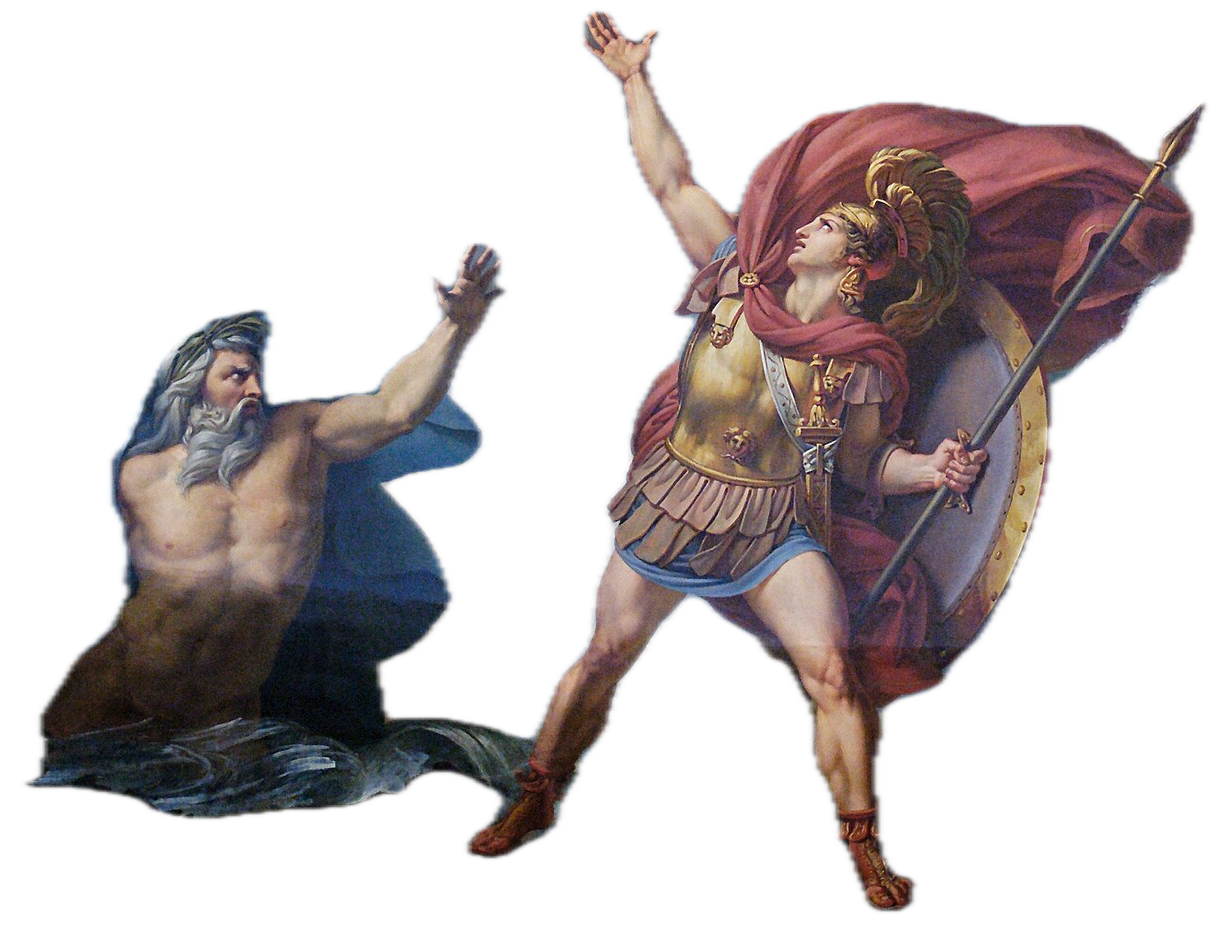
“Nor yet would Scamander abate his fury, but was even more wroth against the son of Peleus, and raising himself on high he made the surge of his flood into a crest, and he called with a shout to Simois: Dear brother, the might of this man let us stay, though it need the two of us, seeing presently he will lay waste the great city of king Priam,”
See all 3
Connections
Brother · Sources
Brother · Sources
Nor yet would Scamander abate his fury, but was even more wroth against the son of Peleus, and raising himself on high he made the surge of his flood into a crest, and he called with a shout to Simois: Dear brother, the might of this man let us stay, though it need the two of us, seeing presently he will lay waste the great city of king Priam,
Il. 21.308
See all 1
In art
See all 0
There is nothing in this section yet.
04 / PROVENANCE
Sources and verification
The character is matched to the catalogue.
Reference material remains distinct from the poem’s assertions. Characters who share a name retain separate pages.