Zeus
God
Zeus (, Ancient Greek: Ζεύς) is the supreme deity of the Greek pantheon. He is a sky and thunder god in ancient Greek religion and mythology, who rules as king of the gods on Mount Olympus.
Explore on the graph- Mentions
- 359
- Connected characters
- 56
- Books
- 24


Mentions in the Iliad
A. T. Murray, Loeb Classical Library, Harvard University Press, 1924 · Homer, Iliad with an English Translation · CC BY-SA 3.0 US
“from the time when first they parted in strife Atreus' son, king of men, and brilliant Achilles. Who then of the gods was it that brought these two together to contend? The son of Leto and Zeus; for he in anger against the king roused throughout the host an evil pestilence, and the people began to perish,”
“if war and pestilence alike are to ravage the Achaeans. But come, let us ask some seer or priest, or some reader of dreams—for a dream too is from Zeus—who might say why Phoebus Apollo is so angry, whether he finds fault with a vow or a hecatomb;”
“and who had guided the ships of the Achaeans to Ilios by his own prophetic powers which Phoebus Apollo had bestowed upon him. He with good intent addressed the gathering, and spoke among them: Achilles, dear to Zeus, you bid me declare the wrath of Apollo, the lord who strikes from afar.”
“and it is not seemly to gather these things back from the army. But give back the girl to the god, and we Achaeans will recompense you three and fourfold, if ever Zeus grants us to sack the well-walled city of Troy. In answer to him spoke lord Agamemnon:”
“Most hateful to me are you of all the kings that Zeus nurtures, for always strife is dear to you, and wars and battles. If you are very strong, it was a god, I think, who gave you this gift. Go home with your ships and your companions and lord it over the Myrmidons; for you I care not,”
“Then he addressed her with winged words, and said: Why now, daughter of aegis-bearing Zeus, have you come? Is it so that you might see the arrogance of Agamemnon, son of Atreus? One thing I will tell you, and I think this will be brought to pass: through his own excessive pride shall he presently lose his life.”
“the word of Athene. She returned to Olympus to the palace of aegis-bearing Zeus, to join the company of the other gods. But the son of Peleus again addressed with violent words the son of Atreus, and in no way ceased from his wrath: Heavy with wine, with the face of a dog but the heart of a deer,”
See all 357
Connections
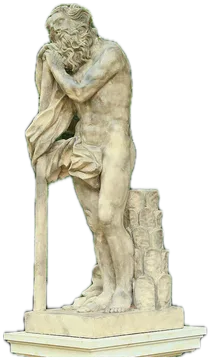
Father · Sources
one king, to whom the son of crooked-counselling Cronos hath vouchsafed the sceptre and judgments, that he may take counsel for his people. Thus masterfully did he range through the host, and they hasted back to the place of gathering from their ships and huts with noise, as when a wave of the loud-resounding sea
and the mother fluttered around them, wailing for her dear little ones; howbeit he coiled himself and caught her by the wing as she screamed about him. But when he had devoured the sparrow's little ones and the mother with them, the god, who had brought him to the light, made him to be unseen; for the son of crooked-counselling Cronos turned him to stone;
Even in such wise as the son of crooked-counselling Cronos sendeth a star to be a portent for seamen or for a wide host of warriors, a gleaming star, and therefrom the sparks fly thick; even so darted Pallas Athene to earth, and down she leapt into the midst; and amazement came upon all that beheld,
Il. 2.205–206 · Il. 2.319 · Il. 4.75 · Il. 9.37 · Il. 9.171 · Il. 9.236 · Il. 9.419 · Il. 9.502 · Il. 9.686 · Il. 10.71 · Il. 15.187 · Il. 16.431 · Il. 18.293
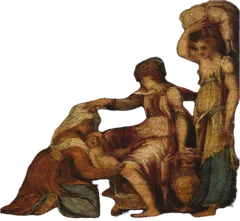
Mother · Sources
Out upon it, verily strong though he be he hath spoken overweeningly, if in sooth by force and in mine own despite he will restrain me that am of like honour with himself. For three brethren are we, begotten of Cronos, and born of Rhea,—Zeus, and myself, and the third is Hades, that is lord of the dead below. And in three-fold wise are all things divided, and unto each hath been apportioned his own domain.
Il. 15.187
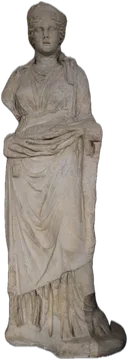
Wife · Sources
how far I among all the gods am honoured the least. Then, greatly troubled, Zeus, the cloud-gatherer spoke to her: Surely this will be sorry work, since you will set me on to engage in strife with Hera, when she shall anger me with taunting words. Even now she always upbraids me among the immortal gods,and declares that I give aid to the Trojans in battle. But for the present, depart again, lest Hera note something; and I will take thought for these things to bring all to pass. Come, I will bow my head to you, that thou may be certain, for this from me is the surest token among the immortals;
hard will they prove for you, though you are my wife. Whatever it is fitting for you to hear, this none other shall know before you, whether of gods or men; but what I wish to devise apart from the gods, of all this do not in any way inquire nor ask.
There went he up and slept, and beside him lay Hera of the golden throne.
Il. 1.519–522 · Il. 1.546 · Il. 1.611 · Il. 4.5–6 · Il. 4.60–61 · Il. 7.411 · Il. 8.461 · Il. 10.5 · Il. 10.329 · Il. 14.155 · Il. 14.213 · Il. 14.295 · Il. 14.346 · Il. 15.5 · Il. 15.33 · Il. 15.34 · Il. 15.48 · Il. 15.91 · Il. 15.156 · Il. 16.432 · Il. 18.184 · Il. 18.356 · Il. 19.97 · Il. 21.479 · Il. 21.498–499 · Il. 21.512 · Il. 24.64
Sister through father · Sources
Квалификация братства/сестринства: Илиада: Общий отец подтверждён; сведения о матерях неполны. Различие матерей не установлено. Общие родители: Кронос.
Wikidata: Кронос — роль родителя · P22 Wikidata: Рея — роль родителя · P25 Wikidata: Кронос — роль родителя · P22For even though I grudge thee, and am fain to thwart their overthrow, I avail naught by my grudging, for truly thou art far the mightier. Still it beseemeth that my labour too be not made of none effect; for I also am a god, and my birth is from the stock whence is thine own, and crooked-counselling Cronos begat me as the most honoured of his daughters
even so with cries rushed they one against the other. And the son of crooked-counselling Cronos took pity when he saw them, and spake to Hera, his sister and his wife: Ah, woe is me, for that it is fated that Sarpedon, dearest of men to me, be slain by Patroclus, son of Menoetius!
the Myrmidons made moan in lamentation for Patroclus; but Zeus spake unto Hera, his sister and his wife: Thou hast then had thy way, O ox-eyed, queenly Hera; thou hast aroused Achilles, swift of foot. In good sooth must the long-haired Achaeans be children of thine own womb.
Il. 4.58 · Il. 16.432 · Il. 18.356
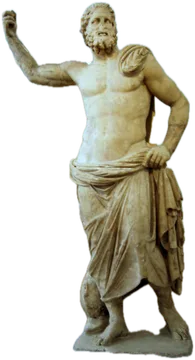
Brother · Sources
Квалификация братства/сестринства: Илиада: Общие отец и мать подтверждены. Общие родители: Рея, Кронос.
Wikidata: Рея — роль родителя · P25 Wikidata: Кронос — роль родителя · P22Квалификация братства/сестринства: Илиада: Общие отец и мать подтверждены. Общие родители: Рея, Кронос.
Wikidata: Рея — роль родителя · P25 Wikidata: Кронос — роль родителя · P22but was fain only to give glory to Thetis and to her son, strong of heart. But Poseidon went among the Argives and urged them on, stealing forth secretly from the grey sea; for it vexed him that they were being overcome by the Trojans, and against Zeus was he exceeding wroth. Both the twain verily were of one stock and of one parentage,but Zeus was the elder born and the wiser. Therefore it was that Poseidon avoided to give open aid, but secretly sought ever to rouse the Argives throughout the host, in the likeness of a man. So these twain knotted the ends of the cords of mighty strife and evil war, and drew them taut over both armies,
Out upon it, verily strong though he be he hath spoken overweeningly, if in sooth by force and in mine own despite he will restrain me that am of like honour with himself. For three brethren are we, begotten of Cronos, and born of Rhea,—Zeus, and myself, and the third is Hades, that is lord of the dead below. And in three-fold wise are all things divided, and unto each hath been apportioned his own domain.
Il. 13.354–355 · Il. 15.187–188
Claim of seniority and greater strength · Sources
Bid him cease from war and battle, and go to join the tribes of gods, or into the bright sea. And if so be he will not obey my words, but shall set them at naught, let him bethink him then in mind and heart, lest, how strong soever he be, he have no hardihood to abide my on-coming;for I avow me to be better far than he in might, and the elder born. Yet his heart counteth it but a little thing to declare himself the peer of me of whom even the other gods are adread. So spake he, and wind-footed, swift Iris failed not to hearken, but went down from the hills of Ida to sacred Ilios.
Il. 15.164–167
Connection · Sources
it were not meet for me, seeing I am the elder-born and know the more. Fool, how witless is the heart thou hast! Neither rememberest thou all the woes that we twain alone of all the gods endured at Ilios, what time we came
Il. 21.443
Brother · Sources
Квалификация братства/сестринства: Илиада: Общие отец и мать подтверждены. Общие родители: Рея, Кронос.
Wikidata: Рея — роль родителя · P25 Wikidata: Кронос — роль родителя · P22 Wikidata: Рея — роль родителя · P25 Wikidata: Кронос — роль родителя · P22Out upon it, verily strong though he be he hath spoken overweeningly, if in sooth by force and in mine own despite he will restrain me that am of like honour with himself. For three brethren are we, begotten of Cronos, and born of Rhea,—Zeus, and myself, and the third is Hades, that is lord of the dead below. And in three-fold wise are all things divided, and unto each hath been apportioned his own domain.
Il. 15.187–188
Wife · Sources
Hesiod says Zeus next wedded Themis; this is a Theogony tradition, not an Iliad assertion.
Hesiod, Theogony · Hesiod, Theogony 901–906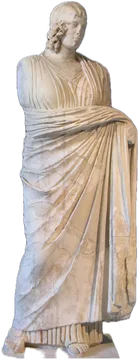
Beloved · Sources
Деметра — возлюбленная Зевса: прямо подтверждено словами Зевса в Илиаде; связь не обозначена как супружество.
Homer, Iliad 14, trans. A. T. Murray (Theoi Classical Texts Library) · Iliad 14.326–327and Semele bare Dionysus, the joy of mortals; nor of Demeter, the fair-tressed queen; nor of glorious Leto; nay, nor yet of thine own self, as now I love thee, and sweet desire layeth hold of me. Then with crafty mind the queenly Hera spake unto him:
Il. 14.326–327
Sister · Sources
Братство или сестринство выведено из общего родителя: Рея, Кронос. Матери и отцы, не указанные в источнике, не предполагаются. Квалификация братства/сестринства: Полнота родства и линия общего родителя не установлены.
Hesiod, Theogony (H. G. Evelyn-White) · Hesiod, Theogony 453–458one king, to whom the son of crooked-counselling Cronos hath vouchsafed the sceptre and judgments, that he may take counsel for his people. Thus masterfully did he range through the host, and they hasted back to the place of gathering from their ships and huts with noise, as when a wave of the loud-resounding sea
and the mother fluttered around them, wailing for her dear little ones; howbeit he coiled himself and caught her by the wing as she screamed about him. But when he had devoured the sparrow's little ones and the mother with them, the god, who had brought him to the light, made him to be unseen; for the son of crooked-counselling Cronos turned him to stone;
Even in such wise as the son of crooked-counselling Cronos sendeth a star to be a portent for seamen or for a wide host of warriors, a gleaming star, and therefrom the sparks fly thick; even so darted Pallas Athene to earth, and down she leapt into the midst; and amazement came upon all that beheld,
Il. 2.205–206 · Il. 2.319 · Il. 4.75 · Il. 9.37 · Il. 9.171 · Il. 9.236 · Il. 9.419 · Il. 9.502 · Il. 9.686 · Il. 10.71 · Il. 15.187 · Il. 16.431 · Il. 18.293
See all 56
Wife · Sources
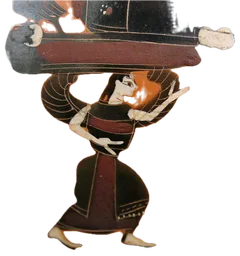
Hesiod names Metis as Zeus’ first wife; this is a Theogony tradition, not an Iliad assertion.
Hesiod, Theogony · Hesiod, Theogony 886–900Beloved · Sources
Лаодамия — возлюбленная Зевса: прямо подтверждено словами Зевса в Илиаде; связь не обозначена как супружество.
Homer, Iliad 6, trans. A. T. Murray (Theoi Classical Texts Library) · Iliad 6.198–199a fair tract of orchard and of plough-land, to possess it. And the lady bare to wise-hearted Bellerophon three children, Isander and Hippolochus and Laodameia. With Laodameia lay Zeus the counsellor, and she bare godlike Sarpedon, the warrior harnessed in bronze.
Il. 6.198–199
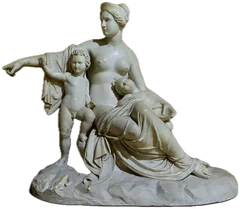
Beloved · Sources
Лето — возлюбленная Зевса: прямо подтверждено словами Зевса в Илиаде; связь не обозначена как супружество.
Homer, Iliad 14, trans. A. T. Murray (Theoi Classical Texts Library) · Iliad 14.327–327and Semele bare Dionysus, the joy of mortals; nor of Demeter, the fair-tressed queen; nor of glorious Leto; nay, nor yet of thine own self, as now I love thee, and sweet desire layeth hold of me. Then with crafty mind the queenly Hera spake unto him:
Il. 14.327
Beloved · Sources
Дочь Феникса — возлюбленная Зевса: прямо подтверждено словами Зевса в Илиаде; связь не обозначена как супружество.
Homer, Iliad 14, trans. A. T. Murray (Theoi Classical Texts Library) · Iliad 14.321–322who bare Perseus, pre-eminent above all warriors; nor of the daughter of far-famed Phoenix, that bare me Minos and godlike Rhadamanthys; nor of Semele, nor of Alcmene in Thebes, and she brought forth Heracles, her son stout of heart,
Il. 14.321–322

Beloved · Sources
Алкмена — возлюбленная Зевса: прямо подтверждено словами Зевса в Илиаде; связь не обозначена как супружество.
Homer, Iliad 14, trans. A. T. Murray (Theoi Classical Texts Library) · Iliad 14.323–324who bare Perseus, pre-eminent above all warriors; nor of the daughter of far-famed Phoenix, that bare me Minos and godlike Rhadamanthys; nor of Semele, nor of Alcmene in Thebes, and she brought forth Heracles, her son stout of heart,
Il. 14.323–324
Beloved · Sources
Зевс прямо вспоминает любовную связь с женой Иксиона; имя женщины в Илиаде не указано. Это не утверждение о браке с Зевсом.
Homer, Iliad 14, trans. A. T. Murray (Theoi Classical Texts Library) · Iliad 14.317–318for never yet did desire for goddess or mortal woman so shed itself about me and overmaster the heart within my breast—nay, not when I was seized with love of the wife of Ixion, who bare Peirithous, the peer of the gods in counsel; nor of Danaë of the fair ankles, daughter of Acrisius,
Il. 14.317–318
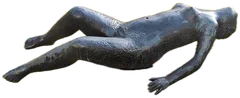
Beloved · Sources
Даная — возлюбленная Зевса: прямо подтверждено словами Зевса в Илиаде; связь не обозначена как супружество.
Homer, Iliad 14, trans. A. T. Murray (Theoi Classical Texts Library) · Iliad 14.319–320for never yet did desire for goddess or mortal woman so shed itself about me and overmaster the heart within my breast—nay, not when I was seized with love of the wife of Ixion, who bare Peirithous, the peer of the gods in counsel; nor of Danaë of the fair ankles, daughter of Acrisius,who bare Perseus, pre-eminent above all warriors; nor of the daughter of far-famed Phoenix, that bare me Minos and godlike Rhadamanthys; nor of Semele, nor of Alcmene in Thebes, and she brought forth Heracles, her son stout of heart,
Il. 14.319–320
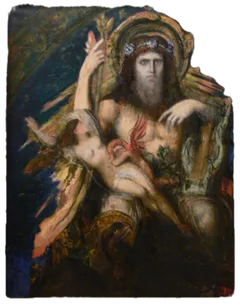
Beloved · Sources
Семела — возлюбленная Зевса: прямо подтверждено словами Зевса в Илиаде; связь не обозначена как супружество.
Homer, Iliad 14, trans. A. T. Murray (Theoi Classical Texts Library) · Iliad 14.323–325who bare Perseus, pre-eminent above all warriors; nor of the daughter of far-famed Phoenix, that bare me Minos and godlike Rhadamanthys; nor of Semele, nor of Alcmene in Thebes, and she brought forth Heracles, her son stout of heart,and Semele bare Dionysus, the joy of mortals; nor of Demeter, the fair-tressed queen; nor of glorious Leto; nay, nor yet of thine own self, as now I love thee, and sweet desire layeth hold of me. Then with crafty mind the queenly Hera spake unto him:
Il. 14.323–325
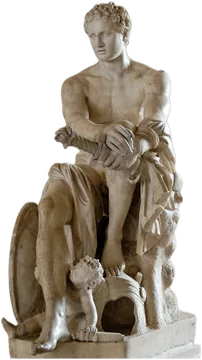
Son · Sources
took furious Ares by the hand and spake to him, saying: Ares, Ares, thou bane of mortals, thou blood-stained stormer of walls, shall we not now leave the Trojans and Achaeans to fight, to whichsoever of the two it be that father Zeus shall vouchsafe glory? But for us twain, let us give place, and avoid the wrath of Zeus.
Howbeit I will no longer endure that thou shouldest be in pain, for thou art mine offspring, and it was to me that thy mother bare thee; but wert thou born of any other god, thus pestilent as thou art, then long ere this hadst thou been lower than the sons of heaven. He spake, and bade Paeëon heal his hurt;
Il. 5.33 · Il. 5.896
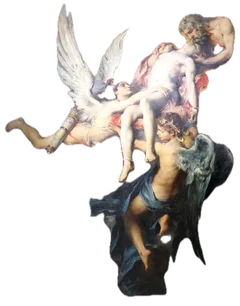
Son · Sources
And when they were come near as they advanced one against the other, the son and grandson of Zeus the cloud-gatherer, then Tlepolemus was first to speak, saying: Sarpedon, counsellor of the Lycians, why must thou be skulking here, that art a man unskilled in battle?They speak but a lie that say thou art sprung from Zeus that beareth the aegis, seeing thou art inferior far to those warriors that were sprung from Zeus in the days of men of old. Of other sort, men say, was mighty Heracles, my father, staunch in fight, the lionhearted,
And Tlepolemus smote Sarpedon upon the left thigh with his long spear, and the point sped through furiously and grazed the bone; howbeit his father as yet warded from him destruction. Then his goodly companions bare godlike Sarpedon forth from out the fight, and the long spear burdened him sore,as it trailed, but no man marked it or thought in their haste to draw forth from his thigh the spear of ash, that he might stand upon his feet; such toil had they in tending him. And on the other side the well-greaved Achaeans bare Tlepolemus from out the fight, and goodly Odysseusof the enduring soul was ware of it, and his spirit waxed furious within him; and he pondered then in heart and soul whether he should pursue further after the son of Zeus that thundereth aloud, or should rather take the lives of more Lycians. But not for great-hearted Odysseus was it ordained
to slay with the sharp bronze the valiant son of Zeus; wherefore Athene turned his mind toward the host of the Lycians. Then slew he Coeranus and Alastor and Chromius and Alcandrus and Halius and Noëmon and Prytanis; and yet more of the Lycians would goodly Odysseus have slain,
Il. 5.634–635 · Il. 5.662–672 · Il. 5.675 · Il. 6.198–199 · Il. 12.292 · Il. 12.402–403 · Il. 15.67 · Il. 16.522
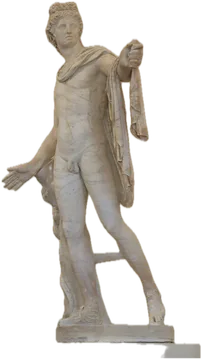
Son · Sources
from the time when first they parted in strife Atreus' son, king of men, and brilliant Achilles. Who then of the gods was it that brought these two together to contend? The son of Leto and Zeus; for he in anger against the king roused throughout the host an evil pestilence, and the people began to perish,
to sacred Ilios. And Apollo sped forth to meet her, for he looked down from out of Pergamus and beheld her, and was fain to have victory for the Trojans. So the twain met one with the other by the oak-tree. Then to her spake first the king Apollo, son of Zeus: Wherefore art thou again come thus eagerly from Olympus, thou daughter of great Zeus,
to the end that yet again the Achaeans may have respite from their toil. So spake he, nor was Apollo disobedient to his father s bidding, but went down from the hills of Ida, like a fleet falcon, the slayer of doves, that is the swiftest of winged things. He found the son of wise-hearted Priam, even goodly Hector,
Il. 1.9 · Il. 7.23 · Il. 15.236 · Il. 20.103 · Il. 21.229 · Il. 22.302
Servant · Sources
to the end that yet again the Achaeans may have respite from their toil. So spake he, nor was Apollo disobedient to his father s bidding, but went down from the hills of Ida, like a fleet falcon, the slayer of doves, that is the swiftest of winged things. He found the son of wise-hearted Priam, even goodly Hector,
on the breast with a stone, and made me cease from my furious might? Aye, and I deemed that on this day I should behold the dead and the house of Hades, when I had gasped forth my life. Then spake to him again the lord Apollo, that worketh afar: Be now of good cheer, so mighty a helper hath the son of Cronossent forth from Ida to stand by thy side and succour thee, even me, Phoebus Apollo of the golden sword, that of old ever protect thee, thyself and the steep citadel withal. But come now, bid thy many charioteers drive against the hollow ships their swift horses,
Il. 15.236 · Il. 15.254–255
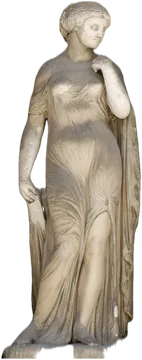
Daughter · Sources
His battle-gear lieth upon the bounteous earth, but himself he rangeth like the bell-wether of a herd through the ranks of warriors. Like a ram he seemeth to me, a ram of thick fleece, that paceth through a great flock of white ewes. To him made answer Helen, sprung from Zeus:
and hate thee, even as now I love thee wondrously; and lest I devise grievous hatred between both, Trojans alike and Danaans; then wouldst thou perish of an evil fate. So spake she, and Helen, sprung from Zeus, was seized with fear; and she went, wrapping herself in her bright shining mantle,
Il. 3.199 · Il. 3.418
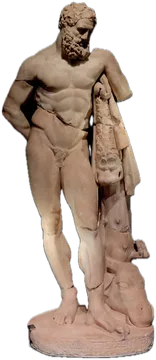
Son · Sources
And so suffered monstrous Hades even as the rest a bitter arrow, when this same man, the son of Zeus that beareth the aegis, smote him in Pylos amid the dead, and gave him over to pains. But he went to the house of Zeus and to high Olympus with grief at heart, pierced through with pains;
howbeit mine own father rageth with evil mind, cruel that he is, ever froward, a thwarter of my purposes; neither hath he any memory of this, that full often I saved his son when he was fordone by reason of Eurystheus' tasks. For verily he would make lament toward heaven and from heaven would Zeussend me forth to succour him. Had I but known all this in wisdom of my heart when Eurystheus sent him forth to the house of Hades the Warder, to bring from out of Erebus the hound of loathed Hades, then had he not escaped the sheer-falling waters of Styx.
Deemest thou that Zeus, whose voice is borne afar, will aid the Trojans, even as he waxed wroth for the sake of Heracles, his own son? Nay, come, I will give thee one of the youthful Graces to wed to be called thy wife, even Pasithea, for whom thou ever longest all thy days.
Il. 5.396 · Il. 8.363–365 · Il. 14.266 · Il. 14.324
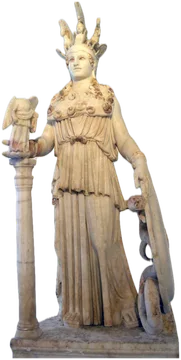
Daughter · Sources
Then he addressed her with winged words, and said: Why now, daughter of aegis-bearing Zeus, have you come? Is it so that you might see the arrogance of Agamemnon, son of Atreus? One thing I will tell you, and I think this will be brought to pass: through his own excessive pride shall he presently lose his life.
And with him there followed forty black ships. And they that held Athens, the well-built citadel, the land of great-hearted Erechtheus, whom of old Athene, daughter of Zeus, fostered, when the earth, the giver of grain, had borne him; and she made him to dwell in Athens, in her own rich sanctuary,
So would many a one of Achaeans and Trojans speak. But Athene entered the throng of the Trojans in the guise of a man, even of Laodocus, son of Antenor, a valiant spearman, in quest of god-like Pandarus, if haply she might find him. And she found Lycaon's son, peerless and stalwart,
Il. 1.202 · Il. 2.548 · Il. 4.87 · Il. 4.128 · Il. 4.515 · Il. 5.33 · Il. 5.115 · Il. 5.421 · Il. 5.714 · Il. 5.733 · Il. 5.815 · Il. 5.875–880 · Il. 6.303–304 · Il. 6.312 · Il. 7.24 · Il. 8.39 · Il. 8.352 · Il. 8.384 · Il. 8.427 · Il. 10.278 · Il. 10.284 · Il. 10.553 · Il. 19.342 · Il. 21.416 · Il. 22.178
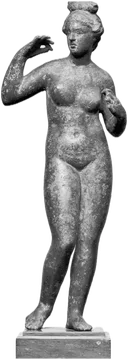
Daughter · Sources
do not thou in any wise fight face to face with any other immortal gods, save only if Aphrodite, daughter of Zeus, shall enter the battle, her do thou smite with a thrust of the sharp bronze. When she had thus spoken, the goddess, flashing-eyed Athene, departed, and the son of Tydeus returned again and mingled with the foremost fighters;
and saved him in a dark cloud, lest any of the Danaans with swift horses might hurl a spear of bronze into his breast and take away his life. But over her shouted aloud Diomedes good at the war-cry: Keep thee away, daughter of Zeus, from war and fighting. Sufficeth it not that thou beguilest weakling women?
she hath scratched upon her golden brooch her delicate hand. So spake she, but the father of men and gods smiled, and calling to him golden Aphrodite, said: Not unto thee, my child, are given works of war; nay, follow thou after the lovely works of marriage,
Il. 5.131 · Il. 5.348 · Il. 5.427–428 · Il. 5.820 · Il. 14.193 · Il. 14.224 · Il. 20.106
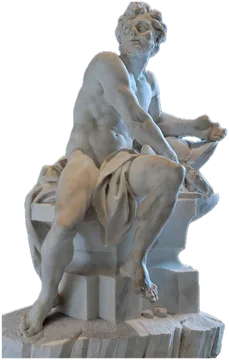
Son · Sources
since worse things prevail. And I give counsel to my mother, wise though she be herself, to do pleasure to our dear father Zeus, that the father upbraid her not again, and bring confusion upon our feast. What if the Olympian, the lord of the lightning, were minded
And being come to the house of Zeus they sate them down within the polished colonnades which for father Zeus Hephaestus had builded with cunning skill. Thus were they gathered within the house of Zeus; nor did the Shaker of Earth fail to heed the call of the goddess, but came forth from the sea to join their company;
Il. 1.578 · Il. 20.11–12
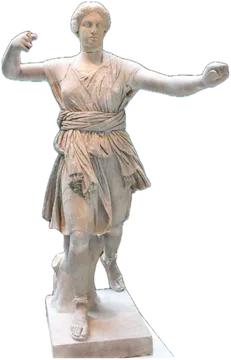
Daughter · Sources
whereas the other gods feasted on hecatombs, and it was to the daughter of great Zeus alone that he offered not, whether haply he forgat, or marked it not; and he was greatly blinded in heart. Thereat the Archer-goddess, the child of Zeus, waxed wroth and sent against him a fierce wild boar, white of tusk,
but the maiden came to Olympus, to the house of Zeus with threshold of bronze, and sat down weeping upon her father's knees, while about her the fragrant robe quivered; and her father, the son of Cronos, clasped her to him, and asked of her, laughing gently: Who now of the sons of heaven, dear child, hath entreated thee
thus wantonly as though thou wert working some evil before the face of all? Then answered him the fair-crowned huntress of the echoing chase: Thy wife it was that buffeted me, father, even white-armed Hera, from whom strife and contention have been made fast upon the immortals. On this wise spake they one to the other;
Il. 9.536 · Il. 21.507 · Il. 21.510
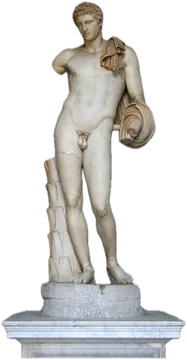
Son · Sources
back then to Ilios turned his sons and his daughters' husbands; howbeit the twain were not unseen of Zeus, whose voice is borne afar, as they came forth upon the plain, but as he saw the old man he had pity, and forthwith spake to Hermes, his dear son: Hermes, seeing thou lovest above all others to companion a man,
Il. 24.333
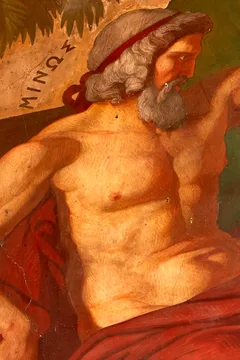
Son · Sources
For Zeus at the first begat Minos to be a watcher over Crete, and Minos again got him a son, even the peerless Deucalion, and Deucalion begat me, a lord over many men in wide Crete; and now have the ships brought me hither a bane to thee and thy father and the other Trojans.
who bare Perseus, pre-eminent above all warriors; nor of the daughter of far-famed Phoenix, that bare me Minos and godlike Rhadamanthys; nor of Semele, nor of Alcmene in Thebes, and she brought forth Heracles, her son stout of heart,
Il. 13.450 · Il. 14.322
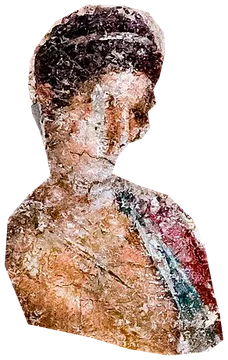
Son · Sources
these again had as leader Polypoetes, staunch in fight, son of Peirithous, whom immortal Zeus begat— even him whom glorious Hippodameia conceived to Peirithous on the day when he got him vengeance on the shaggy centaurs, and thrust them forth from Pelium, and drave them to the Aethices.
for never yet did desire for goddess or mortal woman so shed itself about me and overmaster the heart within my breast—nay, not when I was seized with love of the wife of Ixion, who bare Peirithous, the peer of the gods in counsel; nor of Danaë of the fair ankles, daughter of Acrisius,
Il. 2.741 · Il. 14.318
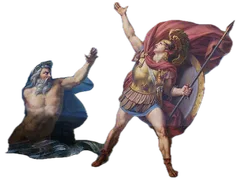
Son · Sources
that stood waiting for him at the rear of the battle and the conflict, with their charioteer and chariot richly dight. These bare him groaning heavily toward the city. But when they were now come to the ford of the fair-flowing river, even eddying Xanthus, that immortal Zeus begat,
But when they were now come to the ford of the fair-flowing river, even eddying Xanthus that immortal Zeus begat, there Achilles cleft them asunder, and the one part he drave to the plain toward the city, even where the Achaeans were fleeing in rout
And Hermes yoked for them the horses and mules, and himself lightly drave them through the camp, neither had any man knowledge thereof. But when they were now come to the ford of the fair-flowing river, even eddying Xanthus, that immortal Zeus begat, then Hermes departed to high Olympus,
Il. 14.434 · Il. 21.2 · Il. 24.693
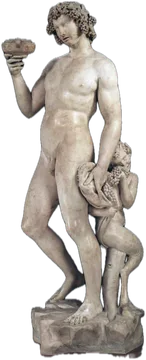
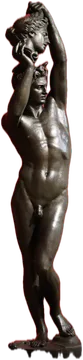
Son · Sources
who bare Perseus, pre-eminent above all warriors; nor of the daughter of far-famed Phoenix, that bare me Minos and godlike Rhadamanthys; nor of Semele, nor of Alcmene in Thebes, and she brought forth Heracles, her son stout of heart,
Il. 14.320
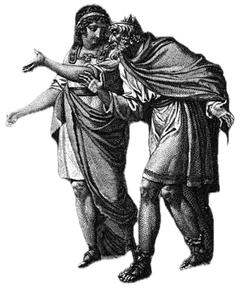
Son · Sources
to strive with the children of the mighty son of Cronos, albeit for one begotten of a River. Thou verily declarest that thy birth is from the wide-flowing River, whereas I avow me to be of the lineage of great Zeus. The father that begat me is one that is lord among the many Myrmidons, even Peleus, son of Aeacus; and Aeacus was begotten of Zeus.
Il. 21.189
Son · Sources
at the first Zeus, the cloud-gatherer, begat Dardanus, and he founded Dardania, for not yet was sacred Ilios builded in the plain to be a city of mortal men, but they still dwelt upon the slopes of many-fountained Ida. And Dardanus in turn begat a son, king Erichthonius,
Nay, come, let us head him forth from out of death, lest the son of Cronos be anywise wroth, if so be Achilles slay him; for it is ordained unto him to escape, that the race of Dardanus perish not without seed and be seen no more—of Dardanus whom the son of Cronos loved above all the children born to himfrom mortal women. For at length hath the son of Cronos come to hate the race of Priam; and now verily shall the mighty Aeneas be king among the Trojans, and his sons' sons that shall be born in days to come. Then made answer to him the ox-eyed, queenly Hera:
Il. 20.215 · Il. 20.303–305
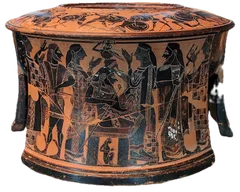
Daughter · Sources
Описание прямо называет Илифию дочерью Зевса и Геры; сохранённая статья «Илифия» подтверждает: «Илифию считали дочерью Зевса и Геры».
Илифия · Русская Википедия, «Илифия»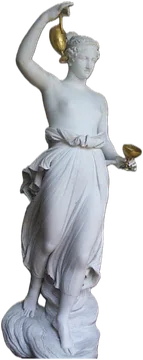
Daughter · Sources
Описание прямо называет Гебу дочерью Зевса; сохранённый снимок ruwiki подтверждает: «дочь Зевса и Геры».
Геба · ruwiki, «Геба» (intro)Son · Sources
who bare Perseus, pre-eminent above all warriors; nor of the daughter of far-famed Phoenix, that bare me Minos and godlike Rhadamanthys; nor of Semele, nor of Alcmene in Thebes, and she brought forth Heracles, her son stout of heart,
Il. 14.322
Daughter · Sources
But what could I do? It is God that bringeth all things to their issue. Eldest daughter of Zeus is Ate that blindeth all—a power fraught with bane; delicate are her feet, for it is not upon the ground that she fareth, but she walketh over the heads of men, bringing men to harm, and this one or that she ensnareth.
Il. 19.91
Ward · Sources
‘Thou sleepest, son of wise-hearted Atreus, the tamer of horses. To sleep the whole night through beseemeth not a man that is a counsellor, to whom a host is entrusted, and upon whom rest so many cares. But now, hearken thou quickly unto me, for I am a messenger to thee from Zeus, who, far away though he be, hath exceeding care for thee and pity.
Il. 2.64
Descendant · Sources
than this I have in mind from old even until now, even since the day when thou, O king sprung from Zeus, didst take from the hut of the angry Achilles the damsel Briseïs and go thy way—in no wise according to our will. Nay, for I, mine own self, urgently sought to dissuade thee; but thou didst yield to thy lordly spirit,
Il. 9.106
Poetic resemblance · Sources
this plan that had found pleasure with the gods in council; and he came and stood by Hector's side, and spake to him, saying: Hector, son of Priam, peer of Zeus in counsel, wouldst thou now in anywise hearken unto me? for I am thy brother. Make the Trojans to sit down, and all the Achaeans,
leading them apart from the ships beside the eddying river in an open space, where the ground shewed clear of dead. Forth from their chariots they stepped upon the ground, to hearken to the word that Hector dear to Zeus spake among them. In his hand he held a spear of eleven cubits, and before him blazed
Hector, son of Priam, peer of Zeus in counsel, Zeus the father hath sent me forth to declare to thee this message. So long as thou shalt see Agamemnon, shepherd of the host, raging amid the foremost fighters, laying waste the ranks of men, so long do thou give place from battle, but bid the rest of the host
Il. 7.47 · Il. 8.493 · Il. 11.200 · Il. 13.54 · Il. 13.674 · Il. 13.825
Ward · Sources
even so these twain circled thrice with swift feet about the city of Priam; and all the gods gazed upon them. Then among these the father of men and gods was first to speak: Look you now, in sooth a well-loved man do mine eyes behold pursued around the wall; and my heart hath sorrow
Il. 22.169
Foster-child · Sources
Hail, O Achilles, of the equal feast have we no stinting, either in the hut of Agamemnon, son of Atreus, or now in thine; for here is abundance that satisfies the heart to feast withal. Yet matters of the delicious feast are not in our thoughts, nay, Zeus-nurtured one, it is utter ruin that we behold, and are afraid;
Show me now my bed with speed, O thou nurtured of Zeus, that lulled at length by sweet sleep we may rest and take our joy; for never yet have mine eyes closed beneath mine eyelids since at thy hands my son lost his life, but ever do I wail and brood over my countless sorrows,
Il. 9.229 · Il. 24.635
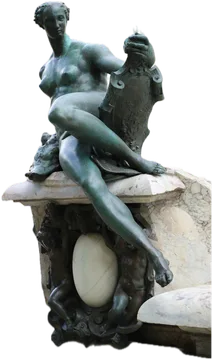
Plea to honour Achilles · Sources
Стихи 1.502–505: Фетида «начала говорить, умоляя Крониона-Зевса... Сына почти моего» — прямое отношение просительницы и адресата просьбы.
with her left hand, while with her right she touched him beneath the chin, and she spoke in prayer to king Zeus, son of Cronos: Father Zeus, if ever amid the immortals I gave you aid by word or deed, grant me this prayer: do honour to my son, who is doomed to a speedy death beyond all other men;yet now Agamemnon, king of men, has dishonoured him, for he has taken and keeps his prize by his own arrogant act. But honour him, Olympian Zeus, lord of counsel; and give might to the Trojans, until the Achaeans do honour to my son, and magnify him with recompense.
Il. 1.502–505
Plea for a Trojan victory · Sources
В стихах 1.503–510 Фетида напоминает Зевсу об оказанной услуге и просит даровать троянцам одоленье, пока ахейцы не почтят её сына; описание прямо называет эту просьбу.
with her left hand, while with her right she touched him beneath the chin, and she spoke in prayer to king Zeus, son of Cronos: Father Zeus, if ever amid the immortals I gave you aid by word or deed, grant me this prayer: do honour to my son, who is doomed to a speedy death beyond all other men;yet now Agamemnon, king of men, has dishonoured him, for he has taken and keeps his prize by his own arrogant act. But honour him, Olympian Zeus, lord of counsel; and give might to the Trojans, until the Achaeans do honour to my son, and magnify him with recompense.So she spoke; but Zeus, the cloud-gatherer, spoke no word to her, but sat a long time in silence. Yet Thetis, even as she had clasped his knees, so held to him, clinging close, and questioned him again a second time: Give me your infallible promise, and bow your head to it, or else deny me, for there is nothing to make you afraid; so that I may know well
Il. 1.503–510
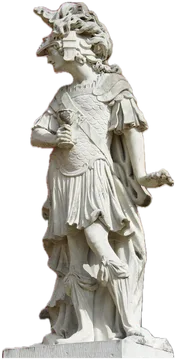
Poetic resemblance · Sources
neither suffer them to draw into the sea their curved ships. So spake she, and the goddess, flashing-eyed Athene, failed not to hearken. Down from the peaks of Olympus she went darting, and speedily came to the swift ships of the Achaeans. There she found Odysseus, the peer of Zeus in counsel,
Nestor, first of all, and king Idomeneus, and thereafter the twain Aiantes and the son of Tydeus, and as the sixth Odysseus, the peer of Zeus in counsel. And unbidden came to him Menelaus, good at the war-cry, for he knew in his heart wherewith his brother was busied.
and held the mainland and dwelt on the shores over against the isles. Of these was Odysseus captain, the peer of Zeus in counsel. And with him there followed twelve ships with vermilion prows. And the Aetolians were led by Thoas, Andraemon's son, even they that dwelt in Pleuron and Olenus and Pylene and Chalcis, hard by the sea, and rocky Calydon. For the sons of great-hearted Oeneus were no more, neither did he himself still live, and fair-haired Meleager was dead, to whom had commands been given that he should bear full sway among the Aetolians. And with Thoas there followed forty black ships.
Il. 2.169 · Il. 2.407 · Il. 2.636
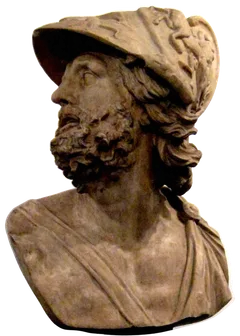
Foster-child · Sources
to go forth alone and spy upon the foemen, through the immortal night; right hardy of heart must that man be. Then in answer to him spake lord Agamemnon: Need have we, both thou and I, O Menelaus, fostered of Zeus, of shrewd counsel that shall save and deliver
and the sun shone forth upon them and all the battle was made plain to view. Then Aias spake unto Menelaus, good at the war-cry: Look forth now, Menelaus, nurtured of Zeus, if so be thou mayest have sight of Antilochus yet alive, son of great-souled Nestor, and bestir thou him to go with speed unto Achilles, wise of heart,
Il. 10.43 · Il. 17.651
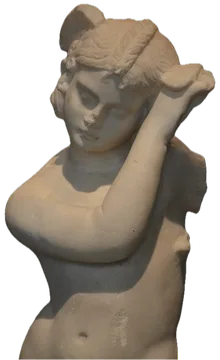
Putting Zeus to sleep · Sources
Стихи 14.352–359 показывают спящего Зевса и слова Сна, что он «глубоким и сладостным сном владыку окутал»; устойчивое отношение усыпления, тип other.
Therein lay the twain, and were clothed about with a cloud, fair and golden, wherefrom fell drops of glistering dew. Thus in quiet slept the Father on topmost Gargarus, by sleep and love overmastered, and clasped in his arms his wife. But sweet Sleep set out to run to the ships of the Argivesto bear word to the Enfolder and Shaker of Earth. And he came up to him, and spake winged words, saying: With a ready heart now, Poseidon, do thou bear aid to the Danaans, and vouchsafe them glory, though it be for a little space, while yet Zeus sleepeth; for over him have I shed soft slumber,
Il. 14.352–359
Literary link · Sources
alike and Trojans; and helms rang harshly and bossed shields, as they were smitten with great stones. Then verily Asius, son of Hyrtacus, uttered a groan, and smote both his thighs, and in sore indignation he spake, saying: Father Zeus, of a surety thou too then art utterly a lover of lies,
Il. 12.164
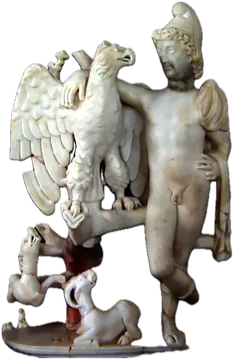
Servant · Sources
Описание прямо называет Ганимеда виночерпием Зевса; 20.234–235: боги унесли его вино разливать для Кронида.
And Erichthonius begat Tros to be king among the Trojans, and from Tros again three peerless sons were born, Ilus, and Assaracus, and godlike Ganymedes that was born the fairest of mortal men; wherefore the gods caught him up on high to be cupbearer to Zeus by reason of his beauty, that he might dwell with the immortals.And Ilus again begat a son, peerless Laomedon, and Laomedon begat Tithonus and Priam and Clytius, and Hicetaon, scion of Ares. And Assaracus begat Capys, and he Anchises; but Anchises begat me and Priam goodly Hector.
Il. 20.232–235
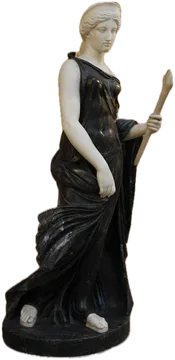
Connection · Sources
Стих 14.261 прямо говорит: «Зевс молневержец; он быструю ночь оскорбить не решился»; устойчивое отношение страха/пощады названо.
on the day when the glorious son of Zeus, high of heart, sailed forth from Ilios, when he had laid waste the city of the Trojans. I, verily, beguiled the mind of Zeus, that beareth the aegis, being shed in sweetness round about him, and thou didst devise evil in thy heart against his son, when thou hadst roused the blasts of cruel winds over the face of the deep, and thereafter didst bear him away unto well-peopled Cos, far from all his kinsfolk. But Zeus, when he awakened, was wroth, and flung the gods hither and thither about his palace, and me above all he sought, and would have hurled me from heaven into the deep to be no more seen, had Night not saved me—Night that bends to her sway both gods and men.To her I came in my flight, and besought her, and Zeus refrained him, albeit he was wroth, for he had awe lest he do aught displeasing to swift Night. And now again thou biddest me fulfill this other task, that may nowise be done. To him then spake again ox-eyed, queenly Hera: Sleep, wherefore ponderest thou of these things in thine heart?
Il. 14.259–261
Foster-child · Sources
even all them that the strong stream of the Hellespont encloseth. And Euphemus was captain of the Ciconian spearmen, the son of Ceas' son Troezenus, nurtured of Zeus. But Pyraechmes led the Paeonians, with curved bows, from afar, out of Amydon from the wide-flowing Axius—
Il. 2.847
Servant · Sources
to send to Agamemnon, son of Atreus, a baneful dream. So he spake, and addressed him with winged words: Up, go, thou baneful Dream, unto the swift ships of the Achaeans, and when thou art come to the hut of Agamemnon, son of Atreus,tell him all my word truly, even as I charge thee. Bid him arm the long-haired Achaeans with all speed, since now he may take the broad-wayed city of the Trojans. For the immortals, that have homes upon Olympus, are no longer divided in counsel,since Hera hath Vent the minds of all by her supplication, and over the Trojans hang woes. So spake he, and the Dream went his way, when he had heard this saying. Forthwith he came to the swift ships of the Achaeans, and went his way to Agamemnon, son of Atreus, and found him sleeping in his hut, and over him was shed ambrosial slumber.
to whom a host is entrusted, and upon whom rest so many cares. But now, hearken thou quickly unto me, for I am a messenger to thee from Zeus, who, far away though he be, hath exceeding care for thee and pity. He biddeth thee arm the long-haired Achaeans with all speed, since now thou mayest take the broad-wayed city of the Trojans.
‘Thou sleepest, son of wise-hearted Atreus, the tamer of horses. To sleep the whole night through beseemeth not a man that is a counsellor, to whom a host is entrusted, and upon whom rest so many cares. But now, hearken thou quickly unto me, for I am a messenger to thee from Zeus, who, far away though he be, hath exceeding care for thee and pity.
Il. 2.7–16 · Il. 2.26 · Il. 2.63
Ally · Sources
Описание прямо называет Бриарея призванным на помощь Зевсу; 1.401–406: Фетида призывает сторукого в помощь Зевсу, Бриарей садится возле Крониона, и боги отступаются.
But you came, goddess, and freed him from his bonds, when you had quickly called to high Olympus him of the hundred hands, whom the gods call Briareus, but all men Aegaeon; for he is mightier than his father. He sat down by the side of the son of Cronos, exulting in his glory,and the blessed gods were seized with fear of him, and did not bind Zeus. Bring this now to his remembrance, and sit by his side, and clasp his knees, in hope that he might perhaps wish to succour the Trojans, and for those others, the Achaeans, to pen them in among the sterns of their ships and around the sea as they are slain, so that they may all have profit of their king,
Il. 1.401–406
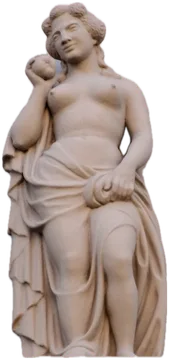
Carries out his command · Sources
Разовое поручение и его исполнение: Эрида возбуждает боевой дух ахейцев. Не постоянная служба и не родство.
Now Dawn rose from her couch from beside lordly Tithonus, to bring light to immortals and to mortal men; and Zeus sent forth Strife unto the swift ships of the Achaeans, dread Strife, bearing in her hands a portent of war.And she took her hand by Odysseus' black ship, huge of hull, that was in the midst so that a shout could reach to either end, both to the huts of Aias, son of Telamon, and to those of Achilles; for these had drawn up their shapely ships at the furthermost ends, trusting in their valour and the strength of their hands.There stood the goddess and uttered a great and terrible shout, a shrill cry of war, and in the heart of each man of the Achaeans she put great strength to war and to fight unceasingly. And to them forthwith war became sweeter than to return in their hollow ships to their dear native land.
Il. 11.3–12
Herald · Sources
and he burst the buckler inwards with the cast of the rock that was like unto a mill-stone, and beat down Hector's knees; so he stretched upon his back, gathered together under his shield; howbeit Apollo straightway raised him up. And now had they been smiting with their swords in close fight, but that the heralds, messengers of Zeus and men,came, one from the Trojans and one from the brazen-coated Achaeans, even Talthybius and Idaeus, men of prudence both. Between the two they held forth their staves, and the herald Idaeus, skilled in prudent counsel, spake, saying: Fight ye no more, dear sons, neither do battle;
Il. 7.274–276
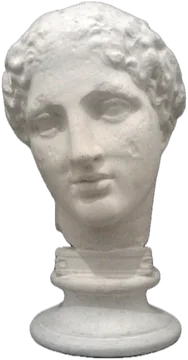
Servant · Sources
and beside her mounted Iris and took the reins in her hand. She touched the horses with the lash to start them, and nothing loath the pair sped onward. Straightway then they came to the abode of the gods, to steep Olympus and there wind-footed, swift Iris stayed the horses and loosed them from the car, and cast before them food ambrosial;
which he had gathered in his hands as he grovelled on the earth. And his daughters and his sons' wives were wailing throughout the house, bethinking them of the warriors many and valiant who were lying low, slain by the hands of the Argives. And the messenger of Zeus drew nigh to Priam, and spake to him;
Il. 5.368 · Il. 24.169
Priest · Sources
one that was priest of Idaean Zeus, and was honoured of the folk even as a god: him he smote beneath the jaw under the ear, and forthwith his spirit departed from his limbs, and hateful darkness gat hold of hinu. And Aeneas cast at Meriones his spear of bronze, for he hoped to smite him as he advanced under cover of his shield.
Il. 16.605
Foster-child · Sources
Herald · Sources
and he burst the buckler inwards with the cast of the rock that was like unto a mill-stone, and beat down Hector's knees; so he stretched upon his back, gathered together under his shield; howbeit Apollo straightway raised him up. And now had they been smiting with their swords in close fight, but that the heralds, messengers of Zeus and men,came, one from the Trojans and one from the brazen-coated Achaeans, even Talthybius and Idaeus, men of prudence both. Between the two they held forth their staves, and the herald Idaeus, skilled in prudent counsel, spake, saying: Fight ye no more, dear sons, neither do battle;
Il. 7.274–276
In art

AmerikoV. Зевс-Победоносец. Эрмитаж. собрание не указано. CC BY-SA 4.0. https://commons.wikimedia.org/wiki/File%3A%D0%97%D0%B5%D0%B2%D1%81-%D0%9F%D0%BE%D0%B1%D0%B5%D0%B4%D0%BE%D0%BD%D0%BE%D1%81%D0%B5%D1%86._%D0%AD%D1%80%D0%BC%D0%B8%D1%82%D0%B0%D0%B6.jpg
Photograph / reproduction: AmerikoV
Photograph / reproduction date: 2021-04-10 19:02:12

Nicolas Bertin. The Infant Zeus among Nymphs. National Museum of Art, Architecture and Design. Public domain. https://www.wikidata.org/wiki/Q113699486
Nicolas Bertin. The Infant Zeus among Nymphs. National Museum of Art, Architecture and Design. Public domain. https://www.wikidata.org/wiki/Q113699486

Anton Raphael Mengs. Zeus kisses Ganymede. Galleria Nazionale d'Arte Antica. CC0. https://www.wikidata.org/wiki/Q131579687
Anton Raphael Mengs. Zeus kisses Ganymede. Galleria Nazionale d'Arte Antica. CC0. https://www.wikidata.org/wiki/Q131579687

Giulio Romano. Zeus seducing Olympias. Palazzo del Te. Public domain. https://www.wikidata.org/wiki/Q131579688
Giulio Romano. Zeus seducing Olympias. Palazzo del Te. Public domain. https://www.wikidata.org/wiki/Q131579688

Nicolaes Pieterszoon Berchem. The infancy of Zeus. Mauritshuis. Public domain. https://www.wikidata.org/wiki/Q17275722
Nicolaes Pieterszoon Berchem. The infancy of Zeus. Mauritshuis. Public domain. https://www.wikidata.org/wiki/Q17275722

J. Paul Getty Museum. Statue of Jupiter. J. Paul Getty Museum. CC0. https://www.wikidata.org/wiki/Q124767954
Photograph / reproduction: J. Paul Getty Museum
J. Paul Getty Museum. Statue of Jupiter. J. Paul Getty Museum. CC0. https://www.wikidata.org/wiki/Q124767954
Photograph / reproduction: J. Paul Getty Museum
Accord14. Marble ZEUS. собрание не указано. CC BY-SA 4.0. https://commons.wikimedia.org/wiki/File%3AMarble_ZEUS.jpg
Photograph / reproduction: Accord14
Photograph / reproduction date: 2016-10-22 14:59:54
Dave & Margie Hill / Kleerup from Centennial, CO, USA. Getty Villa - Collection (5305199658). собрание не указано. CC BY-SA 2.0. https://commons.wikimedia.org/wiki/File%3AGetty_Villa_-_Collection_%285305199658%29.jpg
Photograph / reproduction: Dave & Margie Hill / Kleerup from Centennial, CO, USA
Photograph / reproduction date: 2010-12-27 13:13
Dave & Margie Hill / Kleerup from Centennial, CO, USA. Getty Villa - Collection (5305200302). собрание не указано. CC BY-SA 2.0. https://commons.wikimedia.org/wiki/File%3AGetty_Villa_-_Collection_%285305200302%29.jpg
Photograph / reproduction: Dave & Margie Hill / Kleerup from Centennial, CO, USA
Photograph / reproduction date: 2010-12-27 13:13
Dave & Margie Hill / Kleerup from Centennial, CO, USA. Getty Villa - Collection (3151138838). собрание не указано. CC BY-SA 2.0. https://commons.wikimedia.org/wiki/File%3AGetty_Villa_-_Collection_%283151138838%29.jpg
Photograph / reproduction: Dave & Margie Hill / Kleerup from Centennial, CO, USA
Photograph / reproduction date: 2008-12-21 12:50
Taromsky. Jupiter-Villa d`Este-Marbury Hall-Getty. собрание не указано. CC BY-SA 4.0. https://commons.wikimedia.org/wiki/File%3AJupiter-Villa_d%60Este-Marbury_Hall-Getty.jpg
Photograph / reproduction: Taromsky
Photograph / reproduction date: 2017-09-23 15:33:29
Taromsky. Jupiter Profile-Villa d`Este-Marbury Hall-Getty. собрание не указано. CC BY-SA 4.0. https://commons.wikimedia.org/wiki/File%3AJupiter_Profile-Villa_d%60Este-Marbury_Hall-Getty.jpg
Photograph / reproduction: Taromsky
Photograph / reproduction date: 2017-09-23 15:33:29
Dave & Margie Hill / Kleerup from Centennial, CO, USA. Getty Villa - Collection (5304603617). собрание не указано. CC BY-SA 2.0. https://commons.wikimedia.org/wiki/File%3AGetty_Villa_-_Collection_%285304603617%29.jpg
Photograph / reproduction: Dave & Margie Hill / Kleerup from Centennial, CO, USA
Photograph / reproduction date: 2010-12-27 13:13
Dave & Margie Hill / Kleerup from Centennial, CO, USA. Getty Villa - Collection (5304602925). собрание не указано. CC BY-SA 2.0. https://commons.wikimedia.org/wiki/File%3AGetty_Villa_-_Collection_%285304602925%29.jpg
Photograph / reproduction: Dave & Margie Hill / Kleerup from Centennial, CO, USA
Photograph / reproduction date: 2010-12-27 13:13
Taromsky. Jupiter Sandals-Villa d`Este-Marbury Hall-Getty. собрание не указано. CC BY-SA 4.0. https://commons.wikimedia.org/wiki/File%3AJupiter_Sandals-Villa_d%60Este-Marbury_Hall-Getty.jpg
Photograph / reproduction: Taromsky
Photograph / reproduction date: 2017-09-23 15:33:29
Dave & Margie Hill / Kleerup from Centennial, CO, USA. Getty Villa - Collection (5304604219). собрание не указано. CC BY-SA 2.0. https://commons.wikimedia.org/wiki/File%3AGetty_Villa_-_Collection_%285304604219%29.jpg
Photograph / reproduction: Dave & Margie Hill / Kleerup from Centennial, CO, USA
Photograph / reproduction date: 2010-12-27 13:13
Dave & Margie Hill / Kleerup from Centennial, CO, USA. Getty Villa - Collection (5304604911). собрание не указано. CC BY-SA 2.0. https://commons.wikimedia.org/wiki/File%3AGetty_Villa_-_Collection_%285304604911%29.jpg
Photograph / reproduction: Dave & Margie Hill / Kleerup from Centennial, CO, USA
Photograph / reproduction date: 2010-12-27 13:13
Taromsky. Jupiter Body-Villa d`Este-Marbury Hall-Getty. собрание не указано. CC BY-SA 4.0. https://commons.wikimedia.org/wiki/File%3AJupiter_Body-Villa_d%60Este-Marbury_Hall-Getty.jpg
Photograph / reproduction: Taromsky
Photograph / reproduction date: 2017-09-23 15:34:16
Spikebrennan. Statue of zeus, getty museum, malibu california. собрание не указано. CC BY-SA 4.0. https://commons.wikimedia.org/wiki/File%3AStatue_of_zeus%2C_getty_museum%2C_malibu_california.JPG
Photograph / reproduction: Spikebrennan
Photograph / reproduction date: 2007-08-17
Gary Todd from Xinzheng, China. Roman Marble Statue of Zeus, 1-100 AD (10454164185). собрание не указано. CC0. https://commons.wikimedia.org/wiki/File%3ARoman_Marble_Statue_of_Zeus%2C_1-100_AD_%2810454164185%29.jpg
Photograph / reproduction: Gary Todd from Xinzheng, China
Photograph / reproduction date: 2010-06-26 04:52
sailko. Arte romana, zeus di marbury hall, I secolo dc.. собрание не указано. CC BY-SA 3.0. https://commons.wikimedia.org/wiki/File%3AArte_romana%2C_zeus_di_marbury_hall%2C_I_secolo_dc..JPG
Photograph / reproduction: sailko
Photograph / reproduction date: 2010-10-01 14:01:51
Gary Todd from Xinzheng, China. Roman Marble Statue of Zeus, 1-100 AD (10454166865). собрание не указано. CC0. https://commons.wikimedia.org/wiki/File%3ARoman_Marble_Statue_of_Zeus%2C_1-100_AD_%2810454166865%29.jpg
Photograph / reproduction: Gary Todd from Xinzheng, China
Photograph / reproduction date: 2010-06-26 04:52


Internet Archive Book Images. Zeus - a study in ancient religion (1914) (14779474201). собрание не указано. No restrictions. https://commons.wikimedia.org/wiki/File%3AZeus_-_a_study_in_ancient_religion_%281914%29_%2814779474201%29.jpg
Photograph / reproduction: Internet Archive Book Images
Photograph / reproduction date: 1914
See all 505
Sources and verification
The character is matched to the catalogue.
- Wikipedia · Zeus · CC BY-SA 4.0
Excerpt; remaining sentences omitted.
Reference material remains distinct from the poem’s assertions. Characters who share a name retain separate pages.