Eumelus
Mortal man
A character named in Homer's Iliad. The English introduction is not yet available.
Explore on the graph- Mentions
- 9
- Connected characters
- 4
- Books
- 2


Mentions in the Iliad
A. T. Murray, Loeb Classical Library, Harvard University Press, 1924 · Homer, Iliad with an English Translation · CC BY-SA 3.0 US
“And with him there followed forty black ships. And they that dwelt in Pherae beside the lake Boebeïs, and in Boebe, and Glaphyrae, and well-built Iolcus, these were led by the dear son of Admetus with eleven ships, even by Eumelus, whom Alcestis, queenly among women, bare to Admetus,”
“These were the leaders of the Danaans and their lords. But who was far the best among them do thou tell me, Muse—best of the warriors and of the horses that followed with the sons of Atreus. Of horses best by far were the mares of the son of Pheres, those that Eumelas drave, swift as birds,”

“But do ye others make yourselves ready throughout the host, whosoever of the Achaeans hath trust in his horses and his jointed car. So spake the son of Peleus, and the swift charioteers bestirred them. Upsprang, for the first, Eumelus, king of men, Admetus' dear son, a man well-skilled in horsemanship”
“and the pace of their horses was forced to the uttermost. And forthwith the swift-footed mares of the son of Pheres shot to the front, and after them Diomedes' stallions of the breed of Tros; not far behind were they, but close behind, for they seemed ever like to mount upon”

“and gave him back the lash and put strength into his horses. Then in wrath was she gone after the son of Admetus, and the goddess brake the yoke of his steeds, and to his cost the mares swerved to this side and that of the course, and the pole was swung to the earth; and Eumelus himself was hurled from out the car beside the wheel,”
“and other is the charioteer that appeareth; and the mares will have come to harm out yonder on the plain, they that were in front on the outward course. For in truth I marked them sweeping first about the turning-post, but now can I nowhere spy them, though mine eyes glance everywhither over the Trojan plain, as I gaze.”






See all 9
“And now would he have given him the mare —for the Achaeans assented thereto —but that Antilochus, son of great-souled Nestor, uprose and answered Achilles, son of Peleus, to claim his due: Achilles, sore wroth shall I be with thee if thou fulfill this word, for thou art minded to rob me of my prize,”
“and placed it in Eumelus' hands and he received it gladly. Then among them uprose also Menelaus, sore vexed at heart, furiously wroth at Antilochus; and a herald gave the staff into his hand, and proclaimed silence among the Argives; and thereafter spake among them the godlike man:”
Connections
Mother · Sources
Mother · Sources
And with him there followed forty black ships. And they that dwelt in Pherae beside the lake Boebeïs, and in Boebe, and Glaphyrae, and well-built Iolcus, these were led by the dear son of Admetus with eleven ships, even by Eumelus, whom Alcestis, queenly among women, bare to Admetus,even she, the comeliest of the daughters of Pelias. And they that dwelt in Methone and Thaumacia, and that held Meliboea and rugged Olizon, these with their seven ships were led by Philoctetes, well-skilled in archery,
Il. 2.714–715
Father · Sources
Father · Sources
And with him there followed forty black ships. And they that dwelt in Pherae beside the lake Boebeïs, and in Boebe, and Glaphyrae, and well-built Iolcus, these were led by the dear son of Admetus with eleven ships, even by Eumelus, whom Alcestis, queenly among women, bare to Admetus,
But do ye others make yourselves ready throughout the host, whosoever of the Achaeans hath trust in his horses and his jointed car. So spake the son of Peleus, and the swift charioteers bestirred them. Upsprang, for the first, Eumelus, king of men, Admetus' dear son, a man well-skilled in horsemanship
for slowest of all were his fair-maned horses, and himself least skilled to drive a chariot in the race. And the son of Admetus came in last, behind all the rest, dragging his fair chariot and driving his horses before him. And at sight of him swift-footed, goodly Achilles had pity
Il. 2.714 · Il. 23.289 · Il. 23.532
Grandfather · Sources
Grandfather · Sources
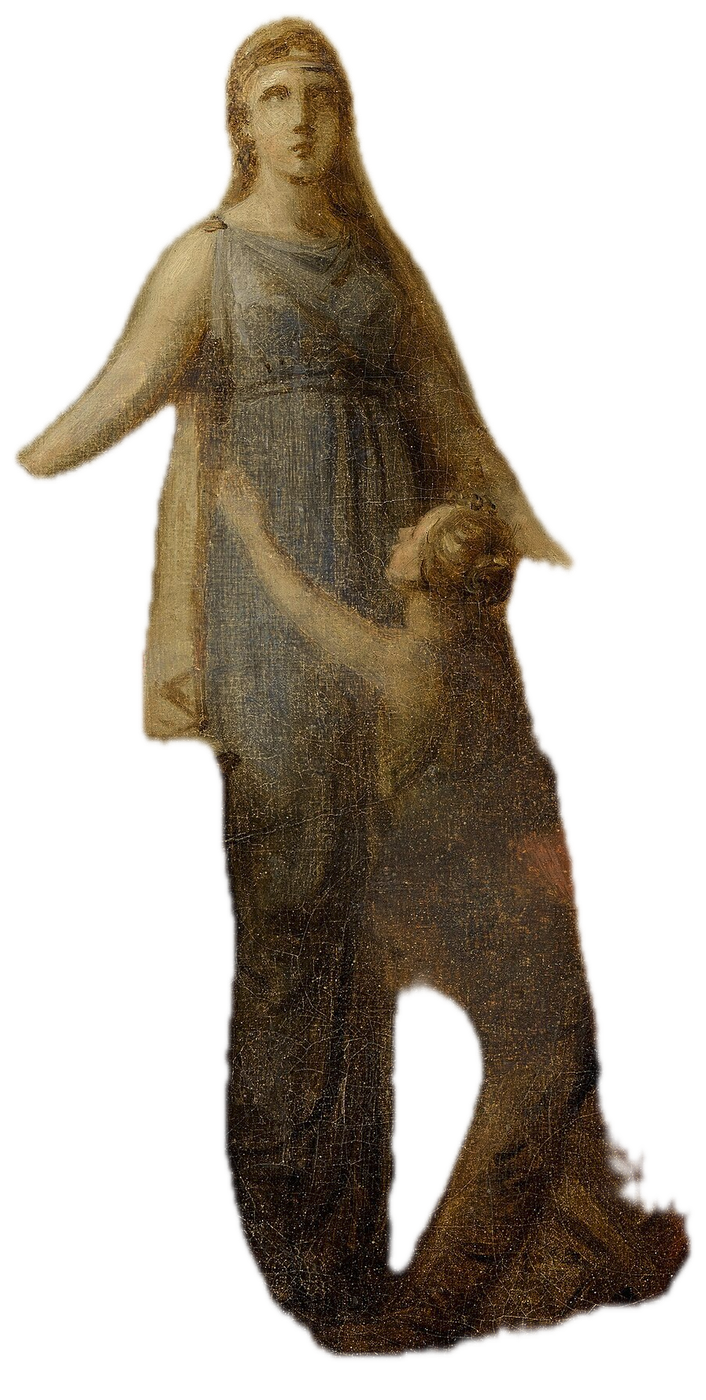
Происхождение выведено по цепочке родителей: Пелий → Алкеста → Евмел.
And with him there followed forty black ships. And they that dwelt in Pherae beside the lake Boebeïs, and in Boebe, and Glaphyrae, and well-built Iolcus, these were led by the dear son of Admetus with eleven ships, even by Eumelus, whom Alcestis, queenly among women, bare to Admetus,even she, the comeliest of the daughters of Pelias. And they that dwelt in Methone and Thaumacia, and that held Meliboea and rugged Olizon, these with their seven ships were led by Philoctetes, well-skilled in archery,
even she, the comeliest of the daughters of Pelias. And they that dwelt in Methone and Thaumacia, and that held Meliboea and rugged Olizon, these with their seven ships were led by Philoctetes, well-skilled in archery,
Il. 2.714–715 · Il. 2.715
Ancestor · Sources
Ancestor · Sources
These were the leaders of the Danaans and their lords. But who was far the best among them do thou tell me, Muse—best of the warriors and of the horses that followed with the sons of Atreus. Of horses best by far were the mares of the son of Pheres, those that Eumelas drave, swift as birds,
Il. 2.764
See all 4
In art
See all 0
There is nothing in this section yet.
04 / PROVENANCE
Sources and verification
The character is matched to the catalogue.
Reference material remains distinct from the poem’s assertions. Characters who share a name retain separate pages.