Thetis
Goddess
Thetis ( THEEH-tiss, or THEH-tiss; Ancient Greek: Θέτις, romanized: Thétis pronounced [tʰétis]) is a figure from Greek mythology with varying mythological roles. She mainly appears as a sea nymph, a goddess of water, and one of the 50 Nereids, daughters of the ancient sea god Nereus.
Explore on the graph- Mentions
- 56
- Connected characters
- 41
- Books
- 15


Mentions in the Iliad
A. T. Murray, Loeb Classical Library, Harvard University Press, 1924 · Homer, Iliad with an English Translation · CC BY-SA 3.0 US
“yet he is the mightier, since he is king over more. Son of Atreus, check your rage. Indeed, I beg you to let go your anger against Achilles, who is for all the Achaeans a mighty bulwark in evil war. In answer to him spoke lord Agamemnon:”
“Earnestly he prayed to his dear mother with hands outstretched: Mother, since you bore me, though to so brief a span of life, honour surely ought the Olympian to have given into my hands, Zeus who thunders on high; but now he has honoured me not a bit. Truly the son of Atreus, wide-ruling Agamemnon”
“and she stroked him with her hand, and spoke to him, and called him by name: My child, why do you weep? What sorrow has come upon your heart? Speak out; hide it not in your mind, that we both may know. Then with heavy moaning spoke swift-footed Achilles to her: You know. Why then should I tell the tale to you who knows all?”
“while the other woman the heralds have just now taken from my tent and led away, the daughter of Briseus, whom the sons of the Achaeans gave me. But, you, if you are able, guard your own son; go to Olympus and make prayer to Zeus, if ever you have gladdened his heart by word or deed.”
“and that the son of Atreus, wide-ruling Agamemnon may know his blindness in that he did no honour to the best of the Achaeans. Then Thetis answered him as she wept: Ah me, my child, why did I rear you, cursed in my child-bearing? Would that it had been your lot to remain by your ships without tears and without grief,”
“of her son, but rose up from the wave of the sea, and at early morning went up to great heaven and Olympus. There she found the far-seeing son of Cronos sitting apart from the rest upon the topmost peak of many-ridged Olympus. So she sat down before him, and clasped his knees”
“with her left hand, while with her right she touched him beneath the chin, and she spoke in prayer to king Zeus, son of Cronos: Father Zeus, if ever amid the immortals I gave you aid by word or deed, grant me this prayer: do honour to my son, who is doomed to a speedy death beyond all other men;”
See all 56
“When the two had taken counsel together in this way, they parted; she leapt straightway into the deep sea from gleaming Olympus, and Zeus went to his own palace. All the gods together rose from their seats before the face of their father; no one dared to await his coming, but they all rose up before him.”
“silver-footed Thetis, daughter of the old man of the sea, have beguiled you; for at early dawn she sat by you and clasped your knees. To her, I think, you bowed your head in sure token that you will honour Achilles, and bring many to death beside the ships of the Achaeans. Then in answer to her spoke Zeus, the cloud-gatherer:”
“who, they say, is born of a goddess; nay this man rageth beyond all measure, and no one can vie with him in might. So spake he, and Hector was in no wise disobedient unto his brother's word. Forthwith he leapt in his armour from his chariot to the ground, and brandishing his two sharp spears went everywhere throughout host,”
“But Dionysus fled, and plunged beneath the wave of the sea, and Thetis received him in her bosom, filled with dread, for mighty terror gat hold of him at the man's threatenings. Then against Lycurgus did the gods that live at ease wax wroth, and the son of Cronos made him blind;”
“Howbeit now Zeus hateth me, and hath brought to fulfillment the counsels of Thetis, that kissed his knees and with her hand clasped his chin, beseeching him to show honour to Achilles, sacker of cities. Verily the day shall come when he shall again call me his flashing-eyed darling. But now make thou ready for us twain our single-hooved horses,”
“For my mother the goddess, silver-footed Thetis, telleth me that twofold fates are bearing me toward the doom of death: if I abide here and war about the city of the Trojans, then lost is my home-return, but my renown shall be imperishable; but if I return home to my dear native land,”
“Then smiling upon him Odysseus of many wiles made answer: Verily now on great rewards was thy heart set, even the horses of the wise-hearted son of Aeacus, but hard are they for mortal men to master or to drive, save only for Achilles whom an immortal mother bare.”
“but was fain only to give glory to Thetis and to her son, strong of heart. But Poseidon went among the Argives and urged them on, stealing forth secretly from the grey sea; for it vexed him that they were being overcome by the Trojans, and against Zeus was he exceeding wroth. Both the twain verily were of one stock and of one parentage,”
“even as I promised at the first and bowed my head thereto, on the day when the goddess Thetis clasped my knees, beseeching me to do honour to Achilles, sacker of cities. So spake he, and the goddess, white-armed Hera, failed not to hearken, but went her way from the mountains of Ida unto high Olympus.”
“of the Argives to melt, and took away their glory, while he spurred on the others. For his heart was set on giving glory to Hector, son of Priam, to the end that he might cast upon the beaked ships unwearied, wondrous-blazing fire, and so fulfill to the uttermost the presumptuous prayer of Thetis. Even for this was Zeus the counsellor waiting,”
“Never upon me let such wrath lay hold, as that thou dost cherish, O thou whose valour is but a bane! Wherein shall any other even yet to be born have profit of thee, if thou ward not off shameful ruin from the Argives? Pitiless one, thy father, meseems, was not the knight Peleus, nor was Thetis thy mother, but the grey sea bare thee,”
“Neither reck I of any oracle, that I wot of, nor has my queenly mother declared to me aught from Zeus; but herein dread grief cometh upon heart and soul, whenso a man is minded to rob one that is his equal, and take from him his prize, for that he surpasseth him in power.”
“to war in the forefront of the Myrmidons. But Achilles went into his hut, and opened the lid of a chest, fair and richly-dight, that silver-footed Thetis had set on his ship for him to carry with him, whem she had filled it well with tunics, and cloaks to keep off the wind, and woollen rugs.”
“for smitten was a man in no wise the worst among the Myrmidons, even the son of great-souled Agacles, goodly Epeigeus, that was king in well-peopled Budeum of old, but when he had slain a goodly man of his kin, to Peleus he came as a suppliant, and to silver-footed Thetis;”
“Who knows but that Achilles, the son of fair-tressed Thetis, may first be smitten by my spear, and lose his life? So saying, he drew forth the spear of bronze from the wound, setting his foot upon the dead, and thrust him backward from the spear. And forthwith he was gone with his spear after Automedon, the god-like squire of the swift-footed son of Aeacus,”
“Hector, now art thou hasting thus vainly after what thou mayest not attain, even the horses of the wise-hearted son of Aeacus; but hard are they for mortal men to master or to drive, save only for Achilles, whom an immortal mother bare. Meanwhile hath warlike Menelaus, son of Atreus,”
“that he was dead, but that he would return alive, after he had reached even to the gates; nor yet thought he this in any wise, that Patroclus would sack the city without him, nay, nor with him, for full often had he heard this from his mother, listening to her privily, whenso she brought him tidings of the purpose of great Zeus.”
“and sore troubled he spake unto his own great-hearted spirit: Ah, woe is me, how is it that again the long-haired Achaeans are being driven toward the ships in rout over the plain? Let it not be that the gods have brought to pass grievous woes for my soul, even as on a time my mother declared unto me, and said that”
“Then terribly did Achilles groan aloud, and his queenly mother heard him as she sat in the depths of the sea beside the old man her father. Thereat she uttered a shrill cry, and the goddesses thronged about her, even all the daughters of Nereus that were in the deep of the sea. There were Glauce and Thaleia and Cymodoce,”
“With these the bright cave was filled, and they all alike beat their breasts, and Thetis was leader in their lamenting: Listen, sister Nereids, that one and all ye may hear and know all the sorrows that are in my heart. Ah, woe is me unhappy, woe is me that bare to my sorrow the best of men,”
“So saying she left the cave, and the nymphs went with her weeping, and around them the waves of the sea were cloven asunder. And when they were come to the deep-soiled land of Troy they stepped forth upon the beach, one after the other, where the ships of the Myrmidons were drawn up in close lines round about swift Achilles.”
“to his home; for neither doth my own heart bid me live on and abide among men, unless Hector first, smitten by my spear, shall lose his life, and pay back the price for that he made spoil of Patroclus, son of Menoetius. Then Thetis again spake unto him, shedding tears the while:”
“and let them know that long in good sooth have I kept apart from the war. Seek not then to hold me back from battle, for all thou lovest me; thou shalt not persuade me. Then answered him the goddess, silver-footed Thetis: Aye, verily, as thou sayest, my child, it is in truth no ill thing to ward utter destruction from thy comrades, that are hard beset.”
“until thine eyes shall behold me again coming hither. For in the morning will I return at the rising of the sun, bearing fair armour from the lord Hephaestus. So saying she turned her to go back from her son, and being turned she spake among her sisters of the sea:”
“and the son of Cronos, throned on high, knoweth naught hereof, neither any other of the immortals that dwell upon snowy Olympus. Then in answer to her spake Achilles, swift of foot: But how shall I enter the fray? They yonder hold my battle-gear; and my dear mother forbade that I array me for the fight”
“here in the land of Troy; since neither shall I come back to be welcomed of the old knight Peleus in his halls, nor of my mother Thetis, but even here shall the earth hold me fast. But now, Patroclus, seeing I shall after thee pass beneath the earth, I will not give thee burial till I have brought hither the armour and the head of Hector,”
“in twofold wise, for that I am eldest and am called thy wife, and thou art king among all the immortals—how was I not in my wrath against the Trojans to devise against them evil? On this wise spake they one to the other; but silver-footed Thetis came unto the house of Hephaestus,”
“Wherefore, long-robed Thetis, art thou come to our house, an honoured guest, and a welcome? Heretofore thou hast not been wont to come. But follow me further, that I may set before thee entertainment. So saying the bright goddess led her on. Then she made her to sit on a silver-studded chair,”
“and strength, and they know cunning handiwork by gift of the immortal gods. These busily moved to support their lord, and he, limping nigh to where Thetis was, sat him down upon a shining chair; and he clasped her by the hand, and spake, and addressed her: Wherefore, long-robed Thetis, art thou come to our house,”
“an honoured guest and a welcome? Heretofore thou hast not been wont to come. Speak what is in thy mind; my heart bids me fulfill it, if fulfill it I can, and it is a thing that hath fulfillment. And Thetis made answer to him, shedding tears the while: Hephaestus, is there now any goddess, of all those that are in Olympus,”
“and corselet. For the harness that was his aforetime his trusty comrade lost, when he was slain by the Trojans; and my son lieth on the ground in anguish of heart. Then the famous god of the two strong arms answered her: Be of good cheer, neither let these things distress thy heart. Would that I might so surely avail to hide him afar from dolorous death,”
“he took and laid it before the mother of Achilles. And like a falcon she sprang down from snowy Olympus, bearing the flashing armour from Hephaestus.”
“Now Dawn the saffron-robed arose from the streams of Oceanus to bring light to immortals and to mortal men, and Thetis came to the ships bearing gifts from the god. And she found her dear son as he lay, clasping Patroclus,”
“yet am I sore afraid lest meantime flies enter the wounds that the bronze hath dealt on the corpse of the valiant son of Menoetius, and breed worms therein, and work shame upon his corpse—for the life is slain out of him—and so all his flesh shall rot. Then the goddess, silver-footed Thetis, answered him: My child, let not these things distress thy heart.”
“All we are come down from Olympus to mingle in this battle, that Achilles take no hurt among the Trojans for this days' space; but thereafter shall he suffer whatever Fate spun for him with her thread at his birth, when his mother bare him. But if Achilles learn not this from some voice of the gods,”
“but with sight of eyes hast thou never seen my parents nor I thine. Men say that thou art son of peerless Peleus, and that thy mother was fair-tressed Thetis, a daughter of the sea; but for me, I declare thiat I am son of great-hearted Anchises, and my mother is Aphrodite.”
“aye, not one among all the Trojans, and least of all among the sons of Priam. Nay, friend, do thou too die; why lamentest thou thus? Patroclus also died, who was better far than thou. And seest thou not what manner of man am I, how comely and how tall? A good man was my father, and a goddess the mother that bare me; yet over me too hang death and mighty fate.”
“None other of the heavenly gods do I blame so much, but only my dear mother, that beguiled me with false words, saying that beneath the wall of the mail-clad Trojans I should perish by the swift missiles of Apollo. Would that Hector had slain me, the best of the men bred here;”
“Then when we have taken our fill of dire lamenting, we will unyoke our horses and sup here all together. So spake he, and they raised the voice of wailing all with one accord, and Achilles was leader thereof. Then thrice about the corpse they drave their fair-maned steeds, mourning the while; and among them Thetis roused desire of wailing.”
“and reared me with kindly care and named me thy squire; even so let one coffer enfold our bones, a golden coffer with handles twain, the which thy queenly mother gave thee. Then in answer spake to him Achilles, swift of foot: Wherefore, O head beloved, art thou come hither,”
“fostered and reared, and gave to a warrior to be his wife, even to Peleus, who was heartily dear to the immortals. And all of you, O ye gods, came to her marriage, and among them thyself too didst sit at the feast, thy lyre in thy hand, O thou friend of evil-doers, faithless ever. Then Zeus, the cloud-gatherer, answered her, and said:”
“the drink-offiering and the savour of burnt-offering, even the worship that is our due. Howbeit of the stealing away of bold Hector will we naught; it may not be but that Achilles would be ware thereof; for verily his mother cometh ever to his side alike by night and day. But I would that one of the gods would call Thetis to come unto me,”
“Down sped she to the depths hike a plummet of lead, the which, set upon the horn of an ox of the field, goeth down bearing death to the ravenous fishes. And she found Thetis in the hollow cave, and round about her other goddesses of the sea sat in a throng, and she in their midst”
“Then she sate her down beside father Zeus, and Athene gave place. And Hera set in her hand a fair golden cup, and spake words of cheer.; and Thetis drank, and gave back the cup. Then among them the father of men and gods was first to speak: Thou art come to Olympus, 0, goddess Thetis,”
“neither of the couch? Good were it for thee even to have dalliance in a woman's embrace. For, I tell thee, thou shalt not thyself be long in life, but even now doth death stand hard by thee and mighty fate. But hearken thou forthwith unto me, for I am a messenger unto thee from Zeus. He declareth that that the gods are angered with thee,”
“if verily with full purpose of heart the Olympian himself so biddeth. On this wise amid the gathering of the ships mother and son spake many winged words one to the other, but the son of Cronos sent forth Iris to sacred Ilios: Up, go, swift Iris; leave thou the abode of Olympus”
“But go thou in, and clasp the knees of the son of Peleus and entreat him by his father and his fair-haired mother and his child, that thou mayest stir his soul. So spake Hermes, and departed unto high Olympus; and Priam leapt from his chariot to the ground,”
“from his birth; for he excelled all men in good estate and in wealth, and was king over the Myrmidons, and to him that was but a mortal the gods gave a goddess to be his wife.”
“Provoke me no more, old sir; I am minded even of myself to give Hector back to thee; for from Zeus there came to me a messenger, even the mother that bare me, daughter of the old man of the sea. And of thee, Priam, do I know in my heart—it nowise escapeth me—that some god led thee to the swift ships of the Achaeans.”
Connections
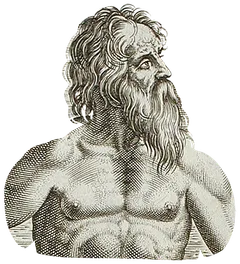
Father · Sources
has dishonoured me: for he has taken and keeps my prize through his own arrogant act. So he spoke, weeping, and his lady mother heard him, as she sat in the depths of the sea beside the old man, her father. And speedily she came forth from the grey sea like a mist, and sat down before him, as he wept,
So he sat down there upon his throne; but Hera saw, and failed not to note how silver-footed Thetis, daughter of the old man of the sea, had taken counsel with him. Forthwith then she spoke to Zeus, son of Cronos, with mocking words: Who of the gods, crafty one, has now again taken counsel with you?
silver-footed Thetis, daughter of the old man of the sea, have beguiled you; for at early dawn she sat by you and clasped your knees. To her, I think, you bowed your head in sure token that you will honour Achilles, and bring many to death beside the ships of the Achaeans. Then in answer to her spoke Zeus, the cloud-gatherer:
Il. 1.358 · Il. 1.538 · Il. 1.556 · Il. 18.36 · Il. 18.141 · Il. 20.107 · Il. 24.562
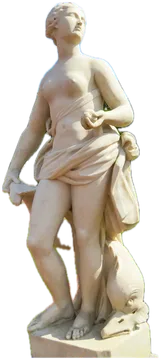
Sister · Sources
Братство или сестринство выведено из общего родителя: Нерей. Матери и отцы, не указанные в источнике, не предполагаются. Квалификация братства/сестринства: Полнота родства и линия общего родителя не установлены.
Apollodorus, Library · Apollodorus, Library (сохранённая запись проекта)has dishonoured me: for he has taken and keeps my prize through his own arrogant act. So he spoke, weeping, and his lady mother heard him, as she sat in the depths of the sea beside the old man, her father. And speedily she came forth from the grey sea like a mist, and sat down before him, as he wept,
So he sat down there upon his throne; but Hera saw, and failed not to note how silver-footed Thetis, daughter of the old man of the sea, had taken counsel with him. Forthwith then she spoke to Zeus, son of Cronos, with mocking words: Who of the gods, crafty one, has now again taken counsel with you?
silver-footed Thetis, daughter of the old man of the sea, have beguiled you; for at early dawn she sat by you and clasped your knees. To her, I think, you bowed your head in sure token that you will honour Achilles, and bring many to death beside the ships of the Achaeans. Then in answer to her spoke Zeus, the cloud-gatherer:
Il. 1.358 · Il. 1.538 · Il. 1.556 · Il. 18.36 · Il. 18.141 · Il. 20.107 · Il. 24.562

Sister through father · Sources
Братство или сестринство выведено из общего родителя: Нерей. Матери и отцы, не указанные в источнике, не предполагаются. Квалификация братства/сестринства: Илиада: Общий отец подтверждён; сведения о матерях неполны. Различие матерей не установлено. Общие родители: Нерей.
Wikidata: Нерей — роль родителя · P22has dishonoured me: for he has taken and keeps my prize through his own arrogant act. So he spoke, weeping, and his lady mother heard him, as she sat in the depths of the sea beside the old man, her father. And speedily she came forth from the grey sea like a mist, and sat down before him, as he wept,
So he sat down there upon his throne; but Hera saw, and failed not to note how silver-footed Thetis, daughter of the old man of the sea, had taken counsel with him. Forthwith then she spoke to Zeus, son of Cronos, with mocking words: Who of the gods, crafty one, has now again taken counsel with you?
silver-footed Thetis, daughter of the old man of the sea, have beguiled you; for at early dawn she sat by you and clasped your knees. To her, I think, you bowed your head in sure token that you will honour Achilles, and bring many to death beside the ships of the Achaeans. Then in answer to her spoke Zeus, the cloud-gatherer:
Il. 1.358 · Il. 1.538 · Il. 1.556 · Il. 18.36 · Il. 18.37–41 · Il. 18.141 · Il. 20.107 · Il. 24.562
Sister through father · Sources
Братство или сестринство выведено из общего родителя: Нерей. Матери и отцы, не указанные в источнике, не предполагаются. Квалификация братства/сестринства: Илиада: Общий отец подтверждён; сведения о матерях неполны. Различие матерей не установлено. Общие родители: Нерей.
Wikidata: Нерей — роль родителя · P22has dishonoured me: for he has taken and keeps my prize through his own arrogant act. So he spoke, weeping, and his lady mother heard him, as she sat in the depths of the sea beside the old man, her father. And speedily she came forth from the grey sea like a mist, and sat down before him, as he wept,
So he sat down there upon his throne; but Hera saw, and failed not to note how silver-footed Thetis, daughter of the old man of the sea, had taken counsel with him. Forthwith then she spoke to Zeus, son of Cronos, with mocking words: Who of the gods, crafty one, has now again taken counsel with you?
silver-footed Thetis, daughter of the old man of the sea, have beguiled you; for at early dawn she sat by you and clasped your knees. To her, I think, you bowed your head in sure token that you will honour Achilles, and bring many to death beside the ships of the Achaeans. Then in answer to her spoke Zeus, the cloud-gatherer:
Il. 1.358 · Il. 1.538 · Il. 1.556 · Il. 18.36 · Il. 18.37–42 · Il. 18.141 · Il. 20.107 · Il. 24.562
Sister through father · Sources
Братство или сестринство выведено из общего родителя: Нерей. Матери и отцы, не указанные в источнике, не предполагаются. Квалификация братства/сестринства: Илиада: Общий отец подтверждён; сведения о матерях неполны. Различие матерей не установлено. Общие родители: Нерей.
Wikidata: Нерей — роль родителя · P22has dishonoured me: for he has taken and keeps my prize through his own arrogant act. So he spoke, weeping, and his lady mother heard him, as she sat in the depths of the sea beside the old man, her father. And speedily she came forth from the grey sea like a mist, and sat down before him, as he wept,
So he sat down there upon his throne; but Hera saw, and failed not to note how silver-footed Thetis, daughter of the old man of the sea, had taken counsel with him. Forthwith then she spoke to Zeus, son of Cronos, with mocking words: Who of the gods, crafty one, has now again taken counsel with you?
silver-footed Thetis, daughter of the old man of the sea, have beguiled you; for at early dawn she sat by you and clasped your knees. To her, I think, you bowed your head in sure token that you will honour Achilles, and bring many to death beside the ships of the Achaeans. Then in answer to her spoke Zeus, the cloud-gatherer:
Il. 1.358 · Il. 1.538 · Il. 1.556 · Il. 18.36 · Il. 18.37–48 · Il. 18.141 · Il. 20.107 · Il. 24.562
Sister through father · Sources
Братство или сестринство выведено из общего родителя: Нерей. Матери и отцы, не указанные в источнике, не предполагаются. Квалификация братства/сестринства: Илиада: Общий отец подтверждён; сведения о матерях неполны. Различие матерей не установлено. Общие родители: Нерей.
Wikidata: Нерей — роль родителя · P22has dishonoured me: for he has taken and keeps my prize through his own arrogant act. So he spoke, weeping, and his lady mother heard him, as she sat in the depths of the sea beside the old man, her father. And speedily she came forth from the grey sea like a mist, and sat down before him, as he wept,
So he sat down there upon his throne; but Hera saw, and failed not to note how silver-footed Thetis, daughter of the old man of the sea, had taken counsel with him. Forthwith then she spoke to Zeus, son of Cronos, with mocking words: Who of the gods, crafty one, has now again taken counsel with you?
silver-footed Thetis, daughter of the old man of the sea, have beguiled you; for at early dawn she sat by you and clasped your knees. To her, I think, you bowed your head in sure token that you will honour Achilles, and bring many to death beside the ships of the Achaeans. Then in answer to her spoke Zeus, the cloud-gatherer:
Il. 1.358 · Il. 1.538 · Il. 1.556 · Il. 18.36 · Il. 18.37–44 · Il. 18.141 · Il. 20.107 · Il. 24.562
Sister through father · Sources
Братство или сестринство выведено из общего родителя: Нерей. Матери и отцы, не указанные в источнике, не предполагаются. Квалификация братства/сестринства: Илиада: Общий отец подтверждён; сведения о матерях неполны. Различие матерей не установлено. Общие родители: Нерей.
Wikidata: Нерей — роль родителя · P22has dishonoured me: for he has taken and keeps my prize through his own arrogant act. So he spoke, weeping, and his lady mother heard him, as she sat in the depths of the sea beside the old man, her father. And speedily she came forth from the grey sea like a mist, and sat down before him, as he wept,
So he sat down there upon his throne; but Hera saw, and failed not to note how silver-footed Thetis, daughter of the old man of the sea, had taken counsel with him. Forthwith then she spoke to Zeus, son of Cronos, with mocking words: Who of the gods, crafty one, has now again taken counsel with you?
silver-footed Thetis, daughter of the old man of the sea, have beguiled you; for at early dawn she sat by you and clasped your knees. To her, I think, you bowed your head in sure token that you will honour Achilles, and bring many to death beside the ships of the Achaeans. Then in answer to her spoke Zeus, the cloud-gatherer:
Il. 1.358 · Il. 1.538 · Il. 1.556 · Il. 18.36 · Il. 18.37–42 · Il. 18.141 · Il. 20.107 · Il. 24.562
See all 41
In art

Benjamin West. Thetis Bringing the Armor to Achilles. New York Historical. Public domain. https://www.wikidata.org/wiki/Q108690741
Benjamin West. Thetis Bringing the Armor to Achilles. New York Historical. Public domain. https://www.wikidata.org/wiki/Q108690741

Nikolai Ge. Ахиллес оплакивает Патрокла. Belarusian National Arts Museum. Public domain. https://www.wikidata.org/wiki/Q17117194
Photograph / reproduction: Nikolai Ge
Photograph / reproduction date: 1855
Nikolai Ge. Ахиллес оплакивает Патрокла. Belarusian National Arts Museum. Public domain. https://www.wikidata.org/wiki/Q17117194
Photograph / reproduction: Nikolai Ge
Photograph / reproduction date: 1855

Pompeo Batoni. Thetis takes Achilles from the Centaur Chiron. Hermitage Museum. Public domain. https://www.wikidata.org/wiki/Q20486520
Photograph / reproduction: Pompeo Batoni
Photograph / reproduction date: 1770
Pompeo Batoni. Thetis takes Achilles from the Centaur Chiron. Hermitage Museum. Public domain. https://www.wikidata.org/wiki/Q20486520
Photograph / reproduction: Pompeo Batoni
Photograph / reproduction date: 1770

Anthony van Dyck. Thetis Receiving the Weapons of Achilles from Hephaestus. Kunsthistorisches Museum. Public domain. https://www.wikidata.org/wiki/Q22329840
Photograph / reproduction: Anthony van Dyck
Photograph / reproduction date: circa 1630/1632
Anthony van Dyck. Thetis Receiving the Weapons of Achilles from Hephaestus. Kunsthistorisches Museum. Public domain. https://www.wikidata.org/wiki/Q22329840
Photograph / reproduction: Anthony van Dyck
Photograph / reproduction date: circa 1630/1632

Giulio Romano. Thetis Giving Achilles His Arms. собрание не указано. Public domain. https://commons.wikimedia.org/wiki/File%3AThetis_Giving_Achilles_His_Arms.jpg
Photograph / reproduction: Giulio Romano
Photograph / reproduction date: 16th century
Giulio Romano. Thetis Giving Achilles His Arms. собрание не указано. Public domain. https://commons.wikimedia.org/wiki/File%3AThetis_Giving_Achilles_His_Arms.jpg
Photograph / reproduction: Giulio Romano
Photograph / reproduction date: 16th century


Étienne Jeaurat. Achilles Departing to Revenge the Death of Patroclus. собрание не указано. Public domain. https://commons.wikimedia.org/wiki/File%3A%C3%89tienne_Jeaurat_-_Achilles_Departing_to_Revenge_the_Death_of_Patroclus.jpg
Photograph / reproduction: Étienne Jeaurat
Photograph / reproduction date: 1738

Near the Tyrrhenian Group. Hydria Achilles weapons Louvre E869. собрание не указано. Public domain. https://commons.wikimedia.org/wiki/File%3AHydria_Achilles_weapons_Louvre_E869.jpg
Photograph / reproduction: Near the Tyrrhenian Group

Near the Tyrrhenian Group. Hydria Achilles weapons Louvre E869. собрание не указано. Public domain. https://commons.wikimedia.org/wiki/File%3AHydria_Achilles_weapons_Louvre_E869.jpg
Photograph / reproduction: Near the Tyrrhenian Group
See all 358
Sources and verification
The character is matched to the catalogue.
- Wikipedia · Thetis · CC BY-SA 4.0
Excerpt; remaining sentences omitted.
Reference material remains distinct from the poem’s assertions. Characters who share a name retain separate pages.