Sarpedon
Mortal man
In Greek mythology, Sarpedon ( or ; Ancient Greek: Σαρπηδών, romanized: Sarpidón) was a son of Zeus, who fought on the side of Troy in the Trojan War.
Explore on the graph- Mentions
- 17
- Connected characters
- 35
- Books
- 7


Mentions in the Iliad
A. T. Murray, Loeb Classical Library, Harvard University Press, 1924 · Homer, Iliad with an English Translation · CC BY-SA 3.0 US
“So saying he aroused the strength and spirit of every man. And Sarpedon moreover sternly chid goodly Hector, saying: Hector, where now is the strength gone that aforetime thou hadst? Thou saidst forsooth that without hosts and allies thou wouldst hold the city alone with the aid of thy sisters' husbands and thy brothers;”
“And when they were come near as they advanced one against the other, the son and grandson of Zeus the cloud-gatherer, then Tlepolemus was first to speak, saying: Sarpedon, counsellor of the Lycians, why must thou be skulking here, that art a man unskilled in battle?”
“So spake Sarpedon, and Tlepolemus lifted on high his ashen spear, and the long spears sped from the hands of both at one moment. Sarpedon smote him full upon the neck, and the grievous point passed clean through, and down upon his eyes came the darkness of night and enfolded him.”
“to slay with the sharp bronze the valiant son of Zeus; wherefore Athene turned his mind toward the host of the Lycians. Then slew he Coeranus and Alastor and Chromius and Alcandrus and Halius and Noëmon and Prytanis; and yet more of the Lycians would goodly Odysseus have slain,”
“and forth from his thigh valiant Pelagon, that was his dear comrade, thrust the spear of ash; and his spirit failed him, and down over his eyes a mist was shed. Howbeit he revived, and the breath of the North Wind as it blew upon him made him to live again after in grievous wise he had breathed forth his spirit. But the Argives before the onset of Ares and Hector harnessed in bronze”
“a fair tract of orchard and of plough-land, to possess it. And the lady bare to wise-hearted Bellerophon three children, Isander and Hippolochus and Laodameia. With Laodameia lay Zeus the counsellor, and she bare godlike Sarpedon, the warrior harnessed in bronze.”
“Yet not even then would the Trojans and glorious Hector have broken the gates of the wall and the long bar, had not Zeus the counsellor roused his own son, Sarpedon, against the Argives, as a lion against sleek kine. Forthwith he held before him his shield that was well balanced upon every side,”
See all 17
“but either he leapeth amid the flock and seizeth one, or is himself smitten as a foremost champion by a javelin from a swift hand: even so did his spirit then urge godlike Sarpedon to rush upon the wall, and break-down the battlements. Straightway then he spake to Glaucus, son of Hippolochus:”
“even Polydamas, and Aeneas, and goodly Agenor, and Sarpedon, leader of the Lycians, and peerless Glaucus withal, and of the rest was no man unheedful of him, but before him they held their round shields; and his comrades lifted him up in their arms and bare him forth from the toil of war until he came to the swift horses”
“Patroclus, howbeit him shall glorious Hector slay with the spear before the face of Ilios, after himself hath slain many other youths, and among them withal my son, goodly Sarpedon. And in wrath for Patroclus shall goodly Achilles slay Hector. Then from that time forth shall I cause a driving back of the Trojans from the ships”
“shewing honour to his dear son—his own son whom Patroclus was about to slay in the deep-soiled land of Troy, far from his native land. Now when they were come near, as they advanced one against the other, then verily did Patroclus smite glorious Thrasymelus, that was the valiant squire of the prince Sarpedon;”
“even so before his horses and chariot he lay outstretched, moaning aloud and clutching at the bloody dust. And as a lion cometh into the midst of a herd and slayeth a bull, tawny and high of heart amid the kine of trailing gait, and with a groan he perisheth beneath the jaws of the lion;”
“if so be the Achaeans shall spoil me of my armour, now that I am fallen amid the gathering of the ships. Nay, hold thy ground valiantly, and urge on all the host. Even as he thus spake the end of death enfolded him, his eyes alike and his nostrils; and Patroclus, setting his foot upon his breast, drew the spear from out the flesh, and the midriff followed therewith;”
“And Glaucus knew in his mind, and was glad that the great god had quickly heard his prayer. First fared he up and down everywhere and urged on the leaders of the Lycians to fight for Sarpedon, and thereafter went with long strides into the midst of the Trojans,”
“and anoint him with ambrosia, and clothe him about with immortal raiment, and give him to swift conveyers to bear with them, even to the twin brethren, Sleep and Death, who shall set him speedily in the rich land of wide Lycia. There shall his brethren and his kinsfolk give him burial”
“and anointed him with ambrosia, and clothed him about with immortal raiment, and gave him to swift conveyers to bear with them, even to the twin brethren, Sleep and Death, who set him speedily in the rich land of wide Lycia. But Patroclus with a call to his horses and to Automedon,”
“the battlegear of Sarpedon, that Patroclus stripped from him; and he stood up, and spake among the Argives, saying: To win these prizes invite we warriors twain, the best there are, to clothe them in their armour and take bronze that cleaveth the flesh, and so make trial each of the other before the host.”
Connections
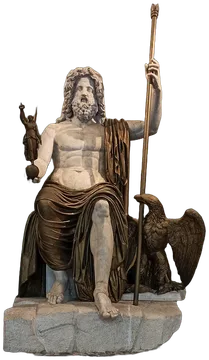
Father · Sources
And when they were come near as they advanced one against the other, the son and grandson of Zeus the cloud-gatherer, then Tlepolemus was first to speak, saying: Sarpedon, counsellor of the Lycians, why must thou be skulking here, that art a man unskilled in battle?They speak but a lie that say thou art sprung from Zeus that beareth the aegis, seeing thou art inferior far to those warriors that were sprung from Zeus in the days of men of old. Of other sort, men say, was mighty Heracles, my father, staunch in fight, the lionhearted,
And Tlepolemus smote Sarpedon upon the left thigh with his long spear, and the point sped through furiously and grazed the bone; howbeit his father as yet warded from him destruction. Then his goodly companions bare godlike Sarpedon forth from out the fight, and the long spear burdened him sore,as it trailed, but no man marked it or thought in their haste to draw forth from his thigh the spear of ash, that he might stand upon his feet; such toil had they in tending him. And on the other side the well-greaved Achaeans bare Tlepolemus from out the fight, and goodly Odysseusof the enduring soul was ware of it, and his spirit waxed furious within him; and he pondered then in heart and soul whether he should pursue further after the son of Zeus that thundereth aloud, or should rather take the lives of more Lycians. But not for great-hearted Odysseus was it ordained
to slay with the sharp bronze the valiant son of Zeus; wherefore Athene turned his mind toward the host of the Lycians. Then slew he Coeranus and Alastor and Chromius and Alcandrus and Halius and Noëmon and Prytanis; and yet more of the Lycians would goodly Odysseus have slain,
Il. 5.634–635 · Il. 5.662–672 · Il. 5.675 · Il. 6.198–199 · Il. 12.292 · Il. 12.402–403 · Il. 15.67 · Il. 16.522
Mother · Sources
a fair tract of orchard and of plough-land, to possess it. And the lady bare to wise-hearted Bellerophon three children, Isander and Hippolochus and Laodameia. With Laodameia lay Zeus the counsellor, and she bare godlike Sarpedon, the warrior harnessed in bronze.
Il. 6.198–199
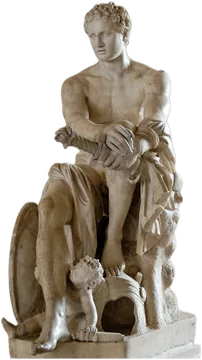
Brother through father · Sources
Братство или сестринство выведено из общего родителя: Зевс. Матери и отцы, не указанные в источнике, не предполагаются. Квалификация братства/сестринства: Илиада: Общий отец подтверждён; сведения о матерях неполны. Различие матерей не установлено. Общие родители: Зевс.
Wikidata: Гера — роль родителя · P25 Wikidata: Зевс — роль родителя · P22 Wikidata: Зевс — пол родителя · P21took furious Ares by the hand and spake to him, saying: Ares, Ares, thou bane of mortals, thou blood-stained stormer of walls, shall we not now leave the Trojans and Achaeans to fight, to whichsoever of the two it be that father Zeus shall vouchsafe glory? But for us twain, let us give place, and avoid the wrath of Zeus.
And when they were come near as they advanced one against the other, the son and grandson of Zeus the cloud-gatherer, then Tlepolemus was first to speak, saying: Sarpedon, counsellor of the Lycians, why must thou be skulking here, that art a man unskilled in battle?They speak but a lie that say thou art sprung from Zeus that beareth the aegis, seeing thou art inferior far to those warriors that were sprung from Zeus in the days of men of old. Of other sort, men say, was mighty Heracles, my father, staunch in fight, the lionhearted,
And Tlepolemus smote Sarpedon upon the left thigh with his long spear, and the point sped through furiously and grazed the bone; howbeit his father as yet warded from him destruction. Then his goodly companions bare godlike Sarpedon forth from out the fight, and the long spear burdened him sore,as it trailed, but no man marked it or thought in their haste to draw forth from his thigh the spear of ash, that he might stand upon his feet; such toil had they in tending him. And on the other side the well-greaved Achaeans bare Tlepolemus from out the fight, and goodly Odysseusof the enduring soul was ware of it, and his spirit waxed furious within him; and he pondered then in heart and soul whether he should pursue further after the son of Zeus that thundereth aloud, or should rather take the lives of more Lycians. But not for great-hearted Odysseus was it ordained
Il. 5.33 · Il. 5.634–635 · Il. 5.662–672 · Il. 5.675 · Il. 5.896 · Il. 6.198–199 · Il. 12.292 · Il. 12.402–403 · Il. 15.67 · Il. 16.522
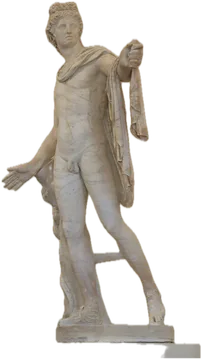
Brother through father · Sources
Братство или сестринство выведено из общего родителя: Зевс. Матери и отцы, не указанные в источнике, не предполагаются. Квалификация братства/сестринства: Илиада: Общий отец подтверждён; сведения о матерях неполны. Различие матерей не установлено. Общие родители: Зевс.
Wikidata: Зевс — пол родителя · P21 Wikidata: Лето — роль родителя · P25 Wikidata: Зевс — роль родителя · P22from the time when first they parted in strife Atreus' son, king of men, and brilliant Achilles. Who then of the gods was it that brought these two together to contend? The son of Leto and Zeus; for he in anger against the king roused throughout the host an evil pestilence, and the people began to perish,
And when they were come near as they advanced one against the other, the son and grandson of Zeus the cloud-gatherer, then Tlepolemus was first to speak, saying: Sarpedon, counsellor of the Lycians, why must thou be skulking here, that art a man unskilled in battle?They speak but a lie that say thou art sprung from Zeus that beareth the aegis, seeing thou art inferior far to those warriors that were sprung from Zeus in the days of men of old. Of other sort, men say, was mighty Heracles, my father, staunch in fight, the lionhearted,
And Tlepolemus smote Sarpedon upon the left thigh with his long spear, and the point sped through furiously and grazed the bone; howbeit his father as yet warded from him destruction. Then his goodly companions bare godlike Sarpedon forth from out the fight, and the long spear burdened him sore,as it trailed, but no man marked it or thought in their haste to draw forth from his thigh the spear of ash, that he might stand upon his feet; such toil had they in tending him. And on the other side the well-greaved Achaeans bare Tlepolemus from out the fight, and goodly Odysseusof the enduring soul was ware of it, and his spirit waxed furious within him; and he pondered then in heart and soul whether he should pursue further after the son of Zeus that thundereth aloud, or should rather take the lives of more Lycians. But not for great-hearted Odysseus was it ordained
Il. 1.9 · Il. 5.634–635 · Il. 5.662–672 · Il. 5.675 · Il. 6.198–199 · Il. 7.23 · Il. 12.292 · Il. 12.402–403 · Il. 15.67 · Il. 15.236 · Il. 16.522 · Il. 20.103 · Il. 21.229 · Il. 22.302
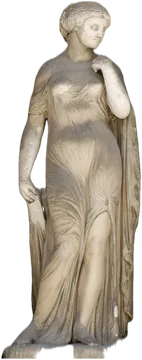
Sister through father · Sources
Братство или сестринство выведено из общего родителя: Зевс. Матери и отцы, не указанные в источнике, не предполагаются. Квалификация братства/сестринства: Илиада: Общий отец подтверждён; сведения о матерях неполны. Различие матерей не установлено. Общие родители: Зевс.
Гомер, Илиада — роль родителя · Ил. 3.236–238 Wikidata: Зевс — роль родителя · P22 Wikidata: Зевс — пол родителя · P21His battle-gear lieth upon the bounteous earth, but himself he rangeth like the bell-wether of a herd through the ranks of warriors. Like a ram he seemeth to me, a ram of thick fleece, that paceth through a great flock of white ewes. To him made answer Helen, sprung from Zeus:
and hate thee, even as now I love thee wondrously; and lest I devise grievous hatred between both, Trojans alike and Danaans; then wouldst thou perish of an evil fate. So spake she, and Helen, sprung from Zeus, was seized with fear; and she went, wrapping herself in her bright shining mantle,
And when they were come near as they advanced one against the other, the son and grandson of Zeus the cloud-gatherer, then Tlepolemus was first to speak, saying: Sarpedon, counsellor of the Lycians, why must thou be skulking here, that art a man unskilled in battle?They speak but a lie that say thou art sprung from Zeus that beareth the aegis, seeing thou art inferior far to those warriors that were sprung from Zeus in the days of men of old. Of other sort, men say, was mighty Heracles, my father, staunch in fight, the lionhearted,
Il. 3.199 · Il. 3.418 · Il. 5.634–635 · Il. 5.662–672 · Il. 5.675 · Il. 6.198–199 · Il. 12.292 · Il. 12.402–403 · Il. 15.67 · Il. 16.522
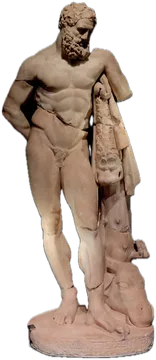
Brother through father · Sources
Братство или сестринство выведено из общего родителя: Зевс. Матери и отцы, не указанные в источнике, не предполагаются. Квалификация братства/сестринства: Илиада: Общий отец подтверждён; сведения о матерях неполны. Различие матерей не установлено. Общие родители: Зевс.
Wikidata: Зевс — пол родителя · P21And so suffered monstrous Hades even as the rest a bitter arrow, when this same man, the son of Zeus that beareth the aegis, smote him in Pylos amid the dead, and gave him over to pains. But he went to the house of Zeus and to high Olympus with grief at heart, pierced through with pains;
And when they were come near as they advanced one against the other, the son and grandson of Zeus the cloud-gatherer, then Tlepolemus was first to speak, saying: Sarpedon, counsellor of the Lycians, why must thou be skulking here, that art a man unskilled in battle?They speak but a lie that say thou art sprung from Zeus that beareth the aegis, seeing thou art inferior far to those warriors that were sprung from Zeus in the days of men of old. Of other sort, men say, was mighty Heracles, my father, staunch in fight, the lionhearted,
And Tlepolemus smote Sarpedon upon the left thigh with his long spear, and the point sped through furiously and grazed the bone; howbeit his father as yet warded from him destruction. Then his goodly companions bare godlike Sarpedon forth from out the fight, and the long spear burdened him sore,as it trailed, but no man marked it or thought in their haste to draw forth from his thigh the spear of ash, that he might stand upon his feet; such toil had they in tending him. And on the other side the well-greaved Achaeans bare Tlepolemus from out the fight, and goodly Odysseusof the enduring soul was ware of it, and his spirit waxed furious within him; and he pondered then in heart and soul whether he should pursue further after the son of Zeus that thundereth aloud, or should rather take the lives of more Lycians. But not for great-hearted Odysseus was it ordained
Il. 5.396 · Il. 5.634–635 · Il. 5.662–672 · Il. 5.675 · Il. 6.198–199 · Il. 8.363–365 · Il. 12.292 · Il. 12.402–403 · Il. 14.266 · Il. 14.324 · Il. 15.67 · Il. 16.522
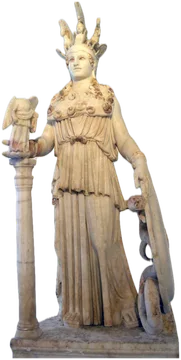
Sister through father · Sources
Братство или сестринство выведено из общего родителя: Зевс. Матери и отцы, не указанные в источнике, не предполагаются. Квалификация братства/сестринства: Илиада: Общий отец подтверждён; сведения о матерях неполны. Различие матерей не установлено. Общие родители: Зевс.
Wikidata: Зевс — роль родителя · P22 Wikidata: Зевс — пол родителя · P21Then he addressed her with winged words, and said: Why now, daughter of aegis-bearing Zeus, have you come? Is it so that you might see the arrogance of Agamemnon, son of Atreus? One thing I will tell you, and I think this will be brought to pass: through his own excessive pride shall he presently lose his life.
And with him there followed forty black ships. And they that held Athens, the well-built citadel, the land of great-hearted Erechtheus, whom of old Athene, daughter of Zeus, fostered, when the earth, the giver of grain, had borne him; and she made him to dwell in Athens, in her own rich sanctuary,
So would many a one of Achaeans and Trojans speak. But Athene entered the throng of the Trojans in the guise of a man, even of Laodocus, son of Antenor, a valiant spearman, in quest of god-like Pandarus, if haply she might find him. And she found Lycaon's son, peerless and stalwart,
Il. 1.202 · Il. 2.548 · Il. 4.87 · Il. 4.128 · Il. 4.515 · Il. 5.33 · Il. 5.115 · Il. 5.421 · Il. 5.634–635 · Il. 5.662–672 · Il. 5.675 · Il. 5.714 · Il. 5.733 · Il. 5.815 · Il. 5.875–880 · Il. 6.198–199 · Il. 6.303–304 · Il. 6.312 · Il. 7.24 · Il. 8.39 · Il. 8.352 · Il. 8.384 · Il. 8.427 · Il. 10.278 · Il. 10.284 · Il. 10.553 · Il. 12.292 · Il. 12.402–403 · Il. 15.67 · Il. 16.522 · Il. 19.342 · Il. 21.416 · Il. 22.178
See all 35
In art

Henri Leopold Levy. Henri lévy, sarpedon, 1874. Musée d'Orsay. CC BY 3.0. https://www.wikidata.org/wiki/Q64491301
Photograph / reproduction: Sailko
Photograph / reproduction date: 2015-12-09 13:12:18
Henri Leopold Levy. Henri lévy, sarpedon, 1874. Musée d'Orsay. CC BY 3.0. https://www.wikidata.org/wiki/Q64491301
Photograph / reproduction: Sailko
Photograph / reproduction date: 2015-12-09 13:12:18
See all 1
Sources and verification
The character is matched to the catalogue.
- Wikipedia · Sarpedon (Trojan War hero) · CC BY-SA 4.0
Excerpt; remaining sentences omitted.
Reference material remains distinct from the poem’s assertions. Characters who share a name retain separate pages.