Пройт
Mortal man
A character named in Homer's Iliad. The English introduction is not yet available.
Explore on the graph- Mentions
- 2
- Connected characters
- 2
- Books
- 1


Mentions in the Iliad
A. T. Murray, Loeb Classical Library, Harvard University Press, 1924 · Homer, Iliad with an English Translation · CC BY-SA 3.0 US
“and Glaucus begat peerless Bellerophon. To him the gods granted beauty and lovely manliness; but Proetus in his heart devised against him evil, and drave him, seeing he was mightier far, from the land of the Argives; for Zeus had made them subject to his sceptre.”
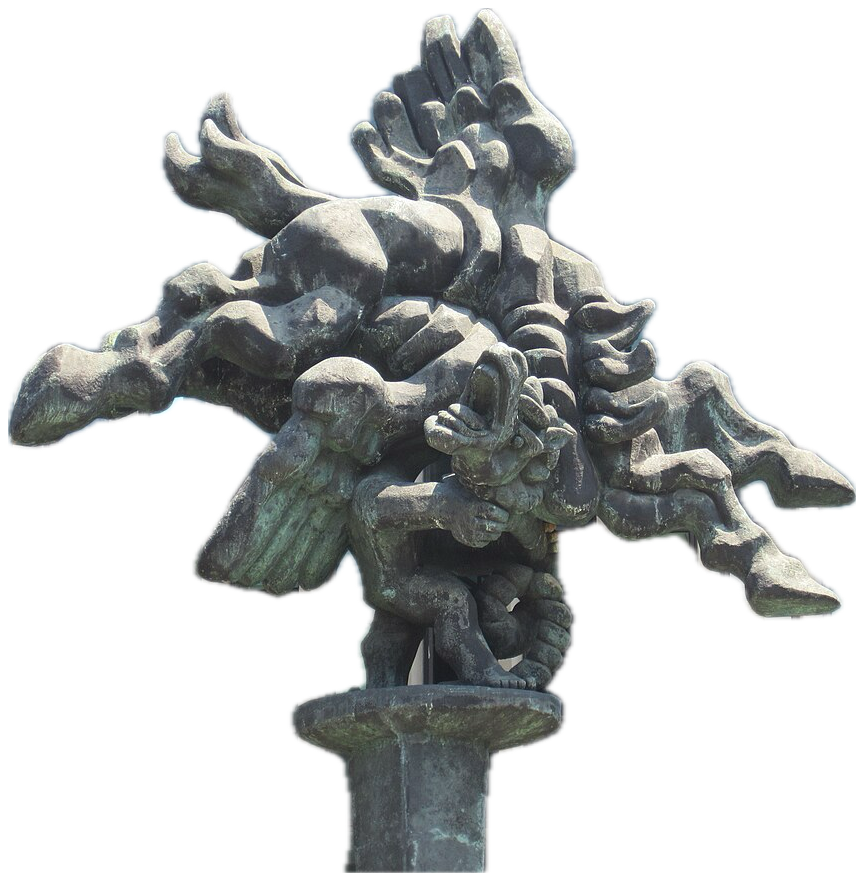

“then at length he questioned him and asked to see whatever token he bare from his daughter's husband, Proetus. But when he had received from him the evil token of his daughter's husband, first he bade him slay the raging Chimaera.”
See all 2
Connections
Wife · Sources
Wife · Sources
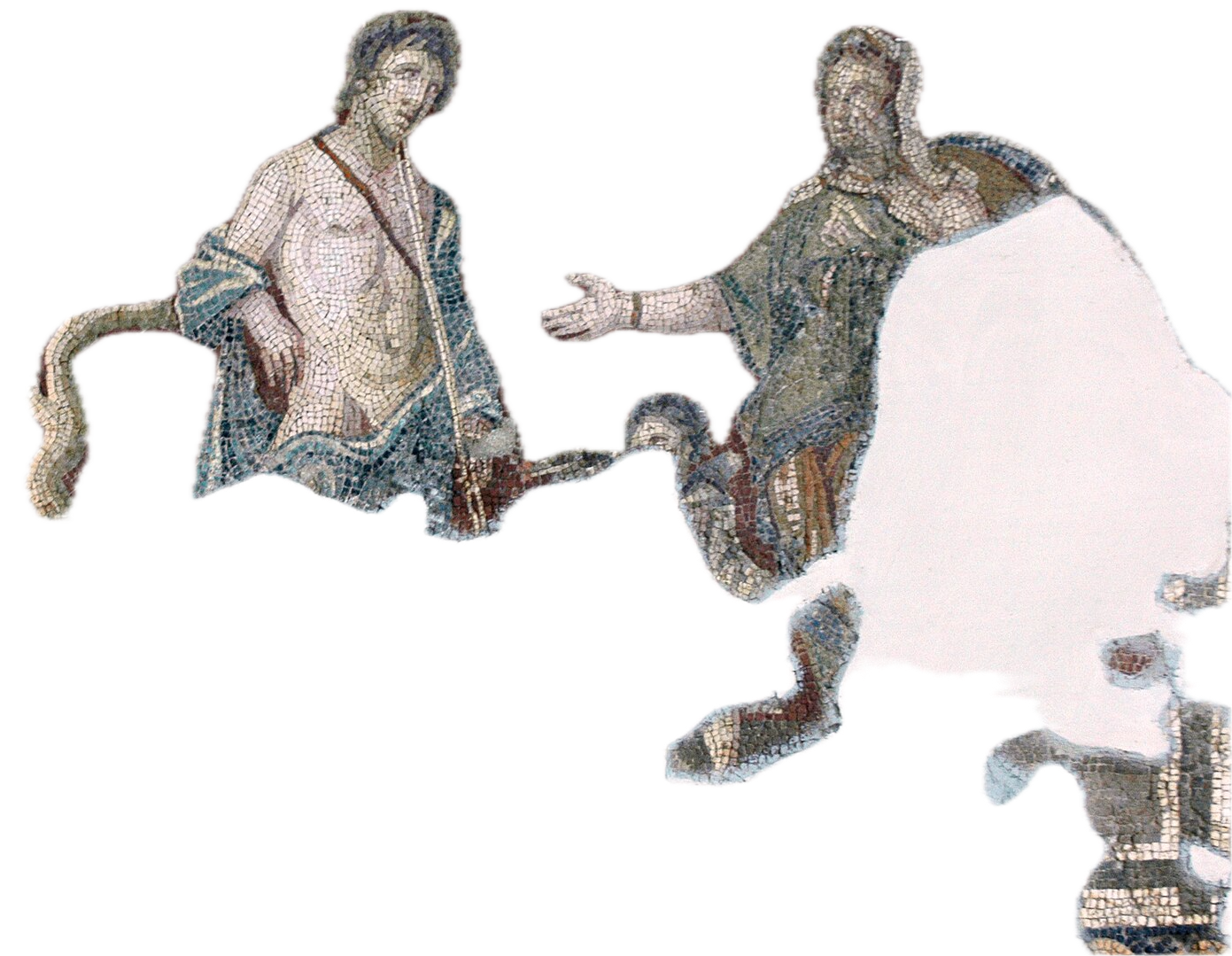
Now the wife of Proetus, fair Anteia, lusted madly for Bellerophon, to lie with him in secret love, but could in no wise prevail upon wise-hearted Bellerophon, for that his heart was upright. So she made a tale of lies, and spake to king Proetus: Either die thyself, Proetus, or slay Bellerophon,
Il. 6.160
Connection · Sources
Connection · Sources
and bade him show these to his own wife's father, that he might be slain. So he went his way to Lycia under the blameless escort of the gods. And when he was come to Lycia and the stream of Xanthus, then with a ready heart did the king of wide Lycia do him honour: for nine days' space he shewed him entertainment, and slew nine oxen. Howbeit when the tenth rosy-fingered Dawn appeared,then at length he questioned him and asked to see whatever token he bare from his daughter's husband, Proetus. But when he had received from him the evil token of his daughter's husband, first he bade him slay the raging Chimaera.
Il. 6.170–177
See all 2
In art
See all 0
There is nothing in this section yet.
04 / PROVENANCE
Sources and verification
The character is matched to the catalogue.
Reference material remains distinct from the poem’s assertions. Characters who share a name retain separate pages.