Paris
Mortal man
Paris (Ancient Greek: Πάρις, romanized: Páris), also known as Alexander (Ancient Greek: Ἀλέξανδρος, romanized: Aléxandros), is a figure from Greek mythology who appears in the numerous stories about the Trojan War, including the Iliad. He was prince of Troy, son of King Priam and Queen Hecuba, and younger brother of Prince Hector.
Explore on the graph- Mentions
- 47
- Connected characters
- 38
- Books
- 12


Mentions in the Iliad
A. T. Murray, Loeb Classical Library, Harvard University Press, 1924 · Homer, Iliad with an English Translation · CC BY-SA 3.0 US
“Now when they were come near, as they advanced one host against the other, among the Trojans there stood forth as champion godlike Alexander, bearing upon his shoulders a panther skin and his curved bow, and his sword; and brandishing two spears tipped with bronze he challenged all the best of Argives”
“to fight with him face to face in dread combat. But when Menelaus, dear to Ares, was ware of him as he came forth before the throng with long strides, then even as a lion is glad when he lighteth on a great carcase, having found a horned stag or a wild goat”
“and he withdraweth back again and pallor layeth hold of his cheeks; even so did godlike Alexander, seized with fear of Atreus' son, shrink back into the throng of the lordly Trojans. But Hector saw him, and chid him with words of shame: Evil Paris, most fair to look upon, thou that art mad after women, thou beguiler,”
“thy locks and thy comeliness, when thou shalt lie low in the dust. Nay, verily, the Trojans are utter cowards: else wouldest thou ere this have donned a coat of stone by reason of all the evil thou hast wrought. And to him did godlike Alexander make answer, saying: Hector, seeing that thou dost chide me duly, and not beyond what is due—”
“And Hector spake between the two hosts: Hear from me, ye Trojans and well-greaved Achaeans, the words of Alexander, for whose sake strife hath been set afoot. The other Trojans and all the Achaeans he biddeth to lay aside their goodly battle-gear upon the bounteous earth,”
“because of my quarrel and Alexander's beginning thereof. And for whichsoever of us twain death and fate are appointed, let him lie dead; but be ye others parted with all speed. Bring ye two lambs, a white ram and a black ewe, for Earth and Sun, and for Zeus we will bring another;”
“and they lean upon their shields, and beside them their long spears are fixed. But Alexander and Menelaus, dear to Ares, will do battle with their long spears for thee; and whoso shall conquer, his dear wife shalt thou be called. So spake the goddess, and put into her heart sweet longing”
See all 47
“neither one so royal: he is like unto one that is a king. And Helen, fair among women, answered him, saying: Revered art thou in mine eyes, dear father of my husband, and dread. Would that evil death had been my pleasure when I followed thy son hither, and left my bridal chamber and my kinfolk”
“Rise, thou son of Laomedon, the chieftains of the horse-taming Trojans, and of the brazen-coated Achaeans, summon thee to go down into the plain, that ye may swear oaths of faith with sacrifice. But Alexander and Menelaus, dear to Ares, will do battle with long spears for the woman's sake;”
“be ye witnesses, and watch over the oaths of faith. If Alexander slay Menelaus, then let him keep Helen and all her treasure; and we will depart in our seafaring ships. But if so be fair-haired Menelaus shall slay Alexander,”
“I verily will go my way back to windy Ilios, since I can in no wise bear to behold with mine eyes my dear son doing battle with Menelaus, dear to Ares. But this, I ween, Zeus knoweth, and the other immortal gods, for which of the twain the doom of death is ordained.”
“looking behind him the while; and straightway the lot of Paris leapt forth. Then the people sate them down in ranks, where were each man's high-stepping horses, and his inlaid armour was set. But goodly Alexander did on about his shoulders his beautiful armour, even he, the lord of fair-haired Helen.”
“The greaves first he set about his legs; beautiful they were, and fitted with silver ankle-pieces; next he did on about his chest the corselet of his brother Lycaon, and fitted it to himself. And about his shoulders he cast his silver-studded sword”
“and made prayer to father Zeus: Zeus, our king, grant that I may avenge me on him that was first to do me wrong, even on goodly Alexander, and subdue thou him beneath my hands; that many a one even of men yet to be may shudder to work evil to his host, that hath shown him friendship.”
“Father Zeus, than thou is no other god more baleful. Verily I deemed that I had got me vengeance upon Alexander for his wickedness, but now is my sword broken in my hands, and forth from my grasp has my spear flown in vain, and I smote him not. So saying, he sprang upon him, and seized him by the helmet with thick crest of horse-hair,”
“Come hither; Alexander calleth thee to go to thy home. There is he in his chamber and on his inlaid couch, gleaming with beauty and fair raiment. Thou wouldest not deem that he had come thither from warring with a foe, but rather that he was going to the dance, or sat there as one that had but newly ceased from the dance.”
“in silence; and she was unseen of the Trojan women; and the goddess led the way. Now when they were come to the beautiful palace of Alexander, the handmaids turned forthwith to their tasks, but she, the fair lady, went to the high-roofed chamber. And the goddess, laughter-loving Aphrodite, took for her a chair,”
“if anywhere he might have sight of godlike Alexander. But none of the Trojans or their famed allies could then discover Alexander to Menelaus, dear to Ares. Not for love verily were they fain to hide him, could any have seen him, for he was hated of all even as black death.”
“whereas by the side of that other laughter-loving Aphrodite ever standeth, and wardeth from him fate, and but now she saved him, when he thought to perish. But of a surety victory rests with Menelaus, dear to Ares; let us therefore take thought how these things are to be;”
“and wouldst win favour and renown in the eyes of all the Trojans, and of king Alexander most of all. From him of a surety wouldst thou before all others bear off glorious gifts, should he see Menelaus, the warlike son of Atreus, laid low by thy shaft, and set upon the grievous pyre.”
“Harmon's son, whose hands were skilled to fashion all manner of curious work; for Pallas Athene loved him above all men. He it was that had also built for Alexander the shapely ships, source of ills, that were made the bane of all the Trojans and of his own self, seeing he knew not in any wise the oracles of the gods.”
“and I will go after Paris, to summon him, if haply he will hearken to my bidding. Would that the earth might straightway gape for him! for in grievous wise hath the Olympian reared him as a bane to the Trojans and to great-hearted Priam, and the sons of Priam. If I but saw him going down to the house of Hades,”
“whom godlike Alexander had himself brought from Sidon, as he sailed over the wide sea on that journey on the which he brought back high-born Helen. Of these Hecabe took one, and bare it as an offering for Athene, the one that was fairest in its broiderings and amplest,”
“on Troy and the Trojans' wives and their little children. So spake she praying, but Pallas Athene denied the prayer. Thus were these praying to the daughter of great Zeus, but Hector went his way to the palace of Alexander, the fair palace that himself had builded with the men”
“whomso thou shouldest haply see shrinking from hateful war. Nay, then, rouse thee, lest soon the city blaze with consuming fire. And to him did godlike Alexander make answer, saying: Hector, seeing that thou dost chide me duly, and not beyond what is due, therefore will I tell thee; and do thou take thought and hearken unto me.”
“Bid me not sit, Helen, for all thou lovest me; thou wilt not persuade me. Even now my heart is impatient to bear aid to the Trojans that sorely long for me that am not with them. Nay, but rouse thou this man, and let him of himself make haste, that he may overtake me while yet I am within the city.”
“So in his own house they made lament for Hector while yet he lived; for they deemed that he should never more come back from battle, escaped from the might and the hands of the Achaeans. Nor did Paris tarry long in his lofty house, but did on his glorious armour, dight with bronze,”
“So saying, glorious Hector hastened forth from the gates, and with him went his brother Alexander; and in their hearts were both eager for war and battle. And as a god giveth to longing seamen”
“goodly Alexander, lord of fair-haired Helen; he made answer, and spake to him winged words: Antenor, this that thou sayest is no longer to my pleasure; yea thou knowest how to devise better words than these. But if thou verily speakest this in earnest,”
“For this present take ye your supper throughout the city, even as of old, and take heed to keep watch, and be wakeful every man; and at dawn let Idaeus go to the hollow ships to declare to Atreus' sons, Agamemnon and Menelaus, the word of Alexander, for whose sake strife hath been set afoot.”
“Let no man now accept the treasure from Alexander, nay, nor Helen; known is it, even to him who hath no wit at all, that now the cords of destruction are made fast upon the Trojans. So spake he, and all the sons of the Achaeans shouted aloud, applauding the saying of Diomedes, tamer of horses.”
“only Nestor of Gerenia abode, the warder of the Achaeans, and he nowise of his own will, but his horse was sore wounded, seeing goodly Alexander, lord of fair-haired Helen, had smitten him with an arrow upon the crown of the head where the foremost hairs of horses grow upon the skull, and where is the deadliest spot.”
“even so was no one of the Trojans able to ward off destruction from these twain, but themselves were driven in flight before the Argives. Then took he Peisander and Hippolochus, staunch in fight. Sons were they of wise-hearted Antimachus, who above all others in hope to receive gold from Alexander, goodly gifts,”
“Verily I will yet make an end of thee when I meet thee hereafter, if so be any god is helper to me likewise. But now will I make after the rest, whomsoever I may light upon. So spake he, and went on to strip of his armour the son of Paeon, famed for his spear. But Alexander, lord of fair-haired Helen,”
“had not Alexander, the lord of fair-haired Helen, stayed Machaon, shepherd of the host, in the midst of his valorous deeds, and smitten him on the right shoulder with a three-barbed arrow. Then sorely did the Achaeans breathing might fear for him, lest haply men should slay him in the turning of the fight.”
“and Eurypylus leapt upon him and set him to strip the harness from his shoulders. But when godlike Alexander marked him stripping the harness from Apisaon, forthwith he drew his bow against Eurypylus, and smote him with an arrow on the right thigh; and the reed of the arrow brake, yet was his thigh made heavy.”
“even they that were most in number and bravest, and that were most fain to break through the wall and fight by the hollow ships, and with them followed Cebriones as the third; for by his chariot had Hector left another man, weaker than Cebriones. The second company was led by Paris and Alcathous and Agenor, and the third by Helenus and godlike Deïphobus—”
“looking unto Deïphobus, and Paris, and goodly Agenor, that with himself were leaders of the Trojans; and after them followed the host, as sheep follow after the ram to water from the place of feeding, and the shepherd joyeth in his heart; even so the heart of Aeneas was glad in his breast,”
“And for his slaying waxed Paris mightily wroth at heart, for among the many Paphlagonians Harpalion had been his host; and in wrath for his sake he let fly a bronze-tipped arrow. A certain Euchenor there was, son of Polyidus the seer, a rich man and a valiant, and his abode was in Corinth.”
“But one he presently found on the left of the tearful battle, even goodly Alexander, the lord of fair-tressed Helen, heartening his comrades and urging them on to fight; and he drew near and spake to him with words of shame: Evil Paris, most fair to look upon, thou that art mad after women, thou beguiler,”
“where, I pray thee, is Deïphobus, and the valiant prince Helenus, and Adamas, son of Asius, and Asius, son of Hyrtacus? Aye, and where, tell me, is Othryoneus? Now is steep Ilios wholly plunged into ruin; now, thou mayest see, is utter destruction sure. Then spake unto him again godlike Alexander:”
“in the forefront of the fight, and Clonius was slain of goodly Agenor. And Deïochus did Paris smite from behind, as he fled amid the foremost fighters, upon the base of the shoulder, and drave the bronze clean through. While they were stripping the armour from these, meanwhile the Achaeans were flinging themselves into the digged trench and against the palisade,”
“and with her all the store of treasure that Alexander brought in his hollow ships to Troy —the which was the beginning of strife—will we give to the sons of Atreus to take away, and furthermore and separate therefrom will make due division with the Achaeans of all that this city holdeth; and if thereafter I take from the Trojans an oath sworn by the elders”
“Then even in dying spake unto him Hector of the flashing helm: Verily I know thee well, and forbode what shall be, neither was it to be that I should persuade thee; of a truth the heart in thy breast is of iron. Bethink thee now lest haply I bring the wrath of the gods upon thee on the day when Paris and Phoebus Apollo shall slay thee,”
“And the thing was pleasing unto all the rest, yet not unto Hera or Poseidon or the flashing-eyed maiden, but they continued even as when at the first sacred Ilios became hateful in their eyes and Priam and his folk, by reason of the sin of Alexander, for that he put reproach upon those goddesses when they came to his steading,”
“But for me, or ever mine eyes behold the city sacked and laid waste, may I go down into the house of Hades. He spake, and plying his staff went among the men, and they went forth from before the old man in his haste. Then called he aloud to his sons, chiding Helenus and Paris and goodly Agathon”
“So spake she wailing, and roused unabating lament. And thereafter Helen was the third to lead the wailing: Hector, far dearest to my heart of all my husband's brethren! In sooth my husband is godlike Alexander, that brought me to Troy-land —would I died ere then!”
Connections
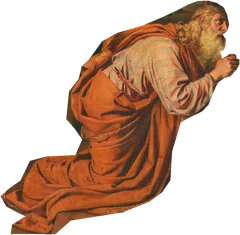
Father · Sources
when he is hungry; for greedily doth he devour it, even though swift dogs and lusty youths set upon him: even so was Menelaus glad when his eyes beheld godlike Alexander; for he thought that he had gotten him vengeance on the sinner. And forthwith he leapt in his armour from his chariot to the ground.
but to thy father and city and all the people a grievous bane—to thy foes a joy, but to thine own self a hanging down of the head? Wilt thou indeed not abide Menelaus, dear to Ares? Thou wouldest learn what manner of warrior he is whose lovely wife thou hast. Then will thy lyre help thee not, neither the gifts of Aphrodite,
and they lean upon their shields, and beside them their long spears are fixed. But Alexander and Menelaus, dear to Ares, will do battle with their long spears for thee; and whoso shall conquer, his dear wife shalt thou be called. So spake the goddess, and put into her heart sweet longing
Il. 3.28 · Il. 3.50 · Il. 3.136 · Il. 3.174 · Il. 3.253 · Il. 3.307 · Il. 4.96 · Il. 6.282–283 · Il. 6.512 · Il. 24.248–252
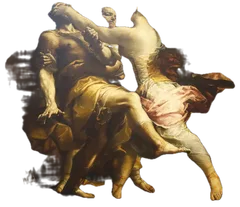
Mother · Sources
Hector, seeing it is thy mind to blame one in whom is no blame, at some other time have I haply withdrawn me from war rather than now, for my mother bare not even me wholly a weakling. For from the time thou didst rouse the battle of thy comrades beside the ships, even from that time we abide here and have dalliance with the Danaans
Il. 13.777
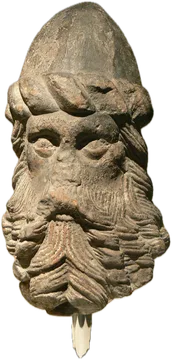
Brother · Sources
Квалификация братства/сестринства: Илиада: Общие отец и мать подтверждены. Общие родители: Гекуба, Приам.
Wikidata: Гекуба — роль родителя · P25 Wikidata: Приам — роль родителя · P22 Wikidata: Гекуба — роль родителя · P25 Wikidata: Приам — роль родителя · P22the spear-point of bronze, around which ran a ring of gold. He found Paris in his chamber busied with his beauteous arms, his shield and his corselet, and handling his curved bow; and Argive Helen sat amid her serving-women and appointed to them their glorious handiwork.
whomso thou shouldest haply see shrinking from hateful war. Nay, then, rouse thee, lest soon the city blaze with consuming fire. And to him did godlike Alexander make answer, saying: Hector, seeing that thou dost chide me duly, and not beyond what is due, therefore will I tell thee; and do thou take thought and hearken unto me.
he overtook goodly Hector, his brother, even as he was about to turn back from the place where he had dallied with his wife. Then godlike Alexander was first to speak to him, saying: My brother, full surely I delay thee in thine haste by my long tarrying, and came not in due season, as thou badest me.
Il. 6.321 · Il. 6.332 · Il. 6.515 · Il. 7.2 · Il. 13.766
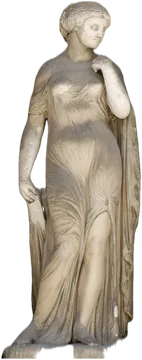
Wife · Sources
looking behind him the while; and straightway the lot of Paris leapt forth. Then the people sate them down in ranks, where were each man's high-stepping horses, and his inlaid armour was set. But goodly Alexander did on about his shoulders his beautiful armour, even he, the lord of fair-haired Helen.
in silence; and she was unseen of the Trojan women; and the goddess led the way. Now when they were come to the beautiful palace of Alexander, the handmaids turned forthwith to their tasks, but she, the fair lady, went to the high-roofed chamber. And the goddess, laughter-loving Aphrodite, took for her a chair,
and on the isle of Cranae had dalliance with thee on the couch of love—as now I love thee, and sweet desire layeth hold of me. He spake, and led the way to the couch, and with him followed his wife. Thus the twain were couched upon the corded bed; but the son of Atreus ranged through the throng like a wild beast,
Il. 3.328 · Il. 3.421 · Il. 3.447 · Il. 6.350 · Il. 7.355 · Il. 7.362 · Il. 8.82 · Il. 11.369 · Il. 11.505 · Il. 13.766 · Il. 24.763
Brother · Sources
Братство или сестринство выведено из общего родителя: Гекуба, Приам. Матери и отцы, не указанные в источнике, не предполагаются. Квалификация братства/сестринства: Илиада: Общие отец и мать подтверждены. Общие родители: Гекуба, Приам.
Wikidata: Гекуба — роль родителя · P25 Wikidata: Приам — роль родителя · P22 Wikidata: Гекуба — роль родителя · P25 Wikidata: Приам — роль родителя · P22when he is hungry; for greedily doth he devour it, even though swift dogs and lusty youths set upon him: even so was Menelaus glad when his eyes beheld godlike Alexander; for he thought that he had gotten him vengeance on the sinner. And forthwith he leapt in his armour from his chariot to the ground.
but to thy father and city and all the people a grievous bane—to thy foes a joy, but to thine own self a hanging down of the head? Wilt thou indeed not abide Menelaus, dear to Ares? Thou wouldest learn what manner of warrior he is whose lovely wife thou hast. Then will thy lyre help thee not, neither the gifts of Aphrodite,
and they lean upon their shields, and beside them their long spears are fixed. But Alexander and Menelaus, dear to Ares, will do battle with their long spears for thee; and whoso shall conquer, his dear wife shalt thou be called. So spake the goddess, and put into her heart sweet longing
Il. 3.28 · Il. 3.50 · Il. 3.136 · Il. 3.174 · Il. 3.253 · Il. 3.307 · Il. 4.96 · Il. 6.282–283 · Il. 6.512 · Il. 12.95 · Il. 13.156 · Il. 13.777 · Il. 22.233–234 · Il. 24.248–252
Sister through father · Sources
Братство или сестринство выведено из общего родителя: Приам. Матери и отцы, не указанные в источнике, не предполагаются. Квалификация братства/сестринства: Илиада: Общий отец подтверждён; сведения о матерях неполны. Различие матерей не установлено. Общие родители: Приам.
Wikidata: Приам — пол родителя · P21 Wikidata: Гекуба — роль родителя · P25 Wikidata: Приам — роль родителя · P22when he is hungry; for greedily doth he devour it, even though swift dogs and lusty youths set upon him: even so was Menelaus glad when his eyes beheld godlike Alexander; for he thought that he had gotten him vengeance on the sinner. And forthwith he leapt in his armour from his chariot to the ground.
but to thy father and city and all the people a grievous bane—to thy foes a joy, but to thine own self a hanging down of the head? Wilt thou indeed not abide Menelaus, dear to Ares? Thou wouldest learn what manner of warrior he is whose lovely wife thou hast. Then will thy lyre help thee not, neither the gifts of Aphrodite,
and they lean upon their shields, and beside them their long spears are fixed. But Alexander and Menelaus, dear to Ares, will do battle with their long spears for thee; and whoso shall conquer, his dear wife shalt thou be called. So spake the goddess, and put into her heart sweet longing
Il. 3.28 · Il. 3.50 · Il. 3.136 · Il. 3.174 · Il. 3.253 · Il. 3.307 · Il. 4.96 · Il. 6.282–283 · Il. 6.512 · Il. 13.365 · Il. 24.248–252
Brother through father · Sources
Братство или сестринство выведено из общего родителя: Приам. Матери и отцы, не указанные в источнике, не предполагаются. Квалификация братства/сестринства: Илиада: Общий отец подтверждён; сведения о матерях неполны. Различие матерей не установлено. Общие родители: Приам.
Wikidata: Приам — пол родителя · P21 Wikidata: Гекуба — роль родителя · P25 Wikidata: Приам — роль родителя · P22when he is hungry; for greedily doth he devour it, even though swift dogs and lusty youths set upon him: even so was Menelaus glad when his eyes beheld godlike Alexander; for he thought that he had gotten him vengeance on the sinner. And forthwith he leapt in his armour from his chariot to the ground.
but to thy father and city and all the people a grievous bane—to thy foes a joy, but to thine own self a hanging down of the head? Wilt thou indeed not abide Menelaus, dear to Ares? Thou wouldest learn what manner of warrior he is whose lovely wife thou hast. Then will thy lyre help thee not, neither the gifts of Aphrodite,
and they lean upon their shields, and beside them their long spears are fixed. But Alexander and Menelaus, dear to Ares, will do battle with their long spears for thee; and whoso shall conquer, his dear wife shalt thou be called. So spake the goddess, and put into her heart sweet longing
Il. 3.28 · Il. 3.50 · Il. 3.136 · Il. 3.174 · Il. 3.253 · Il. 3.307 · Il. 4.96 · Il. 6.282–283 · Il. 6.512 · Il. 8.303 · Il. 24.248–252
See all 38
In art

Peter Paul Rubens. Death of Achilles. Courtauld Gallery. Public domain. https://www.wikidata.org/wiki/Q111287761
Peter Paul Rubens. Death of Achilles. Courtauld Gallery. Public domain. https://www.wikidata.org/wiki/Q111287761

Angelica Kauffmann. Hector Upbraiding Paris for his Retreat from Battle. National Museum of Western Art. Public domain. https://www.wikidata.org/wiki/Q141367153
Photograph / reproduction: Angelica Kauffmann
Photograph / reproduction date: 1770s
Angelica Kauffmann. Hector Upbraiding Paris for his Retreat from Battle. National Museum of Western Art. Public domain. https://www.wikidata.org/wiki/Q141367153
Photograph / reproduction: Angelica Kauffmann
Photograph / reproduction date: 1770s
Bertholet Flémal. Achilles wounded in the Heel. Nationalmuseum. Public domain. https://www.wikidata.org/wiki/Q18600036
Photograph / reproduction: Bertholet Flémal
Photograph / reproduction date: 17th century
Bertholet Flémal. Achilles wounded in the Heel. Nationalmuseum. Public domain. https://www.wikidata.org/wiki/Q18600036
Photograph / reproduction: Bertholet Flémal
Photograph / reproduction date: 17th century

Peter Paul Rubens. The Death of Achilles. Museum Boijmans Van Beuningen. Public domain. https://www.wikidata.org/wiki/Q19926216
Peter Paul Rubens. The Death of Achilles. Museum Boijmans Van Beuningen. Public domain. https://www.wikidata.org/wiki/Q19926216

Peter Paul Rubens. The death of Achilles. Ducal Palace of Vila Viçosa. Public domain. https://www.wikidata.org/wiki/Q111908335
Peter Paul Rubens. The death of Achilles. Ducal Palace of Vila Viçosa. Public domain. https://www.wikidata.org/wiki/Q111908335

Gerard Peemans. The Death of Achilles. Rubenshuis. Public domain. https://www.wikidata.org/wiki/Q90729415
Gerard Peemans. The Death of Achilles. Rubenshuis. Public domain. https://www.wikidata.org/wiki/Q90729415

Marie-Lan Nguyen. Cassandra prophecies MAR Naples. собрание не указано. Public domain. https://commons.wikimedia.org/wiki/File%3ACassandra_prophecies_MAR_Naples.jpg
Photograph / reproduction: Marie-Lan Nguyen
Photograph / reproduction date: 2006

Marie-Lan Nguyen. Cassandra prophecies MAR Naples. собрание не указано. Public domain. https://commons.wikimedia.org/wiki/File%3ACassandra_prophecies_MAR_Naples.jpg
Photograph / reproduction: Marie-Lan Nguyen
Photograph / reproduction date: 2006
See all 291
Sources and verification
The character is matched to the catalogue.
- Wikipedia · Paris (mythology) · CC BY-SA 4.0
Excerpt; remaining sentences omitted.
Reference material remains distinct from the poem’s assertions. Characters who share a name retain separate pages.