Фессал
Mortal man
A character named in Homer's Iliad. The English introduction is not yet available.
Explore on the graph- Mentions
- 1
- Connected characters
- 8
- Books
- 1


Mentions in the Iliad
A. T. Murray, Loeb Classical Library, Harvard University Press, 1924 · Homer, Iliad with an English Translation · CC BY-SA 3.0 US
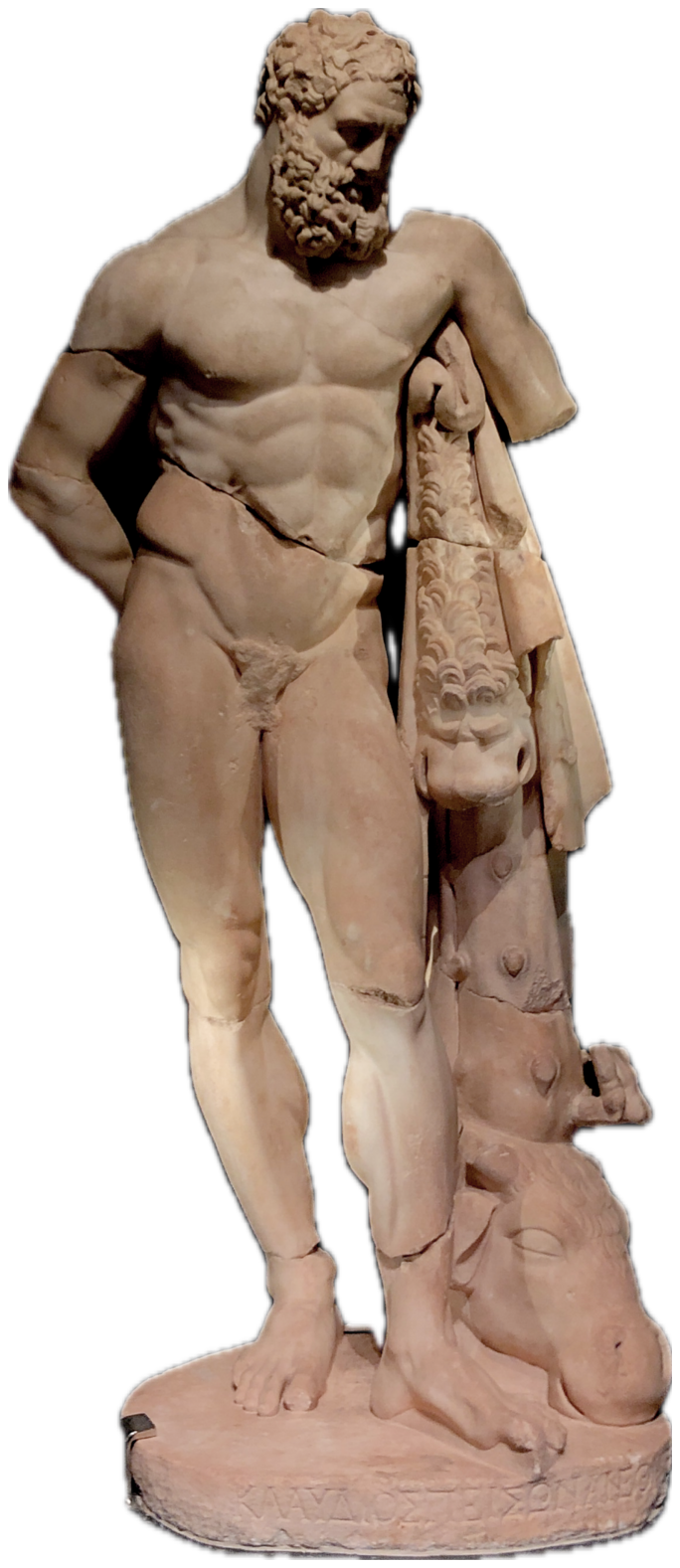
“Howbeit he was a weakling, and but few people followed with him. And they that held Nisyrus and Crapathus and Casus and Cos, the city of Eurypylus, and the Calydnian isles, these again were led by Pheidippus and Antiphus, the two sons of king Thessalus, son of Heracles.”
See all 1
Connections
Father · Sources
Howbeit he was a weakling, and but few people followed with him. And they that held Nisyrus and Crapathus and Casus and Cos, the city of Eurypylus, and the Calydnian isles, these again were led by Pheidippus and Antiphus, the two sons of king Thessalus, son of Heracles.
Il. 2.679
Brother · Sources
Братство или сестринство выведено из общего родителя: Геракл. Матери и отцы, не указанные в источнике, не предполагаются.
that dwelt in Rhodes sundered in three divisions—in Lindos and Ialysus and Cameirus, white with chalk. These were led by Tlepolemus, famed for his spear, he that was born to mighty Heracles by Astyocheia, whom he had led forth out of Ephyre from the river Selleïs,
Howbeit he was a weakling, and but few people followed with him. And they that held Nisyrus and Crapathus and Casus and Cos, the city of Eurypylus, and the Calydnian isles, these again were led by Pheidippus and Antiphus, the two sons of king Thessalus, son of Heracles.
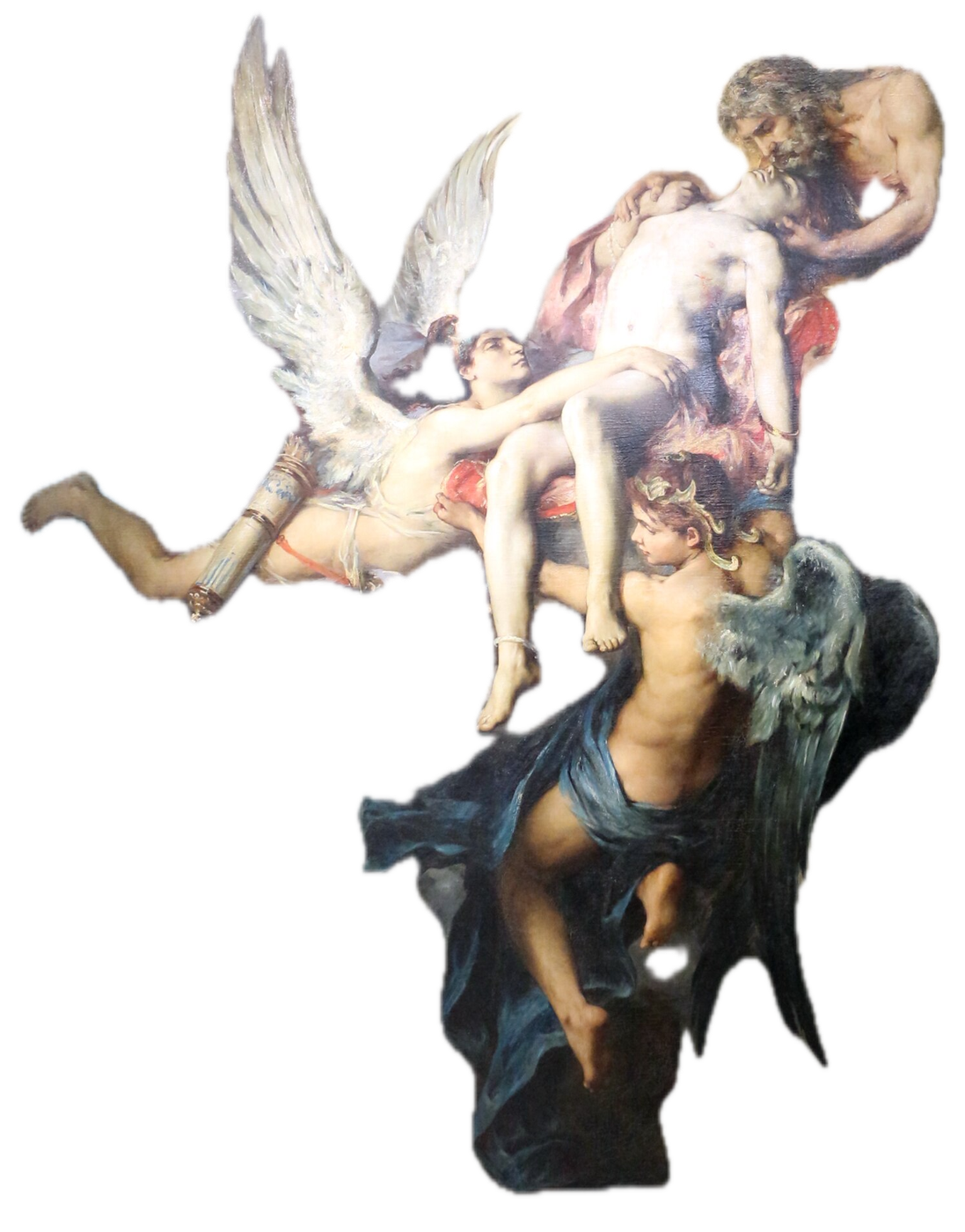
for all he was so tall and mighty and lordly, thrust him from them; and he gave ground and was made to reel. So these toiled in the mighty conflict, but Tlepolemus, son of Heracles, a valiant man and tall, was roused by resistless fate against godlike Sarpedon.
Il. 2.658 · Il. 2.679 · Il. 5.628 · Il. 5.638–639
Son · Sources
Howbeit he was a weakling, and but few people followed with him. And they that held Nisyrus and Crapathus and Casus and Cos, the city of Eurypylus, and the Calydnian isles, these again were led by Pheidippus and Antiphus, the two sons of king Thessalus, son of Heracles.
Il. 2.678–679
Son · Sources
Howbeit he was a weakling, and but few people followed with him. And they that held Nisyrus and Crapathus and Casus and Cos, the city of Eurypylus, and the Calydnian isles, these again were led by Pheidippus and Antiphus, the two sons of king Thessalus, son of Heracles.
Il. 2.678–679

Grandfather · Sources
Происхождение выведено по цепочке родителей: Зевс → Геракл → Фессал.
Howbeit he was a weakling, and but few people followed with him. And they that held Nisyrus and Crapathus and Casus and Cos, the city of Eurypylus, and the Calydnian isles, these again were led by Pheidippus and Antiphus, the two sons of king Thessalus, son of Heracles.
And so suffered monstrous Hades even as the rest a bitter arrow, when this same man, the son of Zeus that beareth the aegis, smote him in Pylos amid the dead, and gave him over to pains. But he went to the house of Zeus and to high Olympus with grief at heart, pierced through with pains;
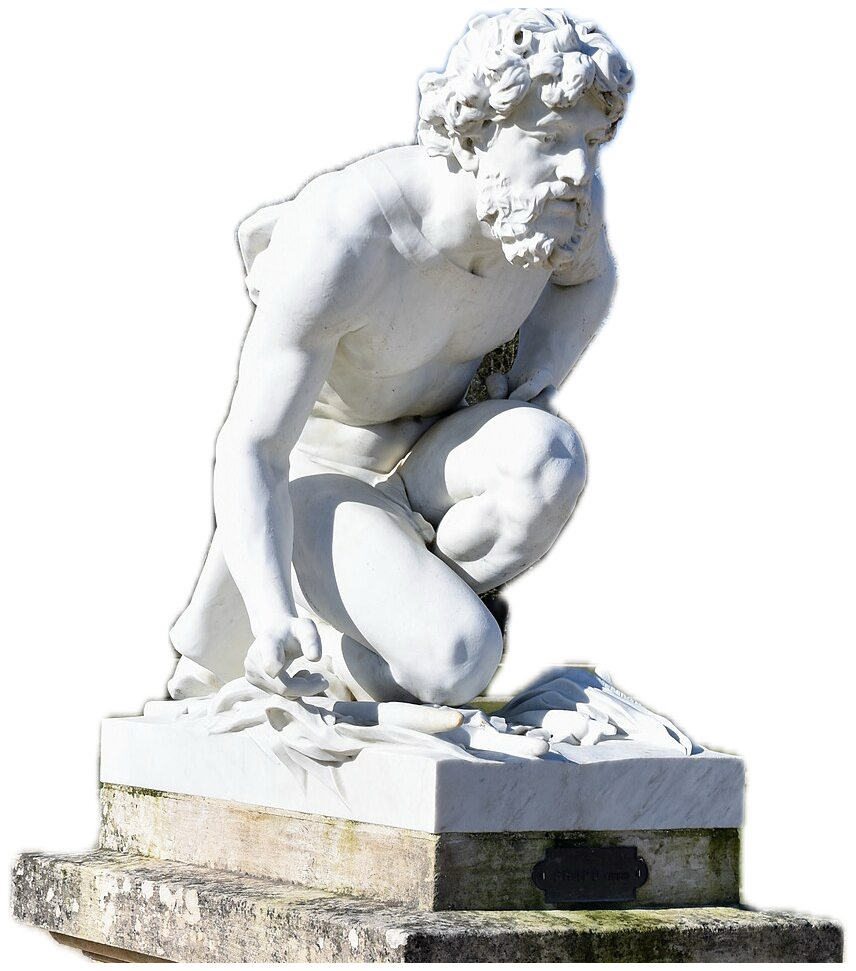
howbeit mine own father rageth with evil mind, cruel that he is, ever froward, a thwarter of my purposes; neither hath he any memory of this, that full often I saved his son when he was fordone by reason of Eurystheus' tasks. For verily he would make lament toward heaven and from heaven would Zeussend me forth to succour him. Had I but known all this in wisdom of my heart when Eurystheus sent him forth to the house of Hades the Warder, to bring from out of Erebus the hound of loathed Hades, then had he not escaped the sheer-falling waters of Styx.
Il. 2.679 · Il. 5.396 · Il. 8.363–365 · Il. 14.266 · Il. 14.324
Grandmother · Sources
Происхождение выведено по цепочке родителей: Алкмена → Геракл → Фессал.
Howbeit he was a weakling, and but few people followed with him. And they that held Nisyrus and Crapathus and Casus and Cos, the city of Eurypylus, and the Calydnian isles, these again were led by Pheidippus and Antiphus, the two sons of king Thessalus, son of Heracles.
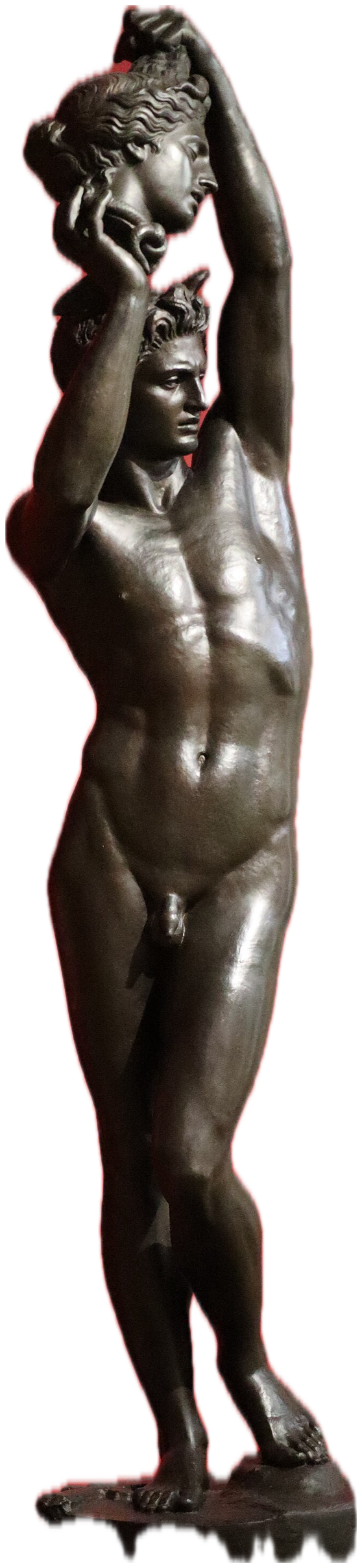
who bare Perseus, pre-eminent above all warriors; nor of the daughter of far-famed Phoenix, that bare me Minos and godlike Rhadamanthys; nor of Semele, nor of Alcmene in Thebes, and she brought forth Heracles, her son stout of heart,
Il. 2.679 · Il. 14.324
Great-grandfather · Sources
Происхождение выведено по цепочке родителей: Кронос → Зевс → Геракл → Фессал.
one king, to whom the son of crooked-counselling Cronos hath vouchsafed the sceptre and judgments, that he may take counsel for his people. Thus masterfully did he range through the host, and they hasted back to the place of gathering from their ships and huts with noise, as when a wave of the loud-resounding sea
and the mother fluttered around them, wailing for her dear little ones; howbeit he coiled himself and caught her by the wing as she screamed about him. But when he had devoured the sparrow's little ones and the mother with them, the god, who had brought him to the light, made him to be unseen; for the son of crooked-counselling Cronos turned him to stone;
Howbeit he was a weakling, and but few people followed with him. And they that held Nisyrus and Crapathus and Casus and Cos, the city of Eurypylus, and the Calydnian isles, these again were led by Pheidippus and Antiphus, the two sons of king Thessalus, son of Heracles.
Il. 2.205–206 · Il. 2.319 · Il. 2.679 · Il. 4.75 · Il. 5.396 · Il. 8.363–365 · Il. 9.37 · Il. 9.171 · Il. 9.236 · Il. 9.419 · Il. 9.502 · Il. 9.686 · Il. 10.71 · Il. 14.266 · Il. 14.324 · Il. 15.187 · Il. 16.431 · Il. 18.293
See all 8
Great-grandmother · Sources
Происхождение выведено по цепочке родителей: Рея → Зевс → Геракл → Фессал.
Howbeit he was a weakling, and but few people followed with him. And they that held Nisyrus and Crapathus and Casus and Cos, the city of Eurypylus, and the Calydnian isles, these again were led by Pheidippus and Antiphus, the two sons of king Thessalus, son of Heracles.
And so suffered monstrous Hades even as the rest a bitter arrow, when this same man, the son of Zeus that beareth the aegis, smote him in Pylos amid the dead, and gave him over to pains. But he went to the house of Zeus and to high Olympus with grief at heart, pierced through with pains;
howbeit mine own father rageth with evil mind, cruel that he is, ever froward, a thwarter of my purposes; neither hath he any memory of this, that full often I saved his son when he was fordone by reason of Eurystheus' tasks. For verily he would make lament toward heaven and from heaven would Zeussend me forth to succour him. Had I but known all this in wisdom of my heart when Eurystheus sent him forth to the house of Hades the Warder, to bring from out of Erebus the hound of loathed Hades, then had he not escaped the sheer-falling waters of Styx.
Il. 2.679 · Il. 5.396 · Il. 8.363–365 · Il. 14.266 · Il. 14.324 · Il. 15.187
In art
See all 0
There is nothing in this section yet.
04 / PROVENANCE
Sources and verification
The character is matched to the catalogue.
Reference material remains distinct from the poem’s assertions. Characters who share a name retain separate pages.