Anchises
Mortal man
In Greek and Roman mythology, Anchises (; Ancient Greek: Ἀγχίσης, romanized: Ankhísēs) was a member of the royal family of Troy. He was said to have been the son of King Capys of Dardania and Themiste, daughter of Ilus, who was son of Tros.
Explore on the graph- Mentions
- 19
- Connected characters
- 13
- Books
- 7


Mentions in the Iliad
A. T. Murray, Loeb Classical Library, Harvard University Press, 1924 · Homer, Iliad with an English Translation · CC BY-SA 3.0 US
“There on this day did the Trojans and their allies separate their companies. The Trojans were led by great Hector of the flashing helm, the son of Priam, and with him were marshalled the greatest hosts by far and the goodliest, raging with the spear. Of the Dardanians again the valiant son of Anchises was captain,”

“if again Zeus shall vouchsafe glory to Tydeus' son Diomedes. Come, therefore, take thou now the lash and the shining reins, and I will dismount to fight; or else do thou await his onset, and I will look to the horses. Then made answer to him the glorious son of Lycaon:”


“For they are of that stock wherefrom Zeus, whose voice is borne afar, gave to Tros recompense for his son Ganymedes, for that they were the best of all horses that are beneath the dawn and the sun. Of this stock the king of men Anchises stole a breed, putting his mares to them while Laomedon knew naught thereof.”
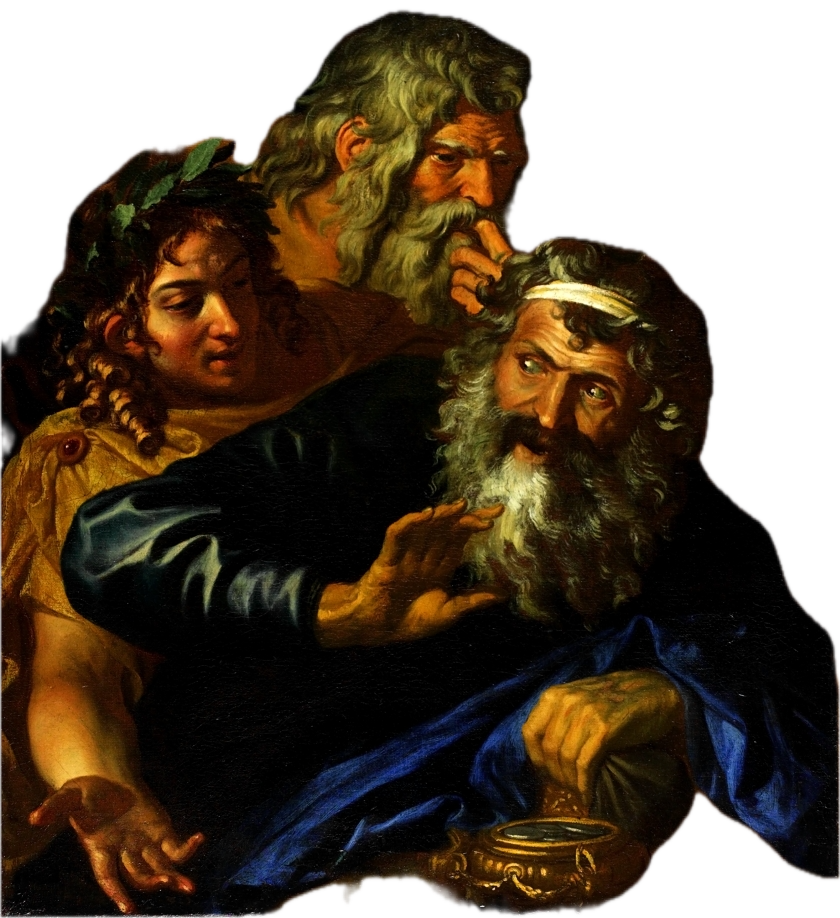
“upon the earth; and dark night enfolded his eyes. And now would the king of men, Aeneas, have perished, had not the daughter of Zeus, Aphrodite, been quick to mark, even his mother, that conceived him to Anchises as he tended his kine. About her dear son she flung her white arms,”
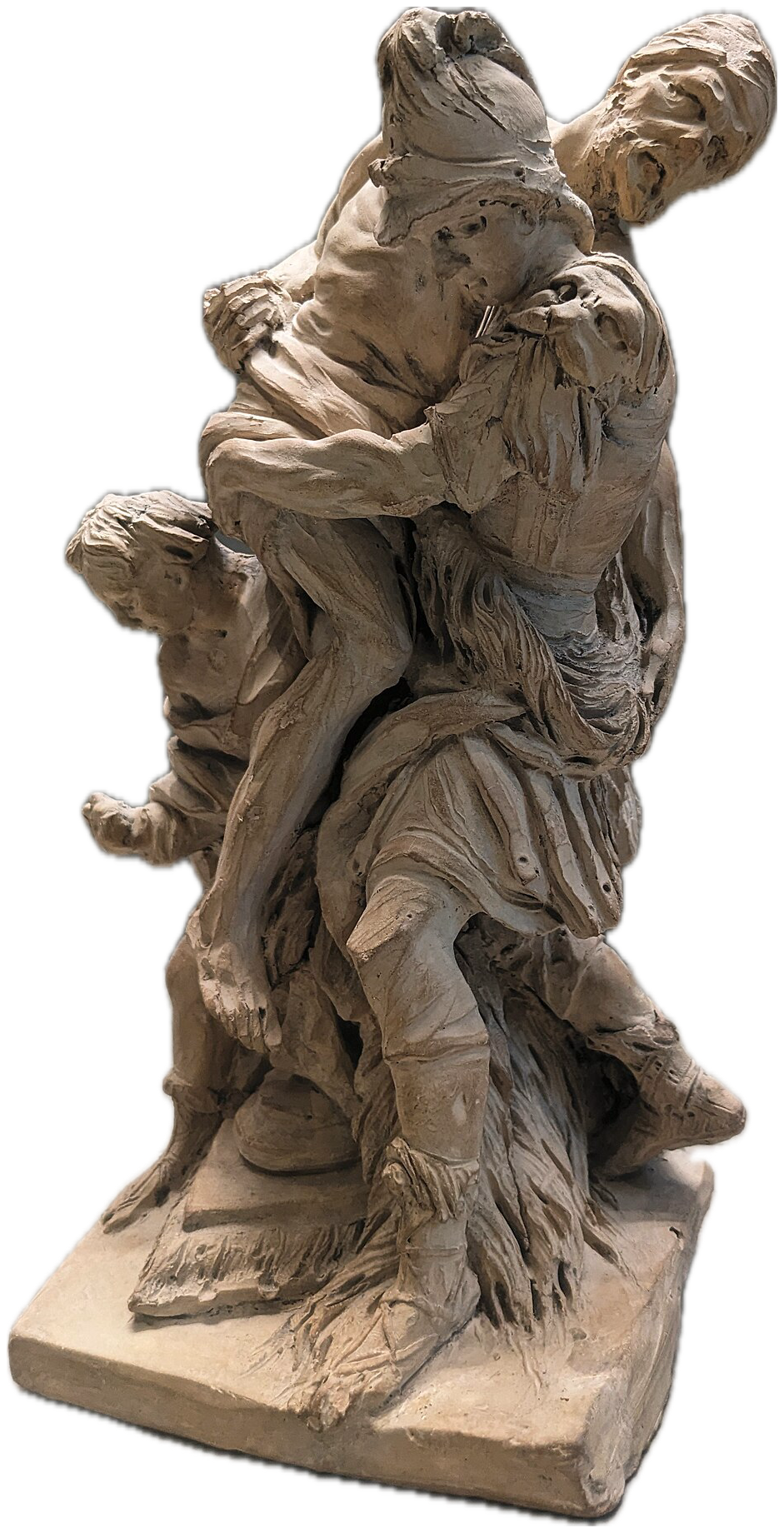
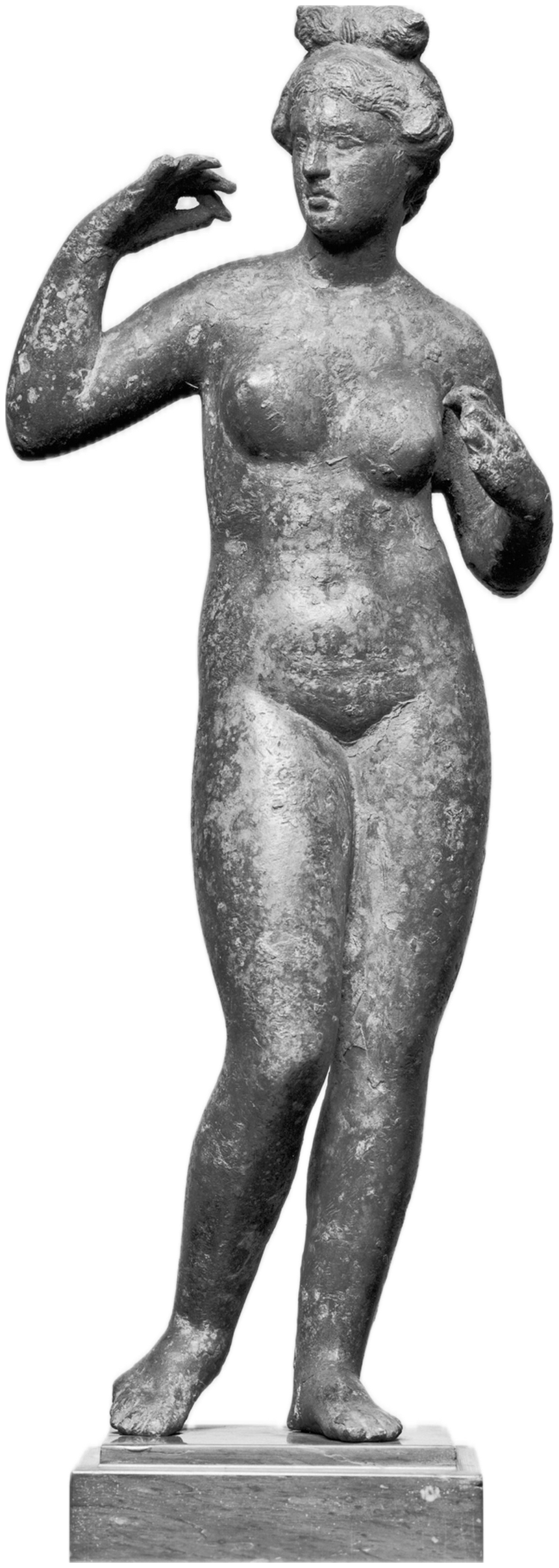
“Aeneas then did Apollo set apart from the throng in sacred Pergamus where was his temple builded. There Leto and the archer Artemis healed him in the great sanctuary, and glorified him; but Apollo of the silver bow fashioned a wraith”
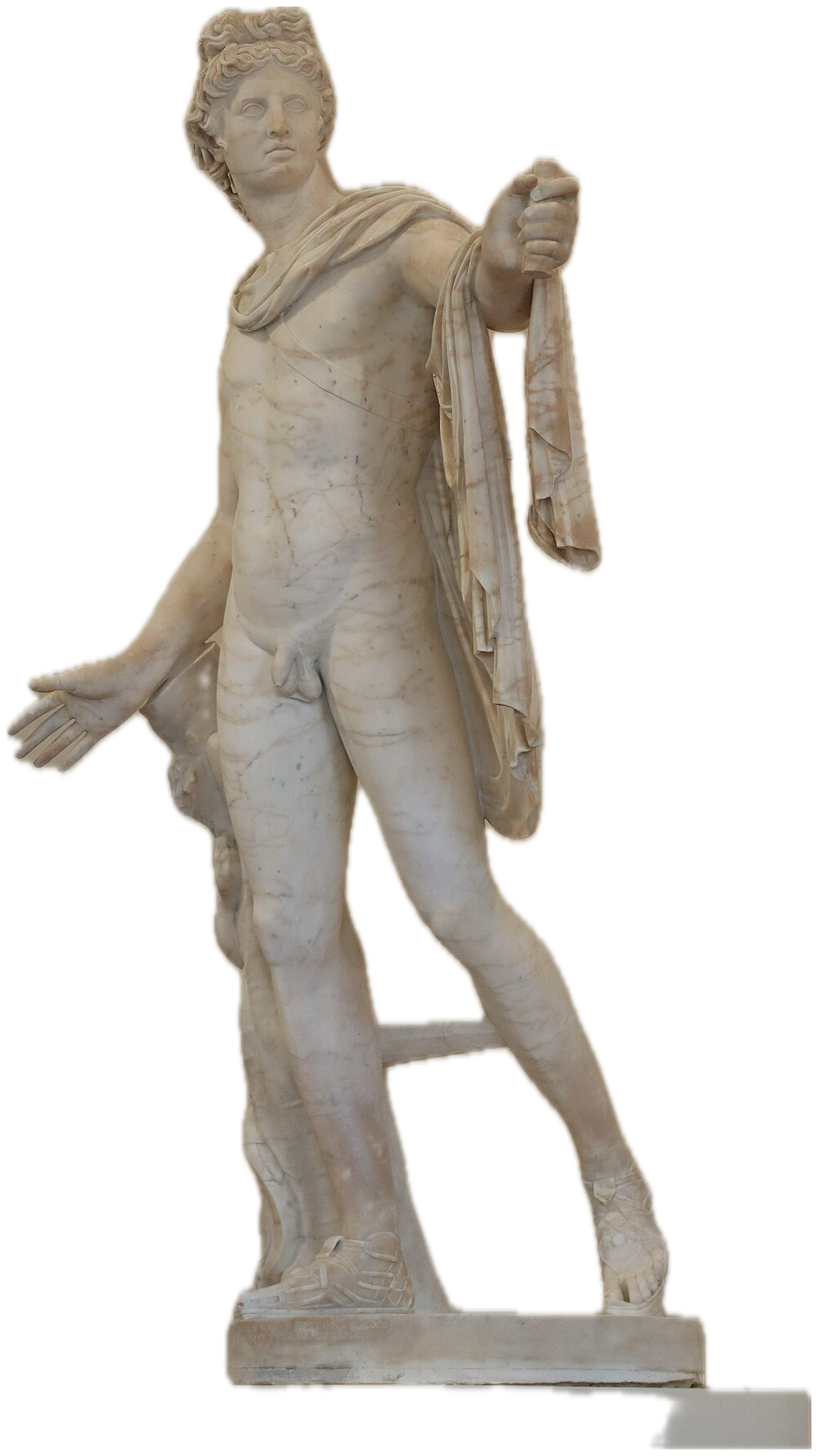
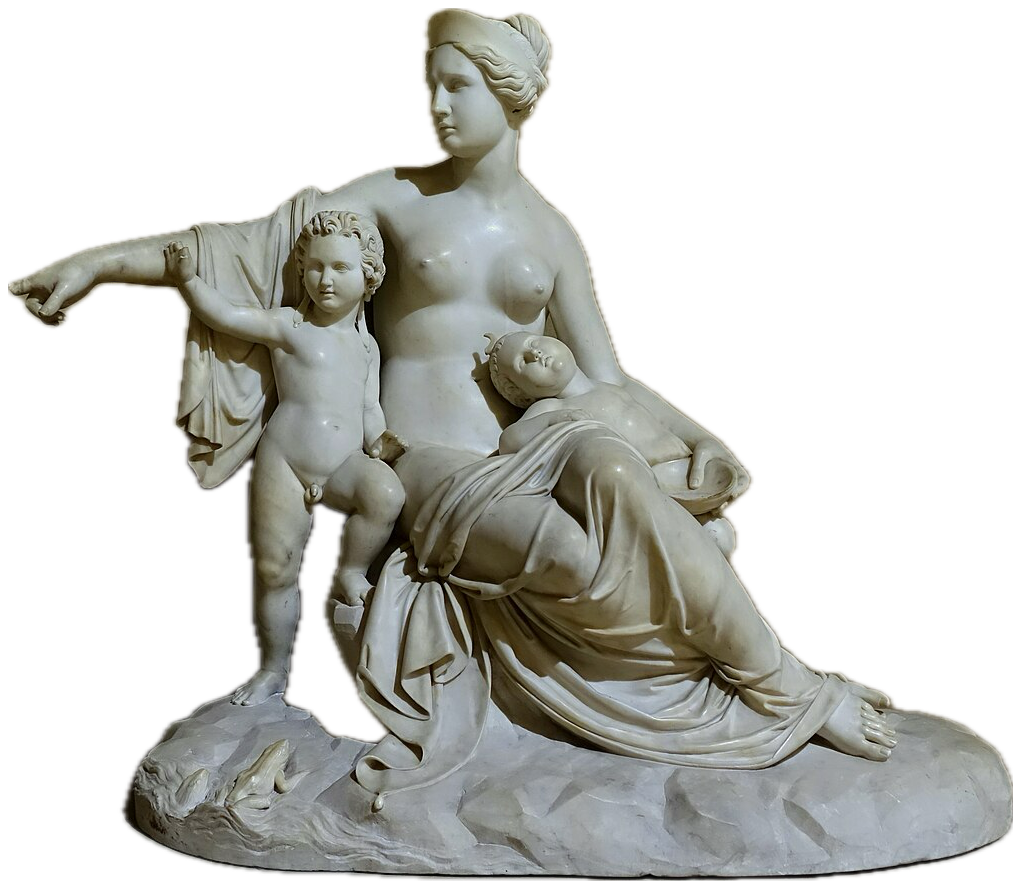
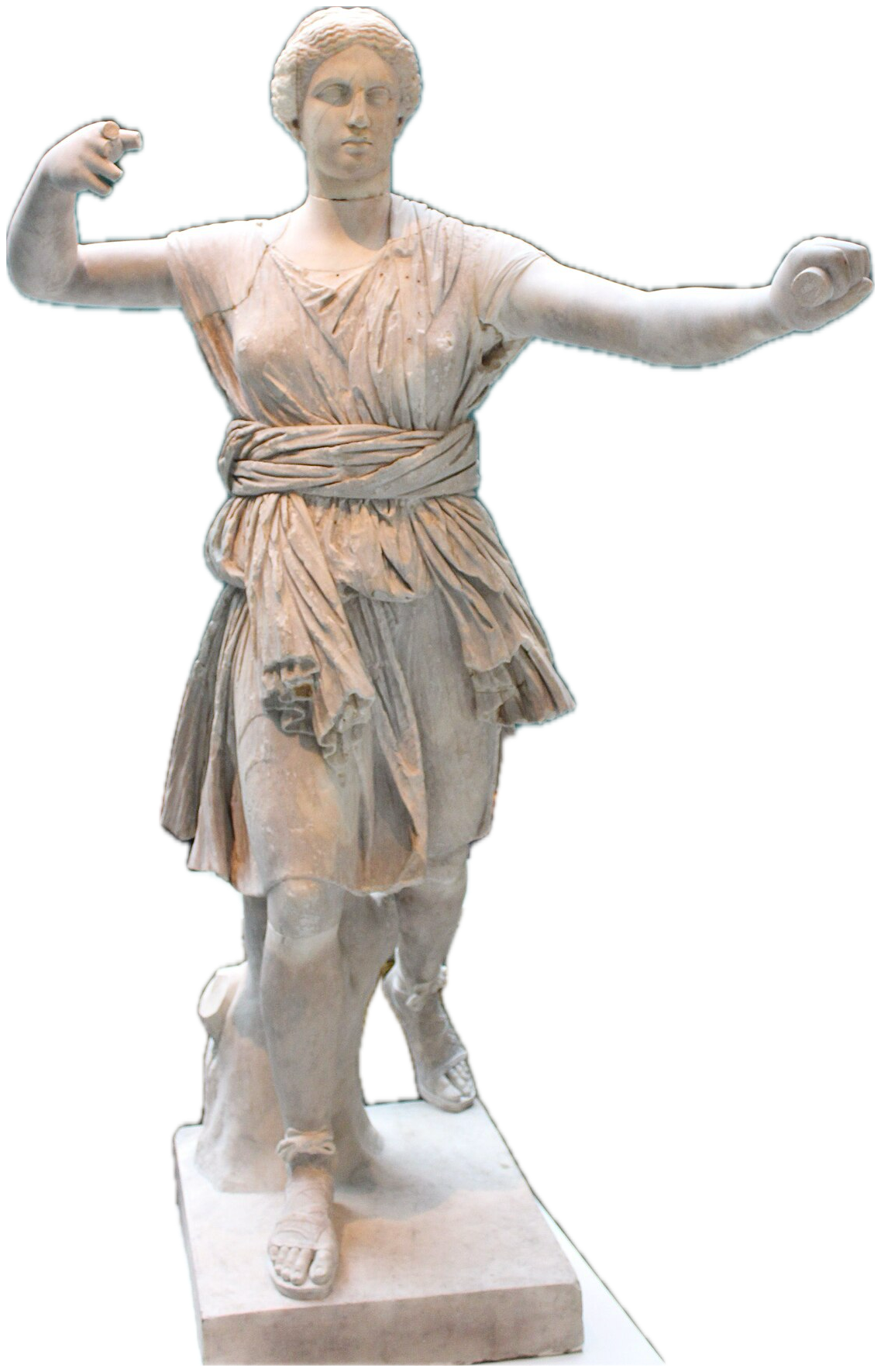
“how long will ye still suffer your host to be slain by the Achaeans? Shall it be until such time as they fight about our well-built gates? Low lieth a man whom we honoured even as goodly Hector, Aeneas, son of great-hearted Anchises. Nay, come, let us save from out the din of conflict our noble comrade.”
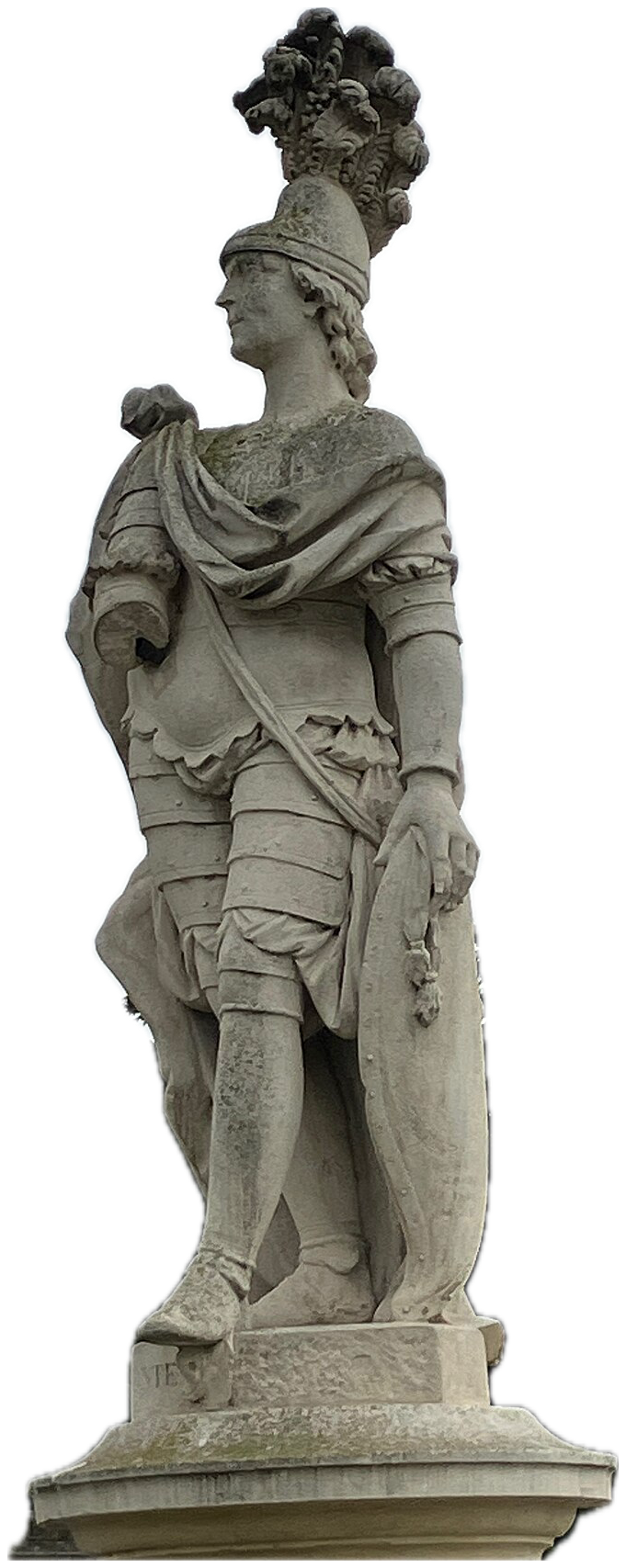
See all 19
“to enwrap some one of the Trojans in the darkness of night, or himself to fall in warding off ruin from the Achaeans. Then the dear son of Aesyetes, fostered of Zeus, the warrior Alcathous—son by marriage was he to Anchises, and had married the eldest of his daughters, Hippodameia,”
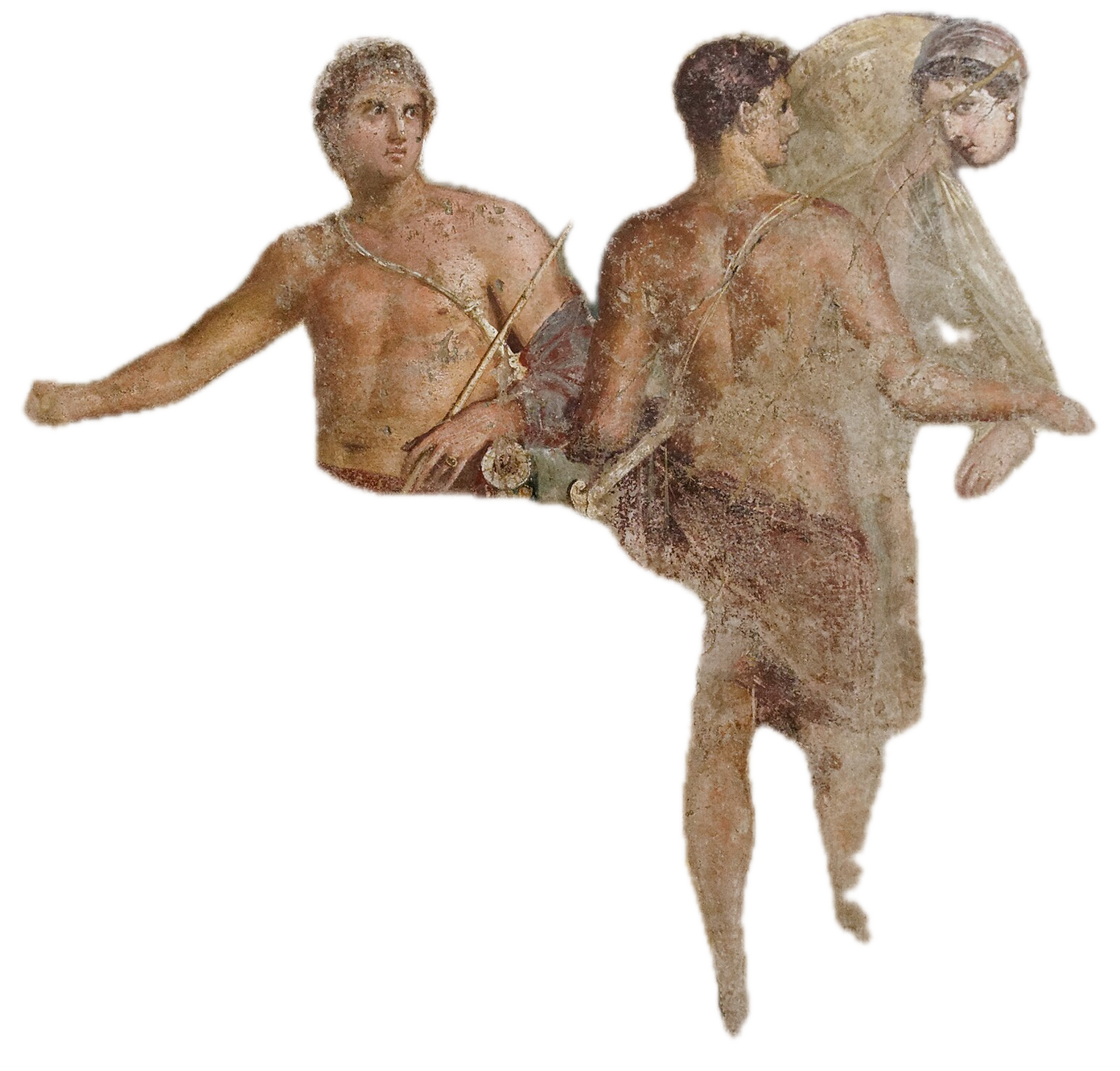
“unto Polydamas, son of Panthous, and goodly Agenor, and he went after Aeneas, and after Hector, harnessed in bronze. And he came up to him and spake winged words, saying: Hector, now in good sooth art thou utterly forgetful of the allies, that for thy sake far from their friends and their native land”
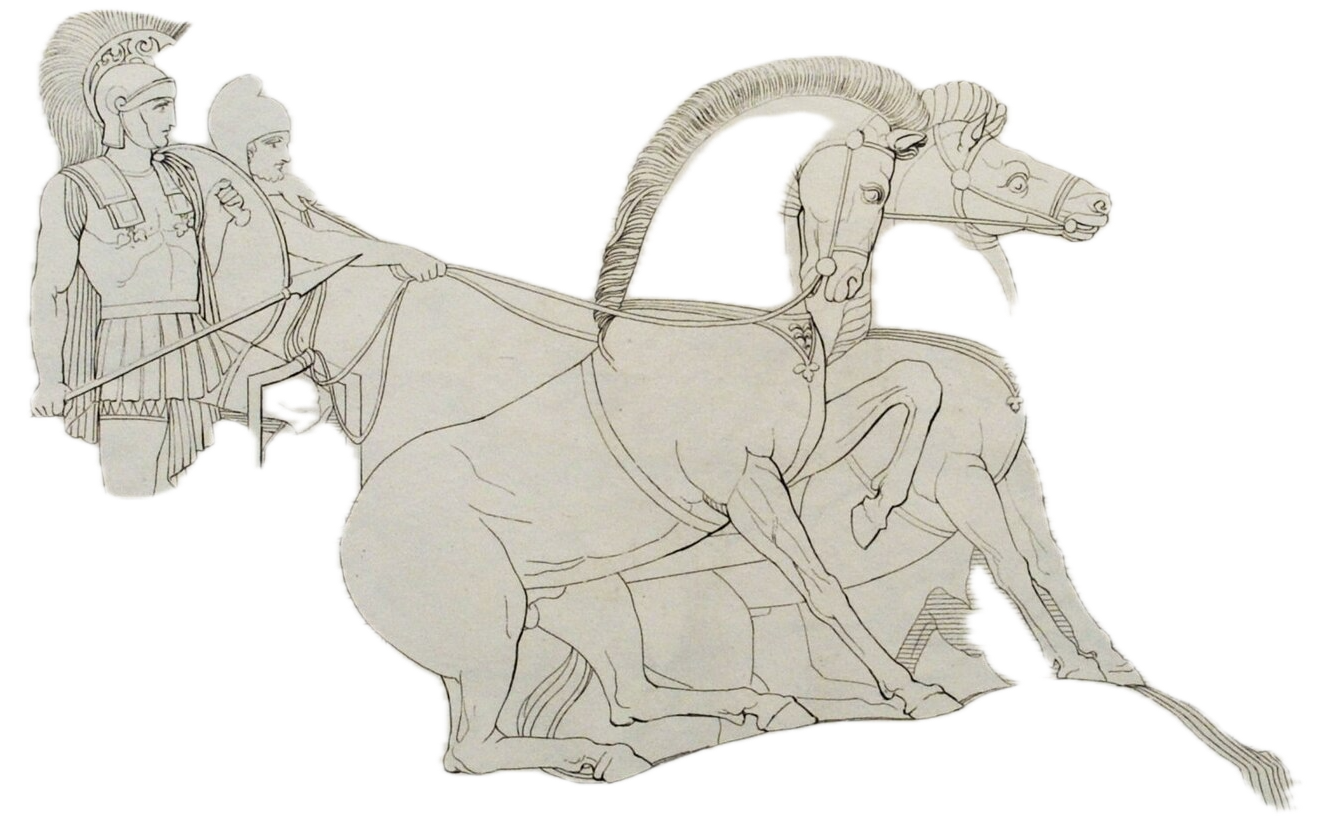
“dear to Ares, up to Ilios, vanquished in their cowardice, and the Argives would have won glory even beyond the allotment of Zeus, by reason of their might and their strength, had not Apollo himself aroused Aeneas, taking upon him the form of the herald, Periphas, son of Epytos, that in the house of his old father”
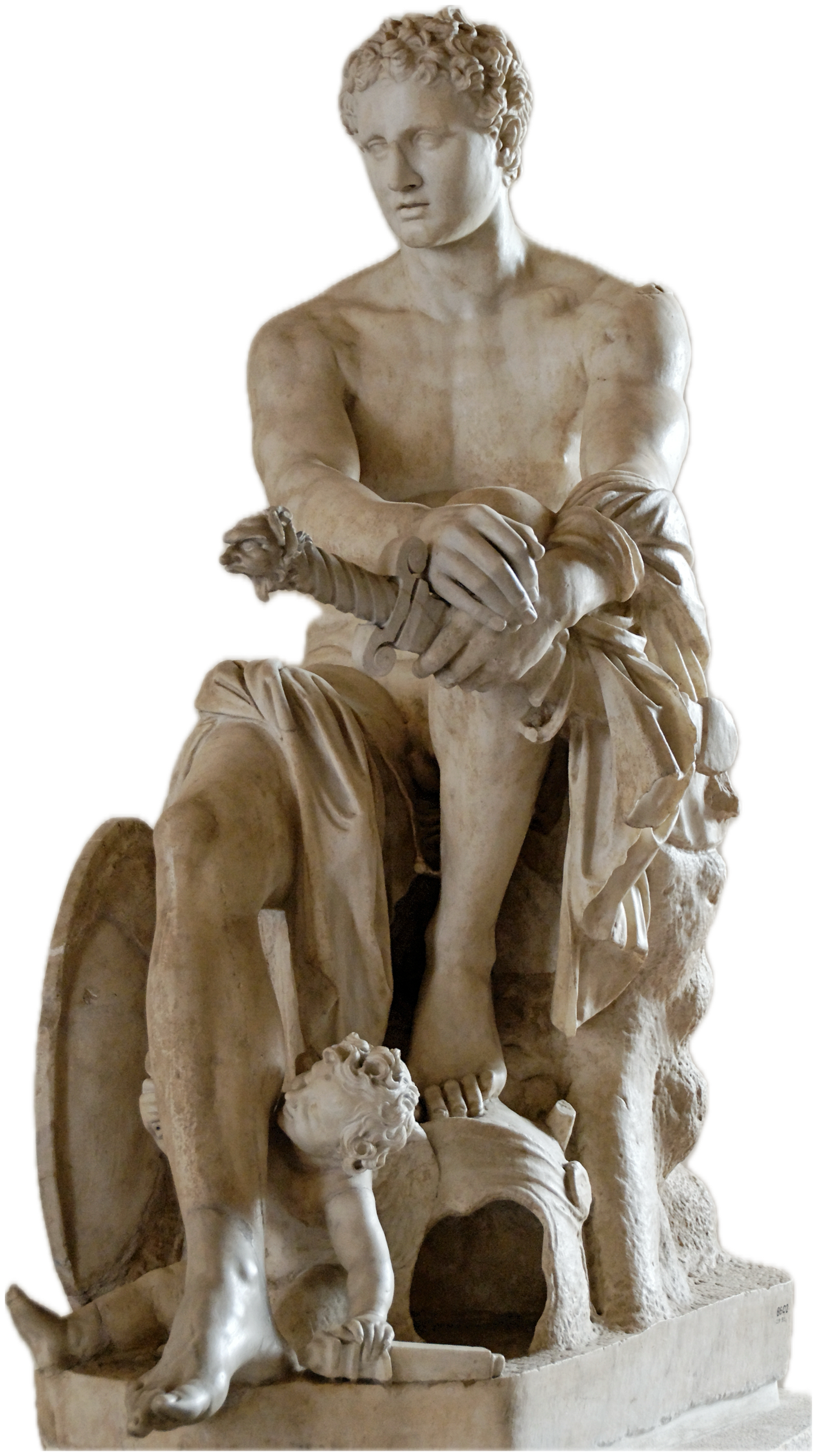
“and stand to contend with us in battle. So spake he, and the valiant son of Anchises failed not to hearken. And the twain went straight forward, their shoulders clad with shields of bull's-hide, dry and tough, and abundant bronze had been welded thereupon.”
“And now had they clashed with their swords in close fight but that the twain Aiantes parted them in their fury, for they came through the throng at the call of their comrade, and seized with fear of them Hector and Aeneas and godlike Chromius gave ground again”
“—some wooded ridge that chanceth to lie all athwart a plain and that holdeth back even the dread streams of mighty rivers, and forthwith turneth the current of them all to wander over the plain, neither doth the might of their flood avail to break through it; even so the twain Aiantes ever kept back the battle of the Trojans, but these ever followed after and two among them above all others, even Aeneas, Anchises' son, and glorious Hector.”
“to face the son of Peleus, and he put into him great might: and he likened his own voice to that of Lycaon, son of Priam. In his likeness spake unto Aeneas the son of Zeus, Apollo: Aeneas, counsellor of the Trojans, where be now thy threats, wherewith thou wast wont to declare unto the princes of the Trojans over thy wine,”
“that thou wouldst do battle man to man against Achilles, son of Peleus? Then Aeneas answered him, and said: Son of Priam, why on this wise do thou bid me face in fight the son of Peleus, high of heart, though I be not minded thereto?”






“even Aeneas, Anchises' son, and goodly Achilles. Aeneas first strode forth with threatening mien, his heavy hem nodding above him; his valorous shield he held before his breast, and he brandished a spear of bronze. And on the other side the son of Peleus rushed against him him like a lion,”
“but with sight of eyes hast thou never seen my parents nor I thine. Men say that thou art son of peerless Peleus, and that thy mother was fair-tressed Thetis, a daughter of the sea; but for me, I declare thiat I am son of great-hearted Anchises, and my mother is Aphrodite.”
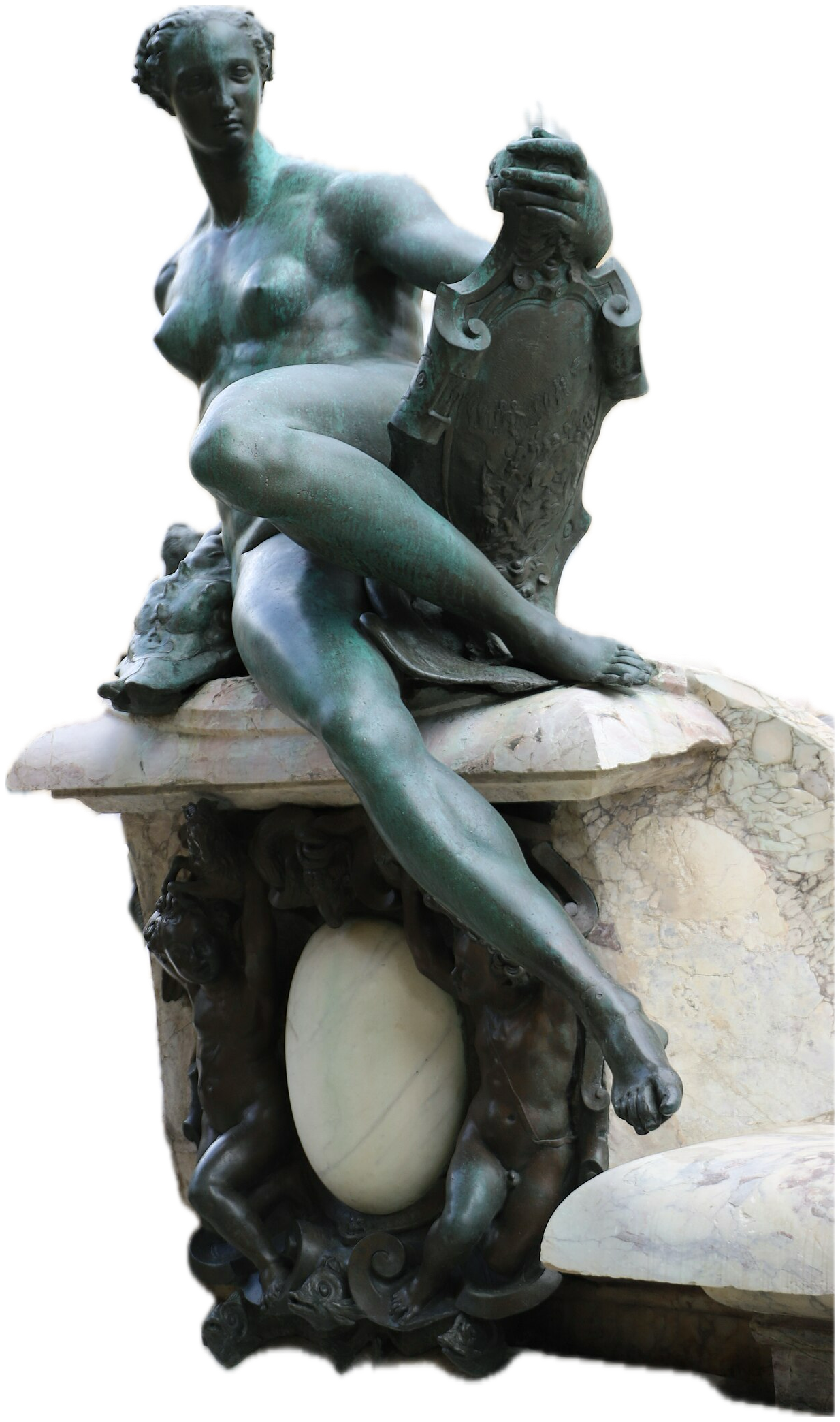
“And Ilus again begat a son, peerless Laomedon, and Laomedon begat Tithonus and Priam and Clytius, and Hicetaon, scion of Ares. And Assaracus begat Capys, and he Anchises; but Anchises begat me and Priam goodly Hector.”
“but Aeneas he lifted up and swung him on high from off the ground. Over many ranks of warriors and amny of chariots sprang Aeneas, soaring from the hand of the god, and came to the uttermost verge of the furious battle, where the Caucones were arraying them for the fight. Then close to his side came Poseidon, the Shaker of Earth,”
Connections
Beloved · Sources
Афродита и Анхиз: прямо подтверждено классическим текстом; связь не выдаётся за брак.
Homeric Hymn 5 to Aphrodite (Theoi Classical Texts Library) · Homeric Hymn 5.53–100 ↗Son · Sources
There on this day did the Trojans and their allies separate their companies. The Trojans were led by great Hector of the flashing helm, the son of Priam, and with him were marshalled the greatest hosts by far and the goodliest, raging with the spear. Of the Dardanians again the valiant son of Anchises was captain,even Aeneas, whom fair Aphrodite conceived to Anchises amid the spurs of Ida, a goddess couched with a mortal man. Not alone was he; with him were Antenor's two sons, Archelochus and Acamas, well skilled in all manner of fighting. And they that dwelt in Zeleia beneath the nethermost foot of Ida,
if again Zeus shall vouchsafe glory to Tydeus' son Diomedes. Come, therefore, take thou now the lash and the shining reins, and I will dismount to fight; or else do thou await his onset, and I will look to the horses. Then made answer to him the glorious son of Lycaon:
upon the earth; and dark night enfolded his eyes. And now would the king of men, Aeneas, have perished, had not the daughter of Zeus, Aphrodite, been quick to mark, even his mother, that conceived him to Anchises as he tended his kine. About her dear son she flung her white arms,
Il. 2.819–821 · Il. 5.229 · Il. 5.312–313 · Il. 5.447 · Il. 5.468 · Il. 12.98–99 · Il. 16.536 · Il. 17.491 · Il. 17.534 · Il. 17.754 · Il. 20.80 · Il. 20.86 · Il. 20.160 · Il. 20.208 · Il. 20.240 · Il. 20.327
Daughter · Sources
to enwrap some one of the Trojans in the darkness of night, or himself to fall in warding off ruin from the Achaeans. Then the dear son of Aesyetes, fostered of Zeus, the warrior Alcathous—son by marriage was he to Anchises, and had married the eldest of his daughters, Hippodameia,
to enwrap some one of the Trojans in the darkness of night, or himself to fall in warding off ruin from the Achaeans. Then the dear son of Aesyetes, fostered of Zeus, the warrior Alcathous—son by marriage was he to Anchises, and had married the eldest of his daughters, Hippodameia,whom her father and queenly mother heartily loved in their hall, for that she excelled all maidens of her years in comeliness, and in handiwork, and in wisdom; wherefore the best man in wide Troy had taken her to wife—this Alcathous did Poseidon subdue beneath Idomeneus,
Il. 13.429 · Il. 13.429–430
Grandfather · Sources
Происхождение выведено по цепочке родителей: Ассарак → Капий → Анхиз.
And Ilus again begat a son, peerless Laomedon, and Laomedon begat Tithonus and Priam and Clytius, and Hicetaon, scion of Ares. And Assaracus begat Capys, and he Anchises; but Anchises begat me and Priam goodly Hector.
Il. 20.239
Great-grandfather · Sources
Происхождение выведено по цепочке родителей: Трос → Ассарак → Капий → Анхиз.
And Erichthonius begat Tros to be king among the Trojans, and from Tros again three peerless sons were born, Ilus, and Assaracus, and godlike Ganymedes that was born the fairest of mortal men; wherefore the gods caught him up on high to be cupbearer to Zeus by reason of his beauty, that he might dwell with the immortals.
And Ilus again begat a son, peerless Laomedon, and Laomedon begat Tithonus and Priam and Clytius, and Hicetaon, scion of Ares. And Assaracus begat Capys, and he Anchises; but Anchises begat me and Priam goodly Hector.
Il. 20.231–232 · Il. 20.239
Ancestor · Sources
Происхождение выведено по цепочке родителей: Зевс → Дардан → Эрихтоний → Трос → Ассарак → Капий → Анхиз.
at the first Zeus, the cloud-gatherer, begat Dardanus, and he founded Dardania, for not yet was sacred Ilios builded in the plain to be a city of mortal men, but they still dwelt upon the slopes of many-fountained Ida. And Dardanus in turn begat a son, king Erichthonius,
at the first Zeus, the cloud-gatherer, begat Dardanus, and he founded Dardania, for not yet was sacred Ilios builded in the plain to be a city of mortal men, but they still dwelt upon the slopes of many-fountained Ida. And Dardanus in turn begat a son, king Erichthonius,
And Erichthonius begat Tros to be king among the Trojans, and from Tros again three peerless sons were born, Ilus, and Assaracus, and godlike Ganymedes that was born the fairest of mortal men; wherefore the gods caught him up on high to be cupbearer to Zeus by reason of his beauty, that he might dwell with the immortals.
Il. 20.215 · Il. 20.219 · Il. 20.230 · Il. 20.231–232 · Il. 20.239 · Il. 20.303–305
See all 13
Ancestor · Sources
Происхождение выведено по цепочке родителей: Кронос → Зевс → Дардан → Эрихтоний → Трос → Ассарак → Капий → Анхиз.
one king, to whom the son of crooked-counselling Cronos hath vouchsafed the sceptre and judgments, that he may take counsel for his people. Thus masterfully did he range through the host, and they hasted back to the place of gathering from their ships and huts with noise, as when a wave of the loud-resounding sea
and the mother fluttered around them, wailing for her dear little ones; howbeit he coiled himself and caught her by the wing as she screamed about him. But when he had devoured the sparrow's little ones and the mother with them, the god, who had brought him to the light, made him to be unseen; for the son of crooked-counselling Cronos turned him to stone;
Even in such wise as the son of crooked-counselling Cronos sendeth a star to be a portent for seamen or for a wide host of warriors, a gleaming star, and therefrom the sparks fly thick; even so darted Pallas Athene to earth, and down she leapt into the midst; and amazement came upon all that beheld,
Il. 2.205–206 · Il. 2.319 · Il. 4.75 · Il. 9.37 · Il. 9.171 · Il. 9.236 · Il. 9.419 · Il. 9.502 · Il. 9.686 · Il. 10.71 · Il. 15.187 · Il. 16.431 · Il. 18.293 · Il. 20.215 · Il. 20.219 · Il. 20.230 · Il. 20.231–232 · Il. 20.239 · Il. 20.303–305
Ancestor · Sources
Происхождение выведено по цепочке родителей: Дардан → Эрихтоний → Трос → Ассарак → Капий → Анхиз.
at the first Zeus, the cloud-gatherer, begat Dardanus, and he founded Dardania, for not yet was sacred Ilios builded in the plain to be a city of mortal men, but they still dwelt upon the slopes of many-fountained Ida. And Dardanus in turn begat a son, king Erichthonius,
And Erichthonius begat Tros to be king among the Trojans, and from Tros again three peerless sons were born, Ilus, and Assaracus, and godlike Ganymedes that was born the fairest of mortal men; wherefore the gods caught him up on high to be cupbearer to Zeus by reason of his beauty, that he might dwell with the immortals.
And Erichthonius begat Tros to be king among the Trojans, and from Tros again three peerless sons were born, Ilus, and Assaracus, and godlike Ganymedes that was born the fairest of mortal men; wherefore the gods caught him up on high to be cupbearer to Zeus by reason of his beauty, that he might dwell with the immortals.
Il. 20.219 · Il. 20.230 · Il. 20.231–232 · Il. 20.239
Ancestor · Sources
Происхождение выведено по цепочке родителей: Рея → Зевс → Дардан → Эрихтоний → Трос → Ассарак → Капий → Анхиз.
Out upon it, verily strong though he be he hath spoken overweeningly, if in sooth by force and in mine own despite he will restrain me that am of like honour with himself. For three brethren are we, begotten of Cronos, and born of Rhea,—Zeus, and myself, and the third is Hades, that is lord of the dead below. And in three-fold wise are all things divided, and unto each hath been apportioned his own domain.
at the first Zeus, the cloud-gatherer, begat Dardanus, and he founded Dardania, for not yet was sacred Ilios builded in the plain to be a city of mortal men, but they still dwelt upon the slopes of many-fountained Ida. And Dardanus in turn begat a son, king Erichthonius,
at the first Zeus, the cloud-gatherer, begat Dardanus, and he founded Dardania, for not yet was sacred Ilios builded in the plain to be a city of mortal men, but they still dwelt upon the slopes of many-fountained Ida. And Dardanus in turn begat a son, king Erichthonius,
Il. 15.187 · Il. 20.215 · Il. 20.219 · Il. 20.230 · Il. 20.231–232 · Il. 20.239 · Il. 20.303–305
Ancestor · Sources
Происхождение выведено по цепочке родителей: Эрихтоний → Трос → Ассарак → Капий → Анхиз.
And Erichthonius begat Tros to be king among the Trojans, and from Tros again three peerless sons were born, Ilus, and Assaracus, and godlike Ganymedes that was born the fairest of mortal men; wherefore the gods caught him up on high to be cupbearer to Zeus by reason of his beauty, that he might dwell with the immortals.
And Erichthonius begat Tros to be king among the Trojans, and from Tros again three peerless sons were born, Ilus, and Assaracus, and godlike Ganymedes that was born the fairest of mortal men; wherefore the gods caught him up on high to be cupbearer to Zeus by reason of his beauty, that he might dwell with the immortals.
And Ilus again begat a son, peerless Laomedon, and Laomedon begat Tithonus and Priam and Clytius, and Hicetaon, scion of Ares. And Assaracus begat Capys, and he Anchises; but Anchises begat me and Priam goodly Hector.
Il. 20.230 · Il. 20.231–232 · Il. 20.239
Connection · Sources
to enwrap some one of the Trojans in the darkness of night, or himself to fall in warding off ruin from the Achaeans. Then the dear son of Aesyetes, fostered of Zeus, the warrior Alcathous—son by marriage was he to Anchises, and had married the eldest of his daughters, Hippodameia,
Il. 13.428
Herald · Sources
had grown old in his heraldship, and withal was of kindly mind toward him. In his likeness spake unto Aeneas the son of Zeus, Apollo: Aeneas, how could ye ever guard steep Ilios, in defiance of a god? In sooth I have seen other men that had trust in their strength and might, in their valour
Il. 17.325
In art

Laurent Guiard. Enée sauvant Anchise et Ascagne de l'incendie de Troie - Laurent Guyard - Musée du Louvre Sculptures RF 3699. Department of Sculptures of the Louvre. CC0. https://www.wikidata.org/wiki/Q87451915

António Manuel da Fonseca. Aeneas saving his father anchises from the fire of trojan. Palace of Mafra. Public domain. https://www.wikidata.org/wiki/Q100052255

Charles Errard. Charles Errard Enée transportant Anchise. Musée des Beaux-Arts de Dijon. Public domain. https://www.wikidata.org/wiki/Q111685970
See all 21

Antoine Coypel. Aeneas Carrying his Father Anchises. Musée Fabre. Public domain. https://www.wikidata.org/wiki/Q117293083

Pompeo Batoni. Aeneas fleeing from Troy. Galleria Sabauda. Public domain. https://www.wikidata.org/wiki/Q19672763

Hendrik van Steenwijk II. Aeneas Rescuing Anchises from Burning Troy. Art Institute of Chicago. Public domain. https://www.wikidata.org/wiki/Q20267459

Charles André van Loo. Aeneas carrying Anchises. Department of Paintings of the Louvre. Public domain. https://www.wikidata.org/wiki/Q27051589

Johann Heinrich Schönfeld. Aeneas Rescues Anchises from Burning Troy. Slovak National Gallery. Public domain. https://www.wikidata.org/wiki/Q50673446
Martin Johann Schmidt. Aeneas Carrying Anchises out of the Burning Troy. Museum of Fine Arts, Budapest. Public domain. https://www.wikidata.org/wiki/Q50974192

Federico Barocci. Escape of Aeneas from Troy. Galleria Borghese. Public domain. https://www.wikidata.org/wiki/Q55831343

Giovanni Giorgi. Aeneas, Ascanius, Anchises, and Creusa flee from Troy. Palazzo Buonaccorsi Gallery of Ancient Art. CC BY 3.0. https://www.wikidata.org/wiki/Q110312698

Leonello Spada. Aeneas and Anchises. Department of Paintings of the Louvre. Public domain. https://www.wikidata.org/wiki/Q18572440
François de Nomé. The Burning of Troy with the Flight of Aeneas and Anchises. Nationalmuseum. Public domain. https://www.wikidata.org/wiki/Q18601585

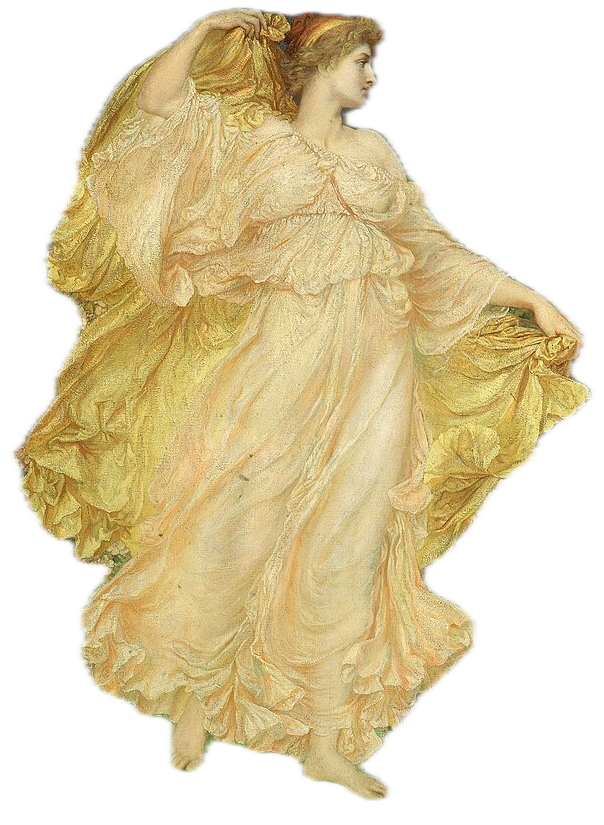
William Blake Richmond. Venus and Anchises. Walker Art Gallery. Public domain. https://www.wikidata.org/wiki/Q28797255

Pierre Lepautre. Aeneas and Anchises. Department of Sculptures of the Louvre. CC0. https://www.wikidata.org/wiki/Q21162608

Cornelis Bloemaert. Aeneas carrying his father Anchises. Centraal Museum. Public domain. https://www.wikidata.org/wiki/Q118342773

Aineias Ankhises Louvre F118. Department of Greek, Etruscan, and Roman Antiquities of the Louvre. Public domain. https://www.wikidata.org/wiki/Q125346855

Raphael. Пожар в Борго. Vatican Museums. Public domain. https://www.wikidata.org/wiki/Q2531790

Room 6 - Aeneas and Anchises. CC BY-SA 4.0. https://www.wikidata.org/wiki/Q131812965

Gian Lorenzo Bernini. Эней, Анхиз и Асканий. Borghese Collection. CC BY-SA 4.0. https://www.wikidata.org/wiki/Q3725175

Girolamo Genga. 'Flight of Aeneas from Troy', fresco painting by Girolamo Genga, 1507-1510, Pinacoteca Nazionale, Siena. Pinacoteca Nazionale, Siena. Public domain. https://www.wikidata.org/wiki/Q56293631
04 / PROVENANCE
Sources and verification
The character is matched to the catalogue.
- Wikipedia · Anchises · CC BY-SA 4.0
Excerpt; remaining sentences omitted.
Reference material remains distinct from the poem’s assertions. Characters who share a name retain separate pages.