Helen of Troy
Mortal woman
Helen (Ancient Greek: Ἑλένη, romanized: Helénē; Latin: Helena), commonly known as Helen of Troy and sometimes as Helen of Sparta, is a figure in Greek mythology said to have been the most beautiful woman in the world. She was believed to have been the daughter of Zeus by Leda or Nemesis, and the sister of Clytemnestra, Castor, Pollux, Philonoe, Phoebe and Timandra.
Explore on the graph- Mentions
- 39
- Connected characters
- 32
- Books
- 12


Mentions in the Iliad
A. T. Murray, Loeb Classical Library, Harvard University Press, 1924 · Homer, Iliad with an English Translation · CC BY-SA 3.0 US
“Aye, and they would leave to Priam and the Trojans their boast, even Argive Helen, for whose sake many an Achaean hath perished in Troy, far from his dear native land. But go thou now throughout the host of the brazen-coated Achaeans; with thy gentle words seek thou to restrain every man,”
“on your benched ships to flee to your dear native land? Aye, and ye would leave to Priam and the Trojans their boast, even Argive Helen, for whose sake many an Achaean hath perished in Troy, far from his dear native land. But go thou now throughout the host of the Achaeans, and hold thee back no more;”
“and have got him requital for his strivings and groanings for Helen's sake. Howbeit, if any man is exceeding fain to depart homewards, let him lay his hand upon his black, well-benched ship, that before the face of all he may meet death and fate.”
“to get him requital for his strivings and groanings for Helen's sake. And they that dwelt in Pylos and lovely Arene and Thryum, the ford of Alpheius, and fair-founded Aepy, and that had their abodes in Cyparisseïs and Amphigeneia and Pteleos and Helus and Dorium,”
“form is his, while there is no strength in his heart nor any valour. Was it in such strength as this that thou didst sail over the main in thy seafaring ships, when thou hadst gathered thy trusty comrades, and, coming to an alien folk, didst bring back a comely woman from a distant land, even a daughter of warriors who wield the spear,”
“to do battle for Helen and all her possessions. And whichsoever of us twain shall win, and prove him the better man, let him duly take all the wealth and the woman, and bear them to his home. But for you others, do ye swear friendship and oaths of faith with sacrifice. So should ye dwell in deep-soiled Troyland, and let them return”
“and himself in the midst and Menelaus, dear to Ares, to do battle for Helen and all her possessions. And whichsoever of the twain shall win, and prove him the better man, let him duly take all the wealth and the woman, and bear them to his home; but for us others, let us swear friendship and oaths of faith with sacrifice.”
See all 39
“and he failed not to hearken to goodly Agamemnon. But Iris went as a messenger to white-armed Helen, in the likeness of her husband's sister, the wife of Antenor's son, even her that lord Helicaon, Antenor's son, had to wife, Laodice, the comeliest of the daughters of Priam.”
“Because of old age had they now ceased from battle, but speakers they were full good, like unto cicalas that in a forest sit upon a tree and pour forth their lily-like voice; even in such wise sat the leaders of the Trojans upon the wall. Now when they saw Helen coming upon the wall,”
“neither be left here to be a bane to us and to our children after us. So they said, but Priam spake, and called Helen to him: Come hither, dear child, and sit before me, that thou mayest see thy former lord and thy kinsfolk and thy people—thou art nowise to blame in my eyes; it is the gods, methinks, that are to blame,”
“Howbeit not even they were as many as are the bright-eyed Achaeans. And next the old man saw Odysseus, and asked: Come now, tell me also of yonder man, dear child, who he is. Shorter is he by a head than Agamemnon, son of Atreus, but broader of shoulder and of chest to look upon.”
“This again is Laertes' son, Odysseus of many wiles, that was reared in the land of Ithaca, rugged though it be, and he knoweth all manner of craft and cunning devices. Then to her again made answer Antenor, the wise: Lady, this verily is a true word that thou hast spoken,”
“And, thirdly, the old man saw Aias, and asked: Who then is this other Achaean warrior, valiant and tall, towering above the Argives with his head and broad shoulders? And to him made answer long-robed Helen, fair among women: This is huge Aias, bulwark of the Achaeans.”
“Rise, thou son of Laomedon, the chieftains of the horse-taming Trojans, and of the brazen-coated Achaeans, summon thee to go down into the plain, that ye may swear oaths of faith with sacrifice. But Alexander and Menelaus, dear to Ares, will do battle with long spears for the woman's sake;”
“be ye witnesses, and watch over the oaths of faith. If Alexander slay Menelaus, then let him keep Helen and all her treasure; and we will depart in our seafaring ships. But if so be fair-haired Menelaus shall slay Alexander,”
“looking behind him the while; and straightway the lot of Paris leapt forth. Then the people sate them down in ranks, where were each man's high-stepping horses, and his inlaid armour was set. But goodly Alexander did on about his shoulders his beautiful armour, even he, the lord of fair-haired Helen.”
“with spear of bronze. But him Aphrodite snatched up, full easily as a goddess may, and shrouded him in thick mist, and set him down in his fragrant, vaulted chamber, and herself went to summon Helen. Her she found on the high wall, and round about her in throngs were the women of Troy.”
“So spake she, and stirred Helen's heart in her breast; and when she marked the beauteous neck of the goddess, her lovely bosom, and her flashing eyes, then amazement seized her, and she spake, and addressed her, saying: Strange goddess, why art thou minded to beguile me thus?”
“and hate thee, even as now I love thee wondrously; and lest I devise grievous hatred between both, Trojans alike and Danaans; then wouldst thou perish of an evil fate. So spake she, and Helen, sprung from Zeus, was seized with fear; and she went, wrapping herself in her bright shining mantle,”
“nor fight with him in thy folly, lest haply thou be vanquished anon by his spear. Then Paris made answer, and spake to her, saying: Chide not my heart, lady, with hard words of reviling. For this present hath Menelaus vanquished me with Athene's aid,”
“whether we shall again rouse evil war and the dread din of battle, or put friendship between the hosts. If this might in any wise be welcome to all and their good pleasure, then might the city of king Priam still be an habitation, and Menelaus take back Argive Helen.”
“if thou shalt die and fill up thy lot of life. Aye, and as one most despised should I return to thirsty Argos, for straightway will the Achaeans bethink them of their native land, and so should we leave to Priam and the Trojans their boast, even Argive Helen. And thy bones shall the earth rot”
“whom godlike Alexander had himself brought from Sidon, as he sailed over the wide sea on that journey on the which he brought back high-born Helen. Of these Hecabe took one, and bare it as an offering for Athene, the one that was fairest in its broiderings and amplest,”
“the spear-point of bronze, around which ran a ring of gold. He found Paris in his chamber busied with his beauteous arms, his shield and his corselet, and handling his curved bow; and Argive Helen sat amid her serving-women and appointed to them their glorious handiwork.”
“But come now, tarry a while, let me don my harness of war; or go thy way, and I will follow; and methinks I shall overtake thee. So said he, and Hector of the flashing helm answered him not a word, but unto him spake Helen with gentle words: O Brother of me that am a dog, a contriver of mischief and abhorred of all,”
“my brother, since above all others has trouble encompassed thy heart because of shameless me, and the folly of Alexander; on whom Zeus hath brought an evil doom, that even in days to come we may be a song for men that are yet to be. Then made answer to her great Hector of the flashing helm:”
“Come ye now, let us give Argive Helen and the treasure with her unto the sons of Atreus to take away. Now do we fight after proving false to our oaths of faith, wherefore have I no hope that aught will issue to our profit, if we do not thus. When he had thus spoken he sate him down, and among them uprose”
“in his hollow ships—would that he had perished first!—all this he is minded to give, and to add thereto from his own store; but the wedded wife of glorious Menelaus, he declares he will not give; though verily the Trojans bid him do it. Moreover they bade me declare unto you this word also, whether ye be minded”
“only Nestor of Gerenia abode, the warder of the Achaeans, and he nowise of his own will, but his horse was sore wounded, seeing goodly Alexander, lord of fair-haired Helen, had smitten him with an arrow upon the crown of the head where the foremost hairs of horses grow upon the skull, and where is the deadliest spot.”
“what time we Achaeans be dividing the spoil, and heap up thy ship with store of gold and bronze, and thyself choose twenty Trojan women that be fairest after Argive Helen. And if we return to Achaean Argos, richest of lands, thou shalt be his son, and he will honour thee even as Orestes,”
“and for them they abide untouched; but from me alone of the Achaeans hath he taken and keepeth my wife, the darling of my heart. Let him lie by her side and take his joy. But why must the Argives wage war against the Trojans? Why hath he gathered and led hither his host, this son of Atreus? Was it not for fair-haired Helen's sake?”
“would not suffer that Helen be given back to fair-haired Menelaus. His two sons lord Agamemnon took, the twain being in one car, and together were they seeking to drive the swift horses, for the shining reins had slipped from their hands, and the two horses were running wild; but he rushed against them like a lion,”
“Verily I will yet make an end of thee when I meet thee hereafter, if so be any god is helper to me likewise. But now will I make after the rest, whomsoever I may light upon. So spake he, and went on to strip of his armour the son of Paeon, famed for his spear. But Alexander, lord of fair-haired Helen,”
“had not Alexander, the lord of fair-haired Helen, stayed Machaon, shepherd of the host, in the midst of his valorous deeds, and smitten him on the right shoulder with a three-barbed arrow. Then sorely did the Achaeans breathing might fear for him, lest haply men should slay him in the turning of the fight.”
“who shall some day destroy your high city. For ye bare forth wantonly over sea my wedded wife and therewithal much treasure, when it was with her that ye had found entertainment; and now again ye are full fain to fling consuming fire on the sea-faring ships, and to slay the Achaean warriors.”
“But one he presently found on the left of the tearful battle, even goodly Alexander, the lord of fair-tressed Helen, heartening his comrades and urging them on to fight; and he drew near and spake to him with words of shame: Evil Paris, most fair to look upon, thou that art mad after women, thou beguiler,”
“for the sake of abhorred Helen am warring with the men of Troy; nay, nor though it were he that in Scyrus is reared for me, my son well-beloved —if so be godlike Neoptolemus still liveth. For until now the heart in my breast had hope that I alone should perish far from horse-pasturing Argos,”
“or myself perish gloriously before the city. Or what if I lay down my bossed shield and my heavy helm, and leaning my spear against the wall, go myself to meet peerless Achilles, and promise him that Helen,”
“So spake she wailing, and roused unabating lament. And thereafter Helen was the third to lead the wailing: Hector, far dearest to my heart of all my husband's brethren! In sooth my husband is godlike Alexander, that brought me to Troy-land —would I died ere then!”
Connections
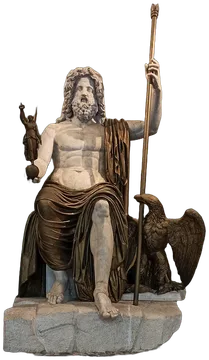
Father · Sources
His battle-gear lieth upon the bounteous earth, but himself he rangeth like the bell-wether of a herd through the ranks of warriors. Like a ram he seemeth to me, a ram of thick fleece, that paceth through a great flock of white ewes. To him made answer Helen, sprung from Zeus:
and hate thee, even as now I love thee wondrously; and lest I devise grievous hatred between both, Trojans alike and Danaans; then wouldst thou perish of an evil fate. So spake she, and Helen, sprung from Zeus, was seized with fear; and she went, wrapping herself in her bright shining mantle,
Il. 3.199 · Il. 3.418
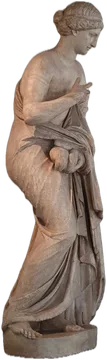
Mother · Sources
whom I could well note, and tell their names; but two marshallers of the host can I not see, Castor, tamer of horses, and the goodly boxer, Polydeuces, even mine own brethren, whom the same mother bare. Either they followed not with the host from lovely Lacedaemon,
I would that on the day when first my mother gave me birth an evil storm-wind had borne me away to some mountain or to the wave of the loud-resounding sea, where the wave might have swept me away or ever these things came to pass. Howbeit, seeing the gods thus ordained these ills,
Il. 3.238 · Il. 6.345
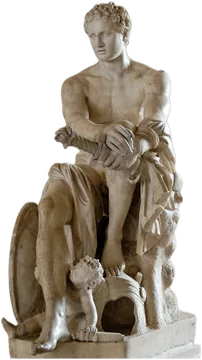
Paternal half-brother · Sources
Братство или сестринство выведено из общего родителя: Зевс. Матери и отцы, не указанные в источнике, не предполагаются. Квалификация братства/сестринства: Илиада: Общий отец; разные матери подтверждены. Общие родители: Зевс.
Гомер, Илиада — роль родителя · Ил. 3.236–238 Wikidata: Зевс — роль родителя · P22 Wikidata: Гера — роль родителя · P25 Wikidata: Зевс — роль родителя · P22His battle-gear lieth upon the bounteous earth, but himself he rangeth like the bell-wether of a herd through the ranks of warriors. Like a ram he seemeth to me, a ram of thick fleece, that paceth through a great flock of white ewes. To him made answer Helen, sprung from Zeus:
and hate thee, even as now I love thee wondrously; and lest I devise grievous hatred between both, Trojans alike and Danaans; then wouldst thou perish of an evil fate. So spake she, and Helen, sprung from Zeus, was seized with fear; and she went, wrapping herself in her bright shining mantle,
took furious Ares by the hand and spake to him, saying: Ares, Ares, thou bane of mortals, thou blood-stained stormer of walls, shall we not now leave the Trojans and Achaeans to fight, to whichsoever of the two it be that father Zeus shall vouchsafe glory? But for us twain, let us give place, and avoid the wrath of Zeus.
Il. 3.199 · Il. 3.418 · Il. 5.33 · Il. 5.896
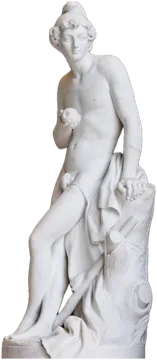
Husband · Sources
looking behind him the while; and straightway the lot of Paris leapt forth. Then the people sate them down in ranks, where were each man's high-stepping horses, and his inlaid armour was set. But goodly Alexander did on about his shoulders his beautiful armour, even he, the lord of fair-haired Helen.
in silence; and she was unseen of the Trojan women; and the goddess led the way. Now when they were come to the beautiful palace of Alexander, the handmaids turned forthwith to their tasks, but she, the fair lady, went to the high-roofed chamber. And the goddess, laughter-loving Aphrodite, took for her a chair,
and on the isle of Cranae had dalliance with thee on the couch of love—as now I love thee, and sweet desire layeth hold of me. He spake, and led the way to the couch, and with him followed his wife. Thus the twain were couched upon the corded bed; but the son of Atreus ranged through the throng like a wild beast,
Il. 3.328 · Il. 3.421 · Il. 3.447 · Il. 6.350 · Il. 7.355 · Il. 7.362 · Il. 8.82 · Il. 11.369 · Il. 11.505 · Il. 13.766 · Il. 24.763
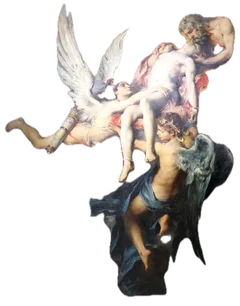
Brother through father · Sources
Братство или сестринство выведено из общего родителя: Зевс. Матери и отцы, не указанные в источнике, не предполагаются. Квалификация братства/сестринства: Илиада: Общий отец подтверждён; сведения о матерях неполны. Различие матерей не установлено. Общие родители: Зевс.
Гомер, Илиада — роль родителя · Ил. 3.236–238 Wikidata: Зевс — роль родителя · P22 Wikidata: Зевс — пол родителя · P21His battle-gear lieth upon the bounteous earth, but himself he rangeth like the bell-wether of a herd through the ranks of warriors. Like a ram he seemeth to me, a ram of thick fleece, that paceth through a great flock of white ewes. To him made answer Helen, sprung from Zeus:
and hate thee, even as now I love thee wondrously; and lest I devise grievous hatred between both, Trojans alike and Danaans; then wouldst thou perish of an evil fate. So spake she, and Helen, sprung from Zeus, was seized with fear; and she went, wrapping herself in her bright shining mantle,
And when they were come near as they advanced one against the other, the son and grandson of Zeus the cloud-gatherer, then Tlepolemus was first to speak, saying: Sarpedon, counsellor of the Lycians, why must thou be skulking here, that art a man unskilled in battle?They speak but a lie that say thou art sprung from Zeus that beareth the aegis, seeing thou art inferior far to those warriors that were sprung from Zeus in the days of men of old. Of other sort, men say, was mighty Heracles, my father, staunch in fight, the lionhearted,
Il. 3.199 · Il. 3.418 · Il. 5.634–635 · Il. 5.662–672 · Il. 5.675 · Il. 6.198–199 · Il. 12.292 · Il. 12.402–403 · Il. 15.67 · Il. 16.522
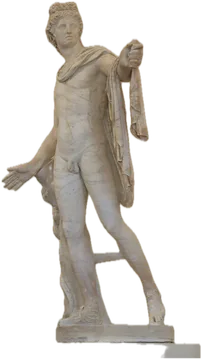
Paternal half-brother · Sources
Братство или сестринство выведено из общего родителя: Зевс. Матери и отцы, не указанные в источнике, не предполагаются. Квалификация братства/сестринства: Илиада: Общий отец; разные матери подтверждены. Общие родители: Зевс.
Гомер, Илиада — роль родителя · Ил. 3.236–238 Wikidata: Зевс — роль родителя · P22 Wikidata: Лето — роль родителя · P25 Wikidata: Зевс — роль родителя · P22from the time when first they parted in strife Atreus' son, king of men, and brilliant Achilles. Who then of the gods was it that brought these two together to contend? The son of Leto and Zeus; for he in anger against the king roused throughout the host an evil pestilence, and the people began to perish,
His battle-gear lieth upon the bounteous earth, but himself he rangeth like the bell-wether of a herd through the ranks of warriors. Like a ram he seemeth to me, a ram of thick fleece, that paceth through a great flock of white ewes. To him made answer Helen, sprung from Zeus:
and hate thee, even as now I love thee wondrously; and lest I devise grievous hatred between both, Trojans alike and Danaans; then wouldst thou perish of an evil fate. So spake she, and Helen, sprung from Zeus, was seized with fear; and she went, wrapping herself in her bright shining mantle,
Il. 1.9 · Il. 3.199 · Il. 3.418 · Il. 7.23 · Il. 15.236 · Il. 20.103 · Il. 21.229 · Il. 22.302
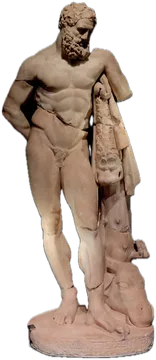
Paternal half-brother · Sources
Братство или сестринство выведено из общего родителя: Зевс. Матери и отцы, не указанные в источнике, не предполагаются. Квалификация братства/сестринства: Илиада: Общий отец; разные матери подтверждены. Общие родители: Зевс.
Гомер, Илиада — роль родителя · Ил. 3.236–238 Wikidata: Зевс — роль родителя · P22 Wikidata: Зевс — пол родителя · P21His battle-gear lieth upon the bounteous earth, but himself he rangeth like the bell-wether of a herd through the ranks of warriors. Like a ram he seemeth to me, a ram of thick fleece, that paceth through a great flock of white ewes. To him made answer Helen, sprung from Zeus:
and hate thee, even as now I love thee wondrously; and lest I devise grievous hatred between both, Trojans alike and Danaans; then wouldst thou perish of an evil fate. So spake she, and Helen, sprung from Zeus, was seized with fear; and she went, wrapping herself in her bright shining mantle,
And so suffered monstrous Hades even as the rest a bitter arrow, when this same man, the son of Zeus that beareth the aegis, smote him in Pylos amid the dead, and gave him over to pains. But he went to the house of Zeus and to high Olympus with grief at heart, pierced through with pains;
Il. 3.199 · Il. 3.418 · Il. 5.396 · Il. 8.363–365 · Il. 14.266 · Il. 14.324
See all 32
In art

Livioandronico2013. Hector blames Paris for the abduction of Helen. собрание не указано. CC BY-SA 4.0. https://commons.wikimedia.org/wiki/File%3AHector_blames_Paris_for_the_abduction_of_Helen.jpg
Photograph / reproduction: Livioandronico2013
Photograph / reproduction date: 2015-08-02
Livioandronico2013. Hector blames Paris for the abduction of Helen. собрание не указано. CC BY-SA 4.0. https://commons.wikimedia.org/wiki/File%3AHector_blames_Paris_for_the_abduction_of_Helen.jpg
Photograph / reproduction: Livioandronico2013
Photograph / reproduction date: 2015-08-02

Richard Cook (1784–1857). Hector reproving Paris. собрание не указано. CC BY-SA 4.0. https://commons.wikimedia.org/wiki/File%3AHector_reproving_Paris.jpg
Photograph / reproduction: Richard Cook (1784–1857)
Photograph / reproduction date: 1808
Richard Cook (1784–1857). Hector reproving Paris. собрание не указано. CC BY-SA 4.0. https://commons.wikimedia.org/wiki/File%3AHector_reproving_Paris.jpg
Photograph / reproduction: Richard Cook (1784–1857)
Photograph / reproduction date: 1808

Angelica Kauffmann. Hector Calling Up Paris to a Battle. собрание не указано. Public domain. https://commons.wikimedia.org/wiki/File%3AAngelica_Kauffmann_-_Hector_reproving_Paris_%28Hermitage%29.jpg
Photograph / reproduction: Angelica Kauffmann
Photograph / reproduction date: 1775
Angelica Kauffmann. Hector Calling Up Paris to a Battle. собрание не указано. Public domain. https://commons.wikimedia.org/wiki/File%3AAngelica_Kauffmann_-_Hector_reproving_Paris_%28Hermitage%29.jpg
Photograph / reproduction: Angelica Kauffmann
Photograph / reproduction date: 1775

Nivuthao. Helenazeus. собрание не указано. CC BY-SA 4.0. https://commons.wikimedia.org/wiki/File%3AHelenazeus.jpg
Photograph / reproduction: Nivuthao
Photograph / reproduction date: 2017-02-26
Nivuthao. Helenazeus. собрание не указано. CC BY-SA 4.0. https://commons.wikimedia.org/wiki/File%3AHelenazeus.jpg
Photograph / reproduction: Nivuthao
Photograph / reproduction date: 2017-02-26

Pierre Claude François Delorme. Hector adressant des reproches à Pâris. Musée de Picardie. Public domain. https://www.wikidata.org/wiki/Q116680808
Photograph / reproduction: Pierre Claude François Delorme
Photograph / reproduction date: 1824
Pierre Claude François Delorme. Hector adressant des reproches à Pâris. Musée de Picardie. Public domain. https://www.wikidata.org/wiki/Q116680808
Photograph / reproduction: Pierre Claude François Delorme
Photograph / reproduction date: 1824

Angelica Kauffmann. Hector Upbraiding Paris for his Retreat from Battle. National Museum of Western Art. Public domain. https://www.wikidata.org/wiki/Q141367153
Photograph / reproduction: Angelica Kauffmann
Photograph / reproduction date: 1770s
Angelica Kauffmann. Hector Upbraiding Paris for his Retreat from Battle. National Museum of Western Art. Public domain. https://www.wikidata.org/wiki/Q141367153
Photograph / reproduction: Angelica Kauffmann
Photograph / reproduction date: 1770s


Evelyn De Morgan. Helen of Troy. собрание не указано. Public domain. https://commons.wikimedia.org/wiki/File%3AHelen_of_TroyFXD.jpg
Photograph / reproduction: Evelyn De Morgan
Photograph / reproduction date: 1898

Evelyn De Morgan. Helen of Troy. собрание не указано. Public domain. https://commons.wikimedia.org/wiki/File%3AHelen_of_TroyFXD.jpg
Photograph / reproduction: Evelyn De Morgan
Photograph / reproduction date: 1898
See all 199
Sources and verification
The character is matched to the catalogue.
- Wikipedia · Helen of Troy · CC BY-SA 4.0
Excerpt; remaining sentences omitted.
Reference material remains distinct from the poem’s assertions. Characters who share a name retain separate pages.