Apollo
God
Apollo is one of the Olympian deities in ancient Greek religion and mythology. His numerous functions include light, healing, prophecy, music, poetry, and archery.
Explore on the graph- Mentions
- 109
- Connected characters
- 27
- Books
- 21
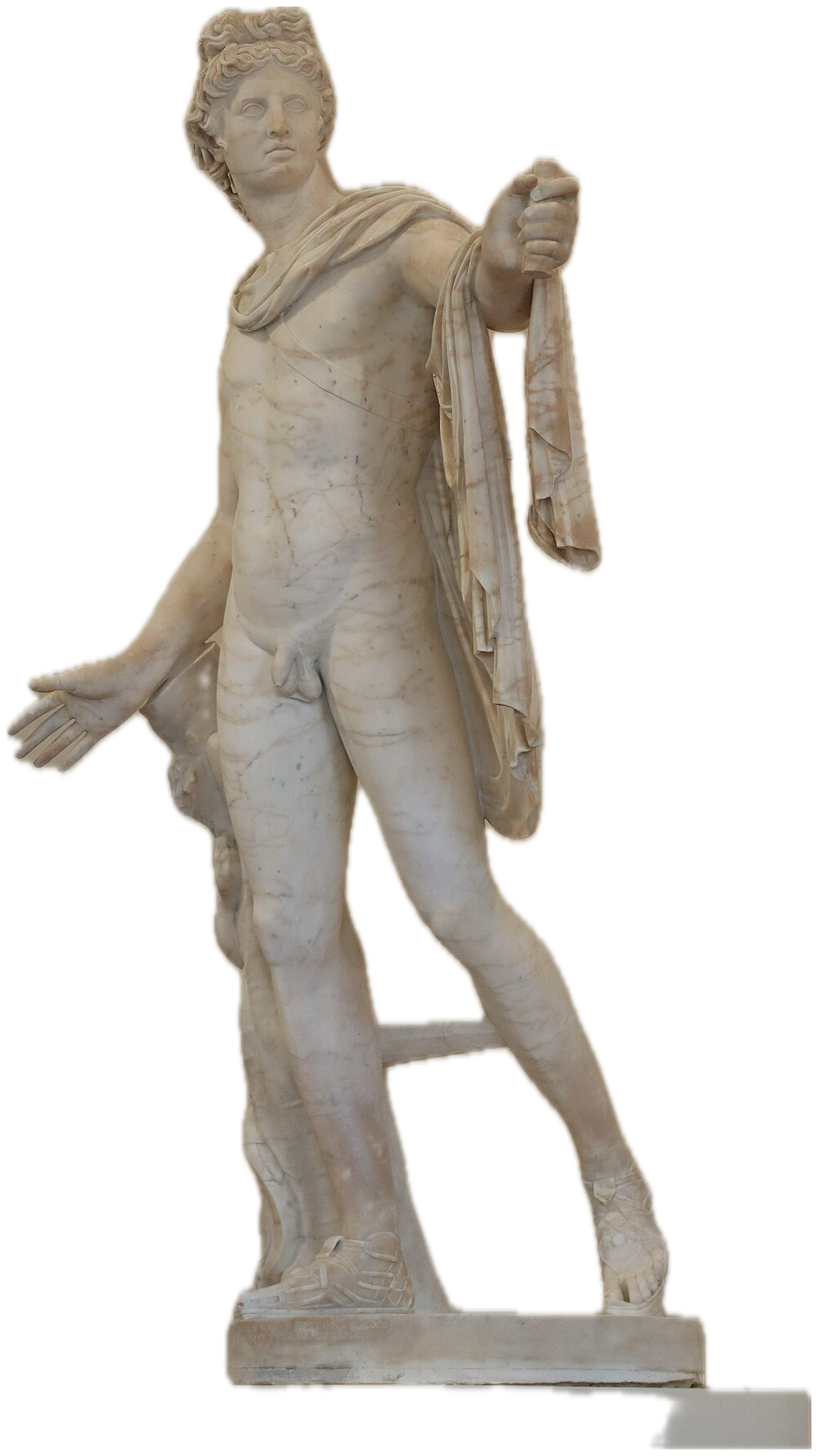


Mentions in the Iliad
A. T. Murray, Loeb Classical Library, Harvard University Press, 1924 · Homer, Iliad with an English Translation · CC BY-SA 3.0 US
“from the time when first they parted in strife Atreus' son, king of men, and brilliant Achilles. Who then of the gods was it that brought these two together to contend? The son of Leto and Zeus; for he in anger against the king roused throughout the host an evil pestilence, and the people began to perish,”







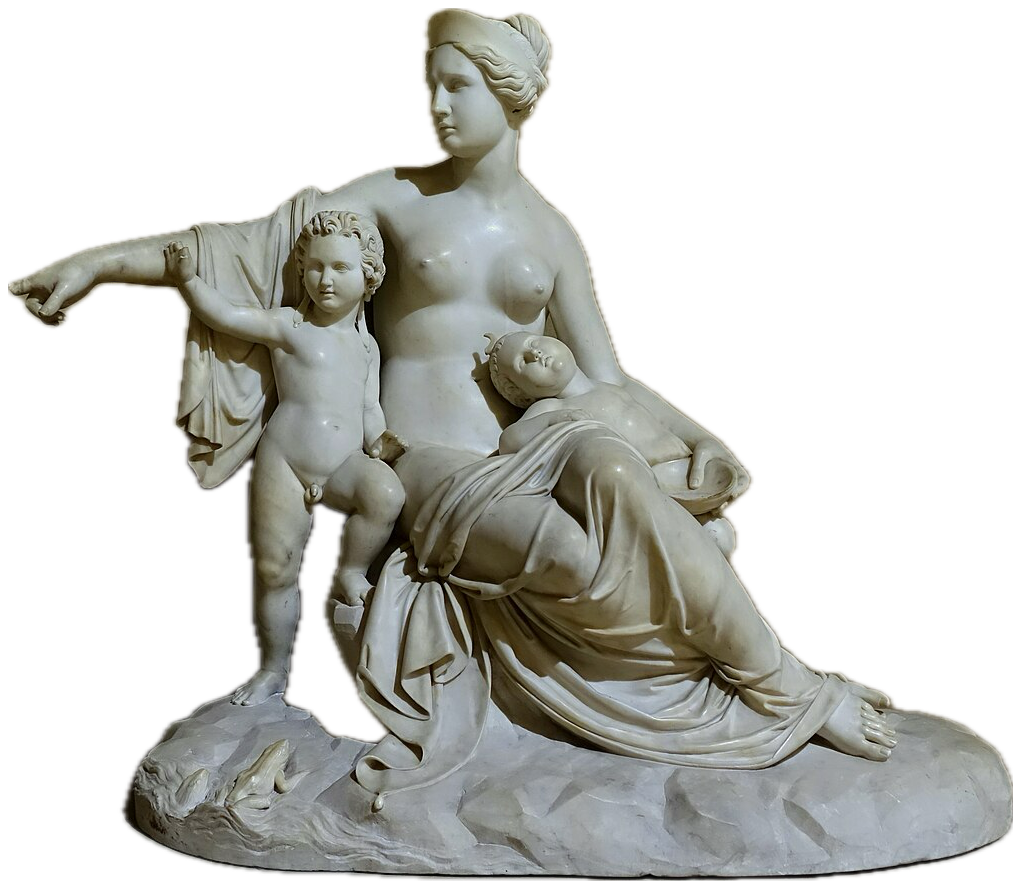

“to the lord Apollo, whom fair-haired Leto bore: Hear me, god of the silver bow, who stand over Chryse and holy Cilla, and rule mightily over Tenedos, Sminthian god, if ever I roofed over a temple to your pleasing, or if ever I burned to you fat thigh-pieces of bulls and goats,”
“fulfill this prayer for me: let the Danaans pay for my tears by your arrows So he spoke in prayer, and Phoebus Apollo heard him. Down from the peaks of Olympus he strode, angered at heart, bearing on his shoulders his bow and covered quiver.”
“and who had guided the ships of the Achaeans to Ilios by his own prophetic powers which Phoebus Apollo had bestowed upon him. He with good intent addressed the gathering, and spoke among them: Achilles, dear to Zeus, you bid me declare the wrath of Apollo, the lord who strikes from afar.”
“not even if you name Agamemnon, who now claims to be far the best of the Achaeans. Then the blameless seer took heart, and spoke: It is not then because of a vow that he finds fault, nor because of a hecatomb, but because of the priest whom Agamemnon dishonoured, and did not release his daughter nor accept the ransom.”
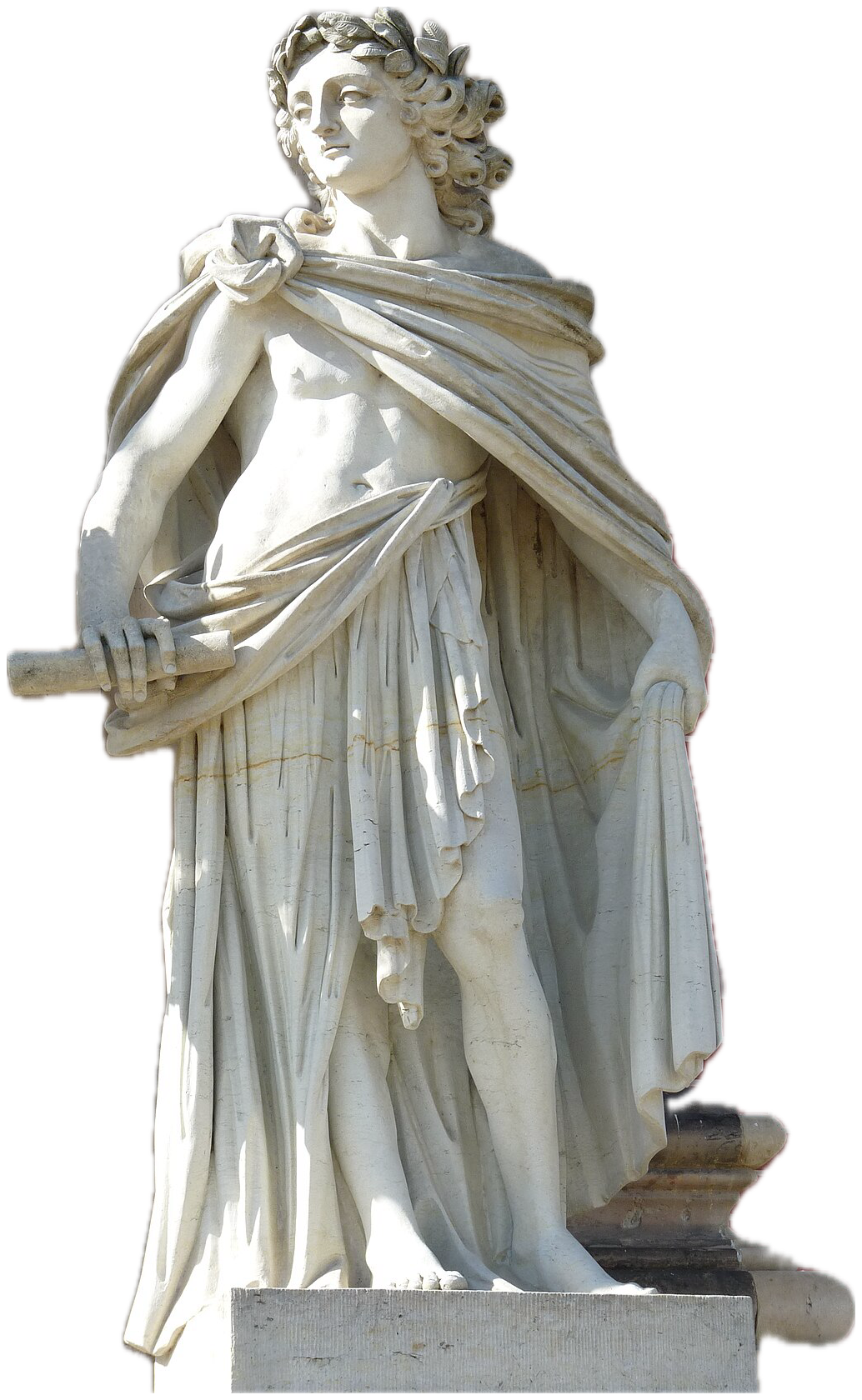
“or you, son of Peleus, of all men most extreme, so that on our behalf you may propitiate the god who strikes from afar by offering sacrifice. Glaring from beneath his brows spoke to him swift-footed Achilles: Ah me, clothed in shamelessness, thinking of profit, how shall any man of the Achaeans obey your words with a ready heart”
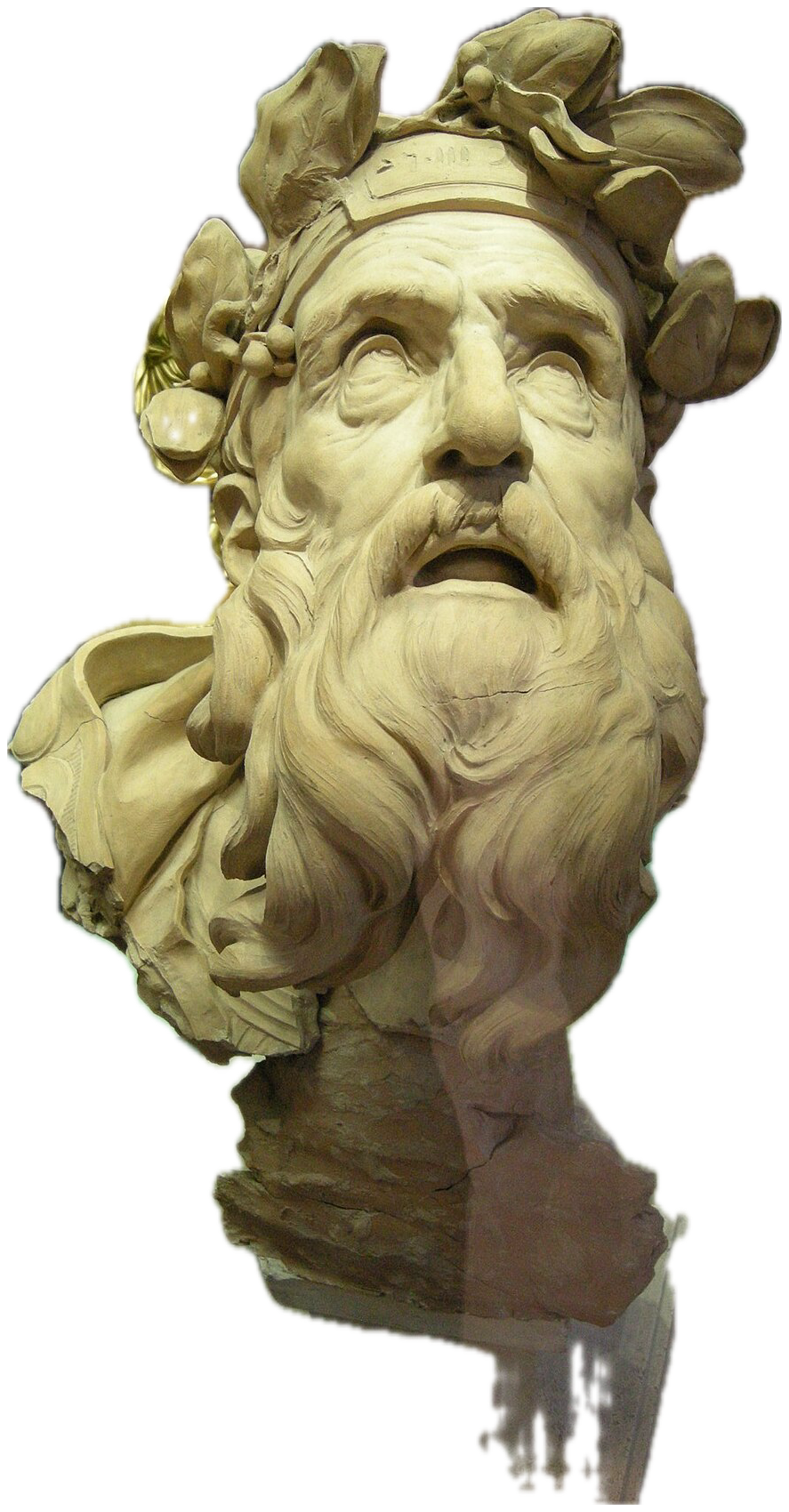
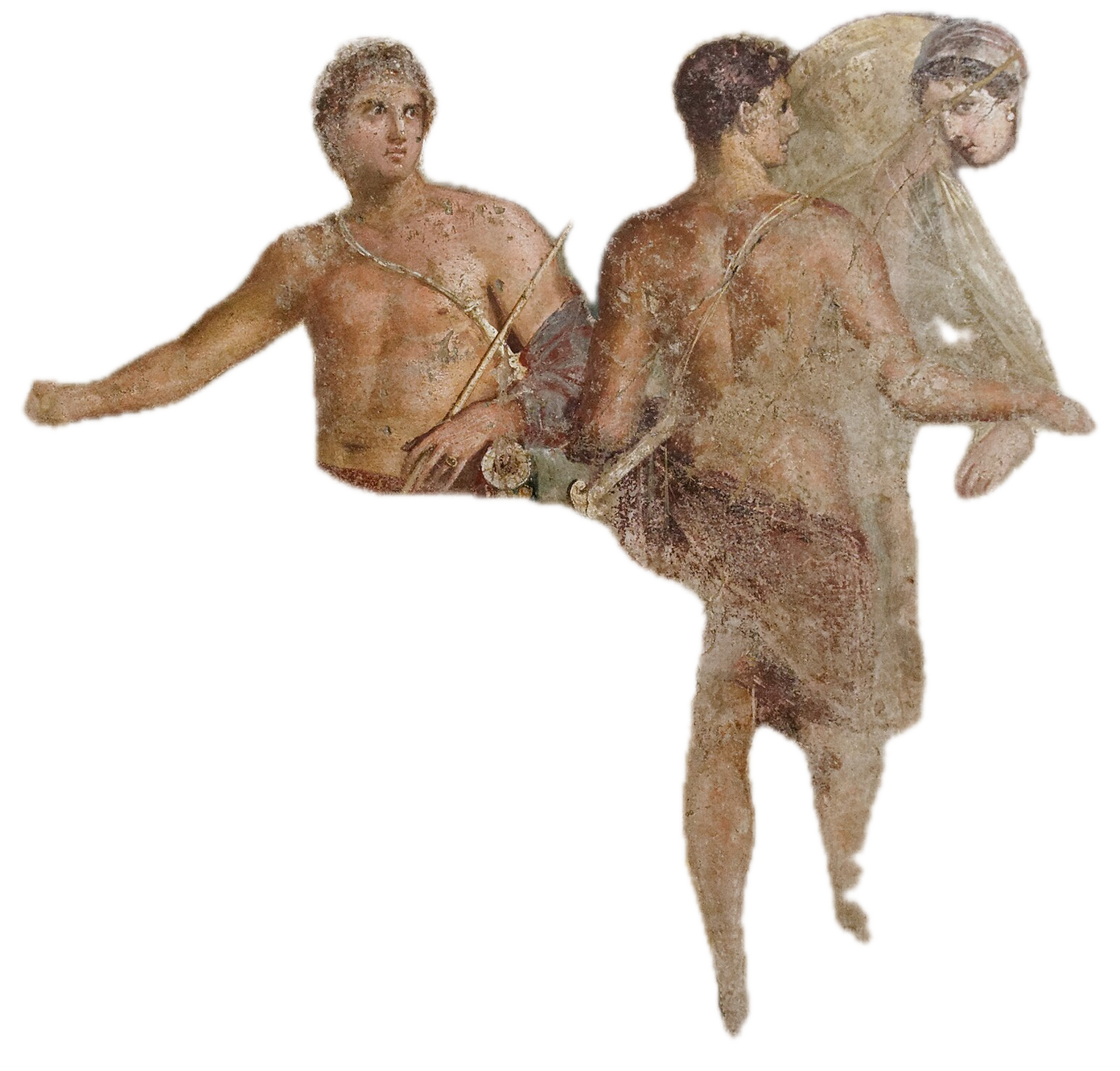
See all 107
“and Odysseus of many wiles went on board to take command. So these embarked and sailed over the watery ways; but the son of Atreus bade the people purify themselves. And they purified themselves, and cast the defilement into the sea, and offered to Apollo perfect hecatombs”
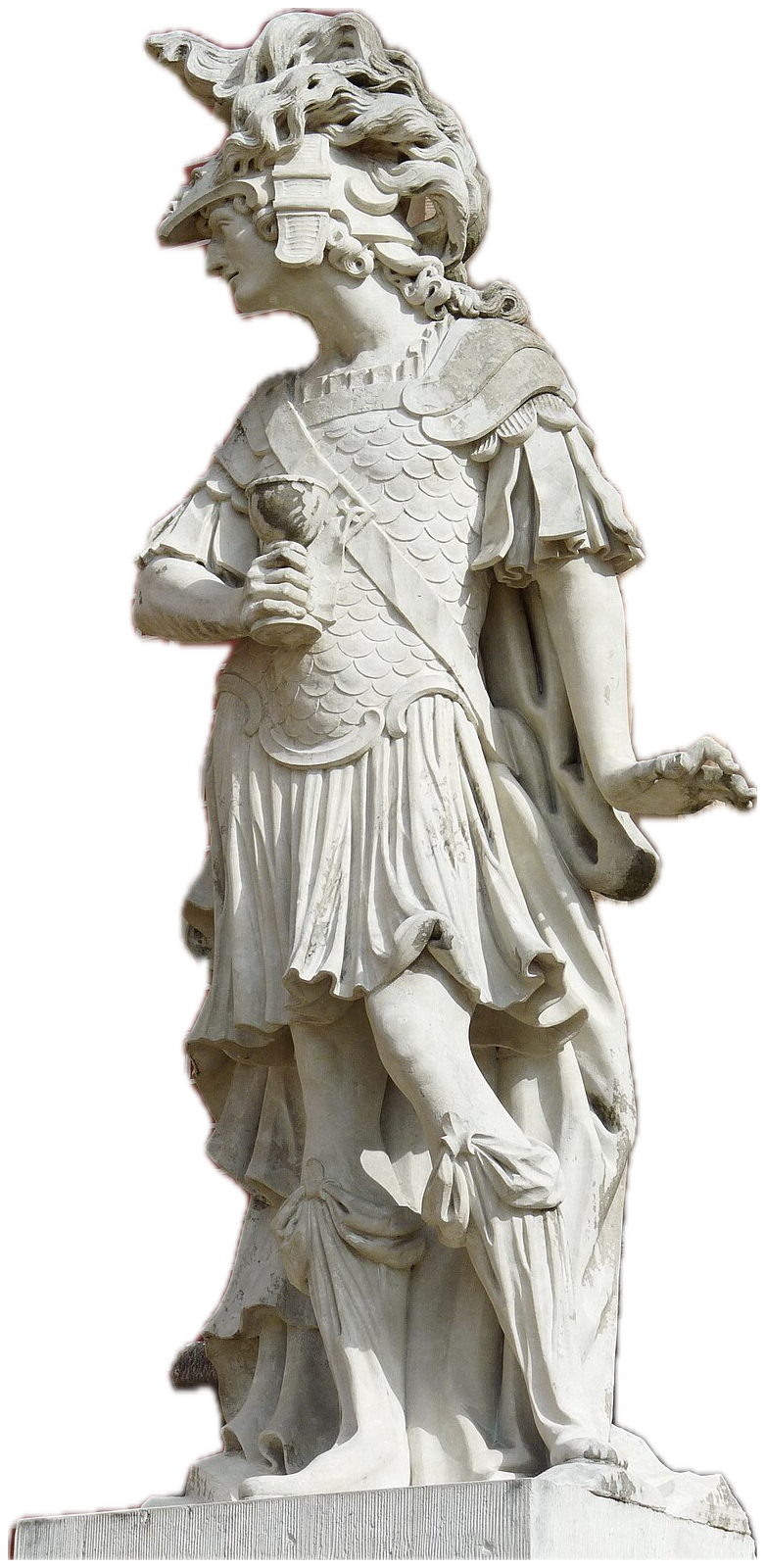
“came to the swift ships of the bronze-clad Achaeans, to free his daughter, bearing ransom past counting, and in his hands he held the wreaths of Apollo who strikes from afar, on a staff of gold, and he implored all the Achaeans, but most of all the two sons of Atreus, marshallers of the people.”
“Forthwith, then, I first bade propitiate the god, but thereafter anger seized the son of Atreus, and straightway he arose and spoke a threatening word, which now has come to pass. For the quick-glancing Achaeans are taking the maiden in a swift ship to Chryse, and are bearing gifts to the god;”
“Then they cast out the mooring-stones and made fast the stern cables, and themselves went forth upon the shore of the sea. They brought forth the hecatomb for Apollo, who strikes from afar, and forth stepped also the daughter of Chryses from the sea-faring ship. Her then did Odysseus of many wiles lead to the altar,”
“and place in the arms of her dear father, saying to him: Chryses, Agamemnon, king of men, sent me forth to bring to you your daughter, and to offer to Phoebus a holy hecatomb on the Danaans' behalf, that therewith we may propitiate the lord, who has now brought upon the Argives woeful lamentation.”
“ward off now from the Danaans the loathly pestilence. So he spoke in prayer, and Phoebus Apollo heard him. Then, when they had prayed, and had sprinkled the barley grains, they first drew back the victims' heads, and cut their throats, and flayed them, and cut out the thighs and covered them”
“they lay down to rest by the stern cables of the ship, and as soon as early rosy-fingered Dawn appeared, then they set sail for the wide camp of the Achaeans. And Apollo, who works from afar, sent them a favouring wind, and they set up the mast and spread the white sail.”
“Thus the whole day long till the setting of the sun they feasted, nor did their heart lack anything of the equal feast, nor of the beauteous lyre, that Apollo held, nor yet of the Muses, who sang, replying one to the other with sweet voices. But when the bright light of the sun was set,”
“Aye verily once more, old sir, art thou pre-eminent in speech above the sons of the Achaeans. I would, O father Zeus and Athene and Apollo, that I had ten such counsellors; then would the city of king Priam forthwith bow her head, taken and laid waste beneath our hands.”
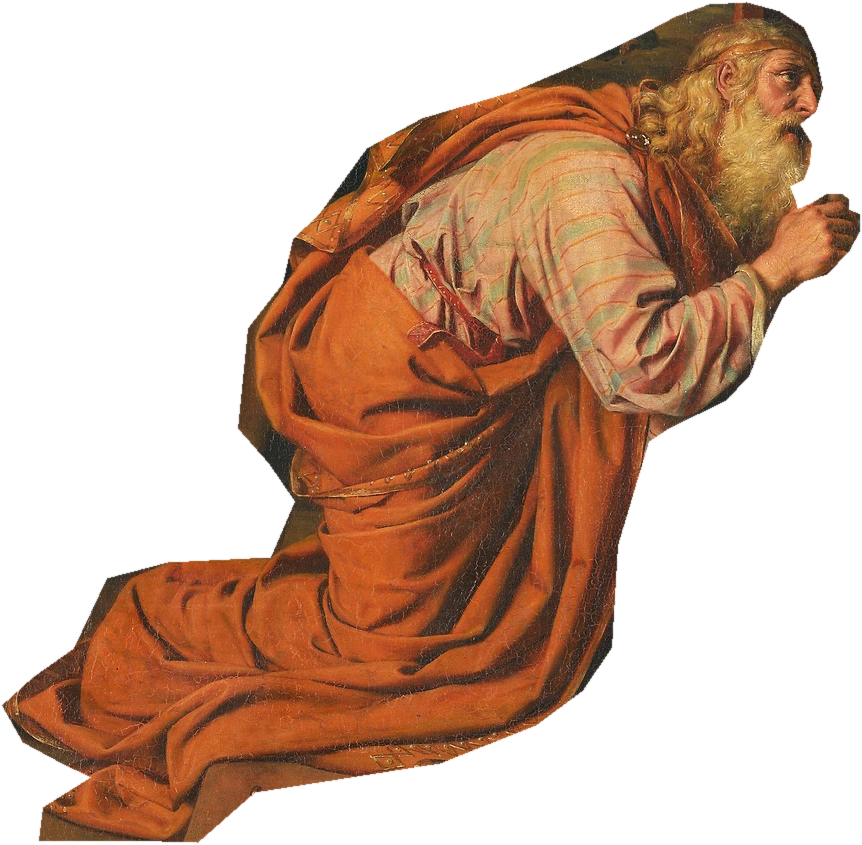
“like of coat, like of age, their backs as even as a levelling line could make. These had Apollo of the silver bow reared in Pereia, both of them mares, bearing with them the panic of war. And of warriors far best was Telamonian Aias, while yet Achilles cherished his wrath; for Achilles was far the mightiest,”
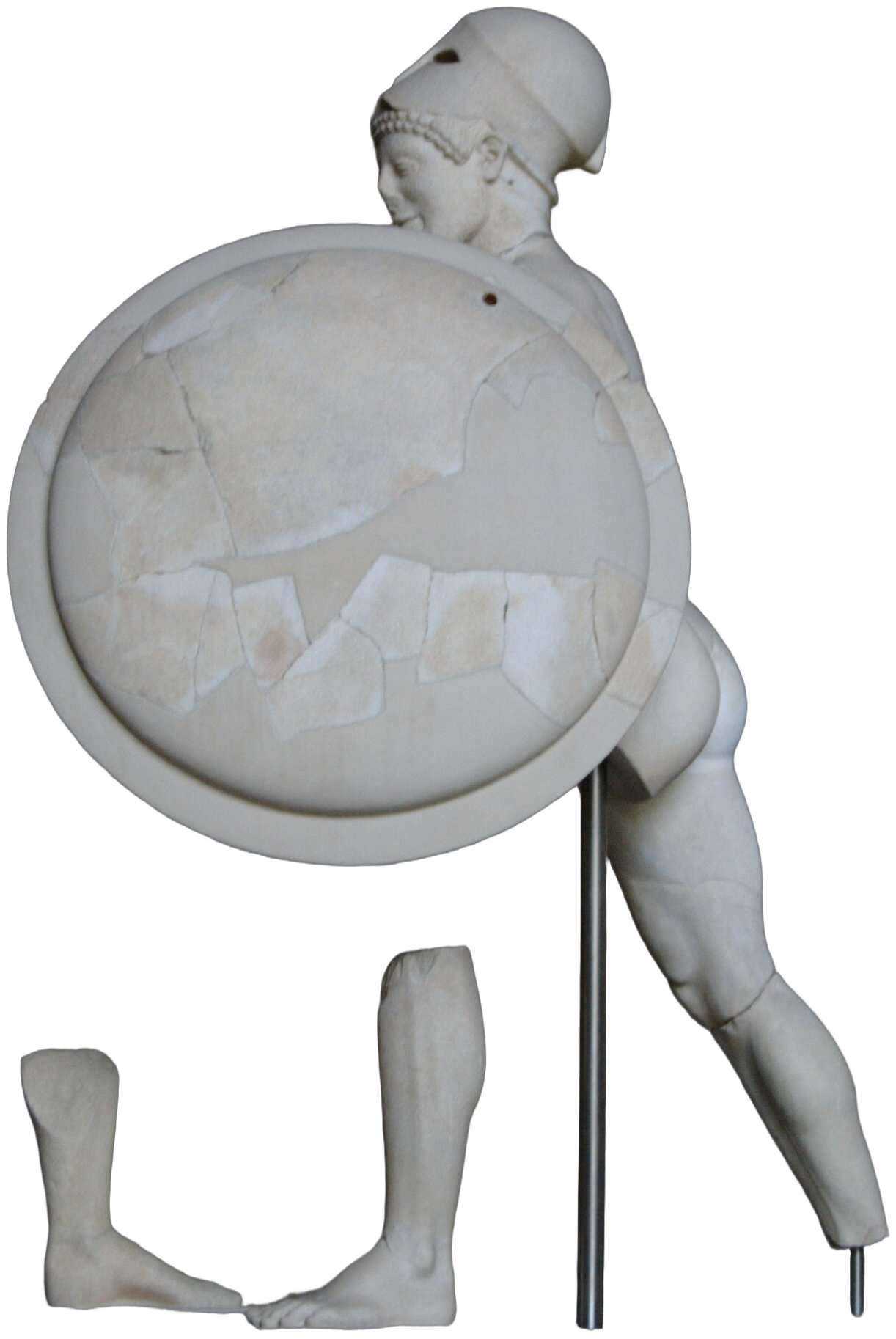
“men of wealth, that drink the dark water of Aesepus, even the Troes, these again were led by the glorious son of Lycaon, Pandarus, to whom Apollo himself gave the bow. And they that held Adrasteia and the land of Apaesus, and that held Pityeia and the steep mount of Tereia,”
“Nay, come, shoot thine arrow at glorious Menelaus, and vow to Apollo, the wolf-born god, famed for his bow, that thou wilt sacrifice a glorious hecatomb of firstling lambs, when thou shalt come to thy home, the city of sacred Zeleia. So spake Athene, and persuaded his heart in his folly.”
“or ever Menelaus, the warlike son of Atreus, was smitten. Then opened he the lid of his quiver, and took forth an arrow, a feathered arrow that had never been shot, freighted with dark pains; and forthwith he fitted the bitter arrow to the string, and made a vow to Apollo, the wolf-born god, famed for his bow,”
“Ye Aiantes, leaders of the brazen-coated Argives, to you twain, for it beseemeth not to urge you, I give no charge; for of yourselves ye verily bid your people fight amain. I would, O father Zeus and Athene and Apollo, that such spirit as yours might be found in the breasts of all;”
“Then the foremost warriors and glorious Hector gave ground; and the Argives shouted aloud, and drew off the bodies, and charged far further onward. And Apollo, looking down from Pergamus, had indignation, and called with a shout to the Trojans: Rouse ye, horse-taming Trojans, give not ground in fight”

“before Argives; not of stone nor of iron is their flesh to resist the bronze that cleaveth the flesh, when they are smitten. Nay, and Achilles moreover fighteth not, the son of fair-haired Thetis, but amid the ships nurseth his bitter wrath. So spake the dread god from the city; but the Achaeans”
“the son of Zeus, sped me on my way when I set forth from Lycia. So spake he vauntingly; howbeit that other did the swift arrow not lay low, but he drew back, and took his stand before his horses and chariot, and spake to Sthenelus, son of Capaneus: Rouse thee, good son of Capaneus; get thee down from the car,”
“the ichor, such as floweth in the blessed gods; for they eat not bread neither drink flaming wine, wherefore they are bloodless, and are called immortals. She then with a loud cry let fall her son, and Phoebus Apollo took him in his arms”
“and all these things shall be the business of swift Ares and Athene. On this wise spake they one to the other; but Diomedes, good at the war-cry, leapt upon Aeneas, though well he knew that Apollo himself held forth his arms above him; yet had he no awe even of the great god, but was still eager”

“to slay Aeneas and strip from him his glorious armour. Thrice then he leapt upon him, furiously fain to slay him, and thrice did Apollo beat back his shining shield. But when for the fourth time he rushed upon him like a god, then with a terrible cry spake to him Apollo that worketh afar:”
“So spake he, and himself sate him down upon the height of Pergamus, and baneful Ares entered amid the Trojans' ranks and urged them on, in the likeness of swft Acamas, leader of the Thracians. To Priam's sons, nurtured of Zeus, he called, saying: Ye sons of Priam, the king nurtured of Zeus,”
“as the fight was joined again; and the charioteers wheeled round. The might of their hands they bare straight forward, and about the battle furious Ares drew a veil of night to aid the Trojans, ranging everywhere; so fulfilled he the behest of Phoebus Apollo of the golden sword, who bade him”
“rouse the spirit of the Trojans, whenso he saw that Pallas Athene was departed; for she it was that bare aid to the Danaans. And Apollo himself sent Aeneas forth from out the rich sanctuary, and put courage in the breast of the shepherd of the host. And Aeneas took his place in the midst of his comrades, and these waxed glad”
“while at their ease Cypris and Apollo of the silver bow take their joy, having set on this madman that regardeth not any law? Father Zeus, wilt thou in any wise be wroth with me if I smite Ares in sorry fashion and drive him out of the battle? Then in answer spake to her Zeus, the cloud-gatherer:”
“to sacred Ilios. And Apollo sped forth to meet her, for he looked down from out of Pergamus and beheld her, and was fain to have victory for the Trojans. So the twain met one with the other by the oak-tree. Then to her spake first the king Apollo, son of Zeus: Wherefore art thou again come thus eagerly from Olympus, thou daughter of great Zeus,”
“and he went into the midst and kept back the battalions of the Trojans with his spear grasped by the middle; and they all sate them down, and Agamemnon made the well-greaved Achaeans to sit. And Athene and Apollo of the silver bow in the likeness of vultures sate them”
“that the Trojans and the Trojan wives may give me my due meed of fire in my death. But if so be I slay him, and Apollo give me glory, I will spoil him of his armour and bear it to sacred Ilios and hang it upon the temple of Apollo, the god that smiteth afar, but his corpse will I render back to the well-benched ships,”
“then would he lift up his hands to the immortals in instant prayer that his soul might depart from his limbs into the house of Hades. I would, O father Zeus and Athene and Apollo, that I were young as when beside swift-flowing Celadon the Pylians and Arcadians that rage with spears gathered together and fought”
“and he burst the buckler inwards with the cast of the rock that was like unto a mill-stone, and beat down Hector's knees; so he stretched upon his back, gathered together under his shield; howbeit Apollo straightway raised him up. And now had they been smiting with their swords in close fight, but that the heralds, messengers of Zeus and men,”
“but gave not glorious hecatombs to the gods? Of a surety shall the fame thereof reach as far as the dawn spreadeth, and men will forget the wall that I and Phoebus Apollo built with toil for the warrior Laomedon. Then greatly troubled, Zeus, the cloud-gatherer, spake to him:”
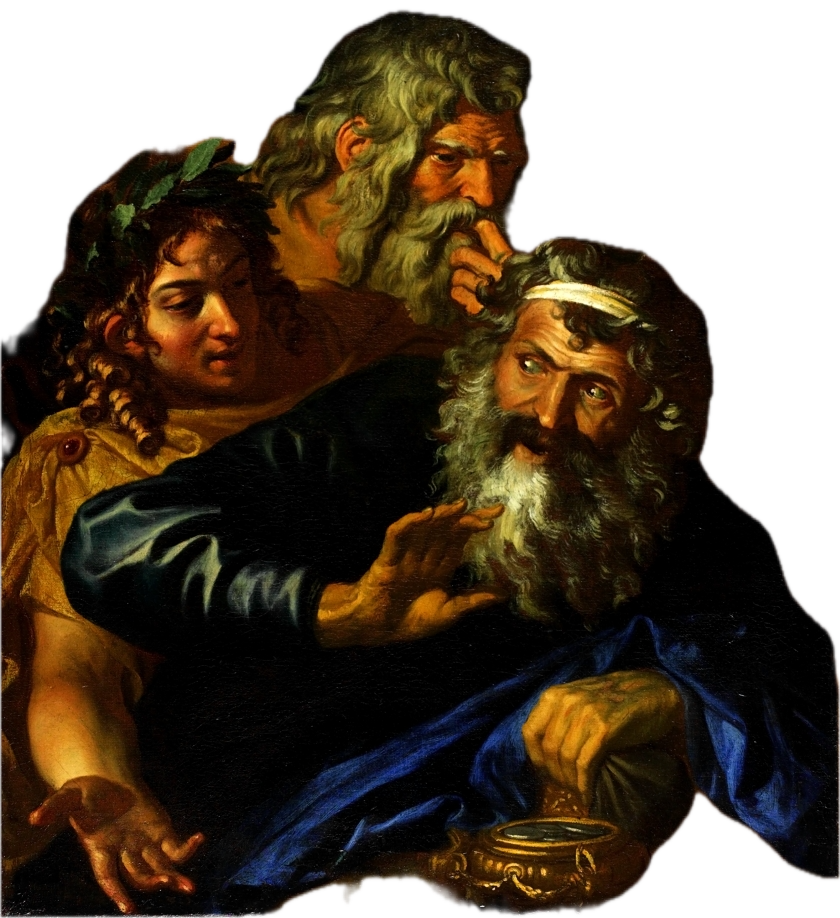
“straight against Hector, and his heart was fain to smite him. Howbeit he missed him once again, for Apollo made his dart to swerve, but Archeptolemus, the bold charioteer of Hector, as he hasted into battle he smote on the breast beside the nipple. So he fell from out the car, and the swift-footed horses swerved aside thereat;”
“and that I might be honoured even as Athene and Apollo, so surely as now this day bringeth evil upon the Argives. So Hector addressed their gathering, and thereat the Trojans shouted aloud. Their sweating horses they loosed from beneath the yoke, and tethered them with thongs, each man beside his own chariot;”
“Phoebus Apollo encloseth in rocky Pytho. For by harrying may cattle be had and goodly sheep, and tripods by the winning and chestnut horses withal; but that the spirit of man should come again when once it hath passed the barrier of his teeth, neither harrying availeth nor winning.”
“Phoebus Apollo for the sake of the fair-ankled maid. Her of old in their halls had her father and honoured mother called Halcyone by name, for that the mother herself in a plight even as that of the halcyon-bird of many sorrows, wept because Apollo that worketh afar had snatched her child away.”
“But no blind watch did Apollo of the silver bow keep when he saw Athene attending the son of Tydeus; in wrath against her he entered the great throng of the Trojans, and aroused a counsellor of the Thracians, Hippocoön, the noble kinsman of Rhesus. And he leapt up out of sleep,”
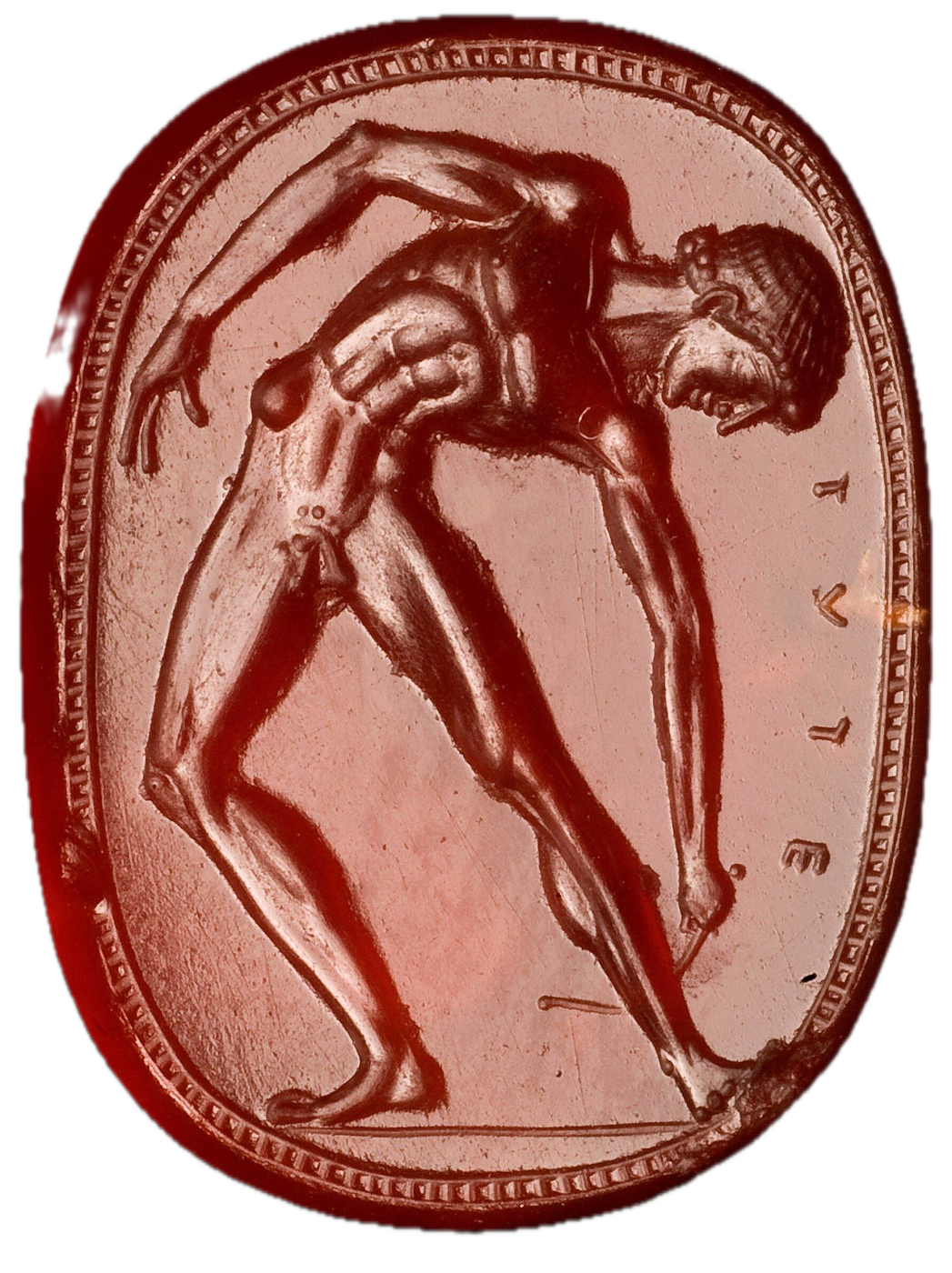
“At sight of him Diomedes, good at the war-cry, shuddered, and forthwith spake to Odysseus that was near: On us twain is this ruin rolling, even mighty Hector; but come, let us stand, and ward off his onset abiding where we are. He spake and poised his far-shadowing spear, and hurled it, nor missed he the mark at which he aimed, but smote him on the head, on the top of the helmet, but the bronze was turned aside by bronze, and reached not his fair flesh, for it was stayed by the threefold crested helm, which Phoebus Apollo had bestowed upon him. But Hector sprang back a wondrous way, and mingled with the throng,”
“drave forth into the throng, and escaped black fate. And rushing after him with his spear mighty Diomedes spake to him: Now again, thou dog, art thou escaped from death, though verily thy bane came nigh thee; but once more hath Phoebus Apollo saved thee, to whom of a surety thou must make prayer whenso thou goest amid the hurtling of spears.”
“and the city of Priam was sacked in the tenth year, and the Argives had gone back in their ships to their dear native land, then verily did Poseidon and Apollo take counsel to sweep away the wall, bringing against it the might of all the rivers that flow forth from the mountains of Ida to the sea—”
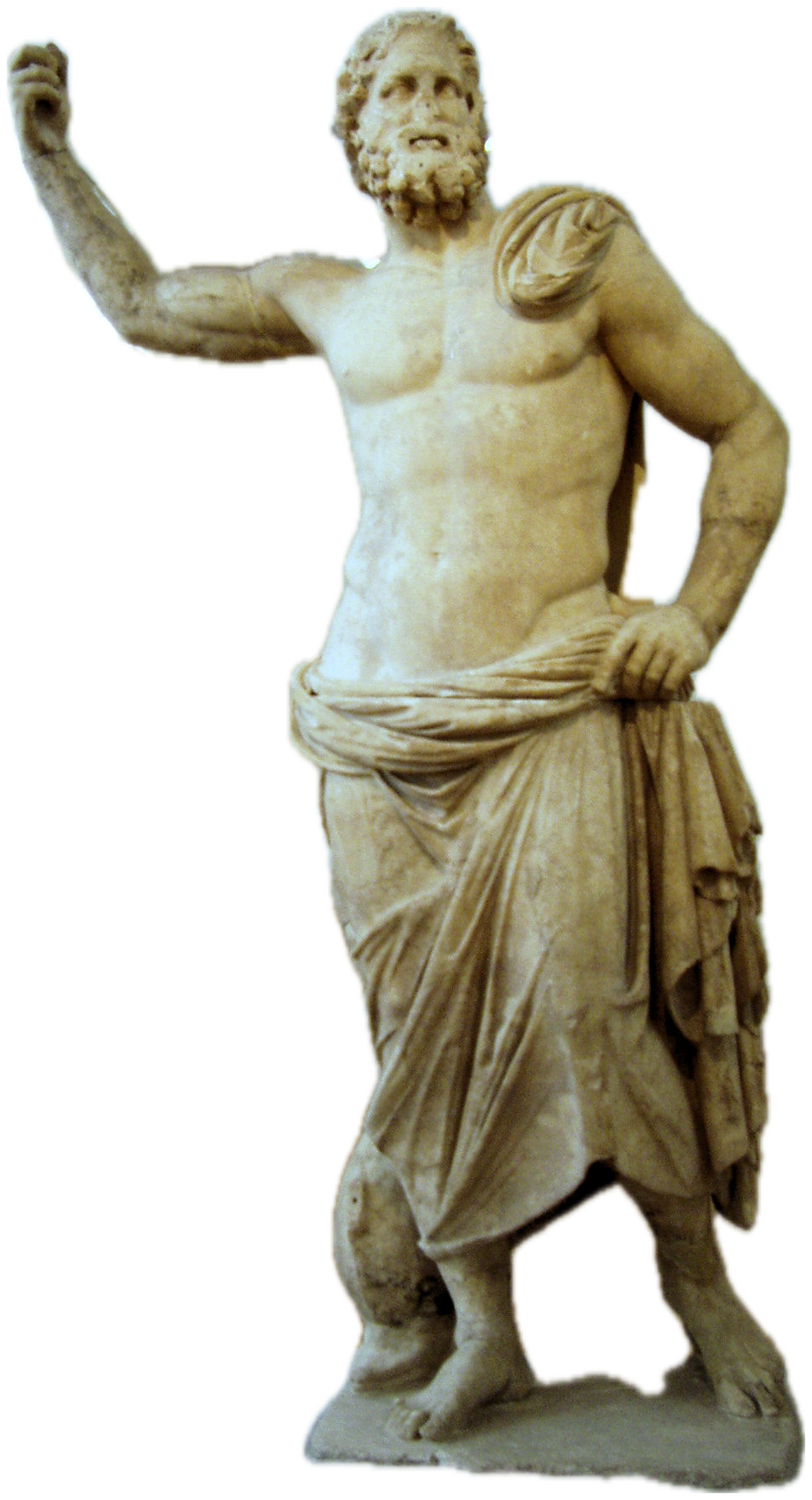
“Rhesus and Heptaporus and Caresus and Rhodius, and Granicus and Aesepus, and goodly Scamander, and Simois, by the banks whereof many shields of bull's-hide and many helms fell in the dust, and the race of men half-divine—of all these did Phoebus Apollo turn the mouths together,”
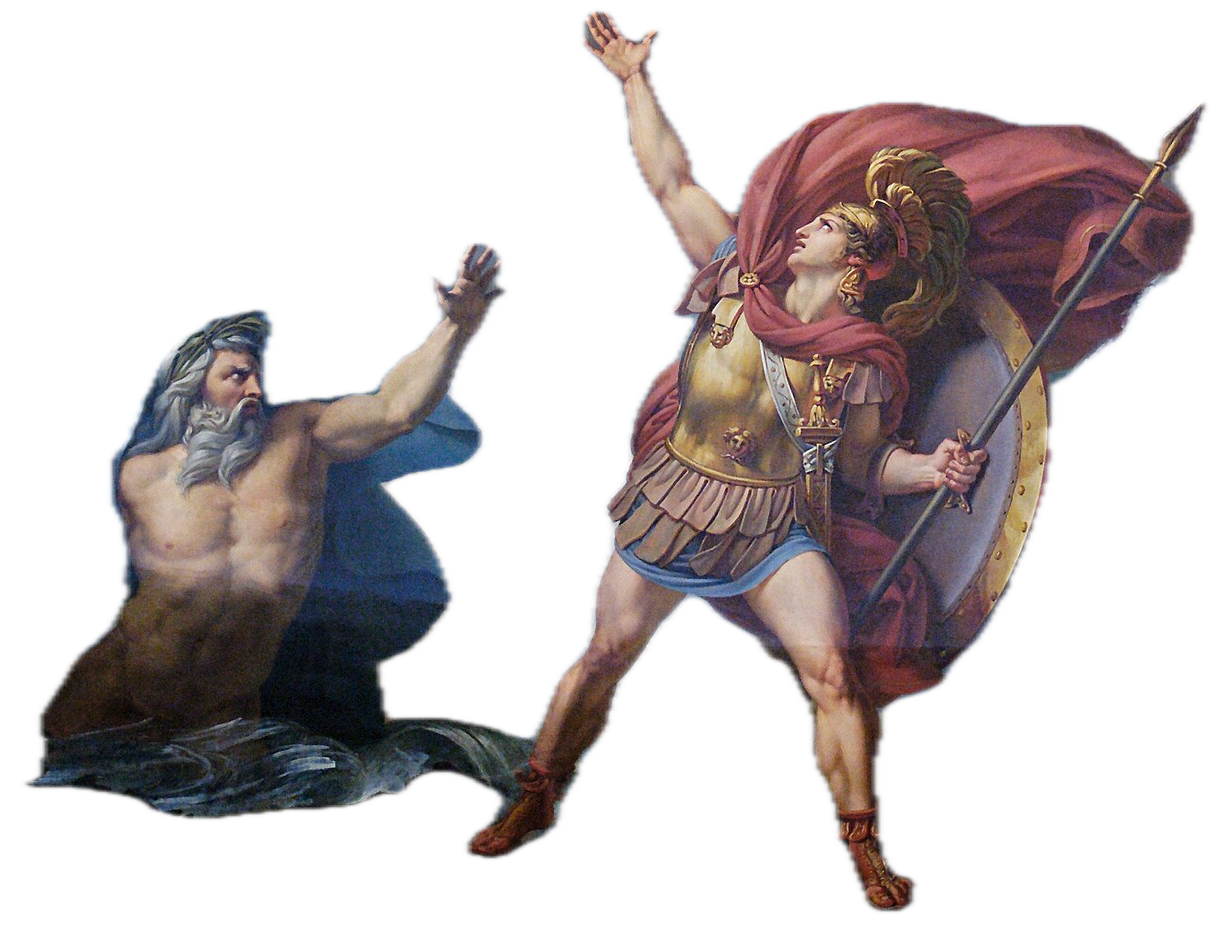
“I would that I mine own self were all my days as surely the son of Zeus, that beareth the aegis, and my mother were the queenly Hera, and that I were honoured even as are Athene and Apollo, as verily this day beareth evil for the Argives, one and all; and among them shalt thou too be slain, if thou have the heart”
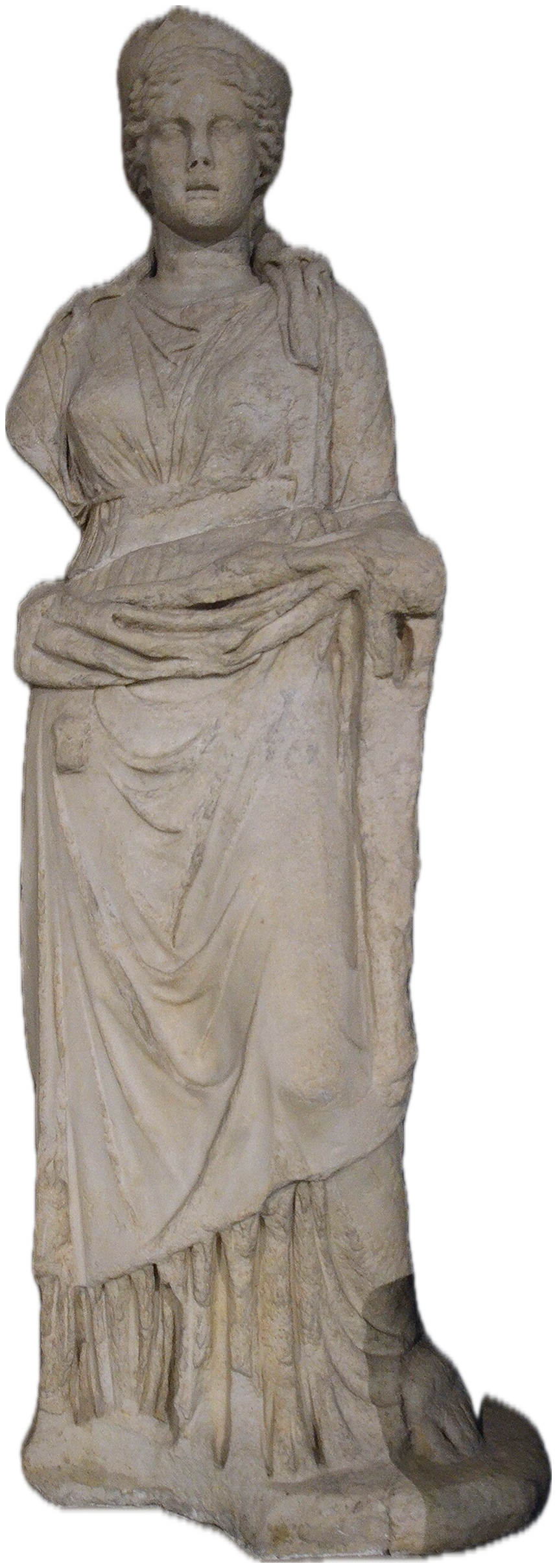
“Iris to come hither, and Apollo, famed for his bow, that she may go amid the host of the brazen-coated Achaeans, and bid the lord Poseidon that he cease from war, and get him to his own house; but let Phoebus Apollo rouse Hector to the fight,”
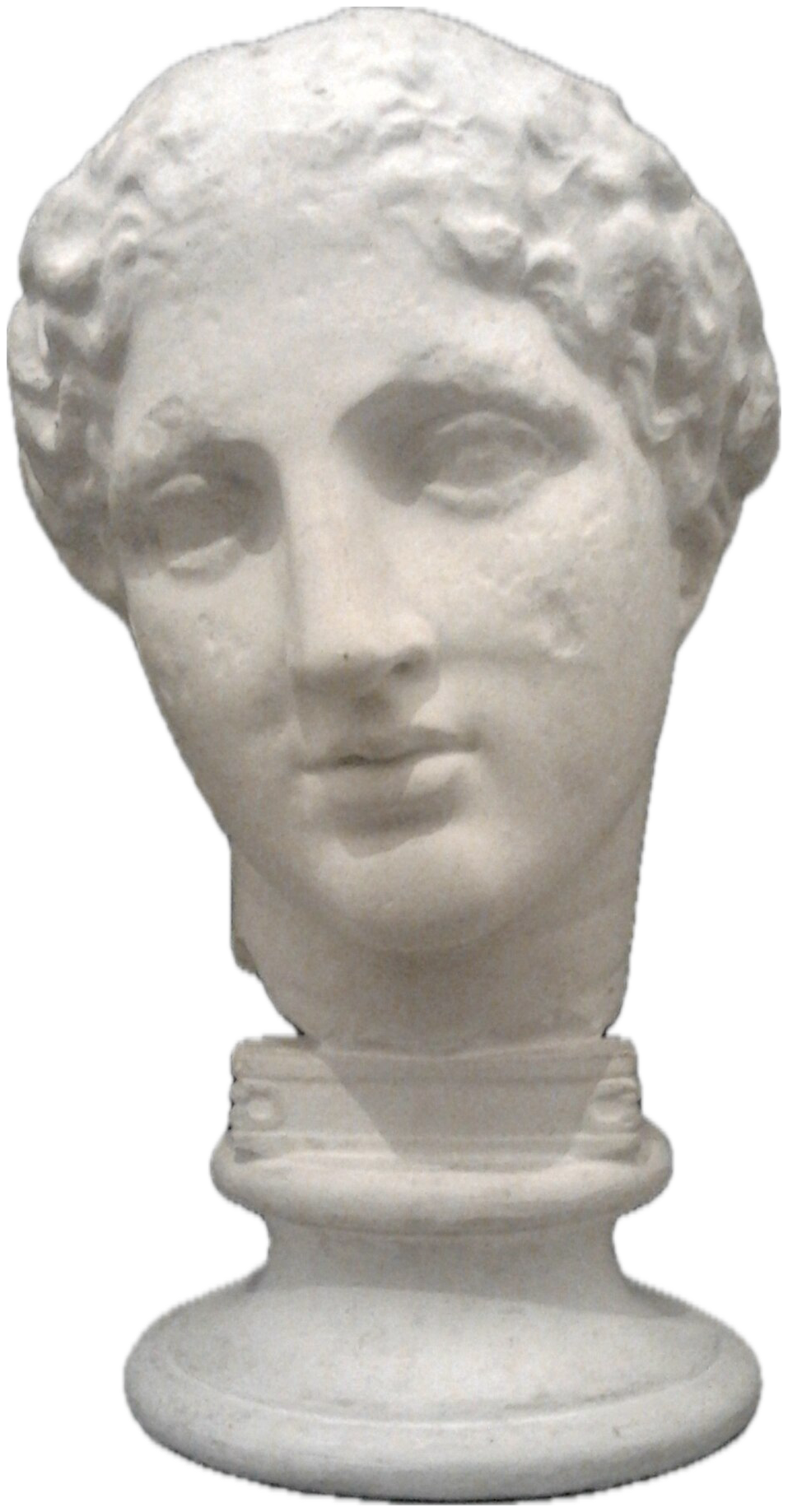
“or will yet be slain; and a hard thing it is to preserve the lineage and offspring of men. She spake she, and made furious Ares to sit down upon his throne. But Hera called Apollo forth from out the hall, and Iris, that is the messenger of the immortal gods;”
“Then unto Apollo spake Zeus, the cloud-gatherer: Go now, dear Phoebus, unto Hector, harnessed in bronze, for now is the Enfolder and Shaker of Earth gone into the bright sea, avoiding our utter wrath; else verily had others too heard of our strife,”
“abidest here fainting? Is it haply that some trouble is come upon thee? Then, his strength all spent, spake to him Hector of the flashing helm: Who of the gods art thou, mightiest one, that dost make question of me face to face? Knowest thou not that at the sterns of the Achaeans' ships as I made havoc of his comrades, Aias, good at the war-cry, smote me”
“but behind them the multitude fared back to the ships of the Achaeans. Then the Trojans drave forward in close throng, and Hector led them, advancing with long strides, while before him went Phoebus Apollo, his shoulders wrapped in cloud, bearing the fell aegis, girt with shaggy fringe, awful, gleaming bright, that the smith”
“when they have come upon them suddenly, and a herdsman is not by, even so were the Achaeans driven in rout with no might in them; for upon them Apollo had sent panic, and unto the Trojans and Hector was he giving glory. Then man slew man as the fight was scattered. Hector laid low Stichius and Arcesilaus,”
“and before them Phoebus Apollo lightly dashed down with his feet the banks of the deep trench, and cast them into the midst thereof, bridging for the men a pathway long and broad, even as far as a spear-cast, when a man hurleth, making trial of his strength.”
“Therethrough they poured forward rank on rank, and before them went Apollo, bearing the priceless aegis. And full easily did he cast down the wall of the Achaeans, even as when a boy scattereth the sand by the sea, one that makes of it a plaything in his childishness, and then again confounds it with hands and feet as he maketh sport:”
“Him hath great-souled Hector slain. Where now are thy arrows that bring swift death, and the bow that Phoebus Apollos gave thee? So spake he, and the other hearkened, and ran, and took his stand close beside him, bearing in his hand his bent-back bow and the quiver that held his arrows; and full swiftly did he let fly his shafts upon the Trojans.”
“And Meges saw, and leapt upon him, but Polydamas swerved from beneath him and him Meges missed; for Apollo would not suffer the son of Panthous to be vanquished amid the foremost fighters; but with a spear-thrust he smote Croesmus full upon the breast. And he fell with a thud, and the other set him to strip the armour from his shoulders.”
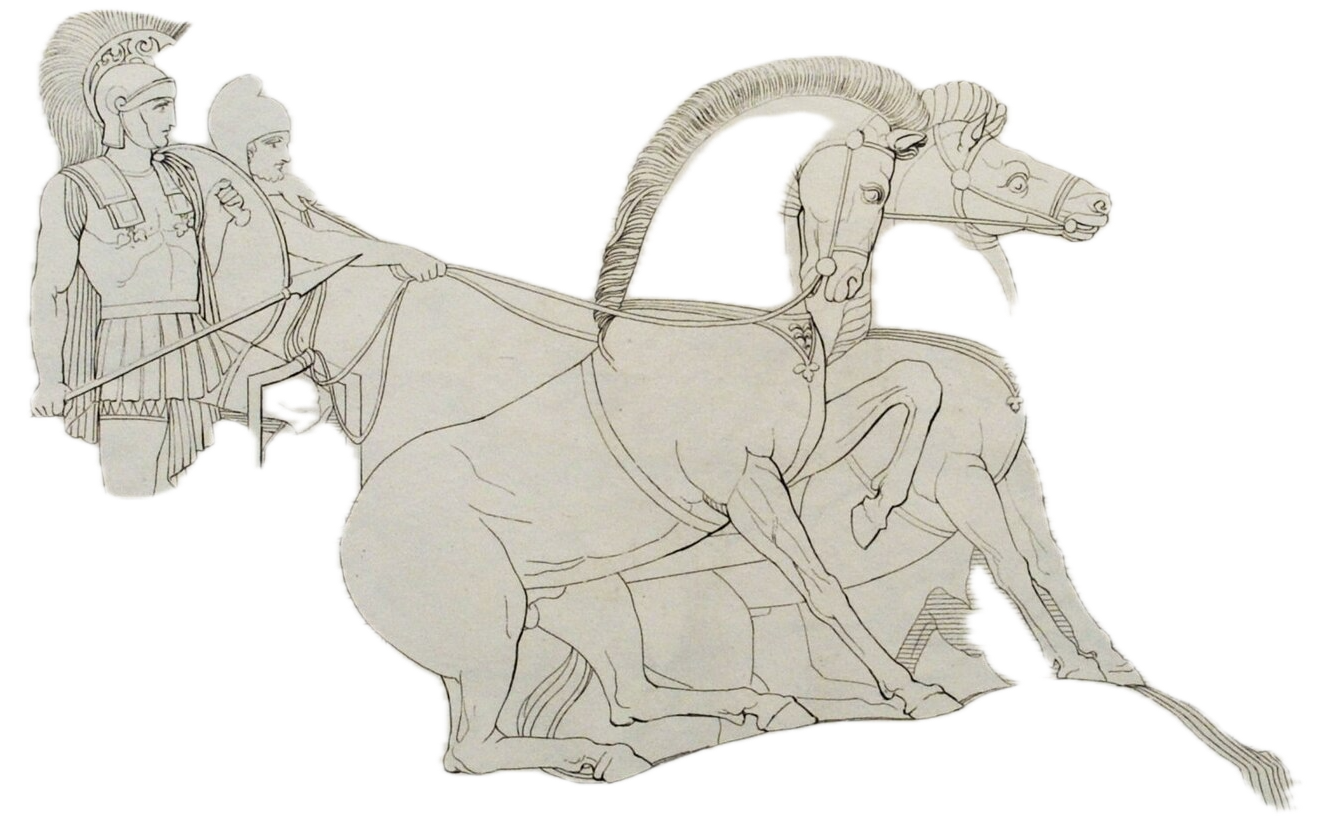
“against the war-loving Trojans: thou wilt lessen mine honour. Nor yet do thou, as thou exultest in war and conflict, and slayest the Trojans, lead on unto Ilios, lest one of the gods that are for ever shall come down from Olympus and enter the fray; right dearly doth Apollo, that worketh afar, love them.”
“And with his hand he caught and pressed his arm, for his wound tormented him, the wound that Teucer, while warding off destruction from his comrades, had dealt him with his arrow as he rushed upon the high wall. Then in prayer he spake to Apollo, that smiteth afar: Hear me, O king that art haply in the rich land of Lycia”
“that I may call to my comrades, the Lycians, and urge them on to fight, and myself do battle about the body of him that is fallen in death. So spake he in prayer, and Phoebus Apollo heard him. Forthwith he made his pains to cease, and staunched the black blood that flowed from his grievous wound, and put might into his heart.”
“and this the valiant son of Menoetius gave to his comrades to bear to the hollow ships. And then unto Apollo spake Zeus, the cloud-gatherer: Up now, dear Phoebus, go cleanse from Sarpedon the dark blood, when thou hast taken him forth from out the range of darts, and thereafter bear thou him far away, and bathe him in the streams of the river,”
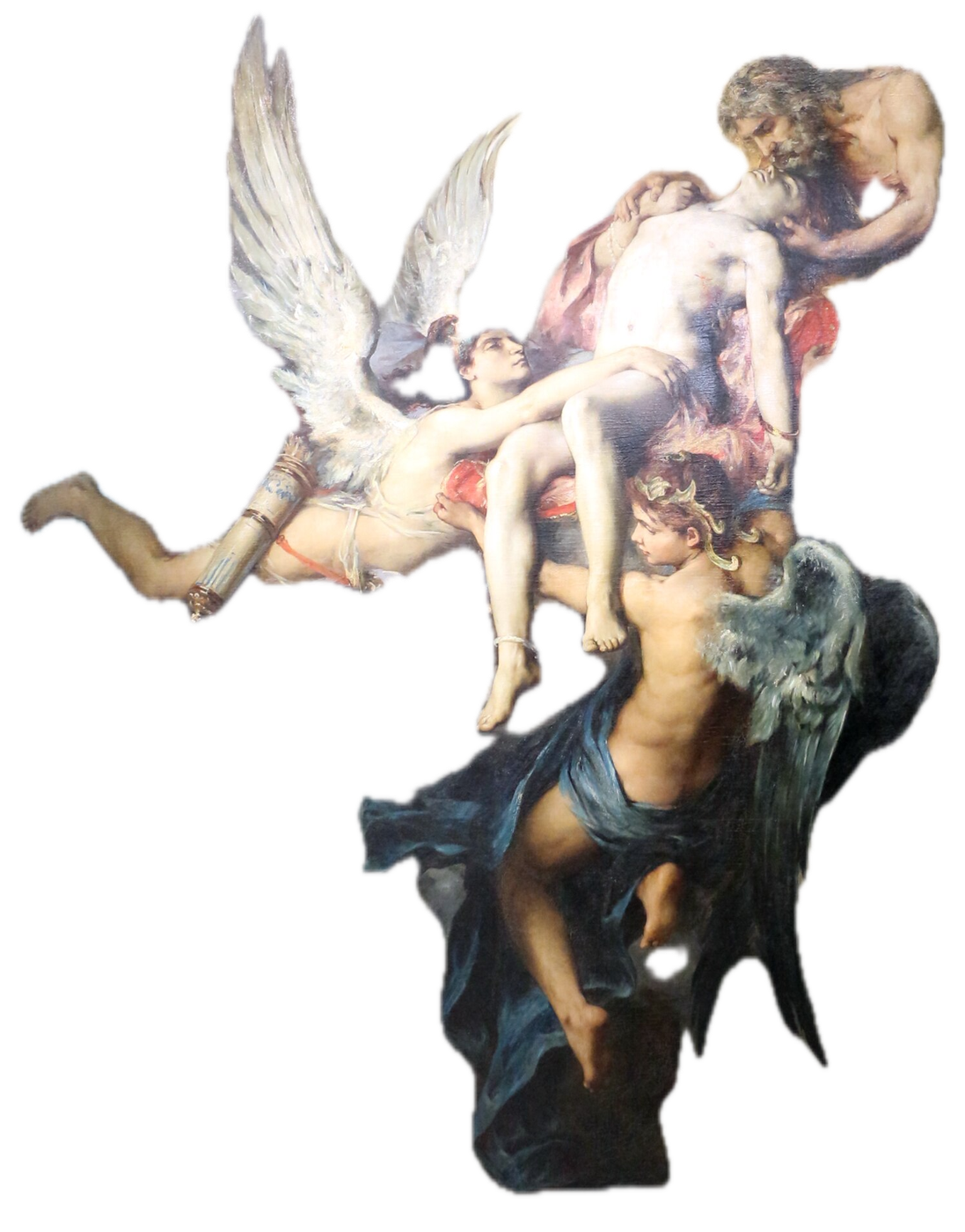
“had not Phoebus Apollo taken his stand upon the well-builded wall thinking thoughts of bane for him, but bearing aid to the Trojans. Thrice did Patroclus set foot upon a corner of the high wall, and thrice did Apollo fling him back, thrusting against the bright shield with his immortal hands.”
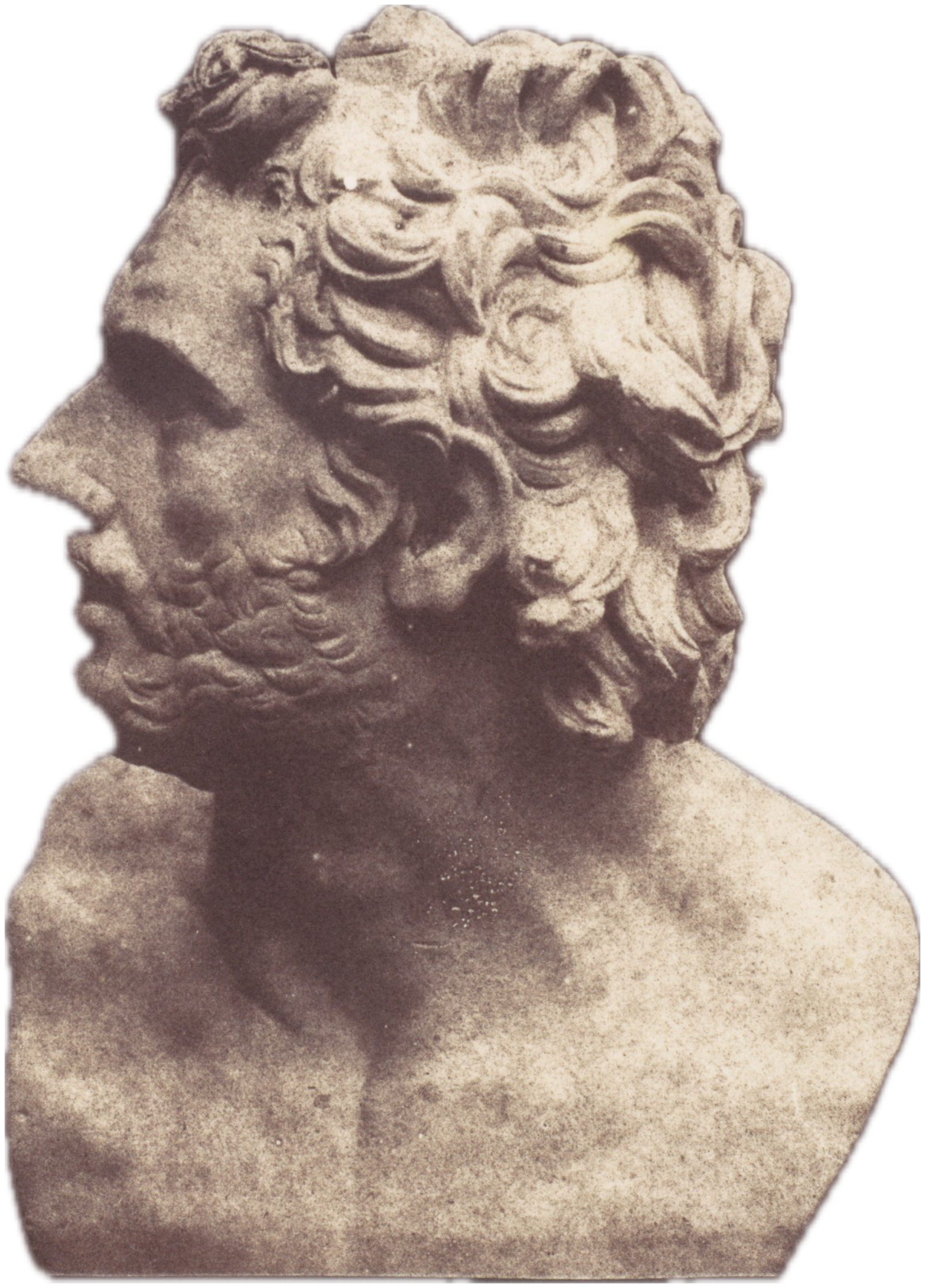
“But when for the fourth time he rushed on like a god, then with a terrible cry Apollo spake to him winged words: Give back, Zeus-born Patroclus. It is not fated, I tell thee, that by thy spear the city of the lordly Trojans shall be laid waste, nay, nor by that of Achilles, who is better far than thou.”
“if so be thou mayest slay him, and Apollo give thee glory. So spake he, and went back again, a god into the toil of men. Then unto wise-hearted Cebriones glorious Hector gave command to lash his horses into the battle. But Apollo went his way, and entered into the throng, and sent an evil panic upon the Argives,”
“crying a terrible cry, and thrice he slew nine men. But when for the fourth time he rushed on, like a god, then for thee, Patroclus, did the end of life appear; for Phoebus met thee in the fierce conflict, an awful god. And Patroclus marked him not as he passed through the turmuoil,”
“for enfolded in thick mist did he meet him; and Apollo took his stand behind him, and smote his back and broad shoulders with the flat of his hand, and his eyes were made to whirl. And from his head Phoebus Apollo smote the helmet, that rang as it rolled”
“to the hollow ships, till thou hast cloven about the breast of man-slaying Hector the tunic red with his blood. So, I ween, spake he to thee, and persuaded thy wits in thy witlessness. Then, thy strength all spent, didst thou answer him, knight Patroclus: For this time, Hector, boast thou mightily; for to thee have”
“Full easily then would Atreus' son have borne off the glorious armour of the son of Panthous, but that Phoebus Apollo begrudged it him, and in the likeness of a man, even of Mentes, leader of the Cicones, aroused against him Hector, the peer of swift Ares. And he spake and addressed him in winged words:”
“glancing this way and that for great Aias, son of Telamon. Him he marked full quickly on the left of the whole battle, heartening his comrades, and urging them on to fight, for wondrous fear had Phoebus Apollo cast upon them. And he set him to run, and straightway came up to him, and spake, saying:”
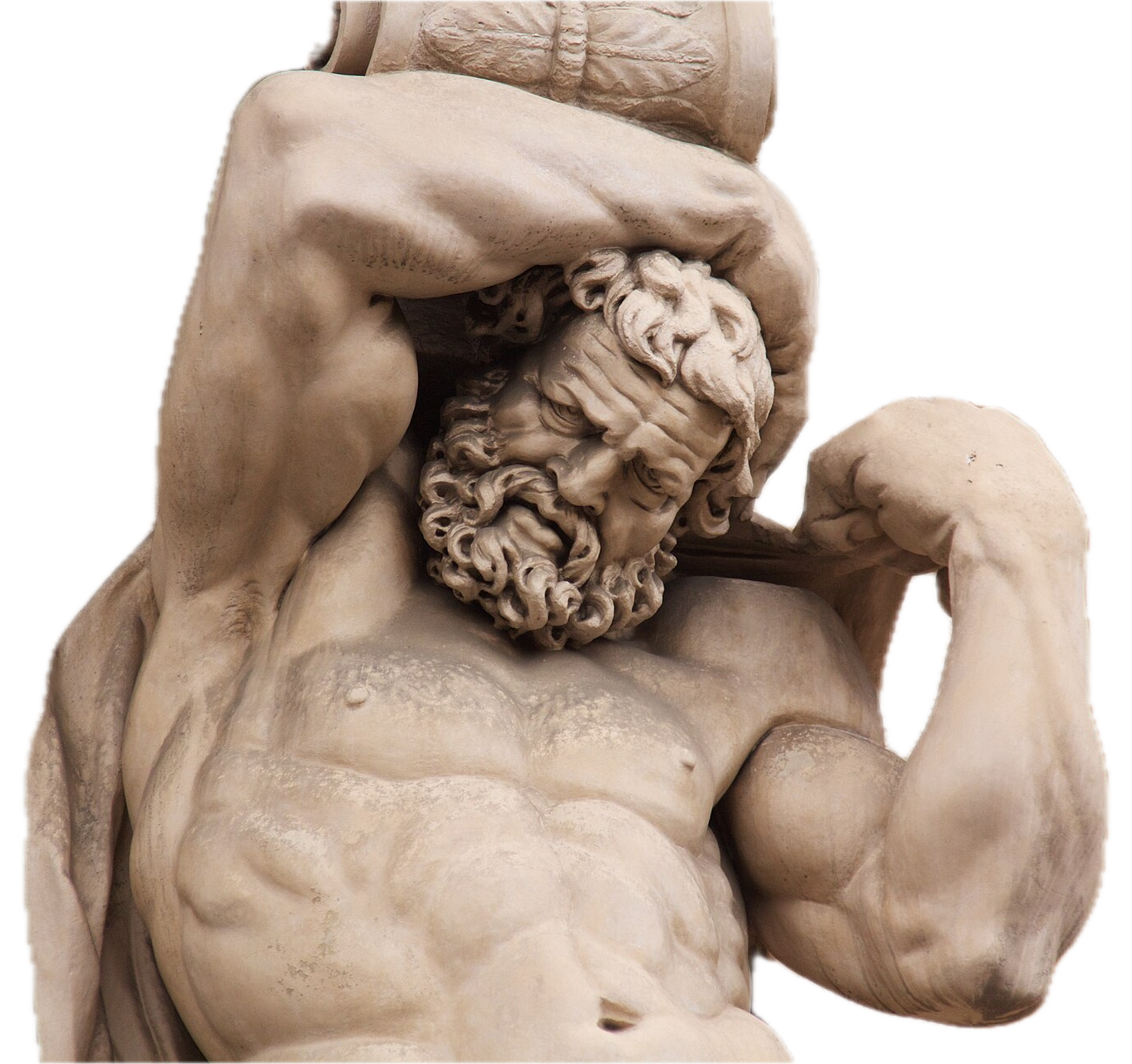
“dear to Ares, up to Ilios, vanquished in their cowardice, and the Argives would have won glory even beyond the allotment of Zeus, by reason of their might and their strength, had not Apollo himself aroused Aeneas, taking upon him the form of the herald, Periphas, son of Epytos, that in the house of his old father”
“and in their host, and that held their realm even in defiance of Zeus. But for us Zeus willeth the victory far more than for the Danaans; yet yourselves ye have measureless fear, and fight not. So spake he, and Aeneas knew Apollo that smiteth afar, when he looked upon his face, and he called aloud, and spake to Hector:”
“and he fell with a thud. But Menelaus, son of Atreus, dragged the dead body from amid the Trojans into the throng of his comrades. Then unto Hector did Apollo draw nigh, and urged him on, in the likeness of Asius' son Phaenops, that of all his guest-friends was dearest to him, and had his house at Abydus.”
“In his likeness Apollo that worketh afar spake unto Hector: Hector, what man beside of the Achaeans will fear thee any more, seeing thou hast thus quailed before Menelaus, who aforetime was a weakling warrior? Now with none to aid him hath he taken the dead from out the ranks of the Trojans and is gone—aye, he hath slain thy trusty comrade,”
“after the valiant son of Menoetius had wrought sore harm, Apollo slew him amid the foremost fighters and gave glory to Hector. Therefore am I now come to thy knees, if so be thou wilt be minded to give my son, that is doomed to a speedy death, shield and helmet, and goodly greaves fitted with ankle-pieces,”
“but a mighty god and overpowering Fate. For it was not through sloth or slackness of ours that the Trojans availed to strip the harness from the shoulders of Patroclus, but one, far the best of gods, even he that fair-haired Leto bare, slew him amid the foremost fighters and gave glory to Hector.”
“and together with these went Hephaestus, exulting in his might, halting, but beneath him his slender legs moved nimbly; but unto the Trojans went Ares, of the flashing helm, and with him Phoebus, of the unshorn locks, and Artemis, the archer,”
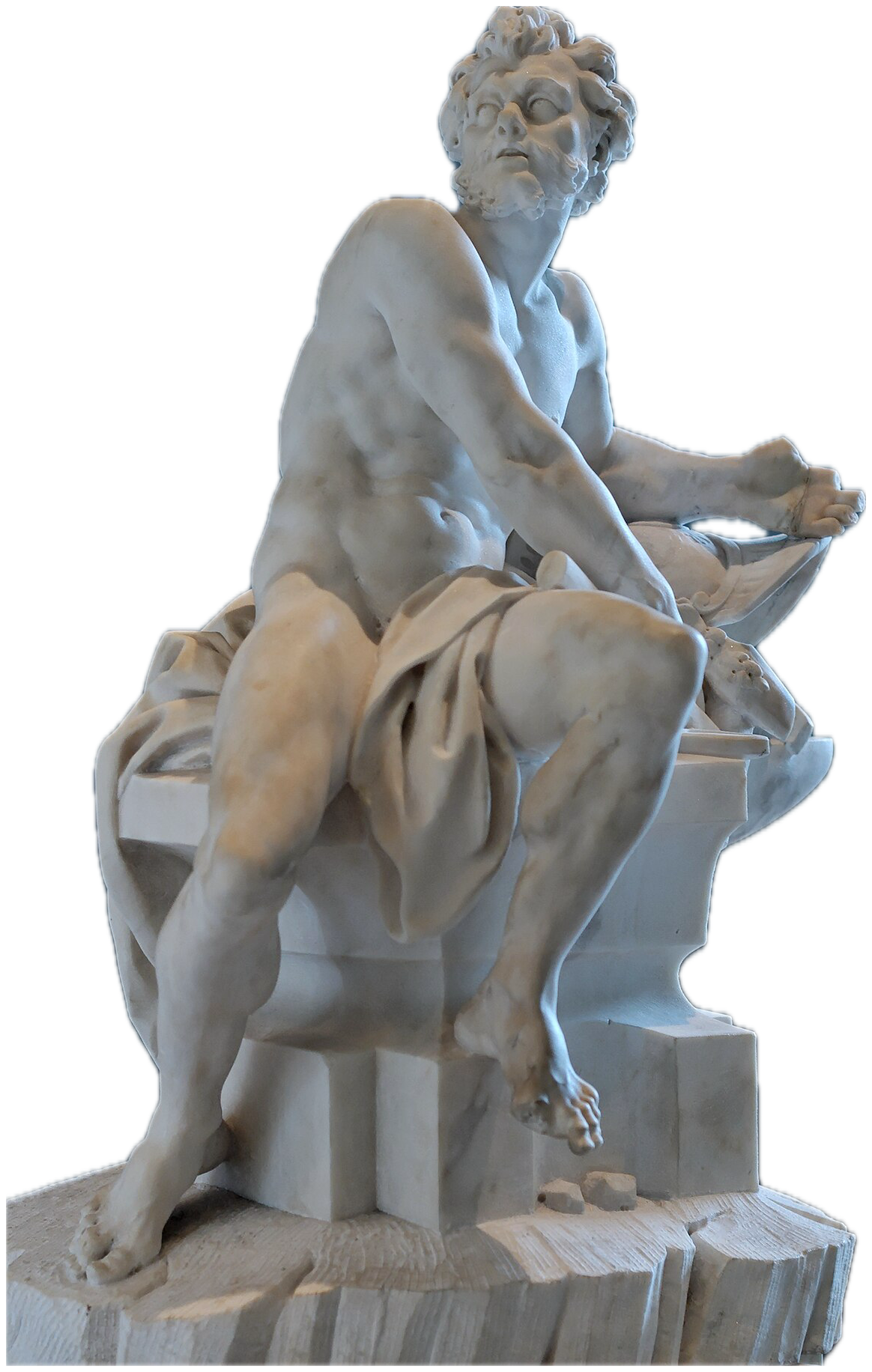
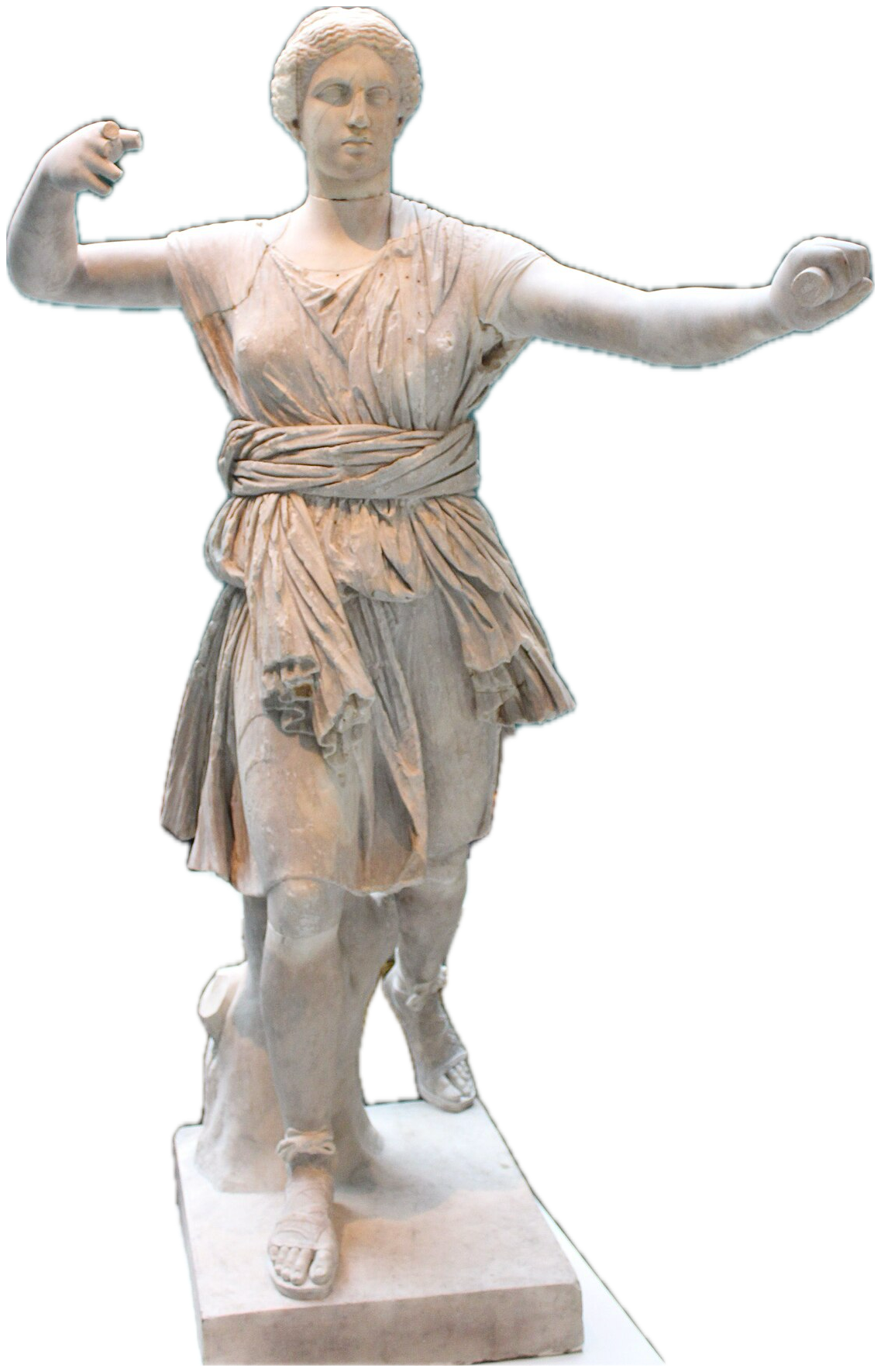
“the dread and dank abode, wherefor the very gods have loathing: so great was the din that arose when the gods clashed in strife. For against king Poseidon stood Phoebus Apollo with his winged arrows, and against Enyalius the goddess, flashing-eyed Athene;”
“against Hera stood forth the huntress of the golden arrows, and the echoing chase, even the archer Artemis, sister of the god that smiteth afar; against Leto stood forth the strong helper, Hermes, and against Hephaestus the great, deep-eddying river, that god called Xanthus, and men Scamander.”
“till it have pierced through the flesh of man. Howbeit were a god to stretch with even hand the issue of war, then not lightly should he vanquish me, nay, not though he vaunt him to be wholly wrought of bronze. Then in answer to him spake the prince Apollo, son of Zeus: Nay, warrior, come, pray thou also”
“Consider within your hearts, ye twain, O Poseidon and Athene, how these things are to be. Lo, here is Aeneas, gone forth, harnessed in flaming bronze, to face the son of Peleus, and it is Phoebus Apollo that hath set him on.”
“with gods in strife. Nay, for our part let us rather go apart from the track unto some place of outlook, and sit us there, and war shall be for men. But if so be Ares or Phoebus Apollo shall make beginning of fight, or shall keep Achilles in check and suffer him not to do battle,”
“slain by the son of Peleus, for that he listened to the bidding of Apollo that smiteth afar—fool that he was! nor will the god in any wise ward from him woeful destruction. But wherefore should he, a guiltless man, suffer woes vainly by reason of sorrows that are not his own?—whereas he ever giveth acceptable gifts to the gods that hold broad heaven.”
“Then Phoebus Apollo drew nigh to Hector, and spake, saying: Hector, no longer do thou anywise stand forth as a champion against Achilles, but in the throng await thou him and from amid the din of conflict, lest so be he smite thee with a cast of his spear or with his sword in close combat. ' So spake he, and Hector fell back again into the throng of men,”
“breathing full lightly; and it came back to goodly Hector, and fell there before his feet. But Achilles leapt upon him furiously, fain to slay him, crying a terrible cry. But Apollo snatched up Hector full easily, as a god may, and shrouded him in thick mist.”
“thy bane came nigh thee; but once more hath Phoebus Apollo saved thee, to whom of a surety thou must make prayer, whenso thou goest amid the hurtling of spears. Verily I will yet make an end of thee, when I meet thee hereafter, if so be any god is helper to me likewise. But now will I make after others, whomsoever I may light upon.”
“until I have pent them in their city, and have made trial of Hector, man to man, whether he shall slay me or I him. So saying he leapt upon the Trojans like a god. Then unto Apollo spake the deep-eddying River: Out upon it, thou lord of the silver bow, child of Zeus, thou verily hast not kept the commandment”
“None other of the heavenly gods do I blame so much, but only my dear mother, that beguiled me with false words, saying that beneath the wall of the mail-clad Trojans I should perish by the swift missiles of Apollo. Would that Hector had slain me, the best of the men bred here;”
“But unto Apollo spake the lord Poseidon, the Shaker of Earth: Phoebus, wherefore do we twain stand aloof? It beseemeth not, seeing others have begun. Nay, it were the more shameful, if without fighting we should fare back to Olympus, to the house of Zeus with threshold of bronze. Begin, since thou art the younger;”
“in utter ruin with their children and their honoured wives. Then spake unto him lord Apollo, that worketh afar: Shaker of Earth, as nowise sound of mind wouldest thou count me, if I should war with thee for the sake of mortals, pitiful creatures, that like unto leaves”
“but Phoebus Apollo entered into sacred Ilios, for he was troubled for the wall of the well-builded city, lest the Danaans beyond what was ordained should lay it waste on that day. But the other gods that are for ever went unto Olympus, some of them in wrath and some exulting greatly,”
“then close ye again the double doors, close fitted; for I am adread lest yon baneful man leap within the wall. So spake he, and they undid the gates and thrust back the bars; and the gates being flung wide wrought deliverance. But Apollo leapt forth to face Achilles, that so he might ward off ruin from the Trojans.”
“And the son of Peleus in his turn set upon godlike Agenor; howbeit Apollo suffered him not to win glory, but snatched away Agenor, and shrouded him in thick mist, and sent him forth from the war to go his way in peace.”
“But Hector did deadly fate ensnare to abide there where he was in front of Ilios and the Scaean gates. Then unto the son of Peleus spake Phoebus Apollo: Wherefore, son of Peleus, dost thou pursue me with swift feet, thyself a mortal, while I am an immortal god?”
“the one availeth not to flee, nor the other to pursue—even so Achilles availed not to overtake Hector in his fleetness, neither Hector to escape. And how had Hector escaped the fates of death, but that Apollo, albeit for the last and latest time, drew nigh him to rouse his strength and make swift his knees?”
“Now of a surety is evil death nigh at hand, and no more afar from me, neither is there way of escape. So I ween from of old was the good pleasure of Zeus, and of the son of Zeus, the god that smiteth afar, even of them that aforetime were wont to succour me with ready hearts; but now again is my doom come upon me. Nay, but not without a struggle let me die, neither ingloriously,”
“Then even in dying spake unto him Hector of the flashing helm: Verily I know thee well, and forbode what shall be, neither was it to be that I should persuade thee; of a truth the heart in thy breast is of iron. Bethink thee now lest haply I bring the wrath of the gods upon thee on the day when Paris and Phoebus Apollo shall slay thee,”
“nay, the daughter of Zeus, Aphrodite, kept dogs from him by day alike and by night, and with oil anointed she him, rose-sweet, ambrosial, to the end that Achilles might not tear him as he dragged him. And over him Phoebus Apollo drew a dark cloud from heaven to the plain, and covered all the place”
“and after him upsprang Tydeus' son, mighty Diomedes, and led beneath the yoke the horses of Tros, even them that on a time he had taken from Aeneas, albeit Apollo snatched away Aeneas' self; and after him uprose Atreus' son, fair-haired Menelaus, sprung from Zeus, and led beneath the yoke swift steeds, Aethe, Agamemnon's mare, and his own horse Podargus.”
“Eumelus' car, and with their breath his back waxed warm and his broad shoulders, for right over him did they lean their heads as they flew along. And now would Tydeus' son have passed him by or left the issue in doubt, had not Phoebus Apollo waxed wroth with him and smitten from his hand the shining lash.”
“Then from his eyes ran tears in his wrath for that he saw the mares coursing even far swiftlier still than before, while his own horses were hampered, as running without goad. But Athene was not unaware of Apollo's cheating of the son of Tydeus, and right swiftly sped she after the shepherd of the host,”
“Let him to whom Apollo shall grant strength to endure, and all the Achaeans have knowledge thereof, go his way to his hut leading the sturdy muIe; but he that is worsted shall bear as his prize the two-handled cup. So spake he, and forthwith uprose a man valiant and tall,”
“So he missed the bird, for Apollo grudged him that, but hit the cord beside its foot wherewith the bird was tied, and clean away the bitter arrow cut the cord. Then the dove darted skyward, and the cord hung loose toward earth; and the Achaeans shouted aloud.”
“and bind Hector behind the chariot to drag him withal; and when he had haled him thrice about the barrow of the dead son of Menoetius, he would rest again in his hut, but would leave Hector outstretched on his face in the dust. Howbeit Apollo kept all defacement from his flesh, pitying the warrior”
“and gave precedence to her who furthered his fatal lustfulness. But when at length the twelfth morn thereafter was come, then among the immortals spake Phoebus Apollo: Cruel are ye, O ye gods, and workers of bane. Hath Hector then never burned for you thighs of bulls and goats without blemish?”
“Then stirred to anger spake to him white-armed Hera: Even this might be as thou sayest, Lord of the silver bow, if indeed ye gods will vouchsafe like honour to Achilles and to Hector. Hector is but mortal and was suckled at a woman's breast, but Achilles is the child of a goddess that I mine own self”
“The sons Apollo slew with shafts from his silver bow, being wroth against Niobe, and the daughters the archer Artemis, for that Niobe had matched her with fair-cheeked Leto, saying that the goddess had borne but twain, while herself was mother to many; wherefore they, for all they were but twain, destroyed them all.”
“oft would he drag thee about the barrow of his comrade, Patroclus, whom thou didst slay; howbeit even so might he not raise him up. But now all dewy-fresh thou liest in my halls as wert thou newly slain, like as one whom Apollo of the silver bow assaileth with his gentle shafts and slayeth.”
Connections
Father · Sources
from the time when first they parted in strife Atreus' son, king of men, and brilliant Achilles. Who then of the gods was it that brought these two together to contend? The son of Leto and Zeus; for he in anger against the king roused throughout the host an evil pestilence, and the people began to perish,
to sacred Ilios. And Apollo sped forth to meet her, for he looked down from out of Pergamus and beheld her, and was fain to have victory for the Trojans. So the twain met one with the other by the oak-tree. Then to her spake first the king Apollo, son of Zeus: Wherefore art thou again come thus eagerly from Olympus, thou daughter of great Zeus,
to the end that yet again the Achaeans may have respite from their toil. So spake he, nor was Apollo disobedient to his father s bidding, but went down from the hills of Ida, like a fleet falcon, the slayer of doves, that is the swiftest of winged things. He found the son of wise-hearted Priam, even goodly Hector,
Il. 1.9 · Il. 7.23 · Il. 15.236 · Il. 20.103 · Il. 21.229 · Il. 22.302
Master · Sources
to the end that yet again the Achaeans may have respite from their toil. So spake he, nor was Apollo disobedient to his father s bidding, but went down from the hills of Ida, like a fleet falcon, the slayer of doves, that is the swiftest of winged things. He found the son of wise-hearted Priam, even goodly Hector,
on the breast with a stone, and made me cease from my furious might? Aye, and I deemed that on this day I should behold the dead and the house of Hades, when I had gasped forth my life. Then spake to him again the lord Apollo, that worketh afar: Be now of good cheer, so mighty a helper hath the son of Cronossent forth from Ida to stand by thy side and succour thee, even me, Phoebus Apollo of the golden sword, that of old ever protect thee, thyself and the steep citadel withal. But come now, bid thy many charioteers drive against the hollow ships their swift horses,
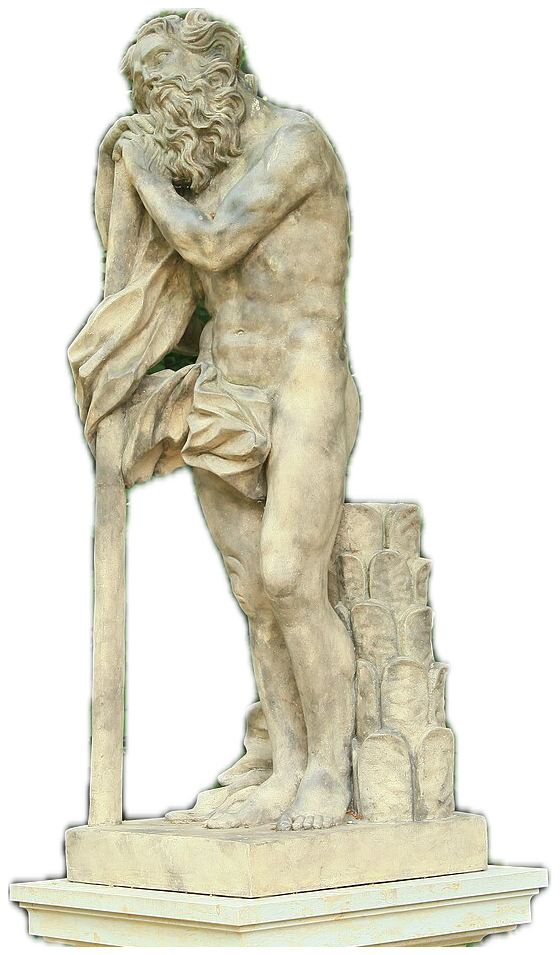
Il. 15.236 · Il. 15.254–255
Mother · Sources
from the time when first they parted in strife Atreus' son, king of men, and brilliant Achilles. Who then of the gods was it that brought these two together to contend? The son of Leto and Zeus; for he in anger against the king roused throughout the host an evil pestilence, and the people began to perish,
to the lord Apollo, whom fair-haired Leto bore: Hear me, god of the silver bow, who stand over Chryse and holy Cilla, and rule mightily over Tenedos, Sminthian god, if ever I roofed over a temple to your pleasing, or if ever I burned to you fat thigh-pieces of bulls and goats,
Zeus, the son of Cronos, and Apollo, vouchsafed victory, they that subdued me full easily, for of themselves they took the harness from my shoulders. But if twenty such as thou had faced me, here would all have perished, slain by my spear. Nay, it was baneful Fate and the son of Leto that slew me,
Il. 1.9 · Il. 1.36 · Il. 16.849 · Il. 19.413 · Il. 24.607–608
Brother · Sources
Братство или сестринство выведено из общего родителя: Зевс. Матери и отцы, не указанные в источнике, не предполагаются.
from the time when first they parted in strife Atreus' son, king of men, and brilliant Achilles. Who then of the gods was it that brought these two together to contend? The son of Leto and Zeus; for he in anger against the king roused throughout the host an evil pestilence, and the people began to perish,
took furious Ares by the hand and spake to him, saying: Ares, Ares, thou bane of mortals, thou blood-stained stormer of walls, shall we not now leave the Trojans and Achaeans to fight, to whichsoever of the two it be that father Zeus shall vouchsafe glory? But for us twain, let us give place, and avoid the wrath of Zeus.
Howbeit I will no longer endure that thou shouldest be in pain, for thou art mine offspring, and it was to me that thy mother bare thee; but wert thou born of any other god, thus pestilent as thou art, then long ere this hadst thou been lower than the sons of heaven. He spake, and bade Paeëon heal his hurt;
Il. 1.9 · Il. 5.33 · Il. 5.896 · Il. 7.23 · Il. 15.236 · Il. 20.103 · Il. 21.229 · Il. 22.302
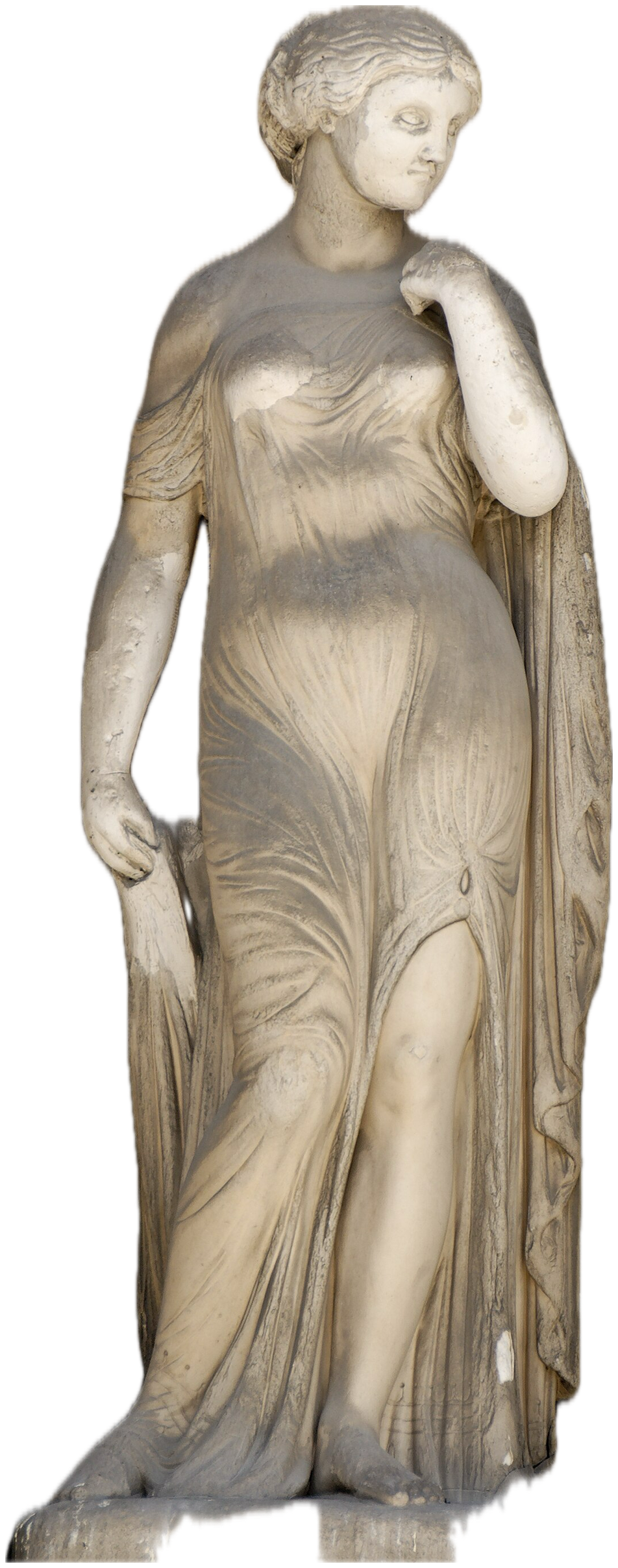
Sister · Sources
Братство или сестринство выведено из общего родителя: Зевс. Матери и отцы, не указанные в источнике, не предполагаются.
from the time when first they parted in strife Atreus' son, king of men, and brilliant Achilles. Who then of the gods was it that brought these two together to contend? The son of Leto and Zeus; for he in anger against the king roused throughout the host an evil pestilence, and the people began to perish,
His battle-gear lieth upon the bounteous earth, but himself he rangeth like the bell-wether of a herd through the ranks of warriors. Like a ram he seemeth to me, a ram of thick fleece, that paceth through a great flock of white ewes. To him made answer Helen, sprung from Zeus:
and hate thee, even as now I love thee wondrously; and lest I devise grievous hatred between both, Trojans alike and Danaans; then wouldst thou perish of an evil fate. So spake she, and Helen, sprung from Zeus, was seized with fear; and she went, wrapping herself in her bright shining mantle,
Il. 1.9 · Il. 3.199 · Il. 3.418 · Il. 7.23 · Il. 15.236 · Il. 20.103 · Il. 21.229 · Il. 22.302
Brother · Sources
Братство или сестринство выведено из общего родителя: Зевс. Матери и отцы, не указанные в источнике, не предполагаются.
from the time when first they parted in strife Atreus' son, king of men, and brilliant Achilles. Who then of the gods was it that brought these two together to contend? The son of Leto and Zeus; for he in anger against the king roused throughout the host an evil pestilence, and the people began to perish,
And when they were come near as they advanced one against the other, the son and grandson of Zeus the cloud-gatherer, then Tlepolemus was first to speak, saying: Sarpedon, counsellor of the Lycians, why must thou be skulking here, that art a man unskilled in battle?They speak but a lie that say thou art sprung from Zeus that beareth the aegis, seeing thou art inferior far to those warriors that were sprung from Zeus in the days of men of old. Of other sort, men say, was mighty Heracles, my father, staunch in fight, the lionhearted,
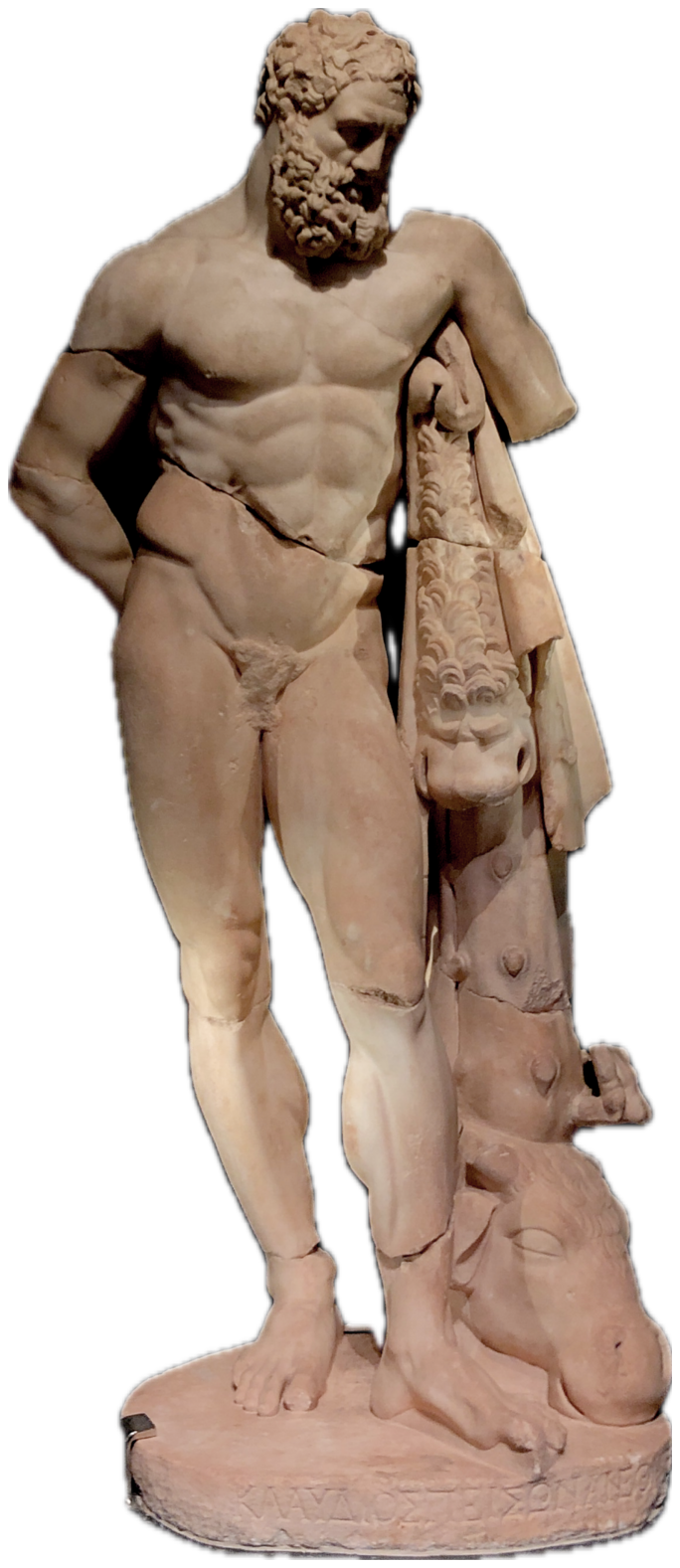
And Tlepolemus smote Sarpedon upon the left thigh with his long spear, and the point sped through furiously and grazed the bone; howbeit his father as yet warded from him destruction. Then his goodly companions bare godlike Sarpedon forth from out the fight, and the long spear burdened him sore,as it trailed, but no man marked it or thought in their haste to draw forth from his thigh the spear of ash, that he might stand upon his feet; such toil had they in tending him. And on the other side the well-greaved Achaeans bare Tlepolemus from out the fight, and goodly Odysseusof the enduring soul was ware of it, and his spirit waxed furious within him; and he pondered then in heart and soul whether he should pursue further after the son of Zeus that thundereth aloud, or should rather take the lives of more Lycians. But not for great-hearted Odysseus was it ordained
Il. 1.9 · Il. 5.634–635 · Il. 5.662–672 · Il. 5.675 · Il. 6.198–199 · Il. 7.23 · Il. 12.292 · Il. 12.402–403 · Il. 15.67 · Il. 15.236 · Il. 16.522 · Il. 20.103 · Il. 21.229 · Il. 22.302
Sister · Sources
Братство или сестринство выведено из общего родителя: Зевс. Матери и отцы, не указанные в источнике, не предполагаются.
from the time when first they parted in strife Atreus' son, king of men, and brilliant Achilles. Who then of the gods was it that brought these two together to contend? The son of Leto and Zeus; for he in anger against the king roused throughout the host an evil pestilence, and the people began to perish,
do not thou in any wise fight face to face with any other immortal gods, save only if Aphrodite, daughter of Zeus, shall enter the battle, her do thou smite with a thrust of the sharp bronze. When she had thus spoken, the goddess, flashing-eyed Athene, departed, and the son of Tydeus returned again and mingled with the foremost fighters;
and saved him in a dark cloud, lest any of the Danaans with swift horses might hurl a spear of bronze into his breast and take away his life. But over her shouted aloud Diomedes good at the war-cry: Keep thee away, daughter of Zeus, from war and fighting. Sufficeth it not that thou beguilest weakling women?
Il. 1.9 · Il. 5.131 · Il. 5.348 · Il. 5.427–428 · Il. 5.820 · Il. 7.23 · Il. 14.193 · Il. 14.224 · Il. 15.236 · Il. 20.103 · Il. 20.106 · Il. 21.229 · Il. 22.302
Brother · Sources
Братство или сестринство выведено из общего родителя: Зевс. Матери и отцы, не указанные в источнике, не предполагаются.
from the time when first they parted in strife Atreus' son, king of men, and brilliant Achilles. Who then of the gods was it that brought these two together to contend? The son of Leto and Zeus; for he in anger against the king roused throughout the host an evil pestilence, and the people began to perish,
And so suffered monstrous Hades even as the rest a bitter arrow, when this same man, the son of Zeus that beareth the aegis, smote him in Pylos amid the dead, and gave him over to pains. But he went to the house of Zeus and to high Olympus with grief at heart, pierced through with pains;
to sacred Ilios. And Apollo sped forth to meet her, for he looked down from out of Pergamus and beheld her, and was fain to have victory for the Trojans. So the twain met one with the other by the oak-tree. Then to her spake first the king Apollo, son of Zeus: Wherefore art thou again come thus eagerly from Olympus, thou daughter of great Zeus,
Il. 1.9 · Il. 5.396 · Il. 7.23 · Il. 8.363–365 · Il. 14.266 · Il. 14.324 · Il. 15.236 · Il. 20.103 · Il. 21.229 · Il. 22.302
See all 27
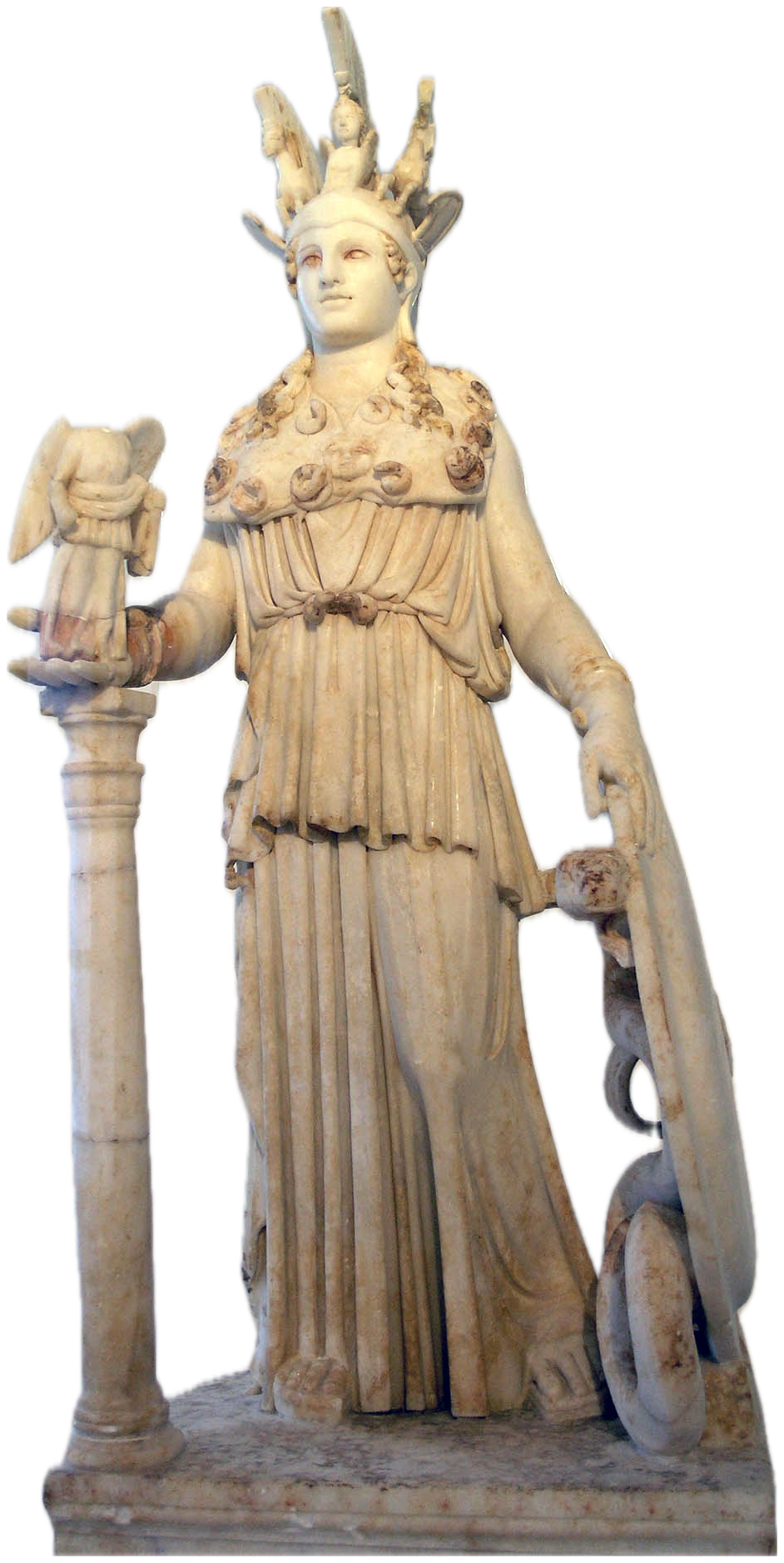
Opponent · Sources
But no blind watch did Apollo of the silver bow keep when he saw Athene attending the son of Tydeus; in wrath against her he entered the great throng of the Trojans, and aroused a counsellor of the Thracians, Hippocoön, the noble kinsman of Rhesus. And he leapt up out of sleep,
Il. 10.517
Sister · Sources
Братство или сестринство выведено из общего родителя: Зевс. Матери и отцы, не указанные в источнике, не предполагаются.
from the time when first they parted in strife Atreus' son, king of men, and brilliant Achilles. Who then of the gods was it that brought these two together to contend? The son of Leto and Zeus; for he in anger against the king roused throughout the host an evil pestilence, and the people began to perish,
Then he addressed her with winged words, and said: Why now, daughter of aegis-bearing Zeus, have you come? Is it so that you might see the arrogance of Agamemnon, son of Atreus? One thing I will tell you, and I think this will be brought to pass: through his own excessive pride shall he presently lose his life.
And with him there followed forty black ships. And they that held Athens, the well-built citadel, the land of great-hearted Erechtheus, whom of old Athene, daughter of Zeus, fostered, when the earth, the giver of grain, had borne him; and she made him to dwell in Athens, in her own rich sanctuary,
Il. 1.9 · Il. 1.202 · Il. 2.548 · Il. 4.87 · Il. 4.128 · Il. 4.515 · Il. 5.33 · Il. 5.115 · Il. 5.421 · Il. 5.714 · Il. 5.733 · Il. 5.815 · Il. 5.875–880 · Il. 6.303–304 · Il. 6.312 · Il. 7.23 · Il. 7.24 · Il. 8.39 · Il. 8.352 · Il. 8.384 · Il. 8.427 · Il. 10.278 · Il. 10.284 · Il. 10.553 · Il. 15.236 · Il. 19.342 · Il. 20.103 · Il. 21.229 · Il. 21.416 · Il. 22.178 · Il. 22.302
Brother · Sources
Братство или сестринство выведено из общего родителя: Зевс. Матери и отцы, не указанные в источнике, не предполагаются.
from the time when first they parted in strife Atreus' son, king of men, and brilliant Achilles. Who then of the gods was it that brought these two together to contend? The son of Leto and Zeus; for he in anger against the king roused throughout the host an evil pestilence, and the people began to perish,
since worse things prevail. And I give counsel to my mother, wise though she be herself, to do pleasure to our dear father Zeus, that the father upbraid her not again, and bring confusion upon our feast. What if the Olympian, the lord of the lightning, were minded
to sacred Ilios. And Apollo sped forth to meet her, for he looked down from out of Pergamus and beheld her, and was fain to have victory for the Trojans. So the twain met one with the other by the oak-tree. Then to her spake first the king Apollo, son of Zeus: Wherefore art thou again come thus eagerly from Olympus, thou daughter of great Zeus,
Il. 1.9 · Il. 1.578 · Il. 7.23 · Il. 15.236 · Il. 20.11–12 · Il. 20.103 · Il. 21.229 · Il. 22.302
Brother · Sources
Братство или сестринство выведено из общего родителя: Зевс. Матери и отцы, не указанные в источнике, не предполагаются.
from the time when first they parted in strife Atreus' son, king of men, and brilliant Achilles. Who then of the gods was it that brought these two together to contend? The son of Leto and Zeus; for he in anger against the king roused throughout the host an evil pestilence, and the people began to perish,
to sacred Ilios. And Apollo sped forth to meet her, for he looked down from out of Pergamus and beheld her, and was fain to have victory for the Trojans. So the twain met one with the other by the oak-tree. Then to her spake first the king Apollo, son of Zeus: Wherefore art thou again come thus eagerly from Olympus, thou daughter of great Zeus,
to the end that yet again the Achaeans may have respite from their toil. So spake he, nor was Apollo disobedient to his father s bidding, but went down from the hills of Ida, like a fleet falcon, the slayer of doves, that is the swiftest of winged things. He found the son of wise-hearted Priam, even goodly Hector,
Il. 1.9 · Il. 7.23 · Il. 15.236 · Il. 20.103 · Il. 20.215 · Il. 20.303–305 · Il. 21.229 · Il. 22.302
Brother · Sources
Братство или сестринство выведено из общего родителя: Зевс. Матери и отцы, не указанные в источнике, не предполагаются.
from the time when first they parted in strife Atreus' son, king of men, and brilliant Achilles. Who then of the gods was it that brought these two together to contend? The son of Leto and Zeus; for he in anger against the king roused throughout the host an evil pestilence, and the people began to perish,
to sacred Ilios. And Apollo sped forth to meet her, for he looked down from out of Pergamus and beheld her, and was fain to have victory for the Trojans. So the twain met one with the other by the oak-tree. Then to her spake first the king Apollo, son of Zeus: Wherefore art thou again come thus eagerly from Olympus, thou daughter of great Zeus,
that stood waiting for him at the rear of the battle and the conflict, with their charioteer and chariot richly dight. These bare him groaning heavily toward the city. But when they were now come to the ford of the fair-flowing river, even eddying Xanthus, that immortal Zeus begat,
Il. 1.9 · Il. 7.23 · Il. 14.434 · Il. 15.236 · Il. 20.103 · Il. 21.2 · Il. 21.229 · Il. 22.302 · Il. 24.693
Brother · Sources
Братство или сестринство выведено из общего родителя: Зевс. Матери и отцы, не указанные в источнике, не предполагаются.
from the time when first they parted in strife Atreus' son, king of men, and brilliant Achilles. Who then of the gods was it that brought these two together to contend? The son of Leto and Zeus; for he in anger against the king roused throughout the host an evil pestilence, and the people began to perish,
to sacred Ilios. And Apollo sped forth to meet her, for he looked down from out of Pergamus and beheld her, and was fain to have victory for the Trojans. So the twain met one with the other by the oak-tree. Then to her spake first the king Apollo, son of Zeus: Wherefore art thou again come thus eagerly from Olympus, thou daughter of great Zeus,
to the end that yet again the Achaeans may have respite from their toil. So spake he, nor was Apollo disobedient to his father s bidding, but went down from the hills of Ida, like a fleet falcon, the slayer of doves, that is the swiftest of winged things. He found the son of wise-hearted Priam, even goodly Hector,
Il. 1.9 · Il. 7.23 · Il. 15.236 · Il. 20.103 · Il. 21.189 · Il. 21.229 · Il. 22.302
Sister · Sources
against Hera stood forth the huntress of the golden arrows, and the echoing chase, even the archer Artemis, sister of the god that smiteth afar; against Leto stood forth the strong helper, Hermes, and against Hephaestus the great, deep-eddying river, that god called Xanthus, and men Scamander.
But his sister railed at him hotly, even the queen of the wild beasts, Artemis of the wild wood, and spake a word of reviling: Lo, thou fleest, thou god that workest afar, and to Poseidon hast thou utterly yielded the victory, and given him glory for naught! Fool, why bearest thou a bow thus worthless as wind?
Il. 20.71 · Il. 21.471
Brother · Sources
Братство или сестринство выведено из общего родителя: Зевс. Матери и отцы, не указанные в источнике, не предполагаются.
from the time when first they parted in strife Atreus' son, king of men, and brilliant Achilles. Who then of the gods was it that brought these two together to contend? The son of Leto and Zeus; for he in anger against the king roused throughout the host an evil pestilence, and the people began to perish,
to sacred Ilios. And Apollo sped forth to meet her, for he looked down from out of Pergamus and beheld her, and was fain to have victory for the Trojans. So the twain met one with the other by the oak-tree. Then to her spake first the king Apollo, son of Zeus: Wherefore art thou again come thus eagerly from Olympus, thou daughter of great Zeus,
to the end that yet again the Achaeans may have respite from their toil. So spake he, nor was Apollo disobedient to his father s bidding, but went down from the hills of Ida, like a fleet falcon, the slayer of doves, that is the swiftest of winged things. He found the son of wise-hearted Priam, even goodly Hector,
Il. 1.9 · Il. 7.23 · Il. 15.236 · Il. 20.103 · Il. 21.229 · Il. 22.302 · Il. 24.333
Brother · Sources
Братство или сестринство выведено из общего родителя: Зевс. Матери и отцы, не указанные в источнике, не предполагаются.
from the time when first they parted in strife Atreus' son, king of men, and brilliant Achilles. Who then of the gods was it that brought these two together to contend? The son of Leto and Zeus; for he in anger against the king roused throughout the host an evil pestilence, and the people began to perish,
to sacred Ilios. And Apollo sped forth to meet her, for he looked down from out of Pergamus and beheld her, and was fain to have victory for the Trojans. So the twain met one with the other by the oak-tree. Then to her spake first the king Apollo, son of Zeus: Wherefore art thou again come thus eagerly from Olympus, thou daughter of great Zeus,
who bare Perseus, pre-eminent above all warriors; nor of the daughter of far-famed Phoenix, that bare me Minos and godlike Rhadamanthys; nor of Semele, nor of Alcmene in Thebes, and she brought forth Heracles, her son stout of heart,
Il. 1.9 · Il. 7.23 · Il. 14.320 · Il. 15.236 · Il. 20.103 · Il. 21.229 · Il. 22.302
Brother · Sources
Братство или сестринство выведено из общего родителя: Зевс. Матери и отцы, не указанные в источнике, не предполагаются.
from the time when first they parted in strife Atreus' son, king of men, and brilliant Achilles. Who then of the gods was it that brought these two together to contend? The son of Leto and Zeus; for he in anger against the king roused throughout the host an evil pestilence, and the people began to perish,
these again had as leader Polypoetes, staunch in fight, son of Peirithous, whom immortal Zeus begat— even him whom glorious Hippodameia conceived to Peirithous on the day when he got him vengeance on the shaggy centaurs, and thrust them forth from Pelium, and drave them to the Aethices.
to sacred Ilios. And Apollo sped forth to meet her, for he looked down from out of Pergamus and beheld her, and was fain to have victory for the Trojans. So the twain met one with the other by the oak-tree. Then to her spake first the king Apollo, son of Zeus: Wherefore art thou again come thus eagerly from Olympus, thou daughter of great Zeus,
Il. 1.9 · Il. 2.741 · Il. 7.23 · Il. 14.318 · Il. 15.236 · Il. 20.103 · Il. 21.229 · Il. 22.302
Brother · Sources
Братство или сестринство выведено из общего родителя: Зевс. Матери и отцы, не указанные в источнике, не предполагаются.
from the time when first they parted in strife Atreus' son, king of men, and brilliant Achilles. Who then of the gods was it that brought these two together to contend? The son of Leto and Zeus; for he in anger against the king roused throughout the host an evil pestilence, and the people began to perish,
to sacred Ilios. And Apollo sped forth to meet her, for he looked down from out of Pergamus and beheld her, and was fain to have victory for the Trojans. So the twain met one with the other by the oak-tree. Then to her spake first the king Apollo, son of Zeus: Wherefore art thou again come thus eagerly from Olympus, thou daughter of great Zeus,
and Semele bare Dionysus, the joy of mortals; nor of Demeter, the fair-tressed queen; nor of glorious Leto; nay, nor yet of thine own self, as now I love thee, and sweet desire layeth hold of me. Then with crafty mind the queenly Hera spake unto him:
Il. 1.9 · Il. 7.23 · Il. 14.325 · Il. 15.236 · Il. 20.103 · Il. 21.229 · Il. 22.302
Brother · Sources
Братство или сестринство выведено из общего родителя: Зевс. Матери и отцы, не указанные в источнике, не предполагаются.
from the time when first they parted in strife Atreus' son, king of men, and brilliant Achilles. Who then of the gods was it that brought these two together to contend? The son of Leto and Zeus; for he in anger against the king roused throughout the host an evil pestilence, and the people began to perish,
to sacred Ilios. And Apollo sped forth to meet her, for he looked down from out of Pergamus and beheld her, and was fain to have victory for the Trojans. So the twain met one with the other by the oak-tree. Then to her spake first the king Apollo, son of Zeus: Wherefore art thou again come thus eagerly from Olympus, thou daughter of great Zeus,
For Zeus at the first begat Minos to be a watcher over Crete, and Minos again got him a son, even the peerless Deucalion, and Deucalion begat me, a lord over many men in wide Crete; and now have the ships brought me hither a bane to thee and thy father and the other Trojans.
Il. 1.9 · Il. 7.23 · Il. 13.450 · Il. 14.322 · Il. 15.236 · Il. 20.103 · Il. 21.229 · Il. 22.302
Sister · Sources
Братство или сестринство выведено из общего родителя: Зевс. Матери и отцы, не указанные в источнике, не предполагаются.
from the time when first they parted in strife Atreus' son, king of men, and brilliant Achilles. Who then of the gods was it that brought these two together to contend? The son of Leto and Zeus; for he in anger against the king roused throughout the host an evil pestilence, and the people began to perish,
to sacred Ilios. And Apollo sped forth to meet her, for he looked down from out of Pergamus and beheld her, and was fain to have victory for the Trojans. So the twain met one with the other by the oak-tree. Then to her spake first the king Apollo, son of Zeus: Wherefore art thou again come thus eagerly from Olympus, thou daughter of great Zeus,
to the end that yet again the Achaeans may have respite from their toil. So spake he, nor was Apollo disobedient to his father s bidding, but went down from the hills of Ida, like a fleet falcon, the slayer of doves, that is the swiftest of winged things. He found the son of wise-hearted Priam, even goodly Hector,
Il. 1.9 · Il. 7.23 · Il. 15.236 · Il. 19.91 · Il. 20.103 · Il. 21.229 · Il. 22.302
Brother · Sources
Братство или сестринство выведено из общего родителя: Зевс. Матери и отцы, не указанные в источнике, не предполагаются.
from the time when first they parted in strife Atreus' son, king of men, and brilliant Achilles. Who then of the gods was it that brought these two together to contend? The son of Leto and Zeus; for he in anger against the king roused throughout the host an evil pestilence, and the people began to perish,
to sacred Ilios. And Apollo sped forth to meet her, for he looked down from out of Pergamus and beheld her, and was fain to have victory for the Trojans. So the twain met one with the other by the oak-tree. Then to her spake first the king Apollo, son of Zeus: Wherefore art thou again come thus eagerly from Olympus, thou daughter of great Zeus,
who bare Perseus, pre-eminent above all warriors; nor of the daughter of far-famed Phoenix, that bare me Minos and godlike Rhadamanthys; nor of Semele, nor of Alcmene in Thebes, and she brought forth Heracles, her son stout of heart,
Il. 1.9 · Il. 7.23 · Il. 14.322 · Il. 15.236 · Il. 20.103 · Il. 21.229 · Il. 22.302
Grandfather · Sources
Происхождение выведено по цепочке родителей: Кронос → Зевс → Аполлон.
from the time when first they parted in strife Atreus' son, king of men, and brilliant Achilles. Who then of the gods was it that brought these two together to contend? The son of Leto and Zeus; for he in anger against the king roused throughout the host an evil pestilence, and the people began to perish,
one king, to whom the son of crooked-counselling Cronos hath vouchsafed the sceptre and judgments, that he may take counsel for his people. Thus masterfully did he range through the host, and they hasted back to the place of gathering from their ships and huts with noise, as when a wave of the loud-resounding sea
and the mother fluttered around them, wailing for her dear little ones; howbeit he coiled himself and caught her by the wing as she screamed about him. But when he had devoured the sparrow's little ones and the mother with them, the god, who had brought him to the light, made him to be unseen; for the son of crooked-counselling Cronos turned him to stone;
Il. 1.9 · Il. 2.205–206 · Il. 2.319 · Il. 4.75 · Il. 7.23 · Il. 9.37 · Il. 9.171 · Il. 9.236 · Il. 9.419 · Il. 9.502 · Il. 9.686 · Il. 10.71 · Il. 15.187 · Il. 15.236 · Il. 16.431 · Il. 18.293 · Il. 20.103 · Il. 21.229 · Il. 22.302
Grandmother · Sources
Происхождение выведено по цепочке родителей: Рея → Зевс → Аполлон.
from the time when first they parted in strife Atreus' son, king of men, and brilliant Achilles. Who then of the gods was it that brought these two together to contend? The son of Leto and Zeus; for he in anger against the king roused throughout the host an evil pestilence, and the people began to perish,
to sacred Ilios. And Apollo sped forth to meet her, for he looked down from out of Pergamus and beheld her, and was fain to have victory for the Trojans. So the twain met one with the other by the oak-tree. Then to her spake first the king Apollo, son of Zeus: Wherefore art thou again come thus eagerly from Olympus, thou daughter of great Zeus,
Out upon it, verily strong though he be he hath spoken overweeningly, if in sooth by force and in mine own despite he will restrain me that am of like honour with himself. For three brethren are we, begotten of Cronos, and born of Rhea,—Zeus, and myself, and the third is Hades, that is lord of the dead below. And in three-fold wise are all things divided, and unto each hath been apportioned his own domain.
Il. 1.9 · Il. 7.23 · Il. 15.187 · Il. 15.236 · Il. 20.103 · Il. 21.229 · Il. 22.302
Under the protection of Apollo · Sources
sent forth from Ida to stand by thy side and succour thee, even me, Phoebus Apollo of the golden sword, that of old ever protect thee, thyself and the steep citadel withal. But come now, bid thy many charioteers drive against the hollow ships their swift horses,
Il. 15.256–257
Ward · Sources
and bind Hector behind the chariot to drag him withal; and when he had haled him thrice about the barrow of the dead son of Menoetius, he would rest again in his hut, but would leave Hector outstretched on his face in the dust. Howbeit Apollo kept all defacement from his flesh, pitying the warrior
Il. 24.19
Connection · Sources
Him hath great-souled Hector slain. Where now are thy arrows that bring swift death, and the bow that Phoebus Apollos gave thee? So spake he, and the other hearkened, and ran, and took his stand close beside him, bearing in his hand his bent-back bow and the quiver that held his arrows; and full swiftly did he let fly his shafts upon the Trojans.
Il. 15.441
Connection · Sources
But unto Apollo spake the lord Poseidon, the Shaker of Earth: Phoebus, wherefore do we twain stand aloof? It beseemeth not, seeing others have begun. Nay, it were the more shameful, if without fighting we should fare back to Olympus, to the house of Zeus with threshold of bronze. Begin, since thou art the younger;it were not meet for me, seeing I am the elder-born and know the more. Fool, how witless is the heart thou hast! Neither rememberest thou all the woes that we twain alone of all the gods endured at Ilios, what time we came
are now full of flaming life, eating the fruit of the field, and now again pine away and perish. Nay, with speed let us cease from strife, and let them do battle by themselves. So saying he turned him back, for he had shame to deal in blows with his father's brother.
Il. 21.439–440 · Il. 21.469
Under the protection of Apollo · Sources
and all these things shall be the business of swift Ares and Athene. On this wise spake they one to the other; but Diomedes, good at the war-cry, leapt upon Aeneas, though well he knew that Apollo himself held forth his arms above him; yet had he no awe even of the great god, but was still eagerto slay Aeneas and strip from him his glorious armour. Thrice then he leapt upon him, furiously fain to slay him, and thrice did Apollo beat back his shining shield. But when for the fourth time he rushed upon him like a god, then with a terrible cry spake to him Apollo that worketh afar:
Aeneas then did Apollo set apart from the throng in sacred Pergamus where was his temple builded. There Leto and the archer Artemis healed him in the great sanctuary, and glorified him; but Apollo of the silver bow fashioned a wraith
Il. 5.433–435 · Il. 5.445–446
Priest · Sources
not even if you name Agamemnon, who now claims to be far the best of the Achaeans. Then the blameless seer took heart, and spoke: It is not then because of a vow that he finds fault, nor because of a hecatomb, but because of the priest whom Agamemnon dishonoured, and did not release his daughter nor accept the ransom.
came to the swift ships of the bronze-clad Achaeans, to free his daughter, bearing ransom past counting, and in his hands he held the wreaths of Apollo who strikes from afar, on a staff of gold, and he implored all the Achaeans, but most of all the two sons of Atreus, marshallers of the people.
Then they cast out the mooring-stones and made fast the stern cables, and themselves went forth upon the shore of the sea. They brought forth the hecatomb for Apollo, who strikes from afar, and forth stepped also the daughter of Chryses from the sea-faring ship. Her then did Odysseus of many wiles lead to the altar,and place in the arms of her dear father, saying to him: Chryses, Agamemnon, king of men, sent me forth to bring to you your daughter, and to offer to Phoebus a holy hecatomb on the Danaans' behalf, that therewith we may propitiate the lord, who has now brought upon the Argives woeful lamentation.
Il. 1.94 · Il. 1.370 · Il. 1.439–442
In art

Jan Boeckhorst. Apollo as god of Delphi. City Museum of Münster. Public domain. https://www.wikidata.org/wiki/Q100235804

Peter Paul Rubens. Apollo as Victor over Pan (sketch for the Torre de la Parada). Royal Museums of Fine Arts of Belgium. Public domain. https://www.wikidata.org/wiki/Q111172347

Peter Paul Rubens. Apollo in the chariot of the sun. Liechtenstein Museum. Public domain. https://www.wikidata.org/wiki/Q111487767
See all 413

Giovanni Baglione. Apollon by Giovanni Baglione (1620). Department of Paintings of the Louvre. Public domain. https://www.wikidata.org/wiki/Q115671302

Odilon Redon. The Chariot of Apollo. Musée des Beaux-Arts de Bordeaux. Public domain. https://www.wikidata.org/wiki/Q123055486

Dosso Dossi. Apollo. Galleria Borghese. Public domain. https://www.wikidata.org/wiki/Q129182385

Filippo Lauri. Apollo Flaying Marsyas. Department of Paintings of the Louvre. Public domain. https://www.wikidata.org/wiki/Q18573590
Nicolas Poussin. Bacchus-Apollo. Nationalmuseum. Public domain. https://www.wikidata.org/wiki/Q18599443

Domenichino. Apollo killing the Cyclops. National Gallery. Public domain. https://www.wikidata.org/wiki/Q18687892

Domenichino. Apollo pursuing Daphne. National Gallery. Public domain. https://www.wikidata.org/wiki/Q18687896

Eugène Delacroix. Apollo Slays Python. Van Gogh Museum. Public domain. https://www.wikidata.org/wiki/Q19838030

Andrea Sacchi. Marcantonio Pasqualini (1614–1691) Crowned by Apollo. Metropolitan Museum of Art. CC0. https://www.wikidata.org/wiki/Q19911833

Odilon Redon. Колесница Аполлона. Metropolitan Museum of Art. CC0. https://www.wikidata.org/wiki/Q19914239

Giovanni Battista Tiepolo. Apollo Pursuing Daphne. National Gallery of Art. Public domain. https://www.wikidata.org/wiki/Q20178078

Johann Michael Rottmayr. Apollo Granting Phaeton Permission to Drive the Chariot of the Sun. Art Institute of Chicago. Public domain. https://www.wikidata.org/wiki/Q20267653

Girolamo Troppa. Apollo Flaying Marsyas. Statens Museum for Kunst. Public domain. https://www.wikidata.org/wiki/Q20392098

Constantin Hansen. Apollon og Hermes. Statens Museum for Kunst. Public domain. https://www.wikidata.org/wiki/Q20398857

Constantin Hansen. Apollon. Statens Museum for Kunst. Public domain. https://www.wikidata.org/wiki/Q20440992

Antonio Maria Vassallo. Apollo as a Shepherd. Museum of Fine Arts Boston. Public domain. https://www.wikidata.org/wiki/Q20537620

Luca Giordano. Apollo in his Chariot. Museum of Fine Arts Boston. Public domain. https://www.wikidata.org/wiki/Q20545535

Richard Wilson. Apollo Destroying the Children of Niobe. Museum of Fine Arts Boston. Public domain. https://www.wikidata.org/wiki/Q20558245

Simone Cantarini. Аполлон. Hermitage Museum. Public domain. https://www.wikidata.org/wiki/Q21727923

Giovanni Battista Zelotti. Apollo flaying Marsyas. National Museum in Warsaw. Public domain. https://www.wikidata.org/wiki/Q21997447

Pietro della Vecchia. Apollo playing the violin.. National Museum in Warsaw. Public domain. https://www.wikidata.org/wiki/Q22737669

Diego Velázquez. Аполлон в кузнице Вулкана. Museo del Prado. Public domain. https://www.wikidata.org/wiki/Q247282

Domenichino. Apollo slaying Coronis. National Gallery. Public domain. https://www.wikidata.org/wiki/Q26526023

Arnold Houbraken. Pallas Athene Visiting Apollo on the Parnassus. Dordrechts Museum. Public domain. https://www.wikidata.org/wiki/Q27020428

Adam Camerarius. Portrait of a man as Apollo. Museum of Fine Arts of Reims. Public domain. https://www.wikidata.org/wiki/Q27312695

Eugène Delacroix. Apollo Vanquishing the Python. Department of Paintings of the Louvre. Public domain. https://www.wikidata.org/wiki/Q28025470

Lattanzio Gambara. Apollo. Royal Collection. Public domain. https://www.wikidata.org/wiki/Q28027655

Giovanni Antonio Pellegrini. Apollo. Royal Collection. Public domain. https://www.wikidata.org/wiki/Q28037718

Dirck van Baburen. Apollo Flaying Marsyas. Museum of Fine Arts, Houston. Public domain. https://www.wikidata.org/wiki/Q28093459

Giovanni Antonio Pellegrini. Apollo. Mauritshuis. Public domain. https://www.wikidata.org/wiki/Q28113440

Jacob de Wit. Apollo Surrounded by the Nine Muses. Mauritshuis. Public domain. https://www.wikidata.org/wiki/Q28113662

Apollo. Tate. Public domain. https://www.wikidata.org/wiki/Q28564137

Noël Coypel. Apollo Crowned by Victory. Department of Paintings of the Louvre. Public domain. https://www.wikidata.org/wiki/Q29862586

Noël Coypel. Apollo Crowned by Minerva. Department of Paintings of the Louvre. Public domain. https://www.wikidata.org/wiki/Q29862589

Sebastiano Conca. Sebastiano Conca - Apollo tötet die Kinder der Niobe - 1783 - Bavarian State Painting Collections. Bavarian State Painting Collections. Public domain. https://www.wikidata.org/wiki/Q30097932

Claude Lorrain. Apollo Guarding the Herds of Admetus. Holkham Hall. Public domain. https://www.wikidata.org/wiki/Q30321664

Antoine Bourdelle. Apollo tager lyran. Nationalmuseum. Public domain. https://www.wikidata.org/wiki/Q43219821

Odilon Redon. Apollo. Yale University Art Gallery. Public domain. https://www.wikidata.org/wiki/Q49245571

Apollo Pursuing Daphne. Slovak National Gallery. Public domain. https://www.wikidata.org/wiki/Q50631749

Apollo expelling the Forces of Darkness. National Trust. Public domain. https://www.wikidata.org/wiki/Q52156812

Apollo in his Chariot preceded by Aurora. National Trust. Public domain. https://www.wikidata.org/wiki/Q52157133

Apollo as a Shepherd. National Trust. Public domain. https://www.wikidata.org/wiki/Q52267361

Apollo pursuing Daphne (after Flemish School). National Trust. Public domain. https://www.wikidata.org/wiki/Q52294690

Apollo in his Chariot preceded by Aurora (after Reni). National Trust. Public domain. https://www.wikidata.org/wiki/Q52302580

Apollo in his Chariot. National Trust. Public domain. https://www.wikidata.org/wiki/Q55429526

Jusepe de Ribera. Apollo Flaying Marsyas. Royal Museums of Fine Arts of Belgium. Public domain. https://www.wikidata.org/wiki/Q5701552

François Boucher. Apollo Revealing his Divinity before the Shepherdess Isse. Musée des Beaux-Arts de Tours. Public domain. https://www.wikidata.org/wiki/Q58231290

Antoine Boizot. Apollo Caressing the Nymph Leucothea. Musée des Beaux-Arts de Tours. Public domain. https://www.wikidata.org/wiki/Q58237638

Gustave Moreau. Apollo Victorious over Python. National Gallery of Canada. Public domain. https://www.wikidata.org/wiki/Q59511432

Eugène Delacroix. Apollo Slays Python. Foundation E.G. Bührle Collection. CC BY-SA 4.0. https://www.wikidata.org/wiki/Q64223649

Noël Coypel. Story of Apollo - Apollo Crowned by Victory after Having Slayed Python. Department of Paintings of the Louvre. Public domain. https://www.wikidata.org/wiki/Q65097473

Jusepe de Ribera. Apollo flaying Marsyas. Museo di Capodimonte. CC BY 4.0. https://www.wikidata.org/wiki/Q67203478

Apollon (phbw12 0174). Hôtel de Sully. Public domain. https://www.wikidata.org/wiki/Q76876530

Apollon terrassant Python (phbw12 0177). Hôtel de Sully. Public domain. https://www.wikidata.org/wiki/Q77036530

Henry Howard. Apollo's Enchantment. Dallas Museum of Art. Public domain. https://www.wikidata.org/wiki/Q79173133

Gilles-Lambert Godecharle. Apollo. Museum Plantin-Moretus. CC0. https://www.wikidata.org/wiki/Q100135258

Alexandre-Charles Renaud. Apollo Belvedere. Musée des Beaux-Arts de Dijon. CC BY-SA 4.0. https://www.wikidata.org/wiki/Q119853846

Apollo statue Ceuta 2024-05-16 1. CC BY 4.0. https://www.wikidata.org/wiki/Q125956828

François-Frédéric Lemot. Apollo. Musée des Beaux-Arts de Bordeaux. CC BY-SA 4.0. https://www.wikidata.org/wiki/Q131406168

Fontainebleau (77) Château Aile de la Belle Cheminée Apollon 442. CC BY-SA 4.0. https://www.wikidata.org/wiki/Q133256067

Manuel Álvarez. Fountain of Apollo. CC0. https://www.wikidata.org/wiki/Q1647048

Apollo of Cyrene. British Museum. Public domain. https://www.wikidata.org/wiki/Q16983230

Antonin Mercié. Apollo Riding Pegasus. CC0. https://www.wikidata.org/wiki/Q25915503

François Girardon. Apollon servi par les nymphes. Palace of Versailles. CC0. https://www.wikidata.org/wiki/Q2858462

Guillaume Coustou the Elder. Daphne chased by Apollo. Department of Sculptures of the Louvre. CC BY-SA 3.0. https://www.wikidata.org/wiki/Q28840247

1971.51.1-Apollo-SBMA. Santa Barbara Museum of Art. Public domain. https://www.wikidata.org/wiki/Q39300742

Praxiteles. The Cleveland Apollo: Apollo Sauroktonos (Lizard-Slayer) or Apollo the Python-Slayer. Cleveland Museum of Art. CC0. https://www.wikidata.org/wiki/Q680075

Gilles-Lambert Godecharle. Apollo. Museum Plantin-Moretus. CC0. https://www.wikidata.org/wiki/Q79584914

Antoine-Louis Barye. Apollon - Antoine-Louis Barye - Musée du Louvre Sculptures RF 1912. Department of Sculptures of the Louvre. CC0. https://www.wikidata.org/wiki/Q87459599

Stanisław Wyspiański. Apollo on Olympus (Iliad). Public domain. https://www.wikidata.org/wiki/Q138499554

Urbanus Leyniers. Glorification of Apollo. Museum of Fine Arts Ghent (MSK). CC0. https://www.wikidata.org/wiki/Q22245421

Lycian Apollo. Department of Greek, Etruscan, and Roman Antiquities of the Louvre. Public domain. https://www.wikidata.org/wiki/Q106043764

Head of Apollo. Musée de la Romanité. CC BY-SA 4.0. https://www.wikidata.org/wiki/Q107188929

Konscha Schostak. Statue of Apollo by Konscha Schostak after François Gaspar Adam. Prussian Palaces and Gardens Foundation Berlin-Brandenburg. CC BY-SA 4.0. https://www.wikidata.org/wiki/Q110542292

Francesco Xanto Avelli da Rovigo. Armorial dish: The story of Apollo. Metropolitan Museum of Art. CC0. https://www.wikidata.org/wiki/Q116245833

Glass cameo: Apollo. Metropolitan Museum of Art. CC0. https://www.wikidata.org/wiki/Q116289978

Bronze statuette of Apollo. Metropolitan Museum of Art. CC0. https://www.wikidata.org/wiki/Q116293370

неизвестный мастер. Статуя Аполлона Бельведерского в колоннаде Аполлона (Павловск). собрание не указано. CC BY-SA 3.0. https://www.wikidata.org/wiki/Q118121953

неизвестный мастер. Статуя «Аполлон Бельведерский» в Старой Сильвии (Павловск). собрание не указано. CC BY-SA 3.0. https://www.wikidata.org/wiki/Q118122062

Apollon (Lysice). CC BY-SA 3.0. https://www.wikidata.org/wiki/Q122416762

François-Joseph Janssens. Apollo. CC BY 4.0. https://www.wikidata.org/wiki/Q124037358

Apollo of Cherchell. Public domain. https://www.wikidata.org/wiki/Q124962756

Baccio Bandinelli. Apollo. CC BY 2.5. https://www.wikidata.org/wiki/Q126004005

Henri Lombard. Henri Lombard - Apollon vainqueur 01. Musée Granet. CC BY-SA 4.0. https://www.wikidata.org/wiki/Q126196307

Bronze statuette of Apollo. Museo archeologico di Santa Scolastica. CC BY-SA 4.0. https://www.wikidata.org/wiki/Q131546537

Musée d'Aquitaine - Statuette du dieu Apollon. Aquitaine Museum. Public domain. https://www.wikidata.org/wiki/Q131573827

Apollo as a musician. Altes Museum. Public domain. https://www.wikidata.org/wiki/Q138026015

Asmus Frauen. 5002.Apollo mit Himmelskugel(1748)-Asmus Frauen-Glocken Fontäne Rondell-Sanssouci Steffen Heilfort. Prussian Palaces and Gardens Foundation Berlin-Brandenburg. CC BY-SA 3.0. https://www.wikidata.org/wiki/Q139908118

Apollo Chasing Daphne. Sculptures from the gardens of the Louvre Museum. CC BY 2.0. https://www.wikidata.org/wiki/Q18147631

Apollo. Department of Greek, Etruscan, and Roman Antiquities of the Louvre. Public domain. https://www.wikidata.org/wiki/Q20669485

Stanisław Wyspiański. Аполлон — Солнечная система Коперника. Medical Society House. Public domain. https://www.wikidata.org/wiki/Q23058053

Apollo. Department of Greek, Etruscan, and Roman Antiquities of the Louvre. Public domain. https://www.wikidata.org/wiki/Q26071658

Statue of Apollo at South East Corner of Upper Terrace. Public domain. https://www.wikidata.org/wiki/Q26417395

Statue of Apollo 25 Metres East of Waddesdon Manor. Public domain. https://www.wikidata.org/wiki/Q26597481

Аполлон из Пьомбино. Department of Greek, Etruscan, and Roman Antiquities of the Louvre. CC BY 4.0. https://www.wikidata.org/wiki/Q2858460

Nicolas Coustou. Apollo (chasing Daphne). Department of Sculptures of the Louvre. CC BY-SA 3.0. https://www.wikidata.org/wiki/Q28840216

неизвестный мастер. Аполлон Ликейский. собрание не указано. Public domain. https://www.wikidata.org/wiki/Q3814239

Apollo Citharoedus. Pio-Clementino museum. Public domain. https://www.wikidata.org/wiki/Q4780293

Аполлон Кифаред. Naples National Archaeological Museum. CC BY-SA 3.0. https://www.wikidata.org/wiki/Q4780294

Аполлон Мантуи. Department of Greek, Etruscan, and Roman Antiquities of the Louvre. CC BY-SA 3.0. https://www.wikidata.org/wiki/Q4780366

Аполлон Шуазёля-Гуфье. British Museum. Public domain. https://www.wikidata.org/wiki/Q5104094

Alcamenes. Apollon of Olympia. Archaeological Museum of Olympia. CC BY-SA 2.0. https://www.wikidata.org/wiki/Q618903

Leochares. Аполлон Бельведерский. Vatican Museums. CC BY-SA 4.0. https://www.wikidata.org/wiki/Q619135

Аполлон Тибрский. Palazzo Massimo alle Terme. CC BY-SA 3.0. https://www.wikidata.org/wiki/Q7800348

Apollo Kitharoidos. Department of Greek, Etruscan, and Roman Antiquities of the Louvre. CC BY-SA 4.0. https://www.wikidata.org/wiki/Q86098883

Euphronios. Cylix of Apollo. Delphi Archaeological Museum. CC BY 2.0. https://www.wikidata.org/wiki/Q23092886

Ludger tom Ring the Elder. The Apoll of Miletus - Ludger tom Ring d. Ä. - LWL 996 LM. Westphalian State Museum of Art and Cultural History. Public domain. https://www.wikidata.org/wiki/Q106773292

The Judgment of Midas. Christ Church Picture Gallery. Public domain. https://www.wikidata.org/wiki/Q118676454

Master of the Bargello Tondo. The Metamorphosis of Daphne. Barber Institute of Fine Arts. Public domain. https://www.wikidata.org/wiki/Q119450505

Francesco Trevisani. Musée du Vieil-Aix - Daphné transformée en laurier 02. Musée du Vieil-Aix. Public domain. https://www.wikidata.org/wiki/Q127146456

Jan van Bijlert. The Feast of the Gods. Musée Magnin. CC0. https://www.wikidata.org/wiki/Q127971966

Placido Lazzarini. Jesi - Palazzo Pianetti 1345. Jesi Municipal Art Gallery. CC BY-SA 4.0. https://www.wikidata.org/wiki/Q137656014

Michele Desubleo. Desubleo Apolo Collezioni Comunali d'Arte Bolonia. Bologna City Art Collections. Public domain. https://www.wikidata.org/wiki/Q140455916

Venetian harbor scene. Museum Polling. Public domain. https://www.wikidata.org/wiki/Q1431138

Henri Lerambert. The Funeral Procession of Love. Department of Paintings of the Louvre. Public domain. https://www.wikidata.org/wiki/Q15709488

Pietro Paolo Bonzi. Latona Transforming the Lycian Peasants into Frogs. Department of Paintings of the Louvre. Public domain. https://www.wikidata.org/wiki/Q18573523

Giovanni Paolo Panini. Concert in a Circular Gallery. Department of Paintings of the Louvre. Public domain. https://www.wikidata.org/wiki/Q18573838

Giovanni Battista Tiepolo. The Chariot of Aurora. Metropolitan Museum of Art. CC0. https://www.wikidata.org/wiki/Q19912014

Giovanni Battista Tiepolo. The Apotheosis of the Spanish Monarchy. Metropolitan Museum of Art. CC0. https://www.wikidata.org/wiki/Q19912230

Stamnos. Department of Greek, Etruscan, and Roman Antiquities of the Louvre. CC BY-SA 4.0. https://www.wikidata.org/wiki/Q20012281

Jean Chalette. Chalette Portrait de Caulet (D 1950 5). Musée des Augustins. Public domain. https://www.wikidata.org/wiki/Q21703071

Alexander Kiselyov. The Death of Hyacinth. National Museum in Warsaw. Public domain. https://www.wikidata.org/wiki/Q23005593

Domenichino. The Flaying of Marsyas. National Gallery. Public domain. https://www.wikidata.org/wiki/Q26692572

Jean Broc. Смерть Гиацинта. Musée Sainte-Croix. Public domain. https://www.wikidata.org/wiki/Q2717601

Odilon Redon. Musée Delacroix-O Redon-copie plafond Louvre. Eugène-Delacroix National Museum. Public domain. https://www.wikidata.org/wiki/Q28025469

Jacob de Wit. the music. Cultural Heritage Agency of the Netherlands Art Collection. Public domain. https://www.wikidata.org/wiki/Q28061696

Peter Paul Rubens. The Martyrdom of S. Catherine. Palais des Beaux-Arts de Lille. Public domain. https://www.wikidata.org/wiki/Q29272032

Giovanni Francesco Romanelli. Ceilings of the salon des Saisons. Department of Paintings of the Louvre. CC BY-SA 3.0. https://www.wikidata.org/wiki/Q29650155

Ignacio Zuloaga. Carlos de Beistegui Le Louvre Collection. Department of Paintings of the Louvre. CC BY-SA 4.0. https://www.wikidata.org/wiki/Q29654425

Nicolas Bertin. Phaeton driving the sun-chariot. Department of Paintings of the Louvre. Public domain. https://www.wikidata.org/wiki/Q29654751

Peter Paul Rubens. The Education of Marie de' Medici. Department of Paintings of the Louvre. Public domain. https://www.wikidata.org/wiki/Q29655368

Merry-Joseph Blondel. The fall of Icarus. Department of Paintings of the Louvre. Public domain. https://www.wikidata.org/wiki/Q29864616

Guido Reni. Guido Reni (Kopie nach) - Apoll schindet Marsyas - 7039 - Bavarian State Painting Collections. Bavarian State Painting Collections. Public domain. https://www.wikidata.org/wiki/Q30093664

Gerard Hoet. Gerard Hoet (^) - Schindung des Marsyas - 5486 - Bavarian State Painting Collections. Bavarian State Painting Collections. Public domain. https://www.wikidata.org/wiki/Q30094329

Guido Reni. Guido Reni - Apoll schindet Marsyas - 2781 - Bavarian State Painting Collections. Bavarian State Painting Collections. Public domain. https://www.wikidata.org/wiki/Q30097922

Merry-Joseph Blondel. The Death of Hyacinthus. Museum Baron Martin. Public domain. https://www.wikidata.org/wiki/Q3210814

François Boucher. Восход солнца. Wallace Collection. Public domain. https://www.wikidata.org/wiki/Q3223900

François Boucher. The setting of the sun. Wallace Collection. Public domain. https://www.wikidata.org/wiki/Q3796075

Lorenzo Costa. Allegory of Isabella d'Este's Coronation. Department of Paintings of the Louvre. Public domain. https://www.wikidata.org/wiki/Q3802301

Titian. Наказание Марсия (картина Тициана). Kroměříž Archdiocesan Museum. Public domain. https://www.wikidata.org/wiki/Q3925598

Jan van den Hoecke. The Judgment of Midas. National Gallery of Art. Public domain. https://www.wikidata.org/wiki/Q46624730
Image author: Jan van den Hoecke
Image date: 1640

Nicolas Mignard. Nicolas Mignard-Midas. Palais des Beaux-Arts de Lille. Public domain. https://www.wikidata.org/wiki/Q72675891

Giovanni Battista Tiepolo. The Death of Hyacinth. Thyssen-Bornemisza Museum. CC BY-SA 4.0. https://www.wikidata.org/wiki/Q9395626

Apollon et les quatre saisons, le Printemps, l'Eté, l'Automne et l'Hiver. Musée Carnavalet. Public domain. https://www.wikidata.org/wiki/Q104367826

Laomedon Refusing Payment to Poseidon and Apollo. Hunterian Museum and Art Gallery. Public domain. https://www.wikidata.org/wiki/Q104872325

Nicolas Bertin. Nicolas Bertin - Apollon et les Muses. Musée de Vulliod Saint-Germain. Public domain. https://www.wikidata.org/wiki/Q106346523

Salvator Rosa. River Landscape with Apollo and the Cumaean Sibyl. Wallace Collection. Public domain. https://www.wikidata.org/wiki/Q106584403

Hendrick van Balen the Elder. Apollo and the Muses. Public domain. https://www.wikidata.org/wiki/Q110316100

Emmanuel Benner. Apollo and Daphne. Musée des beaux-arts de Mulhouse. CC BY-SA 4.0. https://www.wikidata.org/wiki/Q110316502

Lucas Cranach the Elder. Apollo and Diana. Royal Museums of Fine Arts of Belgium. Public domain. https://www.wikidata.org/wiki/Q110819036

Peter Paul Rubens. Apollo and Daphne. Musée Bonnat-Helleu. Public domain. https://www.wikidata.org/wiki/Q111155478

Cecco Bravo. Apollo and Daphne. Ravenna Art Museum. CC BY-SA 4.0. https://www.wikidata.org/wiki/Q111610096

Johann Liss. Apollo and Marsyas. Gallerie dell'Accademia. Public domain. https://www.wikidata.org/wiki/Q112333176

François Lemoyne. François Lemoyne - Apollon et Daphné. Arkhangelskoye Estate Museum. Public domain. https://www.wikidata.org/wiki/Q113878426

Jacob de Backer. The Contest of Apollo and Pan. Wawel Castle. Public domain. https://www.wikidata.org/wiki/Q115688105
Image author: Jacob de Backer
Image date: between 1560 and 1590

Nicolas Poussin. Apollo and Daphne. Public domain. https://www.wikidata.org/wiki/Q115933723

Jan Linsen. Apollo and Pan. Westfries Museum. Public domain. https://www.wikidata.org/wiki/Q118185555

Daniel Seiter. Apollo and Daphne. Chiswick House. Public domain. https://www.wikidata.org/wiki/Q118985801

Claude-Marie Dubufe. Apollo and Cyparissus. Calvet Museum. Public domain. https://www.wikidata.org/wiki/Q121597361

Antoine Coypel. Apollo and Daphne. Palace of Versailles. Public domain. https://www.wikidata.org/wiki/Q122259506

Hans Thoma. Apollo and Diana. Public domain. https://www.wikidata.org/wiki/Q123857478

Maerten de Vos. Apollo and the Muses. Royal Museums of Fine Arts of Belgium. Public domain. https://www.wikidata.org/wiki/Q124411762

Palma il Giovane. Apollo and Marsyas. Herzog Anton Ulrich Museum. Public domain. https://www.wikidata.org/wiki/Q131100270

Baldassare Peruzzi. Apollo and the Muses. Galleria Palatina. Public domain. https://www.wikidata.org/wiki/Q131340770

Ludovico Mazzolino. Christ and the Adulteress. Galleria Palatina. CC BY-SA 4.0. https://www.wikidata.org/wiki/Q131704141

Guercino. Apollo and Marsyas. Galleria Palatina. Public domain. https://www.wikidata.org/wiki/Q134621376

Cornelis Bisschop. The Contest between Apollo and Pan. Agnes Etherington Art Centre. Public domain. https://www.wikidata.org/wiki/Q138710542

Johann König. Apollo und Coronis. Agnes Etherington Art Centre. Public domain. https://www.wikidata.org/wiki/Q138770750

Domenichino e assistenti, apollo e nettuno consigliano laomedonte, 1616-18. National Gallery. CC BY 3.0. https://www.wikidata.org/wiki/Q140681797

Domenico Antonio Vaccaro. Domenico antonio vaccaro, apollo e dafne. National Museum of Medieval and Modern Art of Basilicata. CC BY-SA 4.0. https://www.wikidata.org/wiki/Q140692890

Domenico Tintoretto. Domenico tintoretto, apollo e le muse. Indianapolis Museum of Art. CC BY 3.0. https://www.wikidata.org/wiki/Q140834800

Domenico Piola. Domenico piola e stefano camogli, carro del sole con le stagioni, genova. Palazzo Rosso. CC BY-SA 3.0. https://www.wikidata.org/wiki/Q140874685

Adam Elsheimer circle Apollo and Coronis IMG 6293. Deutsche Barockgalerie. CC0. https://www.wikidata.org/wiki/Q141189394

Giovan Battista Langetti. Apollo and Marsyas. Staatliche Kunstsammlungen Dresden. Public domain. https://www.wikidata.org/wiki/Q141344400

Hendrick de Clerck. The contest between Apollo and Pan. Rijksmuseum. Public domain. https://www.wikidata.org/wiki/Q17321579
Image author: Hendrick de Clerck / Denis van Alsloot
Image date: 1620

Jacob de Wit. Apollo in the clouds with Minerva and the nine muses. Rijksmuseum. Public domain. https://www.wikidata.org/wiki/Q17343017

Guido Reni. Apollo and Marsyas. Musée des Augustins. Public domain. https://www.wikidata.org/wiki/Q17582528

Paolo Veronese. The Olympians: Jupiter, Apollo, Diana and Mars. Department of Paintings of the Louvre. Public domain. https://www.wikidata.org/wiki/Q18573243

Pompeo Batoni. Apollon, Euterpe and Urania. Department of Paintings of the Louvre. CC BY-SA 3.0. https://www.wikidata.org/wiki/Q18573816

Giovanni Battista Tiepolo. Apollo and Daphne. Department of Paintings of the Louvre. Public domain. https://www.wikidata.org/wiki/Q18573906
Placido Costanzi. Apollo and Daphne. Nationalmuseum. Public domain. https://www.wikidata.org/wiki/Q18601031
Charles Joseph Flipart. Apollo and Clythia. Nationalmuseum. Public domain. https://www.wikidata.org/wiki/Q18602235

Jean Nocret. Mythological portrait of Louis XIV and the royal family. Musée de l'Histoire de France. Public domain. https://www.wikidata.org/wiki/Q18683325

J. M. W. Turner. The Bay of Baiae, with Apollo and the Sibyl. Tate. Public domain. https://www.wikidata.org/wiki/Q18687466

Domenichino. Apollo and Neptune advising Laomedon on the Building of Troy. National Gallery. Public domain. https://www.wikidata.org/wiki/Q18687888

Lucas Cranach the Elder. Аполлон и Диана в лесном ландшафте. Gemäldegalerie Berlin. Public domain. https://www.wikidata.org/wiki/Q18688042

Cornelius van Poelenburgh. The Musical Contest between Apollo and Marsyas. Hallwyl Museum. Public domain. https://www.wikidata.org/wiki/Q18688160

Hendrick de Clerck. The Nuptials of Thetis and Peleus. Department of Paintings of the Louvre. Public domain. https://www.wikidata.org/wiki/Q19017086
Image author: Jan Brueghel the Elder / Hendrick de Clerck
Image date: between 1600 and 1630

Gustave Moreau. Apollo and Daphne. collection du musée Gustave-Moreau. Public domain. https://www.wikidata.org/wiki/Q19368688

Gustave Moreau. Apollon and Marsyas. collection du musée Gustave-Moreau. Public domain. https://www.wikidata.org/wiki/Q19368692

Gustave Moreau. The Muses Leaving Their Father Apollo to Go and Light the World. collection du musée Gustave-Moreau. Public domain. https://www.wikidata.org/wiki/Q19389491

Nicolas Poussin. Apollo in Love with Daphne. Department of Paintings of the Louvre. Public domain. https://www.wikidata.org/wiki/Q19820169

Gerard de Lairesse. Apollo and Aurora. Metropolitan Museum of Art. CC0. https://www.wikidata.org/wiki/Q19912285

Michelangelo Anselmi. Apollo and Marsyas. National Gallery of Art. Public domain. https://www.wikidata.org/wiki/Q20176207

Hans Thoma. Аполлон и Марсия. Art Institute of Chicago. Public domain. https://www.wikidata.org/wiki/Q20266911

Nicolai Abildgaard. Apollo charging the Parcae to visit Ceres, who has fled from the Earth. Statens Museum for Kunst. Public domain. https://www.wikidata.org/wiki/Q20268387

Abraham Bloemaert. Apollo and Diana Punishing Niobe by Killing her Children. Statens Museum for Kunst. Public domain. https://www.wikidata.org/wiki/Q20277902

Giovanni Battista Tiepolo. Apollo and Marsyas. Statens Museum for Kunst. Public domain. https://www.wikidata.org/wiki/Q20354549

Constantin Hansen. Apollo with his Lyre. Statens Museum for Kunst. Public domain. https://www.wikidata.org/wiki/Q20355821

Pompeo Batoni. Apollo, Euterpe and Urania. Palace Museum in Wilanów. Public domain. https://www.wikidata.org/wiki/Q20486489

Alessandro Marchesini. An Allegory with Bacchus, Ceres, Flora and Apollo. Statens Museum for Kunst. Public domain. https://www.wikidata.org/wiki/Q20495758

Constantin Hansen. Apollo and Pythia. Statens Museum for Kunst. Public domain. https://www.wikidata.org/wiki/Q20538536

Claude Lorrain. Apollo and the Muses on Mount Helicon. Museum of Fine Arts Boston. Public domain. https://www.wikidata.org/wiki/Q20538816

Jacopo Amigoni. Apollo and the Muses. Museum of Fine Arts Boston. Public domain. https://www.wikidata.org/wiki/Q20540257

John Singer Sargent. Apollo and the Muses. Museum of Fine Arts Boston. Public domain. https://www.wikidata.org/wiki/Q20771588

John Singer Sargent. Apollo in His Chariot with the Hours. Museum of Fine Arts Boston. Public domain. https://www.wikidata.org/wiki/Q20771618
Image author: John Singer Sargent
Image date: circa 1922–1925

Giovanni Battista Tiepolo. Apollo and Phaëthon. Los Angeles County Museum of Art. Public domain. https://www.wikidata.org/wiki/Q20881932

John William Waterhouse. Apollo and Daphne. Public domain. https://www.wikidata.org/wiki/Q21190350

Jan Boeckhorst. Apollo and Diana Kill Niobe's Children. Royal Museum of Fine Arts Antwerp. Public domain. https://www.wikidata.org/wiki/Q21623721

Jan Boeckhorst. Apollo and Python. Museum of Fine Arts Ghent (MSK). Public domain. https://www.wikidata.org/wiki/Q21674562

Bronzino. Состязание Аполлона и Марсия. Hermitage Museum. Public domain. https://www.wikidata.org/wiki/Q21723151

Claude Lorrain. Пейзаж с Аполлоном и Сивиллой Кумской. Hermitage Museum. Public domain. https://www.wikidata.org/wiki/Q21725334

Franz Anton Maulbertsch. Diana, Apollo and Saturn (detail).. National Museum in Warsaw. Public domain. https://www.wikidata.org/wiki/Q22992324

Henri-Jean Guillaume Martin. Poétesses au bord d'un lac, étude pour Apollon et les muses. Musée de Cahors Henri-Martin. Public domain. https://www.wikidata.org/wiki/Q23054748

Filippo Lauri. Apollo and Marsya. Dulwich Picture Gallery. Public domain. https://www.wikidata.org/wiki/Q23928978

Gerard Hoet. Apollo and Daphne. Dulwich Picture Gallery. Public domain. https://www.wikidata.org/wiki/Q23928981

Apollo and Daphne Northern Netherlandish School Centraal Museum 2394. Centraal Museum. Public domain. https://www.wikidata.org/wiki/Q24066484

Peter Paul Rubens. Apollo and the Python. Museo del Prado. Public domain. https://www.wikidata.org/wiki/Q27701215

Jacob Jordaens. Аполлон, побеждающий Пана. Museo del Prado. Public domain. https://www.wikidata.org/wiki/Q27701409
Image author: Jacob Jordaens
Image date: 1637

Theodoor van Thulden. Apollo and Daphne. Museo del Prado. Public domain. https://www.wikidata.org/wiki/Q27701539

Cornelis de Vos. Apollo and the Python. Museo del Prado. Public domain. https://www.wikidata.org/wiki/Q27701545

Corrado Giaquinto. The Birth of the Sun and the Triumph of Bacchus. Museo del Prado. Public domain. https://www.wikidata.org/wiki/Q27759609

Domenico Tintoretto. Apollo and the Muses. Indianapolis Museum of Art. Public domain. https://www.wikidata.org/wiki/Q27895639

Richard Wilson. Apollo and the Seasons. Indianapolis Museum of Art. Public domain. https://www.wikidata.org/wiki/Q27896758

André Giroux. Apollo and Daphne. National Galleries Scotland. Public domain. https://www.wikidata.org/wiki/Q27971559

Andrea Schiavone. Apollo and Daphne. Kunsthistorisches Museum. Public domain. https://www.wikidata.org/wiki/Q27980299

Andrea Schiavone. Apollo and Eros. Kunsthistorisches Museum. Public domain. https://www.wikidata.org/wiki/Q27980304

Bartholomeus Spranger. Apollo and the Muses. Kunsthistorisches Museum. Public domain. https://www.wikidata.org/wiki/Q27990826

Lucas Cranach the Elder. Apollo and Diana. Royal Collection. Public domain. https://www.wikidata.org/wiki/Q28016093

Apollo and the Muses. Kunsthistorisches Museum. Public domain. https://www.wikidata.org/wiki/Q28020321

Herman van Swanevelt. Daphne and Apollo in a Landscape. Royal Collection. Public domain. https://www.wikidata.org/wiki/Q28020512

Gerard van Honthorst. Apollo and Diana. Royal Collection. Public domain. https://www.wikidata.org/wiki/Q28029333

The Birth of Diana and Apollo. Royal Collection. Public domain. https://www.wikidata.org/wiki/Q28039894

David Teniers the Younger. Apollo and Marsyas. Public domain. https://www.wikidata.org/wiki/Q28088106

Gustave Moreau. Apollo and The Nine Muses. Public domain. https://www.wikidata.org/wiki/Q2841156

J. M. W. Turner. Apollo and Python. Tate. Public domain. https://www.wikidata.org/wiki/Q28540935

Richard Wilson. Apollo and the Seasons. Tate. Public domain. https://www.wikidata.org/wiki/Q28545134

Adam Elsheimer. Apollo and Coronis. Walker Art Gallery. Public domain. https://www.wikidata.org/wiki/Q28797419

Nicolas Poussin. Apollo and Daphne. Bavarian State Painting Collections. Public domain. https://www.wikidata.org/wiki/Q28801553

Jacopo Tintoretto. Appolon and Marsyas. National Gallery of Armenia. Public domain. https://www.wikidata.org/wiki/Q28870208

Guido Reni. Reni - Apoll schindet Marsyas, um 1633. Bavarian State Painting Collections. CC BY-SA 4.0. https://www.wikidata.org/wiki/Q29477863

Still life with sundial. Department of Paintings of the Louvre. Public domain. https://www.wikidata.org/wiki/Q29644818

Peter Paul Rubens. The Birth of the Dauphin at Fontainebleau, 27 September 1601. Department of Paintings of the Louvre. Public domain. https://www.wikidata.org/wiki/Q29655353

Eustache Le Sueur. L'AMOUR RECOIT L'HOMMAGE DE DIANE, D'APOLLON ET DE MERCURE. Department of Paintings of the Louvre. Public domain. https://www.wikidata.org/wiki/Q29846287

Nicolas de Largillière. Largillière - Portrait d'homme en Apollon, MI1083. Department of Paintings of the Louvre. Public domain. https://www.wikidata.org/wiki/Q29849551

Théodore Chassériau. Apollon et Daphné. Department of Paintings of the Louvre. Public domain. https://www.wikidata.org/wiki/Q29863091

Heinrich Maria von Hess. Apollo and the Muses. Bavarian State Painting Collections. Public domain. https://www.wikidata.org/wiki/Q29902966

Jacob Potma. Phoebus Apollo, God of the Arts. Bavarian State Painting Collections. Public domain. https://www.wikidata.org/wiki/Q30094468

Domenico Tintoretto. Domenico Tintoretto - Apollo und die Musen - 5192 - Bavarian State Painting Collections. Bavarian State Painting Collections. Public domain. https://www.wikidata.org/wiki/Q30097934

Jacques-Louis David. Apollo and Diana Attacking the Children of Niobe. Dallas Museum of Art. Public domain. https://www.wikidata.org/wiki/Q3026259

Pietro Perugino. Битва Любви и Целомудрия. Department of Paintings of the Louvre. Public domain. https://www.wikidata.org/wiki/Q3221619

Raphael. Apollo and Marsyas. Vatican Museums. Public domain. https://www.wikidata.org/wiki/Q3620697

Francesco Albani. Apollo and Hermes. Palace of Fontainebleau. Public domain. https://www.wikidata.org/wiki/Q36536099

Andrea del Castagno. Christ in the Sepulchre with Two Angels. Sant'Apollonia. CC BY-SA 3.0. https://www.wikidata.org/wiki/Q3697640

Giovanni Battista Cima da Conegliano. The Judgement of Midas. The Musical Contest between Apollo and Marsyas. Statens Museum for Kunst. Public domain. https://www.wikidata.org/wiki/Q3769191

Gillis van Coninxloo. Landscape with the judgment of Midas. Staatliche Kunstsammlungen Dresden. Public domain. https://www.wikidata.org/wiki/Q50323684

Richard Wilson. Apollo and the Seasons. Fitzwilliam Museum. Public domain. https://www.wikidata.org/wiki/Q50820910

Hans Rottenhammer. The contest of Apollo and Pan. Fitzwilliam Museum. Public domain. https://www.wikidata.org/wiki/Q50821431
Image author: Hans Rottenhammer / Jan Brueghel the Elder
Image date: 1599

Jean-Baptiste van Loo. Apollo and Daphne. Museum of Fine Arts, Budapest. Public domain. https://www.wikidata.org/wiki/Q50906372
Michel Dorigny. Apollo and the Muses. Museum of Fine Arts, Budapest. Public domain. https://www.wikidata.org/wiki/Q50915536

Apollo and the Muses Dancing. National Trust. Public domain. https://www.wikidata.org/wiki/Q52145423

Filippo Lauri. Apollo with Nymphs and Satyrs and Mercury stealing the Cattle of Admetus. National Trust. Public domain. https://www.wikidata.org/wiki/Q52208409

anonymous. Apollo, Night, Dawn (Aurora) and the Hours. National Trust. Public domain. https://www.wikidata.org/wiki/Q52215754
Image author: anonymous
Image date: between 1759 and 1769

William Hamilton. Apollo and Hyacinthus (after Domenichino). National Trust. Public domain. https://www.wikidata.org/wiki/Q52215824

Jacopo Tintoretto. Apollo crowning a Poet and joining him with a Consort, witnessed by Hercules and by four other Females. National Trust. Public domain. https://www.wikidata.org/wiki/Q52221621

Michele Rocca. Apollo and Daphne. National Trust. Public domain. https://www.wikidata.org/wiki/Q52241557

Carlo Maratta. Marchese Niccolò Maria Pallavicini (1650-1714) guided to the Temple of Virtù by Apollo with a Self-portrait of the Artist. National Trust. Public domain. https://www.wikidata.org/wiki/Q52279513

Apollo with a Lyre. National Trust. Public domain. https://www.wikidata.org/wiki/Q52279585

Antonio Zucchi. Apollo and the Muses. National Trust. Public domain. https://www.wikidata.org/wiki/Q55429858

Apollo in his Chariot with the Hours and Aurora. National Trust. Public domain. https://www.wikidata.org/wiki/Q55430823

Giovanni Battista Tiepolo. Phaeton and Apollo. Bowes Museum. Public domain. https://www.wikidata.org/wiki/Q56194731

Francesco Albani. Apollo and Daphne. Department of Paintings of the Louvre. Public domain. https://www.wikidata.org/wiki/Q5701549
Charles Meynier. Apollo, God of Light, Eloquence, Poetry and the Fine Arts with Urania, Muse of Astronomy. Cleveland Museum of Art. Public domain. https://www.wikidata.org/wiki/Q60479815

Georg Friedrich Kersting. Apollo with the Hours. Güstrow City Museum. Public domain. https://www.wikidata.org/wiki/Q618901

Richard Wilson. Apollo and the Seasons (Classical Landscape). Smithsonian American Art Museum. Public domain. https://www.wikidata.org/wiki/Q62421991

Claude Lorrain. Landscape with Apollo and Mercury. Wallace Collection. Public domain. https://www.wikidata.org/wiki/Q62749749

Pieter Codde. The Judgement of Mida with Apollo and Pan (Ovidius, Metamorphosis II:146-193). Museum der bildenden Künste. CC BY 4.0. https://www.wikidata.org/wiki/Q64493200

Benvenuto di Giovanni. Apollo and the Muses. Detroit Institute of Arts. Public domain. https://www.wikidata.org/wiki/Q64513912

Antoine Mathieu. Henriette-Anne of England, Duchess of Orleans, known as Madame (1644-1670). Musée de l'Histoire de France. Public domain. https://www.wikidata.org/wiki/Q65097321

Noël Coypel. Story of Apollo - Apollo and Mercury. Department of Paintings of the Louvre. Public domain. https://www.wikidata.org/wiki/Q65097475

René-Antoine Houasse. Аполлон и Дафна. Department of Paintings of the Louvre. Public domain. https://www.wikidata.org/wiki/Q65097515

Abraham Bloemaert. Apollo and Daphne. National Museum in Wrocław. Public domain. https://www.wikidata.org/wiki/Q65161537

Pietro Perugino. Аполлон и Дафнис. Department of Paintings of the Louvre. Public domain. https://www.wikidata.org/wiki/Q673112

Joseph-Benoît Suvée. Battle Between Minerva and Mars. Palais des Beaux-Arts de Lille. Public domain. https://www.wikidata.org/wiki/Q72933308

Bartolomeo Manfredi. Apollo and Marsyas. Saint Louis Art Museum. Public domain. https://www.wikidata.org/wiki/Q78638248

Pontormo. Apollo and Daphne. Cook collection. CC BY-SA 4.0. https://www.wikidata.org/wiki/Q80578548

Luca Giordano. Аполлон и Марсий. Pushkin Museum of Fine Arts. Public domain. https://www.wikidata.org/wiki/Q85606274

Charles de La Fosse. Apollo and Phaethon with the Seasons. Manchester Art Gallery. Public domain. https://www.wikidata.org/wiki/Q87742879

Аполлон и Артемида, убивающие детей Ниобы. Belarusian National Arts Museum. Public domain. https://www.wikidata.org/wiki/Q98961711

Musée de l'Éphèbe - Emblema de mosaïque 01. Musée de l'Éphèbe. CC BY-SA 4.0. https://www.wikidata.org/wiki/Q123283000

Apollo and the nine Muses mosaic. Sousse Archaeological Museum. Public domain. https://www.wikidata.org/wiki/Q104774835

Apollo and Daphne. Paphos Archaeological Park. CC BY-SA 3.0. https://www.wikidata.org/wiki/Q54965570

Apollo and Marsyas. Paphos Archaeological Park. CC BY-SA 4.0. https://www.wikidata.org/wiki/Q55068606

Jean Antoine Injalbert. Hotel Fayet - Injalbert 20. Musée des Beaux-Arts de Béziers. Public domain. https://www.wikidata.org/wiki/Q106354728

Richard Ohmann. Non scholae sed vitae discimus. CC0. https://www.wikidata.org/wiki/Q126112532

Josef Rauch. greek gods. CC0. https://www.wikidata.org/wiki/Q131153241

Gaspard and Balthazard Marsy. Latona Fountain. CC BY-SA 3.0. https://www.wikidata.org/wiki/Q14626964

Libation scene. Department of Greek, Etruscan, and Roman Antiquities of the Louvre. CC BY-SA 3.0. https://www.wikidata.org/wiki/Q19158855

bronze leg Louvre Br69. Department of Greek, Etruscan, and Roman Antiquities of the Louvre. Public domain. https://www.wikidata.org/wiki/Q22521661

Michelangelo. Стоящий Амур. Public domain. https://www.wikidata.org/wiki/Q2625967

Chatsworth Head. British Museum. CC BY 2.5. https://www.wikidata.org/wiki/Q2858457

Antonio Canova. Apollino. Bologna City Art Collections. CC BY-SA 4.0. https://www.wikidata.org/wiki/Q28669553

неизвестный мастер. Голова Апполона. собрание не указано. CC BY-SA 2.0. https://www.wikidata.org/wiki/Q8768433

Nicolas-Sébastien Adam. Apollon et Daphné métamorphosée en laurier (haut-relief de l'anciene Folie la Bouëxière, actuel square Vintimille, 18ème, S595. Musée Carnavalet. CC0. https://www.wikidata.org/wiki/Q106594671
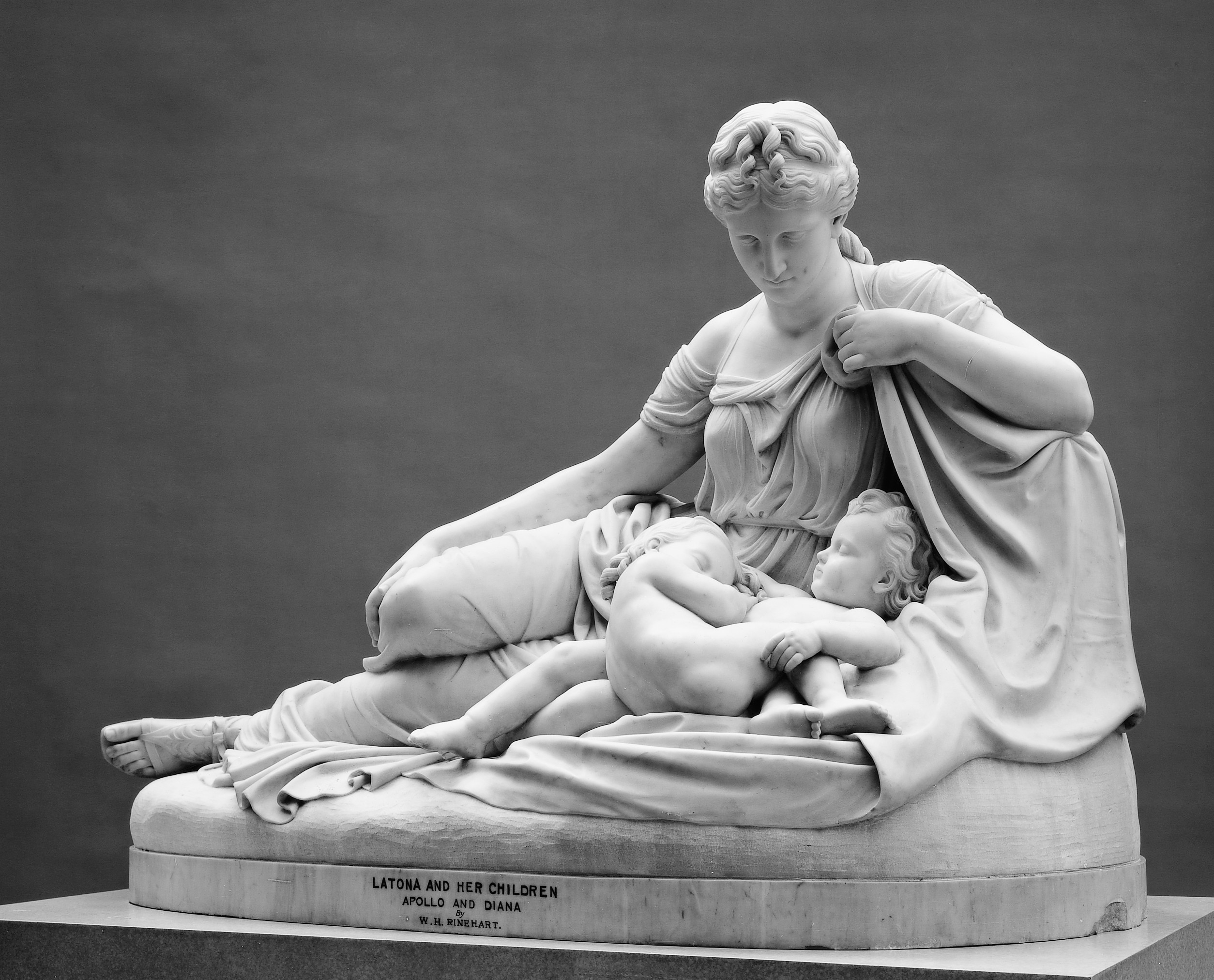
William Henry Rinehart. Latona and Her Children, Apollo and Diana. Metropolitan Museum of Art. CC0. https://www.wikidata.org/wiki/Q116393359

Walter Runeberg. Apollo and Marsyas. Finnish National Gallery. CC0. https://www.wikidata.org/wiki/Q11852364

Apollon nymphagète et les Nymphes. Department of Greek, Etruscan, and Roman Antiquities of the Louvre. CC0. https://www.wikidata.org/wiki/Q12873906

Stefano Ricci. Apollo and Hyacinth. Galleria d'arte moderna. CC BY 3.0. https://www.wikidata.org/wiki/Q131543590

Fuente de Apolo, Jardín del Príncipe, Aranjuez. CC BY-SA 3.0. https://www.wikidata.org/wiki/Q24021152

Musée Saint-Raymond, 25586. Musée Saint-Raymond. CC BY-SA 4.0. https://www.wikidata.org/wiki/Q25833782

Isaia da Pisa. Pisa Apollo with a lyre. National Museum in Warsaw. CC0. https://www.wikidata.org/wiki/Q29051011

anonymous master. Standing young man: Apollo, design for a garden statue. Collection Van Herck. CC BY-SA 4.0. https://www.wikidata.org/wiki/Q58671372

Artus Quellinus the Elder. Apollo and Python. Collection Van Herck. CC BY-SA 4.0. https://www.wikidata.org/wiki/Q58677247

Relief of Apollo with Nike. Cleveland Museum of Art. CC0. https://www.wikidata.org/wiki/Q60740953

Apollo citaredo, copia romana da orig. ellenistico del II sec ac. o rielaborazione di epoca imperiale. Museum of Art and History Geneva. CC BY-SA 3.0. https://www.wikidata.org/wiki/Q62571364

Jean-François-Étienne Gossin. Apollo's chariot, Fontfroide Abbey. CC BY-SA 4.0. https://www.wikidata.org/wiki/Q65027902

Dish with Apollo and Daphne. Metropolitan Museum of Art. CC0. https://www.wikidata.org/wiki/Q83562055

Nicolas Coustou. Le Dieu de la Santé montre à la France le buste de Louis XIV, roi de France - Nicolas Coustou - Musée du Louvre Sculptures MR 2735 ; N 15416. Department of Sculptures of the Louvre. CC0. https://www.wikidata.org/wiki/Q87456253

François Duquesnoy. Apollo and Cupid. Collection Bemberg. CC BY-SA 4.0. https://www.wikidata.org/wiki/Q99605374

Limestone votive relief with worship and banquet scenes. Metropolitan Museum of Art. CC0. https://www.wikidata.org/wiki/Q116290583

Ramón Barba. Ferdinand VII Receiving the Tributes of Minerva and the Fine Arts. CC BY-SA 3.0. https://www.wikidata.org/wiki/Q134955004

Stanisław Wyspiański. Apollo strikes with plague spears (Iliad). Public domain. https://www.wikidata.org/wiki/Q138499547

Stanisław Wyspiański. Apollo and Melpomene (Iliad). Public domain. https://www.wikidata.org/wiki/Q138499553

Nicolas Poussin. Apollo and the Muses on Mount Parnassus. J. Paul Getty Museum. Public domain. https://www.wikidata.org/wiki/Q20392035

Marsyas gevild door Apollo, circa 1701 - circa 1800, Groeningemuseum, 0041336000. Groeningemuseum. CC0. https://www.wikidata.org/wiki/Q22235893

Angelica Kauffmann. Design for Ceiling: Apollo and the Hours. Metropolitan Museum of Art. CC0. https://www.wikidata.org/wiki/Q96183800
![[Gabriel Simeoni] BOYER 2351](https://upload.wikimedia.org/wikipedia/commons/7/79/BOYER_2351_-_-Gabriel_Simeoni-.jpg?utm_source=commons.wikimedia.org&utm_campaign=imageinfo&utm_content=original)
[Gabriel Simeoni] BOYER 2351. Boyer collection. Public domain. https://www.wikidata.org/wiki/Q108795343

Jacopo de' Barbari. Apollo and Diana. National Gallery of Art. CC0. https://www.wikidata.org/wiki/Q64958531

Francis Cleyn. The Destruction of the Children of Niobe. Metropolitan Museum of Art. CC0. https://www.wikidata.org/wiki/Q85369190

statue (MNB 2083). Department of Greek, Etruscan, and Roman Antiquities of the Louvre. Public domain. https://www.wikidata.org/wiki/Q106708664

Ignaz Franz Platzer. French garden (Dobříš) 1726. CC0. https://www.wikidata.org/wiki/Q106890226

Gabii altar. Department of Greek, Etruscan, and Roman Antiquities of the Louvre. CC BY-SA 4.0. https://www.wikidata.org/wiki/Q106936867

Apoll. CC BY-SA 3.0. https://www.wikidata.org/wiki/Q115902170

Terracotta situla (bucket). Metropolitan Museum of Art. CC0. https://www.wikidata.org/wiki/Q116242157

Antimenes Painter. Terracotta amphora (jar). Metropolitan Museum of Art. CC0. https://www.wikidata.org/wiki/Q116287289

Sappho Painter. Terracotta lekythos (oil flask). Metropolitan Museum of Art. CC0. https://www.wikidata.org/wiki/Q116288289

Bowdoin Painter. Terracotta Nolan neck-amphora (jar). Metropolitan Museum of Art. CC0. https://www.wikidata.org/wiki/Q116288447

Terracotta bowl. Metropolitan Museum of Art. CC0. https://www.wikidata.org/wiki/Q116290060

Nikon Painter. Terracotta lekythos (oil flask). Metropolitan Museum of Art. CC0. https://www.wikidata.org/wiki/Q116290664

Black Fury Painter. Fragment of a terracotta calyx-krater (mixing bowl). Metropolitan Museum of Art. CC0. https://www.wikidata.org/wiki/Q116291465

Bronze statuette of a solar deity. Metropolitan Museum of Art. CC0. https://www.wikidata.org/wiki/Q116291757

Chicago Painter. Terracotta pelike (jar). Metropolitan Museum of Art. CC0. https://www.wikidata.org/wiki/Q116293093
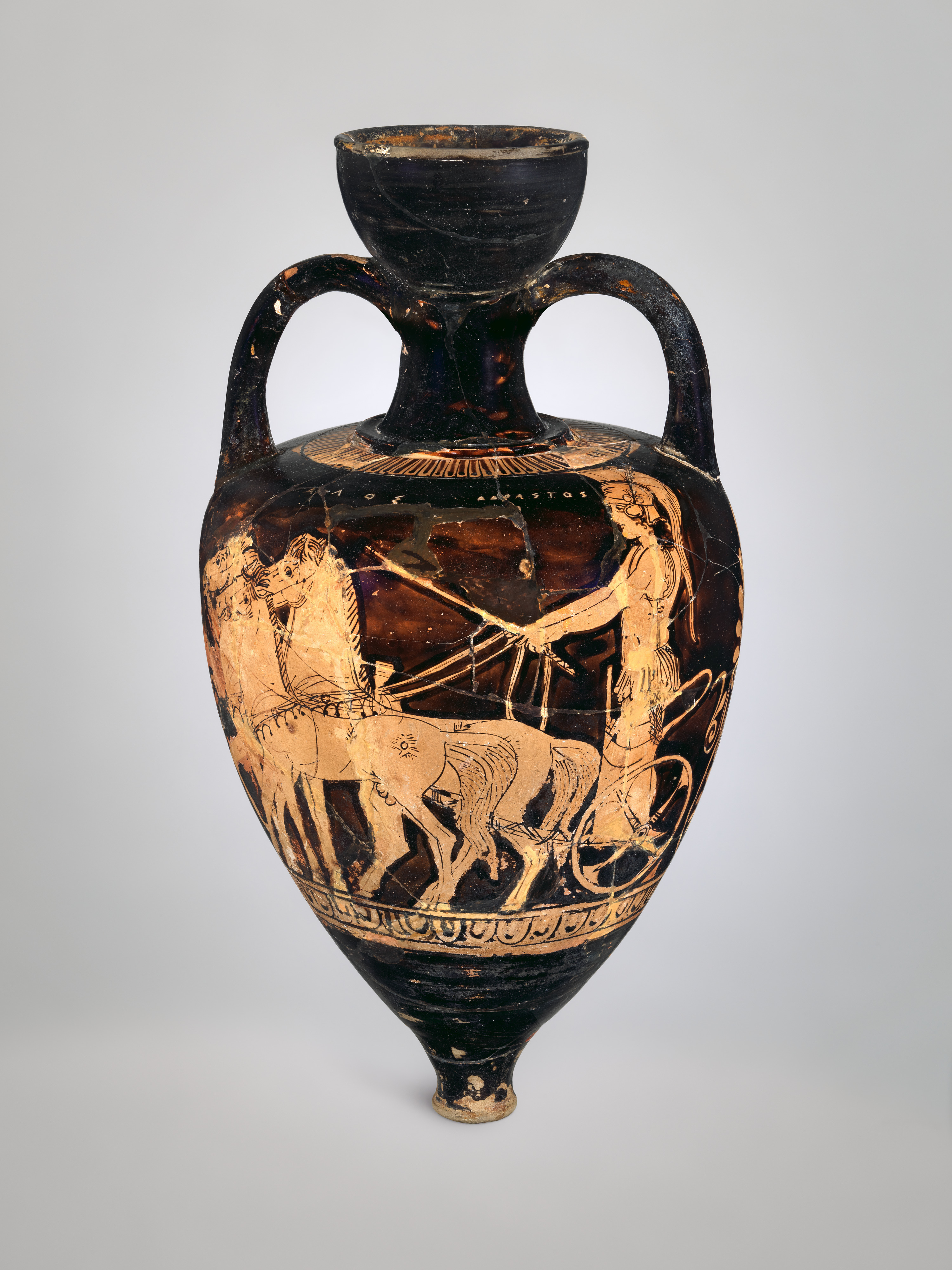
Terracotta amphoriskos (flask). Metropolitan Museum of Art. CC0. https://www.wikidata.org/wiki/Q116402671

Pernstejn-Vrchnostenska zahrada-03. CC BY-SA 4.0. https://www.wikidata.org/wiki/Q117447115

Figura kamienna w parku w Lańcucie p. CC BY-SA 3.0. https://www.wikidata.org/wiki/Q121886569

Johann Georg Unruh. Ceiling painting in the staircase of the New Residence Passau. CC BY-SA 4.0. https://www.wikidata.org/wiki/Q122702246

anonymous. Sigillum Neronis. Naples National Archaeological Museum. Public domain. https://www.wikidata.org/wiki/Q123964808

Ptolemaic hairnet. J. Paul Getty Museum. CC0. https://www.wikidata.org/wiki/Q124852538

Irelli-Aoyagi-De Caro-Pappalardo 244b. Naples National Archaeological Museum. CC BY-SA 3.0. https://www.wikidata.org/wiki/Q126373890

Ignaz Bottengruber. Saucer from the service of the gods. National Museum in Wrocław. CC0. https://www.wikidata.org/wiki/Q129261653

Antoine Béranger. Pair of Spindle Vases. Department of Decorative Arts of the Louvre. CC0. https://www.wikidata.org/wiki/Q132196747

Admetus Alcestis MAN Napoli Inv9026. Naples National Archaeological Museum. Public domain. https://www.wikidata.org/wiki/Q133278328

Jan Bogumi Plersz. Łazienki-Park Warschau DSC 1516. CC BY-SA 3.0. https://www.wikidata.org/wiki/Q134361611

Apolo (50431509353). National Archaeology Museum. CC BY 2.0. https://www.wikidata.org/wiki/Q136792264

Véiergëtterstee vu Bäerdref. CC BY-SA 4.0. https://www.wikidata.org/wiki/Q16764996

Sauroctonos Borghese. Borghese Collection. CC BY 2.5. https://www.wikidata.org/wiki/Q18667809

Raphael. Афинская школа. Vatican Museums. Public domain. https://www.wikidata.org/wiki/Q186953

Étienne Delaune. Доспехи короля Франции Генри II. Metropolitan Museum of Art. CC0. https://www.wikidata.org/wiki/Q21084031

2 Statues In Centre Of Lily Pond At Quex Park. CC BY-SA 4.0. https://www.wikidata.org/wiki/Q26634224

Reliquaire de Pépin. Public domain. https://www.wikidata.org/wiki/Q29262530

Nicola da Urbino. Armorial Plate (tondino): The story of King Midas. Metropolitan Museum of Art. CC0. https://www.wikidata.org/wiki/Q29385311

Euphiletos Painter. Terracotta oinochoe: olpe (round-mouthed jug). Metropolitan Museum of Art. CC0. https://www.wikidata.org/wiki/Q42144264

RRC 361/1. CC0. https://www.wikidata.org/wiki/Q50299427

MSR-VT 69 28 r. Musée Saint-Raymond. CC BY-SA 4.0. https://www.wikidata.org/wiki/Q50576633

RRC 363/1. Public domain. https://www.wikidata.org/wiki/Q5256588

Semainierdalesia-75. Palais du Roure. CC BY-SA 4.0. https://www.wikidata.org/wiki/Q59161742

Август из Прима-Порта. Vatican Museums. Public domain. https://www.wikidata.org/wiki/Q667124

Musée Saint-Raymond, 2000 15 127. Musée Saint-Raymond. CC BY-SA 4.0. https://www.wikidata.org/wiki/Q105578825

Francisco Bosoletti. Daphne and Apollo. CC BY-SA 3.0. https://www.wikidata.org/wiki/Q111578326

Overview of statue of Apollo in Castle park in Jaroměřice nad Rokytnou, Třebíč District. CC BY-SA 4.0. https://www.wikidata.org/wiki/Q112031506

Apollo and Diana. Metropolitan Museum of Art. CC0. https://www.wikidata.org/wiki/Q116310445

Jean Berain. Three Partisans Carried by the Bodyguard of Louis XIV (1638–1715, reigned from 1643). Metropolitan Museum of Art. CC0. https://www.wikidata.org/wiki/Q116324143

Jean Berain. Partisan Carried by the Bodyguard of Louis XIV (1638–1715, reigned from 1643). Metropolitan Museum of Art. CC0. https://www.wikidata.org/wiki/Q116327284

Apollon de Malloura - Musée du Louvre Antiquités orientales AM 2973 ; S 1783 ; Ma 690. Department of Near Eastern Antiquities of the Louvre. CC0. https://www.wikidata.org/wiki/Q124000086

Apollo citaredo, inv 6262. Naples National Archaeological Museum. CC BY-SA 2.0. https://www.wikidata.org/wiki/Q125996698

Domenico Poggini. Apollo with the Capricorn. CC BY-SA 3.0. https://www.wikidata.org/wiki/Q126182525

Kew Gardens, The Orangery, Statue of Apollo. Victoria and Albert Museum. CC BY-SA 4.0. https://www.wikidata.org/wiki/Q126690375

Benjamin Giese. Johann Peter Benkert, Benjamin Giese - Mittelrisalit Bildergalerie Sanssouci. Skulpturensammlung der Stiftung Preußische Schlösser und Gärten Berlin-Brandenburg. CC BY-SA 3.0. https://www.wikidata.org/wiki/Q129953744

Berlin Painter. Berlin Painter - ARV 197 8 - Herakles and Apollon struggling for the tripod - Würzburg MvWM L 500 - 08. Martin von Wagner Museum. CC BY-SA 4.0. https://www.wikidata.org/wiki/Q131107942

Beardless God, whereabouts unknown. Public domain. https://www.wikidata.org/wiki/Q134303431

Tommaso Conca. Apollo and the Muses. Vatican Museums. Public domain. https://www.wikidata.org/wiki/Q138415018

Apollo and Daphne. CC BY-SA 4.0. https://www.wikidata.org/wiki/Q140193848

Apollo and Daphne, from Pompeii VI.9.2 (House of Meleager), peristyle. Naples, Archaeological Museum 9534 - 01. Naples National Archaeological Museum. CC BY-SA 4.0. https://www.wikidata.org/wiki/Q140450239

Johann Albrecht Siegwitz. Garden sculptures of the Wilanów Palace, Poland 11. CC BY-SA 4.0. https://www.wikidata.org/wiki/Q141408222

Jean-Étienne Liotard. Jean-Étienne Liotard - Apollo en Daphne, naar het beeld van Gianlorenzo Bernini in de Borghese verzameling te Rome. Rijksmuseum. Public domain. https://www.wikidata.org/wiki/Q17323863

Statue of Apollo at End of Long Walk and Approximately 12 Metres South East of the Temple of Echo. CC BY-SA 2.0. https://www.wikidata.org/wiki/Q17532125

Albrecht Dürer. Apollo and Diana. National Gallery of Art. CC0. https://www.wikidata.org/wiki/Q18338517

Louis-Philippe Mouchy. Apollon ou les Beaux-Arts, Mouchy. Department of Sculptures of the Louvre. CC BY-SA 4.0. https://www.wikidata.org/wiki/Q19413595

Philippe Chéry. Sade - Justine, ou les Malheurs de la vertu - frontispice. Bibliothèque nationale de France. Public domain. https://www.wikidata.org/wiki/Q19827907

Admetus and Alcestis, Apollo and Diane. Naples National Archaeological Museum. CC BY-SA 4.0. https://www.wikidata.org/wiki/Q26068156

Pair Of Figures Of Apollo And Diana, At Rose Garden, At Anglesey Abbey. CC BY-SA 4.0. https://www.wikidata.org/wiki/Q26419984

Musée Saint-Raymond, 25585. Musée Saint-Raymond. CC BY-SA 4.0. https://www.wikidata.org/wiki/Q29269667

Robert de Launay. Apollo and Hermes. No restrictions. https://www.wikidata.org/wiki/Q59641664

Praxiteles. Аполлон, убивающий ящерицу. Public domain. https://www.wikidata.org/wiki/Q619265

Reydams-Leyniers workshop. Apollo and Daphne. National Gallery of Art. CC0. https://www.wikidata.org/wiki/Q62286414
![Apollo with Lyre and Long Scroll [reverse]](https://upload.wikimedia.org/wikipedia/commons/3/3f/Giovanni_Bold%C3%B9%2C_Apollo_with_Lyre_and_Long_Scroll_%28reverse%29%2C_1457%2C_NGA_44567.jpg?utm_source=commons.wikimedia.org&utm_campaign=imageinfo&utm_content=original)
Apollo with Lyre and Long Scroll [reverse]. National Gallery of Art. CC0. https://www.wikidata.org/wiki/Q63847623

Zámecká zahrada Litomyšl, sochy (001). CC BY-SA 3.0. https://www.wikidata.org/wiki/Q64759240

Musée Saint-Raymond, 2000 15 69. Musée Saint-Raymond. CC BY-SA 4.0. https://www.wikidata.org/wiki/Q83625782

Niobid Painter. Кратер Ниобид. Department of Greek, Etruscan, and Roman Antiquities of the Louvre. CC BY-SA 4.0. https://www.wikidata.org/wiki/Q107591697

Antimenes Painter. Terracotta amphora (jar). Metropolitan Museum of Art. CC0. https://www.wikidata.org/wiki/Q116288134

Exekias. Terracotta neck-amphora (jar). Metropolitan Museum of Art. CC0. https://www.wikidata.org/wiki/Q116288831

Antimenes Painter. Terracotta amphora (jar). Metropolitan Museum of Art. CC0. https://www.wikidata.org/wiki/Q116289439

Eucharides Painter. Terracotta amphora (jar). Metropolitan Museum of Art. CC0. https://www.wikidata.org/wiki/Q116295996

Eumenides Painter. Cratère des Euménides - Musée du Louvre AGER Cp 710. Department of Greek, Etruscan, and Roman Antiquities of the Louvre. CC0. https://www.wikidata.org/wiki/Q116985351

Andokides. Terracotta amphora (MET 63.11.6). Metropolitan Museum of Art. CC0. https://www.wikidata.org/wiki/Q29383937

Group of Polygnotos. Terracotta calyx-krater (bowl for mixing wine and water). Metropolitan Museum of Art. CC0. https://www.wikidata.org/wiki/Q116289948

Nekyia Painter. Terracotta calyx-krater (bowl for mixing wine and water). Metropolitan Museum of Art. CC0. https://www.wikidata.org/wiki/Q116295072

Lykomedes Painter. Terracotta column-krater (bowl for mixing wine and water). Metropolitan Museum of Art. CC0. https://www.wikidata.org/wiki/Q116296003

Aristophanes. kylix with gigantomachy, Berlin F 2531. Antikensammlung Berlin. CC BY-SA 4.0. https://www.wikidata.org/wiki/Q122802954

Lykomedes Painter. Water jar with Herakles and Apollo fighting over the Delphic tripod. J. Paul Getty Museum. CC0. https://www.wikidata.org/wiki/Q125164003
04 / PROVENANCE
Sources and verification
The character is matched to the catalogue.
- Wikipedia · Apollo · CC BY-SA 4.0
Excerpt; remaining sentences omitted.
Reference material remains distinct from the poem’s assertions. Characters who share a name retain separate pages.