Eudoros
Mortal man
In Greek mythology, Eudoros (Ancient Greek: Εὔδωρος) was the second of Achilles' five commanders at the Trojan War.
Explore on the graph





- Mentions
- 2
- Connected characters
- 6
- Books
- 1


Mentions in the Iliad
A. T. Murray, Loeb Classical Library, Harvard University Press, 1924 · Homer, Iliad with an English Translation · CC BY-SA 3.0 US
“Him did fair Polydora, daughter of Peleus, bear to tireless Spercheius, a woman couched with a god, but in name she bare him to Borus, son of Perieres, who openly wedded her, when he had given gifts of wooing past counting. And of the next company warlike Eudorus was captain,”
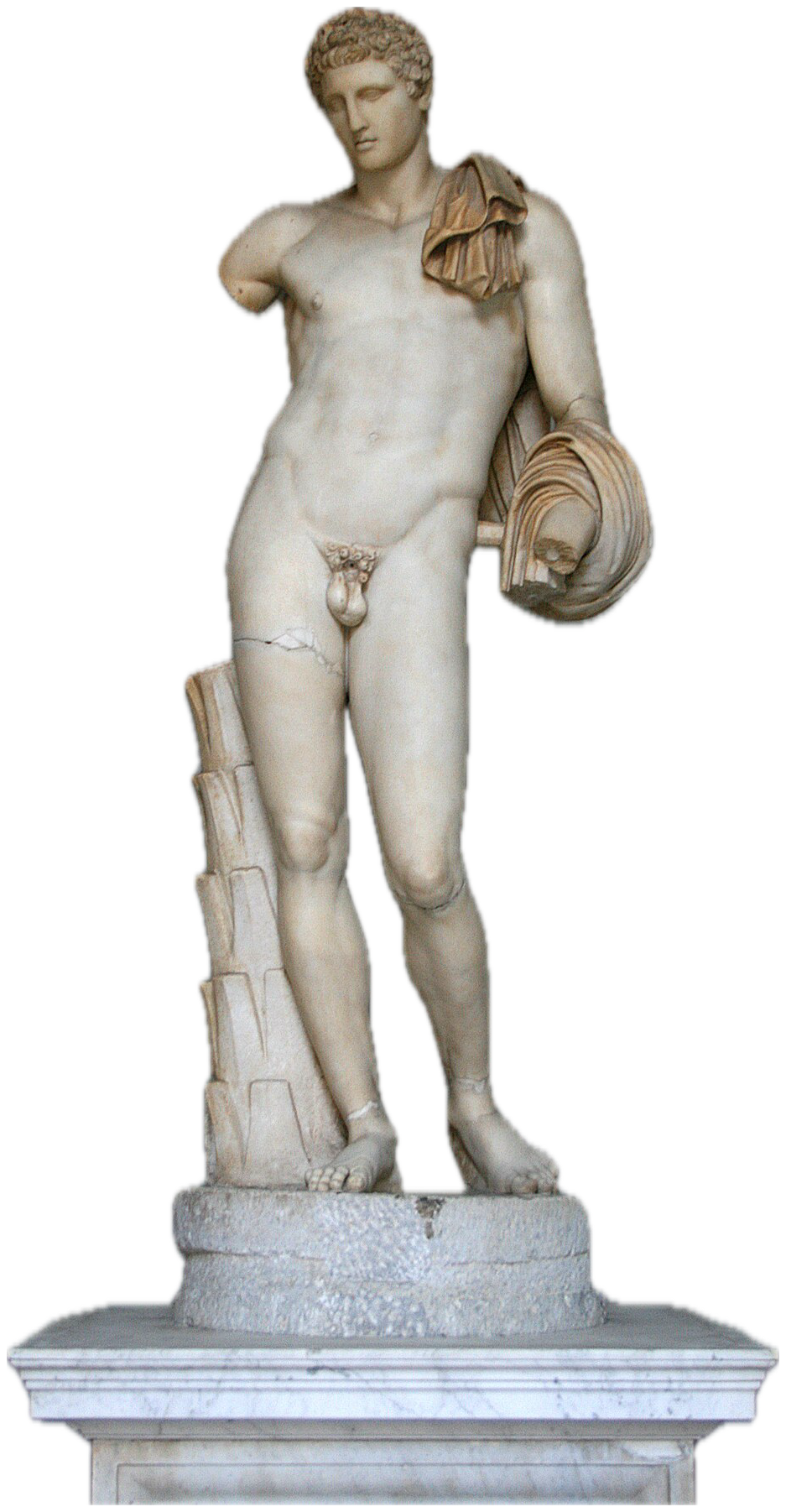
“even Hermes the helper, and she gave him a goodly son, Eudorus, pre-eminent in speed of foot and as a warrior. But when at length Eileithyia, goddess of child-birth, had brought him to the light, and he saw the rays of the sun, then her did the stalwart and mighty Echecles, son of Actor,”
See all 2
Connections
Mother · Sources
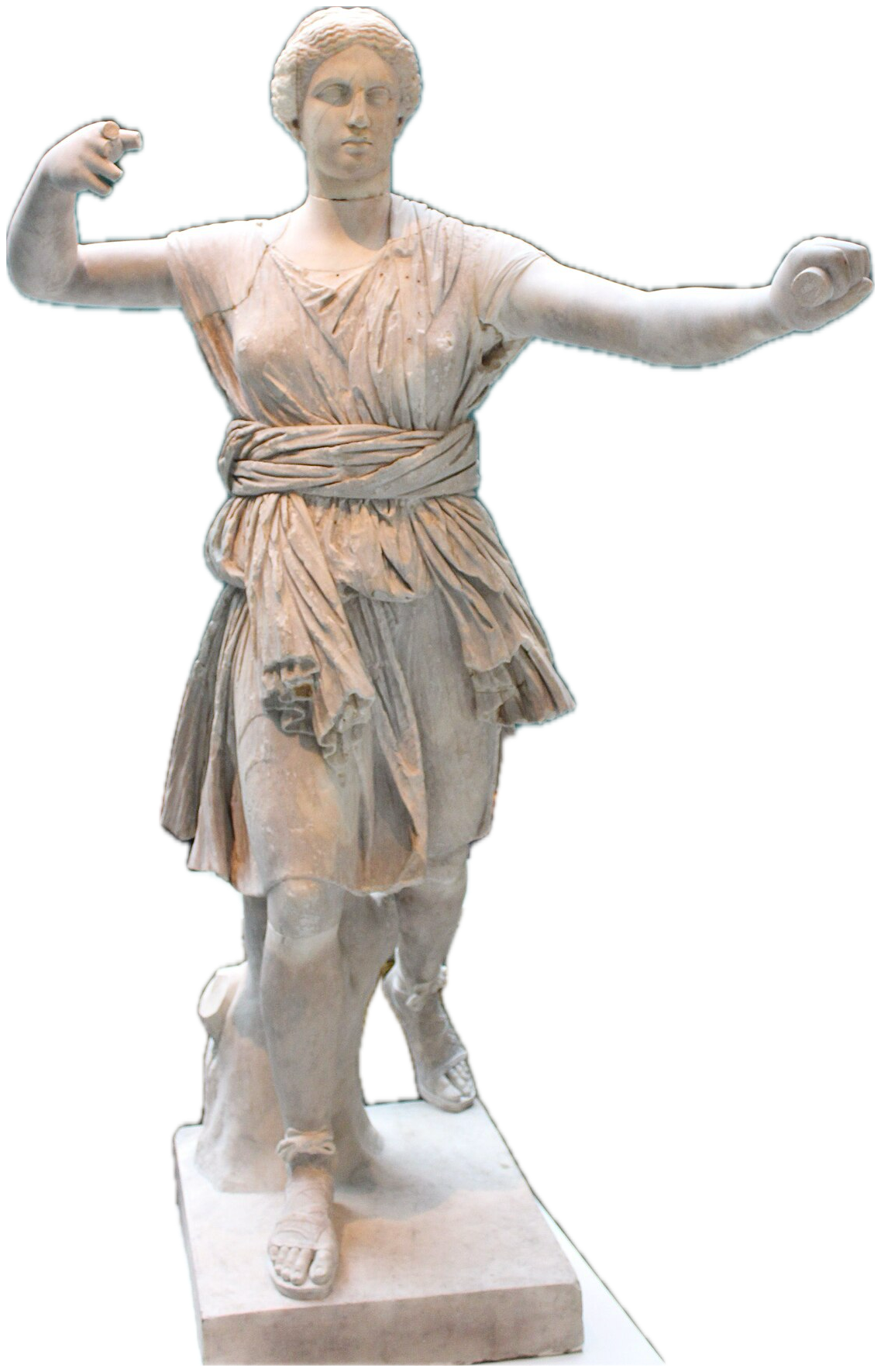
the son of a girl unwed, and him did Polymele, fair in the dance, daughter of Phylas, bear. Of her the strong Argeiphontes became enamoured, when his eyes had sight of her amid the singing maidens, in the dancing-floor of Artemis, huntress of the golden arrows and the echoing chase. Forthwith then he went up into her upper chamber, and lay with her secretly,
even Hermes the helper, and she gave him a goodly son, Eudorus, pre-eminent in speed of foot and as a warrior. But when at length Eileithyia, goddess of child-birth, had brought him to the light, and he saw the rays of the sun, then her did the stalwart and mighty Echecles, son of Actor,
Il. 16.180 · Il. 16.185–186
Father · Sources
the son of a girl unwed, and him did Polymele, fair in the dance, daughter of Phylas, bear. Of her the strong Argeiphontes became enamoured, when his eyes had sight of her amid the singing maidens, in the dancing-floor of Artemis, huntress of the golden arrows and the echoing chase. Forthwith then he went up into her upper chamber, and lay with her secretly,even Hermes the helper, and she gave him a goodly son, Eudorus, pre-eminent in speed of foot and as a warrior. But when at length Eileithyia, goddess of child-birth, had brought him to the light, and he saw the rays of the sun, then her did the stalwart and mighty Echecles, son of Actor,
even Hermes the helper, and she gave him a goodly son, Eudorus, pre-eminent in speed of foot and as a warrior. But when at length Eileithyia, goddess of child-birth, had brought him to the light, and he saw the rays of the sun, then her did the stalwart and mighty Echecles, son of Actor,
Il. 16.183–185 · Il. 16.185–186

Grandfather · Sources
Происхождение выведено по цепочке родителей: Зевс → Гермес → Евдор.
the son of a girl unwed, and him did Polymele, fair in the dance, daughter of Phylas, bear. Of her the strong Argeiphontes became enamoured, when his eyes had sight of her amid the singing maidens, in the dancing-floor of Artemis, huntress of the golden arrows and the echoing chase. Forthwith then he went up into her upper chamber, and lay with her secretly,even Hermes the helper, and she gave him a goodly son, Eudorus, pre-eminent in speed of foot and as a warrior. But when at length Eileithyia, goddess of child-birth, had brought him to the light, and he saw the rays of the sun, then her did the stalwart and mighty Echecles, son of Actor,
even Hermes the helper, and she gave him a goodly son, Eudorus, pre-eminent in speed of foot and as a warrior. But when at length Eileithyia, goddess of child-birth, had brought him to the light, and he saw the rays of the sun, then her did the stalwart and mighty Echecles, son of Actor,
back then to Ilios turned his sons and his daughters' husbands; howbeit the twain were not unseen of Zeus, whose voice is borne afar, as they came forth upon the plain, but as he saw the old man he had pity, and forthwith spake to Hermes, his dear son: Hermes, seeing thou lovest above all others to companion a man,
Il. 16.183–185 · Il. 16.185–186 · Il. 24.333
Grandfather · Sources
Происхождение выведено по цепочке родителей: Филант → Полимела → Евдор.
the son of a girl unwed, and him did Polymele, fair in the dance, daughter of Phylas, bear. Of her the strong Argeiphontes became enamoured, when his eyes had sight of her amid the singing maidens, in the dancing-floor of Artemis, huntress of the golden arrows and the echoing chase. Forthwith then he went up into her upper chamber, and lay with her secretly,
the son of a girl unwed, and him did Polymele, fair in the dance, daughter of Phylas, bear. Of her the strong Argeiphontes became enamoured, when his eyes had sight of her amid the singing maidens, in the dancing-floor of Artemis, huntress of the golden arrows and the echoing chase. Forthwith then he went up into her upper chamber, and lay with her secretly,
even Hermes the helper, and she gave him a goodly son, Eudorus, pre-eminent in speed of foot and as a warrior. But when at length Eileithyia, goddess of child-birth, had brought him to the light, and he saw the rays of the sun, then her did the stalwart and mighty Echecles, son of Actor,
Il. 16.180 · Il. 16.181 · Il. 16.185–186
Great-grandfather · Sources
Происхождение выведено по цепочке родителей: Кронос → Зевс → Гермес → Евдор.
one king, to whom the son of crooked-counselling Cronos hath vouchsafed the sceptre and judgments, that he may take counsel for his people. Thus masterfully did he range through the host, and they hasted back to the place of gathering from their ships and huts with noise, as when a wave of the loud-resounding sea
and the mother fluttered around them, wailing for her dear little ones; howbeit he coiled himself and caught her by the wing as she screamed about him. But when he had devoured the sparrow's little ones and the mother with them, the god, who had brought him to the light, made him to be unseen; for the son of crooked-counselling Cronos turned him to stone;
Even in such wise as the son of crooked-counselling Cronos sendeth a star to be a portent for seamen or for a wide host of warriors, a gleaming star, and therefrom the sparks fly thick; even so darted Pallas Athene to earth, and down she leapt into the midst; and amazement came upon all that beheld,
Il. 2.205–206 · Il. 2.319 · Il. 4.75 · Il. 9.37 · Il. 9.171 · Il. 9.236 · Il. 9.419 · Il. 9.502 · Il. 9.686 · Il. 10.71 · Il. 15.187 · Il. 16.183–185 · Il. 16.185–186 · Il. 16.431 · Il. 18.293 · Il. 24.333
Great-grandmother · Sources
Происхождение выведено по цепочке родителей: Рея → Зевс → Гермес → Евдор.
Out upon it, verily strong though he be he hath spoken overweeningly, if in sooth by force and in mine own despite he will restrain me that am of like honour with himself. For three brethren are we, begotten of Cronos, and born of Rhea,—Zeus, and myself, and the third is Hades, that is lord of the dead below. And in three-fold wise are all things divided, and unto each hath been apportioned his own domain.
the son of a girl unwed, and him did Polymele, fair in the dance, daughter of Phylas, bear. Of her the strong Argeiphontes became enamoured, when his eyes had sight of her amid the singing maidens, in the dancing-floor of Artemis, huntress of the golden arrows and the echoing chase. Forthwith then he went up into her upper chamber, and lay with her secretly,even Hermes the helper, and she gave him a goodly son, Eudorus, pre-eminent in speed of foot and as a warrior. But when at length Eileithyia, goddess of child-birth, had brought him to the light, and he saw the rays of the sun, then her did the stalwart and mighty Echecles, son of Actor,
even Hermes the helper, and she gave him a goodly son, Eudorus, pre-eminent in speed of foot and as a warrior. But when at length Eileithyia, goddess of child-birth, had brought him to the light, and he saw the rays of the sun, then her did the stalwart and mighty Echecles, son of Actor,
Il. 15.187 · Il. 16.183–185 · Il. 16.185–186 · Il. 24.333
See all 6
In art
See all 0
There is nothing in this section yet.
04 / PROVENANCE
Sources and verification
The character is matched to the catalogue.
- Wikipedia · Eudoros · CC BY-SA 4.0
Excerpt; remaining sentences omitted.
Reference material remains distinct from the poem’s assertions. Characters who share a name retain separate pages.