Dione
Goddess
In ancient Greek religion and mythology, Dione (; Ancient Greek: Διώνη, romanized: Diṓnē, lit. 'she-Zeus') is an oracular goddess and Titaness. She is primarily known from Book V of Homer's Iliad, where she tends to the wounds suffered by her daughter Aphrodite.
Explore on the graph
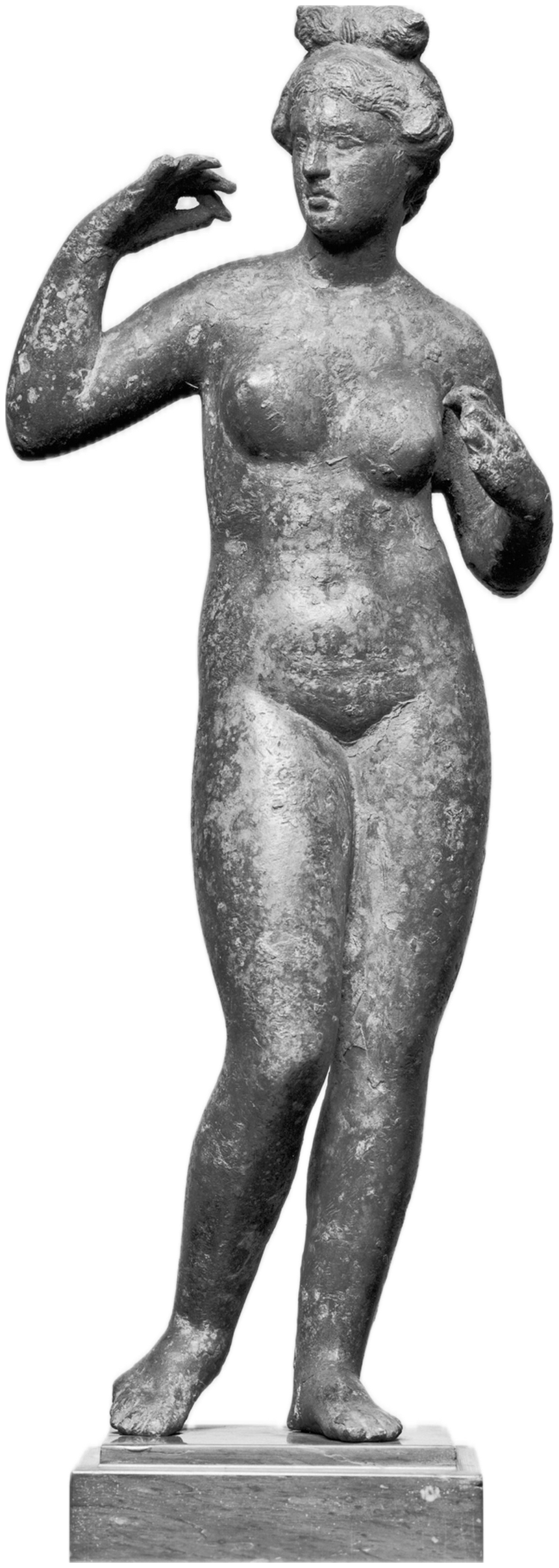
- Mentions
- 2
- Connected characters
- 2
- Books
- 1
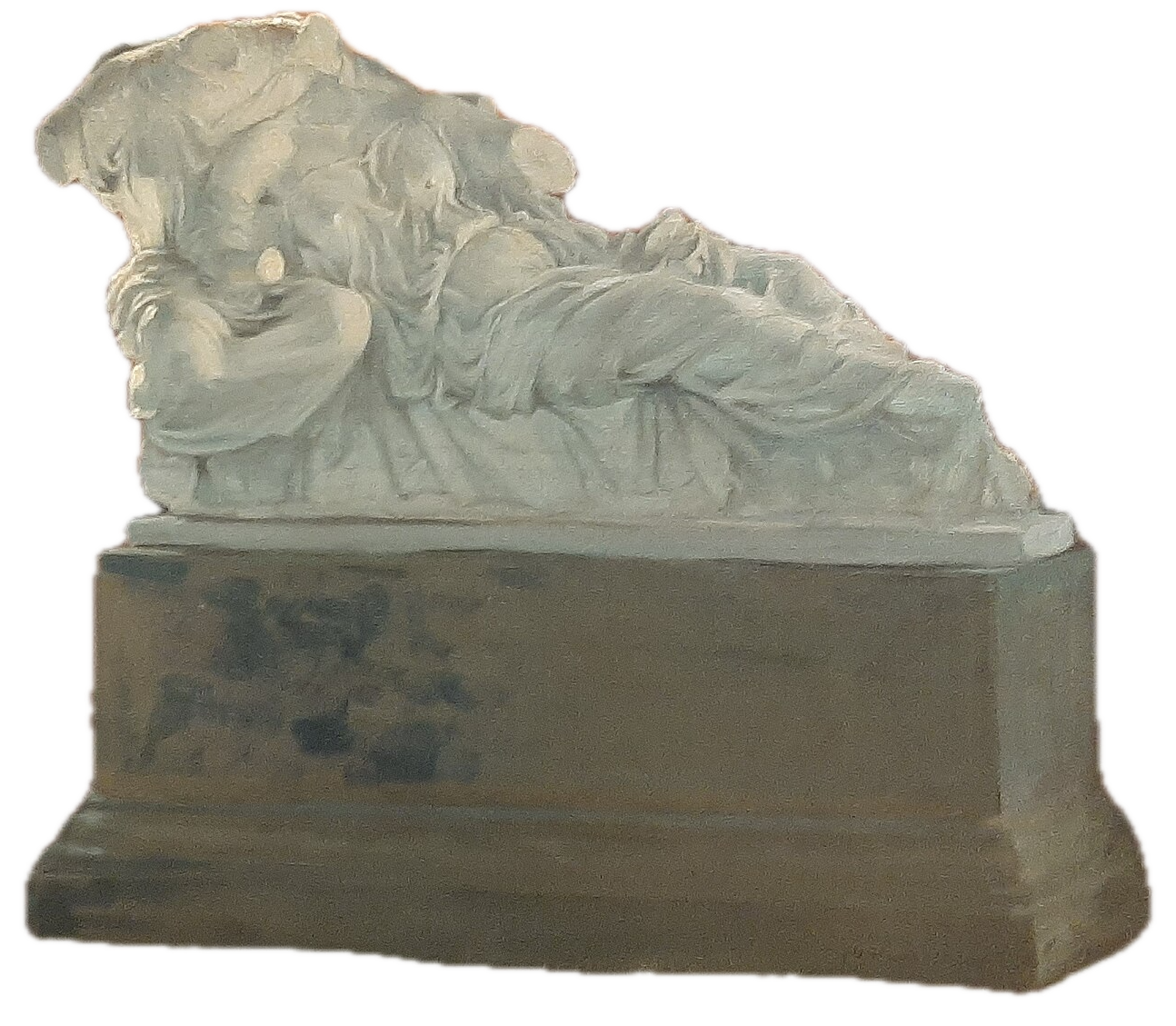


Mentions in the Iliad
A. T. Murray, Loeb Classical Library, Harvard University Press, 1924 · Homer, Iliad with an English Translation · CC BY-SA 3.0 US
“but fair Aphrodite flung herself upon the knees of her mother Dione. She clasped her daughter in her arms, and stroked her with her hand and spake to her, saying: Who now of the sons of heaven, dear child, hath entreated thee thus wantonly, as though thou wert working some evil before the face of all?”
“nay, the Danaans now fight even with the immortals. To her then made answer Dione, the fair goddess: Be of good heart, my child, and endure for all thy suffering; for full many of us that have dwellings on Olympus have suffered at the hands of men, in bringing grievous woes one upon the other.”
See all 2
Connections
Daughter · Sources
but fair Aphrodite flung herself upon the knees of her mother Dione. She clasped her daughter in her arms, and stroked her with her hand and spake to her, saying: Who now of the sons of heaven, dear child, hath entreated thee thus wantonly, as though thou wert working some evil before the face of all?
nay, the Danaans now fight even with the immortals. To her then made answer Dione, the fair goddess: Be of good heart, my child, and endure for all thy suffering; for full many of us that have dwellings on Olympus have suffered at the hands of men, in bringing grievous woes one upon the other.
Il. 5.370–371 · Il. 5.381–382
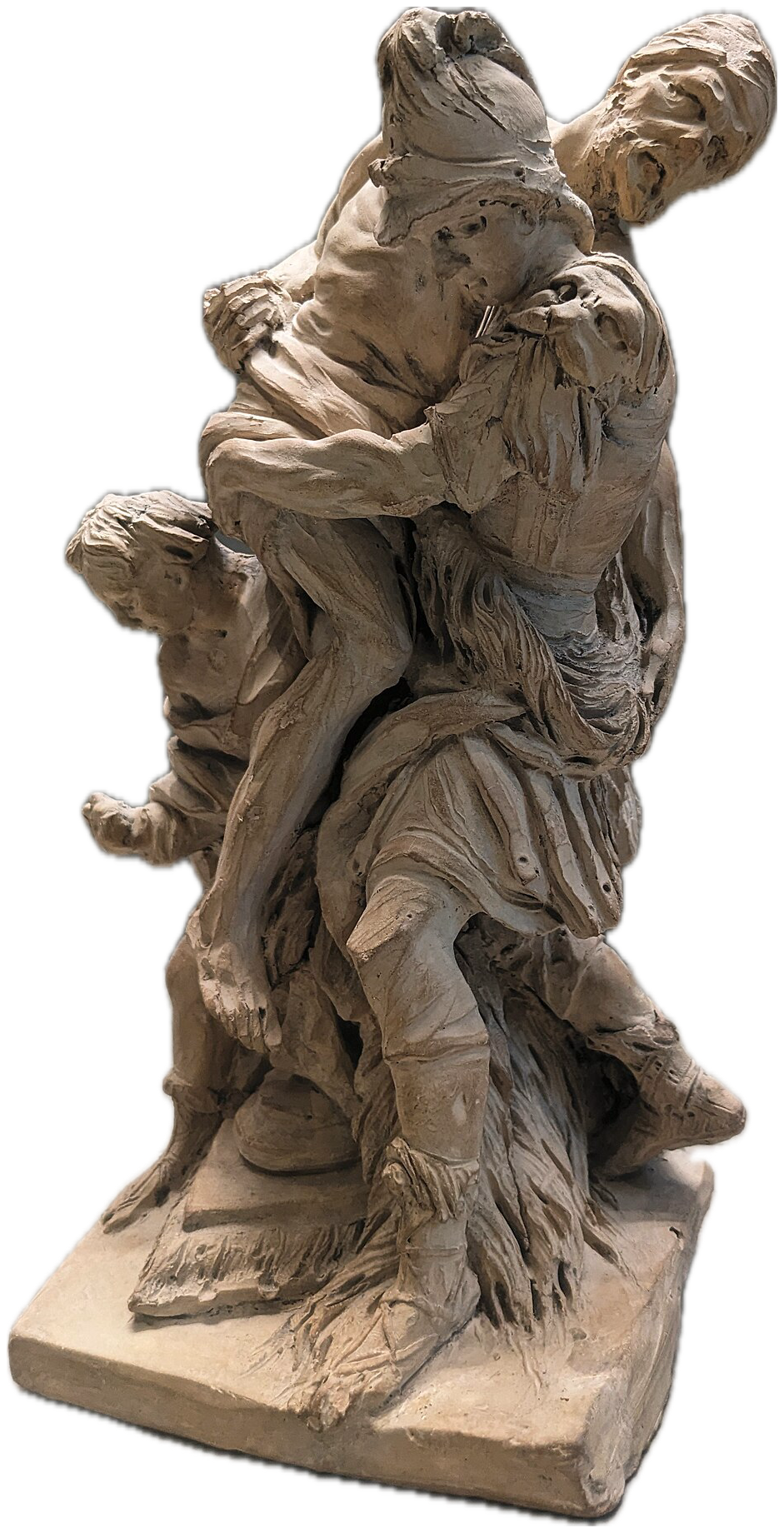
Grandson · Sources
Происхождение выведено по цепочке родителей: Диона → Афродита → Эней.
even Aeneas, whom fair Aphrodite conceived to Anchises amid the spurs of Ida, a goddess couched with a mortal man. Not alone was he; with him were Antenor's two sons, Archelochus and Acamas, well skilled in all manner of fighting. And they that dwelt in Zeleia beneath the nethermost foot of Ida,
endued with measureless strength. The one is well skilled with the bow, even Pandarus, and moreover avoweth him to be the son of Lycaon; while Aeneas avoweth himself to be born of peerless Anchises, and his mother is Aphrodite. Nay, come, let us give ground on the car, neither rage thou thus,
upon the earth; and dark night enfolded his eyes. And now would the king of men, Aeneas, have perished, had not the daughter of Zeus, Aphrodite, been quick to mark, even his mother, that conceived him to Anchises as he tended his kine. About her dear son she flung her white arms,
Il. 2.820 · Il. 5.248 · Il. 5.312–313 · Il. 5.314–318 · Il. 5.343 · Il. 5.370–371 · Il. 5.377–378 · Il. 5.381–382 · Il. 20.105 · Il. 20.209
See all 2
In art

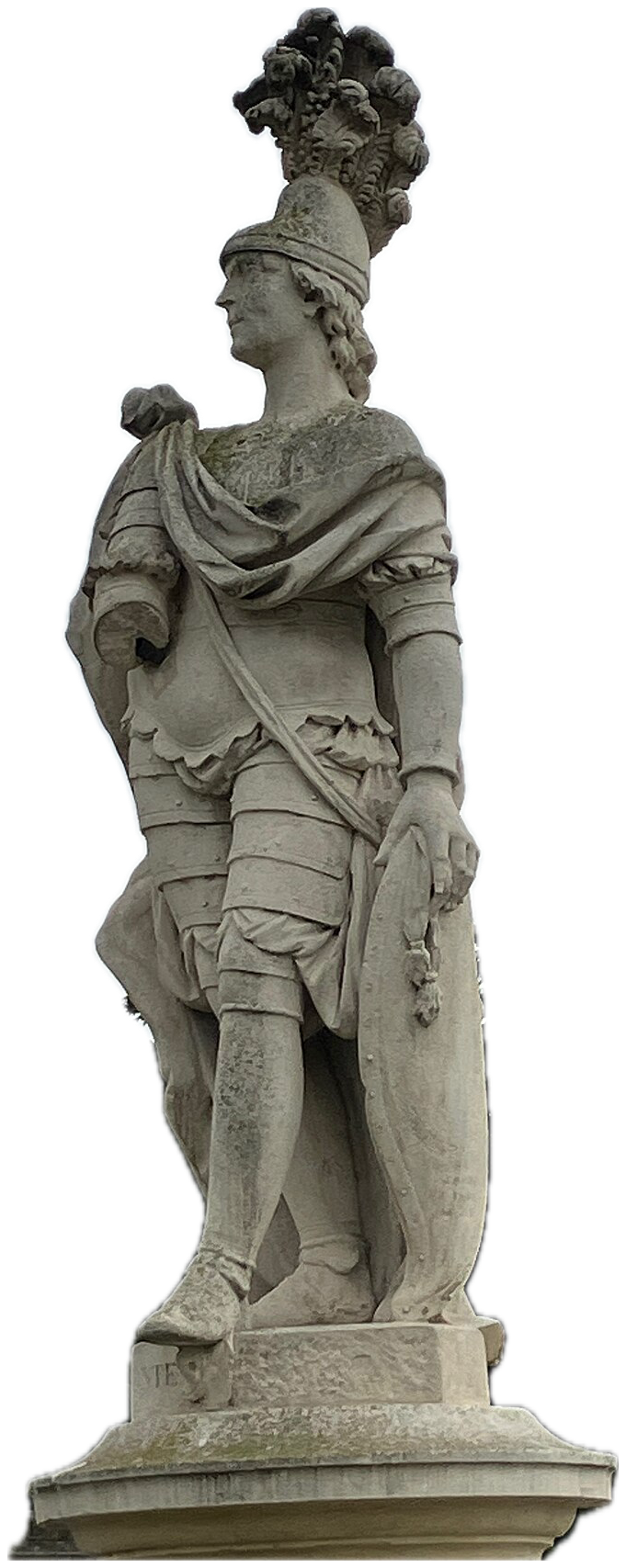
Jules Bernard. Intérieur du Musée by Jules Bernard. Museum of Grenoble. CC0. https://www.wikidata.org/wiki/Q137674896
See all 1
04 / PROVENANCE
Sources and verification
The character is matched to the catalogue.
- Wikipedia · Dione (Titaness) · CC BY-SA 4.0
Excerpt; remaining sentences omitted.
Reference material remains distinct from the poem’s assertions. Characters who share a name retain separate pages.