Diomedes
Mortal man
Diomedes ( ) or Diomede (; Ancient Greek: Διομήδης, romanized: Diomēdēs, lit. 'god-like cunning" or "advised by Zeus') is a hero in Greek mythology, known for his participation in the Trojan War. He was born to Tydeus and Deipyle and later became King of Argos, succeeding his maternal grandfather, Adrastus.
Explore on the graph- Mentions
- 97
- Connected characters
- 27
- Books
- 14


Mentions in the Iliad
A. T. Murray, Loeb Classical Library, Harvard University Press, 1924 · Homer, Iliad with an English Translation · CC BY-SA 3.0 US
“Nestor, first of all, and king Idomeneus, and thereafter the twain Aiantes and the son of Tydeus, and as the sixth Odysseus, the peer of Zeus in counsel. And unbidden came to him Menelaus, good at the war-cry, for he knew in his heart wherewith his brother was busied.”
“and Hermione and Asine, that enfold the deep gulf, Troezen and Eïonae and vine-clad Epidaurus, and the youths of the Achaeans that held Aegina and Mases,—these again had as leaders Diomedes, good at the war-cry, and Sthenelus, dear son of glorious Capaneus.”
“Then found he the son of Tydeus, Diomedes high of heart, as he stood in his jointed car; and by his side stood Sthenelus, son of Capaneus. At sight of him too lord Agamemnon chid him, and spake and addressed him with winged words:”
“that he begat is worse than he in battle, though in the place of gathering he is better. So he spake, and stalwart Diomedes answered him not a word, but had respect to the reproof of the king revered. But the son of glorious Capaneus made answer. Son of Atreus, utter not lies, when thou knowest how to speak truly.”
“Wherefore I bid thee put not our fathers in like honour with us. Then with an angry glance from beneath his brows stalwart Diomedes addressed him: Good friend, abide in silence, and hearken to my word. I count it not shame that Agamemnon, shepherd of the host, should urge on to battle the well-greaved Achaeans;”
“for upon him will great glory attend if the Achaeans shall slay the Trojans and take sacred Ilios, and upon him likewise will fall great sorrow, if the Achaeans be slain. Nay, come, let us twain also bethink us of furious valour. He spake, and leapt in his armour from his chariot to the ground,”
See all 97
“Howbeit the horses did the son of great souled Tydeus drive forth and give to his comrades to bring to the hollow ships. But when the great-souled Trojans beheld the two sons of Dares, the one in flight and the other slain beside the car, the hearts of all were dismayed. And flashing-eyed Athene”
“but of Tydeus' son couldst thou not have told with which host of the twain he was joined, whether it was with the Trojans that he had fellowship or with the Achaeans. For he stormed across the plain like unto a winter torrent at the full, that with its swift flood sweeps away the embankments; this the close-fenced embankments hold not back,”
“the son of Zeus, sped me on my way when I set forth from Lycia. So spake he vauntingly; howbeit that other did the swift arrow not lay low, but he drew back, and took his stand before his horses and chariot, and spake to Sthenelus, son of Capaneus: Rouse thee, good son of Capaneus; get thee down from the car,”
“and declareth that not for long shall I behold the bright light of the sun. So spake he in prayer, and Pallas Athene heard him, and made his limbs light, his feet and his hands above; and she drew near to his side and spake to him winged words: Be of good courage now, Diomedes, to fight against the Trojans,”
“but slinketh amid the farm buildings, and the flock all unprotected is driven in rout, and the sheep are strewn in heaps, each hard by each, but the lion in his fury leapeth forth from the high fold; even in such fury did mighty Diomedes mingle with the Trojans. Then slew he Astynous and Hypeiron, shepherd of the host;”
“Echemmon and Chromius, the twain being in one car. Even as a lion leapeth among the kine and breaketh the neck of a heifer or a cow as they graze in a woodland pasture, so did Tydeus' son thrust both these in evil wise from their car, sorely against their will, and thereafter despoiled them of their armour;”
“Aeneas, counsellor of the brazen-coated Trojans, to the wise-hearted son of Tydeus do I liken him in all things, knowing him by his shield and his crested helm, and when I look on his horses; yet I know not surely if he be not a god. But if he be the man I deem him, even the wise-hearted son of Tydeus,”
“but this, meseems, was to avail me not. Already have I let fly a shaft at two chieftains, the son of Tydeus and Atreus' son, and smitten them fairly, and from them both of a surety I drew forth blood, yet did I but arouse them the more. Wherefore with ill hap was it that I took from the peg my curved bow”
“and so the son of great-souled Tydeus leap upon us and slay the two of us, and drive off the single-hooved horses. Nay, drive thou thyself thine own car and thine own horses, and I will abide this man's onset with my sharp spear. So saying they mounted upon the inlaid car and”
“I pray thee, amid the foremost fighters, lest thou haply lose thy life. Then with an angry glance from beneath his brows mighty Diomedes spake to him: Talk not thou to me of flight, for I deem thou wilt not persuade me. Not in my blood is it to fight a skulking fight or to cower down; still is my strength steadfast.”
“And from these a stock of six was born him in his palace; four he kept himself and reared at the stall, and the other two he gave to Aeneas, devisers of rout. Could we but take these twain, we should win us goodly renown. Thus they spake on this wise one to the other,”
“eager to slay the man whosoever should come to seize the corpse, and crying a terrible cry. But the son of Tydeus grasped in his hand a stone—a mighty deed—one that not two men could bear, such as mortals now are; yet lightly did he wield it even alone.”
“the commands that Diomedes good at the war-cry laid upon him. He held his own single-hooved horses away from the turmoil, binding the reins taut to the chariot rim, but rushed upon the fair-maned horses of Aeneas, and drave them forth from the Trojans into the host of the well-greaved Achaeans,”
“then the son of great-souled Tydeus thrust with his sharp spear and leapt upon her, and wounded the surface of her delicate hand, and forthwith through the ambrosial raiment that the Graces themselves had wrought for her the spear pierced the flesh upon the wrist above the palm and forth flowed the immortal blood of the goddess,”
“that I may get me to Olympus, where is the abode of the immortals. For sorely am I pained with a wound which a mortal man dealt me, Tydeus' son, that would now fight even with father Zeus. So spake she, and Ares gave her his horses with frontlets of gold; and she mounted upon the car, her heart distraught,”
“To her then made answer laughter-loving Aphrodite: Tydeus' son, Diomedes high of heart, wounded me, for that I was bearing forth from out the war my dear son Aeneas, who is in my eyes far the dearest of all men. For no longer is the dread battle one between Trojans and Achaeans;”
“And upon thee has the goddess, flashing-eyed Athene, set this man—fool that he is; for the heart of Tydeus' son knoweth not this, that verily he endureth not for long who fighteth with the immortals, nor do his children prattle about his knees when he is come back from war and the dread conflict.”
“and all these things shall be the business of swift Ares and Athene. On this wise spake they one to the other; but Diomedes, good at the war-cry, leapt upon Aeneas, though well he knew that Apollo himself held forth his arms above him; yet had he no awe even of the great god, but was still eager”
“to slay Aeneas and strip from him his glorious armour. Thrice then he leapt upon him, furiously fain to slay him, and thrice did Apollo beat back his shining shield. But when for the fourth time he rushed upon him like a god, then with a terrible cry spake to him Apollo that worketh afar:”
“as they saw him come to join them alive and whole and possessed of valiant courage. Howbeit they questioned him not at all, for toil of other sort forbade them, even that which he of the silver bow was stirring, and Ares the bane of mortals, and Discord that rageth without ceasing. On the other side the Aiantes twain and Odysseus and Diomedes”
“and ranged now in front of Hector and now behind him. At sight of him Diomedes, good at the war-cry shuddered; and even as a man in passing over a great plain halteth in dismay at a swift-streaming river that floweth on to the sea, and seeing it seething with foam starteth backward,”
“And when they were come where the most and the bravest stood close thronging about mighty Diomedes, tamer of horses, in semblance like ravening lions or wild boars, whose is no weakling strength, there the goddess, white-armed Hera,”
“for of his mighty spear had they dread; but now far from the city they are fighting at the hollow ships. So saying she roused the strength and spirit of every man. And to the side of Tydeus' son sprang the goddess, flashing-eyed Athene. She found that prince beside his horses and car,”
“and of a ready heart I bid thee fight with the Trojans, yet either hath weariness born of thy many onsets entered into thy limbs, or haply spiritless terror possesseth thee. Then art thou no offspring of Tydeus, the wise-hearted son of Oeneus. Then in answer to her spake mighty Diomedes:”
“So saying, with her hand she drew back Sthenelus, and thrust him from the car to earth, and he speedily leapt down; and she stepped upon the car beside goodly Diomedes, a goddess eager for battle. Loudly did the oaken axle creak beneath its burden, for it bare a dread goddess and a peerless warrior.”
“Next Diomedes, good at the war-cry, drave at Ares with his spear of bronze, and Pallas Athene sped it mightily against his nethermost belly, where he was girded with his taslets. There did he thrust and smite him, rending the fair flesh, and forth he drew the spear again. Then brazen Ares bellowed”
“but rather settest her on, for that this pestilent maiden is thine own child. Now hath she set on the son of Tydeus, Diomedes high of heart, to vent his rage upon immortal gods. Cypris first he wounded with a thrust in close fight upon the hand at the wrist, and thereafter rushed upon mine own self as he had been a god.”
“and drave the spear into his forehead so that the point of bronze pierced within the bone; and darkness enfolded his eyes. And Diomedes, good at the war-cry, slew Axylus, Teuthras' son, that dwelt in well-built Arisbe, a man rich in substance, that was beloved of all men;”
“on the city and the Trojan's wives and their little children; in hope she may hold back from sacred Ilios the son of Tydeus, that savage spearman, a mighty deviser of rout, who has verily, meseems, proved himself the mightiest of the Achaeans. Not even Achilles did we ever fear on this wise, that leader of men,”
“to make prayer to the gods, and promise them hecatombs. So saying, Hector of the flashing helm departed, and the black hide at either end smote against his ankles and his neck, even the rim that ran about the outermost edge of his bossed shield. But Glaucus, son of Hippolochus, and the son of Tydeus”
“came together in the space between the two hosts, eager to do battle. And when the twain were now come near as they advanced one against the other, Diomedes, good at the war-cry, was first to speak, saying: Who art thou, mighty one, among mortal men? For never have I seen thee in battle where men win glory”
“and he lived not for long, seeing that he was hated of all the immortal gods. So would not I be minded to fight against the blessed gods. But if thou art of men, who eat the fruit of the field, draw nigh, that thou mayest the sooner enter the toils of destruction. Then spake to him the glorious son of Hippolochus:”
“that were far the noblest in Ephyre and in wide Lycia. This is the lineage and the blood whereof I avow me sprung. So spake he, and Diomedes, good at the warcry, waxed glad. He planted his spear in the bounteous earth, and with gentle words spake to the shepherd of the host:”
“seeing he made exchange of armour with Diomedes, son of Tydeus, giving golden for bronze, the worth of an hundred oxen for the worth of nine. But when Hector was come to the Scaean gate and the oak-tree, round about him came running the wives and daughters of the Trojans asking of their sons and brethren and friends”
“if she will take pity on Troy and the Trojans' wives and their little children; in hope she may hold back the son of Tydeus from sacred Ilios, that savage spearman, a mighty deviser of rout. So go thou to the temple of Athene, driver of the spoil;”
“Lady Athene, that dost guard our city, fairest among goddesses, break now the spear of Diomedes, and grant furthermore that himself may fall headlong before the Scaean gates; to the end that we may now forthwith sacrifice to thee in thy temple twelve sleek heifers that have not felt the goad, if thou wilt take pity”
“For thrice at this point came the most valiant in company with the twain Aiantes and glorious Idomeneus and the sons of Atreus and the valiant son of Tydeus, and made essay to enter: whether it be that one well-skilled in soothsaying told them, or haply their own spirit urgeth and biddeth them thereto.”
“even ye are not minded with a ready heart to meet Hector face to face. So the old man chid them, and there stood up nine in all. Upsprang far the first the king of men, Agamemnon, and after him Tydeus' son, mighty Diomedes, and after them the Aiantes, clothed in furious valour,”
“to cease from dolorous war till we have burned the dead; thereafter shall we fight again until God judge between us and give victory to one side or the other. So spake he, and they all became hushed in silence. But at length there spake among them Diomedes, good at the war-cry:”
“even Hector. And now would the old man here have lost his life, had not Diomedes, good at the war-cry, been quick to see; and he shouted with a terrible shout, urging on Odysseus: Zeus-born son of Laërtes, Odysseus of many wiles, whither fleest thou with thy back turned, like a coward in the throng?”
“and the other twain mounted both upon the car of Diomedes. Nestor took in his hands the shining reins, and touched the horses with the lash, and speedily they drew nigh to Hector. Upon him then as he charged straight at them the son of Tydeus made a cast: him he missed, but his squire that drave the chariot, Eniopeus, son of Thebaeus, high of heart,”
“Then had ruin come and deeds beyond remedy been wrought, and they had been penned in Ilios like lambs, had not the father of men and gods been quick to see. He thundered terribly and let fly his white lightning-bolt, and down before the horses of Diomedes he hurled it to earth;”
“Over him then shouted aloud great Hector of the flashing helm: Son of Tydeus, above all others were the Danaans with swift steeds wont to honour thee with a seat of honour and meats and full cups, but now will they scorn thee; thou art, it appeareth, no better than a woman. Begone, cowardly puppet; since through no flinching of mine”
“sooner than for me, that avow me to be her stalwart husband. Nay, haste ye in pursuit, that we may take the shield of Nestor, the fame whereof now reacheth unto heaven, that it is all of gold, the rods alike and the shield itself; and may take moreover from the shoulders of horse-taming Diomedes”
“even where the Achaeans were wont to offer sacrifice to Zeus from whom all omens come. So they, when they saw that it was from Zeus that the bird was come, leapt the more upon the Trojans and bethought them of battle. Then might no man of the Danaans, for all they were so many, vaunt that he before the son of Tydeus guided his swift horses”
“but in the morning at the coming of dawn arrayed in our armour let us arouse sharp battle at the hollow ships. I shall know whether the son of Tydeus, mighty Diomedes, will thrust me back from the ships to the wall, or whether I shall slay him with the bronze and bear off his bloody spoils.”
“Long time were they silent in their grief, the sons of the Achaeans, but at length there spake among them Diomedes, good at the war-cry: Son of Atreus, with thee first will I contend in thy folly, where it is meet, O king, even in the place of gathering: and be not thou anywise wroth thereat. My valour didst thou revile at the first amid the Danaans,”
“So spake he, and all the sons of the Achaeans shouted aloud, applauding the word of Diomedes, tamer of horses. Then uprose and spake among them the horseman Nestor: Son of Tydeus, above all men art thou mighty in battle,”
“Long time were they silent in their grief, the sons of the Achaeans, but at length there spake among them Diomedes, good at the war-cry: Most glorious son of Atreus, Agamemnon, king of men, would thou hadst never besought the peerless son of Peleus, nor offered countless gifs; haughty is he even of himself,”
“even all that now he thinketh; nay methinks he shall labour amid troubles yet more than ours, if so be Achilles shall turn his heart from grievous anger. Howbeit with thee will I gladly follow, but let us moreover arouse others also, both the son of Tydeus, famed for his spear, and Odysseus,”
“And they came to Tydeus' son, Diomedes, and him they found outside his hut with his arms; and around him his comrades were sleeping with their shields beneath their heads, but their spears were driven into the ground erect on their spikes, and afar shone the bronze like the lightning of father Zeus. But the warrior was sleeping,”
“Are there not other sons of the Achaeans that be younger, who might then rouse each one of the kings, going everywhere throughout the host? But with thee, old sir, may no man deal. Then the horseman, Nestor of Gerenia, answered him: Nay verily, friend, all this hast thou spoken according to right.”
“of all these shall every man give him a black ewe with a lamb at the teat— therewith may no possession compare;—and ever shall he be with us at feasts and drinking-bouts. So said he, and they all became hushed in silence. Then spake among them Diomedes, good at the war-cry:”
“So said he, since he feared for the sake of fair-haired Menelaus. But among them spake again Diomedes, good at the war-cry: If of a truth ye bid me of myself choose me a comrade, how should I then forget godlike Odysseus, whose heart and proud spirit are beyond all others eager”
“but he gave it to his own son Meriones to wear; and now, being set thereon, it covered the head of Odysseus. So when the twain had clothed them in their dread armour, they went their way and left there all the chieftains. And for them Pallas Athene sent forth on their right a heron, hard by the way,”
“now again be thou my friend, Athene, as ne'er thou wast before, and grant that with goodly renown we come back to the ships, having wrought a great work that shall be a sorrow to the Trojans. And after him again prayed Diomedes, good at the war-cry: Hearken thou now also to me, child of Zeus, unwearied one.”
“and spake to Diomedes: Yonder, Diomedes, cometh some man from the camp, I know not whether as a spy upon our ships, or with intent to strip one or another of the corpses of the dead. But let us suffer him at the first to pass by us on the plain”
“And as when two sharp-fanged hounds,—skilled in the hunt, press hard on a doe or a hare in a wooded place, and it ever runneth screaming before them; even so did the son of Tydeus, and Odysseus, sacker of cities, cut Dolon off from the host and ever pursue hard after him.”
“But when he was now about to come among the sentinels, as he fled towards the ships, then verily Athene put strength into Tydeus' son, that no man among the brazen-coated Achaeans might before him boast to have dealt the blow, and he come too late. And mighty Diomedes rushed upon him with his spear, and called:”
“whether or no I have spoken to you according to right. Then with an angry glance from beneath his brows, spake to him mighty Diomedes: Nay, I bid thee, Dolon, put no thought of escape in thy heart, even though thou hast brought good tidings, seeing thou hast come into our hands. For if so be we release thee now or let thee go,”
“and make entreaty, but Diomedes sprang upon him with his sword and smote him full upon the neck, and shore off both the sinews, and even while he was yet speaking his head was mingled with the dust. Then from him they stripped the cap of ferret skin from off his head, and the wolf's hide, and the back-bent bow and the long spear,”
“And even as a lion cometh on flocks unshepherded, on goats or on sheep, and leapeth upon them with fell intent, so up and down amid the Thracian warriors went the son of Tydeus until he had slain twelve. But whomsoever the son of Tydeus drew nigh and smote with the sword,”
“smiting them with his bow, for he had not thought to take in his hands the bright whip from the richly dight car; and he whistled to give a sign to goodly Diomedes. But he tarried and pondered what most reckless deed he might do, whether to take the chariot, where lay the war-gear richly dight,”
“But no blind watch did Apollo of the silver bow keep when he saw Athene attending the son of Tydeus; in wrath against her he entered the great throng of the Trojans, and aroused a counsellor of the Thracians, Hippocoön, the noble kinsman of Rhesus. And he leapt up out of sleep,”
“The sound of swift-footed horses strikes upon mine ears. I would that Odysseus and the valiant Diomedes may even thus speedily have driven forth from among the Trojans single-hooved horses; but wondrously do I fear at heart lest those bravest of the Argives have suffered some ill through the battle din of the Trojans.”
“Nestor, son of Neleus, great glory of the Achaeans, easily might a god that willed it bestow even better horses than these, for the gods are mightier far. But these horses, old sir, whereof thou askest, are newly come from Thrace, and their lord did brave Diomedes”
“Then had ruin come, and deeds beyond remedy been wrought, and now would the Achaeans in flight have flung themselves upon their ships, had not Odysseus called to Diomedes, son of Tydeus: Tydeus' son, what has come over us that we have forgotten our furious valour? Nay, come thou hither, good friend, and take thy stand by my side, for verily shame”
“will it be if Hector of the flashing helm shall take the ships. Then in answer to him spake mighty Diomedes: Of a surety will I abide and endure, howbeit but for scant space shall be our profit, for Zeus, the cloud-gatherer, plainly willeth to give victory to the Trojans rather than to us.”
“And Odysseus slew Hippodamus and Hypeirochus. Then the son of Cronos stretched evenly for them the line of battle, as he looked down from Ida, and they kept slaying one another. Tydeus' son wounded the warrior Agastrophus, son of Paeon, on the hip with a thrust of his spear; nor were his horses”
“and he fell upon his knees and thus abode, and with his stout hand leaned upon the earth, and dark night enfolded his eyes. But while the son of Tydeus was following after the cast of his spear far through the foremost fighters, where he had seen it fix itself in the earth, meanwhile Hector revived again, and leaping back into his chariot”
“Thou art smitten, not in vain hath my shaft sped; would that I had smitten thee in the nethermost belly, and taken away thy life. So would the Trojans have had respite from their woe, who now tremble before thee as bleating goats before a lion. But with no touch of fear mighty Diomedes spake to him:”
“Smitten is the son of Tydeus, mighty Diomedes, wounded with spearthrust is Odysseus, famed for his spear, and Agamemnon, and smitten is Eurypylus too with an arrow in the thigh, and this man beside have I but now borne forth from the war smitten with an arrow from the string. Yet Achilles,”
“and about their bodies rang the stubborn bronze, as they thrust one at the other with swords and two-edged spears. And Nestor was met by the kings, fostered of Zeus, as they went up from the ships, even all they that had been smitten with the bronze, the son of Tydeus, and Odysseus, and Atreus' son, Agamemnon.”
“yet I urge not that against their will the sons of the Achaeans should drag the well-benched ships down to the sea. But now I would there were one who might utter counsel better than this of mine, be he young man or old; right welcome were it unto me. Then among them spake also Diomedes, good at the war-cry:”
“even the son of Tydeus, and Odysseus, and Atreus' son Agamemnon. And going throughout all the host, they made exchange of battle-gear. In good armour did the good warrior harness him, and to the worse they gave the worse. Then when they had clothed their bodies in gleaming bronze, they set forth, and Poseidon, the Shaker of Earth, led them,”
“Smitten is the son of Tydeus, mighty Diomedes, wounded with spear-thrust is Odysseus, famed for his spear, and Agamemnon, and smitten, too, is Eurypylus with an arrow in the thigh. About these the leeches, skilled in many simples, are busied, seeking to heal their wounds; but with thee may no man deal, Achilles.”
“fearlessly, for they see not the front of my helm shining hard at hand; full soon in their flight would they fill the water-courses with their dead, were but lord Agamemnon of kindly mind toward me, whereas now they are warring around the camp. For not in the hands of Diomedes, son of Tydeus,”
“even these came then to the place of gathering, because Achilles was come forth, albeit he had long kept him aloof from grievous war. Twain there were, squires of Ares, that came limping, even Tydeus' son, staunch in fight, and goodly Odysseus, leaning each on his spear, for their wounds were grievous still;”
“art thou making gods to clash with gods in strife, in the fierceness of thy daring, as thy proud spirit sets thee on? Rememberest thou not what time thou movedst Diomedes, Tydeus' son, to wound me, and thyself in the sight of all didst grasp the spear and let drive straight at me, and didst rend my fair flesh? Therefore shalt thou now methinks, pay the full price of all that thou hast wrought.”
“and after him upsprang Tydeus' son, mighty Diomedes, and led beneath the yoke the horses of Tros, even them that on a time he had taken from Aeneas, albeit Apollo snatched away Aeneas' self; and after him uprose Atreus' son, fair-haired Menelaus, sprung from Zeus, and led beneath the yoke swift steeds, Aethe, Agamemnon's mare, and his own horse Podargus.”
“and next to him Atreus' son, Menelaus, famed for his spear, and next to him Meriones drew his place; and last of all the son of Tydeus, albeit far the best, drew a place for his chariot. Then took they their places in a row, and Achilles shewed them the turning-post afar off in the smooth plain; and thereby he set as an umpire”
“and the pace of their horses was forced to the uttermost. And forthwith the swift-footed mares of the son of Pheres shot to the front, and after them Diomedes' stallions of the breed of Tros; not far behind were they, but close behind, for they seemed ever like to mount upon”
“Then from his eyes ran tears in his wrath for that he saw the mares coursing even far swiftlier still than before, while his own horses were hampered, as running without goad. But Athene was not unaware of Apollo's cheating of the son of Tydeus, and right swiftly sped she after the shepherd of the host,”
“I discern not clearly, but the man seemeth to me to be an Aetolian by race, and is king among the Argives, even the son of horse-taming Tydeus, mighty Diomedes. Then shamefully chid him swift Aias, son of Oïleus: Idomeneus, why art thou a braggart from of old? Nay, still afar off are”
“Nay, sit ye down in the place of gathering, and watch ye the horses; full soon in their eager haste for victory will they come hither, and then shall ye know, each man of you, the horses of the Argives, which be behind, and which in the lead. So spake he, and Tydeus' son came hard anigh as he drave,”
“of the wheel tires behind in the light dust, as the twain flew speeding on. Then he drew up in the midst of the place of gathering, and in streams the sweat flowed from the necks and chests of the horses to the ground. And Diomedes himself leapt to the ground from his gleaming car,”
“and he stood up amid the Argives, and spake winged words: Lo, in the last place driveth his single-hooved horses the man that is far the best. But come, let us give him a prize, as is meet, a prize for the second place; but the first let the son of Tydeus bear away. So spake he, and they all assented even as he bade.”
“when he had fallen, and there had worsted all the sons of Cadmus. And Tydeus' son, famed for his spear, made Euryalus ready, heartening him with words, and much he wished for him victory. A girdle first he cast about him, and thereafter gave him well-cut thongs of the hide of an ox of the field.”
“and a goodly banquet shall we set before them in our huts. So spake he, and thereat arose great Telamonian Aias, and up rose the son of Tydeus, stalwart Diomedes. So when they had armed them on either side of the throng, into the midst strode the twain, eager for battle,”
“glaring terribly; and amazement held all the Achaeans. But when they were come near as they advanced one against the other, thrice they set upon each other, and thrice they clashed together. Then Aias thrust upon the shield, that was well-balanced upon every side, but reached not the flesh, for the corselet within kept off the spear.”
Connections
Father · Sources
Nestor, first of all, and king Idomeneus, and thereafter the twain Aiantes and the son of Tydeus, and as the sixth Odysseus, the peer of Zeus in counsel. And unbidden came to him Menelaus, good at the war-cry, for he knew in his heart wherewith his brother was busied.
Ah me, thou son of wise-hearted Tydeus, tamer of horses, why cowerest thou, why gazest thou at the dykes of battle? Tydeus of a surety was not wont thus to cower, but far in advance of his comrades to fight against the foe, as they tell who saw him amid the toil of war; for I never
and Autophonus' son, Polyphontes, staunch in fight. But Tydeus even upon these let loose a shameful fate, and slew them all; one only man suffered he to return home; Maeon he sent forth in obedience to the portents of the gods. Such a man was Tydeus of Aetolia; howbeit the son
Il. 2.406 · Il. 4.370 · Il. 4.399 · Il. 5.1 · Il. 5.97 · Il. 5.116 · Il. 5.134 · Il. 5.163 · Il. 5.184 · Il. 5.207 · Il. 5.241 · Il. 5.277 · Il. 5.330 · Il. 5.335 · Il. 5.362 · Il. 5.410 · Il. 5.441 · Il. 5.519 · Il. 5.596 · Il. 5.800 · Il. 5.826 · Il. 5.837 · Il. 5.866 · Il. 5.881 · Il. 6.96 · Il. 6.119 · Il. 6.122 · Il. 6.222–223 · Il. 6.277 · Il. 6.437 · Il. 7.163 · Il. 7.404 · Il. 8.115 · Il. 8.145 · Il. 8.254 · Il. 8.532 · Il. 9.53 · Il. 10.150 · Il. 10.234 · Il. 10.285–286 · Il. 10.366 · Il. 10.508 · Il. 10.516 · Il. 11.312 · Il. 11.333 · Il. 11.660 · Il. 14.29 · Il. 14.113–114 · Il. 16.74 · Il. 19.48 · Il. 21.396 · Il. 23.357 · Il. 23.383 · Il. 23.472 · Il. 23.812
Wife · Sources
Wherefore now let Tydeus' son, for all he is so mighty, beware lest one better than thou fight against him, lest in sooth Aegialeia, the daughter of Adrastus, passing wise, wake from sleep with her long lamentings all her household, as she wails for her wedded husband, the best man of the Achaeans, even she,the stately wife of horse-taming Diomedes. She spake, and with both her hands wiped the ichor from the arm; the arm was restored, and the grievous pains assuaged. But Athene and Hera, as they looked upon her, sought to anger Zeus, son of Cronos, with mocking words.
Il. 5.412–415
Opponent · Sources
Over him then shouted aloud great Hector of the flashing helm: Son of Tydeus, above all others were the Danaans with swift steeds wont to honour thee with a seat of honour and meats and full cups, but now will they scorn thee; thou art, it appeareth, no better than a woman. Begone, cowardly puppet; since through no flinching of mine
Il. 8.160
Connection · Sources
Стихи: Диомед размахнулся пикой, Афина направила её в живот Ареса, Диомед вонзил и выдернул пику, Арес заревел — Арес ранен Диомедом.
Next Diomedes, good at the war-cry, drave at Ares with his spear of bronze, and Pallas Athene sped it mightily against his nethermost belly, where he was girded with his taslets. There did he thrust and smite him, rending the fair flesh, and forth he drew the spear again. Then brazen Ares bellowed
Il. 5.855–859
Ally · Sources
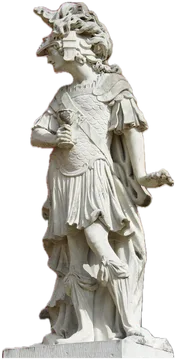
Описание прямо говорит о помощи Афины; в стихах 5.1–2 Паллада-Афина даёт Диомеду силу и смелость.
And now to Tydeus' son, Diomedes, Pallas Athene gave might and courage, that he should prove himself pre-eminent amid all the Argives, and win glorious renown. She kindled from his helm and shield flame unwearying,
Il. 5.1–2
Ally · Sources
В 10.243–247 Диомед выбирает Одиссея товарищем для ночной вылазки и говорит «Если со мной он пойдет»; совместное действие прямо названо.
So said he, since he feared for the sake of fair-haired Menelaus. But among them spake again Diomedes, good at the war-cry: If of a truth ye bid me of myself choose me a comrade, how should I then forget godlike Odysseus, whose heart and proud spirit are beyond all others eagerin all manner of toils; and Pallas Athene loveth him. If he but follow with me, even out of blazing fire might we both return, for wise above all is he in understanding. Then spake unto him much enduring goodly Odysseus: Son of Tydeus, praise me not over-much, neither blame me in aught:
Il. 10.243–247
Connection · Sources
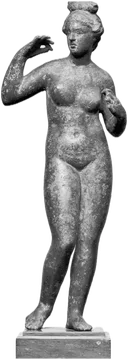
В стихах 5.334–347 Диомед догоняет Афродиту и ударяет её медью в руку, рассекая кожу; ранение прямо названо в описании.
He the while had gone in pursuit of Cypris with his pitiless bronze, discerning that she was a weakling goddess, and not one of those that lord it in the battle of warriors,—no Athene she, nor Enyo, sacker of cities. But when he had come upon her as he pursued her through the great throng,then the son of great-souled Tydeus thrust with his sharp spear and leapt upon her, and wounded the surface of her delicate hand, and forthwith through the ambrosial raiment that the Graces themselves had wrought for her the spear pierced the flesh upon the wrist above the palm and forth flowed the immortal blood of the goddess,the ichor, such as floweth in the blessed gods; for they eat not bread neither drink flaming wine, wherefore they are bloodless, and are called immortals. She then with a loud cry let fall her son, and Phoebus Apollo took him in his armsand saved him in a dark cloud, lest any of the Danaans with swift horses might hurl a spear of bronze into his breast and take away his life. But over her shouted aloud Diomedes good at the war-cry: Keep thee away, daughter of Zeus, from war and fighting. Sufficeth it not that thou beguilest weakling women?
Il. 5.334–347
See all 27
In art

Jan de Bray. The Discovery of Achilles among the Daughters of Lycomedes. National Museum in Warsaw. Public domain. https://www.wikidata.org/wiki/Q20658143
Photograph / reproduction: Jan de Bray
Photograph / reproduction date: 1664
Jan de Bray. The Discovery of Achilles among the Daughters of Lycomedes. National Museum in Warsaw. Public domain. https://www.wikidata.org/wiki/Q20658143
Photograph / reproduction: Jan de Bray
Photograph / reproduction date: 1664

Erasmus Quellinus II. Achilles among the Daughters of Lycomedes. Groeningemuseum. CC0. https://www.wikidata.org/wiki/Q21677155
Erasmus Quellinus II. Achilles among the Daughters of Lycomedes. Groeningemuseum. CC0. https://www.wikidata.org/wiki/Q21677155

Josiah Wedgwood. Diomedes prevented by Apollo from pursuing Aeneas (?). собрание не указано. CC0. https://commons.wikimedia.org/wiki/File%3ADiomedes_prevented_by_Apollo_from_pursuing_Aeneas_%28%3F%29_MET_80355.jpg
Photograph / reproduction: Josiah Wedgwood
Photograph / reproduction date: circa 1787
Josiah Wedgwood. Diomedes prevented by Apollo from pursuing Aeneas (?). собрание не указано. CC0. https://commons.wikimedia.org/wiki/File%3ADiomedes_prevented_by_Apollo_from_pursuing_Aeneas_%28%3F%29_MET_80355.jpg
Photograph / reproduction: Josiah Wedgwood
Photograph / reproduction date: circa 1787

Circle of the Ilioupersis Painter. Diomedes Odysseus Palladion Louvre K36. собрание не указано. Public domain. https://commons.wikimedia.org/wiki/File%3ADiomedes_Odysseus_Palladion_Louvre_K36.jpg
Photograph / reproduction: Circle of the Ilioupersis Painter
Circle of the Ilioupersis Painter. Diomedes Odysseus Palladion Louvre K36. собрание не указано. Public domain. https://commons.wikimedia.org/wiki/File%3ADiomedes_Odysseus_Palladion_Louvre_K36.jpg
Photograph / reproduction: Circle of the Ilioupersis Painter

Inscription Painter (Chalcidian). Odysseus Slays Diomedes. собрание не указано. CC0. https://commons.wikimedia.org/wiki/File%3AOdysseus_Slays_Diomedes.png
Photograph / reproduction: Inscription Painter (Chalcidian)
Photograph / reproduction date: circa 540 BCE
Inscription Painter (Chalcidian). Odysseus Slays Diomedes. собрание не указано. CC0. https://commons.wikimedia.org/wiki/File%3AOdysseus_Slays_Diomedes.png
Photograph / reproduction: Inscription Painter (Chalcidian)
Photograph / reproduction date: circa 540 BCE

Wall painting - Odysseus discovering Achilles on Skyros - Pompeii (VI 9 6) - Napoli MAN 9110. Naples National Archaeological Museum. CC BY-SA 4.0. https://www.wikidata.org/wiki/Q127514038
Wall painting - Odysseus discovering Achilles on Skyros - Pompeii (VI 9 6) - Napoli MAN 9110. Naples National Archaeological Museum. CC BY-SA 4.0. https://www.wikidata.org/wiki/Q127514038


неизвестный мастер. Inf. 26 Priamo della Quercia. собрание не указано. Public domain. https://commons.wikimedia.org/wiki/File%3AInf._26_Priamo_della_Quercia_.jpg

неизвестный мастер. Inf. 26 Priamo della Quercia. собрание не указано. Public domain. https://commons.wikimedia.org/wiki/File%3AInf._26_Priamo_della_Quercia_.jpg
See all 99
Sources and verification
The character is matched to the catalogue.
- Wikipedia · Diomedes · CC BY-SA 4.0
Excerpt; remaining sentences omitted.
Reference material remains distinct from the poem’s assertions. Characters who share a name retain separate pages.