Phylas
Mortal man
In Greek mythology, the name Phylas (Ancient Greek: Φύλας, gen. Φύλαντος, lit. 'watcher', 'guard' or 'sentinel') may refer to: Phylas, king of Ephyra, a descendant of Dryopes. Heracles led a war against him and killed him.
Explore on the graph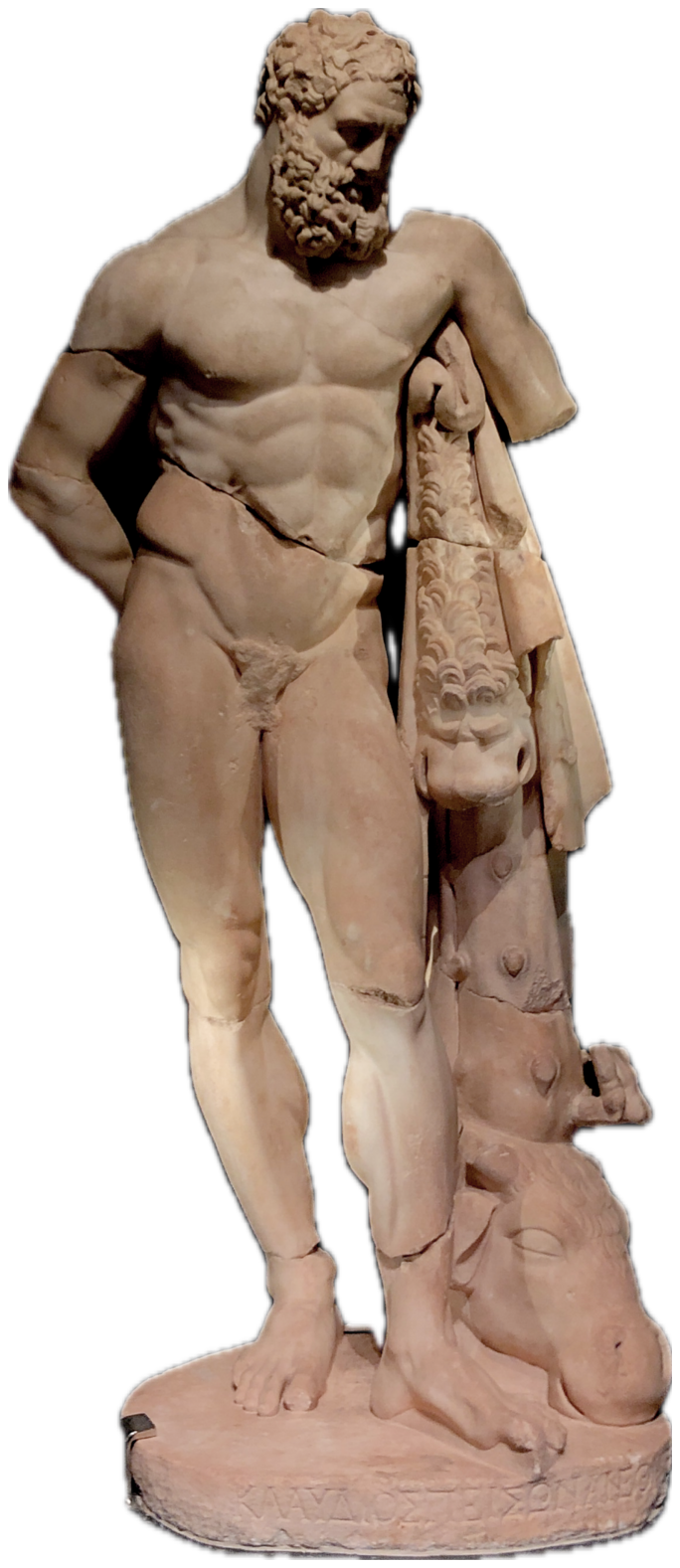
- Mentions
- 2
- Connected characters
- 2
- Books
- 1


Mentions in the Iliad
A. T. Murray, Loeb Classical Library, Harvard University Press, 1924 · Homer, Iliad with an English Translation · CC BY-SA 3.0 US
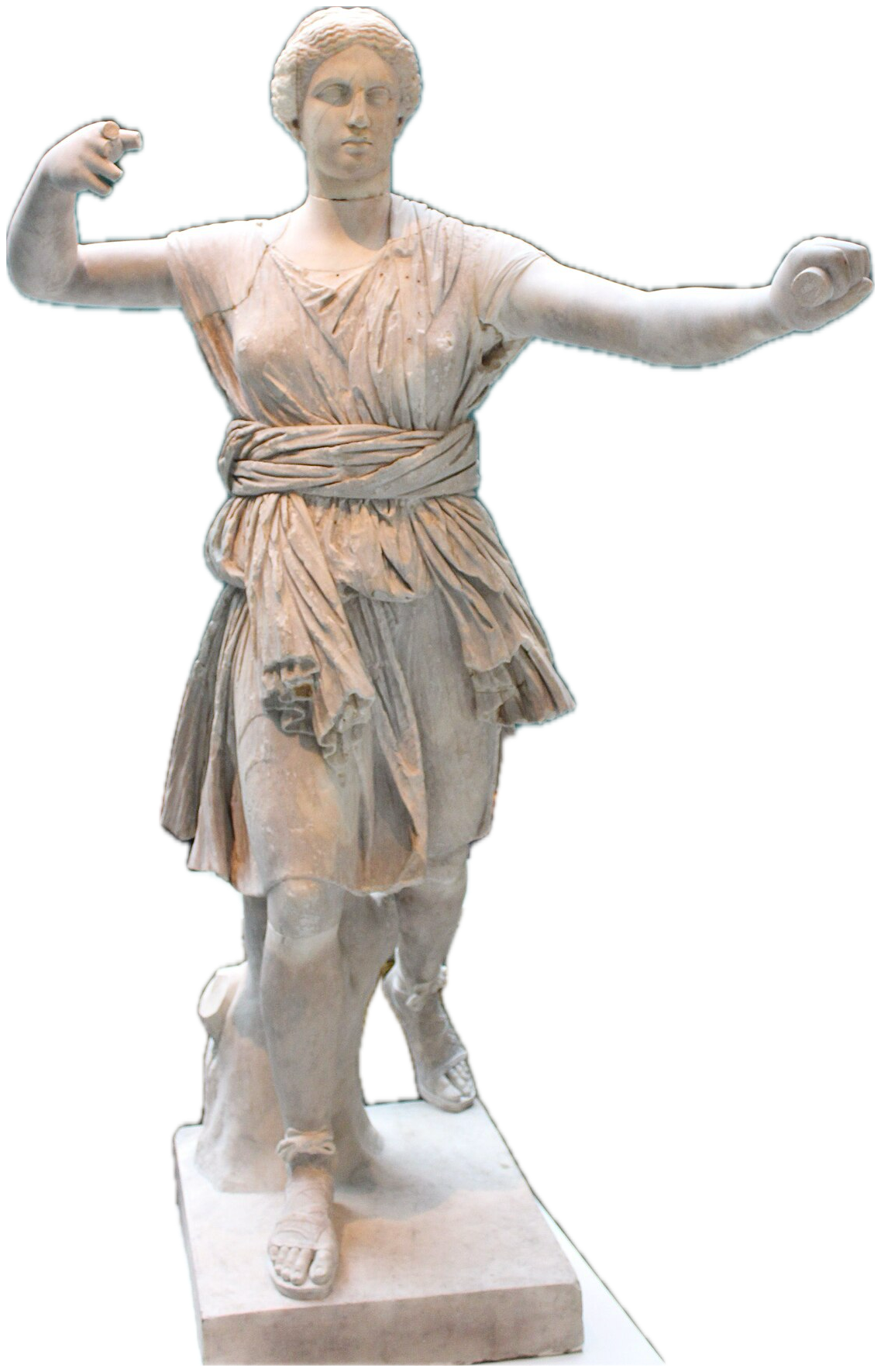
“the son of a girl unwed, and him did Polymele, fair in the dance, daughter of Phylas, bear. Of her the strong Argeiphontes became enamoured, when his eyes had sight of her amid the singing maidens, in the dancing-floor of Artemis, huntress of the golden arrows and the echoing chase. Forthwith then he went up into her upper chamber, and lay with her secretly,”
See all 2
Connections
Daughter · Sources
Daughter · Sources
the son of a girl unwed, and him did Polymele, fair in the dance, daughter of Phylas, bear. Of her the strong Argeiphontes became enamoured, when his eyes had sight of her amid the singing maidens, in the dancing-floor of Artemis, huntress of the golden arrows and the echoing chase. Forthwith then he went up into her upper chamber, and lay with her secretly,
Il. 16.181
Grandson · Sources
Grandson · Sources
Происхождение выведено по цепочке родителей: Филант → Полимела → Евдор.
the son of a girl unwed, and him did Polymele, fair in the dance, daughter of Phylas, bear. Of her the strong Argeiphontes became enamoured, when his eyes had sight of her amid the singing maidens, in the dancing-floor of Artemis, huntress of the golden arrows and the echoing chase. Forthwith then he went up into her upper chamber, and lay with her secretly,
the son of a girl unwed, and him did Polymele, fair in the dance, daughter of Phylas, bear. Of her the strong Argeiphontes became enamoured, when his eyes had sight of her amid the singing maidens, in the dancing-floor of Artemis, huntress of the golden arrows and the echoing chase. Forthwith then he went up into her upper chamber, and lay with her secretly,
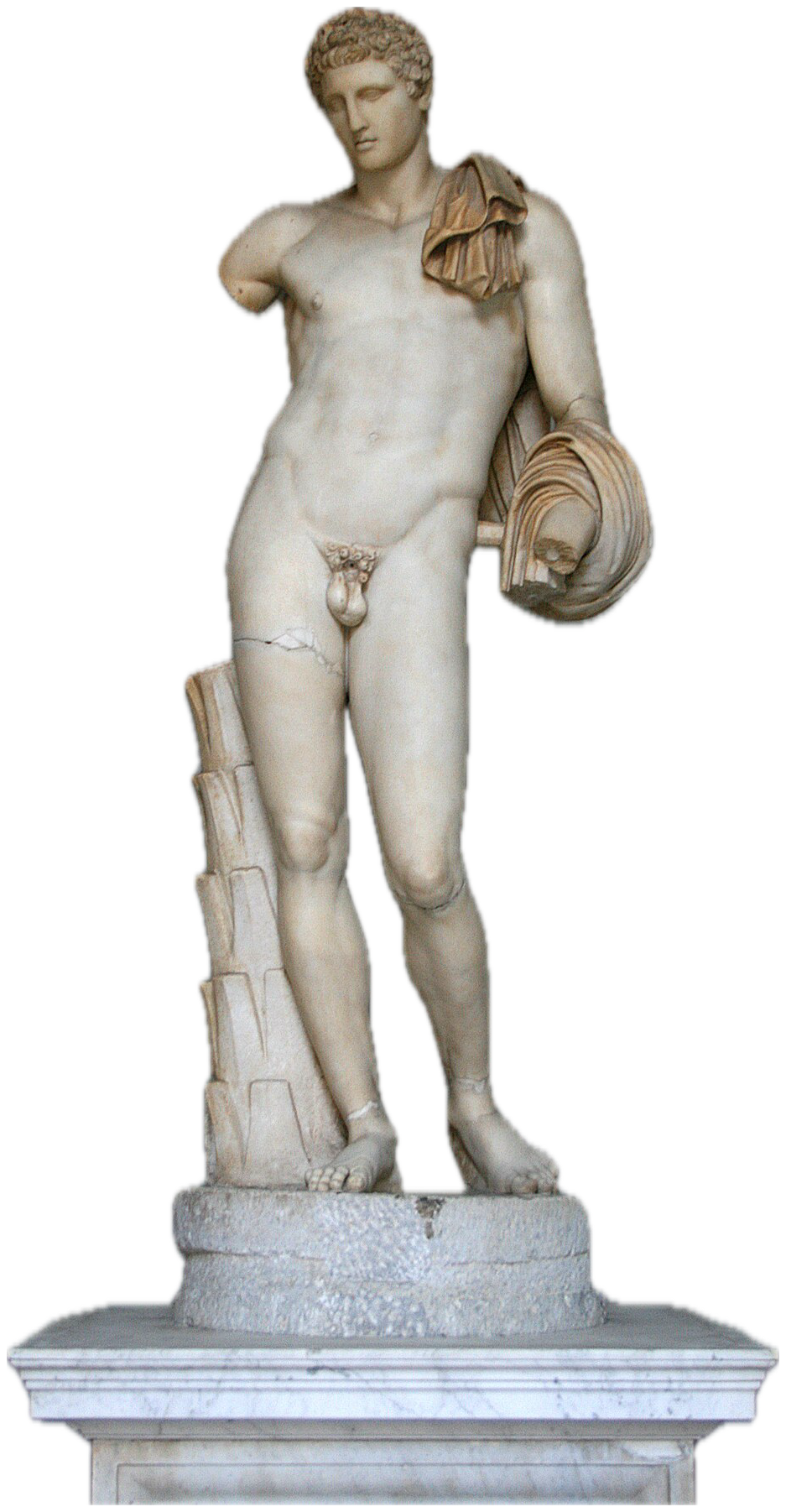
even Hermes the helper, and she gave him a goodly son, Eudorus, pre-eminent in speed of foot and as a warrior. But when at length Eileithyia, goddess of child-birth, had brought him to the light, and he saw the rays of the sun, then her did the stalwart and mighty Echecles, son of Actor,
Il. 16.180 · Il. 16.181 · Il. 16.185–186
See all 2
In art
See all 0
There is nothing in this section yet.
04 / PROVENANCE
Sources and verification
The character is matched to the catalogue.
- Wikipedia · Phylas · CC BY-SA 4.0
Excerpt; remaining sentences omitted.
Reference material remains distinct from the poem’s assertions. Characters who share a name retain separate pages.