Athena
Goddess
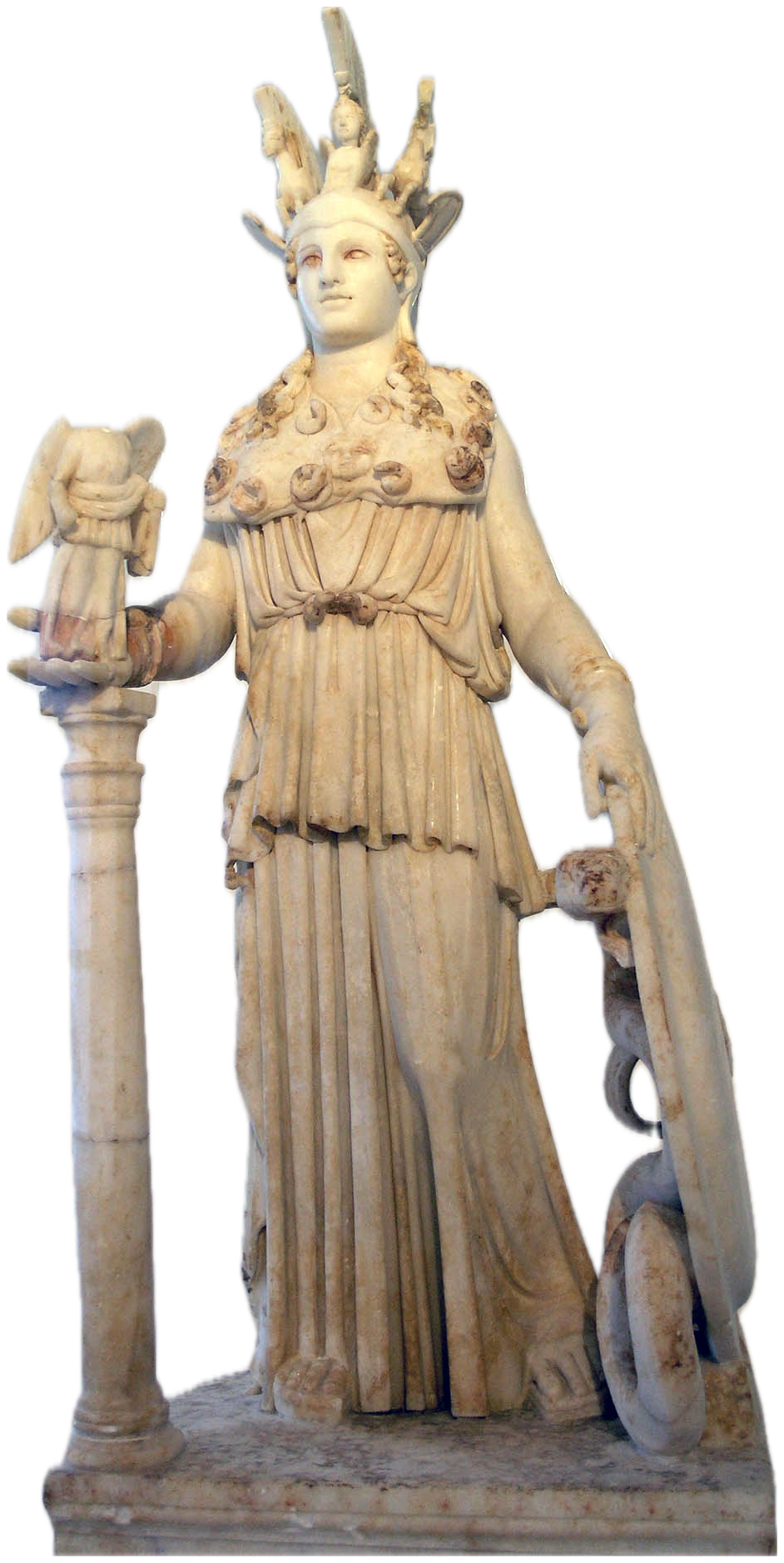
Athena or Athene, often given the epithet Pallas, is an ancient Greek goddess associated with wisdom, warfare, and handicraft who was later syncretised with the Roman goddess Minerva and Etruscan Menrva. Athena was regarded as the patron and protectress of various cities across Greece, particularly the city of Athens, from which she most likely received her name.
Explore on the graph- Mentions
- 120
- Connected characters
- 25
- Books
- 23


Mentions in the Iliad
A. T. Murray, Loeb Classical Library, Harvard University Press, 1924 · Homer, Iliad with an English Translation · CC BY-SA 3.0 US
“and break up the assembly, and slay the son of Atreus, or stay his anger and curb his spirit. While he pondered this in mind and heart, and was drawing from its sheath his great sword, Athene came from heaven. The white-armed goddess Hera had sent her forth,”

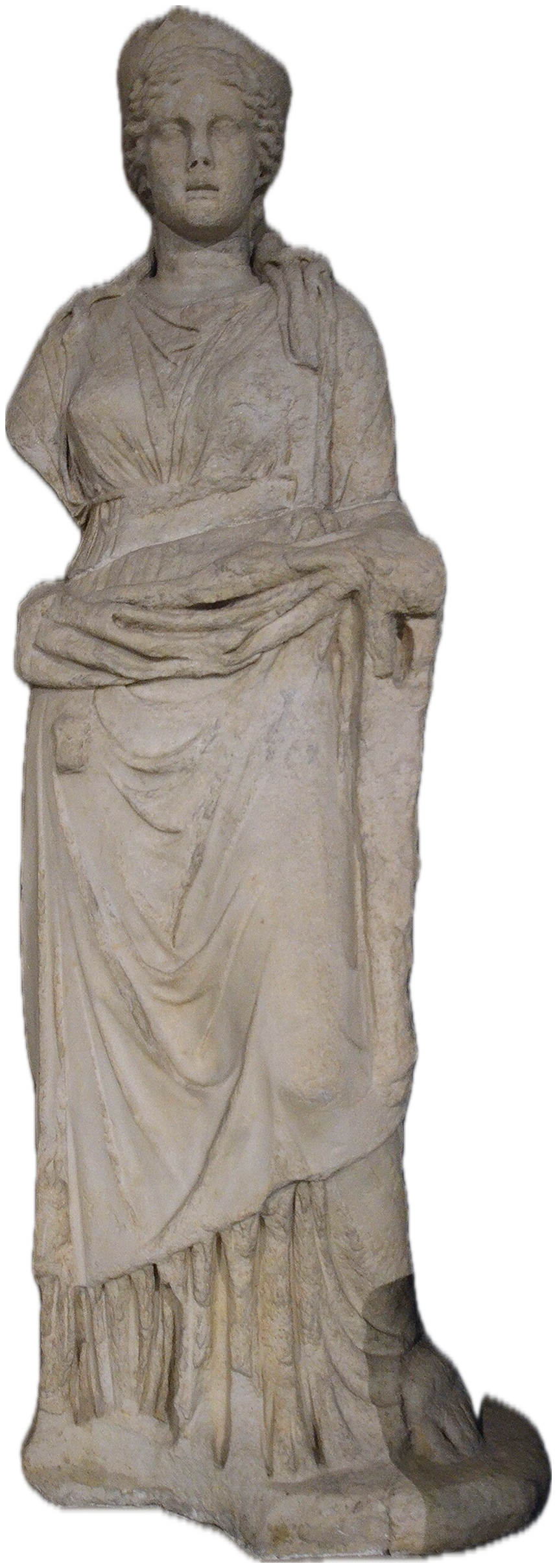
“It is necessary, goddess, to observe the words of you two, however angered a man be in his heart, for is it better so. Whoever obeys the gods, to him do they gladly give ear. He spoke, and stayed his heavy hand on the silver hilt, and back into its sheath thrust the great sword, and did not disobey”
“But you came, goddess, and freed him from his bonds, when you had quickly called to high Olympus him of the hundred hands, whom the gods call Briareus, but all men Aegaeon; for he is mightier than his father. He sat down by the side of the son of Cronos, exulting in his glory,”
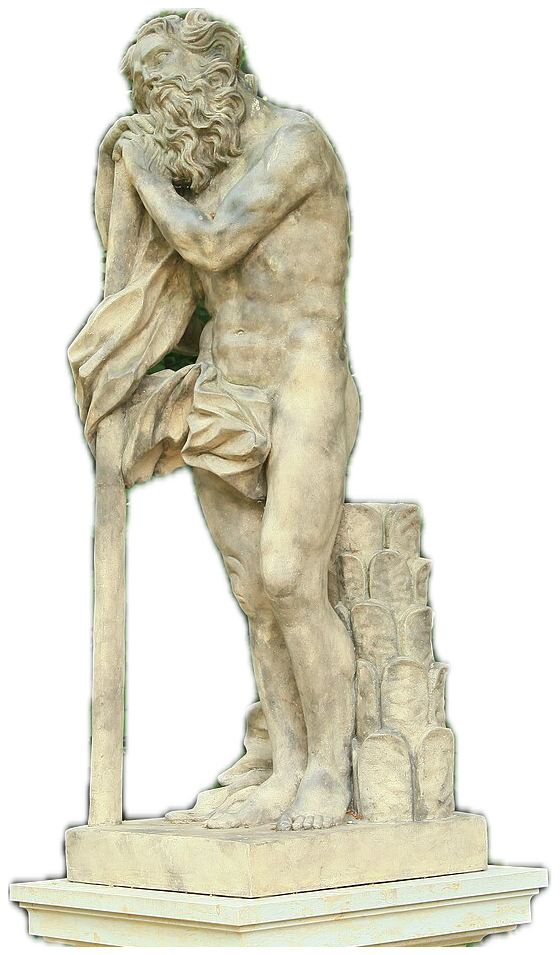
“Then would the Argives have accomplished their return even beyond what was ordained, had not Hera spoken a word to Athena, saying: Out upon it, child of Zeus that beareth the aegis, unwearied one! Is it thus indeed that the Argives are to flee to their dear native land over the broad back of the sea?”

“neither suffer them to draw into the sea their curved ships. So spake she, and the goddess, flashing-eyed Athene, failed not to hearken. Down from the peaks of Olympus she went darting, and speedily came to the swift ships of the Achaeans. There she found Odysseus, the peer of Zeus in counsel,”
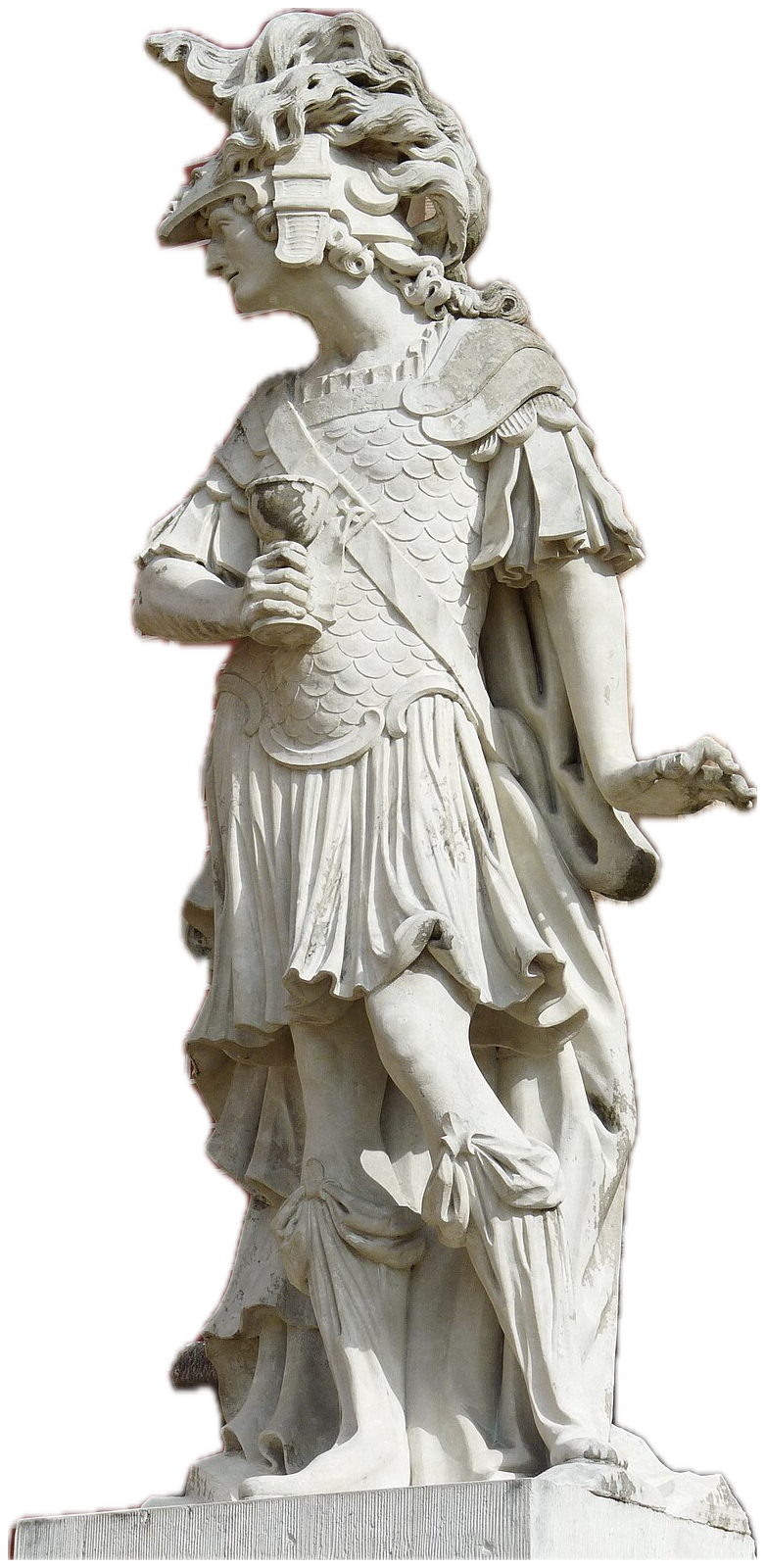
“seeing he hath made this scurrilous babbler to cease from his prating. Never again, I ween, will his proud spirit henceforth set him on to rail at kings with words of reviling. So spake the multitude; but up rose Odysseus, sacker of cities, the sceptre in his hand, and by his side flashing-eyed Athene,”
See all 119
“The kings, nurtured of Zeus, that were about Atreus' son, sped swiftly, marshalling the host, and in their midst was the flashing-eyed Athene, bearing the priceless aegis, that knoweth neither age nor death, wherefrom are hung an hundred tassels all of gold, all of them cunningly woven, and each one of the worth of an hundred oxen.”
“And with him there followed forty black ships. And they that held Athens, the well-built citadel, the land of great-hearted Erechtheus, whom of old Athene, daughter of Zeus, fostered, when the earth, the giver of grain, had borne him; and she made him to dwell in Athens, in her own rich sanctuary,”
“nor fight with him in thy folly, lest haply thou be vanquished anon by his spear. Then Paris made answer, and spake to her, saying: Chide not my heart, lady, with hard words of reviling. For this present hath Menelaus vanquished me with Athene's aid,”
“And forthwith the son of Cronos made essay to provoke Hera with mocking words, and said with malice: Twain of the goddesses hath Menelaus for helpers, even Argive Hera, and Alalcomenean Athene. Howbeit these verily sit apart and take their pleasure in beholding,”
“So spake he, and thereat Athene and Hera murmured, who sat side by side, and were devising ills for the Trojans. Athene verily held her peace and said naught, wroth though she was at father Zeus, and fierce anger gat hold of her; howbeit Hera's breast contained not her anger, but she spake to him, saying:”
“in twofold wise, for that I am eldest, and am called thy wife, whilst thou art king among all the immortals. Nay then, let us yield one to the other herein, I to thee and thou to me, and all the other immortal gods will follow with us; and do thou straightway bid Athene”
“go her way into the dread din of battle of Trojans and Achaeans, and contrive how that the Trojans may be first in defiance of their oaths to work evil upon the Achaeans that exult in their triumph. So said she, and the father of men and gods failed not to hearken; forthwith he spake to Athene winged words:”
“as he stood, and about him were the stalwart ranks of the shield-bearing hosts that followed him from the streams of Aesepus. Then she drew near, and spake to him winged words: Wilt thou now hearken to me, thou wise-hearted son of Lycaon? Then wouldst thou dare to let fly a swift arrow upon Menelaus,”
“the bow twanged and the string sang aloud, and the keen arrow leapt, eager to wing its way amid the throng. Then, O Menelaus, the blessed gods, the immortals, forgat thee not; and before all the daughter of Zeus, she that driveth the spoil, who took her stand before thee, and warded off the stinging arrow.”
“Ye Aiantes, leaders of the brazen-coated Argives, to you twain, for it beseemeth not to urge you, I give no charge; for of yourselves ye verily bid your people fight amain. I would, O father Zeus and Athene and Apollo, that such spirit as yours might be found in the breasts of all;”
“full easily; such a helper was Athene to him. But the Cadmeians, goaders of horses, waxed wroth, and as he journeyed back, brought and set a strong ambush, even fifty youths, and two there were as leaders, Maeon, son of Haemon, peer of the immortals,”
“and bleat without ceasing as they near the voices of their lambs: even so arose the clamour of the Trojans throughout the wide host; for they had not all like speech or one language, but their tongues were mingled, and they were a folk summoned from many lands. These were urged on by Ares, and the Greeks by flashing-eyed Athene,”
“were urged on by the daughter of Zeus, most glorious Tritogeneia, who fared throughout the throng wheresoever she saw them giving ground. Then was Amarynceus' son, Diores, caught in the snare of fate; for with a jagged stone was he smitten on the right leg by the ankle, and it was the leader of the Thracians that made the cast,”
“whoso still unwounded by missile or by thrust of sharp bronze, might move throughout the midst, being led of Pallas Athene by the hand, and by her guarded from the onrush of missiles: for multitudes of Trojans and Achaeans alike were that day stretched one by the other's side with faces in the dust.”
“And now to Tydeus' son, Diomedes, Pallas Athene gave might and courage, that he should prove himself pre-eminent amid all the Argives, and win glorious renown. She kindled from his helm and shield flame unwearying,”

“Howbeit the horses did the son of great souled Tydeus drive forth and give to his comrades to bring to the hollow ships. But when the great-souled Trojans beheld the two sons of Dares, the one in flight and the other slain beside the car, the hearts of all were dismayed. And flashing-eyed Athene”
“Harmon's son, whose hands were skilled to fashion all manner of curious work; for Pallas Athene loved him above all men. He it was that had also built for Alexander the shapely ships, source of ills, that were made the bane of all the Trojans and of his own self, seeing he knew not in any wise the oracles of the gods.”
“Hear me, child of Zeus that beareth the aegis, unwearied one! If ever with kindly thought thou stoodest by my father's side amid the fury of battle, even so do thou now be likewise kind to me, Athene. Grant that I may slay this man, and that he come within the cast of my spear, that hath smitten me or ever I was ware of him, and boasteth over me,”
“and declareth that not for long shall I behold the bright light of the sun. So spake he in prayer, and Pallas Athene heard him, and made his limbs light, his feet and his hands above; and she drew near to his side and spake to him winged words: Be of good courage now, Diomedes, to fight against the Trojans,”
“And I have no mind to mount upon a car, but even as I am will I go to face them; that I should quail Pallas Athene suffereth not. As for these twain, their swift horses shall not bear both back from us again, even if one or the other escape. And another thing will I tell thee, and do thou lay it to heart.”
“So spake he and hurled; and Athene guided the spear upon his nose beside the eye, and it pierced through his white teeth. So the stubborn bronze shore off his tongue at its root, and the spear-point came out by the base of the chin. Then he fell from out the car,”
“He the while had gone in pursuit of Cypris with his pitiless bronze, discerning that she was a weakling goddess, and not one of those that lord it in the battle of warriors,—no Athene she, nor Enyo, sacker of cities. But when he had come upon her as he pursued her through the great throng,”
“And upon thee has the goddess, flashing-eyed Athene, set this man—fool that he is; for the heart of Tydeus' son knoweth not this, that verily he endureth not for long who fighteth with the immortals, nor do his children prattle about his knees when he is come back from war and the dread conflict.”
“the stately wife of horse-taming Diomedes. She spake, and with both her hands wiped the ichor from the arm; the arm was restored, and the grievous pains assuaged. But Athene and Hera, as they looked upon her, sought to anger Zeus, son of Cronos, with mocking words.”
“rouse the spirit of the Trojans, whenso he saw that Pallas Athene was departed; for she it was that bare aid to the Danaans. And Apollo himself sent Aeneas forth from out the rich sanctuary, and put courage in the breast of the shepherd of the host. And Aeneas took his place in the midst of his comrades, and these waxed glad”
“to slay with the sharp bronze the valiant son of Zeus; wherefore Athene turned his mind toward the host of the Lycians. Then slew he Coeranus and Alastor and Chromius and Alcandrus and Halius and Noëmon and Prytanis; and yet more of the Lycians would goodly Odysseus have slain,”
“and hard by him dwelt other Boeotians having a land exceeding rich. But when the goddess, white-armed Hera, was ware of them as they made havoc of the Argives in the fierce conflict, forthwith she spake winged words to Athene: Out upon it, thou child of Zeus that beareth the aegis, unwearied one,”
“thereof she bound the fair golden yoke, and cast thereon the fair golden breast-straps; and Hera led beneath the yoke the swift-footed horses, and was eager for strife and the war-cry. But Athene, daughter of Zeus that beareth the aegis, let fall upon her father's floor her soft robe,”
“Nay, come now, rouse against him Athene, driver of the spoil, who has ever been wont above others to bring sore pain upon him. So spake he, and the goddess, white-armed Hera, failed not to hearken, but touched her horses with the the lash; and nothing loath the pair flew on between earth and starry heaven.”
“there the goddess, white-armed Hera, stayed her horses, and loosed them from the car, and shed thick mist about them; and Simoïs made ambrosia to spring up for them to graze upon. Then the goddesses twain went their way with steps like those of timorous doves, eager to bring aid to the Argive warriors.”
“for of his mighty spear had they dread; but now far from the city they are fighting at the hollow ships. So saying she roused the strength and spirit of every man. And to the side of Tydeus' son sprang the goddess, flashing-eyed Athene. She found that prince beside his horses and car,”
“And the goddess, flashing-eyed Athene, answered him, saying: Son of Tydeus, Diomedes, dear to my heart, fear thou not Ares for that, neither any other of the immortals; so present a helper am I to thee. Nay, come, at Ares first drive thou thy single-hooved horses,”
“Then Pallas Athene grasped the lash and the reins, and against Ares first she speedily drave the single-hooved horses. He was stripping of his armour huge Periphas that was far the best of the Aetolians, the glorious son of Ochesius. Him was blood-stained Ares stripping; but Athene”
“Next Diomedes, good at the war-cry, drave at Ares with his spear of bronze, and Pallas Athene sped it mightily against his nethermost belly, where he was girded with his taslets. There did he thrust and smite him, rending the fair flesh, and forth he drew the spear again. Then brazen Ares bellowed”
“With thee are we all at strife, for thou art father to that mad and baneful maid, whose mind is ever set on deeds of lawlessness. For all the other gods that are in Olympus are obedient unto thee, and subject to thee, each one of us; but to her thou payest no heed whether in word or in deed,”
“sore wearied though we be, for necessity weighs hard upon us; but do thou, Hector, go thy way to the city and speak there to her that is thy mother and mine; let her gather the aged wives to the temple of flashing-eyed Athene in the citadel, and when she has opened with the key the doors of the holy house,”

“lest thou cripple me, and I be forgetful of my might and my valour; moreover with hands unwashen I have awe to pour libation of flaming wine to Zeus; nor may it in any wise be that a man should make prayer to the son of Cronos, lord of the dark clouds, all befouled with blood and filth. Nay, do thou go to the temple of Athene,”
“whom godlike Alexander had himself brought from Sidon, as he sailed over the wide sea on that journey on the which he brought back high-born Helen. Of these Hecabe took one, and bare it as an offering for Athene, the one that was fairest in its broiderings and amplest,”
“on Troy and the Trojans' wives and their little children. So spake she praying, but Pallas Athene denied the prayer. Thus were these praying to the daughter of great Zeus, but Hector went his way to the palace of Alexander, the fair palace that himself had builded with the men”
“went and stood upon the threshold, and spake amid the serving-women: Come now, ye serving-women, tell me true; whither went white-armed Andromache from the hall? Is she gone to the house of any of my sisters or my brothers' fair-robed wives, or to the temple of Athene, where the other”
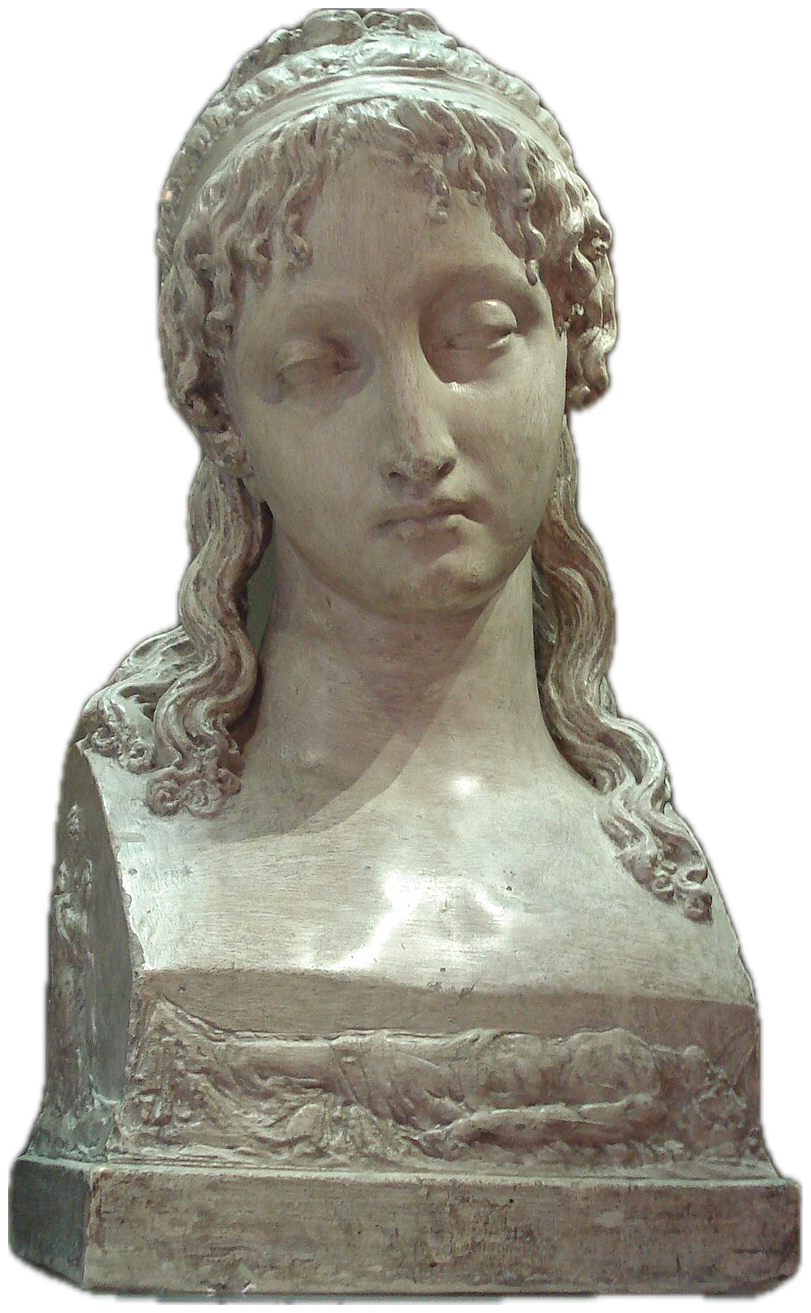
“fair-tressed women of Troy are seeking to propitiate he dread goddess? Then a busy house-dame spake to him, saying: Hector, seeing thou straitly biddest us tell thee true, neither is she gone to any of thy sisters or thy brothers' fair-robed wives, nor yet to the temple of Athene, where the other”
“son of Dexios, as he sprang upon his car behind his swift mares, and smote him upon the shoulder; so he fell from his chariot to the ground and his limbs were loosed. But when the goddess, flashing-eyed Athene, was ware of them as they were slaying the Argives in the fierce conflict, she went darting down from the peaks of Olympus”
“to sacred Ilios. And Apollo sped forth to meet her, for he looked down from out of Pergamus and beheld her, and was fain to have victory for the Trojans. So the twain met one with the other by the oak-tree. Then to her spake first the king Apollo, son of Zeus: Wherefore art thou again come thus eagerly from Olympus, thou daughter of great Zeus,”
“to do battle with him man to man in dread combat. So shall the bronze-greaved Achaeans have indignation and rouse some one to do battle in single combat against goodly Hector. So he spake, and the goddess, flashing-eyed Athene, failed not to hearken. And Helenus, the dear son of Priam, understood in spirit”
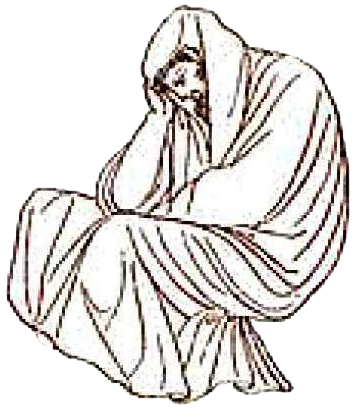
“then would he lift up his hands to the immortals in instant prayer that his soul might depart from his limbs into the house of Hades. I would, O father Zeus and Athene and Apollo, that I were young as when beside swift-flowing Celadon the Pylians and Arcadians that rage with spears gathered together and fought”
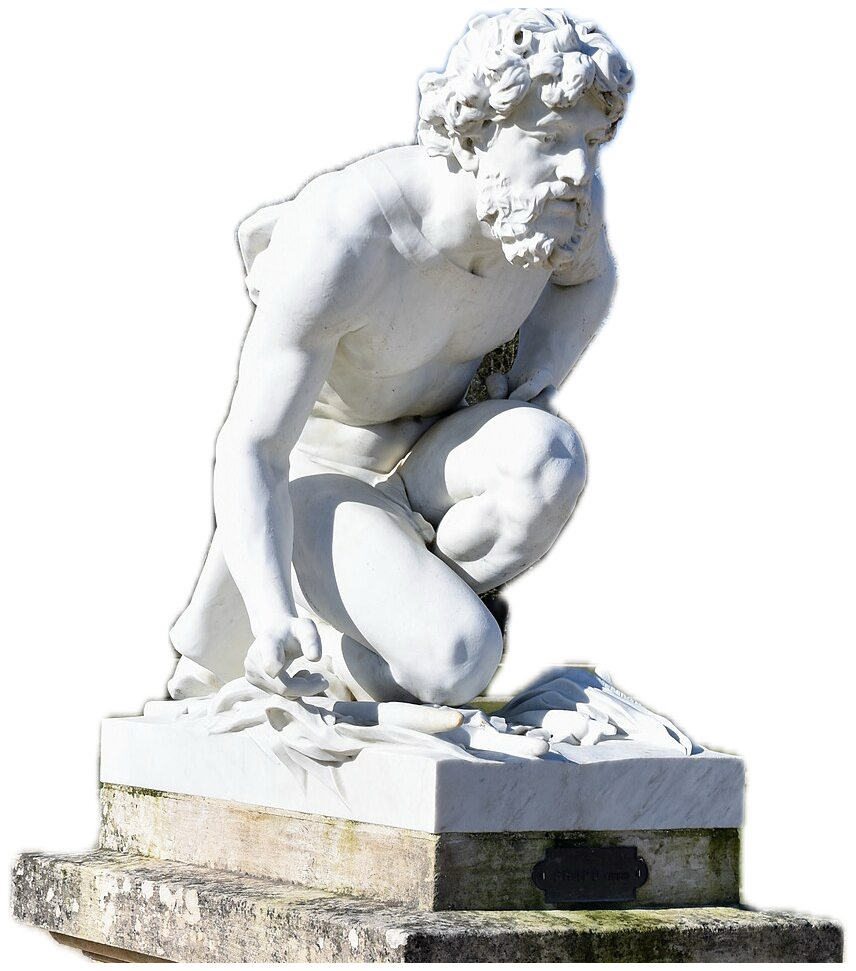
“he gave it to Ereuthalion, his dear squire, to wear. And wearing this armour did Ereuthalion challenge all the bravest; but they trembled sore and were afraid, nor had any man courage to abide him. But me did my enduring heart set on to battle with him in my hardihood, though in years I was youngest of all. So fought I with him, and Athene gave me glory.”
“But at length there spake among them the goddess, flashing-eyed Athene: Father of us all, thou son of Cronos, high above all lords, well know we of ourselves that thy might is unyielding, yet even so have we pity for the Danaan spearmen who now shall perish and fulfill an evil fate.”
“him, far away though he be, do thou bring to honour. Moreover, I will declare to thee as it verily shall be brought to pass. If Zeus that beareth the aegis, and Athene shall vouchsafe me to lay waste the well-built citadel of Ilios, in thy hand first after mine own self will I place a meed of honour,”
“Now at sight of them the goddess, white-armed Hera, had pity; and forthwith spake winged words to Athene: Out upon it, thou child of Zeus that beareth the aegis, shall not we twain any more take thought of the Danaans that are perishing, even for this last time? Now will they fill up the measure of evil doom and perish”
“with his fat and flesh, when he is fallen at the ships of the Achaeans. So spake she, and the goddess, white-armed Hera, failed not to hearken. She then went to and fro harnessing the horses of golden frontlets, even Hera, the queenly goddess, daughter of great Cronos; but Athene, daughter of Zeus that beareth the aegis,”
“that thou mayest know, thou of the flashing eyes, what it is to strive against thine own father. But against Hera hath he not so great indignation nor wrath, seeing she is ever wont to thwart him in whatsoe'er he hath decreed. But most dread art thou, thou bold and shameless thing, if in good sooth thou wilt dare to raise thy mighty spear against Zeus.”
“And for him the famed Shaker of Earth both unyoked his horses and set the car upon a stand, and spread thereover a cloth; and Zeus, whose voice is borne afar, himself sat upon his throne of gold, and beneath his feet great Olympus quaked. Only Athene and Hera”
“not upon your car, once ye were smitten by the thunderbolt, would ye have fared back to Olympus, where is the abode of the immortals. So spake he, and thereat murmured Athene and Hera, that sat by his side and were devising ills for the Trojans. Athene verily held her peace and said naught,”
“and that I might be honoured even as Athene and Apollo, so surely as now this day bringeth evil upon the Argives. So Hector addressed their gathering, and thereat the Trojans shouted aloud. Their sweating horses they loosed from beneath the yoke, and tethered them with thongs, each man beside his own chariot;”
“be found for ill once wrought—nay, rather, ere it be too late bethink thee how thou mayest ward from the Danaans the day of evil. Good friend, surely it was to thee that thy father Peleus gave command on the day when he sent thee to Agamemnon forth from Phthia: ‘My son, strength shall Athene and Hera”
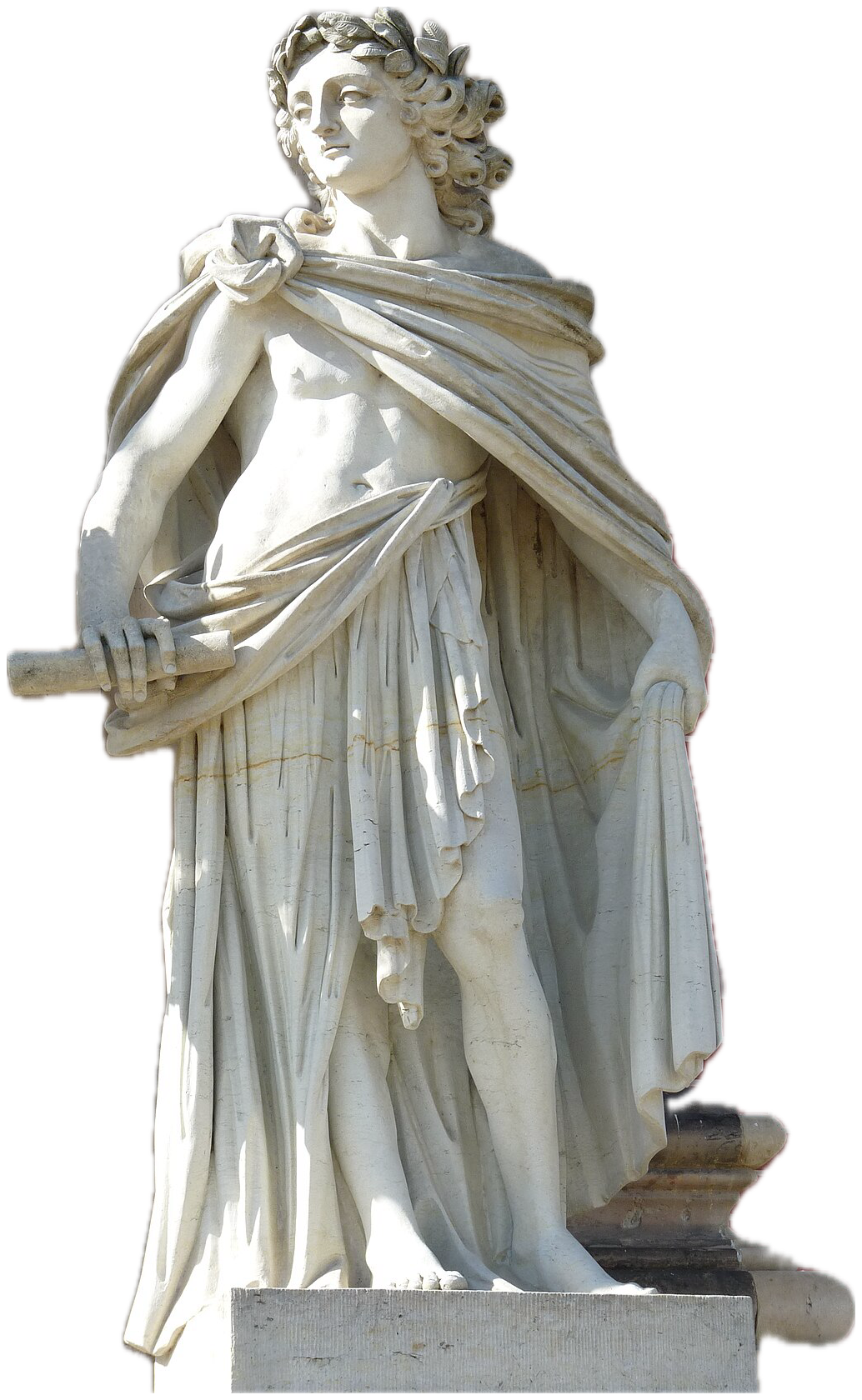
“and in handiwork were the peer of flashing-eyed Athene: not even so will I wed her; let him choose another of the Achaeans that is of like station with himself and more kingly than I. For if the gods preserve me, and I reach my home, Peleus methinks will thereafter of himself seek me a wife.”
“in all manner of toils; and Pallas Athene loveth him. If he but follow with me, even out of blazing fire might we both return, for wise above all is he in understanding. Then spake unto him much enduring goodly Odysseus: Son of Tydeus, praise me not over-much, neither blame me in aught:”
“but he gave it to his own son Meriones to wear; and now, being set thereon, it covered the head of Odysseus. So when the twain had clothed them in their dread armour, they went their way and left there all the chieftains. And for them Pallas Athene sent forth on their right a heron, hard by the way,”
“now again be thou my friend, Athene, as ne'er thou wast before, and grant that with goodly renown we come back to the ships, having wrought a great work that shall be a sorrow to the Trojans. And after him again prayed Diomedes, good at the war-cry: Hearken thou now also to me, child of Zeus, unwearied one.”
“But when he was now about to come among the sentinels, as he fled towards the ships, then verily Athene put strength into Tydeus' son, that no man among the brazen-coated Achaeans might before him boast to have dealt the blow, and he come too late. And mighty Diomedes rushed upon him with his spear, and called:”
“and these things did goodly Odysseus hold aloft in his hand to Athene, the driver of the spoil, and he made prayer, and spake, saying: Rejoice, goddess, in these, for on thee, first of all the immortals in Olympus, will we call; but send thou us on against the horses and the sleeping-places of the Thracian warriors.”
“to stand idle with thy weapons; nay, loose the horses; or do thou slay the men, and I will look to the horses. So spake he, and into the other's heart flashing-eyed Athene breathed might, and he fell to slaving on this side and on that, and from them uprose hideous groaning as they were smitten with the sword, and the earth grew red with blood.”
“and draw it out by the pole, or lift it on high and so bear it forth, or whether he should rather take the lives of yet more Thracians. The while he was pondering this in heart, even then Athene drew nigh and spake to goodly Diomedes: Bethink thee now of returning, son of great-souled Tydeus,”
“to the hollow ships, lest thou go thither in full flight, and haply some other god rouse up the Trojans. So spake she, and he knew the voice of the goddess as she spoke, and swiftly mounted the horses; and Odysseus smote them with his bow, and they sped toward the swift ships of the Achaeans.”
“howbeit never yet saw I such horses neither thought of such. Nay, methinks some god hath met you and given you them; for both of you twain doth Zeus the cloud-gatherer love and the daughter of Zeus that beareth the aegis, even flashing-eyed Athene. Then in answer spake unto him Odysseus of many wiles:”
“And on the stern of his ship did Odysseus place the bloody spoils of Dolon until they should make ready a sacred offering to Athene. But for themselves they entered the sea and washed away the abundant sweat from shins and necks and thighs. And when the wave of the sea had washed the abundant sweat”
“and thereat Athene and Hera thundered, doing honour to the king of Mycenae, rich in gold. Then on his own charioteer each man laid command to hold in his horses well and orderly there at the trench, but themselves on foot, arrayed in their armour, ranged swiftly forward,”
“Through the bright shield went the mighty spear, and through the corselet, richly dight, did it force its way, and all the flesh it tore from his side; but Pallas Athene suffered it not to pierce the bowels of the warrior. And Odysseus knew that the spear had in no wise lighted on a fatal spot,”
“though they were as yet but stripligs unskilled in furious valour. Now there is a city Thryoessa, a steep hill, far off on the Alpheius, the nethermost of sandy Pylos; about this they set their camp, fain to raze it utterly. But when they had coursed over the whole plain to us came Athene,”
“for when the bright sun stood above the earth we made prayer to Zeus and Athene, and joined battle. But when the strife of the Pylians and Epeians began, I was first to slay my man, and to get me his single-hooved horses—even the spearman Mulius; son by marriage was he of Augeias,”
“slaying the men and gathering their goodly battle-gear, even till we drave our horses to Buprasium, rich in wheat, and the rock of Olen and the place where is the hill called the hill of Alesium, whence Athene again turned back the host. Then I slew the last man, and left him; but the Achaeans drave back their swift horses”
“Thus did the Earth-enfolder arouse the Achaeans with his word of command, and round about the twain Aiantes their battalions took their stand, so strong in might, that not Ares might have entered in and made light of them, nor yet Athene, the rouser of hosts; for they that were the chosen bravest abode the onset of the Trojans and goodly Hector,”
“I would that I mine own self were all my days as surely the son of Zeus, that beareth the aegis, and my mother were the queenly Hera, and that I were honoured even as are Athene and Apollo, as verily this day beareth evil for the Argives, one and all; and among them shalt thou too be slain, if thou have the heart”
“Therewith she annointed her lovely body, and she combed her hair, and with her hands pIaited the bright tresses, fair and ambrosial, that streamed from her immortal head. Then she clothed her about in a robe ambrosial, which Athene had wrought for her with cunning skill, and had set thereon broideries full many;”
“evermore continually, until the Achaeans shall take steep Ilios through the counsels of Athene. But until that hour neither do I refrain my wrath, nor will I suffer any other of the immortals to bear aid to the Danaans here, until the desire of the son of Peleus be fulfilled,”
“and himself did on his gleaming armour. Then would yet greater and more grievous wrath and anger have been stirred between Zeus and the immortals, had not Athene, seized with fear for all the gods, sped forth through the doorway, and left the throne whereon she sat, and taken the helm from the head of Ares and the shield from his shoulders;”
“one of like portion with himself, to whom fate hath decreed an equal share. Howbeit for this present will I yield, despite mine indignation; yet another thing will I tell thee, and make this threat in my wrath: if in despite of me, and of Athene, driver of the spoil,”
“But as the carpenter's line maketh straight a ship's timber in the hands of a cunning workman, that is well skilled in all manner of craft by the promptings of Athene, so evenly was strained their war and battle. So fought they on, divers of them about divers ships,”
“for Zeus out of heaven was himself his defender, and vouchsafed him honour and glory, alone as he was amid so many warriors. For brief was his span of life to be, since even now Pallas Athene was hastening on the day of his doom beneath the might of the son of Peleus.”
“For the sake of them that are not here with us do I now beseech you to stand firm, and turn not back in flight. So saying, he aroused the strength and spirit of every man, and from their eyes Athene thrust away the wondrous cloud of mist, and mightily did light come to them from either hand,”
“Nay, return thou back, when once thou hast set a light of deliverance amid the ships, and suffer the rest to battle over the plain. For I would, O father Zeus, and Athene, and Apollo, that no man of the Trojans might escape death, of all that there are, neither any of the Argives, but that we twain might escape destruction,”
“and their hearts within them were full of hope, the Trojans that they might drag him to Ilios, but the Achaeans to the hollow ships; and around him the battle waxed wild, nor could even Ares, rouser of hosts, nor Athene, at sight of that strife have made light thereof, albeit their anger were exceeding great.”
“So saying, he took up the bloody spoils, and set them in the car, and himself mounted thereon, his feet and his hands above all bloody, even as a lion that hath devoured a bull. Then again over Patroclus was strained taut the mighty conflict, dread and fraught with tears, and Athene roused the strife,”
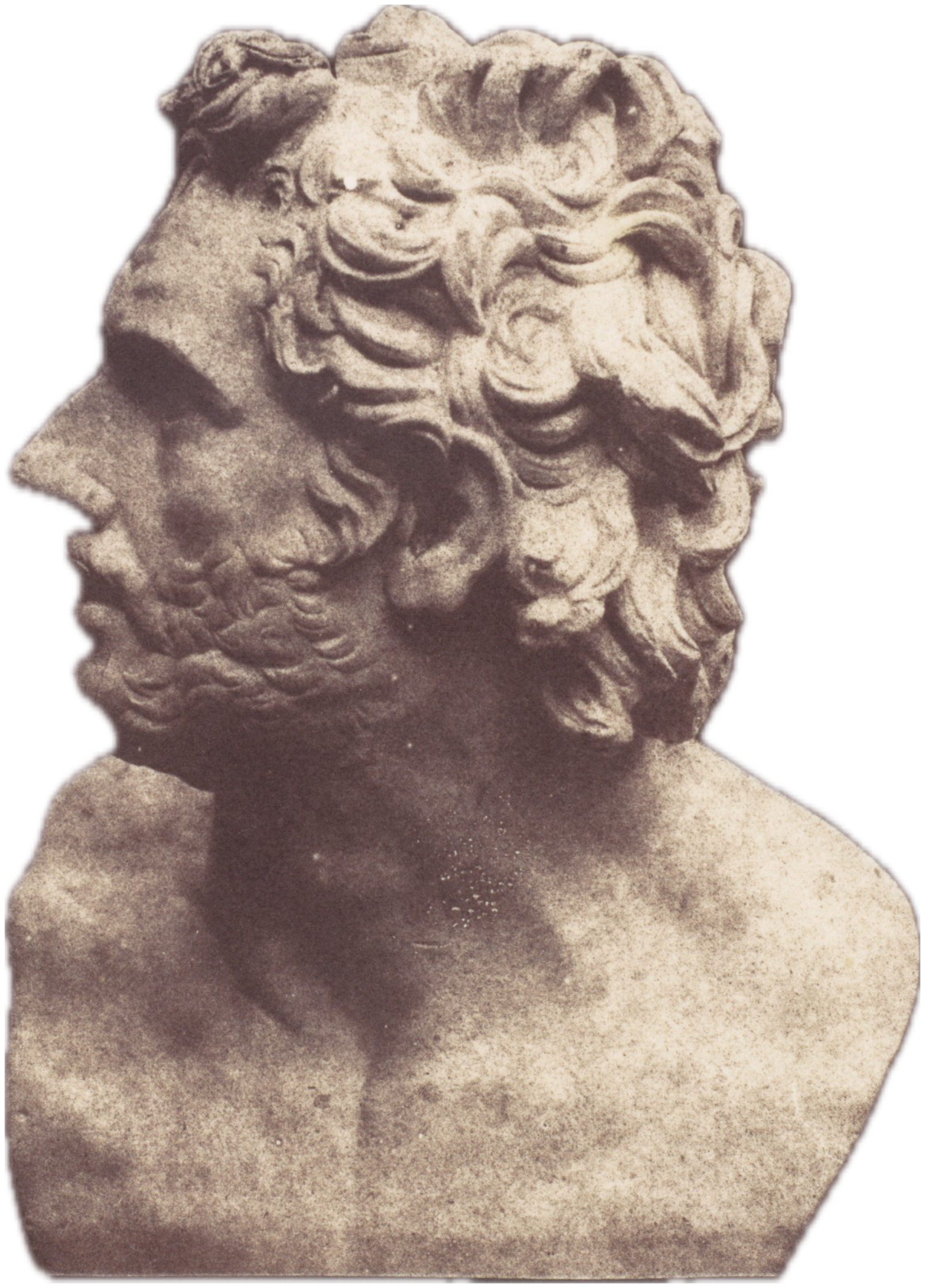
“Then Menelaus, good at the war-cry, answered her: Phoenix, old sire, my father of ancient days, would that Athene may give me strength and keep from me the onrush of darts. So should I be full fain to stand by Patroclus' side and succour him; for in sooth his death hath touched me to the heart.”
“the Trojans may desist from battle, and the warlike sons of the Achaeans may take breath, wearied as they are; for scant is the breathing-space in war. When she had thus spoken swift-footed Iris departed; but Achilles, dear to Zeus, roused him, and round about his mighty shoulders Athene flung her tasselled aegis,”
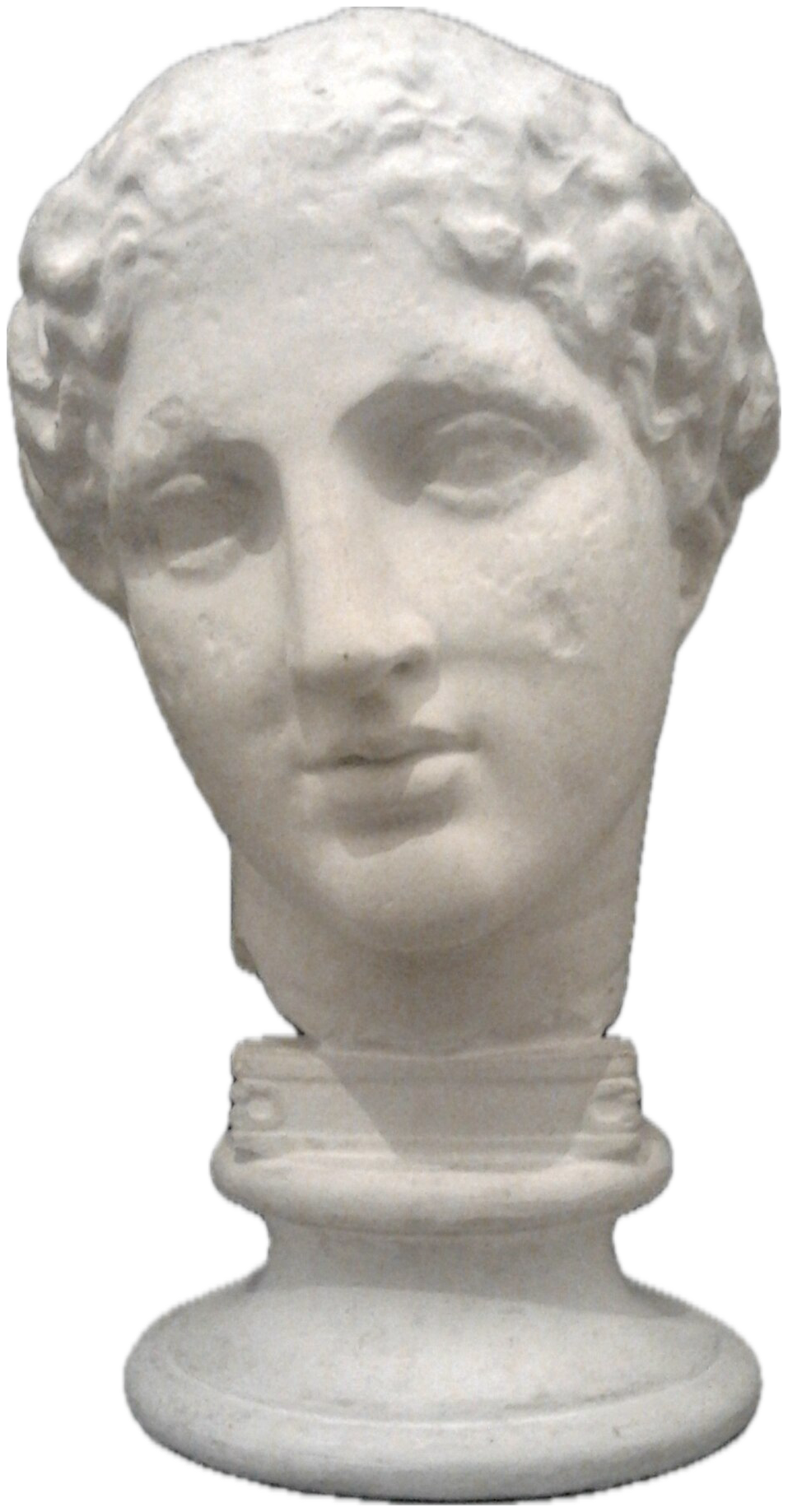






“turned their cars backward, for their spirits boded bane. And the charioteers were stricken with terror when they beheld the unwearied fire blaze in fearsome wise above the head of the great-souled son of Peleus; for the goddess, flashing-eyed Athene, made it blaze. Thrice over the trench shouted mightily the goodly Achilles, and thrice the Trojans and their famed allies were confounded.”
“And of the Trojans whoso is distressed beyond measure for his goods, let him gather them together and give them to the folk for them to feast thereon in common; better were it that they have profit thereof than the Achaeans. But in the morning, at the coming of Dawn, arrayed in our armour, let us arouse sharp battle at the hollow ships. But if in deed and in truth goodly Achilles is arisen by the ships, the worse shall it be for him, if he so will it. I verily will not flee from him out of dolorous war, but face to face will I stand against him, whether he shall win great victory, or haply I. Alike to all is the god of war, and lo, he slayeth him that would slay. So Hector addressed their gathering, and thereat the Trojans shouted aloud, fools that they were! for from them Pallas Athene took away their wits. To Hector they all gave praise in his ill advising, but Polydamas no man praised, albeit he devised counsel that was good. So then they took supper throughout the host; but the Achaeans”
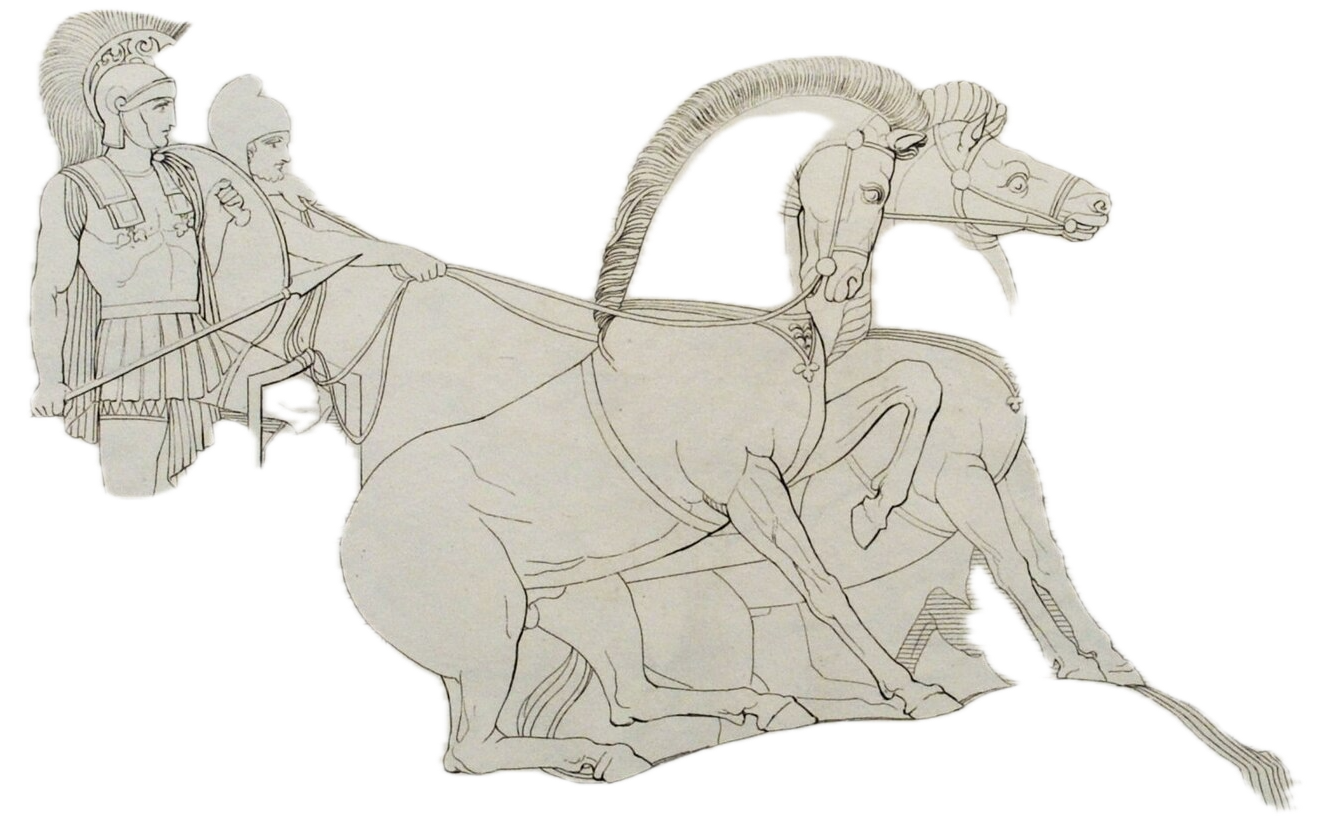
“as they stood thereon, and therewithal the men that were holden of old age; but the rest were faring forth, led of Ares and Pallas Athene, both fashioned in gold, and of gold was the raiment wherewith they were clad. Goodly were they and tall in their harness, as beseemeth gods, clear to view amid the rest, and the folk at their feet were smaller.”
“And as they mourned the son of Cronos had sight of them, and was touched with pity; and forthwith he spake winged words unto Athene: My child, lo thou forsakest utterly thine own warrior. Is there then no place in thy thought any more for Achilles? Yonder”
“So spake the son of Cronos, and roused war unabating. And the gods went their way into the battle, being divided in counsel: Hera gat her to the gathering of the ships, and with her Pallas Athene, and Poseidon, the Shaker of Earth, and the helper Hermes, that was beyond all in the cunning of his mind;”
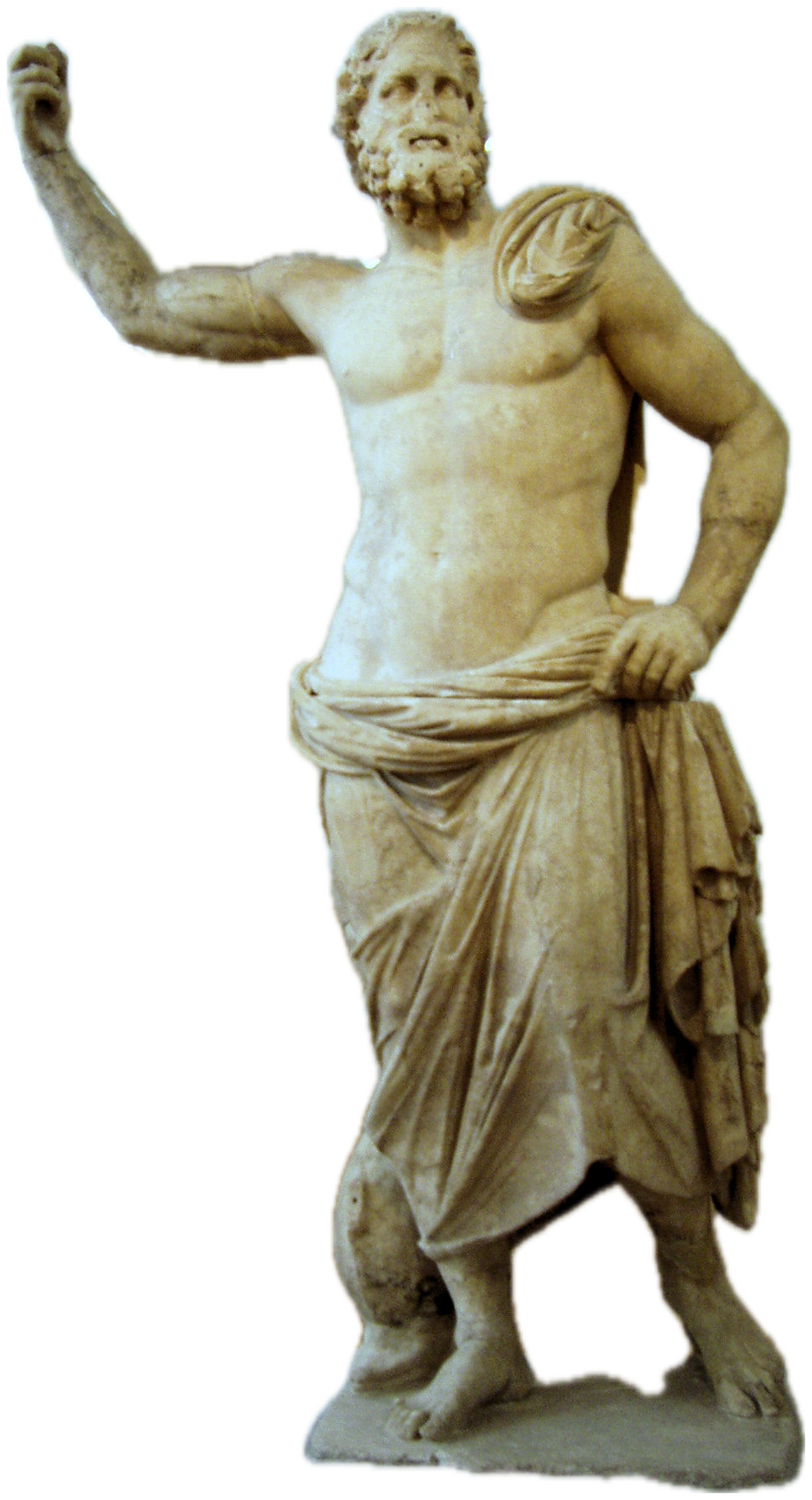
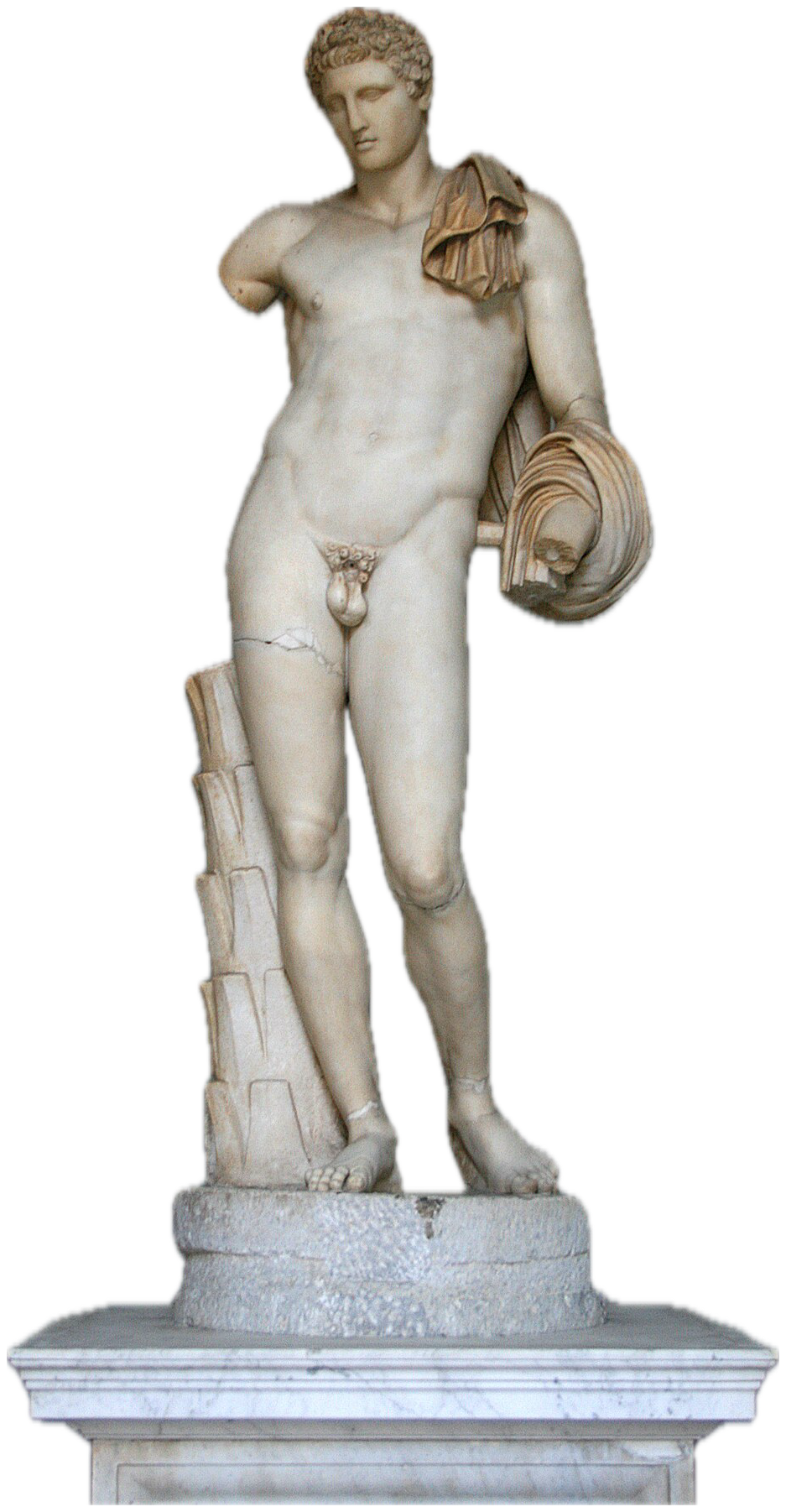
“the dread and dank abode, wherefor the very gods have loathing: so great was the din that arose when the gods clashed in strife. For against king Poseidon stood Phoebus Apollo with his winged arrows, and against Enyalius the goddess, flashing-eyed Athene;”
“Not now for the first time shall I stand forth against swift-footed Achilles; nay, once ere now he drave me with his spear from Ida, when he had come forth against our kine, and laid Lyrnessus waste and Pedasus withal; howbeit Zeus saved me, who roused my strength and made swift my knees. Else had I been slain beneath the hands of Achilles and of Athene,”
“Consider within your hearts, ye twain, O Poseidon and Athene, how these things are to be. Lo, here is Aeneas, gone forth, harnessed in flaming bronze, to face the son of Peleus, and it is Phoebus Apollo that hath set him on.”
“to the heaped-up wall of godlike Heracles, the high wall that the Trojans and Pallas Athene had builded for him, to the end that he might flee thither and escape from the monster of the deep, whenso the monster drave him from the seashore to the plain. There Poseidon and the other gods sate them down,”
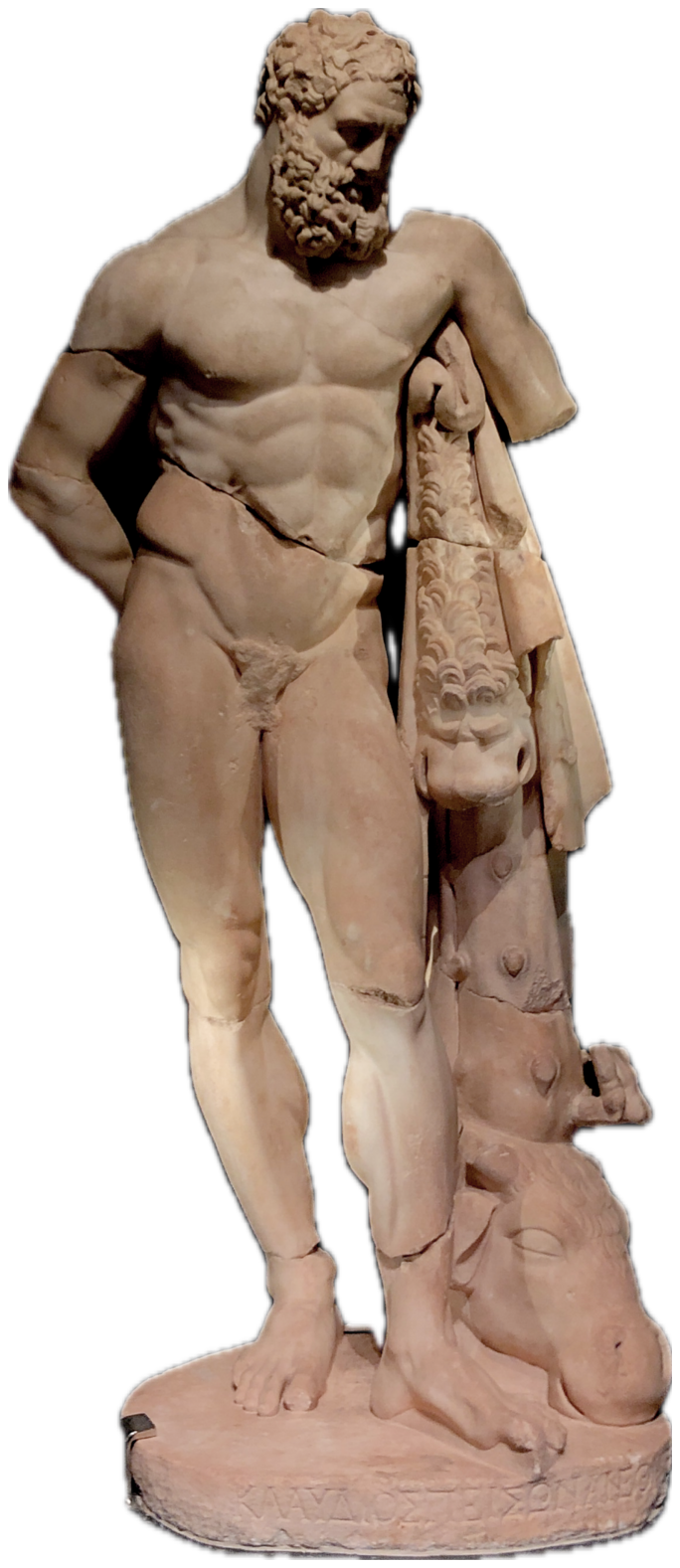
“in headlong haste? On that day didst thou not once look behind thee in thy flight. Thence thou fleddest forth to Lyrnessus, but I laid it waste, assailing it with the aid of Athene and father Zeus, and the women I led captive and took from them the day of freedom; but thyself thou wast saved by Zeus and the other gods. Howbeit not this day, methinks, shall he save thee,”
“Shaker of Earth, of thine own self take counsel in thine heart as touching Aeneas, whether thou wilt save him or suffer him to be slain for all his valour by Achilles, Peleus' son. We twain verily, even Pallas Athene and I,”
“but come, let man go forth against man and be eager for the fray. Hard is it for me, how mighty soever I be, to deal with men so many, and to fight them all; not even Ares, for all he is an immortal god, nor Athene could control by dint of toil the jaws of such a fray.”
“Yet these things verily lie on the knees of the gods, whether I,albeit the weaker, shall rob thee of life with a cast of my spear; for my missile too hath been found keen ere now. He spake, and poised his spear and hurled it, but Athene with a breath turned it back from glorious Achilles,”
“then had a brave man been the slayer, and a brave man had he slain. But now by a miserable death was it appointed me to be cut off, pent in the great river, like a swine-herd boy whom a torrent sweepeth away as he maketh essay to cross it in winter. So spake he, and forthwith Poseidon and Pallas Athene”
“in joy as he beheld the gods joining in strife. Then no more held they long aloof, for Ares, piercer of shields, began the fray, and first leapt upon Athene, brazen spear in hand, and spake a word of reviling: Wherefore now again, thou dog-fly,”
“So saying he smote upon her tasselled aegis—the awful aegis against which not even the lightning of Zeus can prevail—thereon blood-stained Ares smote with his long spear. But she gave ground, and seized with her stout hand a stone that lay upon the plain, black and jagged and great,”
“Out upon it, thou child of Zeus that beareth the aegis, unwearied one, lo, there again the dog-fly is leading Ares, the bane of mortals, forth from the fury of war amid the throng; nay, have after her. So spake she, and Athene sped in pursuit, glad at heart, and rushing upon her she smote Aphrodite on the breast with her stout hand;”
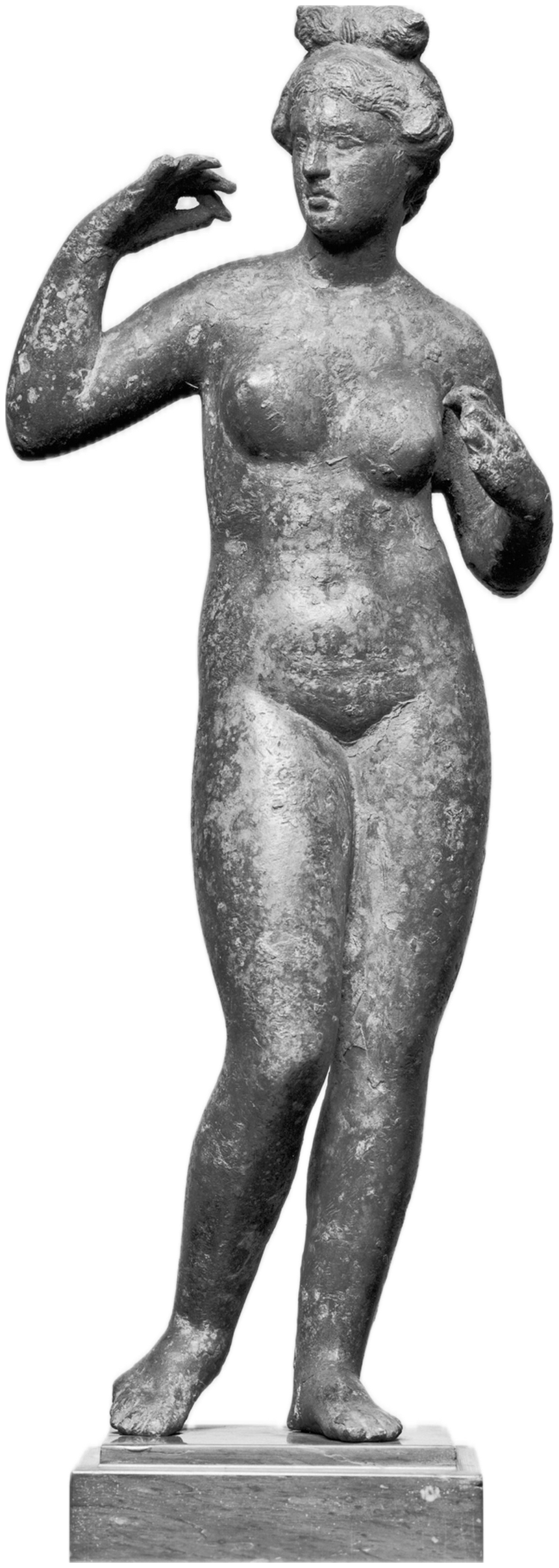
“whether we shall save him from death, or now at length shall slay him, good man though he be, by the hand of Achilles, son of Peleus. Then spake unto him the goddess, flashing-eyed Athene: O Father, Lord of the bright lightning and of the dark cloud, what a word hast thou said! A man that is mortal, doomed long since by fate, art thou minded”
“and set therein two fates of grievous death, one for Achilles, and one for horse-taming Hector; then he grasped the balance by the midst and raised it; and down sank the day of doom of Hector, and departed unto Hades; and Phoebus Apollo left him. But unto Peleus' son came the goddess, flashing-eyed Athene,”
“but now I deem that I shall honour thee in my heart even more, seeing thou hast dared for my sake, when thine eyes beheld me, to come forth from out the wall, while the others abide within. To him then spake again the goddess, flashing-eyed Athene: Dear brother, in sooth my father and queenly mother, yea, and my comrades round about me,”
“lay thee low by my spear. Now shalt thou pay back the full price of all my sorrows for my comrades, whom thou didst slay when raging with thy spear. He spake, and poised his far-shadowing spear, and hurled it; howbeit glorious Hector, looking steadily at him, avoided it;”
“for he was ware of it in time and crouched, and the spear of bronze flew over, and fixed itself in the earth; but Pallas Athene caught it up, and gave it back to Achilles, unseen of Hector, shepherd of the host. And Hector spake unto the peerless son of Peleus: Thou hast missed, neither in any wise, as it seemeth, O Achilles like to the gods, hast thou yet known from Zeus of my doom, though”
“and asked of him a long spear; but he was nowise nigh. And Hector knew all in his heart, and spake, saying: Out upon it, in good sooth have the gods called me to my death. For I deemed that the warrior Deiphobus was at hand, but lo, he is within the wall, and Athene hath beguiled me.”
“neither wist she anywise that far from all baths flashing-eyed Athene had laid him low by the hand of Achilles. But the shrieks she heard and the groanings from the wall, and her limbs reeled, and from her hand the shuttle fell to earth. Then she spake again among her fair-tressed handmaids:”
“Then from his eyes ran tears in his wrath for that he saw the mares coursing even far swiftlier still than before, while his own horses were hampered, as running without goad. But Athene was not unaware of Apollo's cheating of the son of Tydeus, and right swiftly sped she after the shepherd of the host,”
“and his feet trod in the footsteps of Aias or ever the dust had settled therein, and down upon his head beat the breath of goodly Odysseus, as he ran ever swiftly on; and all the Achaeans shouted to further him as he struggled for victory, and called to him as he strained to the utmost. But when now they were running the last part of the course, straightway Odysseus made prayer in his heart to flashing-eyed Athene:”
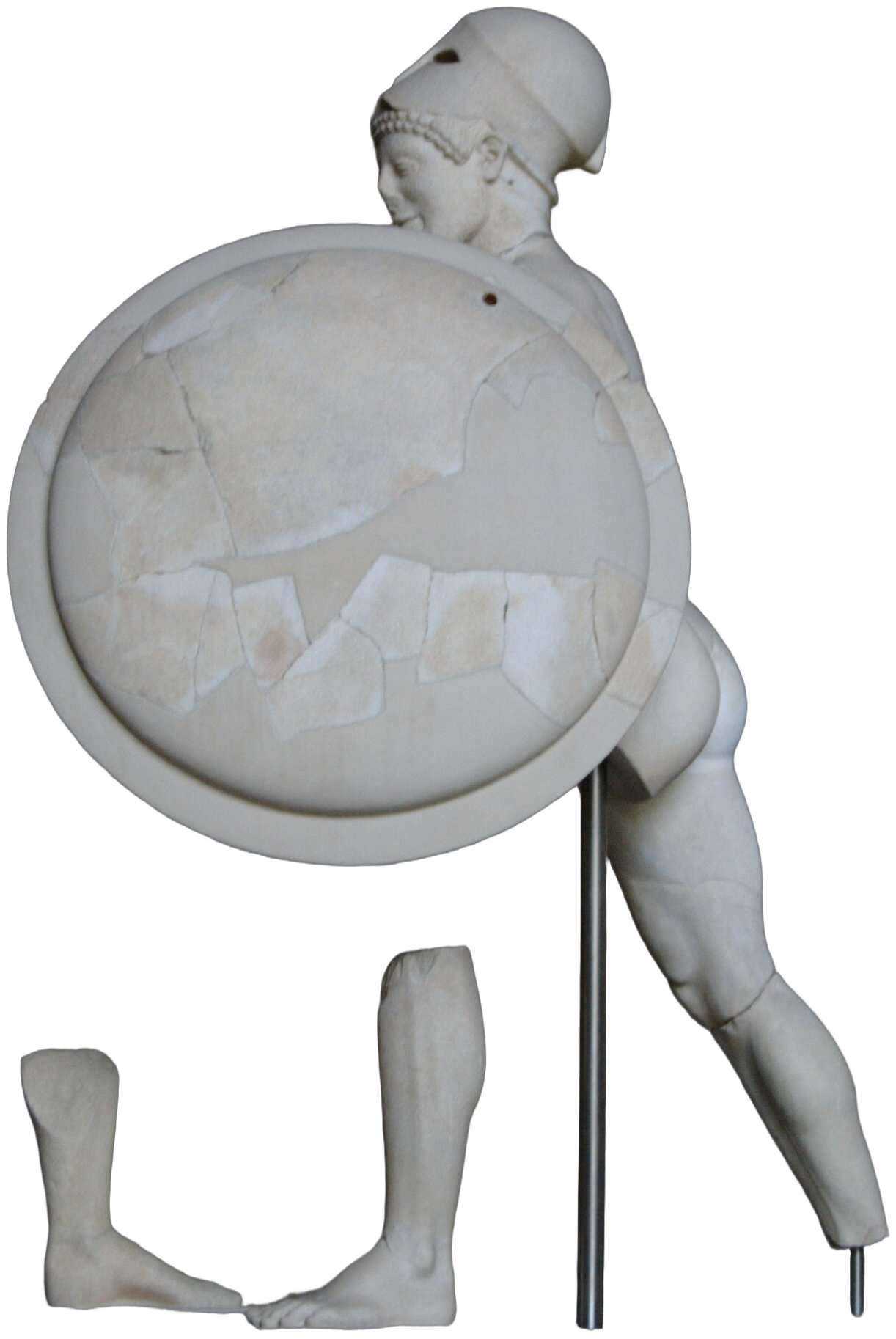
“Then she sate her down beside father Zeus, and Athene gave place. And Hera set in her hand a fair golden cup, and spake words of cheer.; and Thetis drank, and gave back the cup. Then among them the father of men and gods was first to speak: Thou art come to Olympus, 0, goddess Thetis,”
Connections
Father · Sources
Then he addressed her with winged words, and said: Why now, daughter of aegis-bearing Zeus, have you come? Is it so that you might see the arrogance of Agamemnon, son of Atreus? One thing I will tell you, and I think this will be brought to pass: through his own excessive pride shall he presently lose his life.
And with him there followed forty black ships. And they that held Athens, the well-built citadel, the land of great-hearted Erechtheus, whom of old Athene, daughter of Zeus, fostered, when the earth, the giver of grain, had borne him; and she made him to dwell in Athens, in her own rich sanctuary,
So would many a one of Achaeans and Trojans speak. But Athene entered the throng of the Trojans in the guise of a man, even of Laodocus, son of Antenor, a valiant spearman, in quest of god-like Pandarus, if haply she might find him. And she found Lycaon's son, peerless and stalwart,
Il. 1.202 · Il. 2.548 · Il. 4.87 · Il. 4.128 · Il. 4.515 · Il. 5.33 · Il. 5.115 · Il. 5.421 · Il. 5.714 · Il. 5.733 · Il. 5.815 · Il. 5.875–880 · Il. 6.303–304 · Il. 6.312 · Il. 7.24 · Il. 8.39 · Il. 8.352 · Il. 8.384 · Il. 8.427 · Il. 10.278 · Il. 10.284 · Il. 10.553 · Il. 19.342 · Il. 21.416 · Il. 22.178
Brother · Sources
Братство или сестринство выведено из общего родителя: Зевс. Матери и отцы, не указанные в источнике, не предполагаются.
Then he addressed her with winged words, and said: Why now, daughter of aegis-bearing Zeus, have you come? Is it so that you might see the arrogance of Agamemnon, son of Atreus? One thing I will tell you, and I think this will be brought to pass: through his own excessive pride shall he presently lose his life.
And with him there followed forty black ships. And they that held Athens, the well-built citadel, the land of great-hearted Erechtheus, whom of old Athene, daughter of Zeus, fostered, when the earth, the giver of grain, had borne him; and she made him to dwell in Athens, in her own rich sanctuary,
So would many a one of Achaeans and Trojans speak. But Athene entered the throng of the Trojans in the guise of a man, even of Laodocus, son of Antenor, a valiant spearman, in quest of god-like Pandarus, if haply she might find him. And she found Lycaon's son, peerless and stalwart,
Il. 1.202 · Il. 2.548 · Il. 4.87 · Il. 4.128 · Il. 4.515 · Il. 5.33 · Il. 5.115 · Il. 5.421 · Il. 5.714 · Il. 5.733 · Il. 5.815 · Il. 5.875–880 · Il. 5.896 · Il. 6.303–304 · Il. 6.312 · Il. 7.24 · Il. 8.39 · Il. 8.352 · Il. 8.384 · Il. 8.427 · Il. 10.278 · Il. 10.284 · Il. 10.553 · Il. 19.342 · Il. 21.416 · Il. 22.178
Sister · Sources
Братство или сестринство выведено из общего родителя: Зевс. Матери и отцы, не указанные в источнике, не предполагаются.
Then he addressed her with winged words, and said: Why now, daughter of aegis-bearing Zeus, have you come? Is it so that you might see the arrogance of Agamemnon, son of Atreus? One thing I will tell you, and I think this will be brought to pass: through his own excessive pride shall he presently lose his life.
And with him there followed forty black ships. And they that held Athens, the well-built citadel, the land of great-hearted Erechtheus, whom of old Athene, daughter of Zeus, fostered, when the earth, the giver of grain, had borne him; and she made him to dwell in Athens, in her own rich sanctuary,
His battle-gear lieth upon the bounteous earth, but himself he rangeth like the bell-wether of a herd through the ranks of warriors. Like a ram he seemeth to me, a ram of thick fleece, that paceth through a great flock of white ewes. To him made answer Helen, sprung from Zeus:
Il. 1.202 · Il. 2.548 · Il. 3.199 · Il. 3.418 · Il. 4.87 · Il. 4.128 · Il. 4.515 · Il. 5.33 · Il. 5.115 · Il. 5.421 · Il. 5.714 · Il. 5.733 · Il. 5.815 · Il. 5.875–880 · Il. 6.303–304 · Il. 6.312 · Il. 7.24 · Il. 8.39 · Il. 8.352 · Il. 8.384 · Il. 8.427 · Il. 10.278 · Il. 10.284 · Il. 10.553 · Il. 19.342 · Il. 21.416 · Il. 22.178
Opponent · Sources
But no blind watch did Apollo of the silver bow keep when he saw Athene attending the son of Tydeus; in wrath against her he entered the great throng of the Trojans, and aroused a counsellor of the Thracians, Hippocoön, the noble kinsman of Rhesus. And he leapt up out of sleep,
Il. 10.517
Brother · Sources
Братство или сестринство выведено из общего родителя: Зевс. Матери и отцы, не указанные в источнике, не предполагаются.
from the time when first they parted in strife Atreus' son, king of men, and brilliant Achilles. Who then of the gods was it that brought these two together to contend? The son of Leto and Zeus; for he in anger against the king roused throughout the host an evil pestilence, and the people began to perish,
Then he addressed her with winged words, and said: Why now, daughter of aegis-bearing Zeus, have you come? Is it so that you might see the arrogance of Agamemnon, son of Atreus? One thing I will tell you, and I think this will be brought to pass: through his own excessive pride shall he presently lose his life.
And with him there followed forty black ships. And they that held Athens, the well-built citadel, the land of great-hearted Erechtheus, whom of old Athene, daughter of Zeus, fostered, when the earth, the giver of grain, had borne him; and she made him to dwell in Athens, in her own rich sanctuary,
Il. 1.9 · Il. 1.202 · Il. 2.548 · Il. 4.87 · Il. 4.128 · Il. 4.515 · Il. 5.33 · Il. 5.115 · Il. 5.421 · Il. 5.714 · Il. 5.733 · Il. 5.815 · Il. 5.875–880 · Il. 6.303–304 · Il. 6.312 · Il. 7.23 · Il. 7.24 · Il. 8.39 · Il. 8.352 · Il. 8.384 · Il. 8.427 · Il. 10.278 · Il. 10.284 · Il. 10.553 · Il. 15.236 · Il. 19.342 · Il. 20.103 · Il. 21.229 · Il. 21.416 · Il. 22.178 · Il. 22.302
Brother · Sources
Братство или сестринство выведено из общего родителя: Зевс. Матери и отцы, не указанные в источнике, не предполагаются.
Then he addressed her with winged words, and said: Why now, daughter of aegis-bearing Zeus, have you come? Is it so that you might see the arrogance of Agamemnon, son of Atreus? One thing I will tell you, and I think this will be brought to pass: through his own excessive pride shall he presently lose his life.
And with him there followed forty black ships. And they that held Athens, the well-built citadel, the land of great-hearted Erechtheus, whom of old Athene, daughter of Zeus, fostered, when the earth, the giver of grain, had borne him; and she made him to dwell in Athens, in her own rich sanctuary,
So would many a one of Achaeans and Trojans speak. But Athene entered the throng of the Trojans in the guise of a man, even of Laodocus, son of Antenor, a valiant spearman, in quest of god-like Pandarus, if haply she might find him. And she found Lycaon's son, peerless and stalwart,
Il. 1.202 · Il. 2.548 · Il. 4.87 · Il. 4.128 · Il. 4.515 · Il. 5.33 · Il. 5.115 · Il. 5.421 · Il. 5.634–635 · Il. 5.662–672 · Il. 5.675 · Il. 5.714 · Il. 5.733 · Il. 5.815 · Il. 5.875–880 · Il. 6.198–199 · Il. 6.303–304 · Il. 6.312 · Il. 7.24 · Il. 8.39 · Il. 8.352 · Il. 8.384 · Il. 8.427 · Il. 10.278 · Il. 10.284 · Il. 10.553 · Il. 12.292 · Il. 12.402–403 · Il. 15.67 · Il. 16.522 · Il. 19.342 · Il. 21.416 · Il. 22.178
Sister · Sources
Братство или сестринство выведено из общего родителя: Зевс. Матери и отцы, не указанные в источнике, не предполагаются.
Then he addressed her with winged words, and said: Why now, daughter of aegis-bearing Zeus, have you come? Is it so that you might see the arrogance of Agamemnon, son of Atreus? One thing I will tell you, and I think this will be brought to pass: through his own excessive pride shall he presently lose his life.
And with him there followed forty black ships. And they that held Athens, the well-built citadel, the land of great-hearted Erechtheus, whom of old Athene, daughter of Zeus, fostered, when the earth, the giver of grain, had borne him; and she made him to dwell in Athens, in her own rich sanctuary,
So would many a one of Achaeans and Trojans speak. But Athene entered the throng of the Trojans in the guise of a man, even of Laodocus, son of Antenor, a valiant spearman, in quest of god-like Pandarus, if haply she might find him. And she found Lycaon's son, peerless and stalwart,
Il. 1.202 · Il. 2.548 · Il. 4.87 · Il. 4.128 · Il. 4.515 · Il. 5.33 · Il. 5.115 · Il. 5.131 · Il. 5.348 · Il. 5.421 · Il. 5.427–428 · Il. 5.714 · Il. 5.733 · Il. 5.815 · Il. 5.820 · Il. 5.875–880 · Il. 6.303–304 · Il. 6.312 · Il. 7.24 · Il. 8.39 · Il. 8.352 · Il. 8.384 · Il. 8.427 · Il. 10.278 · Il. 10.284 · Il. 10.553 · Il. 14.193 · Il. 14.224 · Il. 19.342 · Il. 20.106 · Il. 21.416 · Il. 22.178
Brother · Sources
Братство или сестринство выведено из общего родителя: Зевс. Матери и отцы, не указанные в источнике, не предполагаются.
Then he addressed her with winged words, and said: Why now, daughter of aegis-bearing Zeus, have you come? Is it so that you might see the arrogance of Agamemnon, son of Atreus? One thing I will tell you, and I think this will be brought to pass: through his own excessive pride shall he presently lose his life.
And with him there followed forty black ships. And they that held Athens, the well-built citadel, the land of great-hearted Erechtheus, whom of old Athene, daughter of Zeus, fostered, when the earth, the giver of grain, had borne him; and she made him to dwell in Athens, in her own rich sanctuary,
So would many a one of Achaeans and Trojans speak. But Athene entered the throng of the Trojans in the guise of a man, even of Laodocus, son of Antenor, a valiant spearman, in quest of god-like Pandarus, if haply she might find him. And she found Lycaon's son, peerless and stalwart,
Il. 1.202 · Il. 2.548 · Il. 4.87 · Il. 4.128 · Il. 4.515 · Il. 5.33 · Il. 5.115 · Il. 5.396 · Il. 5.421 · Il. 5.714 · Il. 5.733 · Il. 5.815 · Il. 5.875–880 · Il. 6.303–304 · Il. 6.312 · Il. 7.24 · Il. 8.39 · Il. 8.352 · Il. 8.363–365 · Il. 8.384 · Il. 8.427 · Il. 10.278 · Il. 10.284 · Il. 10.553 · Il. 14.266 · Il. 14.324 · Il. 19.342 · Il. 21.416 · Il. 22.178
See all 25
Brother · Sources
Братство или сестринство выведено из общего родителя: Зевс. Матери и отцы, не указанные в источнике, не предполагаются.
Then he addressed her with winged words, and said: Why now, daughter of aegis-bearing Zeus, have you come? Is it so that you might see the arrogance of Agamemnon, son of Atreus? One thing I will tell you, and I think this will be brought to pass: through his own excessive pride shall he presently lose his life.
since worse things prevail. And I give counsel to my mother, wise though she be herself, to do pleasure to our dear father Zeus, that the father upbraid her not again, and bring confusion upon our feast. What if the Olympian, the lord of the lightning, were minded
And with him there followed forty black ships. And they that held Athens, the well-built citadel, the land of great-hearted Erechtheus, whom of old Athene, daughter of Zeus, fostered, when the earth, the giver of grain, had borne him; and she made him to dwell in Athens, in her own rich sanctuary,
Il. 1.202 · Il. 1.578 · Il. 2.548 · Il. 4.87 · Il. 4.128 · Il. 4.515 · Il. 5.33 · Il. 5.115 · Il. 5.421 · Il. 5.714 · Il. 5.733 · Il. 5.815 · Il. 5.875–880 · Il. 6.303–304 · Il. 6.312 · Il. 7.24 · Il. 8.39 · Il. 8.352 · Il. 8.384 · Il. 8.427 · Il. 10.278 · Il. 10.284 · Il. 10.553 · Il. 19.342 · Il. 20.11–12 · Il. 21.416 · Il. 22.178
Brother · Sources
Братство или сестринство выведено из общего родителя: Зевс. Матери и отцы, не указанные в источнике, не предполагаются.
Then he addressed her with winged words, and said: Why now, daughter of aegis-bearing Zeus, have you come? Is it so that you might see the arrogance of Agamemnon, son of Atreus? One thing I will tell you, and I think this will be brought to pass: through his own excessive pride shall he presently lose his life.
And with him there followed forty black ships. And they that held Athens, the well-built citadel, the land of great-hearted Erechtheus, whom of old Athene, daughter of Zeus, fostered, when the earth, the giver of grain, had borne him; and she made him to dwell in Athens, in her own rich sanctuary,
So would many a one of Achaeans and Trojans speak. But Athene entered the throng of the Trojans in the guise of a man, even of Laodocus, son of Antenor, a valiant spearman, in quest of god-like Pandarus, if haply she might find him. And she found Lycaon's son, peerless and stalwart,
Il. 1.202 · Il. 2.548 · Il. 4.87 · Il. 4.128 · Il. 4.515 · Il. 5.33 · Il. 5.115 · Il. 5.421 · Il. 5.714 · Il. 5.733 · Il. 5.815 · Il. 5.875–880 · Il. 6.303–304 · Il. 6.312 · Il. 7.24 · Il. 8.39 · Il. 8.352 · Il. 8.384 · Il. 8.427 · Il. 10.278 · Il. 10.284 · Il. 10.553 · Il. 19.342 · Il. 20.215 · Il. 20.303–305 · Il. 21.416 · Il. 22.178
Brother · Sources
Братство или сестринство выведено из общего родителя: Зевс. Матери и отцы, не указанные в источнике, не предполагаются.
Then he addressed her with winged words, and said: Why now, daughter of aegis-bearing Zeus, have you come? Is it so that you might see the arrogance of Agamemnon, son of Atreus? One thing I will tell you, and I think this will be brought to pass: through his own excessive pride shall he presently lose his life.
And with him there followed forty black ships. And they that held Athens, the well-built citadel, the land of great-hearted Erechtheus, whom of old Athene, daughter of Zeus, fostered, when the earth, the giver of grain, had borne him; and she made him to dwell in Athens, in her own rich sanctuary,
So would many a one of Achaeans and Trojans speak. But Athene entered the throng of the Trojans in the guise of a man, even of Laodocus, son of Antenor, a valiant spearman, in quest of god-like Pandarus, if haply she might find him. And she found Lycaon's son, peerless and stalwart,
Il. 1.202 · Il. 2.548 · Il. 4.87 · Il. 4.128 · Il. 4.515 · Il. 5.33 · Il. 5.115 · Il. 5.421 · Il. 5.714 · Il. 5.733 · Il. 5.815 · Il. 5.875–880 · Il. 6.303–304 · Il. 6.312 · Il. 7.24 · Il. 8.39 · Il. 8.352 · Il. 8.384 · Il. 8.427 · Il. 10.278 · Il. 10.284 · Il. 10.553 · Il. 14.434 · Il. 19.342 · Il. 21.2 · Il. 21.416 · Il. 22.178 · Il. 24.693
Brother · Sources
Братство или сестринство выведено из общего родителя: Зевс. Матери и отцы, не указанные в источнике, не предполагаются.
Then he addressed her with winged words, and said: Why now, daughter of aegis-bearing Zeus, have you come? Is it so that you might see the arrogance of Agamemnon, son of Atreus? One thing I will tell you, and I think this will be brought to pass: through his own excessive pride shall he presently lose his life.
And with him there followed forty black ships. And they that held Athens, the well-built citadel, the land of great-hearted Erechtheus, whom of old Athene, daughter of Zeus, fostered, when the earth, the giver of grain, had borne him; and she made him to dwell in Athens, in her own rich sanctuary,
So would many a one of Achaeans and Trojans speak. But Athene entered the throng of the Trojans in the guise of a man, even of Laodocus, son of Antenor, a valiant spearman, in quest of god-like Pandarus, if haply she might find him. And she found Lycaon's son, peerless and stalwart,
Il. 1.202 · Il. 2.548 · Il. 4.87 · Il. 4.128 · Il. 4.515 · Il. 5.33 · Il. 5.115 · Il. 5.421 · Il. 5.714 · Il. 5.733 · Il. 5.815 · Il. 5.875–880 · Il. 6.303–304 · Il. 6.312 · Il. 7.24 · Il. 8.39 · Il. 8.352 · Il. 8.384 · Il. 8.427 · Il. 10.278 · Il. 10.284 · Il. 10.553 · Il. 19.342 · Il. 21.189 · Il. 21.416 · Il. 22.178
Sister · Sources
Братство или сестринство выведено из общего родителя: Зевс. Матери и отцы, не указанные в источнике, не предполагаются.
Then he addressed her with winged words, and said: Why now, daughter of aegis-bearing Zeus, have you come? Is it so that you might see the arrogance of Agamemnon, son of Atreus? One thing I will tell you, and I think this will be brought to pass: through his own excessive pride shall he presently lose his life.
And with him there followed forty black ships. And they that held Athens, the well-built citadel, the land of great-hearted Erechtheus, whom of old Athene, daughter of Zeus, fostered, when the earth, the giver of grain, had borne him; and she made him to dwell in Athens, in her own rich sanctuary,
So would many a one of Achaeans and Trojans speak. But Athene entered the throng of the Trojans in the guise of a man, even of Laodocus, son of Antenor, a valiant spearman, in quest of god-like Pandarus, if haply she might find him. And she found Lycaon's son, peerless and stalwart,
Il. 1.202 · Il. 2.548 · Il. 4.87 · Il. 4.128 · Il. 4.515 · Il. 5.33 · Il. 5.115 · Il. 5.421 · Il. 5.714 · Il. 5.733 · Il. 5.815 · Il. 5.875–880 · Il. 6.303–304 · Il. 6.312 · Il. 7.24 · Il. 8.39 · Il. 8.352 · Il. 8.384 · Il. 8.427 · Il. 9.536 · Il. 10.278 · Il. 10.284 · Il. 10.553 · Il. 19.342 · Il. 21.416 · Il. 21.507 · Il. 21.510 · Il. 22.178
Brother · Sources
Братство или сестринство выведено из общего родителя: Зевс. Матери и отцы, не указанные в источнике, не предполагаются.
Then he addressed her with winged words, and said: Why now, daughter of aegis-bearing Zeus, have you come? Is it so that you might see the arrogance of Agamemnon, son of Atreus? One thing I will tell you, and I think this will be brought to pass: through his own excessive pride shall he presently lose his life.
And with him there followed forty black ships. And they that held Athens, the well-built citadel, the land of great-hearted Erechtheus, whom of old Athene, daughter of Zeus, fostered, when the earth, the giver of grain, had borne him; and she made him to dwell in Athens, in her own rich sanctuary,
So would many a one of Achaeans and Trojans speak. But Athene entered the throng of the Trojans in the guise of a man, even of Laodocus, son of Antenor, a valiant spearman, in quest of god-like Pandarus, if haply she might find him. And she found Lycaon's son, peerless and stalwart,
Il. 1.202 · Il. 2.548 · Il. 4.87 · Il. 4.128 · Il. 4.515 · Il. 5.33 · Il. 5.115 · Il. 5.421 · Il. 5.714 · Il. 5.733 · Il. 5.815 · Il. 5.875–880 · Il. 6.303–304 · Il. 6.312 · Il. 7.24 · Il. 8.39 · Il. 8.352 · Il. 8.384 · Il. 8.427 · Il. 10.278 · Il. 10.284 · Il. 10.553 · Il. 19.342 · Il. 21.416 · Il. 22.178 · Il. 24.333
Brother · Sources
Братство или сестринство выведено из общего родителя: Зевс. Матери и отцы, не указанные в источнике, не предполагаются.
Then he addressed her with winged words, and said: Why now, daughter of aegis-bearing Zeus, have you come? Is it so that you might see the arrogance of Agamemnon, son of Atreus? One thing I will tell you, and I think this will be brought to pass: through his own excessive pride shall he presently lose his life.
And with him there followed forty black ships. And they that held Athens, the well-built citadel, the land of great-hearted Erechtheus, whom of old Athene, daughter of Zeus, fostered, when the earth, the giver of grain, had borne him; and she made him to dwell in Athens, in her own rich sanctuary,
So would many a one of Achaeans and Trojans speak. But Athene entered the throng of the Trojans in the guise of a man, even of Laodocus, son of Antenor, a valiant spearman, in quest of god-like Pandarus, if haply she might find him. And she found Lycaon's son, peerless and stalwart,
Il. 1.202 · Il. 2.548 · Il. 4.87 · Il. 4.128 · Il. 4.515 · Il. 5.33 · Il. 5.115 · Il. 5.421 · Il. 5.714 · Il. 5.733 · Il. 5.815 · Il. 5.875–880 · Il. 6.303–304 · Il. 6.312 · Il. 7.24 · Il. 8.39 · Il. 8.352 · Il. 8.384 · Il. 8.427 · Il. 10.278 · Il. 10.284 · Il. 10.553 · Il. 14.320 · Il. 19.342 · Il. 21.416 · Il. 22.178
Brother · Sources
Братство или сестринство выведено из общего родителя: Зевс. Матери и отцы, не указанные в источнике, не предполагаются.
Then he addressed her with winged words, and said: Why now, daughter of aegis-bearing Zeus, have you come? Is it so that you might see the arrogance of Agamemnon, son of Atreus? One thing I will tell you, and I think this will be brought to pass: through his own excessive pride shall he presently lose his life.
And with him there followed forty black ships. And they that held Athens, the well-built citadel, the land of great-hearted Erechtheus, whom of old Athene, daughter of Zeus, fostered, when the earth, the giver of grain, had borne him; and she made him to dwell in Athens, in her own rich sanctuary,
these again had as leader Polypoetes, staunch in fight, son of Peirithous, whom immortal Zeus begat— even him whom glorious Hippodameia conceived to Peirithous on the day when he got him vengeance on the shaggy centaurs, and thrust them forth from Pelium, and drave them to the Aethices.
Il. 1.202 · Il. 2.548 · Il. 2.741 · Il. 4.87 · Il. 4.128 · Il. 4.515 · Il. 5.33 · Il. 5.115 · Il. 5.421 · Il. 5.714 · Il. 5.733 · Il. 5.815 · Il. 5.875–880 · Il. 6.303–304 · Il. 6.312 · Il. 7.24 · Il. 8.39 · Il. 8.352 · Il. 8.384 · Il. 8.427 · Il. 10.278 · Il. 10.284 · Il. 10.553 · Il. 14.318 · Il. 19.342 · Il. 21.416 · Il. 22.178
Brother · Sources
Братство или сестринство выведено из общего родителя: Зевс. Матери и отцы, не указанные в источнике, не предполагаются.
Then he addressed her with winged words, and said: Why now, daughter of aegis-bearing Zeus, have you come? Is it so that you might see the arrogance of Agamemnon, son of Atreus? One thing I will tell you, and I think this will be brought to pass: through his own excessive pride shall he presently lose his life.
And with him there followed forty black ships. And they that held Athens, the well-built citadel, the land of great-hearted Erechtheus, whom of old Athene, daughter of Zeus, fostered, when the earth, the giver of grain, had borne him; and she made him to dwell in Athens, in her own rich sanctuary,
So would many a one of Achaeans and Trojans speak. But Athene entered the throng of the Trojans in the guise of a man, even of Laodocus, son of Antenor, a valiant spearman, in quest of god-like Pandarus, if haply she might find him. And she found Lycaon's son, peerless and stalwart,
Il. 1.202 · Il. 2.548 · Il. 4.87 · Il. 4.128 · Il. 4.515 · Il. 5.33 · Il. 5.115 · Il. 5.421 · Il. 5.714 · Il. 5.733 · Il. 5.815 · Il. 5.875–880 · Il. 6.303–304 · Il. 6.312 · Il. 7.24 · Il. 8.39 · Il. 8.352 · Il. 8.384 · Il. 8.427 · Il. 10.278 · Il. 10.284 · Il. 10.553 · Il. 14.325 · Il. 19.342 · Il. 21.416 · Il. 22.178
Brother · Sources
Братство или сестринство выведено из общего родителя: Зевс. Матери и отцы, не указанные в источнике, не предполагаются.
Then he addressed her with winged words, and said: Why now, daughter of aegis-bearing Zeus, have you come? Is it so that you might see the arrogance of Agamemnon, son of Atreus? One thing I will tell you, and I think this will be brought to pass: through his own excessive pride shall he presently lose his life.
And with him there followed forty black ships. And they that held Athens, the well-built citadel, the land of great-hearted Erechtheus, whom of old Athene, daughter of Zeus, fostered, when the earth, the giver of grain, had borne him; and she made him to dwell in Athens, in her own rich sanctuary,
So would many a one of Achaeans and Trojans speak. But Athene entered the throng of the Trojans in the guise of a man, even of Laodocus, son of Antenor, a valiant spearman, in quest of god-like Pandarus, if haply she might find him. And she found Lycaon's son, peerless and stalwart,
Il. 1.202 · Il. 2.548 · Il. 4.87 · Il. 4.128 · Il. 4.515 · Il. 5.33 · Il. 5.115 · Il. 5.421 · Il. 5.714 · Il. 5.733 · Il. 5.815 · Il. 5.875–880 · Il. 6.303–304 · Il. 6.312 · Il. 7.24 · Il. 8.39 · Il. 8.352 · Il. 8.384 · Il. 8.427 · Il. 10.278 · Il. 10.284 · Il. 10.553 · Il. 13.450 · Il. 14.322 · Il. 19.342 · Il. 21.416 · Il. 22.178
Sister · Sources
Братство или сестринство выведено из общего родителя: Зевс. Матери и отцы, не указанные в источнике, не предполагаются.
Then he addressed her with winged words, and said: Why now, daughter of aegis-bearing Zeus, have you come? Is it so that you might see the arrogance of Agamemnon, son of Atreus? One thing I will tell you, and I think this will be brought to pass: through his own excessive pride shall he presently lose his life.
And with him there followed forty black ships. And they that held Athens, the well-built citadel, the land of great-hearted Erechtheus, whom of old Athene, daughter of Zeus, fostered, when the earth, the giver of grain, had borne him; and she made him to dwell in Athens, in her own rich sanctuary,
So would many a one of Achaeans and Trojans speak. But Athene entered the throng of the Trojans in the guise of a man, even of Laodocus, son of Antenor, a valiant spearman, in quest of god-like Pandarus, if haply she might find him. And she found Lycaon's son, peerless and stalwart,
Il. 1.202 · Il. 2.548 · Il. 4.87 · Il. 4.128 · Il. 4.515 · Il. 5.33 · Il. 5.115 · Il. 5.421 · Il. 5.714 · Il. 5.733 · Il. 5.815 · Il. 5.875–880 · Il. 6.303–304 · Il. 6.312 · Il. 7.24 · Il. 8.39 · Il. 8.352 · Il. 8.384 · Il. 8.427 · Il. 10.278 · Il. 10.284 · Il. 10.553 · Il. 19.91 · Il. 19.342 · Il. 21.416 · Il. 22.178
Brother · Sources
Братство или сестринство выведено из общего родителя: Зевс. Матери и отцы, не указанные в источнике, не предполагаются.
Then he addressed her with winged words, and said: Why now, daughter of aegis-bearing Zeus, have you come? Is it so that you might see the arrogance of Agamemnon, son of Atreus? One thing I will tell you, and I think this will be brought to pass: through his own excessive pride shall he presently lose his life.
And with him there followed forty black ships. And they that held Athens, the well-built citadel, the land of great-hearted Erechtheus, whom of old Athene, daughter of Zeus, fostered, when the earth, the giver of grain, had borne him; and she made him to dwell in Athens, in her own rich sanctuary,
So would many a one of Achaeans and Trojans speak. But Athene entered the throng of the Trojans in the guise of a man, even of Laodocus, son of Antenor, a valiant spearman, in quest of god-like Pandarus, if haply she might find him. And she found Lycaon's son, peerless and stalwart,
Il. 1.202 · Il. 2.548 · Il. 4.87 · Il. 4.128 · Il. 4.515 · Il. 5.33 · Il. 5.115 · Il. 5.421 · Il. 5.714 · Il. 5.733 · Il. 5.815 · Il. 5.875–880 · Il. 6.303–304 · Il. 6.312 · Il. 7.24 · Il. 8.39 · Il. 8.352 · Il. 8.384 · Il. 8.427 · Il. 10.278 · Il. 10.284 · Il. 10.553 · Il. 14.322 · Il. 19.342 · Il. 21.416 · Il. 22.178
Grandfather · Sources
Происхождение выведено по цепочке родителей: Кронос → Зевс → Афина.
Then he addressed her with winged words, and said: Why now, daughter of aegis-bearing Zeus, have you come? Is it so that you might see the arrogance of Agamemnon, son of Atreus? One thing I will tell you, and I think this will be brought to pass: through his own excessive pride shall he presently lose his life.
one king, to whom the son of crooked-counselling Cronos hath vouchsafed the sceptre and judgments, that he may take counsel for his people. Thus masterfully did he range through the host, and they hasted back to the place of gathering from their ships and huts with noise, as when a wave of the loud-resounding sea
and the mother fluttered around them, wailing for her dear little ones; howbeit he coiled himself and caught her by the wing as she screamed about him. But when he had devoured the sparrow's little ones and the mother with them, the god, who had brought him to the light, made him to be unseen; for the son of crooked-counselling Cronos turned him to stone;
Il. 1.202 · Il. 2.205–206 · Il. 2.319 · Il. 2.548 · Il. 4.75 · Il. 4.87 · Il. 4.128 · Il. 4.515 · Il. 5.33 · Il. 5.115 · Il. 5.421 · Il. 5.714 · Il. 5.733 · Il. 5.815 · Il. 5.875–880 · Il. 6.303–304 · Il. 6.312 · Il. 7.24 · Il. 8.39 · Il. 8.352 · Il. 8.384 · Il. 8.427 · Il. 9.37 · Il. 9.171 · Il. 9.236 · Il. 9.419 · Il. 9.502 · Il. 9.686 · Il. 10.71 · Il. 10.278 · Il. 10.284 · Il. 10.553 · Il. 15.187 · Il. 16.431 · Il. 18.293 · Il. 19.342 · Il. 21.416 · Il. 22.178
Grandmother · Sources
Происхождение выведено по цепочке родителей: Рея → Зевс → Афина.
Then he addressed her with winged words, and said: Why now, daughter of aegis-bearing Zeus, have you come? Is it so that you might see the arrogance of Agamemnon, son of Atreus? One thing I will tell you, and I think this will be brought to pass: through his own excessive pride shall he presently lose his life.
And with him there followed forty black ships. And they that held Athens, the well-built citadel, the land of great-hearted Erechtheus, whom of old Athene, daughter of Zeus, fostered, when the earth, the giver of grain, had borne him; and she made him to dwell in Athens, in her own rich sanctuary,
So would many a one of Achaeans and Trojans speak. But Athene entered the throng of the Trojans in the guise of a man, even of Laodocus, son of Antenor, a valiant spearman, in quest of god-like Pandarus, if haply she might find him. And she found Lycaon's son, peerless and stalwart,
Il. 1.202 · Il. 2.548 · Il. 4.87 · Il. 4.128 · Il. 4.515 · Il. 5.33 · Il. 5.115 · Il. 5.421 · Il. 5.714 · Il. 5.733 · Il. 5.815 · Il. 5.875–880 · Il. 6.303–304 · Il. 6.312 · Il. 7.24 · Il. 8.39 · Il. 8.352 · Il. 8.384 · Il. 8.427 · Il. 10.278 · Il. 10.284 · Il. 10.553 · Il. 15.187 · Il. 19.342 · Il. 21.416 · Il. 22.178
Connection · Sources
for in her heart she loved and cared for both men alike. She stood behind him, and seized the son of Peleus by his fair hair, appearing to him alone. No one of the others saw her. Achilles was seized with wonder, and turned around, and immediately recognized Pallas Athene. Terribly her eyes shone.
Il. 1.195
Ally · Sources
So spake the son of Cronos, and roused war unabating. And the gods went their way into the battle, being divided in counsel: Hera gat her to the gathering of the ships, and with her Pallas Athene, and Poseidon, the Shaker of Earth, and the helper Hermes, that was beyond all in the cunning of his mind;
Shaker of Earth, of thine own self take counsel in thine heart as touching Aeneas, whether thou wilt save him or suffer him to be slain for all his valour by Achilles, Peleus' son. We twain verily, even Pallas Athene and I,
Il. 20.33 · Il. 20.314
Ally · Sources
Connection · Sources
in all manner of toils; and Pallas Athene loveth him. If he but follow with me, even out of blazing fire might we both return, for wise above all is he in understanding. Then spake unto him much enduring goodly Odysseus: Son of Tydeus, praise me not over-much, neither blame me in aught:
Il. 10.245
Ally · Sources
Hear me, goddess, and come a goodly helper to my feet. So spake he in prayer, and Pallas Athene heard him, and made his limbs light, his feet and his hands above. But when they were now about to dart forth to win the prize, then Aias slipped as he ran—for Athene hampered him—
Il. 23.771–772
Priestess · Sources
In art

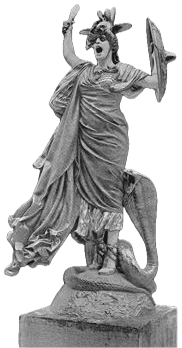
Carl Philipp Glume. Athena. CC BY-SA 3.0. https://www.wikidata.org/wiki/Q115168890

Giovanni Battista Tiepolo. The Rage of Achilles. Villa Valmarana ai Nani. Public domain. https://www.wikidata.org/wiki/Q65131702
Image author: Giovanni Battista Tiepolo
Image date: 1757

Arnold Houbraken. Pallas Athene Visiting Apollo on the Parnassus. Dordrechts Museum. Public domain. https://www.wikidata.org/wiki/Q27020428
See all 254

Olympia Master. Temple of Zeus in Olympia - Metope. Department of Greek, Etruscan, and Roman Antiquities of the Louvre. CC0. https://www.wikidata.org/wiki/Q19120750

Olympia Master. Mètopa del temple de Zeus d'Olímpia amb representació d'Hèracles i les pomes de les Hespèrides (Museu Arqueològic d'Olímpia). Archaeological Museum of Olympia. CC BY-SA 3.0. https://www.wikidata.org/wiki/Q19121784

Willem de Poorter. Willem de Poorter - Odysseus und Athene verbergen die trojanische Beute - 5361 - Bavarian State Painting Collections. Bavarian State Painting Collections. Public domain. https://www.wikidata.org/wiki/Q30095024

Dr. Yasas Bandara ( talk ). Палладиум. собрание не указано. Public domain. https://www.wikidata.org/wiki/Q829650
Image author: Dr. Yasas Bandara (talk)
Image date: 19 April 2008 (original upload date)

Painter of the Krotala Dancer - battle for Troy - Athena and Aphrodite mounting their chariots - Würzburg MvWM L 799 - 09. Martin von Wagner Museum. CC BY-SA 4.0. https://www.wikidata.org/wiki/Q131144228

Hans von Aachen. Суд Париса. Musée de la Chartreuse de Douai. Public domain. https://www.wikidata.org/wiki/Q105688151

Noël Hallé. Musée Baron-Martin 024. Department of Paintings of the Louvre. CC BY-SA 4.0. https://www.wikidata.org/wiki/Q106640735

Jan Boeckhorst. Stadtmuseum Münster-Bockhorst-Grammatica DSC9835. City Museum of Münster. Public domain. https://www.wikidata.org/wiki/Q106729046

Venny Soldan-Brofeldt. Pallas Athene. Public domain. https://www.wikidata.org/wiki/Q109924469

François Boucher. The Judgement of Paris. Musée des beaux-arts de Mulhouse. CC BY-SA 4.0. https://www.wikidata.org/wiki/Q110304528

José Ribelles. Museo del Romanticismo - CE0919 - La Reina María Cristina e Isabel II. Museum of Romanticism. Public domain. https://www.wikidata.org/wiki/Q116192894

Enrique Simonet. El Juicio de Paris. Museo de Málaga. Public domain. https://www.wikidata.org/wiki/Q1194202

James Thornhill. The Judgement of Paris. Government Art Collection. Public domain. https://www.wikidata.org/wiki/Q119917950

Feliks Michał Wygrzywalski. Athena. Public domain. https://www.wikidata.org/wiki/Q123532476

N. C. Wyeth. 345 Н.К.Ваєт Афіна. Public domain. https://www.wikidata.org/wiki/Q124211986

Karel Dujardin. Pallas Athena Visits Invidia. Academy of Fine Arts Vienna. Public domain. https://www.wikidata.org/wiki/Q139603777

Antonio da Vendri. Judgment of Paris. Rijksmuseum. Public domain. https://www.wikidata.org/wiki/Q17323979

Master of the Female Half-Lengths. Суд Париса. Rijksmuseum. Public domain. https://www.wikidata.org/wiki/Q17334111

Peter Paul Rubens. Суд Париса. Museo del Prado. Public domain. https://www.wikidata.org/wiki/Q17519102

Peter Paul Rubens. Суд Париса. National Gallery. Public domain. https://www.wikidata.org/wiki/Q17519105

Peter Paul Rubens. Суд Париса. National Gallery. Public domain. https://www.wikidata.org/wiki/Q17519113

Peter Paul Rubens. Суд Париса. Museo del Prado. Public domain. https://www.wikidata.org/wiki/Q17519115

Суд Париса. Staatliche Kunstsammlungen Dresden. Public domain. https://www.wikidata.org/wiki/Q17519116

Peter Paul Rubens. Суд Париса. Academy of Fine Arts Vienna. Public domain. https://www.wikidata.org/wiki/Q17519121

Girolamo di Benvenuto. The Judgment of Paris. Department of Paintings of the Louvre. Public domain. https://www.wikidata.org/wiki/Q18573006

Gustave Moreau. The Suitors. collection du musée Gustave-Moreau. Public domain. https://www.wikidata.org/wiki/Q19389662

Lucas Cranach the Elder. Суд Париса. Statens Museum for Kunst. Public domain. https://www.wikidata.org/wiki/Q20278181

Pompeo Batoni. Hercules at the Crossroads. Palazzo Pitti. Public domain. https://www.wikidata.org/wiki/Q20486510

Pompeo Batoni. Hercules at the Crossroads. Hermitage Museum. Public domain. https://www.wikidata.org/wiki/Q20486543

Pompeo Batoni. Hercules at the Crossroads. Galleria Sabauda. Public domain. https://www.wikidata.org/wiki/Q20486556

Pompeo Batoni. Hercules at the Crossroads. Liechtenstein Museum. Public domain. https://www.wikidata.org/wiki/Q20486566

John Singer Sargent. The Judgement of Paris. Museum of Fine Arts Boston. Public domain. https://www.wikidata.org/wiki/Q20771660

Johann Zoffany. Charles Townley in his Sculpture Gallery. Towneley Hall Art Gallery and Museum. Public domain. https://www.wikidata.org/wiki/Q22672240

Henryk Siemiradzki. Суд Париса. National Museum in Warsaw. Public domain. https://www.wikidata.org/wiki/Q24202559

Victor Müller. Суд Париса. National Museum in Warsaw. Public domain. https://www.wikidata.org/wiki/Q29857247

Rembrandt. Афина Паллада. Calouste Gulbenkian Museum. Public domain. https://www.wikidata.org/wiki/Q3610098

anonymous. The Judgement of Paris. National Trust. Public domain. https://www.wikidata.org/wiki/Q52196705
Image author: anonymous
Image date: between 1700 and 1799

anonymous. The Judgement of Paris. National Trust. Public domain. https://www.wikidata.org/wiki/Q52226644
Image author: anonymous
Image date: between 1600 and 1699

Paris Bordone. Athena Scorning the Advances of Hephaestus. Museum of Art and Archaeology. Public domain. https://www.wikidata.org/wiki/Q5710555

Sandro Botticelli. Judgement of Paris. Cini Palace Gallery. Public domain. https://www.wikidata.org/wiki/Q5954551

Gustav Klimt. Афина Паллада. Vienna Museum. Public domain. https://www.wikidata.org/wiki/Q6058798

Jean-Léon Gérôme. Фрина перед Ареопагом. Hamburger Kunsthalle. Public domain. https://www.wikidata.org/wiki/Q6543739

Pierre-Auguste Renoir. Суд Париса. Hiroshima Museum of Art. Public domain. https://www.wikidata.org/wiki/Q9352876

Diego Velázquez. Пряхи. Museo del Prado. Public domain. https://www.wikidata.org/wiki/Q984058

Rienk Keijert. Athena and Odysseus. National Museum in Warsaw. Public domain. https://www.wikidata.org/wiki/Q104540756

Constantin Hansen. Pallas Athene, followed by the god of victory Nike, disputes with Poseidon.. Public domain. https://www.wikidata.org/wiki/Q116192820

Simon Vouet. Three goddesses (Minerva, Venus and Juno).. National Museum in Lublin. CC0. https://www.wikidata.org/wiki/Q120185456

Theophilos Chatzimichael. Athena and Artemis. Public domain. https://www.wikidata.org/wiki/Q124212078

Hendrick de Clerck. The contest between Apollo and Pan. Rijksmuseum. Public domain. https://www.wikidata.org/wiki/Q17321579
Image author: Hendrick de Clerck / Denis van Alsloot
Image date: 1620

Venus and Minerva. Rijksmuseum. Public domain. https://www.wikidata.org/wiki/Q17335619

Gustav Klimt. Древняя Греция и Древний Египет. Kunsthistorisches Museum. CC BY-SA 3.0. https://www.wikidata.org/wiki/Q18020558
Olympia Mancini, 1640-1708. National Portrait Gallery of Sweden. Public domain. https://www.wikidata.org/wiki/Q18587548

Briton Rivière. Pallas Athena and the Herdsman's Dogs. Metropolitan Museum of Art. CC0. https://www.wikidata.org/wiki/Q19912608

Jan Both. Landscape with the Judgement of Paris. National Gallery. Public domain. https://www.wikidata.org/wiki/Q19917844

Peter Paul Rubens. The Wedding of Peleus and Thetis. Art Institute of Chicago. Public domain. https://www.wikidata.org/wiki/Q20261025
Image author: Peter Paul Rubens
Image date: 1636

Hans von Aachen. Pallas Athena, Venus and Juno. Museum of Fine Arts Boston. Public domain. https://www.wikidata.org/wiki/Q20540032

Peter Paul Rubens. Мария Медичи в образе богини мудрости и войны Паллады (Кололева торжествующая). Hermitage Museum. Public domain. https://www.wikidata.org/wiki/Q21722656

Lovis Corinth. Odysseus in the battle with the suitors. Berlinische Galerie. Public domain. https://www.wikidata.org/wiki/Q47518270
Image author: Lovis Corinth
Image date: 1913

Benvenuto Tisi. Poseidon and Athena battle for control of Athens. Staatliche Kunstsammlungen Dresden. Public domain. https://www.wikidata.org/wiki/Q50321963

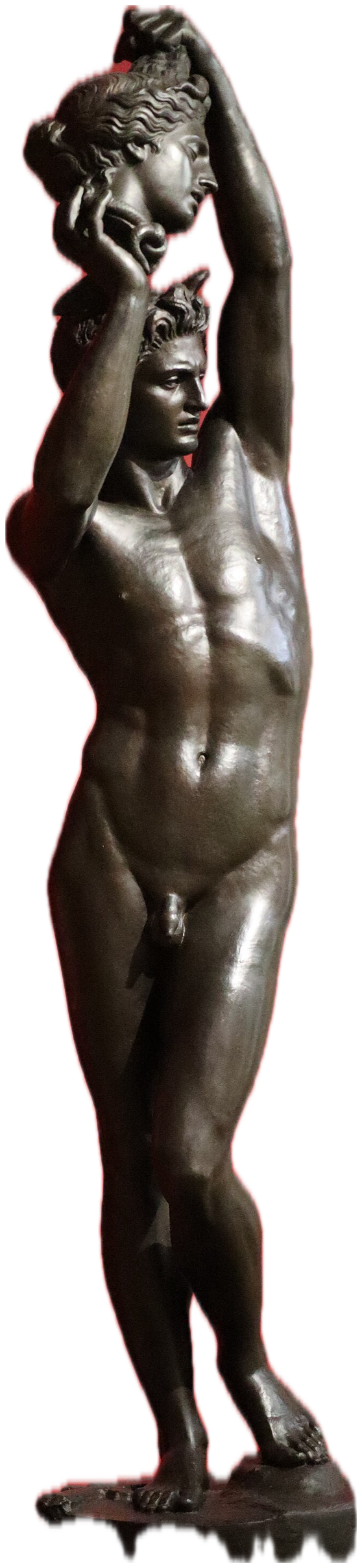
Jean-Marc Nattier. Perseus with Minerva Showing the Head of Medusa. Musée des Beaux-Arts de Tours. Public domain. https://www.wikidata.org/wiki/Q57267984

Judgment of Paris. Department of Greek, Etruscan, and Roman Antiquities of the Louvre. CC BY 3.0. https://www.wikidata.org/wiki/Q1687908

Mosaic from Jewelry Quarter in Delos. Archaeological Museum of Delos. CC BY 3.0. https://www.wikidata.org/wiki/Q53068359

Nike warrior. Department of Greek, Etruscan, and Roman Antiquities of the Louvre. Public domain. https://www.wikidata.org/wiki/Q106045795

Gara tra Atena e Poseidon per il dominio sull'Attica - Museo archeologico nazionale di Napoli inv 25837. Naples National Archaeological Museum. CC0. https://www.wikidata.org/wiki/Q112632407

Bartholomeus Eggers. Athena. CC BY-SA 4.0. https://www.wikidata.org/wiki/Q115684480

Marble head of Athena: The so-called Athena Medici. Metropolitan Museum of Art. CC0. https://www.wikidata.org/wiki/Q116282738

Terracotta Megarian bowl. Metropolitan Museum of Art. CC0. https://www.wikidata.org/wiki/Q116282902
Image date: 2nd century BC

Polygnotos. Terracotta pelike (jar). Metropolitan Museum of Art. CC0. https://www.wikidata.org/wiki/Q116287244
Image author: Polygnotos
Image date: circa 450–440 B.C.

Ernst Herter. Pallas Athena. CC BY-SA 4.0. https://www.wikidata.org/wiki/Q116769898

Alexander Gonda. Athena. CC BY-SA 4.0. https://www.wikidata.org/wiki/Q122343670

Julius Middelthun. Athena. National Museum of Art, Architecture and Design. Public domain. https://www.wikidata.org/wiki/Q126095694

Athena Lemnia's head. CC BY-SA 4.0. https://www.wikidata.org/wiki/Q126680526

Sacrifice relief (Acropolis Museum n. 581). Acropolis Museum. Public domain. https://www.wikidata.org/wiki/Q12873504

Relief of Samioi voting. Acropolis Museum. CC BY-SA 2.5. https://www.wikidata.org/wiki/Q12873511

Proserpina sarcophagus. Aachen Cathedral Treasury. CC BY-SA 3.0. https://www.wikidata.org/wiki/Q15123181

неизвестный мастер. Афина (барельеф). собрание не указано. CC BY-SA 3.0. https://www.wikidata.org/wiki/Q15226061

Olympia Master. Herakles Augean Stables. Archaeological Museum of Olympia. Public domain. https://www.wikidata.org/wiki/Q19121896

Hermann Schievelbein. Athena Teaches the Young Man How to Use a Weapon. CC BY 3.0. https://www.wikidata.org/wiki/Q24915443

Karl Heinrich Möller. Athena Arms the Warrior. CC BY-SA 3.0. https://www.wikidata.org/wiki/Q24915444

Gustav Bläser. Athena Protects the Young Hero. CC BY-SA 3.0. https://www.wikidata.org/wiki/Q24915445

Albert Wolff. Athena Leads the Young Warrior into the Fight. CC BY 3.0. https://www.wikidata.org/wiki/Q24915452

Athena Ra 112. Musée Saint-Raymond. CC BY-SA 4.0. https://www.wikidata.org/wiki/Q25114990

Афина Варвакион. National Archaeological Museum of Athens. CC BY 2.5. https://www.wikidata.org/wiki/Q25221697

Statuette of Athena Ra 113. Musée Saint-Raymond. CC BY-SA 4.0. https://www.wikidata.org/wiki/Q27096521

Léon-Ernest Drivier. fontaine de la Porte Dorée. CC BY-SA 3.0. https://www.wikidata.org/wiki/Q3076201

Mourning Athena. Acropolis Museum. CC BY 4.0. https://www.wikidata.org/wiki/Q3558923

Filippo Tagliolini. Julgamento-de-páris. Capitoline Museums. CC BY-SA 3.0. https://www.wikidata.org/wiki/Q3769192

1978.4.3-Athena-SBMA. Santa Barbara Museum of Art. Public domain. https://www.wikidata.org/wiki/Q39301614

Denise Milan. Palas-Atenas Ágora. CC BY-SA 4.0. https://www.wikidata.org/wiki/Q51727007

Angelitos Athena. Acropolis Museum. Public domain. https://www.wikidata.org/wiki/Q535277

Plaquette of Athena Parthenos-Sb 3909. Department of Near Eastern Antiquities of the Louvre. CC0. https://www.wikidata.org/wiki/Q83788692

James Pradier. Wisdom resisting the arrows of Cupid. Museum of Art and History Geneva. CC BY-SA 3.0 fr. https://www.wikidata.org/wiki/Q87743877

Phidias. Афина Лемния. CC BY 4.0. https://www.wikidata.org/wiki/Q950701

Ernst Herter. children frieze "Recreation after cork in science and art".. CC0. https://www.wikidata.org/wiki/Q116790564

Antéfixe avec Héraclès et Athéna - Musée du Louvre AGER NIII 3442 ; CA 4504. Department of Greek, Etruscan, and Roman Antiquities of the Louvre. CC0. https://www.wikidata.org/wiki/Q124792149

Athena and Giant (Acropolis Museum n. 631). Acropolis Museum. CC BY-SA 3.0. https://www.wikidata.org/wiki/Q12873140

Heinrich Günther-Gera. keystones Germania, Athena and Demeter. Public domain. https://www.wikidata.org/wiki/Q130252942

Minerva with a owl-shaped helmet Ra 154. Musée Saint-Raymond. CC BY-SA 4.0. https://www.wikidata.org/wiki/Q28872036

Musée Saint-Raymond, Ra 362. Musée Saint-Raymond. CC BY-SA 4.0. https://www.wikidata.org/wiki/Q30089304

Myron. Athena and Marsyas. CC BY-SA 3.0. https://www.wikidata.org/wiki/Q3627892

Daniël Herreyns. Head of the giantess, Pallas Athena. Museum aan de Stroom. CC0. https://www.wikidata.org/wiki/Q56867543

Musée Saint-Raymond, Ra 363. Musée Saint-Raymond. CC BY-SA 4.0. https://www.wikidata.org/wiki/Q64830470

Antonio Canova. Hecuba offers the peplum to Athena Pallas. Museo Correr. Public domain. https://www.wikidata.org/wiki/Q131825301

plaster block with relief bust of Athena, Yale University Art Gallery, inv. 1930.554. Yale University Art Gallery. CC0. https://www.wikidata.org/wiki/Q100300836

plaster block with relief bust of Athena, Yale University Art Gallery, inv. 1938.5352. Yale University Art Gallery. CC0. https://www.wikidata.org/wiki/Q100339137

plaster block with relief bust of Athena, Yale University Art Gallery, inv. 1938.5367. Yale University Art Gallery. CC0. https://www.wikidata.org/wiki/Q100339176

Plaster block with relief bust of Athena, Yale University Art Gallery, inv. 1938.5368. Yale University Art Gallery. CC0. https://www.wikidata.org/wiki/Q100339185

plaster block with relief bust, Yale University Art Gallery, inv. 1938.5370. Yale University Art Gallery. CC0. https://www.wikidata.org/wiki/Q100717046

La Naissance d'Erichthonios - Musée du Louvre AGER MR 710 ; Ma 579 ; N 912. Department of Greek, Etruscan, and Roman Antiquities of the Louvre. CC0. https://www.wikidata.org/wiki/Q118215785

Couvercle de miroir avec tête d'Athéna en relief - Musée du Louvre AGER MND 2058 ; Br 4348. Department of Greek, Etruscan, and Roman Antiquities of the Louvre. CC0. https://www.wikidata.org/wiki/Q124792372

Marcantonio Raimondi. The Judgment of Paris. Staatsgalerie Stuttgart. CC0. https://www.wikidata.org/wiki/Q18579333

Burgon Group. Burgon vase. British Museum. Public domain. https://www.wikidata.org/wiki/Q1015150

Q105003102. CC BY-SA 3.0. https://www.wikidata.org/wiki/Q105003102

Herm of Athena. CC BY-SA 4.0. https://www.wikidata.org/wiki/Q108339194

Martin Lopez Aguado. Columnas de los Enfrentados. CC BY-SA 4.0. https://www.wikidata.org/wiki/Q110746589

Marbre Choiseul. Department of Greek, Etruscan, and Roman Antiquities of the Louvre. Public domain. https://www.wikidata.org/wiki/Q110927477

Athena. CC BY-SA 3.0. https://www.wikidata.org/wiki/Q112103873

Franz Drexler. Pallas Athene. CC BY-SA 3.0. https://www.wikidata.org/wiki/Q113686445

Hans Michelsen. Athena Enthroned. National Museum of Art, Architecture and Design. Public domain. https://www.wikidata.org/wiki/Q113777494

Pallas Athene. Public domain. https://www.wikidata.org/wiki/Q113995347

Mastos Cretan bull Louvre F475. Department of Greek, Etruscan, and Roman Antiquities of the Louvre. Public domain. https://www.wikidata.org/wiki/Q115475134

The Myron Athena. Liebieghaus. CC BY-SA 2.0. https://www.wikidata.org/wiki/Q115597294

Nikias. Terracotta Panathenaic prize amphora (jar). Metropolitan Museum of Art. CC0. https://www.wikidata.org/wiki/Q116286784

Antimenes Painter. Terracotta amphora (jar). Metropolitan Museum of Art. CC0. https://www.wikidata.org/wiki/Q116287289

Terracotta skyphos (deep drinking cup). Metropolitan Museum of Art. CC0. https://www.wikidata.org/wiki/Q116287989

Sappho Painter. Terracotta lekythos (oil flask). Metropolitan Museum of Art. CC0. https://www.wikidata.org/wiki/Q116288289

Bulas Group. Terracotta miniature Panathenaic amphora. Metropolitan Museum of Art. CC0. https://www.wikidata.org/wiki/Q116288485

Bulas Group. Terracotta miniature Panathenaic amphora. Metropolitan Museum of Art. CC0. https://www.wikidata.org/wiki/Q116288498

Sappho Painter. Terracotta lekythos (oil flask). Metropolitan Museum of Art. CC0. https://www.wikidata.org/wiki/Q116288595

Four silver-gilt attachments. Metropolitan Museum of Art. CC0. https://www.wikidata.org/wiki/Q116288768

Terracotta squat lekythos (oil flask). Metropolitan Museum of Art. CC0. https://www.wikidata.org/wiki/Q116288888

Painter of Vatican G.31. Terracotta lekythos (oil flask). Metropolitan Museum of Art. CC0. https://www.wikidata.org/wiki/Q116288892

Sappho Painter. Terracotta lekythos (oil flask). Metropolitan Museum of Art. CC0. https://www.wikidata.org/wiki/Q116289126

Bronze tripod. Metropolitan Museum of Art. CC0. https://www.wikidata.org/wiki/Q116289320

Princeton Painter. Terracotta neck-amphora of Panathenaic shape. Metropolitan Museum of Art. CC0. https://www.wikidata.org/wiki/Q116289843

Ethiop Painter. Terracotta Nolan neck-amphora (jar). Metropolitan Museum of Art. CC0. https://www.wikidata.org/wiki/Q116289957

Glass cameo: bust of Athena. Metropolitan Museum of Art. CC0. https://www.wikidata.org/wiki/Q116289977

Berlin Painter. Terracotta stamnos (jar). Metropolitan Museum of Art. CC0. https://www.wikidata.org/wiki/Q116290251

Painter of Boulogne 441. Terracotta Panathenaic prize amphora (jar). Metropolitan Museum of Art. CC0. https://www.wikidata.org/wiki/Q116290425

Eucharides Painter. Terracotta Panathenaic prize amphora (jar). Metropolitan Museum of Art. CC0. https://www.wikidata.org/wiki/Q116290429

Brygos Painter. Terracotta lekythos (oil flask). Metropolitan Museum of Art. CC0. https://www.wikidata.org/wiki/Q116290441

Gold ring. Metropolitan Museum of Art. CC0. https://www.wikidata.org/wiki/Q116291418

Princeton Painter. Terracotta neck-amphora of Panathenaic shape (jar). Metropolitan Museum of Art. CC0. https://www.wikidata.org/wiki/Q116291625

Pagenstecher Class. Terracotta lekythos (oil flask). Metropolitan Museum of Art. CC0. https://www.wikidata.org/wiki/Q116291739

Gold stater. Metropolitan Museum of Art. CC0. https://www.wikidata.org/wiki/Q116292373

Brygos Painter. Terracotta lekythos (oil flask). Metropolitan Museum of Art. CC0. https://www.wikidata.org/wiki/Q116292865

Kleophrades Painter. Terracotta Panathenaic prize amphora. Metropolitan Museum of Art. CC0. https://www.wikidata.org/wiki/Q116293143

Bulas Group. Terracotta miniature Panathenaic amphora. Metropolitan Museum of Art. CC0. https://www.wikidata.org/wiki/Q116294108

Class of Athens 581.1. Terracotta lekythos (oil flask). Metropolitan Museum of Art. CC0. https://www.wikidata.org/wiki/Q116294739

Kleophrades Painter. Terracotta Panathenaic prize amphora. Metropolitan Museum of Art. CC0. https://www.wikidata.org/wiki/Q116295942

Athena Painter. Terracotta lekythos (oil flask). Metropolitan Museum of Art. CC0. https://www.wikidata.org/wiki/Q116296470

Achilles Painter. Terracotta Nolan neck-amphora (jar). Metropolitan Museum of Art. CC0. https://www.wikidata.org/wiki/Q116296746

Palermo Painter. Two fragments of a terracotta skyphos (deep drinking cup). Metropolitan Museum of Art. CC0. https://www.wikidata.org/wiki/Q116296759

Leagros Group. Terracotta Panathenaic prize amphora. Metropolitan Museum of Art. CC0. https://www.wikidata.org/wiki/Q116297377

Bernard Palissy. Basin. Metropolitan Museum of Art. CC0. https://www.wikidata.org/wiki/Q116311563
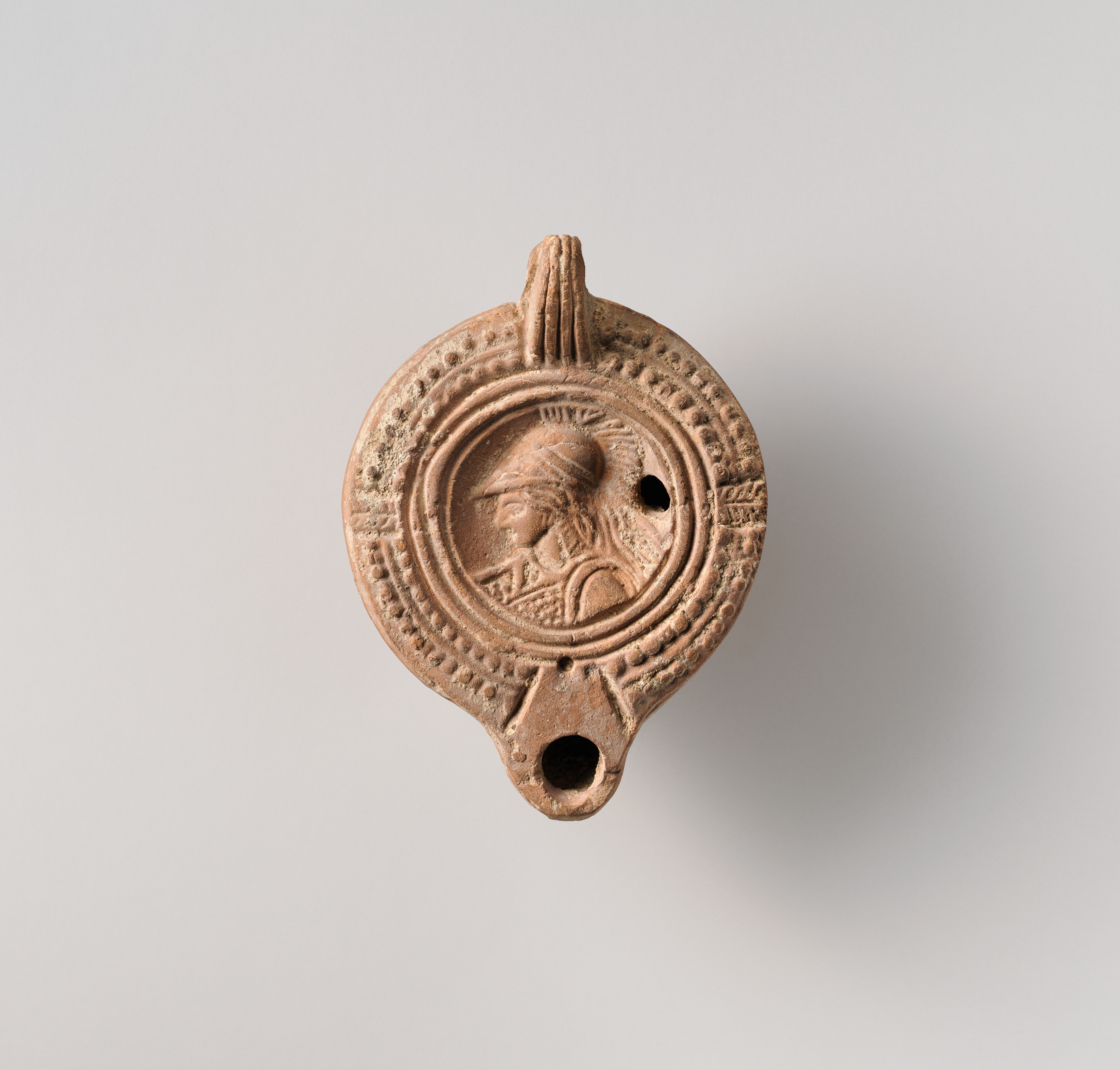
Terracotta oil lamp. Metropolitan Museum of Art. CC0. https://www.wikidata.org/wiki/Q116401934
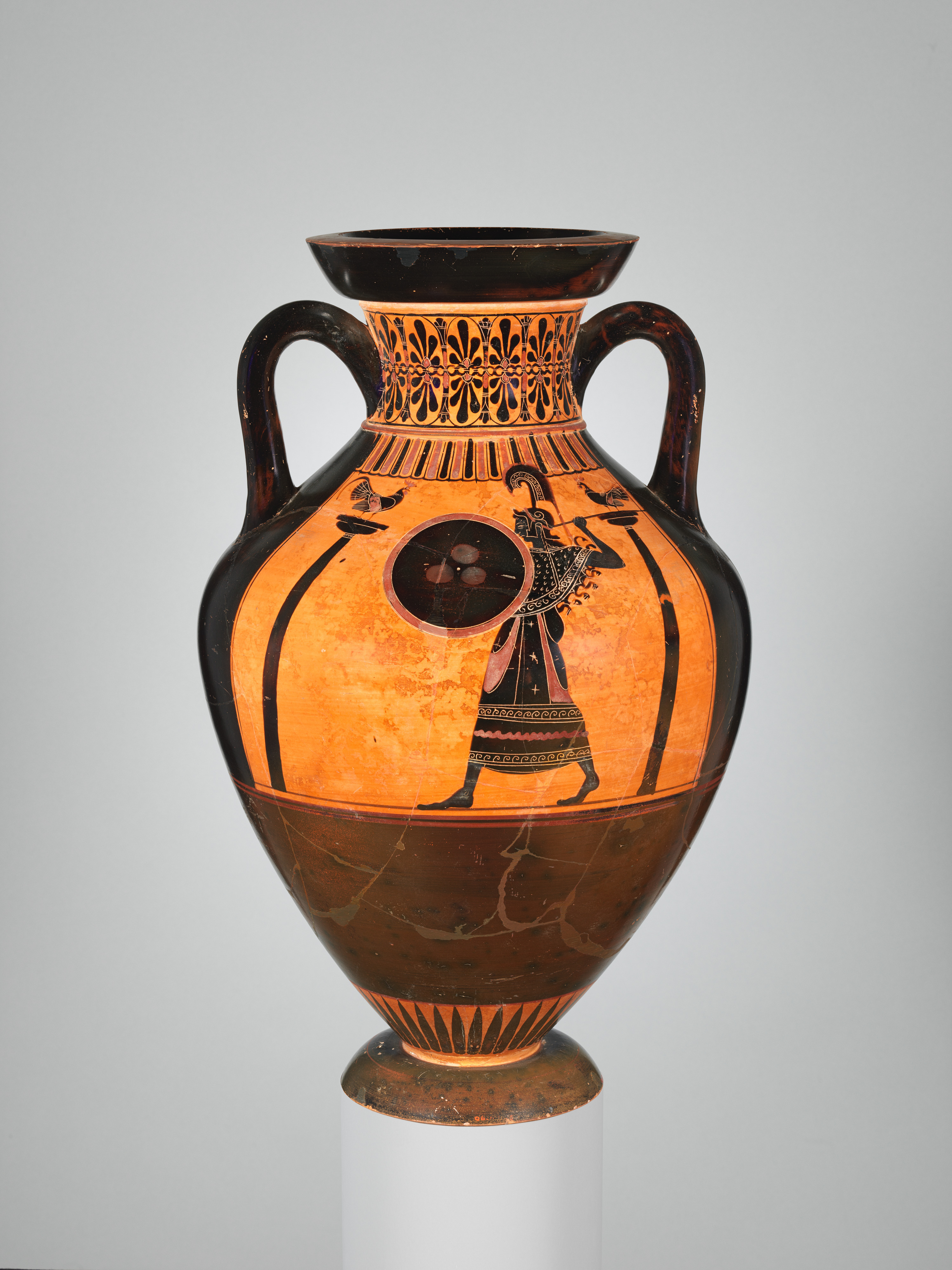
Antimenes Painter. Terracotta neck-amphora (jar) of Panathenaic shape. Metropolitan Museum of Art. CC0. https://www.wikidata.org/wiki/Q116402335
Leagros Group. Terracotta Panathenaic prize amphora (jar). Metropolitan Museum of Art. CC0. https://www.wikidata.org/wiki/Q116402385
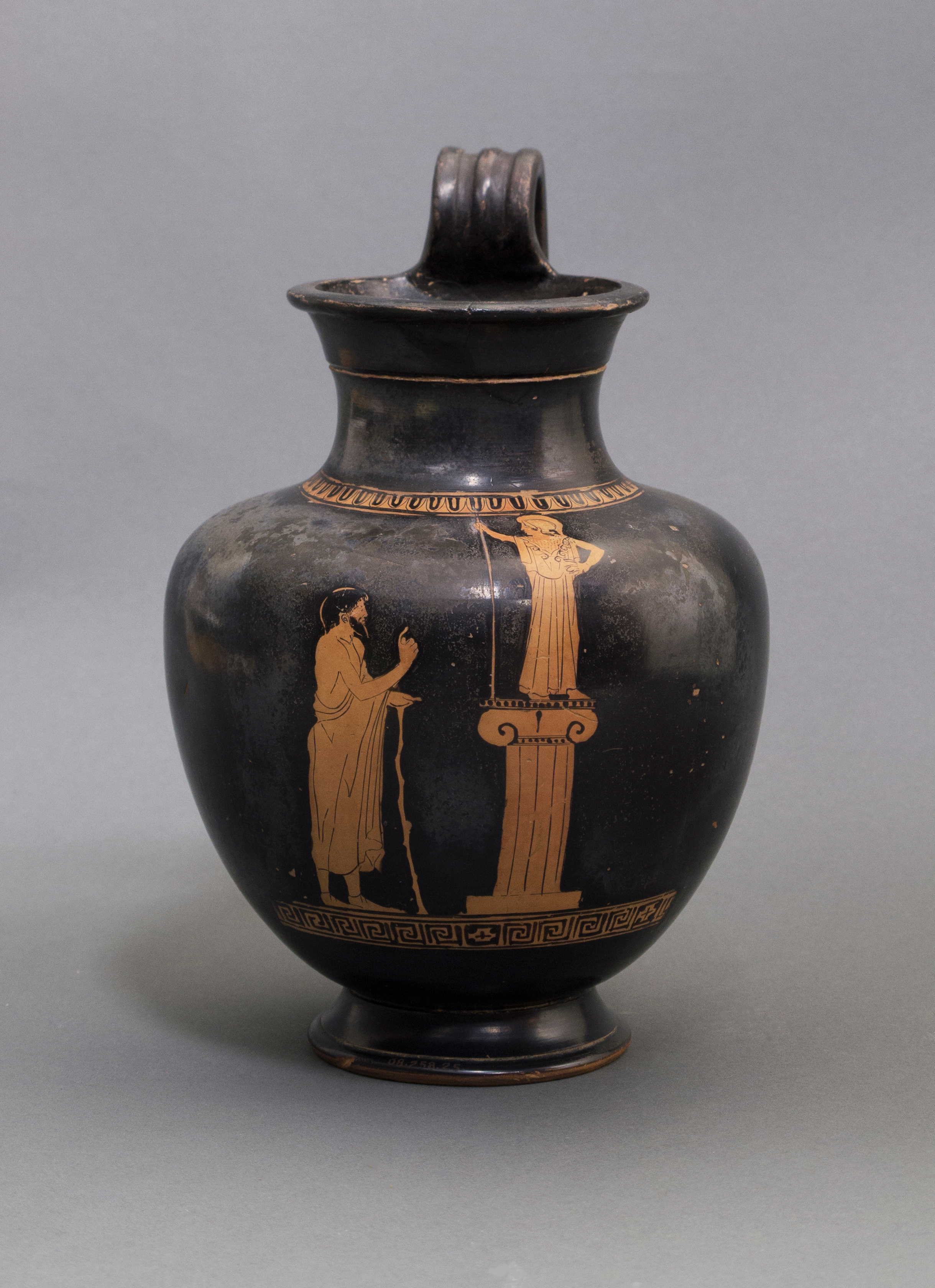
Group of Berlin 2415. Terracotta oinochoe: olpe (jug). Metropolitan Museum of Art. CC0. https://www.wikidata.org/wiki/Q116402406
Statuette of the Greek goddess Athena wearing a helmet. Museo Egizio. CC0. https://www.wikidata.org/wiki/Q117233305

Exaleiptron tripode attique à figures noires - Musée du Louvre AGER CA 616 - photo 2. Department of Greek, Etruscan, and Roman Antiquities of the Louvre. CC0. https://www.wikidata.org/wiki/Q118369340

Stamnos Fould - Musée du Louvre AGER CA 6529. Department of Greek, Etruscan, and Roman Antiquities of the Louvre. CC0. https://www.wikidata.org/wiki/Q122278012

Samuel Luna López. Samuel Luna López (1907) Círculo de Contribuyentes. Círculo de Contribuyentes. Public domain. https://www.wikidata.org/wiki/Q124211978

Athéna - Musée du Louvre AGER CA 1835. Department of Greek, Etruscan, and Roman Antiquities of the Louvre. CC0. https://www.wikidata.org/wiki/Q124308372

Athena. CC BY-SA 4.0. https://www.wikidata.org/wiki/Q124849908

Amphora. Department of Greek, Etruscan, and Roman Antiquities of the Louvre. CC BY 4.0. https://www.wikidata.org/wiki/Q12882780

Kittos Group. Terracotta Panathenaic prize amphora. Metropolitan Museum of Art. CC0. https://www.wikidata.org/wiki/Q12882781

Nasser Azam. Athena. CC BY-SA 2.0. https://www.wikidata.org/wiki/Q130596905

2024-10-26 Führung durch das Martin von Wagner Museum Würzburg 48. Martin von Wagner Museum. CC BY-SA 4.0. https://www.wikidata.org/wiki/Q131056179

Athena Albani. Naples National Archaeological Museum. CC BY 3.0. https://www.wikidata.org/wiki/Q131546434

Athena Giustiniani. Torlonia Museum. CC BY 2.0. https://www.wikidata.org/wiki/Q131546437

Achille. Naples National Archaeological Museum. Public domain. https://www.wikidata.org/wiki/Q131697184

0 Amphore panathénaïque - 2003.2.187 AN 49 - Boulogne-sur-Mer. château-musée de Boulogne-sur-Mer. CC BY 4.0. https://www.wikidata.org/wiki/Q133539656

Johannes Benk. AT-13763 Kuppelfigur Athene am Kunsthistorischen Museum 8970. CC BY-SA 4.0. https://www.wikidata.org/wiki/Q134788187

Афина Пирейская. Archaeological Museum of Piraeus. CC BY 4.0. https://www.wikidata.org/wiki/Q17105272

Aimé Millet. Cassandra Placing Herself under the Protection of Pallas. Musée d'Orsay. CC BY-SA 3.0. https://www.wikidata.org/wiki/Q18147647

Carl Kundmann. Pallas Athene Fountain. CC BY-SA 4.0. https://www.wikidata.org/wiki/Q18629666

Афина Маттеи. Department of Greek, Etruscan, and Roman Antiquities of the Louvre. Public domain. https://www.wikidata.org/wiki/Q18667700

Athéna Hope-Farnèse. Department of Greek, Etruscan, and Roman Antiquities of the Louvre. Public domain. https://www.wikidata.org/wiki/Q20019930

Edward Burne-Jones. The Call of Perseus. Southampton City Art Gallery. Public domain. https://www.wikidata.org/wiki/Q20198426

Athena Parthenos. Department of Greek, Etruscan, and Roman Antiquities of the Louvre. Public domain. https://www.wikidata.org/wiki/Q20669404

Athena of the Odescalchi type. Department of Greek, Etruscan, and Roman Antiquities of the Louvre. CC0. https://www.wikidata.org/wiki/Q20669409

Athéna à la ciste. Department of Greek, Etruscan, and Roman Antiquities of the Louvre. Public domain. https://www.wikidata.org/wiki/Q20669486

Athena de Myron N2208. Department of Greek, Etruscan, and Roman Antiquities of the Louvre. CC BY-SA 3.0. https://www.wikidata.org/wiki/Q20669487

Phidias. Афина Парфенос. CC BY-SA 4.0. https://www.wikidata.org/wiki/Q2070605

Philippe-Laurent Roland. Athena. CC BY-SA 3.0. https://www.wikidata.org/wiki/Q23640105

Suessula Painter. Attic red-figure neck amphora. Department of Greek, Etruscan, and Roman Antiquities of the Louvre. CC0. https://www.wikidata.org/wiki/Q26982284

C Painter. tripod vase. Palais des Beaux-Arts de Lille. CC BY-SA 3.0 fr. https://www.wikidata.org/wiki/Q28861940

Tetradrachm (2000.15.77). Musée Saint-Raymond. Public domain. https://www.wikidata.org/wiki/Q29043234

Gorgon Painter. Dinos of the Gorgon Painter. Department of Greek, Etruscan, and Roman Antiquities of the Louvre. CC0. https://www.wikidata.org/wiki/Q3028443

Endoeus. Statue of Athena. CC BY-SA 2.5. https://www.wikidata.org/wiki/Q3968666

Plat avec en scène de médaillon Athéna combattant le géant Encelade - Musée du Louvre AGER CA 3662. Department of Greek, Etruscan, and Roman Antiquities of the Louvre. CC0. https://www.wikidata.org/wiki/Q50295480

Athena statue in Volos. CC BY-SA 4.0. https://www.wikidata.org/wiki/Q56237232

Gustav Klimt. плакат Венского сецессиона. Vienna Museum. Public domain. https://www.wikidata.org/wiki/Q62067118

manufacture de Sarreguemines. Pallas Athéna - 2007.13. musées de Sarreguemines. CC BY-SA 4.0. https://www.wikidata.org/wiki/Q64416387

statue on Gran Vía 4. CC0. https://www.wikidata.org/wiki/Q65670646

Phidias. Афина Промахос. Public domain. https://www.wikidata.org/wiki/Q755221

Arméns centrum för ledarskap vapen. CC BY-SA 4.0. https://www.wikidata.org/wiki/Q87206249

Edward Hodges Baily. Pallas Athene. CC BY-SA 2.0. https://www.wikidata.org/wiki/Q89271625

Louvre MN705. Department of Greek, Etruscan, and Roman Antiquities of the Louvre. Public domain. https://www.wikidata.org/wiki/Q9492502

Bust of Athena, Yale University Art Gallery, inv. 1938.5360. Yale University Art Gallery. CC0. https://www.wikidata.org/wiki/Q100310163

Overview of statue of Athena in Castle park in Jaroměřice nad Rokytnou, Třebíč District. CC BY-SA 4.0. https://www.wikidata.org/wiki/Q112031450

Overview of statue of Athena near Jemnice Castle in Jemnice, Třebíč District. CC BY-SA 4.0. https://www.wikidata.org/wiki/Q113438538

Coupe avec en médaillon Cassandre et Ajax - Musée du Louvre AGER Cp 937 ; G 458. Department of Greek, Etruscan, and Roman Antiquities of the Louvre. CC0. https://www.wikidata.org/wiki/Q115474468

Marble sarcophagus with the contest between the Muses and the Sirens. Metropolitan Museum of Art. CC0. https://www.wikidata.org/wiki/Q116250552

Steelyard Weight with the Bust of Athena. Metropolitan Museum of Art. CC0. https://www.wikidata.org/wiki/Q116274524

Lead figure of a goddess with spear and aegis, possibly Athena. Metropolitan Museum of Art. CC0. https://www.wikidata.org/wiki/Q116287359

Lead figure of a goddess with spear, probably Athena. Metropolitan Museum of Art. CC0. https://www.wikidata.org/wiki/Q116287362

MET, 61.11.3 Bronze candelabrum. Metropolitan Museum of Art. CC0. https://www.wikidata.org/wiki/Q116288854

Terracotta vase with relief decoration. Metropolitan Museum of Art. CC0. https://www.wikidata.org/wiki/Q116289005

Terracotta vase with relief decoration. Metropolitan Museum of Art. CC0. https://www.wikidata.org/wiki/Q116289007

Euthymides, Potter. Two fragments of a terracotta oinochoe, joins 1981.11.9. Metropolitan Museum of Art. CC0. https://www.wikidata.org/wiki/Q116292855

Minerve Ingres-Athéna Médicis - Musée du Louvre AGER Ma 3070 ; MND 990. Department of Greek, Etruscan, and Roman Antiquities of the Louvre. CC0. https://www.wikidata.org/wiki/Q118225261

Athéna combattant - Musée du Louvre AGER MNC 2215 ; Br 145. Department of Greek, Etruscan, and Roman Antiquities of the Louvre. CC0. https://www.wikidata.org/wiki/Q118390400

Niobid Painter. Œnochoé à figures rouges avec décor d'Héraclès et Athéna - Musée du Louvre AGER LP 2001 ; N 3415 ; L 62. Department of Greek, Etruscan, and Roman Antiquities of the Louvre. CC0. https://www.wikidata.org/wiki/Q123265824

Andokides painter. Amphore d'Andokidès - Musée du Louvre AGER LP 1265 ; N 3396 ; F 204. Department of Greek, Etruscan, and Roman Antiquities of the Louvre. CC0. https://www.wikidata.org/wiki/Q123765767

Leagros Group. Storage jar with Herakles carrying the Erymanthean boar. J. Paul Getty Museum. CC0. https://www.wikidata.org/wiki/Q125154185

Stephan Walter. attic figures Pallas Athena, blacksmith, warrior, Justitia. CC BY-SA 3.0. https://www.wikidata.org/wiki/Q130677827

Group of Boston 00.348. Terracotta column-krater (bowl for mixing wine and water). Metropolitan Museum of Art. CC0. https://www.wikidata.org/wiki/Q29383910

Musée Saint-Raymond, 2000 15 129. Musée Saint-Raymond. CC BY-SA 4.0. https://www.wikidata.org/wiki/Q29401431

Musée Saint-Raymond, 98 4 38. Musée Saint-Raymond. CC BY-SA 4.0. https://www.wikidata.org/wiki/Q29975604

Painter of Vatican G 49. Musée Saint-Raymond, 26480. Musée Saint-Raymond. CC BY-SA 4.0. https://www.wikidata.org/wiki/Q55656052

Афина с эгидой. Antikensammlung Berlin. CC BY 3.0. https://www.wikidata.org/wiki/Q755224

Musée Saint-Raymond, 2000 15 131. Musée Saint-Raymond. CC BY-SA 4.0. https://www.wikidata.org/wiki/Q83563917

Niobid Painter. Кратер Ниобид. Department of Greek, Etruscan, and Roman Antiquities of the Louvre. CC BY-SA 4.0. https://www.wikidata.org/wiki/Q107591697

Boreads Painter. Terracotta kylix (drinking cup). Metropolitan Museum of Art. CC0. https://www.wikidata.org/wiki/Q116282713

Bateman Group. Terracotta amphora (jar). Metropolitan Museum of Art. CC0. https://www.wikidata.org/wiki/Q116288099

Antimenes Painter. Terracotta amphora (jar). Metropolitan Museum of Art. CC0. https://www.wikidata.org/wiki/Q116288134

Antimenes Painter. Terracotta amphora (jar). Metropolitan Museum of Art. CC0. https://www.wikidata.org/wiki/Q116289439

Group of B.M. F 308. Terracotta hydria (water jar). Metropolitan Museum of Art. CC0. https://www.wikidata.org/wiki/Q116289622

Painter of the Nicosia Olpe. Terracotta kylix (drinking cup). Metropolitan Museum of Art. CC0. https://www.wikidata.org/wiki/Q116289965

Antimenes Painter. Terracotta neck-amphora (jar). Metropolitan Museum of Art. CC0. https://www.wikidata.org/wiki/Q116290131

Leagros Group. Terracotta hydria (water jar). Metropolitan Museum of Art. CC0. https://www.wikidata.org/wiki/Q116290234

Group of Toronto 305. Terracotta amphora (jar). Metropolitan Museum of Art. CC0. https://www.wikidata.org/wiki/Q116291547

Nausicaä Painter. Terracotta hydria: kalpis (water jar). Metropolitan Museum of Art. CC0. https://www.wikidata.org/wiki/Q116293993

Terracotta neck-amphora (jar). Metropolitan Museum of Art. CC0. https://www.wikidata.org/wiki/Q116295108

Terracotta neck-amphora (jar). Metropolitan Museum of Art. CC0. https://www.wikidata.org/wiki/Q116296680

Onesimos. Attic red-figure cup. Department of Greek, Etruscan, and Roman Antiquities of the Louvre. CC0. https://www.wikidata.org/wiki/Q26690071

Heidelberg Painter. Name vase of the Heidelberg Painter. Museum of Antiquities of the University of Heidelberg. CC BY-SA 4.0. https://www.wikidata.org/wiki/Q27160254

Andokides. Belly Amphora by the Andokides Painter. Staatliche Antikensammlungen. Public domain. https://www.wikidata.org/wiki/Q540716

Kleophon Painter. Cratere-en-calice. Calvet Museum. CC BY-SA 4.0. https://www.wikidata.org/wiki/Q58452875

Orchard Painter. Terracotta column-krater (bowl for mixing wine and water). Metropolitan Museum of Art. CC0. https://www.wikidata.org/wiki/Q116241668

Terracotta bell-krater (bowl for mixing wine and water). Metropolitan Museum of Art. CC0. https://www.wikidata.org/wiki/Q116288215

Terracotta calyx-krater (bowl for mixing wine and water). Metropolitan Museum of Art. CC0. https://www.wikidata.org/wiki/Q116289370

Terracotta calyx-krater (bowl for mixing wine and water). Metropolitan Museum of Art. CC0. https://www.wikidata.org/wiki/Q116292523

Aristophanes. kylix with gigantomachy, Berlin F 2531. Antikensammlung Berlin. CC BY-SA 4.0. https://www.wikidata.org/wiki/Q122802954

Nazzano Painter. Cratère en calice à figures avec décor d'Athéna et Poséidon au milieu de divinités et de Ménade et satyres - peintre de Nazzano - Musée du Louvre AGER MNE 997 ; CA 7426. Department of Greek, Etruscan, and Roman Antiquities of the Louvre. CC0. https://www.wikidata.org/wiki/Q123906655

Lykomedes Painter. Water jar with Herakles and Apollo fighting over the Delphic tripod. J. Paul Getty Museum. CC0. https://www.wikidata.org/wiki/Q125164003

Musée Saint-Raymond, 26102. Musée Saint-Raymond. CC0. https://www.wikidata.org/wiki/Q28533205

Diosphos Painter. Terracotta neck-amphora with double handles. Metropolitan Museum of Art. CC0. https://www.wikidata.org/wiki/Q47451092

Euphiletos Painter. Hydrie avec décor d'Achille et Ajax jouant aux dés - Musée du Louvre AGER Cp 126 ; F 290. Department of Greek, Etruscan, and Roman Antiquities of the Louvre. CC0. https://www.wikidata.org/wiki/Q50294369
04 / PROVENANCE
Sources and verification
The character is matched to the catalogue.
- Wikipedia · Athena · CC BY-SA 4.0
Excerpt; remaining sentences omitted.
Reference material remains distinct from the poem’s assertions. Characters who share a name retain separate pages.