Asius
Mortal man
A character named in Homer's Iliad. The English introduction is not yet available.
Explore on the graph- Mentions
- 12
- Connected characters
- 3
- Books
- 3


Mentions in the Iliad
A. T. Murray, Loeb Classical Library, Harvard University Press, 1924 · Homer, Iliad with an English Translation · CC BY-SA 3.0 US
“And they that dwelt about Percote and Practius, and that held Sestus and Abydus and goodly Arisbe, these again were led by Hyrtacus' son Asius, a leader of men—Asius, son of Hyrtacus, whom his horses tawny and tall had borne from Arisbe, from the river Selleïs.”
“sons twain of Priam; and a third was with them, the warrior Asius,—Asius son of Hyrtacus, whom his horses tawny and great had borne from Arisbe, from the river Selleïs. And of the fourth company the valiant son of Anchises was leader, even Aeneas, and with him were Antenor's two sons,”
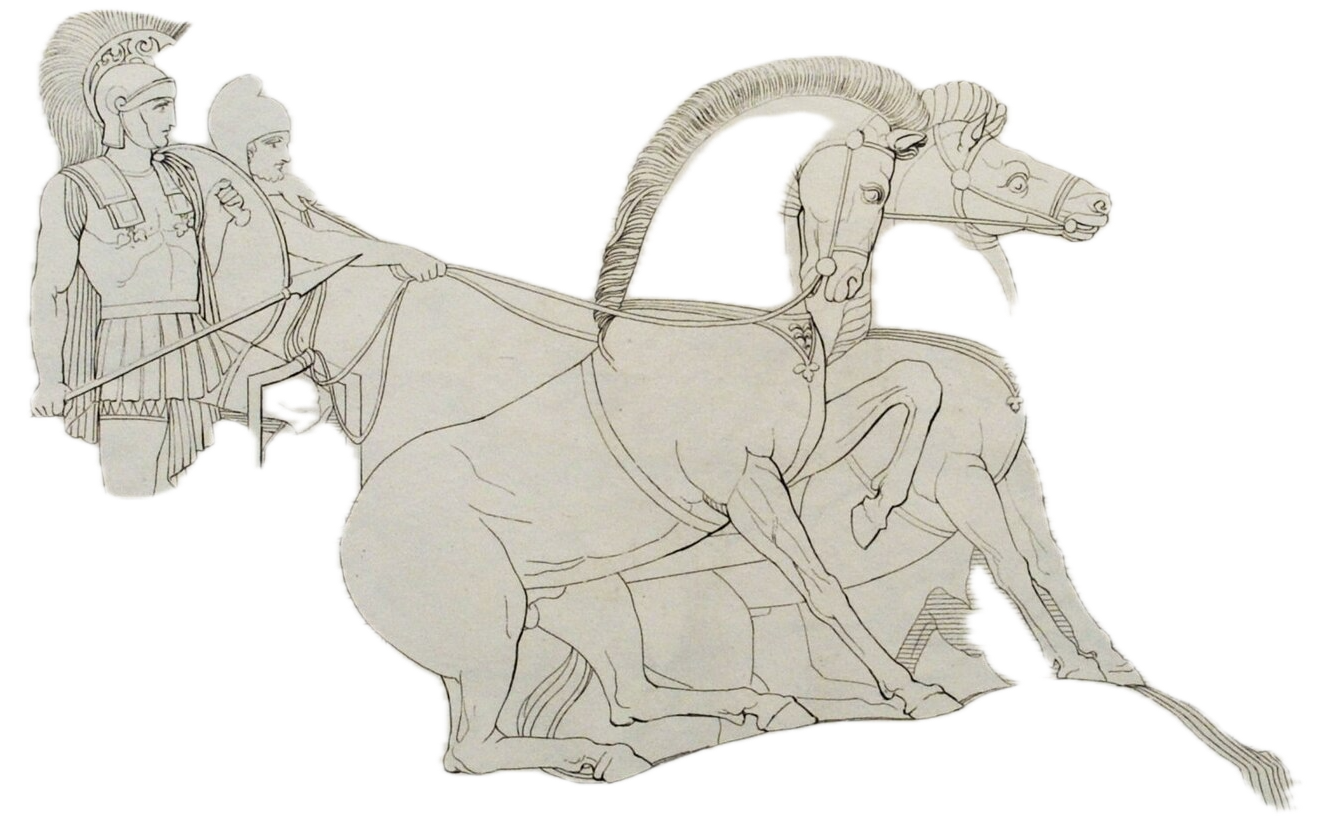
“but Asius, son of Hyrtacus, leader of men, was not minded to leave there his horses and his squire the charioteer, but chariot and all he drew nigh to the swift ships, fool that he was! for he was not to escape the evil fates, and return, glorying in horses and chariot,”
“even so these twain, trusting in the might of their arms, abode the oncoming of great Asius, and fled not. But their foes came straight against the well-built wall, lifting on high their shields of dry bull's-hide with loud shouting, round about king Asius, and Iamenus, and Orestes,”
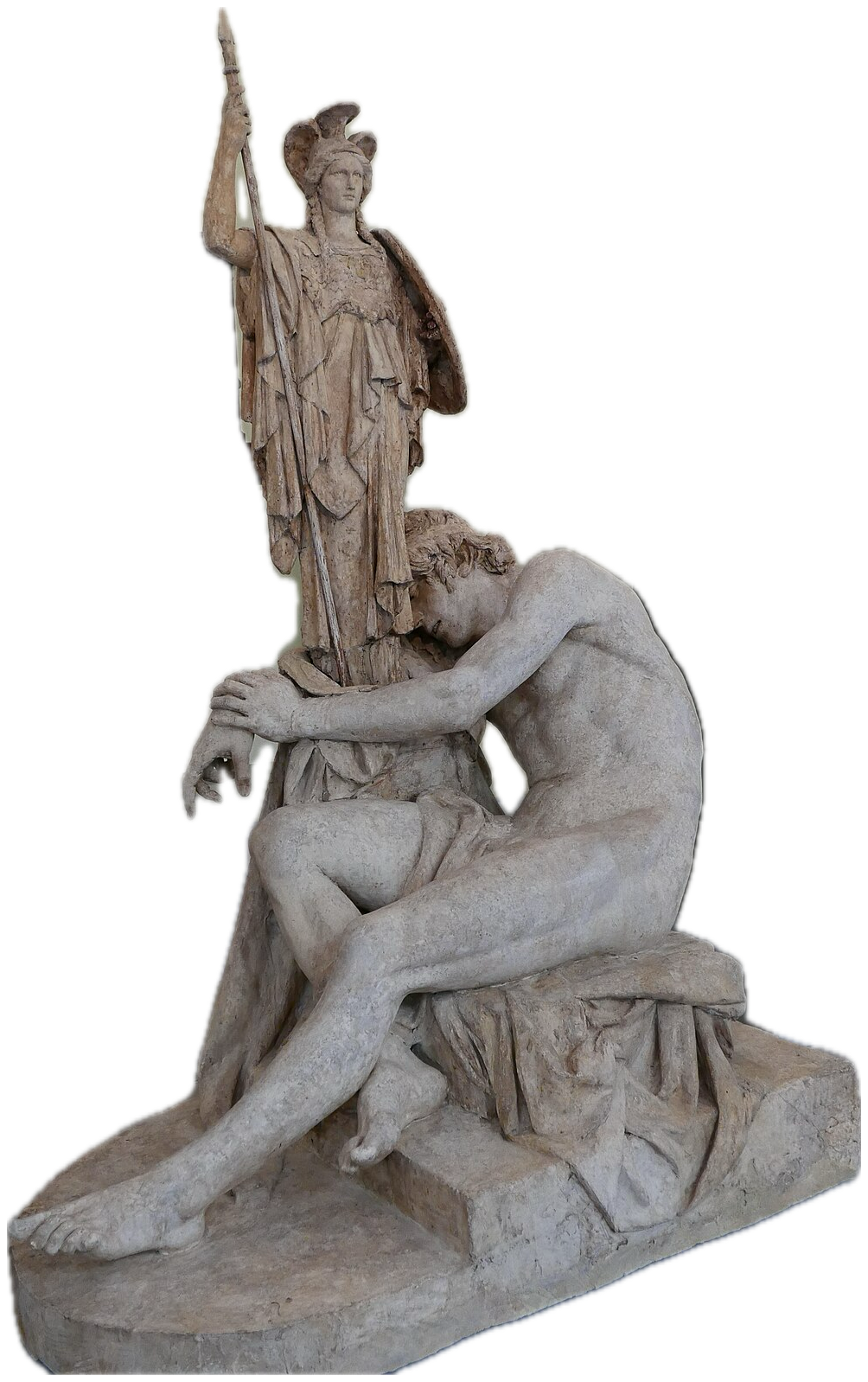
“alike and Trojans; and helms rang harshly and bossed shields, as they were smitten with great stones. Then verily Asius, son of Hyrtacus, uttered a groan, and smote both his thighs, and in sore indignation he spake, saying: Father Zeus, of a surety thou too then art utterly a lover of lies,”

“if only thou wilt make cause with us and sack the well-peopled city of Ilios. Nay, follow with us, that at the seafaring ships we may make agreement about the marriage, for thou mayest be sure we deal not hardly in exacting gifts of wooing. So saying, the warrior Idomeneus dragged him by the foot through the mighty conflict. But Asius came to bear aid to Othryoneus,”
“and the horses Antilochus, son of great-souled Nestor, drave forth from the Trojans into the host of the well-greaved Achaeans. Then Deïphobus in sore grief for Asius drew very nigh to Idomeneus, and cast at him with his bright spear. Howbeit Idomeneus, looking steadily at him, avoided the spear of bronze,”
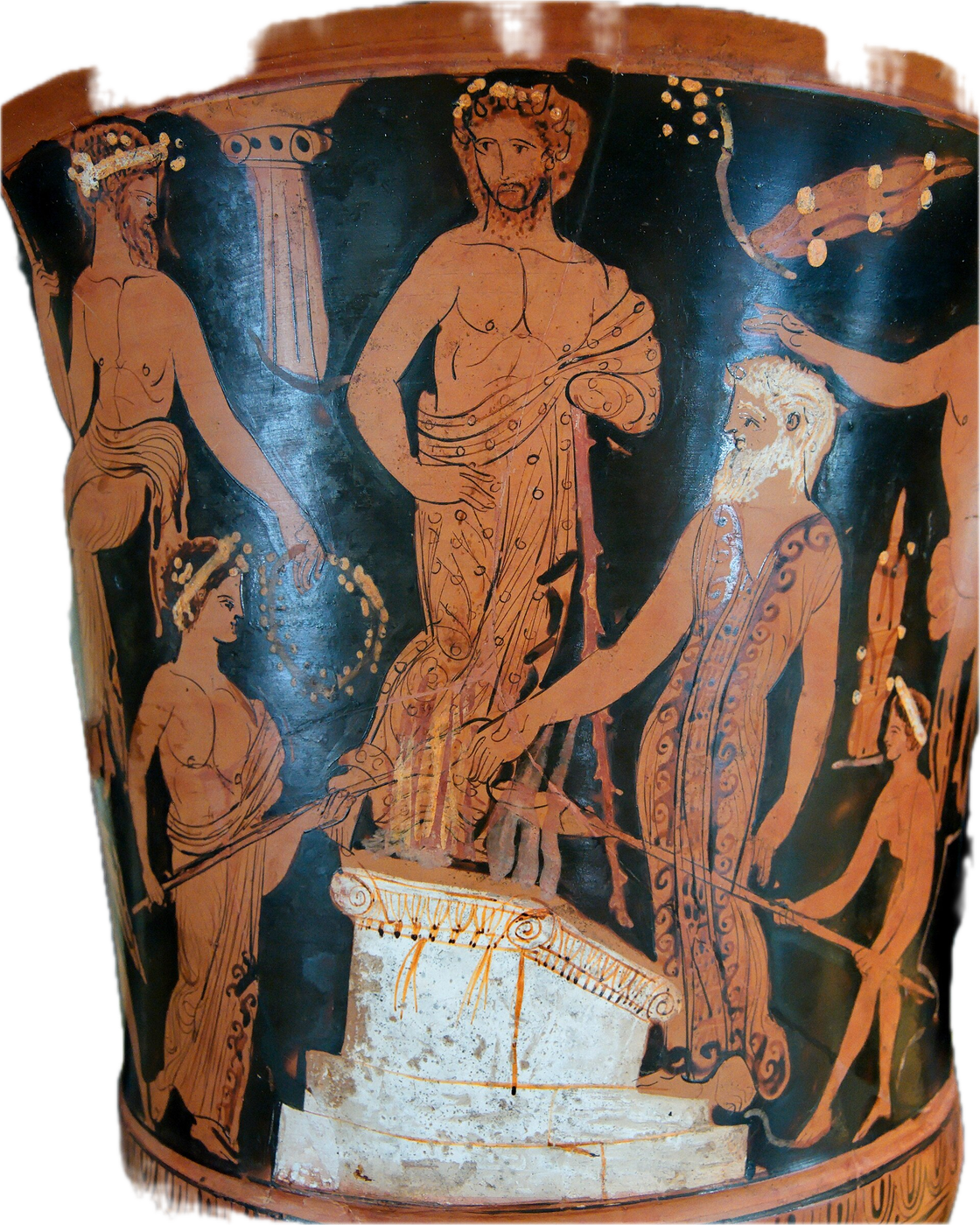
See all 11
“Yet nowise in vain did Deïphobus let the spear fly from his heavy hand, but he smote Hypsenor, son of Hippasus, shepherd of the people, in the liver beneath the midriff, and straightway loosed his knees. And Deïphobus exulted over him in terrible wise, and cried aloud: Hah, in good sooth not unavenged lies Asius; nay, methinks,”
“But as he was aiming amid the throng he was not unmarked of Adamas, son of Asius, who smote him full upon the shield with a thrust of the sharp bronze, setting upon him from nigh at hand. But the spear-point was made of none avail by Poseidon, the dark-haired god,”
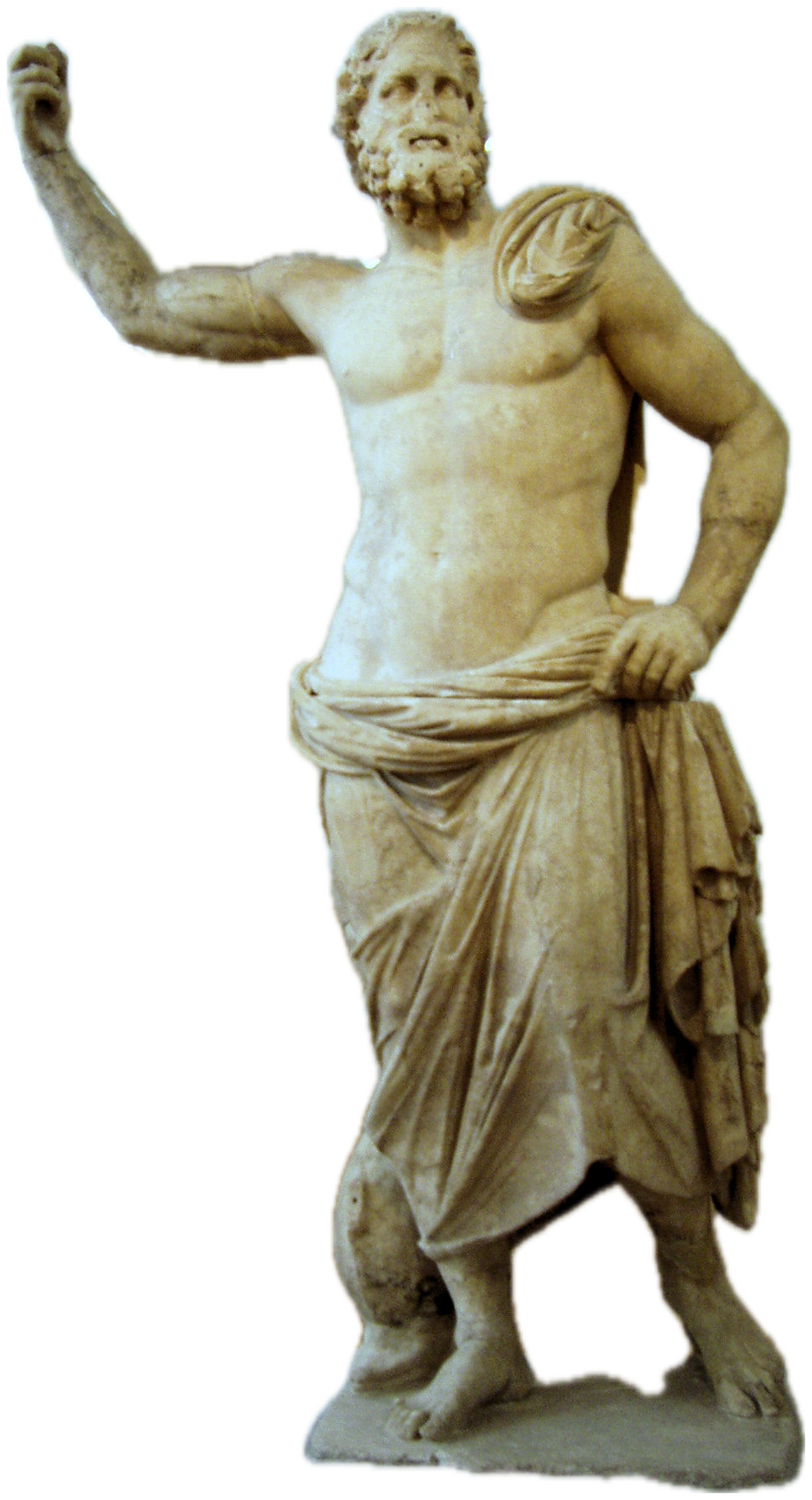
“and with loud shouting sped he through the Trojans and allies. And they hasted one and all toward the kindly Polydamas, son of Panthous when they heard the voice of Hector. But he ranged through the foremost fighters, in quest of Deïphobus, and the valiant prince Helenus, and Adamas, son of Asius, and Asius, son of Hyrtacus,”

“where, I pray thee, is Deïphobus, and the valiant prince Helenus, and Adamas, son of Asius, and Asius, son of Hyrtacus? Aye, and where, tell me, is Othryoneus? Now is steep Ilios wholly plunged into ruin; now, thou mayest see, is utter destruction sure. Then spake unto him again godlike Alexander:”
Connections
Father · Sources
Father · Sources
And they that dwelt about Percote and Practius, and that held Sestus and Abydus and goodly Arisbe, these again were led by Hyrtacus' son Asius, a leader of men—Asius, son of Hyrtacus, whom his horses tawny and tall had borne from Arisbe, from the river Selleïs.
alike and Trojans; and helms rang harshly and bossed shields, as they were smitten with great stones. Then verily Asius, son of Hyrtacus, uttered a groan, and smote both his thighs, and in sore indignation he spake, saying: Father Zeus, of a surety thou too then art utterly a lover of lies,
where, I pray thee, is Deïphobus, and the valiant prince Helenus, and Adamas, son of Asius, and Asius, son of Hyrtacus? Aye, and where, tell me, is Othryoneus? Now is steep Ilios wholly plunged into ruin; now, thou mayest see, is utter destruction sure. Then spake unto him again godlike Alexander:
Il. 2.837–838 · Il. 12.163 · Il. 13.771
Son · Sources
Son · Sources
and Adamas, son of Asius, and Thoön and Oenomaus. And the Lapiths for a time from within the wall had been rousing the well-greaved Achaeans to fight in defence of the ships; but when they saw the Trojans rushing upon the wall, while the Danaans with loud cries turned in flight,
But as he was aiming amid the throng he was not unmarked of Adamas, son of Asius, who smote him full upon the shield with a thrust of the sharp bronze, setting upon him from nigh at hand. But the spear-point was made of none avail by Poseidon, the dark-haired god,
if haply he might find them. But he found them no more in any wise unscathed or free from bane, but some were lying at the sterns of the ships of the Achaeans, slain by the hands of the Argives, and some were within the wall, smitten by darts or wounded with spear-thrusts.
Il. 12.140 · Il. 13.560 · Il. 13.760 · Il. 13.771
Literary link · Sources
Literary link · Sources
alike and Trojans; and helms rang harshly and bossed shields, as they were smitten with great stones. Then verily Asius, son of Hyrtacus, uttered a groan, and smote both his thighs, and in sore indignation he spake, saying: Father Zeus, of a surety thou too then art utterly a lover of lies,
Il. 12.164
See all 3
In art
See all 0
There is nothing in this section yet.
04 / PROVENANCE
Sources and verification
The character is matched to the catalogue.
Reference material remains distinct from the poem’s assertions. Characters who share a name retain separate pages.