Aphrodite
Goddess
Aphrodite ( ) is an ancient Greek goddess associated with love and beauty. Aphrodite's main cult centers were Cythera, Cyprus, Corinth, and Athens.
Explore on the graph- Mentions
- 32
- Connected characters
- 28
- Books
- 12


Mentions in the Iliad
A. T. Murray, Loeb Classical Library, Harvard University Press, 1924 · Homer, Iliad with an English Translation · CC BY-SA 3.0 US
“even Aeneas, whom fair Aphrodite conceived to Anchises amid the spurs of Ida, a goddess couched with a mortal man. Not alone was he; with him were Antenor's two sons, Archelochus and Acamas, well skilled in all manner of fighting. And they that dwelt in Zeleia beneath the nethermost foot of Ida,”
“but to thy father and city and all the people a grievous bane—to thy foes a joy, but to thine own self a hanging down of the head? Wilt thou indeed not abide Menelaus, dear to Ares? Thou wouldest learn what manner of warrior he is whose lovely wife thou hast. Then will thy lyre help thee not, neither the gifts of Aphrodite,”
“ever is thy heart unyielding, even as an axe that is driven through a beam by the hand of man that skilfully shapeth a ship's timber, and it maketh the force of his blow to wax; even so is the heart in thy breast undaunted—cast not in my teeth the lovely gifts of golden Aphrodite.”
“and whirling him about began to drag him towards the well-greaved Achaeans; and Paris was choked by the richly-broidered strap beneath his soft throat, that was drawn tight beneath his chin to hold his helm. And now would Menelaus have dragged him away, and won glory unspeakable, had not Aphrodite, daughter of Zeus, been quick to see,”
“So spake she, and stirred Helen's heart in her breast; and when she marked the beauteous neck of the goddess, her lovely bosom, and her flashing eyes, then amazement seized her, and she spake, and addressed her, saying: Strange goddess, why art thou minded to beguile me thus?”
“But thither will I not go—it were a shameful thing—to array that man's couch; all the women of Troy will blame me hereafter; and I have measureless griefs at heart. Then stirred to wrath fair Aphrodite spake to her: Provoke me not, rash woman, lest I wax wroth and desert thee,”
“whereas by the side of that other laughter-loving Aphrodite ever standeth, and wardeth from him fate, and but now she saved him, when he thought to perish. But of a surety victory rests with Menelaus, dear to Ares; let us therefore take thought how these things are to be;”
See all 32
“do not thou in any wise fight face to face with any other immortal gods, save only if Aphrodite, daughter of Zeus, shall enter the battle, her do thou smite with a thrust of the sharp bronze. When she had thus spoken, the goddess, flashing-eyed Athene, departed, and the son of Tydeus returned again and mingled with the foremost fighters;”
“endued with measureless strength. The one is well skilled with the bow, even Pandarus, and moreover avoweth him to be the son of Lycaon; while Aeneas avoweth himself to be born of peerless Anchises, and his mother is Aphrodite. Nay, come, let us give ground on the car, neither rage thou thus,”
“upon the earth; and dark night enfolded his eyes. And now would the king of men, Aeneas, have perished, had not the daughter of Zeus, Aphrodite, been quick to mark, even his mother, that conceived him to Anchises as he tended his kine. About her dear son she flung her white arms,”
“and before him she spread a fold of her bright garment to be a shelter against missiles, lest any of the Danaans with swift horses might hurl a spear of bronze into his breast and take away his life. She then was bearing her dear son forth from out the battle; but the son of Capaneus forgat not”
“He the while had gone in pursuit of Cypris with his pitiless bronze, discerning that she was a weakling goddess, and not one of those that lord it in the battle of warriors,—no Athene she, nor Enyo, sacker of cities. But when he had come upon her as he pursued her through the great throng,”
“but fair Aphrodite flung herself upon the knees of her mother Dione. She clasped her daughter in her arms, and stroked her with her hand and spake to her, saying: Who now of the sons of heaven, dear child, hath entreated thee thus wantonly, as though thou wert working some evil before the face of all?”
“To her then made answer laughter-loving Aphrodite: Tydeus' son, Diomedes high of heart, wounded me, for that I was bearing forth from out the war my dear son Aeneas, who is in my eyes far the dearest of all men. For no longer is the dread battle one between Trojans and Achaeans;”
“And among them the goddess flashing-eyed Athene was first to speak: Father Zeus, wilt thou anywise be wroth with me for the word that I shall say? Of a surety now Cypris has been urging some one of the women of Achaea to follow after the Trojans, whom now she so wondrously loveth; and while stroking such a one of the fair-robed women of Achaea,”
“Ares, Ares, thou bane of mortals, thou blood-stained stormer of walls, wilt thou not now enter into the battle and withdraw this man therefrom, this son of Tydeus, who now would fight even against father Zeus? Cypris first hath he wounded in close fight on the hand at the wrist, and thereafter rushed he upon mine own self like unto a god.”
“Then the goddess, white-armed Hera, stayed the horses, and made question of Zeus most high, the son of Cronos, and spake to him: Father Zeus, hast thou no indignation with Ares for these violent deeds, that he hath destroyed so great and so goodly a host of the Achaeans recklessly and in no seemly wise to my sorrow;”
“but if Aphrodite the daughter of Zeus should enter the battle, her thou badest me smite with the sharp bronze. Therefore it is that I now give ground myself and have given command to all the rest of the Argives to be gathered here likewise; for I discern Ares lording it over the battle-field.”
“but rather settest her on, for that this pestilent maiden is thine own child. Now hath she set on the son of Tydeus, Diomedes high of heart, to vent his rage upon immortal gods. Cypris first he wounded with a thrust in close fight upon the hand at the wrist, and thereafter rushed upon mine own self as he had been a god.”
“—nay, not though he gave gifts in number as sand and dust; not even so shall Agamemnon any more persuade my soul, until he hath paid the full price of all the despite that stings my heart. And the daughter of Agamemnon, son of Atreus, will I not wed, not though she vied in beauty with golden Aphrodite”
“veil herself, a fair veil, all glistering, and white was it as the sun; and beneath her shining feet she bound her fair sandals. But when she had decked her body with all adornment, she went forth from her chamber, and calling to her Aphrodite, apart from the other gods, she spake to her, saying:”
“ever should I be called dear by them and worthy of reverence. To her again spake in answer laughter-loving Aphrodite: It may not be that I should say thee nay, nor were it seemly; for thou sleepest in the arms of mightiest Zeus. She spake, and loosed from her bosom the broidered zone,”
“curiously-wrought, wherein all things are fashioned; I tell thee thou shalt not return with that unaccomplished, whatsoever in thy heart thou desirest. So spake she, and ox-eyed, queenly Hera smiled, and smiling laid the zone in her bosom. She then went to her house, the daughter of Zeus, Aphrodite,”
“And they bestowed them in the huts, and set the women there, and the horses proud squires drave off to the herd. But Briseis, that was like unto golden Aphrodite, when she had sight of Patroclus mangled with the sharp bronze, flung herself about him and shrieked aloud,”
“and Leto and Xanthus and laughter-loving Aphrodite. Now as long as the gods were afar from the mortal men, even for so long triumphed the Achaeans mightily, seeing Achilles was come forth, albeit he had long kept him aloof from grievous battle; but upon the Trojans came dread trembling on the limbs of every man”
“to the gods that are for ever; for of thee too men say that thou wast born of Aphrodite, daughter of Zeus, while he is sprung from a lesser goddess. For thy mother is daughter of Zeus, and his of the old man of the sea. Nay, bear thou straight against him thy stubborn bronze, nor let him anywise turn thee back with words of contempt and with threatenings.”
“but with sight of eyes hast thou never seen my parents nor I thine. Men say that thou art son of peerless Peleus, and that thy mother was fair-tressed Thetis, a daughter of the sea; but for me, I declare thiat I am son of great-hearted Anchises, and my mother is Aphrodite.”
“When she had thus spoken, she turned from Ares her bright eyes. Him then the daughter of Zeus, Aphrodite, took by the hand, and sought to lead away, as he uttered many a moan, and hardly could he gather back to him his spirit. But when the goddess, white-armed Hera, was ware of her, forthwith she spake winged words to Athene:”
“Out upon it, thou child of Zeus that beareth the aegis, unwearied one, lo, there again the dog-fly is leading Ares, the bane of mortals, forth from the fury of war amid the throng; nay, have after her. So spake she, and Athene sped in pursuit, glad at heart, and rushing upon her she smote Aphrodite on the breast with her stout hand;”
“and the veil that golden Aphrodite had given her on the day when Hector of the flashing helm hed her as his bride forth from the house of Eetion, after he had brought bride-gifts past counting. And round about her came thronging ber husband's sisters and his brothers' wives, who bare her up in their midst, distraught even unto death.”
“nay, the daughter of Zeus, Aphrodite, kept dogs from him by day alike and by night, and with oil anointed she him, rose-sweet, ambrosial, to the end that Achilles might not tear him as he dragged him. And over him Phoebus Apollo drew a dark cloud from heaven to the plain, and covered all the place”
“and Dawn, the saffron-robed, was spreading over the face of all the earth. So they with moaning and wailing drave the horses to the city, and the mules bare the dead. Neither was any other ware of them, whether man or fair-girdled woman; but in truth Cassandra, peer of golden Aphrodite,”
Connections
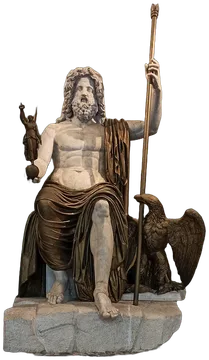
Father · Sources
do not thou in any wise fight face to face with any other immortal gods, save only if Aphrodite, daughter of Zeus, shall enter the battle, her do thou smite with a thrust of the sharp bronze. When she had thus spoken, the goddess, flashing-eyed Athene, departed, and the son of Tydeus returned again and mingled with the foremost fighters;
and saved him in a dark cloud, lest any of the Danaans with swift horses might hurl a spear of bronze into his breast and take away his life. But over her shouted aloud Diomedes good at the war-cry: Keep thee away, daughter of Zeus, from war and fighting. Sufficeth it not that thou beguilest weakling women?
she hath scratched upon her golden brooch her delicate hand. So spake she, but the father of men and gods smiled, and calling to him golden Aphrodite, said: Not unto thee, my child, are given works of war; nay, follow thou after the lovely works of marriage,
Il. 5.131 · Il. 5.348 · Il. 5.427–428 · Il. 5.820 · Il. 14.193 · Il. 14.224 · Il. 20.106
Mother · Sources
but fair Aphrodite flung herself upon the knees of her mother Dione. She clasped her daughter in her arms, and stroked her with her hand and spake to her, saying: Who now of the sons of heaven, dear child, hath entreated thee thus wantonly, as though thou wert working some evil before the face of all?
nay, the Danaans now fight even with the immortals. To her then made answer Dione, the fair goddess: Be of good heart, my child, and endure for all thy suffering; for full many of us that have dwellings on Olympus have suffered at the hands of men, in bringing grievous woes one upon the other.
Il. 5.370–371 · Il. 5.381–382
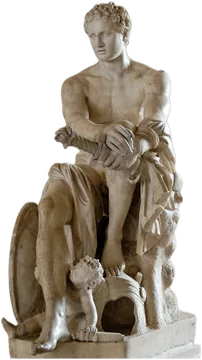
Paternal half-brother · Sources
Квалификация братства/сестринства: Илиада: Общий отец; разные матери подтверждены. Общие родители: Зевс.
Wikidata: Гера — роль родителя · P25 Wikidata: Зевс — роль родителя · P22 Wikidata: Диона — роль родителя · P25 Wikidata: Зевс — роль родителя · P22Anon she found furious Ares abiding on the left of the battle, and upon a cloud was his spear leaning, and at hand were his swift horses twain. Then she fell upon her knees and with instant prayer begged for her dear brother's horses with frontlets of gold: Dear brother, save me, and give me thy horses,
Il. 5.357
Beloved · Sources
Арес и Афродита: прямо подтверждено классическим текстом; связь не выдаётся за брак.
Homer, Odyssey 8 (Theoi Classical Texts Library) · Odyssey 8.267–366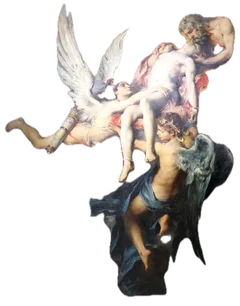
Brother through father · Sources
Братство или сестринство выведено из общего родителя: Зевс. Матери и отцы, не указанные в источнике, не предполагаются. Квалификация братства/сестринства: Илиада: Общий отец подтверждён; сведения о матерях неполны. Различие матерей не установлено. Общие родители: Зевс.
Wikidata: Диона — роль родителя · P25 Wikidata: Зевс — роль родителя · P22 Wikidata: Зевс — пол родителя · P21do not thou in any wise fight face to face with any other immortal gods, save only if Aphrodite, daughter of Zeus, shall enter the battle, her do thou smite with a thrust of the sharp bronze. When she had thus spoken, the goddess, flashing-eyed Athene, departed, and the son of Tydeus returned again and mingled with the foremost fighters;
and saved him in a dark cloud, lest any of the Danaans with swift horses might hurl a spear of bronze into his breast and take away his life. But over her shouted aloud Diomedes good at the war-cry: Keep thee away, daughter of Zeus, from war and fighting. Sufficeth it not that thou beguilest weakling women?
she hath scratched upon her golden brooch her delicate hand. So spake she, but the father of men and gods smiled, and calling to him golden Aphrodite, said: Not unto thee, my child, are given works of war; nay, follow thou after the lovely works of marriage,
Il. 5.131 · Il. 5.348 · Il. 5.427–428 · Il. 5.634–635 · Il. 5.662–672 · Il. 5.675 · Il. 5.820 · Il. 6.198–199 · Il. 12.292 · Il. 12.402–403 · Il. 14.193 · Il. 14.224 · Il. 15.67 · Il. 16.522 · Il. 20.106
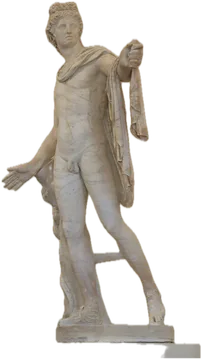
Paternal half-brother · Sources
Братство или сестринство выведено из общего родителя: Зевс. Матери и отцы, не указанные в источнике, не предполагаются. Квалификация братства/сестринства: Илиада: Общий отец; разные матери подтверждены. Общие родители: Зевс.
Wikidata: Диона — роль родителя · P25 Wikidata: Зевс — роль родителя · P22 Wikidata: Лето — роль родителя · P25 Wikidata: Зевс — роль родителя · P22from the time when first they parted in strife Atreus' son, king of men, and brilliant Achilles. Who then of the gods was it that brought these two together to contend? The son of Leto and Zeus; for he in anger against the king roused throughout the host an evil pestilence, and the people began to perish,
do not thou in any wise fight face to face with any other immortal gods, save only if Aphrodite, daughter of Zeus, shall enter the battle, her do thou smite with a thrust of the sharp bronze. When she had thus spoken, the goddess, flashing-eyed Athene, departed, and the son of Tydeus returned again and mingled with the foremost fighters;
and saved him in a dark cloud, lest any of the Danaans with swift horses might hurl a spear of bronze into his breast and take away his life. But over her shouted aloud Diomedes good at the war-cry: Keep thee away, daughter of Zeus, from war and fighting. Sufficeth it not that thou beguilest weakling women?
Il. 1.9 · Il. 5.131 · Il. 5.348 · Il. 5.427–428 · Il. 5.820 · Il. 7.23 · Il. 14.193 · Il. 14.224 · Il. 15.236 · Il. 20.103 · Il. 20.106 · Il. 21.229 · Il. 22.302
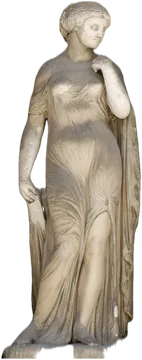
Paternal half-sister · Sources
Братство или сестринство выведено из общего родителя: Зевс. Матери и отцы, не указанные в источнике, не предполагаются. Квалификация братства/сестринства: Илиада: Общий отец; разные матери подтверждены. Общие родители: Зевс.
Гомер, Илиада — роль родителя · Ил. 3.236–238 Wikidata: Зевс — роль родителя · P22 Wikidata: Диона — роль родителя · P25 Wikidata: Зевс — роль родителя · P22His battle-gear lieth upon the bounteous earth, but himself he rangeth like the bell-wether of a herd through the ranks of warriors. Like a ram he seemeth to me, a ram of thick fleece, that paceth through a great flock of white ewes. To him made answer Helen, sprung from Zeus:
and hate thee, even as now I love thee wondrously; and lest I devise grievous hatred between both, Trojans alike and Danaans; then wouldst thou perish of an evil fate. So spake she, and Helen, sprung from Zeus, was seized with fear; and she went, wrapping herself in her bright shining mantle,
do not thou in any wise fight face to face with any other immortal gods, save only if Aphrodite, daughter of Zeus, shall enter the battle, her do thou smite with a thrust of the sharp bronze. When she had thus spoken, the goddess, flashing-eyed Athene, departed, and the son of Tydeus returned again and mingled with the foremost fighters;
Il. 3.199 · Il. 3.418 · Il. 5.131 · Il. 5.348 · Il. 5.427–428 · Il. 5.820 · Il. 14.193 · Il. 14.224 · Il. 20.106
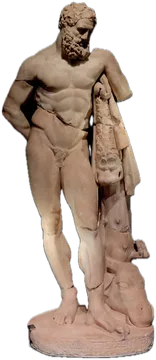
Paternal half-brother · Sources
Братство или сестринство выведено из общего родителя: Зевс. Матери и отцы, не указанные в источнике, не предполагаются. Квалификация братства/сестринства: Илиада: Общий отец; разные матери подтверждены. Общие родители: Зевс.
Wikidata: Диона — роль родителя · P25 Wikidata: Зевс — роль родителя · P22 Wikidata: Зевс — пол родителя · P21do not thou in any wise fight face to face with any other immortal gods, save only if Aphrodite, daughter of Zeus, shall enter the battle, her do thou smite with a thrust of the sharp bronze. When she had thus spoken, the goddess, flashing-eyed Athene, departed, and the son of Tydeus returned again and mingled with the foremost fighters;
and saved him in a dark cloud, lest any of the Danaans with swift horses might hurl a spear of bronze into his breast and take away his life. But over her shouted aloud Diomedes good at the war-cry: Keep thee away, daughter of Zeus, from war and fighting. Sufficeth it not that thou beguilest weakling women?
And so suffered monstrous Hades even as the rest a bitter arrow, when this same man, the son of Zeus that beareth the aegis, smote him in Pylos amid the dead, and gave him over to pains. But he went to the house of Zeus and to high Olympus with grief at heart, pierced through with pains;
Il. 5.131 · Il. 5.348 · Il. 5.396 · Il. 5.427–428 · Il. 5.820 · Il. 8.363–365 · Il. 14.193 · Il. 14.224 · Il. 14.266 · Il. 14.324 · Il. 20.106
See all 28
In art

Dosseman. Troy Museum (Çanakkale) figurine 8129. собрание не указано. CC BY-SA 4.0. https://commons.wikimedia.org/wiki/File%3ATroy_Museum_%28%C3%87anakkale%29_figurine_8129.jpg
Photograph / reproduction: Dosseman
Photograph / reproduction date: 2014-05-25 14:48:14
Dosseman. Troy Museum (Çanakkale) figurine 8129. собрание не указано. CC BY-SA 4.0. https://commons.wikimedia.org/wiki/File%3ATroy_Museum_%28%C3%87anakkale%29_figurine_8129.jpg
Photograph / reproduction: Dosseman
Photograph / reproduction date: 2014-05-25 14:48:14

Carole Raddato from FRANKFURT, Germany. Troy (Ilion), Turkey (7446286670). собрание не указано. CC BY-SA 2.0. https://commons.wikimedia.org/wiki/File%3ATroy_%28Ilion%29%2C_Turkey_%287446286670%29.jpg
Photograph / reproduction: Carole Raddato from FRANKFURT, Germany
Photograph / reproduction date: 2011-04-17 06:57

Carole Raddato from FRANKFURT, Germany. Troy (Ilion), Turkey (7446299404). собрание не указано. CC BY-SA 2.0. https://commons.wikimedia.org/wiki/File%3ATroy_%28Ilion%29%2C_Turkey_%287446299404%29.jpg
Photograph / reproduction: Carole Raddato from FRANKFURT, Germany
Photograph / reproduction date: 2011-04-17 07:04

Painter of the Krotala Dancer - battle for Troy - Athena and Aphrodite mounting their chariots - Würzburg MvWM L 799 - 09. Martin von Wagner Museum. CC BY-SA 4.0. https://www.wikidata.org/wiki/Q131144228
Painter of the Krotala Dancer - battle for Troy - Athena and Aphrodite mounting their chariots - Würzburg MvWM L 799 - 09. Martin von Wagner Museum. CC BY-SA 4.0. https://www.wikidata.org/wiki/Q131144228

Hans von Aachen. Суд Париса. Musée de la Chartreuse de Douai. Public domain. https://www.wikidata.org/wiki/Q105688151
Hans von Aachen. Суд Париса. Musée de la Chartreuse de Douai. Public domain. https://www.wikidata.org/wiki/Q105688151

Le Nain Brothers. LE NAIN frères Vénus dans la forge de Vulcain Huile sur toile. Museum of Fine Arts of Reims. Public domain. https://www.wikidata.org/wiki/Q107123104
Le Nain Brothers. LE NAIN frères Vénus dans la forge de Vulcain Huile sur toile. Museum of Fine Arts of Reims. Public domain. https://www.wikidata.org/wiki/Q107123104


François Boucher. The Judgement of Paris. Musée des beaux-arts de Mulhouse. CC BY-SA 4.0. https://www.wikidata.org/wiki/Q110304528
François Boucher. The Judgement of Paris. Musée des beaux-arts de Mulhouse. CC BY-SA 4.0. https://www.wikidata.org/wiki/Q110304528
See all 929
Sources and verification
The character is matched to the catalogue.
- Wikipedia · Aphrodite · CC BY-SA 4.0
Excerpt; remaining sentences omitted.
Reference material remains distinct from the poem’s assertions. Characters who share a name retain separate pages.