Briseis
Mortal woman
Briseis (; Ancient Greek: Βρισηίς, romanized: Brīsēís, lit. 'daughter of Briseus', pronounced [briːsɛːís]), also known as Hippodameia (Ἱπποδάμεια, [hippodámeːa]), is a significant character in the Iliad. Her role as a status symbol is at the heart of the dispute between Achilles and Agamemnon that initiates the plot of Homer's epic.
Explore on the graph





- Mentions
- 16
- Connected characters
- 4
- Books
- 5


Mentions in the Iliad
A. T. Murray, Loeb Classical Library, Harvard University Press, 1924 · Homer, Iliad with an English Translation · CC BY-SA 3.0 US
“nor take heed of your wrath. But I will threaten you thus: as Phoebus Apollo takes from me the daughter of Chryses, her with my ship and my companions I will send back, but I will myself come to your tent and take the fair-cheeked Briseis, your prize, so that you will understand”
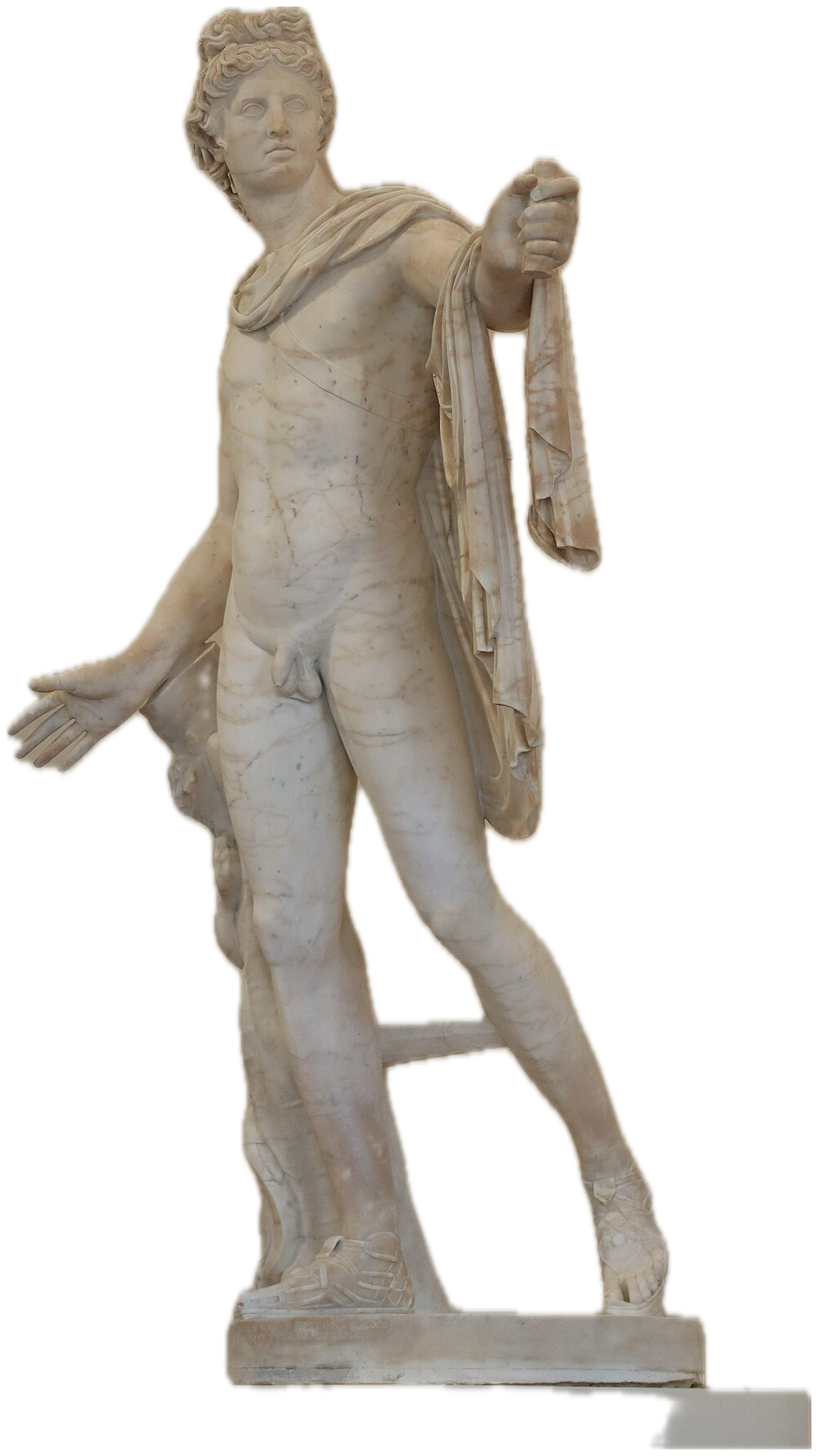
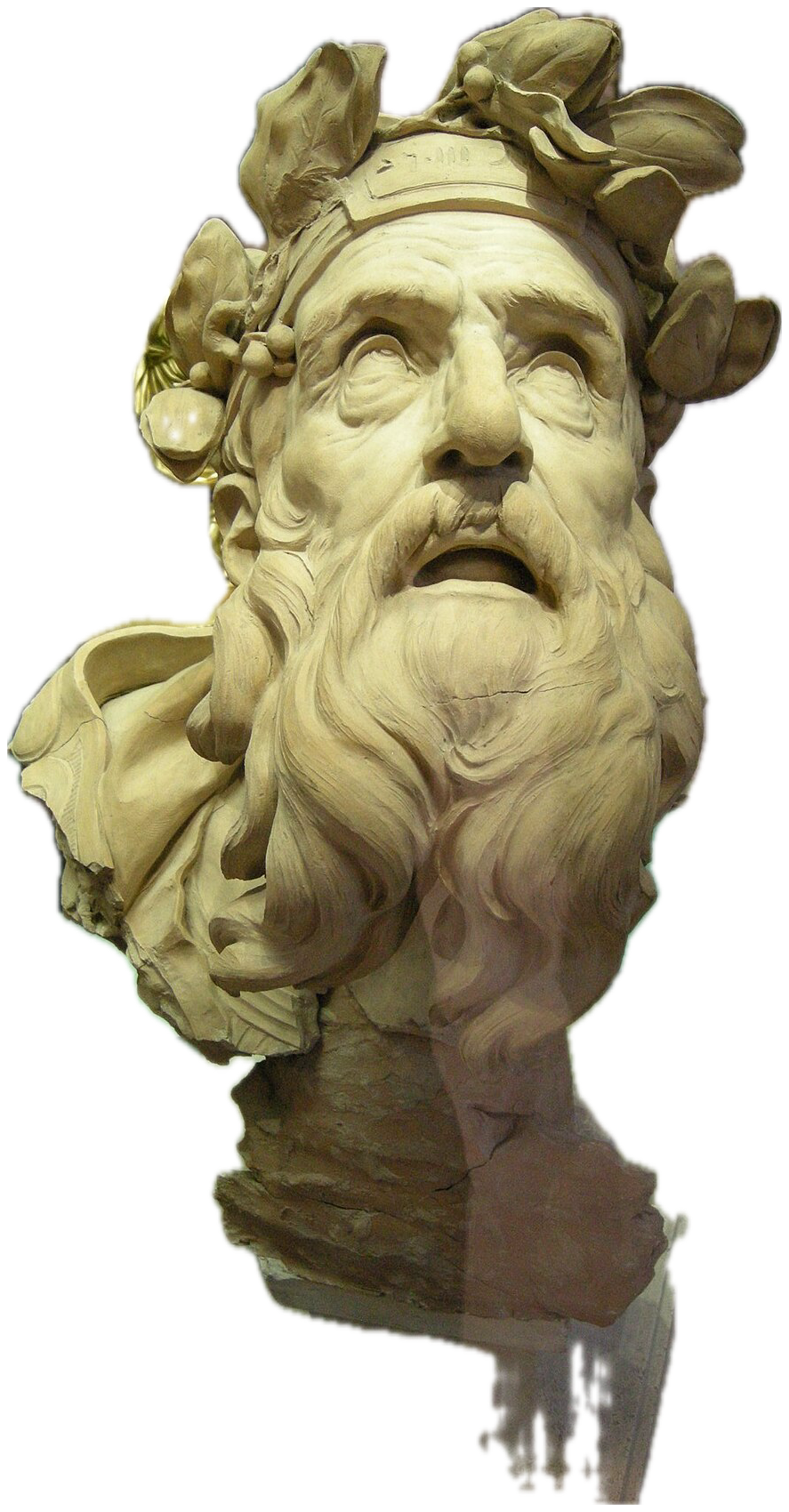
“who were his heralds and ready squires: Go to the hut of Achilles, Peleus' son, and take by the hand the fair-cheeked Briseis, and lead her hither; and if he give her not, I will myself go with a larger company and take her; that will be even the worse for him.”
“who sent you forth for the sake of the girl, Briseis. But come, Patroclus, sprung from Zeus, bring forth the girl, and give her to them to lead away. However, let these two themselves be witnesses before the blessed gods and mortal men, and before him, that ruthless king, if hereafter”

“and led forth from the hut the fair-cheeked Briseis, and gave her to them to lead away. So the two went back beside the ships of the Achaeans, and with them, all unwilling, went the woman. But Achilles burst into tears, and withdrew apart from his comrades, and sat down on the shore of the grey sea, looking forth over the wine-dark deep.”
“while the other woman the heralds have just now taken from my tent and led away, the daughter of Briseus, whom the sons of the Achaeans gave me. But, you, if you are able, guard your own son; go to Olympus and make prayer to Zeus, if ever you have gladdened his heart by word or deed.”
“of the fifty ships of these men was Achilles captain. Howbeit they bethought them not of dolorous war, since there was no man to lead them forth into the ranks. For he lay in idleness among the ships, the swift-footed, goodly Achilles, in wrath because of the fair-haired girl Briseïs,”
“than this I have in mind from old even until now, even since the day when thou, O king sprung from Zeus, didst take from the hut of the angry Achilles the damsel Briseïs and go thy way—in no wise according to our will. Nay, for I, mine own self, urgently sought to dissuade thee; but thou didst yield to thy lordly spirit,”
See all 16
“and that in beauty surpass all women folk. These will I give him, and amid them shall be she that then I took away, the daughter of Briseus; and I will furthermore swear a great oath that never went I up into her bed neither had dalliance with her as is the appointed way of mankind, even of men and women.”
“And he will give seven women skilled in goodly handiwork, women of Lesbos, whom on the day when thou thyself tookest well-built Lesbos he chose him from the spoil, and that in beauty surpassed all women folk. These will he give thee, and amid them shall be she whom he then took away, the daughter of Briseus; and he will furthermore swear a great oath,”
“Do they then alone of mortal men love their wives, these sons of Atreus? Nay, for whoso is a true man and sound of mind, loveth his own and cherisheth her, even as I too loved her with all my heart, though she was but the captive of my spear. But now, seeing he hath taken from my arms my prize, and hath deceived me,”

“and the kinsman's heart and proud spirit are restrained by the taking of recompense. But as for thee, the gods have put in thy breast a heart that is obdurate and evil by reason of one only girl; whereas we now offer thee seven, far the best that there be, and many other gffts besides; nay then, take to thee a heart of grace,”
“and swear to thee an oath, that never hath he gone up into the woman's bed neither had dalliance with her, as is the appointed way, O king, of men and of women; and let the heart in thine own breast be open to appeasement. Thereafter let him make amends to thee in his hut with a feast full rich,”
“and forth they speedily led women skilled in goodly handiwork; seven they were, and the eighth was fair-cheeked Briseis. Then Odysseus weighed out ten talents of gold in all, and led the way and with him the other youths of the Achaeans bare the gifts. These then they set in the midst of the place of gathering, and Agamemnon”
“take vengeance on men, whosoever hath sworn a false oath, that never laid I hand upon the girl Briseis either by way of a lover's embrace or anywise else, but she ever abode untouched in my huts. And if aught of this oath be false, may the gods give me woes”
Connections
Father · Sources
who were his heralds and ready squires: Go to the hut of Achilles, Peleus' son, and take by the hand the fair-cheeked Briseis, and lead her hither; and if he give her not, I will myself go with a larger company and take her; that will be even the worse for him.
of the fifty ships of these men was Achilles captain. Howbeit they bethought them not of dolorous war, since there was no man to lead them forth into the ranks. For he lay in idleness among the ships, the swift-footed, goodly Achilles, in wrath because of the fair-haired girl Briseïs,
and that in beauty surpass all women folk. These will I give him, and amid them shall be she that then I took away, the daughter of Briseus; and I will furthermore swear a great oath that never went I up into her bed neither had dalliance with her as is the appointed way of mankind, even of men and women.
Il. 1.323 · Il. 2.689 · Il. 9.132 · Il. 9.274 · Il. 19.261 · Il. 19.282
Husband · Sources
as I return thereto: thus for me doth evil ever follow hard on evil. My husband, unto whom my father and queenly mother gave me, I beheld mangled with the sharp bronze before our city, and my three brethren whom mine own mother bare, brethren beloved, all these met their day of doom.
Il. 19.291
Connection · Sources
Do they then alone of mortal men love their wives, these sons of Atreus? Nay, for whoso is a true man and sound of mind, loveth his own and cherisheth her, even as I too loved her with all my heart, though she was but the captive of my spear. But now, seeing he hath taken from my arms my prize, and hath deceived me,
Il. 9.342–343
Poetic resemblance · Sources
And they bestowed them in the huts, and set the women there, and the horses proud squires drave off to the herd. But Briseis, that was like unto golden Aphrodite, when she had sight of Patroclus mangled with the sharp bronze, flung herself about him and shrieked aloud,
Il. 19.282
See all 4
In art

Jean Alaux. Briseis mourning the body of Patroclus in the tent of Achilles. Beaux-Arts de Paris. CC BY-SA 3.0. https://www.wikidata.org/wiki/Q62618838

Peter Paul Rubens. The wrath of Achilles. Royal Museums of Art and History. Public domain. https://www.wikidata.org/wiki/Q111915181

Peter Paul Rubens. Briseis restored to Achilles. Syracuse University Art Museum. Public domain. https://www.wikidata.org/wiki/Q121541423
See all 12

Jacques-Louis David. The Anger of Achilles. Kimbell Art Museum. Public domain. https://www.wikidata.org/wiki/Q3207608
Image author: Jacques-Louis David
Image date: 1819

Peter Paul Rubens. Briseis is brought back to Achilles. Ducal Palace of Vila Viçosa. Public domain. https://www.wikidata.org/wiki/Q111908073

Pierre Edme Louis Pellier. Patroclus handing Briseis to the Heralds of Agamemnon. Public domain. https://www.wikidata.org/wiki/Q120556090

Jean Benner. Briseïs pleurant sur le corps de Patrocle. Château de Nemours. Public domain. https://www.wikidata.org/wiki/Q106620119

Jean-Baptiste-Henri Deshays. Deshays Brisis ( 2000 2 1). Musée des Augustins. Public domain. https://www.wikidata.org/wiki/Q17583247
Image author: Jean-Baptiste-Henri Deshays
Image date: circa 1761

Gustave Moreau. Briseis Departure. collection du musée Gustave-Moreau. CC BY-SA 4.0. https://www.wikidata.org/wiki/Q19368750

Giovanni Battista Tiepolo. Eurybates and Talthybios Lead Briseis to Agamemmon. Villa Valmarana ai Nani. Public domain. https://www.wikidata.org/wiki/Q65131708
Image author: Giovanni Battista Tiepolo
Image date: 1757

Achilles and Briseis. Naples National Archaeological Museum. Public domain. https://www.wikidata.org/wiki/Q4673755

Brygos Painter. Attic Red-Figure Cup known as the "Iliupersis Cup". Department of Greek, Etruscan, and Roman Antiquities of the Louvre. Public domain. https://www.wikidata.org/wiki/Q26722405
04 / PROVENANCE
Sources and verification
The character is matched to the catalogue.
- Wikipedia · Briseis · CC BY-SA 4.0
Excerpt; remaining sentences omitted.
Reference material remains distinct from the poem’s assertions. Characters who share a name retain separate pages.