Nereus
God
In Greek mythology, Nereus ( NEER-ee-əs; Ancient Greek: Νηρεύς, romanized: Nēreús) was the eldest son of Pontus (the Sea) and Gaia (the Earth). Nereus and Doris became the parents of 50 daughters (the Nereids) and a son (Nerites), with whom Nereus lived in the Aegean Sea.
Explore on the graph
- Mentions
- 7
- Connected characters
- 3
- Books
- 4


Mentions in the Iliad
A. T. Murray, Loeb Classical Library, Harvard University Press, 1924 · Homer, Iliad with an English Translation · CC BY-SA 3.0 US
“has dishonoured me: for he has taken and keeps my prize through his own arrogant act. So he spoke, weeping, and his lady mother heard him, as she sat in the depths of the sea beside the old man, her father. And speedily she came forth from the grey sea like a mist, and sat down before him, as he wept,”
“So he sat down there upon his throne; but Hera saw, and failed not to note how silver-footed Thetis, daughter of the old man of the sea, had taken counsel with him. Forthwith then she spoke to Zeus, son of Cronos, with mocking words: Who of the gods, crafty one, has now again taken counsel with you?”

“silver-footed Thetis, daughter of the old man of the sea, have beguiled you; for at early dawn she sat by you and clasped your knees. To her, I think, you bowed your head in sure token that you will honour Achilles, and bring many to death beside the ships of the Achaeans. Then in answer to her spoke Zeus, the cloud-gatherer:”






“Then terribly did Achilles groan aloud, and his queenly mother heard him as she sat in the depths of the sea beside the old man her father. Thereat she uttered a shrill cry, and the goddesses thronged about her, even all the daughters of Nereus that were in the deep of the sea. There were Glauce and Thaleia and Cymodoce,”
“Do ye now plunge beneath the broad bosom of the deep, to visit the old man of the sea, and the halls of our father, and tell him all. But I will get me to high Olympus to the house of Hephaestus, the famed craftsman, if so be he will give to my son glorious shining armour.”
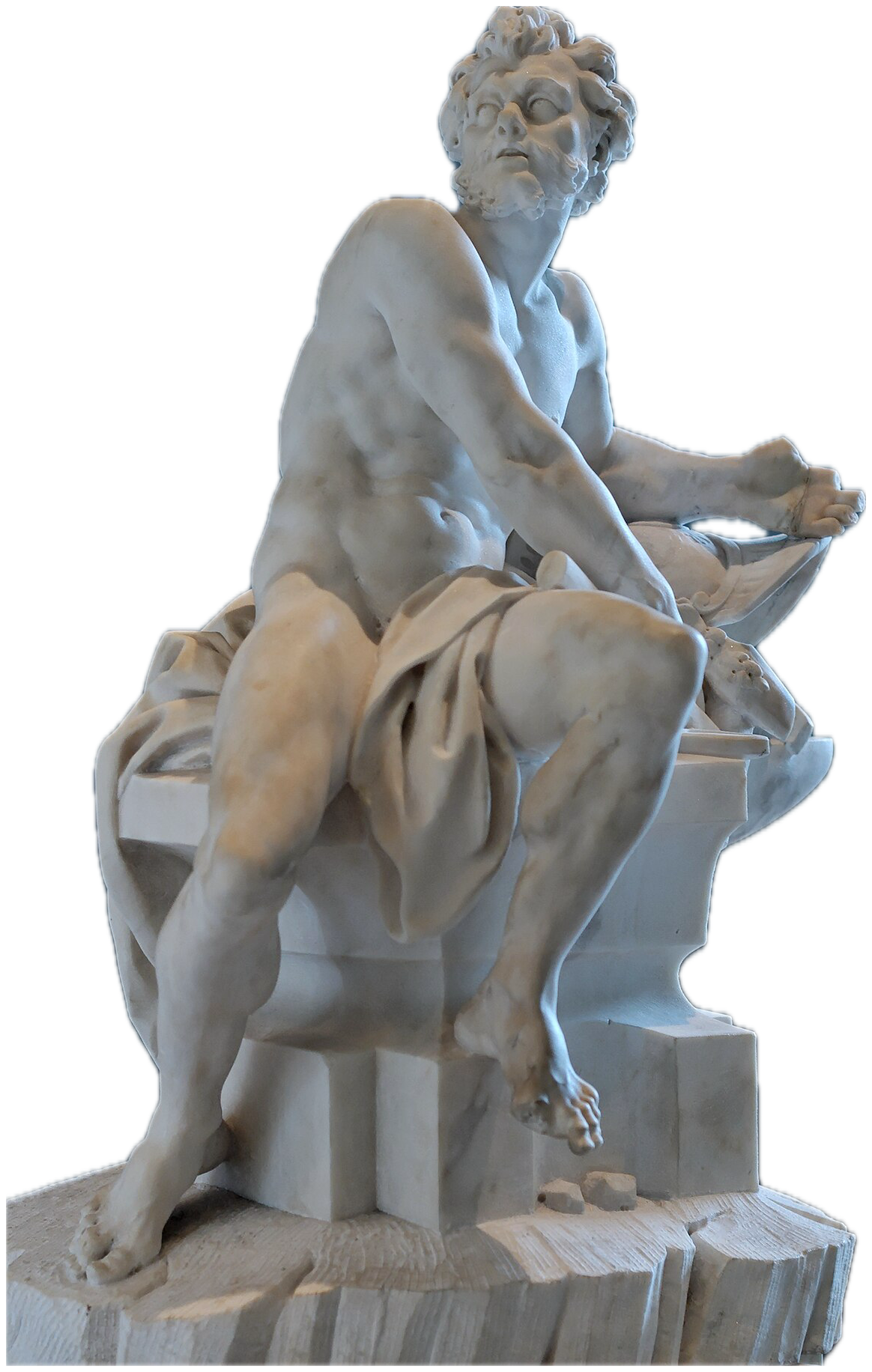
“to the gods that are for ever; for of thee too men say that thou wast born of Aphrodite, daughter of Zeus, while he is sprung from a lesser goddess. For thy mother is daughter of Zeus, and his of the old man of the sea. Nay, bear thou straight against him thy stubborn bronze, nor let him anywise turn thee back with words of contempt and with threatenings.”
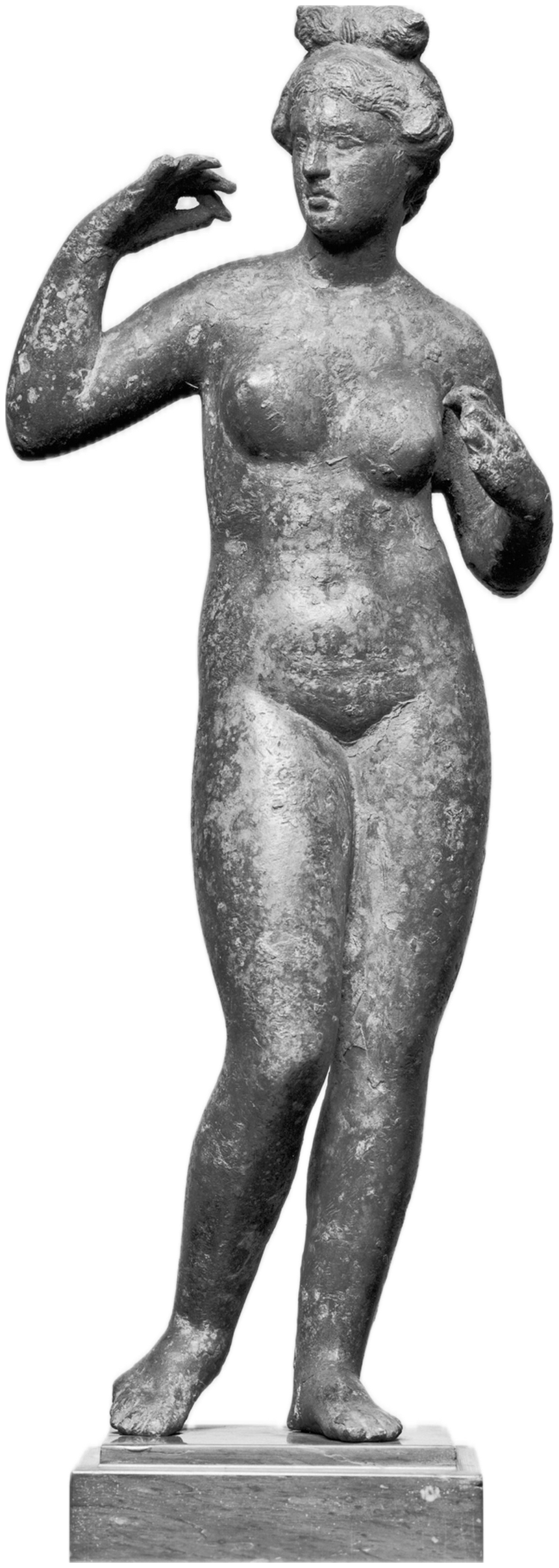
“Provoke me no more, old sir; I am minded even of myself to give Hector back to thee; for from Zeus there came to me a messenger, even the mother that bare me, daughter of the old man of the sea. And of thee, Priam, do I know in my heart—it nowise escapeth me—that some god led thee to the swift ships of the Achaeans.”

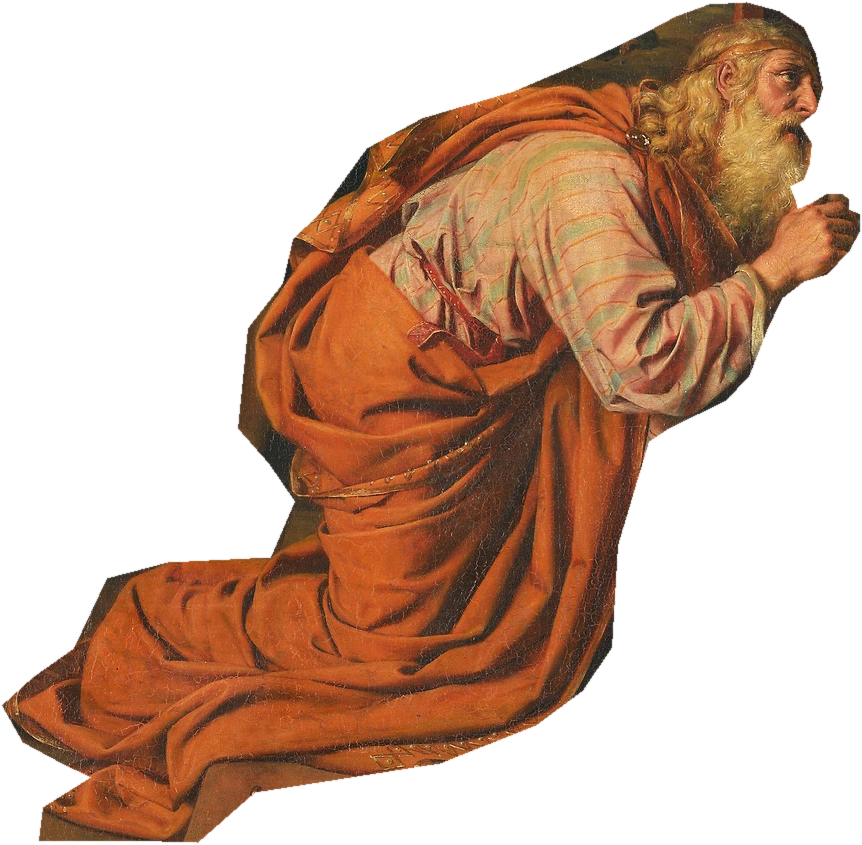
See all 7
Connections
Daughter · Sources
has dishonoured me: for he has taken and keeps my prize through his own arrogant act. So he spoke, weeping, and his lady mother heard him, as she sat in the depths of the sea beside the old man, her father. And speedily she came forth from the grey sea like a mist, and sat down before him, as he wept,
So he sat down there upon his throne; but Hera saw, and failed not to note how silver-footed Thetis, daughter of the old man of the sea, had taken counsel with him. Forthwith then she spoke to Zeus, son of Cronos, with mocking words: Who of the gods, crafty one, has now again taken counsel with you?
silver-footed Thetis, daughter of the old man of the sea, have beguiled you; for at early dawn she sat by you and clasped your knees. To her, I think, you bowed your head in sure token that you will honour Achilles, and bring many to death beside the ships of the Achaeans. Then in answer to her spoke Zeus, the cloud-gatherer:
Il. 1.358 · Il. 1.538 · Il. 1.556 · Il. 18.36 · Il. 18.141 · Il. 20.107 · Il. 24.562
Grandson · Sources
Происхождение выведено по цепочке родителей: Нерей → Фетида → Ахиллес.
yet he is the mightier, since he is king over more. Son of Atreus, check your rage. Indeed, I beg you to let go your anger against Achilles, who is for all the Achaeans a mighty bulwark in evil war. In answer to him spoke lord Agamemnon:

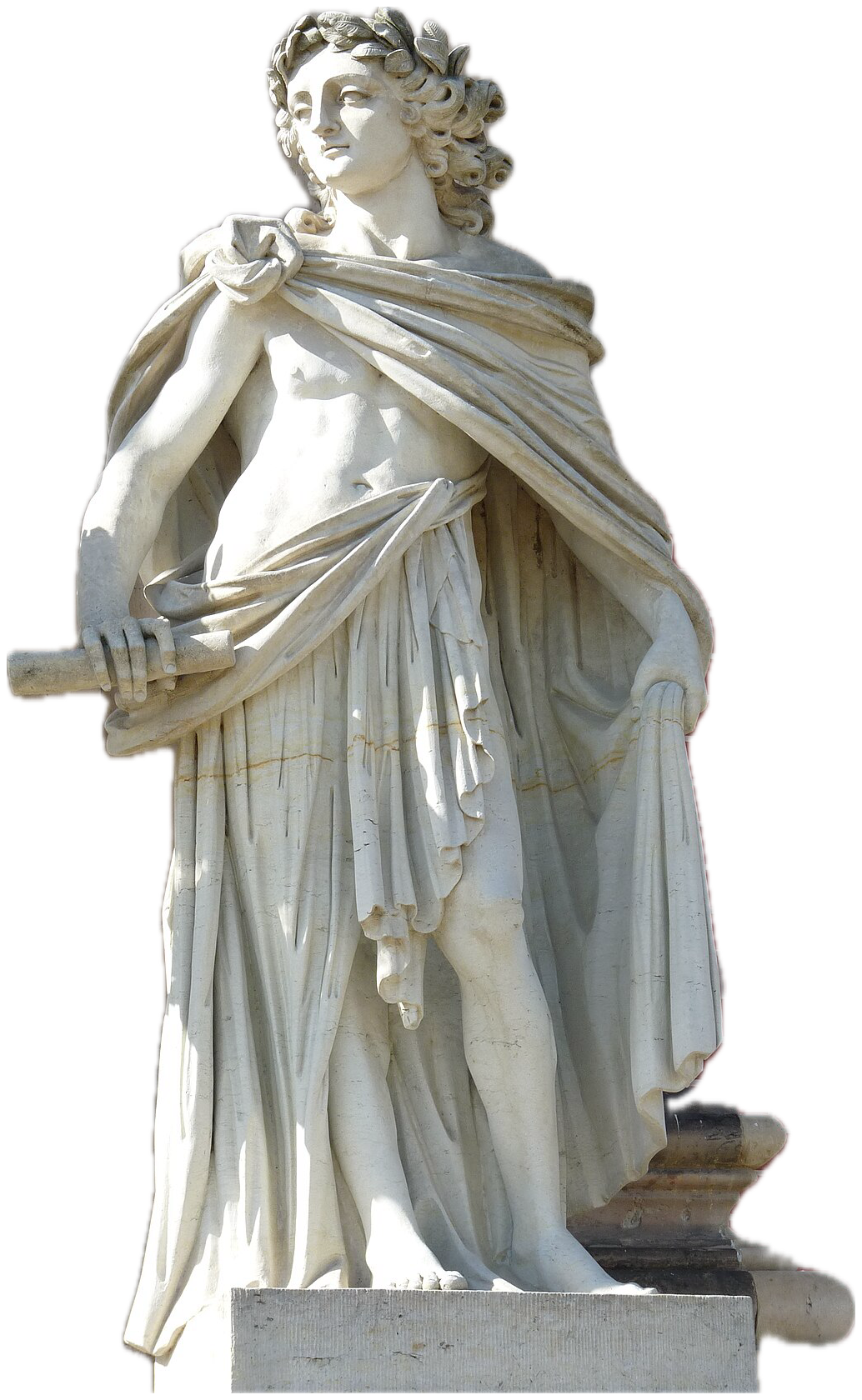
Earnestly he prayed to his dear mother with hands outstretched: Mother, since you bore me, though to so brief a span of life, honour surely ought the Olympian to have given into my hands, Zeus who thunders on high; but now he has honoured me not a bit. Truly the son of Atreus, wide-ruling Agamemnon
has dishonoured me: for he has taken and keeps my prize through his own arrogant act. So he spoke, weeping, and his lady mother heard him, as she sat in the depths of the sea beside the old man, her father. And speedily she came forth from the grey sea like a mist, and sat down before him, as he wept,
Il. 1.280 · Il. 1.352 · Il. 1.358 · Il. 1.364 · Il. 1.393 · Il. 1.414–418 · Il. 1.496 · Il. 1.505 · Il. 1.538 · Il. 1.556 · Il. 6.100 · Il. 9.410 · Il. 10.404 · Il. 13.350 · Il. 15.76–77 · Il. 16.34 · Il. 16.51 · Il. 16.860 · Il. 17.78 · Il. 17.408 · Il. 18.9 · Il. 18.35 · Il. 18.36 · Il. 18.54–55 · Il. 18.70 · Il. 18.94–95 · Il. 18.126 · Il. 18.138 · Il. 18.141 · Il. 18.189 · Il. 18.332 · Il. 18.381 · Il. 18.436 · Il. 18.457–459 · Il. 18.615 · Il. 19.2–6 · Il. 19.21 · Il. 20.107 · Il. 20.128 · Il. 20.207 · Il. 21.109 · Il. 21.276 · Il. 24.73 · Il. 24.85 · Il. 24.112 · Il. 24.122 · Il. 24.466 · Il. 24.562
Great-grandson · Sources
Происхождение выведено по цепочке родителей: Нерей → Фетида → Ахиллес → Неоптолем.
yet he is the mightier, since he is king over more. Son of Atreus, check your rage. Indeed, I beg you to let go your anger against Achilles, who is for all the Achaeans a mighty bulwark in evil war. In answer to him spoke lord Agamemnon:
Earnestly he prayed to his dear mother with hands outstretched: Mother, since you bore me, though to so brief a span of life, honour surely ought the Olympian to have given into my hands, Zeus who thunders on high; but now he has honoured me not a bit. Truly the son of Atreus, wide-ruling Agamemnon
has dishonoured me: for he has taken and keeps my prize through his own arrogant act. So he spoke, weeping, and his lady mother heard him, as she sat in the depths of the sea beside the old man, her father. And speedily she came forth from the grey sea like a mist, and sat down before him, as he wept,
Il. 1.280 · Il. 1.352 · Il. 1.358 · Il. 1.364 · Il. 1.393 · Il. 1.414–418 · Il. 1.496 · Il. 1.505 · Il. 1.538 · Il. 1.556 · Il. 6.100 · Il. 9.410 · Il. 10.404 · Il. 13.350 · Il. 15.76–77 · Il. 16.34 · Il. 16.51 · Il. 16.860 · Il. 17.78 · Il. 17.408 · Il. 18.9 · Il. 18.35 · Il. 18.36 · Il. 18.54–55 · Il. 18.70 · Il. 18.94–95 · Il. 18.126 · Il. 18.138 · Il. 18.141 · Il. 18.189 · Il. 18.332 · Il. 18.381 · Il. 18.436 · Il. 18.457–459 · Il. 18.615 · Il. 19.2–6 · Il. 19.21 · Il. 19.326 · Il. 20.107 · Il. 20.128 · Il. 20.207 · Il. 21.109 · Il. 21.276 · Il. 24.73 · Il. 24.85 · Il. 24.112 · Il. 24.122 · Il. 24.466 · Il. 24.467 · Il. 24.562
See all 3
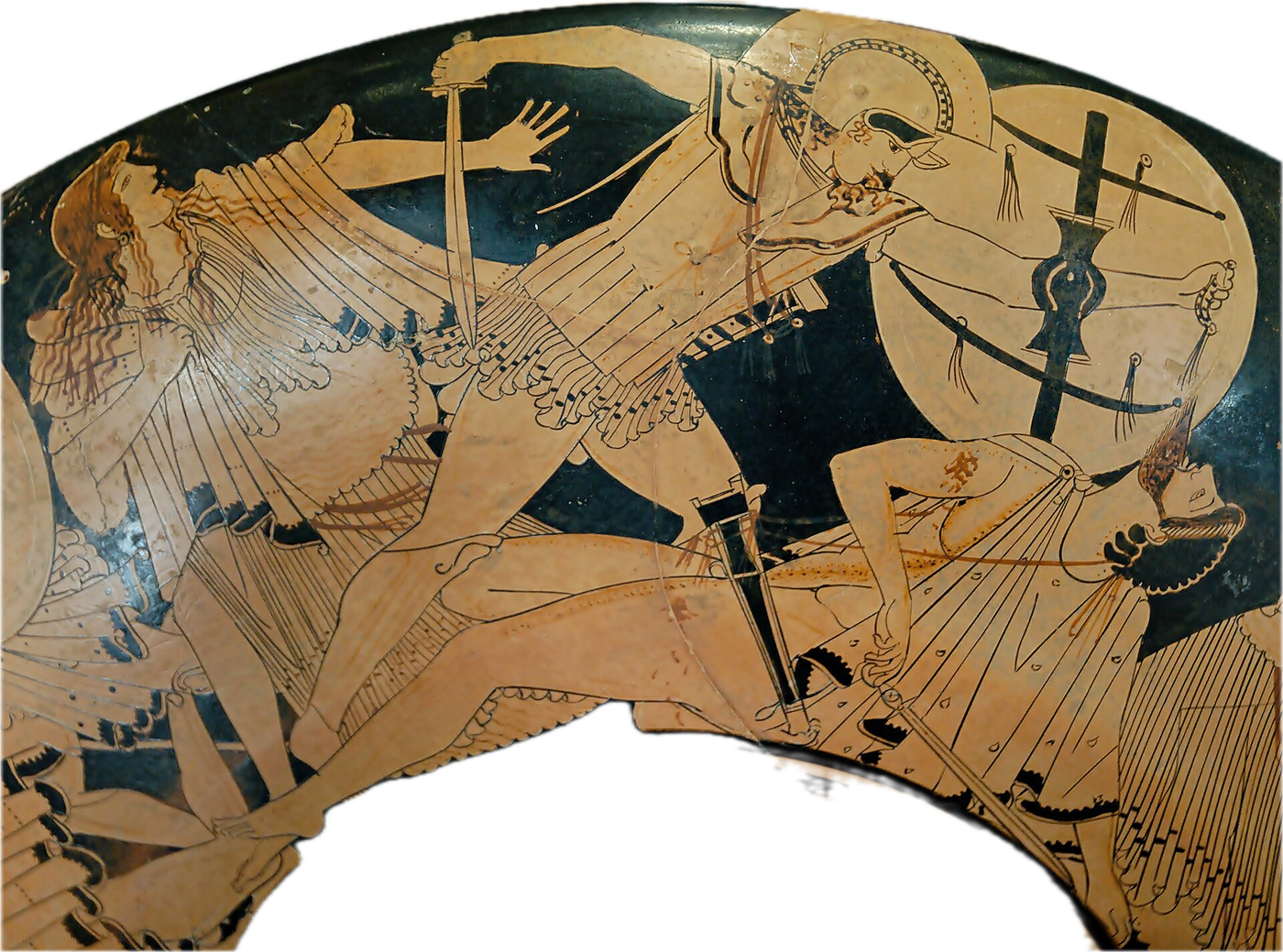
In art

Peter Paul Rubens. The Disembarkation at Marseilles. Department of Paintings of the Louvre. Public domain. https://www.wikidata.org/wiki/Q2843410

Eugène Delacroix. Delacroix - Hercule attachant Nérée, esquisse pour le salon de la Paix de l’hôtel de Ville de Paris, 1852. Eugène-Delacroix National Museum. Public domain. https://www.wikidata.org/wiki/Q115674927

Chiusi Painter. Chiusi Painter - ABV 389 8 - Herakles and Triton - Apollon and goddesses - Karlsruhe BL 61-24 - 01. The Badisches Landesmuseum. CC BY-SA 4.0. https://www.wikidata.org/wiki/Q131160441
See all 3
04 / PROVENANCE
Sources and verification
The character is matched to the catalogue.
- Wikipedia · Nereus · CC BY-SA 4.0
Excerpt; remaining sentences omitted.
Reference material remains distinct from the poem’s assertions. Characters who share a name retain separate pages.