Hecuba
Mortal woman
In Greek mythology, Hecuba (; also Hecabe; Ancient Greek: Ἑκάβη, romanized: Hekábē, pronounced [hekábɛ:]) was the wife of King Priam and queen of Troy during the Trojan War. With Priam, she was the mother of the warriors Hector and Troilus; Helen's suitor Paris; and the prophetess Cassandra.
Explore on the graph

- Mentions
- 20
- Connected characters
- 7
- Books
- 5


Mentions in the Iliad
A. T. Murray, Loeb Classical Library, Harvard University Press, 1924 · Homer, Iliad with an English Translation · CC BY-SA 3.0 US
“sore wearied though we be, for necessity weighs hard upon us; but do thou, Hector, go thy way to the city and speak there to her that is thy mother and mine; let her gather the aged wives to the temple of flashing-eyed Athene in the citadel, and when she has opened with the key the doors of the holy house,”
“therein slept Priam's sons-in-law beside their chaste wives—there his bounteous mother came to meet him, leading in Laodice, fairest of her daughters to look upon; and she clasped him by the hand and spake and addressed him: My child, why hast thou left the fierce battle and come hither?”
“and then shalt thou thyself have profit thereof, if so be thou wilt drink. When a man is spent with toil wine greatly maketh his strength to wax, even as thou art spent with defending thy fellows. Then in answer to her spake great Hector of the flashing helm: Bring me no honey-hearted wine, honoured mother,”
“then might I deem that my heart had forgotten its woe. So spake he, and she went to the hall and called to her handmaidens; and they gathered together the aged wives throughout the city. But the queen herself went down to the vaulted treasurechamber wherein were her robes, richly broidered, the handiwork of Sidonian women,”
“Yet not so much doth the grief of the Trojans that shall be in the aftertime move me, neither Hecabe's own, nor king Priam's, nor my brethren's, many and brave, who then shall fall in the dust beneath the hands of their foemen, as doth thy grief, when some brazen-coated Achaean”
“Hector, seeing it is thy mind to blame one in whom is no blame, at some other time have I haply withdrawn me from war rather than now, for my mother bare not even me wholly a weakling. For from the time thou didst rouse the battle of thy comrades beside the ships, even from that time we abide here and have dalliance with the Danaans”
See all 20
“and on the nakedness of an old man slain, lo, this is the most piteous thing that cometh upon wretched mortals. Thus spake the old man, and with his hands he plucked and tore the hoary hairs from his head; but he could not persuade the heart of Hector. And over against him the mother in her turn wailed and shed tears,”
“chasing thee with swift feet around the city of Priam. But come, let us stand, and abiding here ward off his onset. Then spake to her great Hector of the flashing helm: Deiphobus, verily in time past thou wast far the dearest of my brethren, that were born of Hecabe and Priam,”
“nay, take thou store of bronze and gold, gifts that my fathec and queenly mother shall give thee, but my bodv give thou back to my home, that the Trojans and the Trojans' wives may give me my due meed of fire in my death. Then with an angry glance from beneath his brows spake unto him Achilhes swift of foot:”
“So was his head all befouled with dust; but his mother tore her hair and from her flung far her gleaming veil and uttered a cry exceeding loud at sight of her son. And a piteous groan did his father utter, and around them the folk was holden of wailing and groaning throughout the city.”
“And among the women of Troy Hecabe led the vehement lamentation: My child, ah woe is me! How shall I live in my sore anguish, now thou art dead?—thou that wast my boast night and day in the city, and a blessing to all, both to the men and women of Troy throughout the town, who ever greeted thee as a god;”
“Come hither two of you, and follow me, let me see what deeds have been wrought. It was the voice of my husband's honoured mother that I heard, and in mine own breast my heart leapeth to my mouth, and beneath me my knees are numbed; verily hard at hand is some evil thing for the children of Priam. Far from my ear be the word,”
“Him now have ye not the heart to save, a corpse though he be, for his wife to look upon and his mother and his child, and his father Priam and his people, who would forthwith burn him in the fire and pay him funeral rites. Nay, it is the ruthless Achilles, O ye gods, that ye are fain to succour,”






“make ready the running mule waggon, and bind the wicker box thereon. And himself he went down to the vaulted treasure-chamber, fragrant of cedar wood and high of roof, that held jewels full many: and he called to him Hecabe his wife, and spake: Lady, from Zeus hath an Olympian messenger come to me,”

“but while standing forth in defence of the men and deep-bosomed women of Troy, with no thought of shelter or of flight. Then in answer spake unto her the old man, god-like Priam: Seek not to stay me that am fain to go, neither be thyself a bird of ill-boding in my halls; thou shalt not persuade me.”
“kept for his own and reared at the polished stall. Thus were the twain letting yoke their cars, in the high palace, even the herald and Priam, with thoughts of wisdom in their hearts, when nigh to them came Hecabe, her heart sore stricken, bearing in her right hand honey-hearted wine in a cup of gold, that they might make libation ere they went.”
“thou mayest have trust therein, and go thy way to the ships of the Danaans of fleet steeds. But if so be Zeus whose voice is borne afar grant thee not his own messenger, then I of a surety should not urge thee on and bid thee go to the ships of the Argives, how eager soever thou be. Then in answer spake unto her godlike Priam:”
“First Hector's dear wife and queenly mother flung themselves upon the light-running waggon, and clasping his head the while, wailed and tore their hair; and the folk thronged about and wept. And now the whole day long until set of sun had they made lament for Hector with shedding of tears there without the gates,”
“I might have pondered night and day with shedding of tears. So spake she wailing, and thereat the women made lament. And among them Hecabe in turns led the vehement wailing: Hector, far dearest to my heart of all my children, lo, when thou livedst thou wast dear to the gods,”
Connections
Husband · Sources
make ready the running mule waggon, and bind the wicker box thereon. And himself he went down to the vaulted treasure-chamber, fragrant of cedar wood and high of roof, that held jewels full many: and he called to him Hecabe his wife, and spake: Lady, from Zeus hath an Olympian messenger come to me,
Then, when he had washed his hands, he took the cup from his wife and then made prayer, standing in the midst of thie court, and poured forth the wine, with a look toward heaven, and spake ahoud, saying: Father Zeus, that rulest from Ida, most glorious, most great, grant that I may come unto Achilles' hut as one to be welcomed and to be pitied;
Il. 24.193 · Il. 24.305
Brother · Sources
Son · Sources
sore wearied though we be, for necessity weighs hard upon us; but do thou, Hector, go thy way to the city and speak there to her that is thy mother and mine; let her gather the aged wives to the temple of flashing-eyed Athene in the citadel, and when she has opened with the key the doors of the holy house,
therein slept Priam's sons-in-law beside their chaste wives—there his bounteous mother came to meet him, leading in Laodice, fairest of her daughters to look upon; and she clasped him by the hand and spake and addressed him: My child, why hast thou left the fierce battle and come hither?
and then shalt thou thyself have profit thereof, if so be thou wilt drink. When a man is spent with toil wine greatly maketh his strength to wax, even as thou art spent with defending thy fellows. Then in answer to her spake great Hector of the flashing helm: Bring me no honey-hearted wine, honoured mother,
Il. 6.87 · Il. 6.254 · Il. 6.263–264 · Il. 22.82 · Il. 22.234 · Il. 22.341 · Il. 22.406 · Il. 22.428 · Il. 24.36 · Il. 24.213 · Il. 24.710–712 · Il. 24.748
Son · Sources
Hector, seeing it is thy mind to blame one in whom is no blame, at some other time have I haply withdrawn me from war rather than now, for my mother bare not even me wholly a weakling. For from the time thou didst rouse the battle of thy comrades beside the ships, even from that time we abide here and have dalliance with the Danaans
Il. 13.777
Son · Sources
sore wearied though we be, for necessity weighs hard upon us; but do thou, Hector, go thy way to the city and speak there to her that is thy mother and mine; let her gather the aged wives to the temple of flashing-eyed Athene in the citadel, and when she has opened with the key the doors of the holy house,
Il. 6.87
Daughter · Sources
therein slept Priam's sons-in-law beside their chaste wives—there his bounteous mother came to meet him, leading in Laodice, fairest of her daughters to look upon; and she clasped him by the hand and spake and addressed him: My child, why hast thou left the fierce battle and come hither?
Il. 6.251–252
Grandson · Sources
Происхождение выведено по цепочке родителей: Гекуба → Гектор → Астианакт.
sore wearied though we be, for necessity weighs hard upon us; but do thou, Hector, go thy way to the city and speak there to her that is thy mother and mine; let her gather the aged wives to the temple of flashing-eyed Athene in the citadel, and when she has opened with the key the doors of the holy house,
therein slept Priam's sons-in-law beside their chaste wives—there his bounteous mother came to meet him, leading in Laodice, fairest of her daughters to look upon; and she clasped him by the hand and spake and addressed him: My child, why hast thou left the fierce battle and come hither?
and then shalt thou thyself have profit thereof, if so be thou wilt drink. When a man is spent with toil wine greatly maketh his strength to wax, even as thou art spent with defending thy fellows. Then in answer to her spake great Hector of the flashing helm: Bring me no honey-hearted wine, honoured mother,
Il. 6.87 · Il. 6.254 · Il. 6.263–264 · Il. 6.366 · Il. 6.400–401 · Il. 6.404 · Il. 6.431–432 · Il. 6.466 · Il. 6.483 · Il. 22.82 · Il. 22.234 · Il. 22.341 · Il. 22.406 · Il. 22.428 · Il. 22.484 · Il. 22.505–506 · Il. 24.36 · Il. 24.213 · Il. 24.710–712 · Il. 24.727 · Il. 24.748
See all 7
In art

Léon Bazille Perrault. The death of Priam. Beaux-Arts de Paris. Public domain. https://www.wikidata.org/wiki/Q104175800

Pierre-Narcisse Guérin. La Mort de Priam, par Pierre-Narcisse Guérin. Musée des Beaux-Arts d'Angers. Public domain. https://www.wikidata.org/wiki/Q122389396

Master of the Stories of Helen. The Reception of Helen at Troy by Priam and Hecuba. Walters Art Museum. Public domain. https://www.wikidata.org/wiki/Q18749290
Image author: Master of the Stories of Helen
Image date: between 1445 and 1450
See all 12

Adam Elsheimer. Ceres in the House of Hecuba. Museo del Prado. Public domain. https://www.wikidata.org/wiki/Q11689659

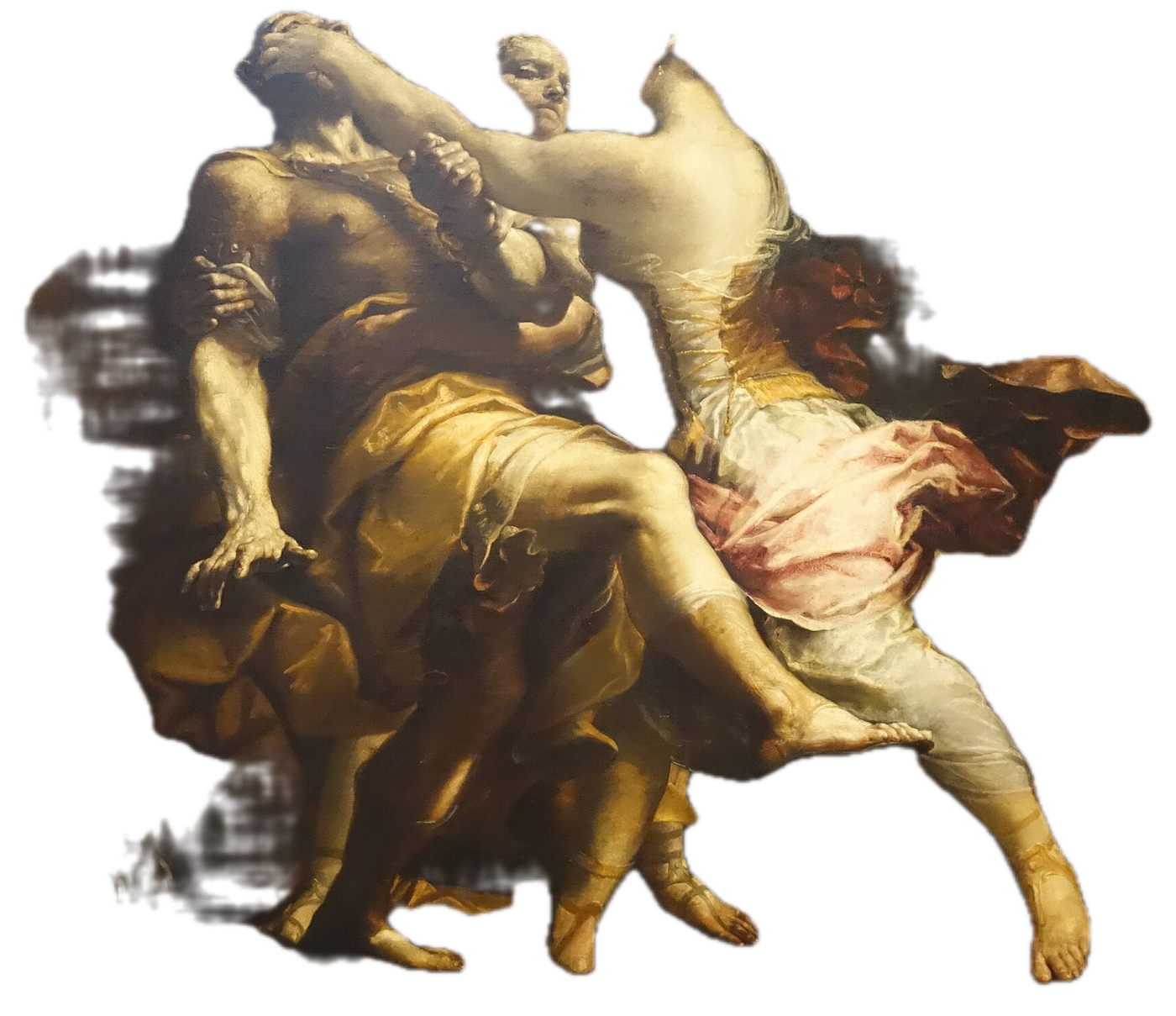
Giuseppe Maria Crespi. Hecube blinds Polymestor. Royal Museums of Fine Arts of Belgium. CC0. https://www.wikidata.org/wiki/Q123476472

Adam Elsheimer. The Mocking of Ceres. Agnes Etherington Art Centre. Public domain. https://www.wikidata.org/wiki/Q138665479

Titian. The Legend of Polydoros. Civic Museums of Padua. Public domain. https://www.wikidata.org/wiki/Q3954943

Pio Fedi. Rape of Polyxena. Loggia dei Lanzi. CC BY 4.0. https://www.wikidata.org/wiki/Q3930500

Antonio Canova. Hecuba offers the peplum to Athena Pallas. Museo Correr. Public domain. https://www.wikidata.org/wiki/Q131825301

Hecuba's Revenge. Museum of Fine Arts of Lyon. CC BY-SA 3.0. https://www.wikidata.org/wiki/Q77351581

Shield painted with two scenes from Iliad, Yale University Art Gallery, inv. 1935.551. Yale University Art Gallery. CC0. https://www.wikidata.org/wiki/Q100312208

Euthymides. Belly Amphora by Euthymides. Staatliche Antikensammlungen. CC BY-SA 4.0. https://www.wikidata.org/wiki/Q131782981
04 / PROVENANCE
Sources and verification
The character is matched to the catalogue.
- Wikipedia · Hecuba · CC BY-SA 4.0
Excerpt; remaining sentences omitted.
Reference material remains distinct from the poem’s assertions. Characters who share a name retain separate pages.