Antenor
Mortal man
In Greek mythology, Antenor (Ancient Greek:Ancient Greek: Ἀντήνωρ, romanized: Antḗnōr, lit. 'against man' or 'instead of a man') was a counselor to King Priam of Troy during the events of the Trojan War.
Explore on the graph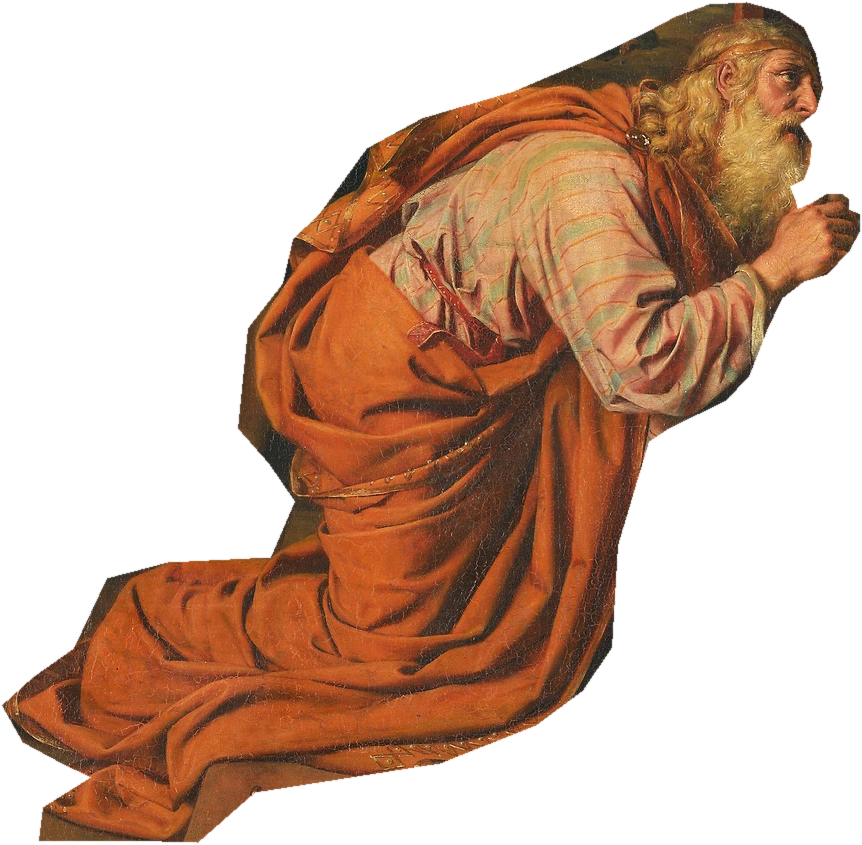
- Mentions
- 23
- Connected characters
- 13
- Books
- 13


Mentions in the Iliad
A. T. Murray, Loeb Classical Library, Harvard University Press, 1924 · Homer, Iliad with an English Translation · CC BY-SA 3.0 US
“even Aeneas, whom fair Aphrodite conceived to Anchises amid the spurs of Ida, a goddess couched with a mortal man. Not alone was he; with him were Antenor's two sons, Archelochus and Acamas, well skilled in all manner of fighting. And they that dwelt in Zeleia beneath the nethermost foot of Ida,”
“and he failed not to hearken to goodly Agamemnon. But Iris went as a messenger to white-armed Helen, in the likeness of her husband's sister, the wife of Antenor's son, even her that lord Helicaon, Antenor's son, had to wife, Laodice, the comeliest of the daughters of Priam.”
“and with speed they came to the place where were the Scaean gates. And they that were about Priam and Panthous and Thymoetes and Lampus and Clytius and Hicetaon, scion of Ares, and Ucalegon and Antenor, men of prudence both, sat as elders of the people at the Scaean gates.”
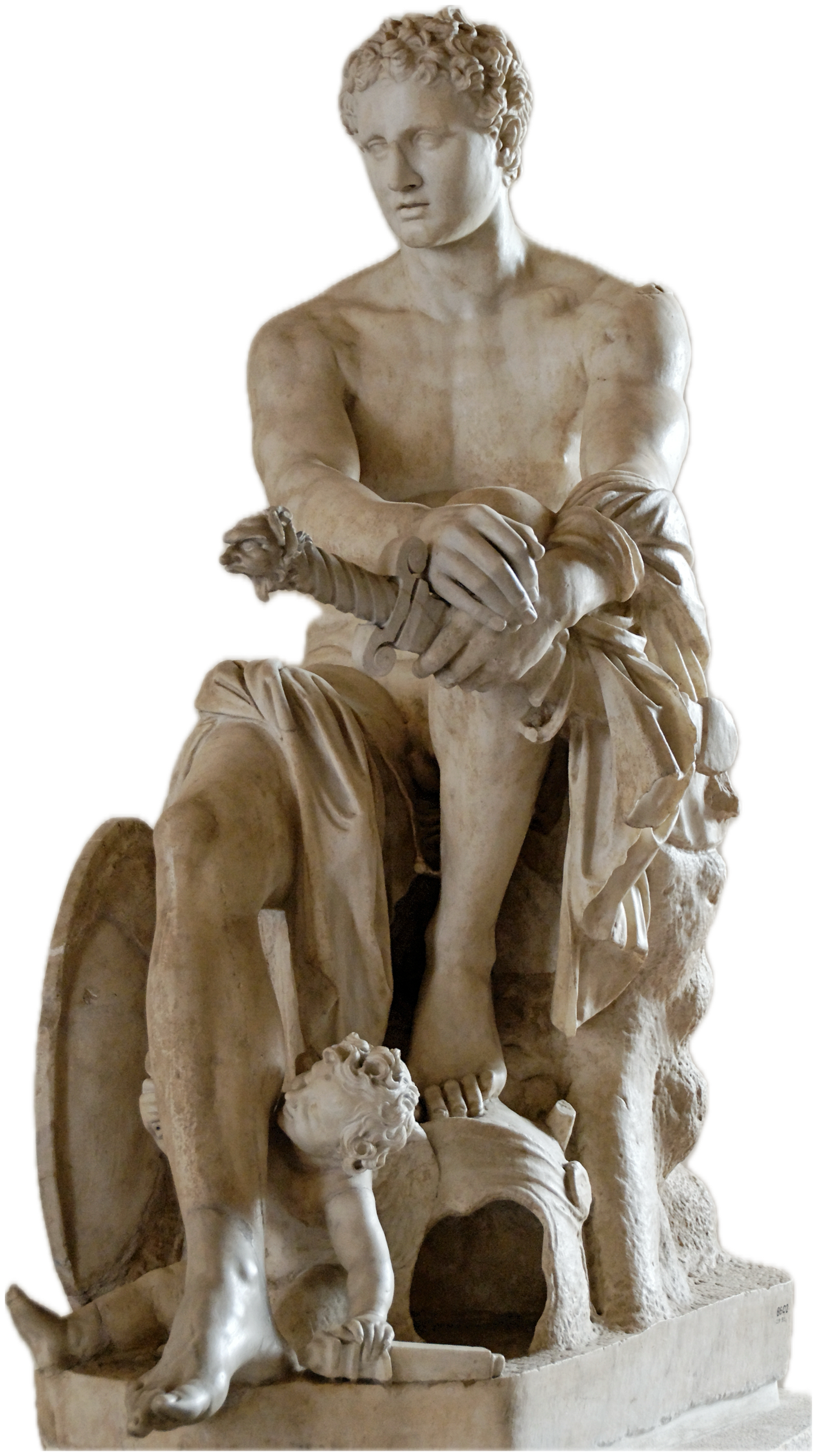
“This again is Laertes' son, Odysseus of many wiles, that was reared in the land of Ithaca, rugged though it be, and he knoweth all manner of craft and cunning devices. Then to her again made answer Antenor, the wise: Lady, this verily is a true word that thou hast spoken,”
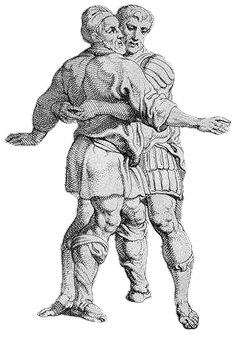
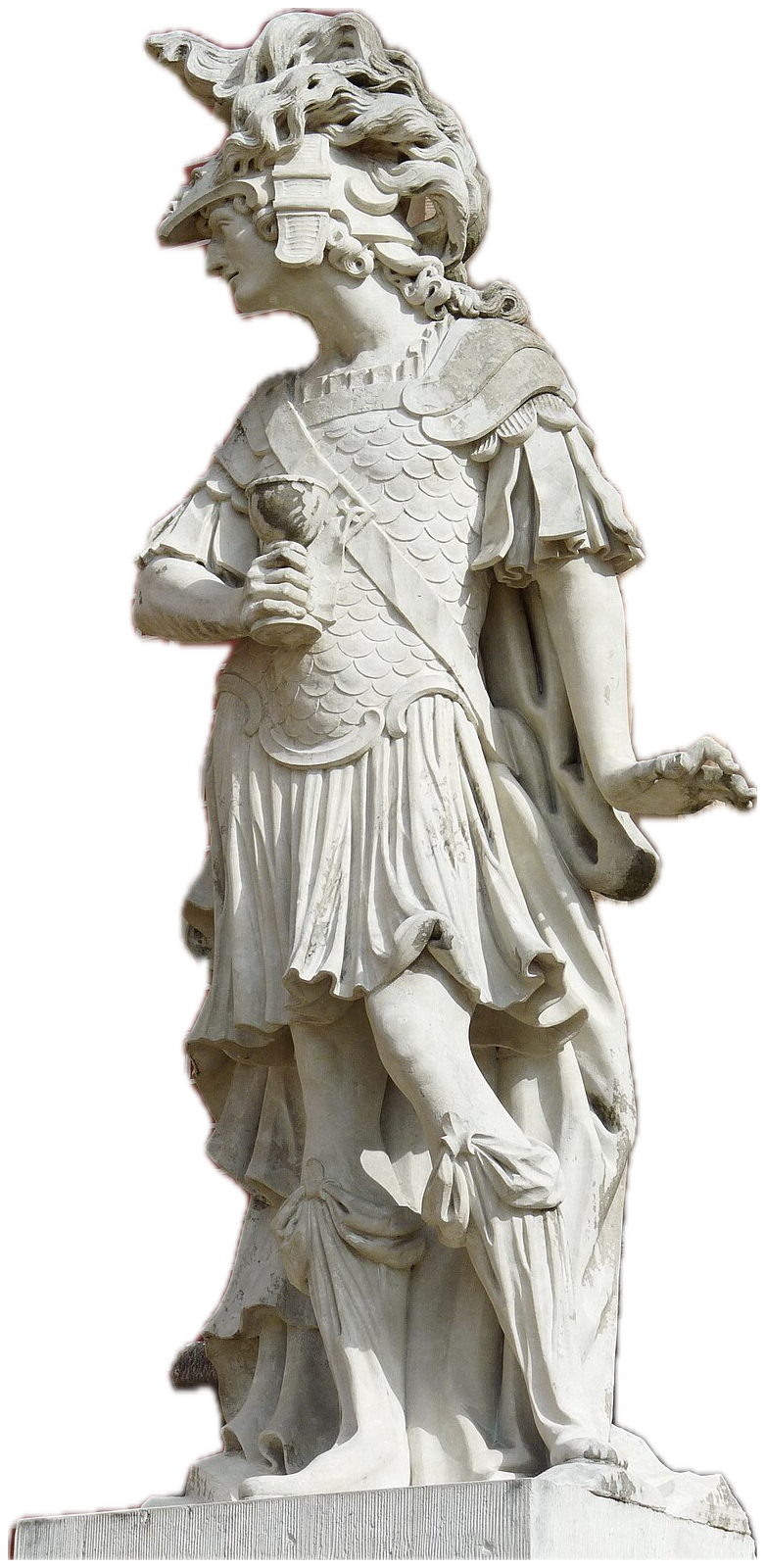
“yoke the horses; and they speedily obeyed. Then Priam mounted and drew back the reins, and by his side Antenor mounted the beauteous car; and the twain drave the swift horses through the Scaean gates to the plain. But when they were now come to the Trojans and Achaeans,”

See all 22
“After him Meriones pursued, and when he had come up with him, smote him in the right buttock, and the spear-point passed clean through even to the bladder beneath the bone;, and he fell to his knees with a groan, and death enfolded him. And Pedaeus, Antenor's son, was slain of Meges;”
“and shone like a star, and lay undermost of all. Then she went her way, and the throng of aged wives hastened after her. Now when they were come to the temple of Athene in the citadel, the doors were opened for them by fair-cheeked Theano, daughter of Cisseus, the wife of Antenor, tamer of horses;”
“And of the Trojans likewise was a gathering held in the citadel of Ilios, a gathering fierce and tumultuous, beside Priam's doors. Among them wise Antenor was first to speak, saying: Hearken to me, ye Trojans and Dardanians and allies, that I may speak what the heart in my breast biddeth me.”
“goodly Alexander, lord of fair-haired Helen; he made answer, and spake to him winged words: Antenor, this that thou sayest is no longer to my pleasure; yea thou knowest how to devise better words than these. But if thou verily speakest this in earnest,”
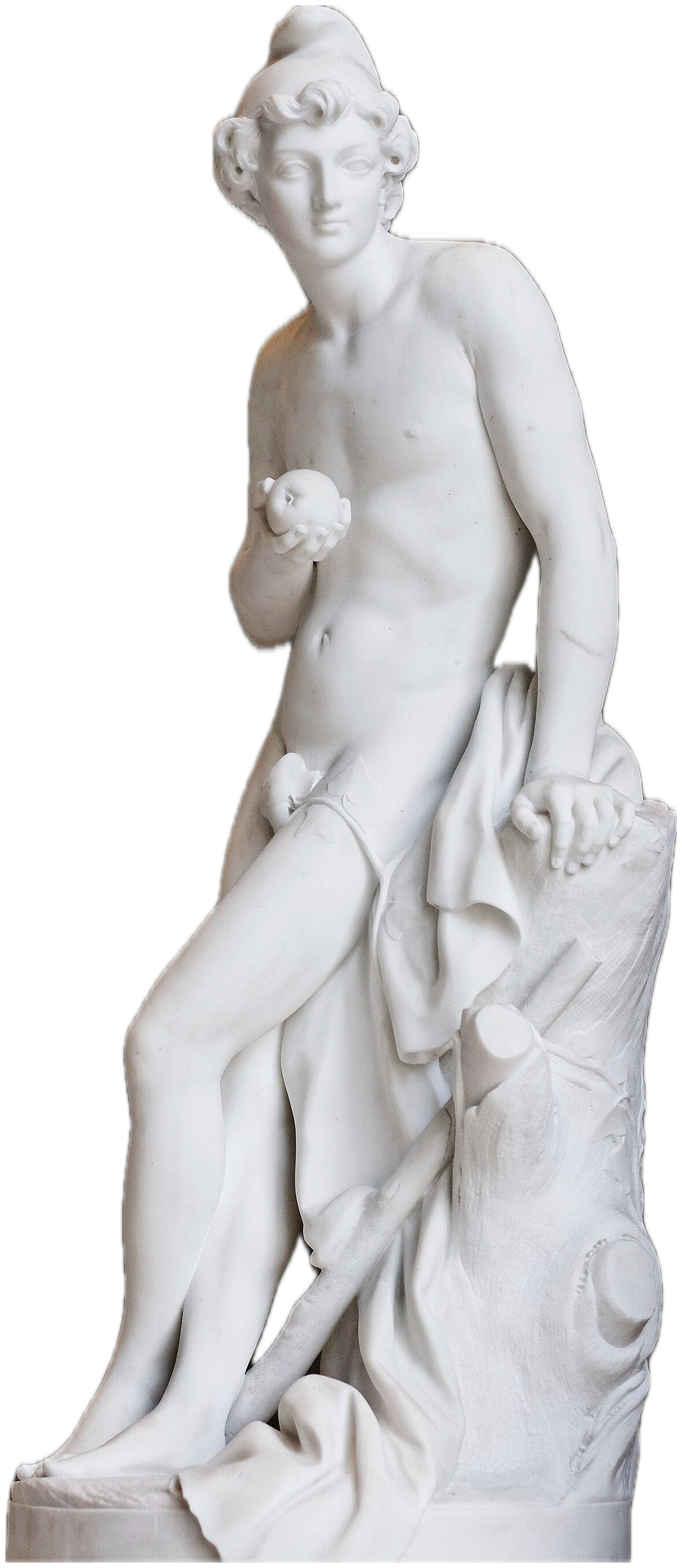
“to send forth to Hades many a valiant head. And the Trojans over against them on the rising ground of the plain mustered about great Hector and peerless Polydamas and Aeneas that was honoured of the folk of the Trojans even as a god, and the three sons of Antenor, Polybus and goodly Agenor”
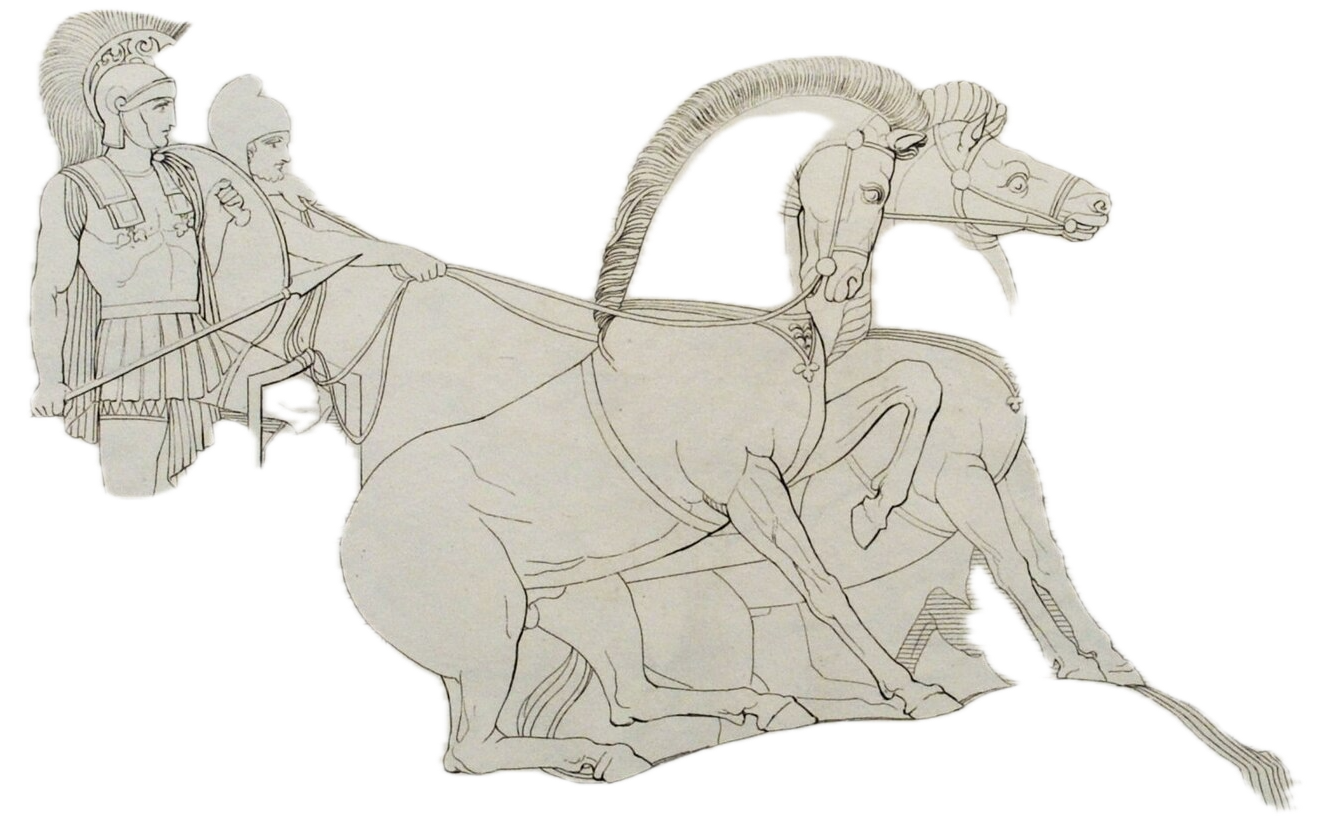
“either of the Trojans themselves or of their famed allies. It was Iphidamas, son of Antenor, a valiant man and tall, that was nurtured in deep-soiled Thrace, mother of flocks, and Cisseus reared him in his house while he was yet but a little child, even his mother's father, that begat fair-cheeked Theano.”
“and put his weight into the thrust, trusting in his heavy hand; howbeit he pierced not the flashing girdle, for long ere that the spear-point struck the silver, and was bent like lead. Then wide-ruling Agamamnon seized the spear in his hand and drew it toward him furiously like a lion, and pulled it from the hand of Iphidamas,”
“and loosed his limbs; and he drew near and struck off his head over Iphidamas. There then the sons of Antenor beneath the hands of the king, the son of Atreus, fulfilled the measure of their fate, and went down to the house of Hades. But Agamemnon ranged along the ranks of the other warriors”

“Archelochus and Acamas, well skilled in all manner of fighting. And Sarpedon led the glorious allies, and he chose as his comrades Glaucus and warlike Asteropaeus, for these seemed to him to be the bravest beyond all others after his own self, but he was pre-eminent even amid all.”
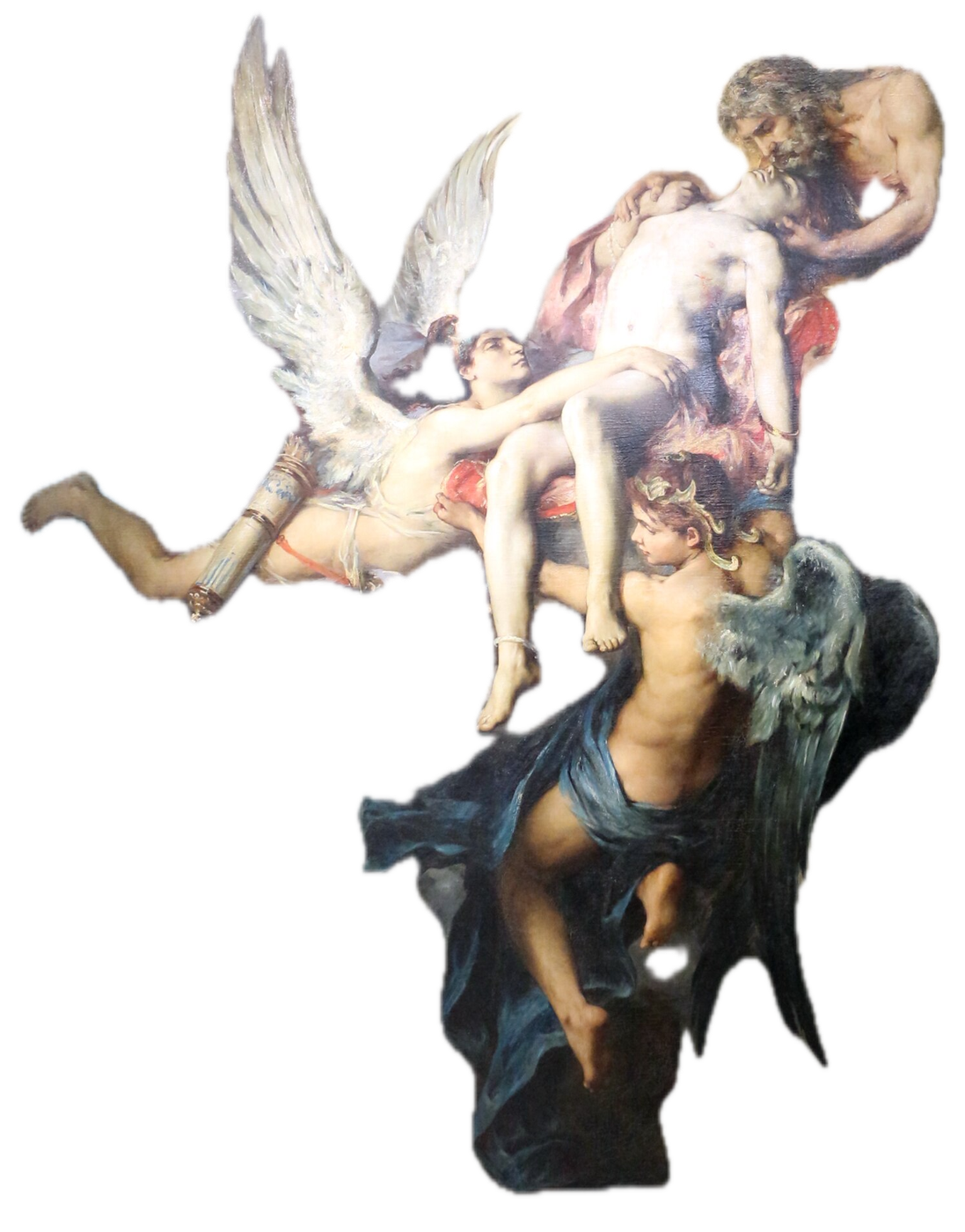
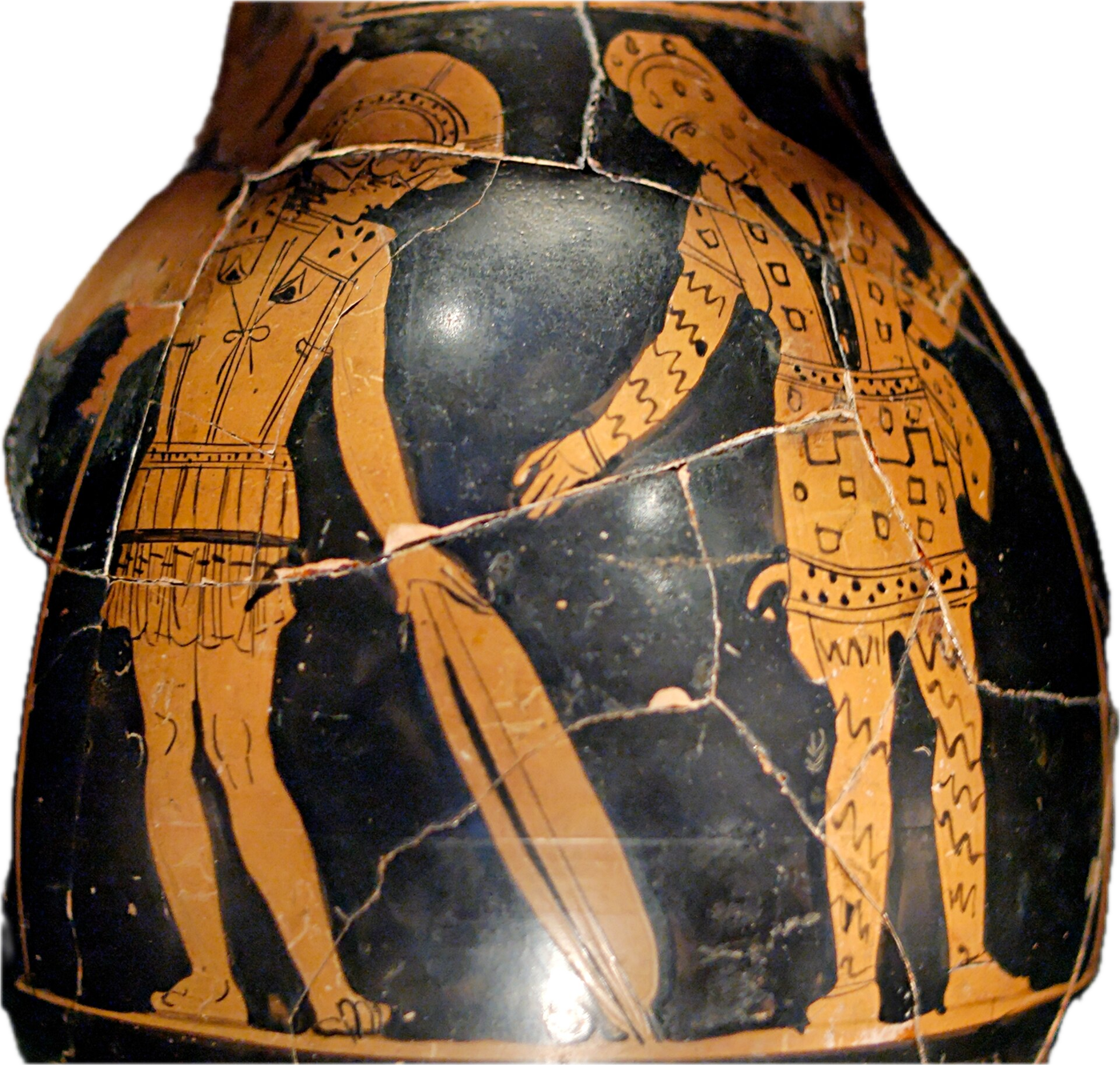
“the son of Telamon, for closest to him did the man fall. Swiftly then he cast with his bright spear at the other, even as he was drawing back. And Polydamas himself escaped black fate, springing to one side; but Archelochus, son of Antenor, received the spear; for to him the gods purposed death.”
“Then Hector slew Schedius, son of Perimedes, a leader of the Phocians, and Aias slew Laodamas, the leader of the footmen, the glorious son of Antenor; and Polydamas laid low Otus of Cyllene, comrade of Phyleus' son, captain of the great-souled Epeians.”
“and they went and sat them down in the front of the gathering. And last of all came the king of men, Agamemnon, burdened with his wound; for him too in the fierce conflict had Coon, Antenor's son, wounded with a thrust of his bronze-shod spear. But when all the Achaeans were gathered together,”
“with their tires in the forefront of the fray, and over him Demoleon, Antenor's son, a valiant warder of battle, did Achilles pierce in the temple through the helmet with cheek-pieces of bronze. Nor did the bronze helm stay the spear, but through it sped the spear-point and brake asunder the bone; and all the brain”






“had not Phoebus Apollo aroused goodly Agenor, Antenor's son, a peerless warrior and a stalwart. In his heart he put courage, and himself stood by his side, that he might ward from him the heavy hands of death; against the oak he leaned, and he was enfolded in deep mist.”
“neither is anywise afraid at heart, nor fleeth when she heareth the baying of the hounds; for though the man be beforehand with her and smite her with thrust or with dart, yet even pierced through with the spear she ceaseth not from her fury until she grapple with him or be slain; even so lordly Antenor's son, goodly Agenor,”
Connections
Wife · Sources
he was in truth a bastard, howbeit goodly Theano had reared him carefully even as her own children, to do pleasure to her husband. To him Phyleus' son, famed for his spear, drew nigh and smote him with a cast of his sharp spear on the sinew of the head; and straight through amid the teeth the bronze shore away the tongue at its base.
and shone like a star, and lay undermost of all. Then she went her way, and the throng of aged wives hastened after her. Now when they were come to the temple of Athene in the citadel, the doors were opened for them by fair-cheeked Theano, daughter of Cisseus, the wife of Antenor, tamer of horses;
Il. 5.70–71 · Il. 6.299
Son · Sources
to send forth to Hades many a valiant head. And the Trojans over against them on the rising ground of the plain mustered about great Hector and peerless Polydamas and Aeneas that was honoured of the folk of the Trojans even as a god, and the three sons of Antenor, Polybus and goodly Agenor
had not Phoebus Apollo aroused goodly Agenor, Antenor's son, a peerless warrior and a stalwart. In his heart he put courage, and himself stood by his side, that he might ward from him the heavy hands of death; against the oak he leaned, and he was enfolded in deep mist.
neither is anywise afraid at heart, nor fleeth when she heareth the baying of the hounds; for though the man be beforehand with her and smite her with thrust or with dart, yet even pierced through with the spear she ceaseth not from her fury until she grapple with him or be slain; even so lordly Antenor's son, goodly Agenor,
Il. 11.59 · Il. 21.546 · Il. 21.579
Son · Sources
either of the Trojans themselves or of their famed allies. It was Iphidamas, son of Antenor, a valiant man and tall, that was nurtured in deep-soiled Thrace, mother of flocks, and Cisseus reared him in his house while he was yet but a little child, even his mother's father, that begat fair-cheeked Theano.
and put his weight into the thrust, trusting in his heavy hand; howbeit he pierced not the flashing girdle, for long ere that the spear-point struck the silver, and was bent like lead. Then wide-ruling Agamamnon seized the spear in his hand and drew it toward him furiously like a lion, and pulled it from the hand of Iphidamas,
Il. 11.221 · Il. 11.239
Son · Sources
goats and sheep together, which were herded for him in flocks past counting. Then did Agamemnon, son of Atreus, strip him and went through the throng of the Achaeans bearing his goodly armour. But when Coön, pre-eminent among warriors, eldest son of Antenor, marked him, strong grief
and they went and sat them down in the front of the gathering. And last of all came the king of men, Agamemnon, burdened with his wound; for him too in the fierce conflict had Coon, Antenor's son, wounded with a thrust of his bronze-shod spear. But when all the Achaeans were gathered together,
Il. 11.248–249 · Il. 19.53
Son · Sources
and he failed not to hearken to goodly Agamemnon. But Iris went as a messenger to white-armed Helen, in the likeness of her husband's sister, the wife of Antenor's son, even her that lord Helicaon, Antenor's son, had to wife, Laodice, the comeliest of the daughters of Priam.
Il. 3.122–123
Son · Sources
even Aeneas, whom fair Aphrodite conceived to Anchises amid the spurs of Ida, a goddess couched with a mortal man. Not alone was he; with him were Antenor's two sons, Archelochus and Acamas, well skilled in all manner of fighting. And they that dwelt in Zeleia beneath the nethermost foot of Ida,
to send forth to Hades many a valiant head. And the Trojans over against them on the rising ground of the plain mustered about great Hector and peerless Polydamas and Aeneas that was honoured of the folk of the Trojans even as a god, and the three sons of Antenor, Polybus and goodly Agenorand young Acamas, like to the immortals. And Hector amid the foremost bare his shield that was well balanced upon every side. Even as from amid the clouds there gleameth a baneful star, all glittering, and again it sinketh behind the shadowy clouds, even so Hector would now appear amid the foremost
Archelochus and Acamas, well skilled in all manner of fighting. And Sarpedon led the glorious allies, and he chose as his comrades Glaucus and warlike Asteropaeus, for these seemed to him to be the bravest beyond all others after his own self, but he was pre-eminent even amid all.
Il. 2.822–823 · Il. 11.59–60 · Il. 12.100
Son · Sources
even Aeneas, whom fair Aphrodite conceived to Anchises amid the spurs of Ida, a goddess couched with a mortal man. Not alone was he; with him were Antenor's two sons, Archelochus and Acamas, well skilled in all manner of fighting. And they that dwelt in Zeleia beneath the nethermost foot of Ida,
Archelochus and Acamas, well skilled in all manner of fighting. And Sarpedon led the glorious allies, and he chose as his comrades Glaucus and warlike Asteropaeus, for these seemed to him to be the bravest beyond all others after his own self, but he was pre-eminent even amid all.
the son of Telamon, for closest to him did the man fall. Swiftly then he cast with his bright spear at the other, even as he was drawing back. And Polydamas himself escaped black fate, springing to one side; but Archelochus, son of Antenor, received the spear; for to him the gods purposed death.
Il. 2.822–823 · Il. 12.100 · Il. 14.464
See all 13
Son · Sources
with their tires in the forefront of the fray, and over him Demoleon, Antenor's son, a valiant warder of battle, did Achilles pierce in the temple through the helmet with cheek-pieces of bronze. Nor did the bronze helm stay the spear, but through it sped the spear-point and brake asunder the bone; and all the brain
Il. 20.395
Son · Sources
So would many a one of Achaeans and Trojans speak. But Athene entered the throng of the Trojans in the guise of a man, even of Laodocus, son of Antenor, a valiant spearman, in quest of god-like Pandarus, if haply she might find him. And she found Lycaon's son, peerless and stalwart,
Il. 4.86
Son · Sources
After him Meriones pursued, and when he had come up with him, smote him in the right buttock, and the spear-point passed clean through even to the bladder beneath the bone;, and he fell to his knees with a groan, and death enfolded him. And Pedaeus, Antenor's son, was slain of Meges;he was in truth a bastard, howbeit goodly Theano had reared him carefully even as her own children, to do pleasure to her husband. To him Phyleus' son, famed for his spear, drew nigh and smote him with a cast of his sharp spear on the sinew of the head; and straight through amid the teeth the bronze shore away the tongue at its base.
Il. 5.69–70
Son · Sources
to send forth to Hades many a valiant head. And the Trojans over against them on the rising ground of the plain mustered about great Hector and peerless Polydamas and Aeneas that was honoured of the folk of the Trojans even as a god, and the three sons of Antenor, Polybus and goodly Agenor
Il. 11.59
Grandson · Sources
Происхождение выведено по цепочке родителей: Антенор → Агенор → Ехекл.
to send forth to Hades many a valiant head. And the Trojans over against them on the rising ground of the plain mustered about great Hector and peerless Polydamas and Aeneas that was honoured of the folk of the Trojans even as a god, and the three sons of Antenor, Polybus and goodly Agenor
and the dark blood welling forth therefrom filled his bosom; and darkness enfolded his eyes, as he swooned. Then with his spear Achilles drew nigh unto Mulius and smote him upon the ear, and clean through the other ear passed the spear-point of bronze. Then smote he Agenor's son Echeclus
had not Phoebus Apollo aroused goodly Agenor, Antenor's son, a peerless warrior and a stalwart. In his heart he put courage, and himself stood by his side, that he might ward from him the heavy hands of death; against the oak he leaned, and he was enfolded in deep mist.
Il. 11.59 · Il. 20.474 · Il. 21.546 · Il. 21.579
In art

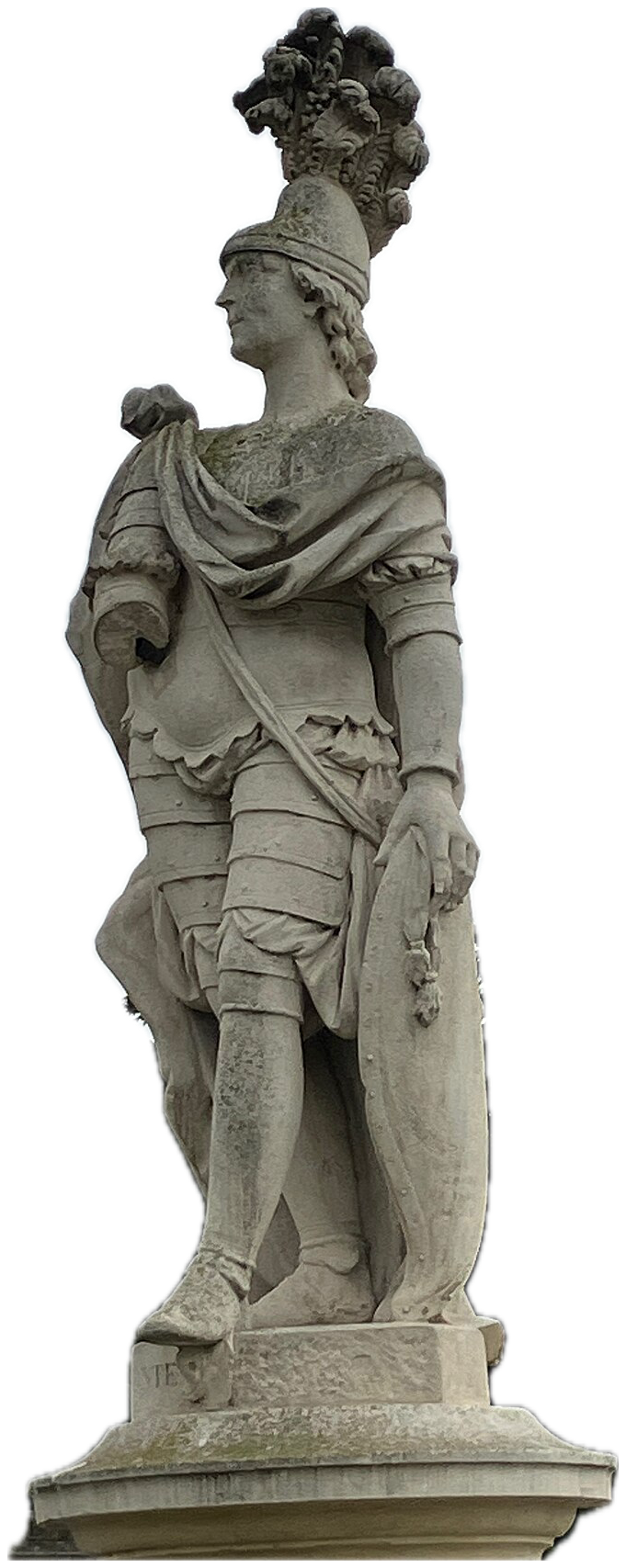
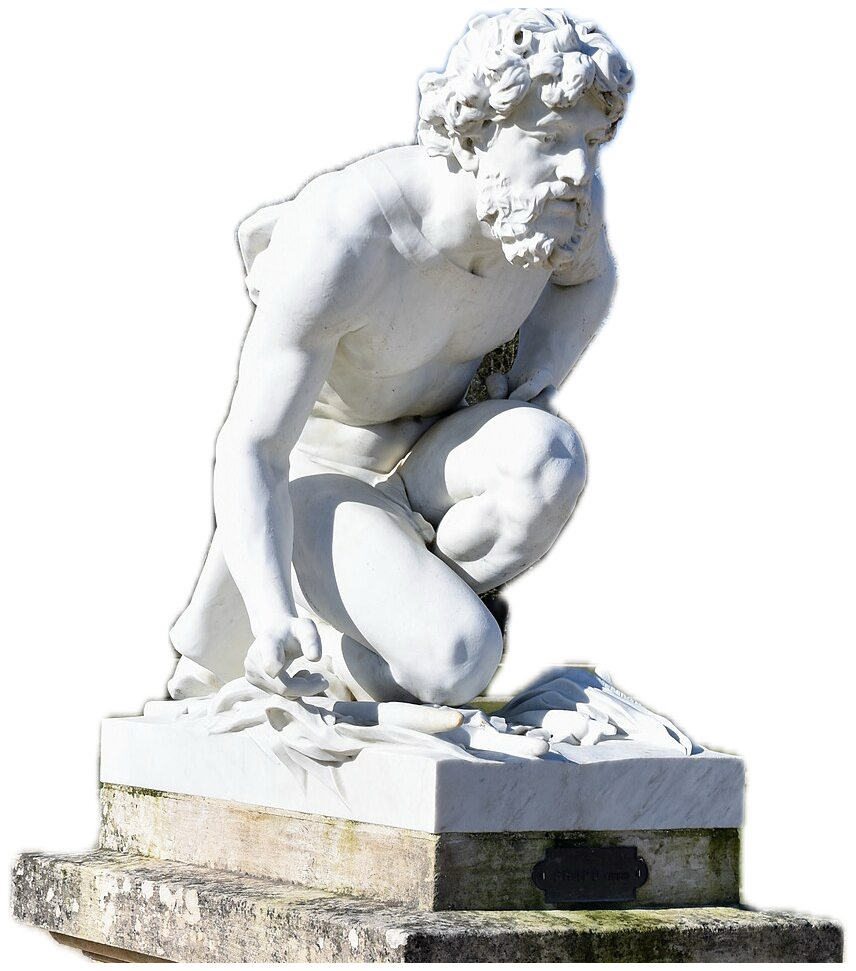
Francesco Androsi. Antenor Prato della Valle Padua3. CC0. https://www.wikidata.org/wiki/Q138073409
See all 1
04 / PROVENANCE
Sources and verification
The character is matched to the catalogue.
- Wikipedia · Antenor (Trojan) · CC BY-SA 4.0
Excerpt; remaining sentences omitted.
Reference material remains distinct from the poem’s assertions. Characters who share a name retain separate pages.