Atreus
Mortal man
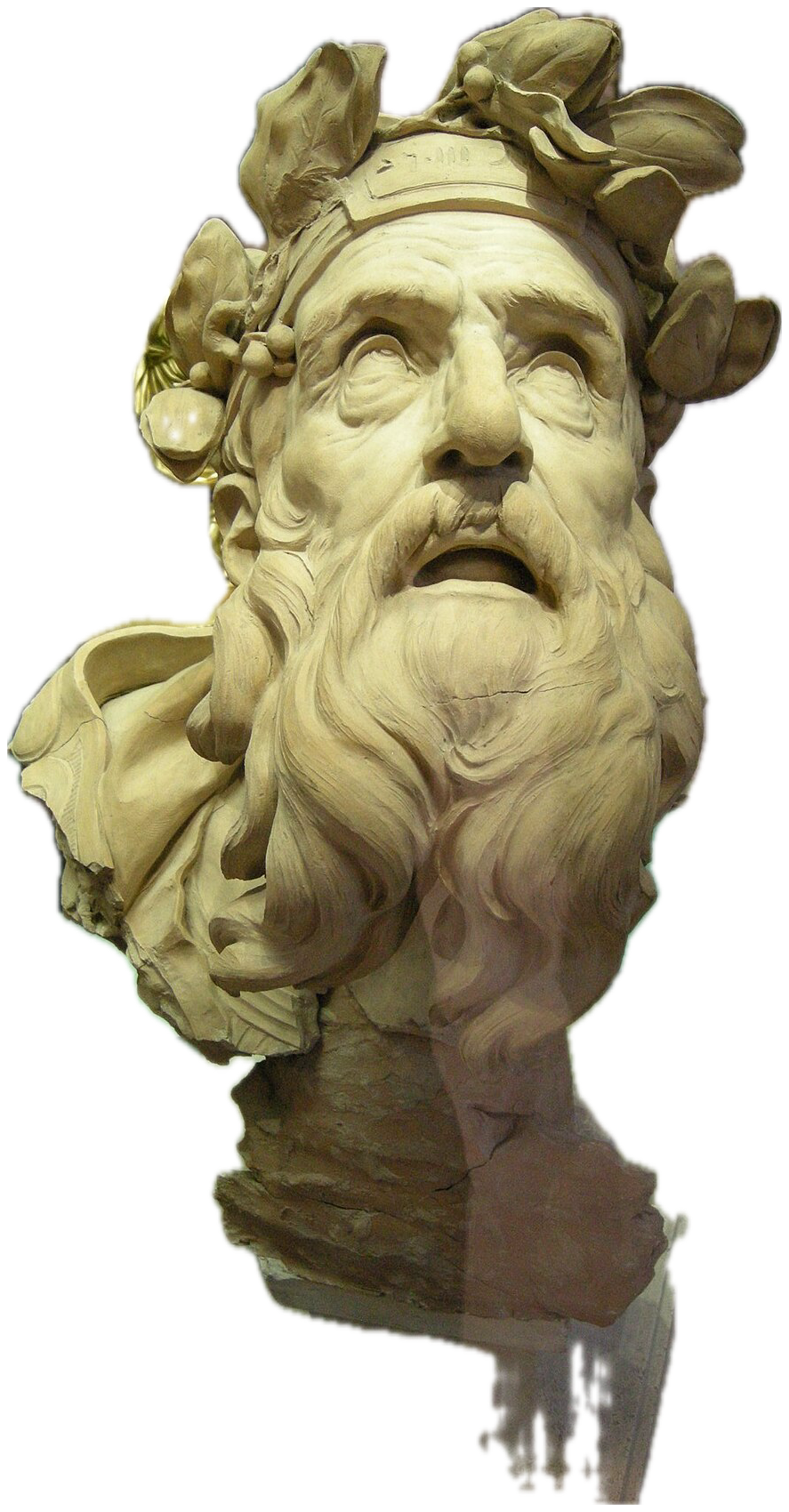
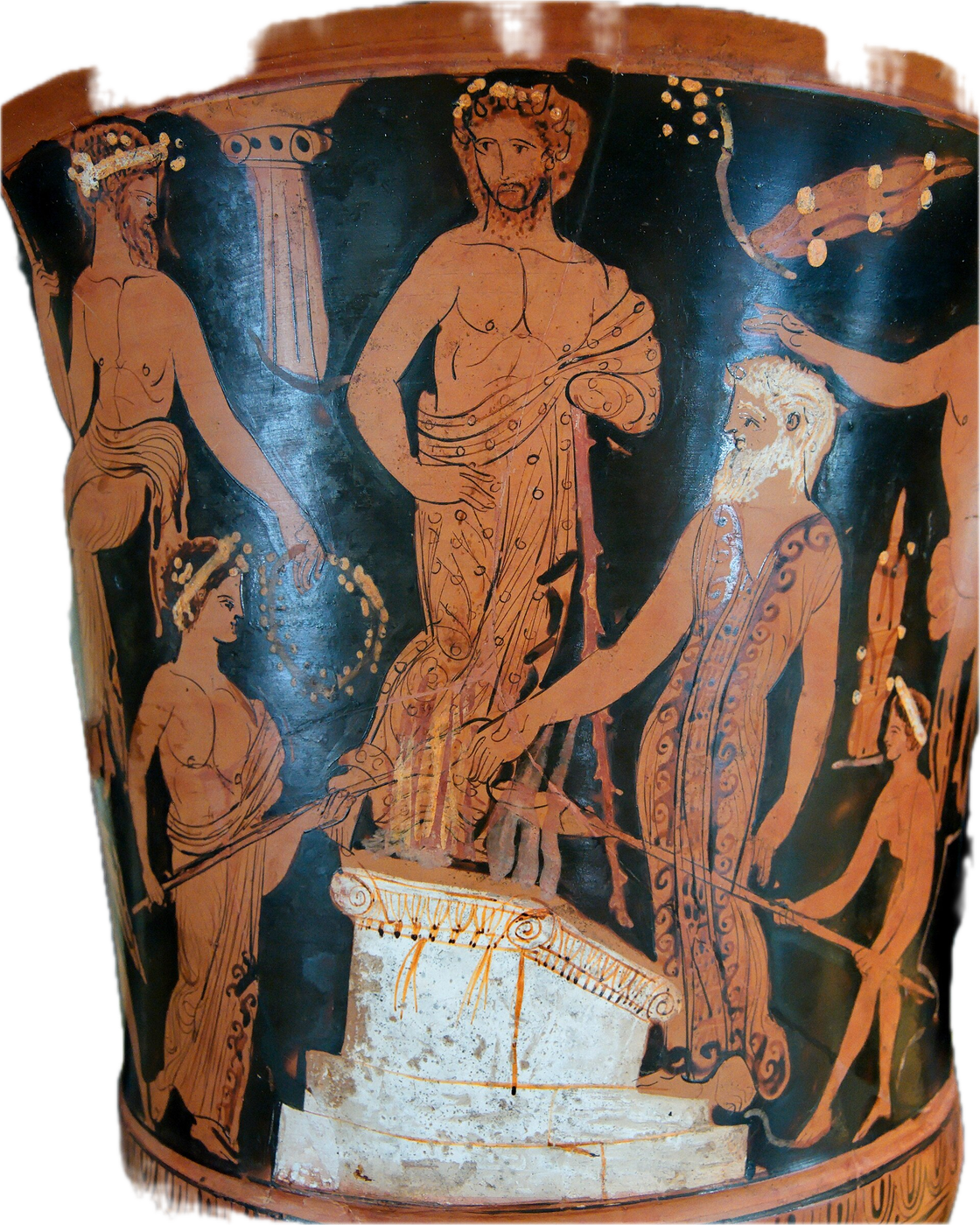
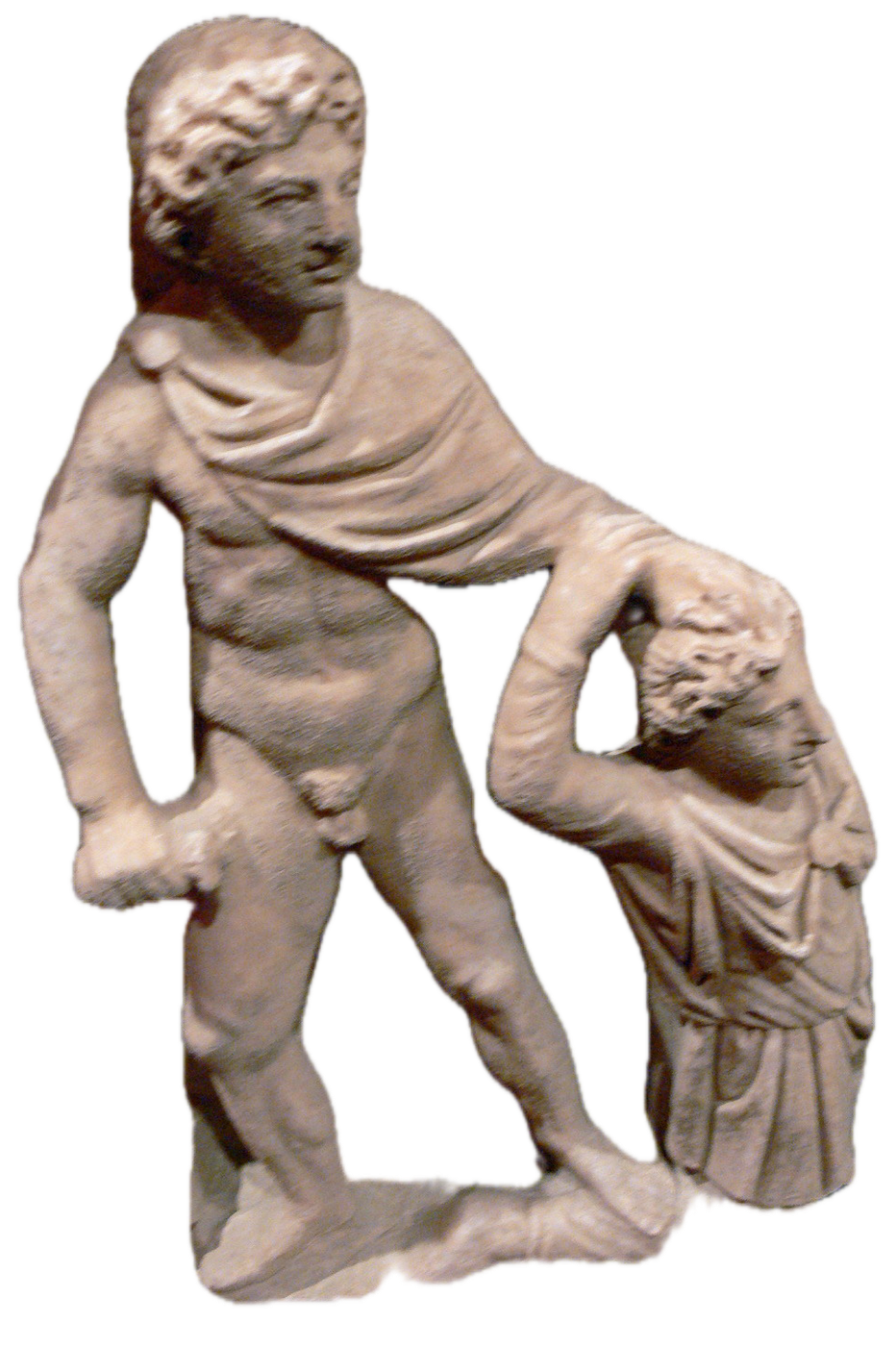
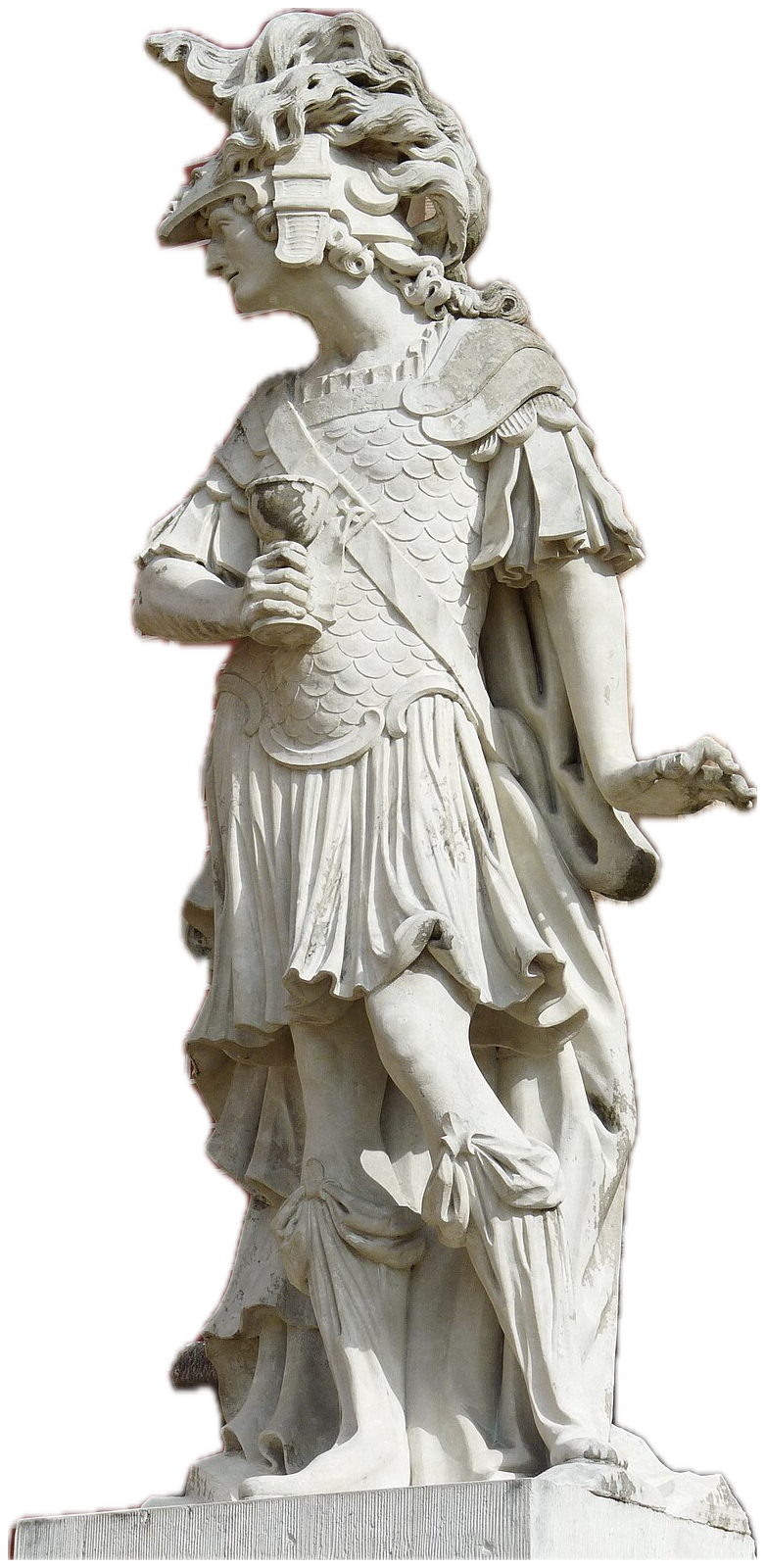
In Greek mythology, Atreus (Ancient Greek: Ἀτρεύς, [a.trěu̯s] lit. 'fearless') was a king of Mycenae in the Peloponnese, the son of Pelops and Hippodamia, and the father of Agamemnon and Menelaus. His descendants became known collectively as the Atreidae (Ancient Greek: Ἀτρείδαι Atreidai).
Explore on the graph
- Mentions
- 83
- Connected characters
- 6
- Books
- 16



Mentions in the Iliad
A. T. Murray, Loeb Classical Library, Harvard University Press, 1924 · Homer, Iliad with an English Translation · CC BY-SA 3.0 US
“from the time when first they parted in strife Atreus' son, king of men, and brilliant Achilles. Who then of the gods was it that brought these two together to contend? The son of Leto and Zeus; for he in anger against the king roused throughout the host an evil pestilence, and the people began to perish,”







“When he had thus spoken he sat down, and among them arose the warrior, son of Atreus, wide-ruling Agamemnon, deeply troubled. With rage his black heart was wholly filled, and his eyes were like blazing fire. To Calchas first of all he spoke, and his look threatened evil:”
“In answer to him spoke swift-footed brilliant Achilles: Most glorious son of Atreus, most covetous of all, how shall the great-hearted Achaeans give you a prize? We know nothing of a hoard of wealth in common store, but whatever we took by pillage from the cities has been apportioned,”
“and break up the assembly, and slay the son of Atreus, or stay his anger and curb his spirit. While he pondered this in mind and heart, and was drawing from its sheath his great sword, Athene came from heaven. The white-armed goddess Hera had sent her forth,”
“yet he is the mightier, since he is king over more. Son of Atreus, check your rage. Indeed, I beg you to let go your anger against Achilles, who is for all the Achaeans a mighty bulwark in evil war. In answer to him spoke lord Agamemnon:”
“The son of Peleus went his way to his huts and his balanced ships together with the son of Menoetius, and with his men; but the son of Atreus launched a swift ship on the sea, and chose for it twenty rowers, and drove on board a hecatomb for the god, and brought the fair-cheeked daughter of Chryses and set her in the ship;”
“has dishonoured me: for he has taken and keeps my prize through his own arrogant act. So he spoke, weeping, and his lady mother heard him, as she sat in the depths of the sea beside the old man, her father. And speedily she came forth from the grey sea like a mist, and sat down before him, as he wept,”
See all 83
“Forthwith, then, I first bade propitiate the god, but thereafter anger seized the son of Atreus, and straightway he arose and spoke a threatening word, which now has come to pass. For the quick-glancing Achaeans are taking the maiden in a swift ship to Chryse, and are bearing gifts to the god;”
“to send to Agamemnon, son of Atreus, a baneful dream. So he spake, and addressed him with winged words: Up, go, thou baneful Dream, unto the swift ships of the Achaeans, and when thou art come to the hut of Agamemnon, son of Atreus,”
“So he took his stand above his head, in the likeness of the son of Neleus, even Nestor, whom above all the elders Agamemnon held in honour; likening himself to him, the Dream from heaven spake, saying: Thou sleepest, son of wise-hearted Atreus, the tamer of horses. To sleep the whole night through beseemeth not a man that is a counsellor,”
“but Agamemnon bade the clear-voiced heralds summon to the place of gathering the long-haired Achaeans. And they made summons, and the men gathered full quickly. But the king first made the council of the great-souled elders to sit down beside the ship of Nestor, the king Pylos-born.”
“and the other sceptred kings rose up thereat and obeyed the shepherd of the host; and the people the while were hastening on. Even as the tribes of thronging bees go forth from some hollow rock, ever coming on afresh, and in clusters over the flowers of spring fly in throngs, some here, some there;”
“and Pelops in turn gave it to Atreus, shepherd of the host; and Atreus at his death left it to Thyestes, rich in flocks, and Thyestes again left it to Agamemnon to bear, that so he might be lord of many isles and of all Argos. Thereon he leaned, and spake his word among the Argives:”
“But himself he went straight to Agamemnon, son of Atreus, and received at his hand the staff of his fathers, imperishable ever, and therewith went his way along the ships of the brazen-coated Achaeans. Whomsoever he met that was a chieftain or man of note, to his side would he come and with gentle words seek to restrain him, saying:”
“for he hath taken away, and keepeth his prize by his own arrogant act. Of a surety there is naught of wrath in the heart of Achilles; nay, he heedeth not at all; else, son of Atreus, wouldest thou now work insolence for the last time. So spake Thersites, railing at Agamemnon, shepherd of the host. But quickly to his side came goodly Odysseus,”
“Then, when they had ceased from their labour and had made ready the meal, they feasted, nor did their hearts lack aught of the equal feast. But when they had put from them the desire of food and drink, among them the horseman, Nestor of Gerenia, was first to speak, saying: Most glorious son of Atreus, Agamemnon, king of men,”
“when they mingle in the pasture, so did their leaders marshal them on this side and on that to enter into the battle, and among them lord Agamemnon, his eyes and head like unto Zeus that hurleth the thunderbolt, his waist like unto Ares, and his breast unto Poseidon.”
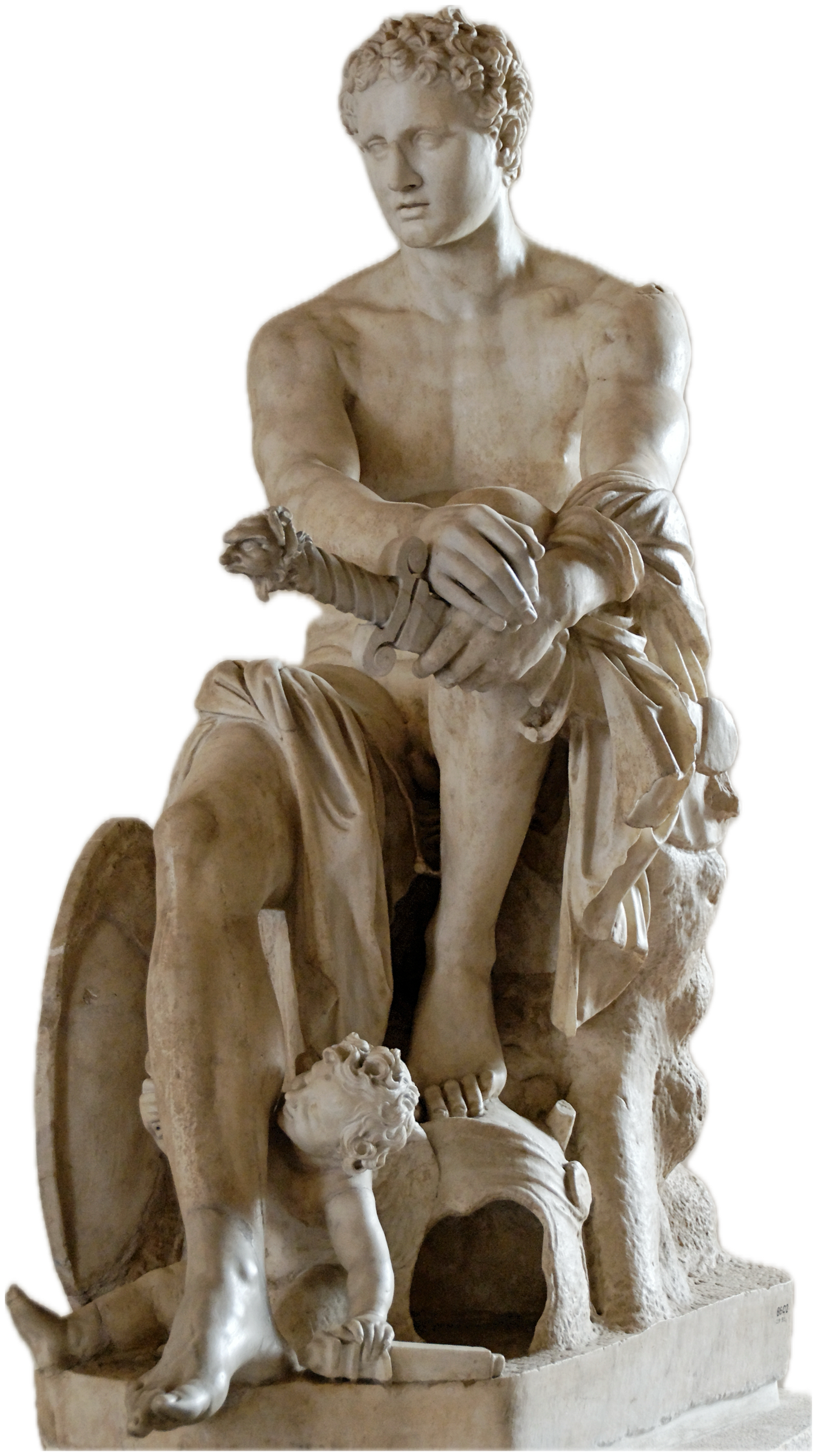
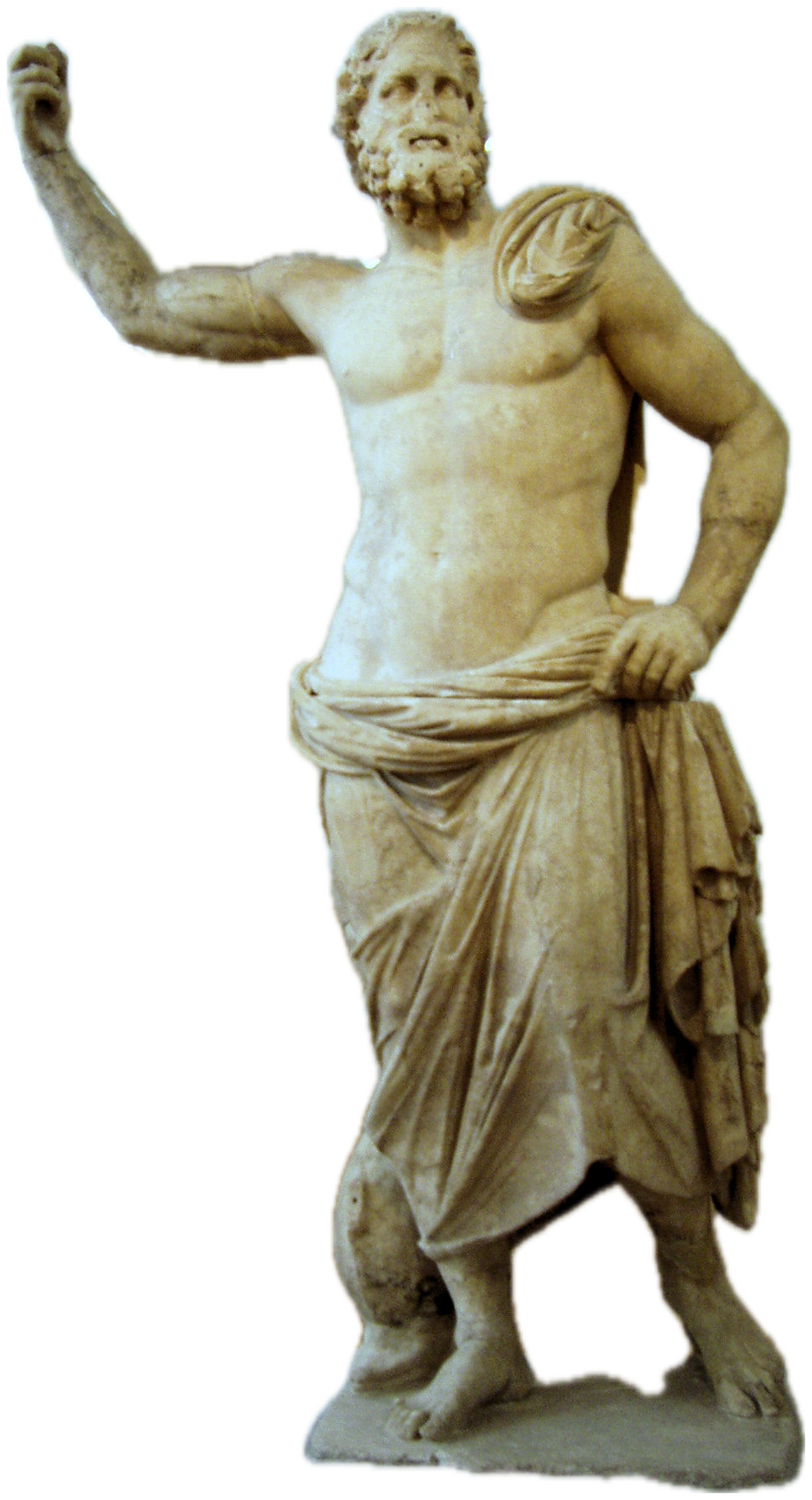
“and that dwelt about Aegium and throughout all Aegialus, and about broad Helice,—of these was the son of Atreus, lord Agamemnon, captain, with an hundred ships. With him followed most people by far and goodliest; and among them he himself did on his gleaming bronze, a king all-glorious, and was pre-eminent among all the warriors,”
“These were the leaders of the Danaans and their lords. But who was far the best among them do thou tell me, Muse—best of the warriors and of the horses that followed with the sons of Atreus. Of horses best by far were the mares of the son of Pheres, those that Eumelas drave, swift as birds,”
“and he withdraweth back again and pallor layeth hold of his cheeks; even so did godlike Alexander, seized with fear of Atreus' son, shrink back into the throng of the lordly Trojans. But Hector saw him, and chid him with words of shame: Evil Paris, most fair to look upon, thou that art mad after women, thou beguiler,”
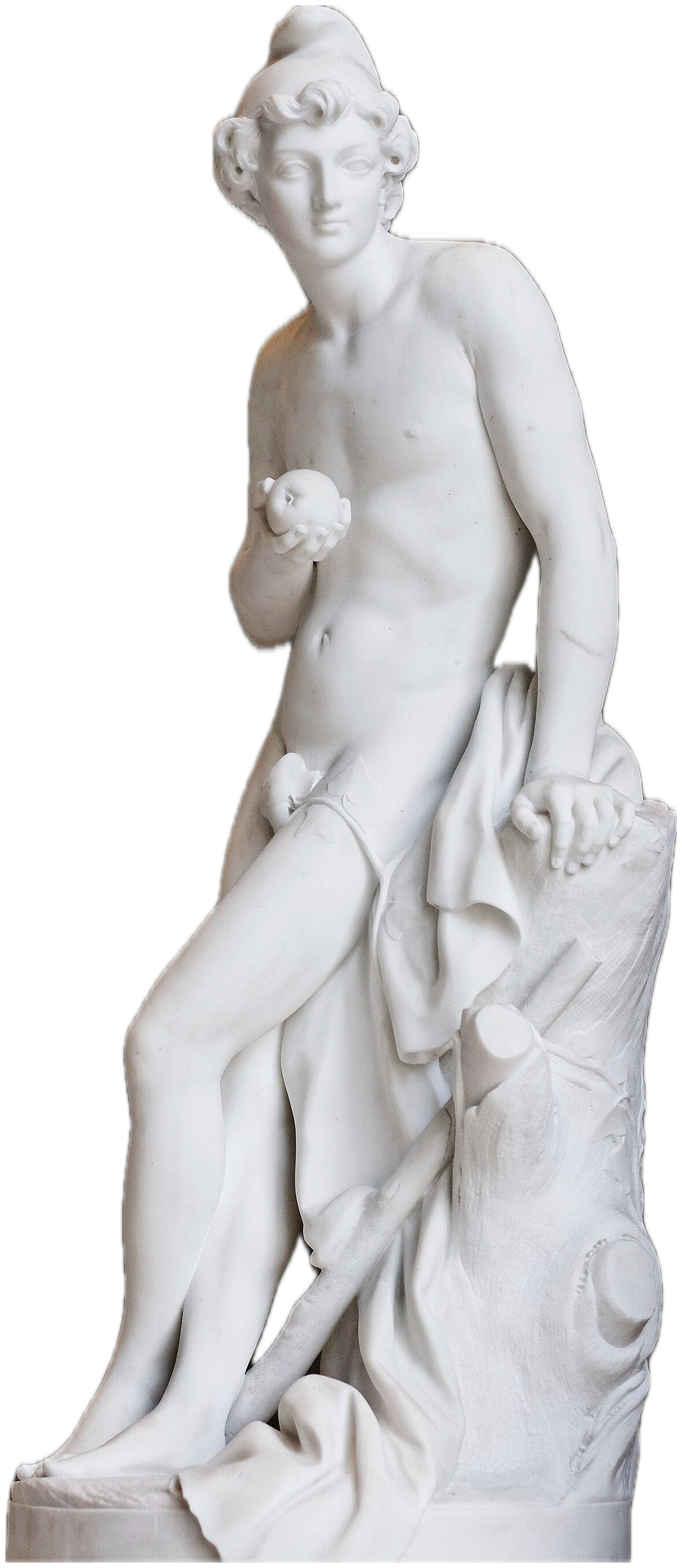

“and he failed not to hearken to goodly Agamemnon. But Iris went as a messenger to white-armed Helen, in the likeness of her husband's sister, the wife of Antenor's son, even her that lord Helicaon, Antenor's son, had to wife, Laodice, the comeliest of the daughters of Priam.”
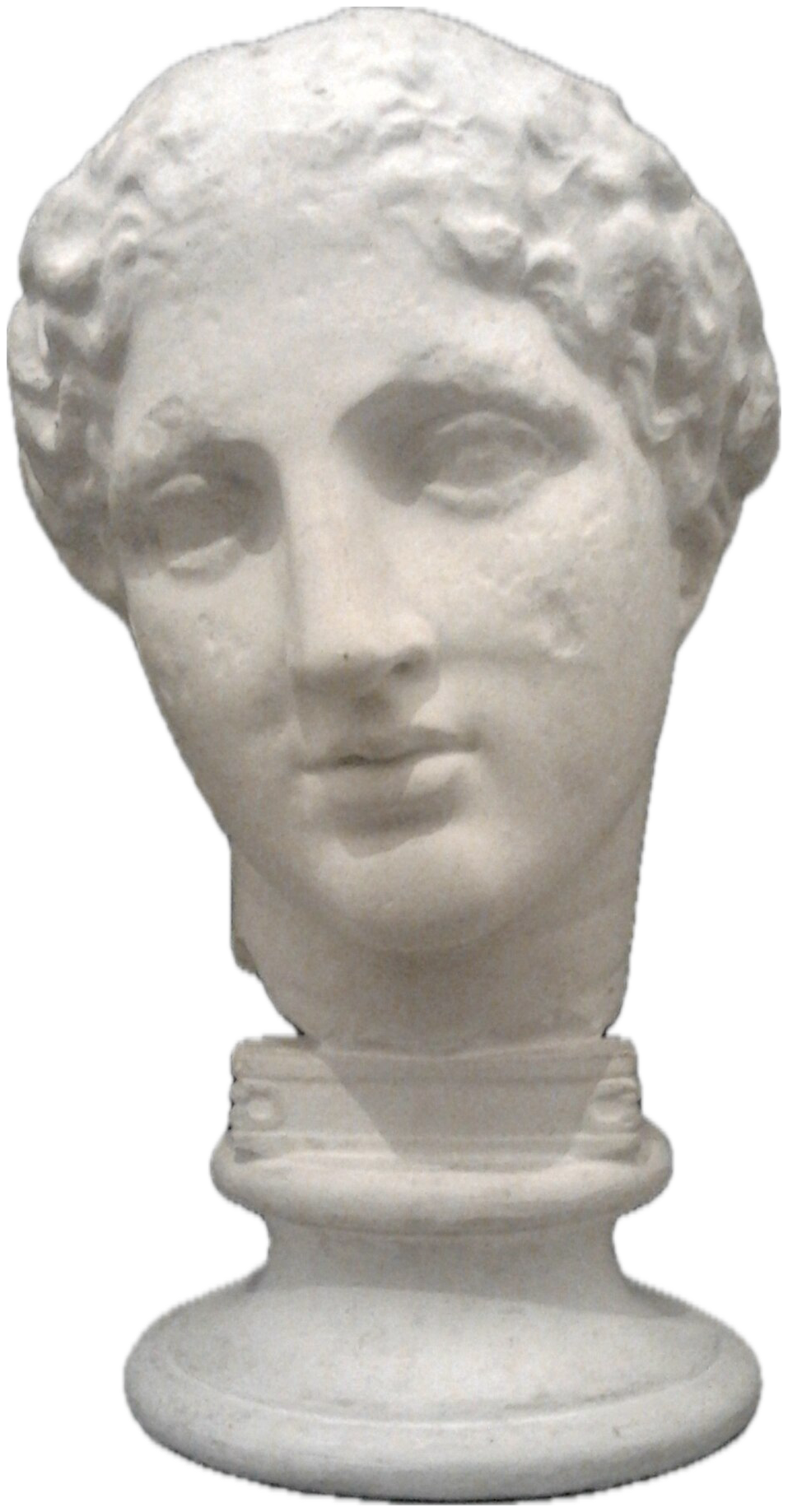
“and my daughter, well-beloved, and the lovely companions of my girlhood. But that was not to be; wherefore I pine away with weeping. Howbeit this will I tell thee, whereof thou dost ask and enquire. Yon man is the son of Atreus, wide-ruling Agamemnon, that is both a noble king and a valiant spearman.”
“when they stood Menelaus overtopped him with his broad shoulders; howbeit when the twain were seated Odysseus was the more royal. But when they began to weave the web of speech and of counsel in the presence of all, Menelaus in truth spake fluently, with few words, but very clearly, seeing he was not a man of lengthy speech”
“brandishing their spears in wrath one at the other. First Alexander hurled his far-shadowing spear, and smote upon the son of Atreus' shield that was well balanced on every side ; howbeit the bronze brake not through but its point was turned in the stout shield. Next Atreus' son, Menelaus, rushed upon him with his spear,”
“but he bent aside and escaped black fate. Then the son of Atreus drew his silver-studded sword, and raising himself on high smote the horn of his helmet; but upon it his sword shattered in pieces three, aye, four, and fell from his hand. Then the son of Atreus uttered a bitter cry with a glance at the broad heaven:”
“and on the isle of Cranae had dalliance with thee on the couch of love—as now I love thee, and sweet desire layeth hold of me. He spake, and led the way to the couch, and with him followed his wife. Thus the twain were couched upon the corded bed; but the son of Atreus ranged through the throng like a wild beast,”
“to see warlike Menelaus, captain of the Achaeans, whom some man, well skilled in archery, hath smitten with an arrow, some Trojan or Lycian, compassing glory for himself but for us sorrow. So spake he, and roused the heart in his breast, and they went their way in the throng throughout the broad host of the Achaeans. And when they were come where was fair-haired Menelaus,”
“While they were thus busied with Menelaus, good at the war-cry, meanwhile the ranks of the shield-bearing Trojans came on; and the Achaeans again did on their battle-gear, and bethought them of war. Then wouldst thou not have seen goodly Agamemnon slumbering, nor cowering, nor with no heart for fight,”
“At sight of them Agamemnon, king of men, waxed glad, and forthwith he spake to Idomeneus with gentle words: Idomeneus, beyond all the Danaans with swift steeds do I show honour to thee both in war and in tasks of other sort, and at the feast, when the chieftains of the Argives let mingle in the bowl the flaming wine of the elders.”
“So was the old man urging them on, having knowledge of battles from of old. At sight of him lord Agamemnon waxed glad, and he spake, and addressed him with winged words: Old Sir, I would that even as is the spirit in thy breast, so thy limbs might obey, and thy strength be firm.”
“who are more youthful than I and have confidence in their strength. So spake he, and the son of Atreus passed on glad at heart. He found Menestheus, driver of horses, son of Peteos, as he stood, and about him were the Athenians, masters of the war-cry. And hard by stood Odysseus of many wiles,”
“of the horse-taming Trojans. This that thou sayest is as empty wind. Then lord Agamemnon spake to him with a smile, when he knew that he was wroth, and took back his words: Zeus-born son of Laertes, Odysseus of many wiles, neither do I chide thee overmuch nor urge thee on,”
“that he begat is worse than he in battle, though in the place of gathering he is better. So he spake, and stalwart Diomedes answered him not a word, but had respect to the reproof of the king revered. But the son of glorious Capaneus made answer. Son of Atreus, utter not lies, when thou knowest how to speak truly.”

“did Atreus' son Menelaus slay with his sharp spear, even him the mighty hunter; for Artemis herself had taught him to smite all wild things that the mountain forest nurtureth. Yet in no wise did the archer Artemis avail him now, neither all that skill in archery wherein of old he excelled;”
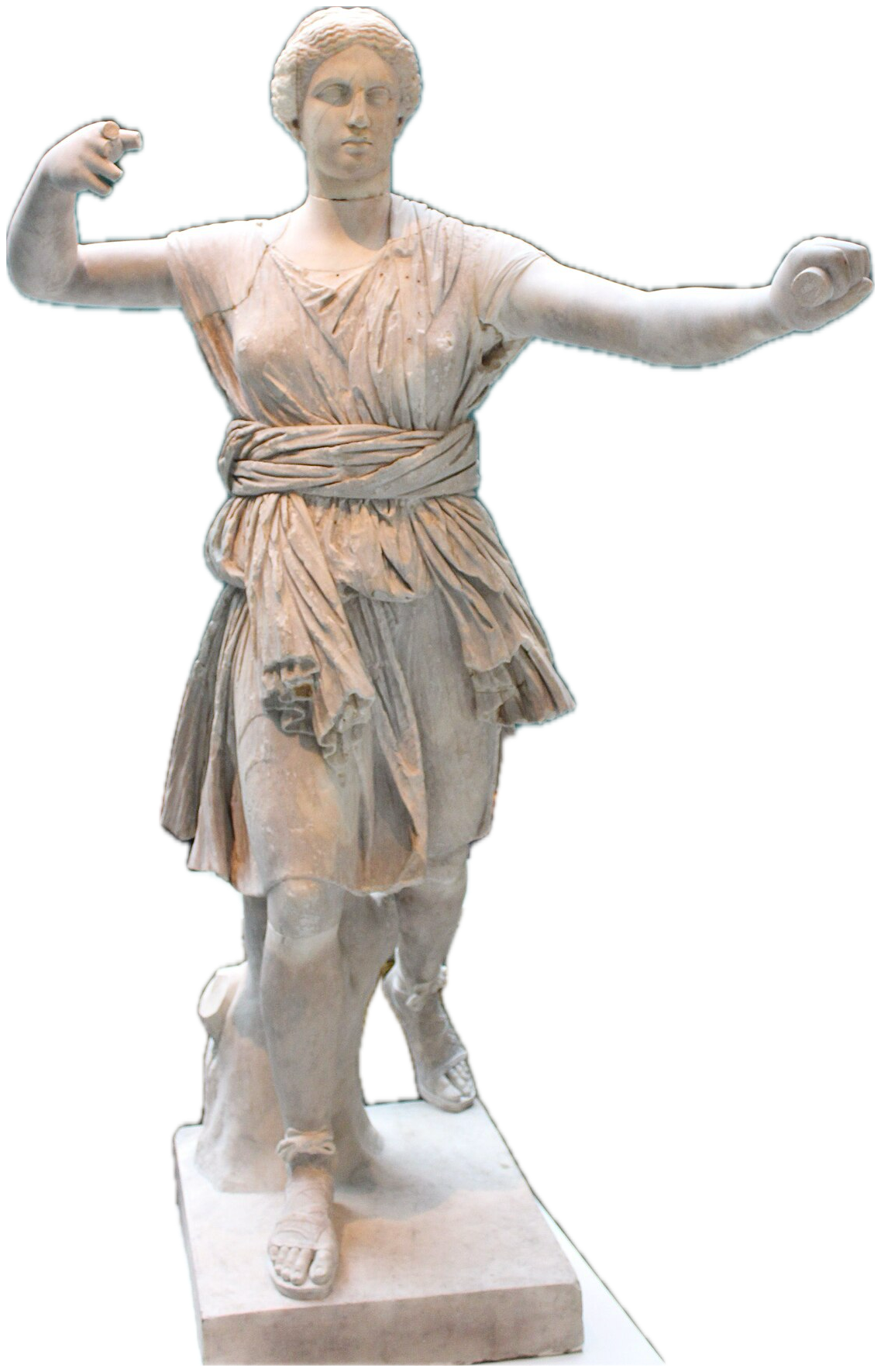
“but this, meseems, was to avail me not. Already have I let fly a shaft at two chieftains, the son of Tydeus and Atreus' son, and smitten them fairly, and from them both of a surety I drew forth blood, yet did I but arouse them the more. Wherefore with ill hap was it that I took from the peg my curved bow”
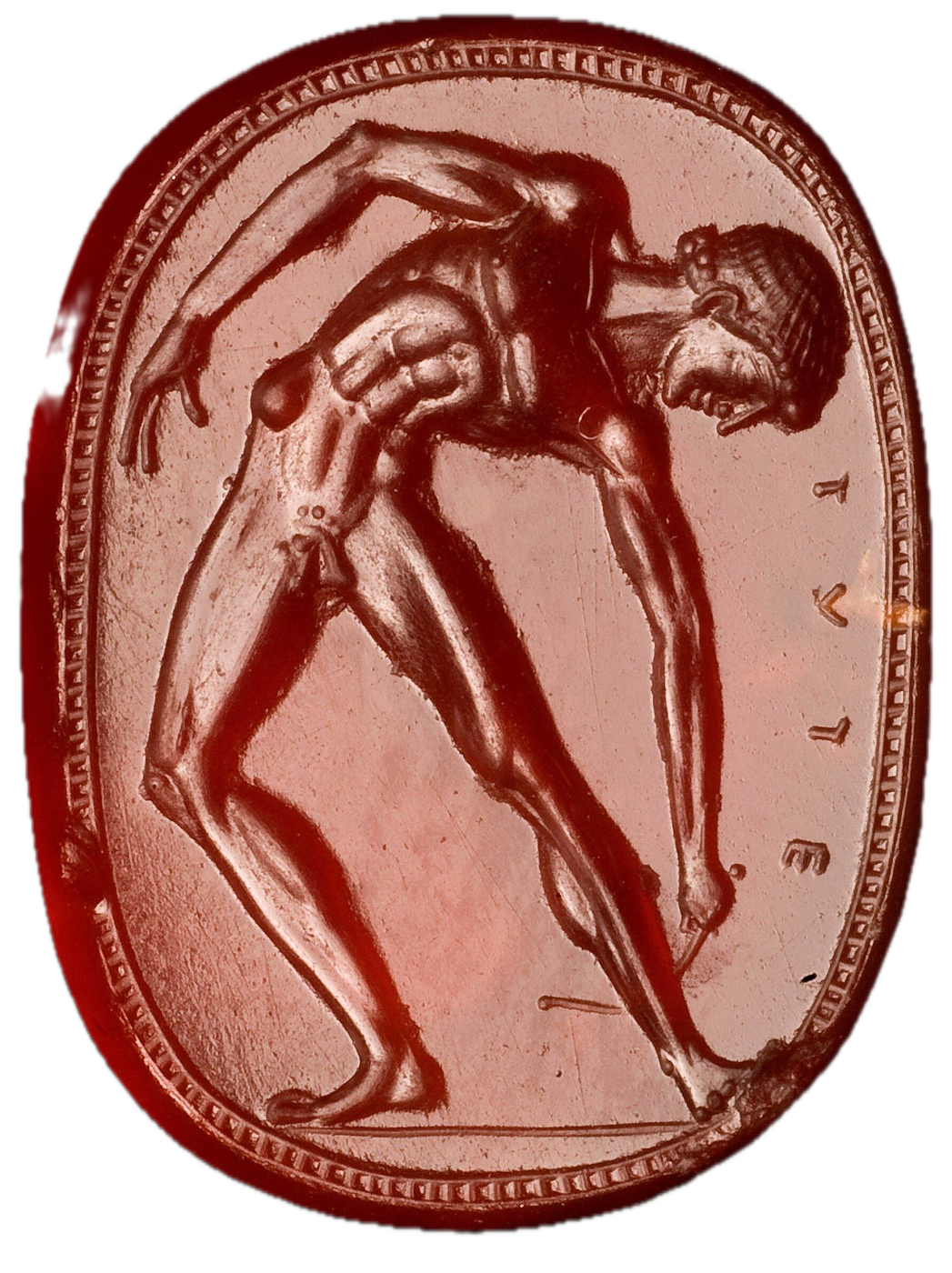
“that blow with shrill blasts and scatter this way and that the shadowy clouds; even so the Danaans withstood the Trojans steadfastly, and fled not. And the son of Atreus ranged throughout the throng with many a word of command: My friends, be men, and take to you hearts of valour, and have shame each of the other in the fierce conflict. Of men that have shame more are saved than are slain, but from them that flee cometh neither glory nor any avail. He spake, and hurled his spear swiftly and smote a foremost warrior, a comrade of great-souled Aeneas, Deïcoön,”
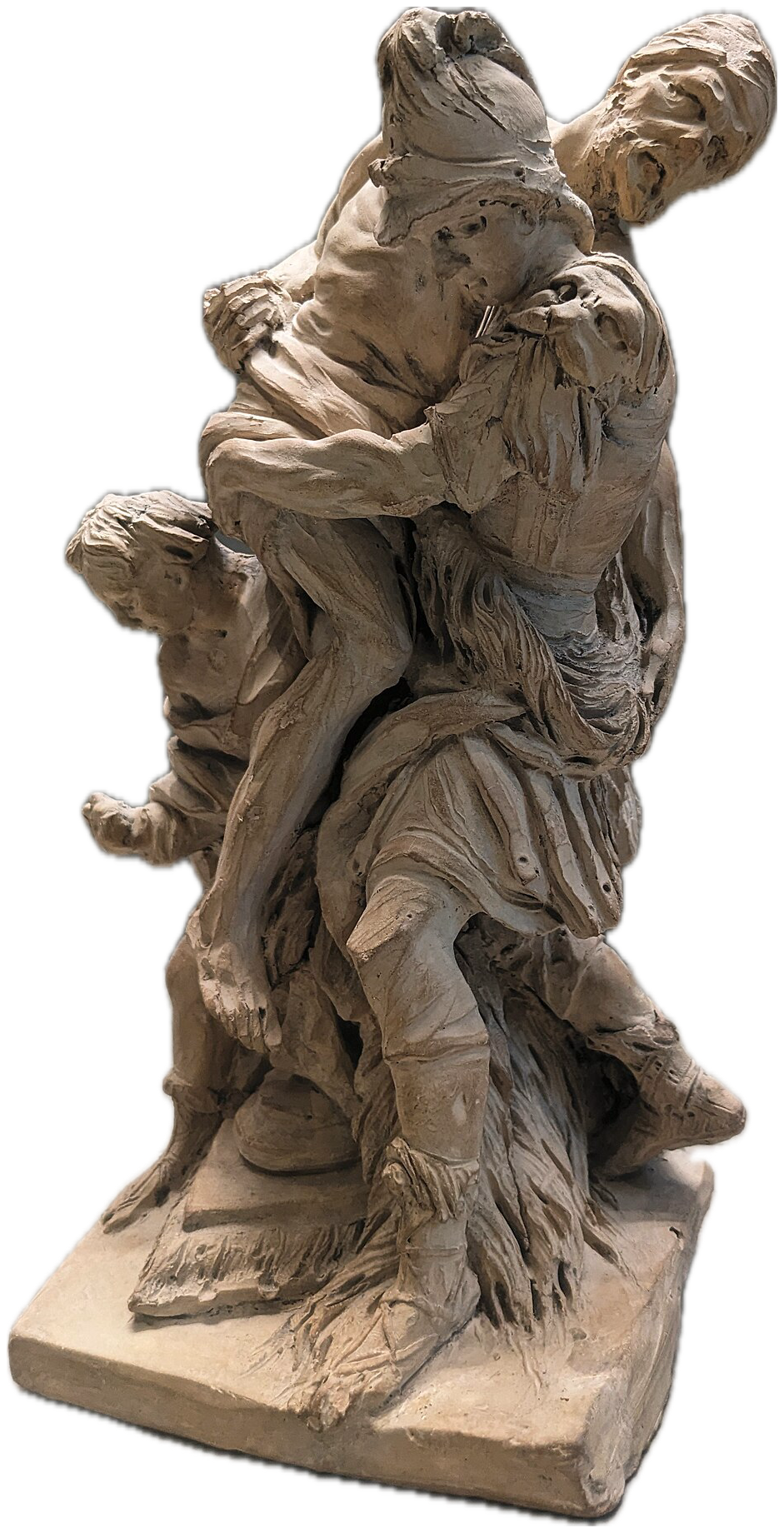
“Now when the twain had reached manhood, they followed with the Argives on the black ships to Ilios famed for its horses, seeking to win recompense for the sons of Atreus, Agamemnon and Menelaus; but their own selves in that land did the doom of death enfold. Like them two lions upon the mountain tops”
“when Antilochus came close beside the shepheard of the host. Then Aeneas abode not, swift warrior though he was, when he beheld the two holding their ground side by side; and they, when they had dragged the dead to the host of the Achaeans, laid the hapless pair in the arms of their comrades,”
“and themselves turned back and fought amid the foremost. Then the twain slew Pylaemenes, peer of Ares, the leader of the great-souled Paphlagonian shieldmen. Him as he stood still, the son of Atreus, spear-famed Menelaus, pierced with his spear, smiting him upon the collar-bone;”
“So said he, and they marked each man his lot and cast them in the helmet of Agamemnon, son of Atreus; and the host made prayer, and lifted up their hands to the gods. And thus would one say with a lance up to the broad heaven: Father Zeus, grant that the lot fall of Aias or the son of Tydeus”
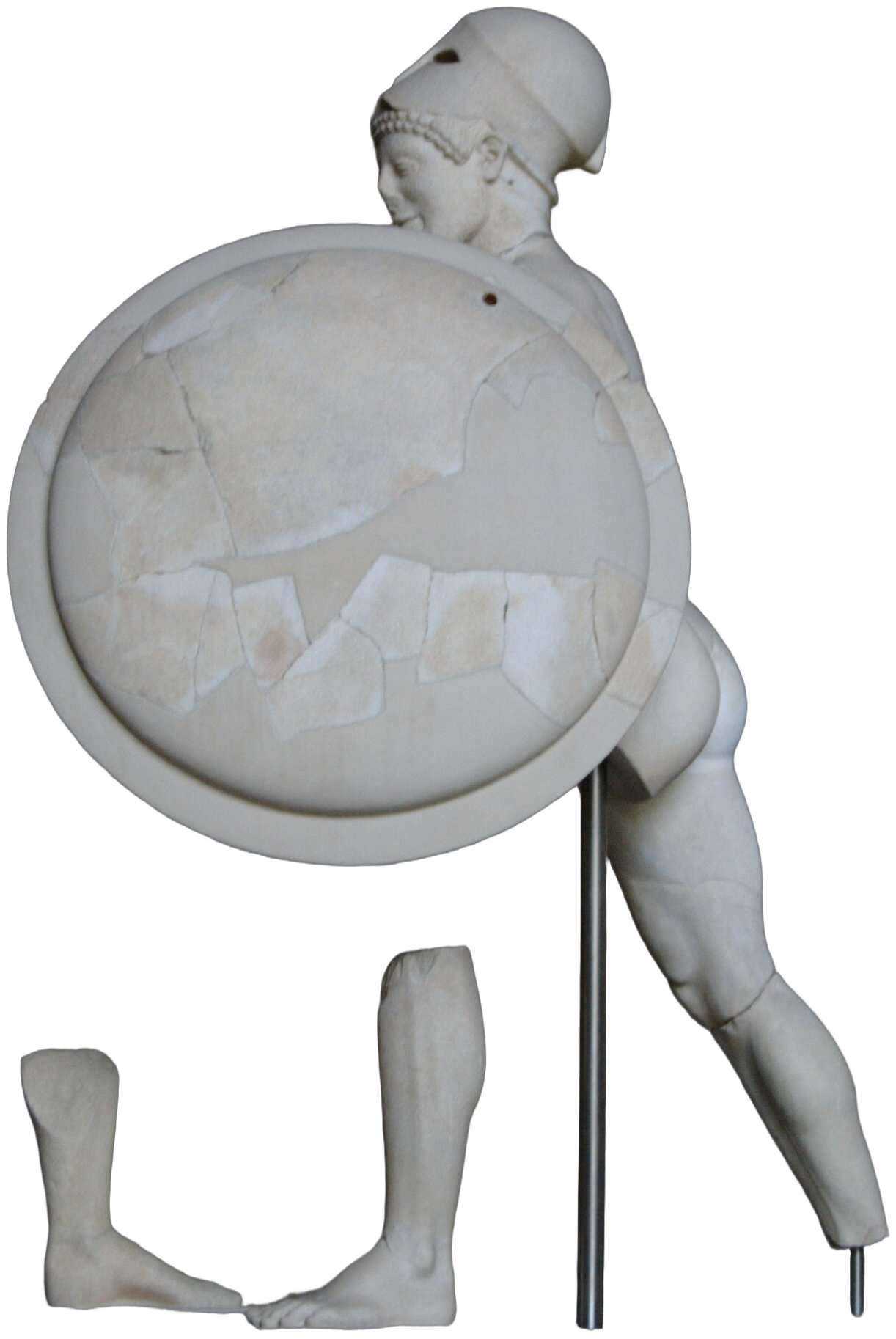
“and they brought him to the city scarce deeming that he was safe. And Aias on his part was led of the well-greaved Achaeans unto goodly Agamemnon, filled with joy of his victory. And when they were now come to the huts of the son of Atreus, then did the king of men, Agamemnon slay there a bull,”
“And for themselves alone unto the sons of Atreus, Agamemnon and Menelaus, had Euneus given wine to be brought them, even a thousand measures. From these ships the long-haired Achaeans bought them wine, some for bronze, some for gleaming iron, some for hides, some for whole cattle,”
“and to those of Achilles; for these had drawn up their shapely ships at the furthermost ends, trusting in their valour and in the strength of their hands. There uttered he a piercing shout, calling aloud to the Danaans: Fie, ye Argives, base things of shame fair in semblance only.”
“so he fell from out the car, and upon him his armour clanged. And after him came the sons of Atreus, Agamemnon and Menelaus, and after them the Aiantes, clothed in furious valour, and after them Idomeneus and Idomeneus' comrade, Meriones, peer of Enyalius, slayer of men,”
“either a tripod or two horses with their car, or a woman that shall go up into thy bed. Then in answer to him spake peerless Teucer: Most glorious son of Atreus, why urgest thou me on, that of myself am eager? Verily I forbear not so far as might is in me,”
“Howbeit for this present let us yield to black night and make ready our supper; and let sentinels post themselves severally along the digged ditch without the wall. To the young men give I this charge; but thereafter do thou, son of Atreus, take the lead, for thou art most kingly.”
“He with good intent addressed their gathering and spake among them: Most glorious son of Atreus, Agamemnon, king of men, with thee will I begin and with thee make an end, for that thou art king over many hosts, and to thee Zeus hath vouchsafed the sceptre and judgements, that thou mayest take counsel for thy people.”
“And let him submit himself unto me, seeing I am more kingly, and avow me his elder in years. Then made answer the horseman, Nestor of Gerenia: Most glorious son of Atreus, Agamemnon, king of men, the gifts that thou offerest the prince Achilles may no man any more condemn.”
“Hail, O Achilles, of the equal feast have we no stinting, either in the hut of Agamemnon, son of Atreus, or now in thine; for here is abundance that satisfies the heart to feast withal. Yet matters of the delicious feast are not in our thoughts, nay, Zeus-nurtured one, it is utter ruin that we behold, and are afraid;”
“But if the son of Atreus be too utterly hated by thee at heart, himself and his gifts, yet have thou pity at least on the rest of the Achaeans, that are sore bested throughout the host; these shall honour thee as though thou wert a god, for verily shalt thou win great glory in their eyes. Now mightest thou slay Hector, seeing he would come very nigh thee”
“Not me, I ween, shall Atreus' son, Agamemnon, persuade, nor yet shall the other Danaans, seeing there were to be no thanks, it seemeth, for warring against the foeman ever without respite. Like portion hath he that abideth at home, and if one warreth his best, and in one honour are held both the coward and the brave;”
“from out all these I took much spoil and goodly, and all would I ever bring and give to Agamemnon, this son of Atreus; but he staying behind, even beside his swiftships, would take and apportion some small part, but keep the most. Some he gave as prizes to chieftains and kings,”
“and yet more shall I bring from hence, gold and ruddy bronze, and fair-girdled women and grey iron—all that fell to me by lot; howbeit my prize hath he that gave it me taken back in his arrogant pride, even lord Agamemnon, son of Atreus. To him do ye declare all, even as I bid,”
“—nay, not though he gave gifts in number as sand and dust; not even so shall Agamemnon any more persuade my soul, until he hath paid the full price of all the despite that stings my heart. And the daughter of Agamemnon, son of Atreus, will I not wed, not though she vied in beauty with golden Aphrodite”
“or said he nay, and doth wrath still possess his proud spirit? Then much-enduring goodly Odysseus answered him: Most glorious son of Atreus, Agamemnon, king of men, he verily is not minded to quench his wrath but is filled yet more with fury, and will have none of thee, or of thy gifts.”
“Long time were they silent in their grief, the sons of the Achaeans, but at length there spake among them Diomedes, good at the war-cry: Most glorious son of Atreus, Agamemnon, king of men, would thou hadst never besought the peerless son of Peleus, nor offered countless gifs; haughty is he even of himself,”
“Now beside their ships all the other chieftains of the host of the Achaeans were slumbering the whole night through, overcome of soft sleep, but Agamemnon, son of Atreus, shepherd of the host, was not holden of sweet sleep, so many things debated he in mind.”
“He rose upon his elbow, lifting up his head, and spake to the son of Atreus, and questioned him, saying: Who art thou that art faring alone by the ships throughout the camp in the darkness of night, when other mortals are sleeping? Seekest thou one of thy mules, or of thy comrades?”
“Speak, and come not silently upon me. Of what hast thou need? Then made answer the king of men, Agamemnon: Nestor, son of Neleus, great glory of the Achaeans, thou shalt know Agamemnon, son of Atreus, whom beyond all others Zeus hath set amid toils continually,”
“The foemen bivouac hard by, nor know we at all whether haply they may not be fain to do battle even in the night. Then made answer to him the horseman Nestor of Gerenia: Most glorious son of Atreus, Agamemnon, king of men, of a surety not all his purposes shall Zeus the counsellor fulfill for Hector,”
“and myself I sent him forth to summon those of whom thou inquirest. But let us go; we shall find them before the gates amid the sentinels, for there I bade them gather. Then made answer to him the horseman, Nestor of Gerenia: So will no man be wroth at him or disobey him”
“even then the Danaans by their valour brake the battalions, calling to their fellows through the lines. And among them Agamemnon rushed forth the first and slew a warrior, Bienor, shepherd of the host,—himself and after him his comrade, Oïleus, driver of horses. Oïleus verily leapt down from his chariot and stood and faced him,”
“but himself had come by land to Ilios; he it was that now came to face Agamemnon, son of Atreus. And when they were come near as they advanced one against the other, the son of Atreus missed, and his spear was turned aside, but Iphidamas stabbed him on the girdle beneath the corselet,”
“Smitten is the son of Tydeus, mighty Diomedes, wounded with spearthrust is Odysseus, famed for his spear, and Agamemnon, and smitten is Eurypylus too with an arrow in the thigh, and this man beside have I but now borne forth from the war smitten with an arrow from the string. Yet Achilles,”
“Ah, friend, of a surety Menoetius thus laid charge upon thee on the day when he sent thee forth from Phthia to Agamemnon. And we twain were within, I and goodly Odysseus, and in the halls we heard all things, even as he gave thee charge. For we had come to the well-builded house of Peleus,”
“the swift-faring ships, but are slain in the midst of them. But if in very truth the warrior son of Atreus, wide-ruling Agamemnon, is the cause of all, for that he wrought dishonour on the swift-footed son of Peleus, yet may we in no wise prove slack in war.”
“leap before the shrill wind and the might of the winnower; even so from the corselet of glorious Menelaus glanced aside the bitter arrow and sped afar. But the son of Atreus, Menelaus, good at the war-cry, cast, and smote Helenus on the hand wherewith he was holding the polished bow, and into the bow”
“even so the old man pondered, his mind divided this way and that, whether he should haste into the throng of the Danaans of swift steeds, or go after Agamemnon, son of Atreus, shepherd of the host. And as he pondered, this thing seemed to him the better—to go after the son of Atreus. But the others meanwhile were fighting on and slaying one another,”
“And no blind watch did the famed Shaker of Earth keep, but went with them in likeness of an old man, and he laid hold of the right hand of Agamemnon, son of Atreus, and spake, and addressed him with winged words: Son of Atreus, now in sooth, methinks, doth the baneful heart of Achilles”
“and round about him hounds and herds-men folk clamour loudly from afar, but have no will to come against him, for pale fear taketh hold on them; even so dared not the heart in the breast of any Trojan go to face glorious Menelaus.”
“were full of hope to drag the corpse froma beneath Aias, son of Telamon—fools that they were! Verily full many did he rob of life over that corpse. Then spake Aias unto Menelaus, good at the war-cry, Good Menelaus, fostered of Zeus, no more have I hope that we twain by ourselves alone shall win back from out the war.”
“maketh men to cease from their work upon the face of the earth, and vexeth the flocks; even so Athene, enwrapping herself in a lurid cloud, entered the throng of the Danaans, and urged on each man. First to hearten him she spake to Atreus' son, valiant Menelaus, for he was nigh to her,”
“and renounce thy wrath against Agamemnon, shepherd of the host, and then array thee with all speed for battle and clothe thee in thy might. So saying, she filled him with dauntless courage, and on Patroclus she shed ambrosia and ruddy nectar through his nostrils, that his flesh might be sound continually.”
“Most glorious son of Atreus, Agamemnon, king of men, for the gifts, to give them if thou wilt, as is but seemly, or to withhold them, rests with thee. But now let us bethink us of battle with all speed; it beseemeth not to dally here in talk,”
“son of Creon, and Melanippus; and they went their way to the hut of Agamemnon, son of Atreus. Then straightway in the one moment was the word said, and the deed fulfilled. Seven tripods bare they from the hut, even as he promised him, and twenty gleaming cauldrons and twelve horses;”
“But the prince, the swiftfooted son of Peleus, was led unto goodly Agamemnon by the chiefs of the Achaeans, that had much ado to persuade him thereto, so wroth at heart was he for his comrade. But when, as they went, they were come to the hut of Agamemnon, forthwith they bade clear-voiced heralds”
“had not Achilles drawn nigh to Agamemnon's side and said: Son of Atreus—for to thy words as to those of none other will the host of the Achaeans give heed— of lamenting they may verily take their fill, but for this present disperse them from the pyre, and bid them make ready their meal; for all things here we to whom the dead is nearest and dearest will take due care;”
“over the Thracian sea, and it roared with surging flood. Then the son of Peleus withdrew apart from the burning pyre, and laid him down sore-wearied; and sweet sleep leapt upon him. But they that were with the son of Atreus gathered in a throng, and the noise and din of their oncoming aroused him;”
“and next to him Atreus' son, Menelaus, famed for his spear, and next to him Meriones drew his place; and last of all the son of Tydeus, albeit far the best, drew a place for his chariot. Then took they their places in a row, and Achilles shewed them the turning-post afar off in the smooth plain; and thereby he set as an umpire”
“Come now, let us wager a tripod or a cauldron, and as umpire betwixt us twain let us choose Atreus' son Agamemnon, as to which mares are in the lead — that thou mayst learn by paying the price. So spake he, and forthwith uprose in wrath swift Aias, son of Oïleus, to answer him with angry words;”
“for hasty is he of purpose and but slender is his wit. Wherefore let thy heart be patient; the mare that I have won will I give thee of my self. Aye, and if thou shouldst ask some other goodlier thing from out my house, forthwith were I fain to give it thee out of hand, rather than all my days be cast out of thy heart, thou nurtured of Zeus,”
“Son of Atreus, we know how far thou excellest all, and how far thou art the best in might and in the casting of the spear; nay, take thou this prize and go thy way to the hollow ships; but the spear let us give to the warrior Meriones, if thy heart consenteth thereto: so at least would I have it:”
“Without do thou lay thee down, dear old sire, lest there come hither one of the counsellors of the Achaeans, that ever sit by my side and take counsel, as is meet. If one of these were to have sight of thee through the swift black night, forthwith might he haply tell it to Agamemnon, shepherd of the host,”
Connections
Son · Sources
from the time when first they parted in strife Atreus' son, king of men, and brilliant Achilles. Who then of the gods was it that brought these two together to contend? The son of Leto and Zeus; for he in anger against the king roused throughout the host an evil pestilence, and the people began to perish,
When he had thus spoken he sat down, and among them arose the warrior, son of Atreus, wide-ruling Agamemnon, deeply troubled. With rage his black heart was wholly filled, and his eyes were like blazing fire. To Calchas first of all he spoke, and his look threatened evil:
In answer to him spoke swift-footed brilliant Achilles: Most glorious son of Atreus, most covetous of all, how shall the great-hearted Achaeans give you a prize? We know nothing of a hoard of wealth in common store, but whatever we took by pillage from the cities has been apportioned,
Il. 1.7 · Il. 1.102 · Il. 1.122 · Il. 1.191 · Il. 1.282 · Il. 1.308 · Il. 1.355 · Il. 1.387 · Il. 2.6 · Il. 2.23 · Il. 2.54 · Il. 2.85 · Il. 2.185 · Il. 2.249 · Il. 2.434 · Il. 2.477 · Il. 2.578 · Il. 2.772 · Il. 3.120 · Il. 3.178 · Il. 4.223 · Il. 4.255 · Il. 4.311 · Il. 4.326 · Il. 4.356 · Il. 4.403 · Il. 5.528 · Il. 5.552 · Il. 7.176 · Il. 7.312 · Il. 7.470 · Il. 8.227 · Il. 8.261 · Il. 8.292 · Il. 9.69 · Il. 9.96 · Il. 9.163 · Il. 9.226 · Il. 9.300 · Il. 9.315 · Il. 9.331 · Il. 9.368 · Il. 9.388 · Il. 9.672–676 · Il. 9.697 · Il. 10.3 · Il. 10.81 · Il. 10.88 · Il. 10.102–103 · Il. 10.128 · Il. 11.94 · Il. 11.233 · Il. 11.766 · Il. 13.112 · Il. 14.22 · Il. 14.137 · Il. 19.35 · Il. 19.146 · Il. 19.241 · Il. 23.36 · Il. 23.156 · Il. 23.233 · Il. 23.486 · Il. 23.890 · Il. 24.654
Son · Sources
and he withdraweth back again and pallor layeth hold of his cheeks; even so did godlike Alexander, seized with fear of Atreus' son, shrink back into the throng of the lordly Trojans. But Hector saw him, and chid him with words of shame: Evil Paris, most fair to look upon, thou that art mad after women, thou beguiler,
when they stood Menelaus overtopped him with his broad shoulders; howbeit when the twain were seated Odysseus was the more royal. But when they began to weave the web of speech and of counsel in the presence of all, Menelaus in truth spake fluently, with few words, but very clearly, seeing he was not a man of lengthy speech
brandishing their spears in wrath one at the other. First Alexander hurled his far-shadowing spear, and smote upon the son of Atreus' shield that was well balanced on every side ; howbeit the bronze brake not through but its point was turned in the stout shield. Next Atreus' son, Menelaus, rushed upon him with his spear,
Il. 3.37 · Il. 3.213 · Il. 3.347 · Il. 3.361 · Il. 3.449 · Il. 4.205 · Il. 5.50 · Il. 5.207 · Il. 5.552 · Il. 5.570 · Il. 5.578 · Il. 7.470 · Il. 8.261 · Il. 13.581 · Il. 17.69 · Il. 17.553 · Il. 23.355 · Il. 23.594
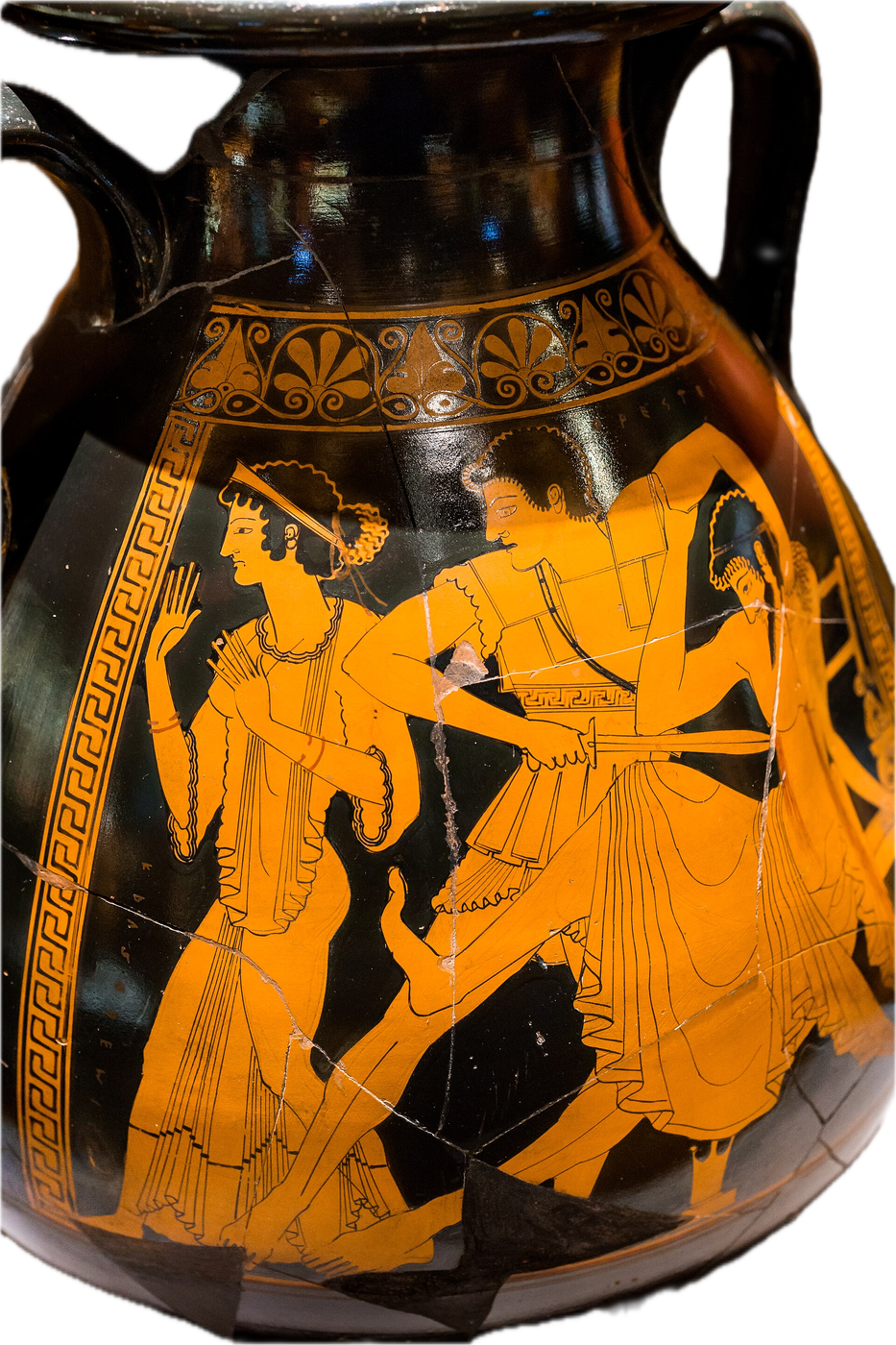
Granddaughter · Sources
Происхождение выведено по цепочке родителей: Атрей → Агамемнон → Хрисофемида.
from the time when first they parted in strife Atreus' son, king of men, and brilliant Achilles. Who then of the gods was it that brought these two together to contend? The son of Leto and Zeus; for he in anger against the king roused throughout the host an evil pestilence, and the people began to perish,
When he had thus spoken he sat down, and among them arose the warrior, son of Atreus, wide-ruling Agamemnon, deeply troubled. With rage his black heart was wholly filled, and his eyes were like blazing fire. To Calchas first of all he spoke, and his look threatened evil:
In answer to him spoke swift-footed brilliant Achilles: Most glorious son of Atreus, most covetous of all, how shall the great-hearted Achaeans give you a prize? We know nothing of a hoard of wealth in common store, but whatever we took by pillage from the cities has been apportioned,
Il. 1.7 · Il. 1.102 · Il. 1.122 · Il. 1.191 · Il. 1.282 · Il. 1.308 · Il. 1.355 · Il. 1.387 · Il. 2.6 · Il. 2.23 · Il. 2.54 · Il. 2.85 · Il. 2.185 · Il. 2.249 · Il. 2.434 · Il. 2.477 · Il. 2.578 · Il. 2.772 · Il. 3.120 · Il. 3.178 · Il. 4.223 · Il. 4.255 · Il. 4.311 · Il. 4.326 · Il. 4.356 · Il. 4.403 · Il. 5.528 · Il. 5.552 · Il. 7.176 · Il. 7.312 · Il. 7.470 · Il. 8.227 · Il. 8.261 · Il. 8.292 · Il. 9.69 · Il. 9.96 · Il. 9.144–145 · Il. 9.163 · Il. 9.226 · Il. 9.286–287 · Il. 9.300 · Il. 9.315 · Il. 9.331 · Il. 9.368 · Il. 9.388 · Il. 9.672–676 · Il. 9.697 · Il. 10.3 · Il. 10.81 · Il. 10.88 · Il. 10.102–103 · Il. 10.128 · Il. 11.94 · Il. 11.233 · Il. 11.766 · Il. 13.112 · Il. 14.22 · Il. 14.137 · Il. 19.35 · Il. 19.146 · Il. 19.241 · Il. 23.36 · Il. 23.156 · Il. 23.233 · Il. 23.486 · Il. 23.890 · Il. 24.654
Granddaughter · Sources
Происхождение выведено по цепочке родителей: Атрей → Агамемнон → Ифианасса.
from the time when first they parted in strife Atreus' son, king of men, and brilliant Achilles. Who then of the gods was it that brought these two together to contend? The son of Leto and Zeus; for he in anger against the king roused throughout the host an evil pestilence, and the people began to perish,
When he had thus spoken he sat down, and among them arose the warrior, son of Atreus, wide-ruling Agamemnon, deeply troubled. With rage his black heart was wholly filled, and his eyes were like blazing fire. To Calchas first of all he spoke, and his look threatened evil:
In answer to him spoke swift-footed brilliant Achilles: Most glorious son of Atreus, most covetous of all, how shall the great-hearted Achaeans give you a prize? We know nothing of a hoard of wealth in common store, but whatever we took by pillage from the cities has been apportioned,
Il. 1.7 · Il. 1.102 · Il. 1.122 · Il. 1.191 · Il. 1.282 · Il. 1.308 · Il. 1.355 · Il. 1.387 · Il. 2.6 · Il. 2.23 · Il. 2.54 · Il. 2.85 · Il. 2.185 · Il. 2.249 · Il. 2.434 · Il. 2.477 · Il. 2.578 · Il. 2.772 · Il. 3.120 · Il. 3.178 · Il. 4.223 · Il. 4.255 · Il. 4.311 · Il. 4.326 · Il. 4.356 · Il. 4.403 · Il. 5.528 · Il. 5.552 · Il. 7.176 · Il. 7.312 · Il. 7.470 · Il. 8.227 · Il. 8.261 · Il. 8.292 · Il. 9.69 · Il. 9.96 · Il. 9.144–145 · Il. 9.163 · Il. 9.226 · Il. 9.286–287 · Il. 9.300 · Il. 9.315 · Il. 9.331 · Il. 9.368 · Il. 9.388 · Il. 9.672–676 · Il. 9.697 · Il. 10.3 · Il. 10.81 · Il. 10.88 · Il. 10.102–103 · Il. 10.128 · Il. 11.94 · Il. 11.233 · Il. 11.766 · Il. 13.112 · Il. 14.22 · Il. 14.137 · Il. 19.35 · Il. 19.146 · Il. 19.241 · Il. 23.36 · Il. 23.156 · Il. 23.233 · Il. 23.486 · Il. 23.890 · Il. 24.654
Granddaughter · Sources
Происхождение выведено по цепочке родителей: Атрей → Агамемнон → Лаодика.
from the time when first they parted in strife Atreus' son, king of men, and brilliant Achilles. Who then of the gods was it that brought these two together to contend? The son of Leto and Zeus; for he in anger against the king roused throughout the host an evil pestilence, and the people began to perish,
When he had thus spoken he sat down, and among them arose the warrior, son of Atreus, wide-ruling Agamemnon, deeply troubled. With rage his black heart was wholly filled, and his eyes were like blazing fire. To Calchas first of all he spoke, and his look threatened evil:
In answer to him spoke swift-footed brilliant Achilles: Most glorious son of Atreus, most covetous of all, how shall the great-hearted Achaeans give you a prize? We know nothing of a hoard of wealth in common store, but whatever we took by pillage from the cities has been apportioned,
Il. 1.7 · Il. 1.102 · Il. 1.122 · Il. 1.191 · Il. 1.282 · Il. 1.308 · Il. 1.355 · Il. 1.387 · Il. 2.6 · Il. 2.23 · Il. 2.54 · Il. 2.85 · Il. 2.185 · Il. 2.249 · Il. 2.434 · Il. 2.477 · Il. 2.578 · Il. 2.772 · Il. 3.120 · Il. 3.178 · Il. 4.223 · Il. 4.255 · Il. 4.311 · Il. 4.326 · Il. 4.356 · Il. 4.403 · Il. 5.528 · Il. 5.552 · Il. 7.176 · Il. 7.312 · Il. 7.470 · Il. 8.227 · Il. 8.261 · Il. 8.292 · Il. 9.69 · Il. 9.96 · Il. 9.144–145 · Il. 9.163 · Il. 9.226 · Il. 9.286–287 · Il. 9.300 · Il. 9.315 · Il. 9.331 · Il. 9.368 · Il. 9.388 · Il. 9.672–676 · Il. 9.697 · Il. 10.3 · Il. 10.81 · Il. 10.88 · Il. 10.102–103 · Il. 10.128 · Il. 11.94 · Il. 11.233 · Il. 11.766 · Il. 13.112 · Il. 14.22 · Il. 14.137 · Il. 19.35 · Il. 19.146 · Il. 19.241 · Il. 23.36 · Il. 23.156 · Il. 23.233 · Il. 23.486 · Il. 23.890 · Il. 24.654
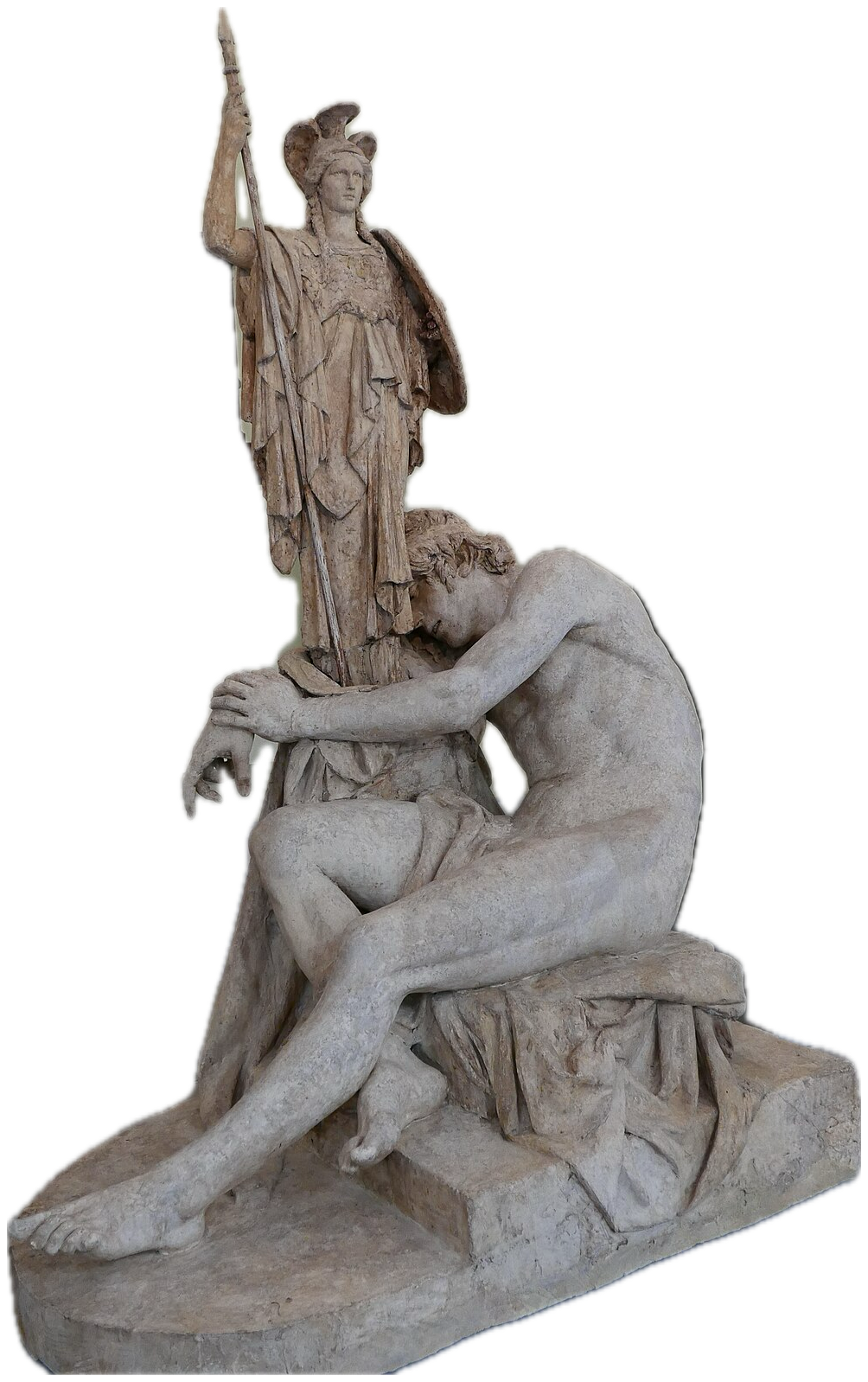
Grandson · Sources
Происхождение выведено по цепочке родителей: Атрей → Агамемнон → Орест.
from the time when first they parted in strife Atreus' son, king of men, and brilliant Achilles. Who then of the gods was it that brought these two together to contend? The son of Leto and Zeus; for he in anger against the king roused throughout the host an evil pestilence, and the people began to perish,
When he had thus spoken he sat down, and among them arose the warrior, son of Atreus, wide-ruling Agamemnon, deeply troubled. With rage his black heart was wholly filled, and his eyes were like blazing fire. To Calchas first of all he spoke, and his look threatened evil:
In answer to him spoke swift-footed brilliant Achilles: Most glorious son of Atreus, most covetous of all, how shall the great-hearted Achaeans give you a prize? We know nothing of a hoard of wealth in common store, but whatever we took by pillage from the cities has been apportioned,
Il. 1.7 · Il. 1.102 · Il. 1.122 · Il. 1.191 · Il. 1.282 · Il. 1.308 · Il. 1.355 · Il. 1.387 · Il. 2.6 · Il. 2.23 · Il. 2.54 · Il. 2.85 · Il. 2.185 · Il. 2.249 · Il. 2.434 · Il. 2.477 · Il. 2.578 · Il. 2.772 · Il. 3.120 · Il. 3.178 · Il. 4.223 · Il. 4.255 · Il. 4.311 · Il. 4.326 · Il. 4.356 · Il. 4.403 · Il. 5.528 · Il. 5.552 · Il. 7.176 · Il. 7.312 · Il. 7.470 · Il. 8.227 · Il. 8.261 · Il. 8.292 · Il. 9.69 · Il. 9.96 · Il. 9.142–143 · Il. 9.163 · Il. 9.226 · Il. 9.284–285 · Il. 9.300 · Il. 9.315 · Il. 9.331 · Il. 9.368 · Il. 9.388 · Il. 9.672–676 · Il. 9.697 · Il. 10.3 · Il. 10.81 · Il. 10.88 · Il. 10.102–103 · Il. 10.128 · Il. 11.94 · Il. 11.233 · Il. 11.766 · Il. 13.112 · Il. 14.22 · Il. 14.137 · Il. 19.35 · Il. 19.146 · Il. 19.241 · Il. 23.36 · Il. 23.156 · Il. 23.233 · Il. 23.486 · Il. 23.890 · Il. 24.654
See all 6
In art
See all 0
There is nothing in this section yet.
04 / PROVENANCE
Sources and verification
The character is matched to the catalogue.
- Wikipedia · Atreus · CC BY-SA 4.0
Excerpt; remaining sentences omitted.
Reference material remains distinct from the poem’s assertions. Characters who share a name retain separate pages.