Eileithyia
Goddess
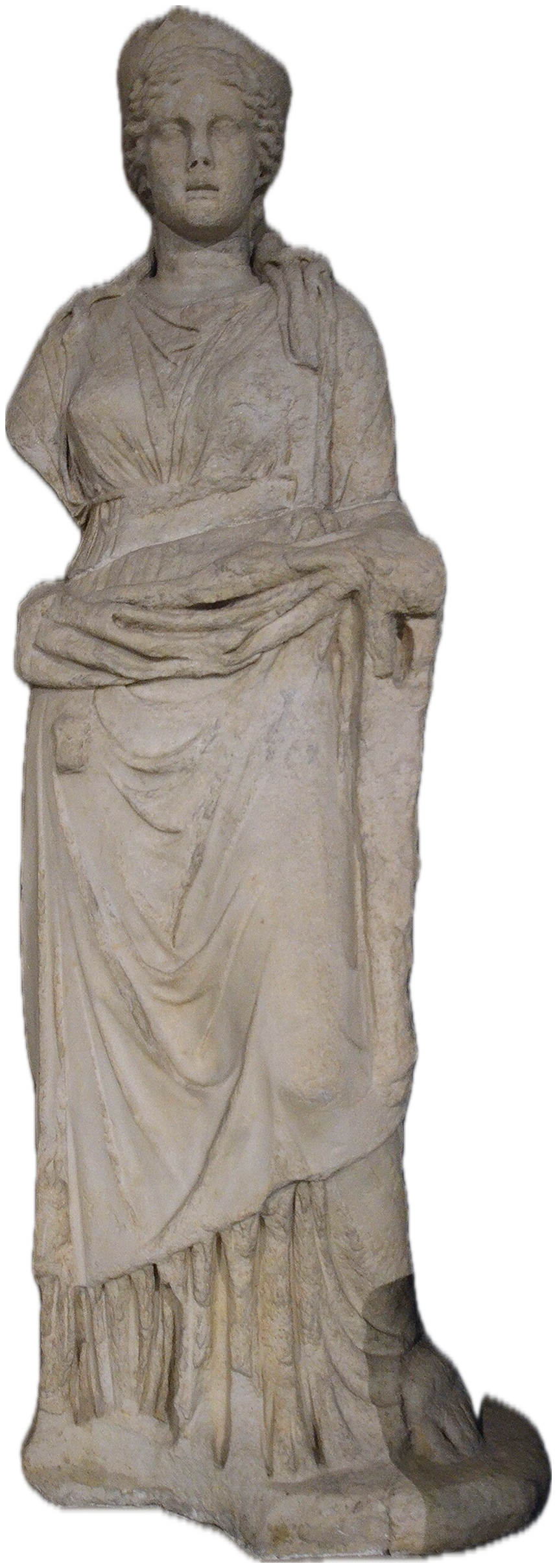
Eileithyia or Ilithyia (; Ancient Greek: Εἰλείθυια, Ancient Greek pronunciation: [eːˈleː.thyː.a]; Ἐλεύθυια (Eleuthyia, Ancient Greek pronunciation: [eˈleu̯.thyː.a]) in Crete, also Ἐλευθία (Eleuthia, Ancient Greek pronunciation: [e.leu̯'thi.a]) or Ἐλυσία (Elysia, Ancient Greek pronunciation: [e.ly'si.a]) in Laconia and Messene, and Ἐλευθώ (Eleuthō) in literature) was the Greek goddess of childbirth and midwifery, and the daughter of Zeus and Hera.
Explore on the graph
- Mentions
- 2
- Connected characters
- 4
- Books
- 2


Mentions in the Iliad
A. T. Murray, Loeb Classical Library, Harvard University Press, 1924 · Homer, Iliad with an English Translation · CC BY-SA 3.0 US
“even Hermes the helper, and she gave him a goodly son, Eudorus, pre-eminent in speed of foot and as a warrior. But when at length Eileithyia, goddess of child-birth, had brought him to the light, and he saw the rays of the sun, then her did the stalwart and mighty Echecles, son of Actor,”
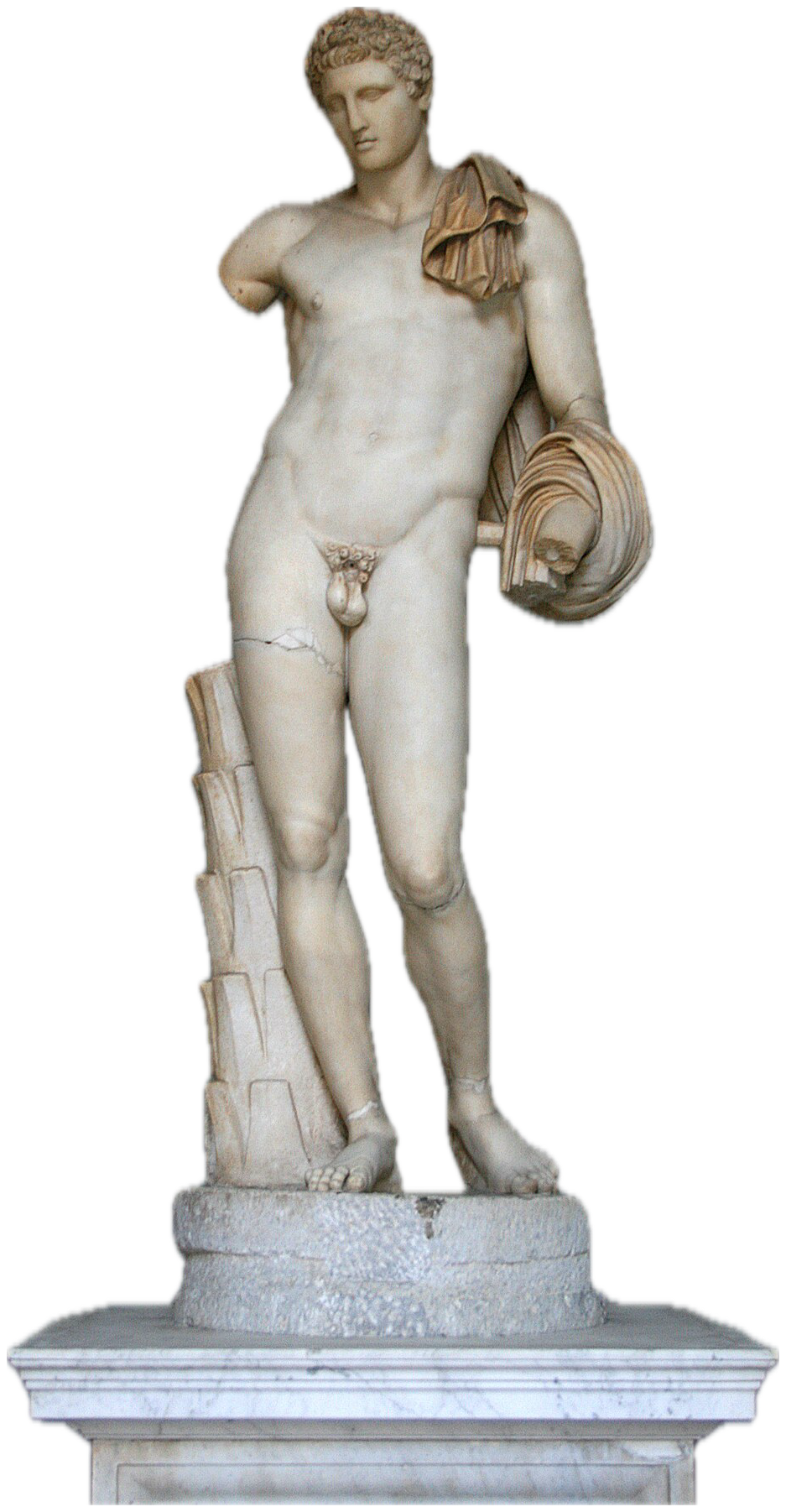
“Zeus verily spake vauntingly among all the gods: ‘Hearken unto me, all ye gods and goddesses, that I may speak what the heart in my breast biddeth me. This day shall Eileithyia, the goddess of childbirth, bring to the light a man that shall be the lord of all them that dwell round about,”
See all 2
Connections
Mother · Sources
the piercing dart that the Eilithyiae, the goddesses of childbirth, send—even the daughters of Hera that have in their keeping bitter pangs; even so sharp pains came upon the mighty son of Atreus. Then he leapt upon his chariot and bade his charioteer drive to the hollow ships, for he was sore pained at heart.

Il. 11.270
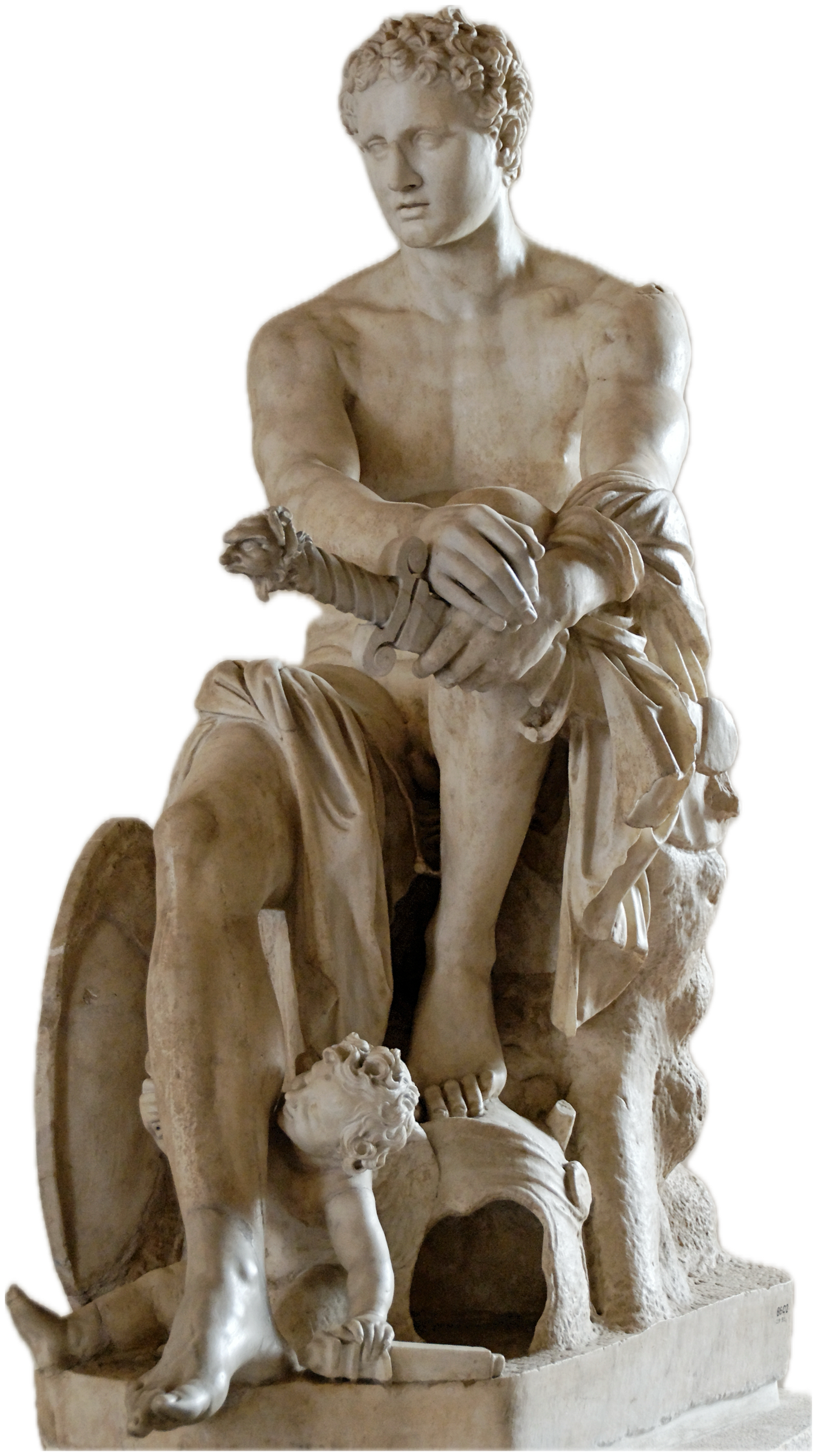
Brother · Sources
Братство или сестринство выведено из общего родителя: Гера. Матери и отцы, не указанные в источнике, не предполагаются.
Most hateful to me art thou of all gods that hold Olympus, for ever is strife dear to thee and wars and fightings. Thou hast the unbearable, unyielding spirit of thy mother, even of Hera; her can I scarce control by my words. Wherefore it is by her promptings, meseems, that thou sufferest thus.
the piercing dart that the Eilithyiae, the goddesses of childbirth, send—even the daughters of Hera that have in their keeping bitter pangs; even so sharp pains came upon the mighty son of Atreus. Then he leapt upon his chariot and bade his charioteer drive to the hollow ships, for he was sore pained at heart.
Fool, not even yet hast thou learned how much mightier than thou I avow me to be, that thou matchest thy strength with mine. On this wise shalt thou satisfy to the full the Avengers invoked of thy mother, who in her wrath deviseth evil against thee, for that thou hast deserted the Achaeans and bearest aid to the overweening Trojans.
Il. 5.892 · Il. 11.270 · Il. 21.412
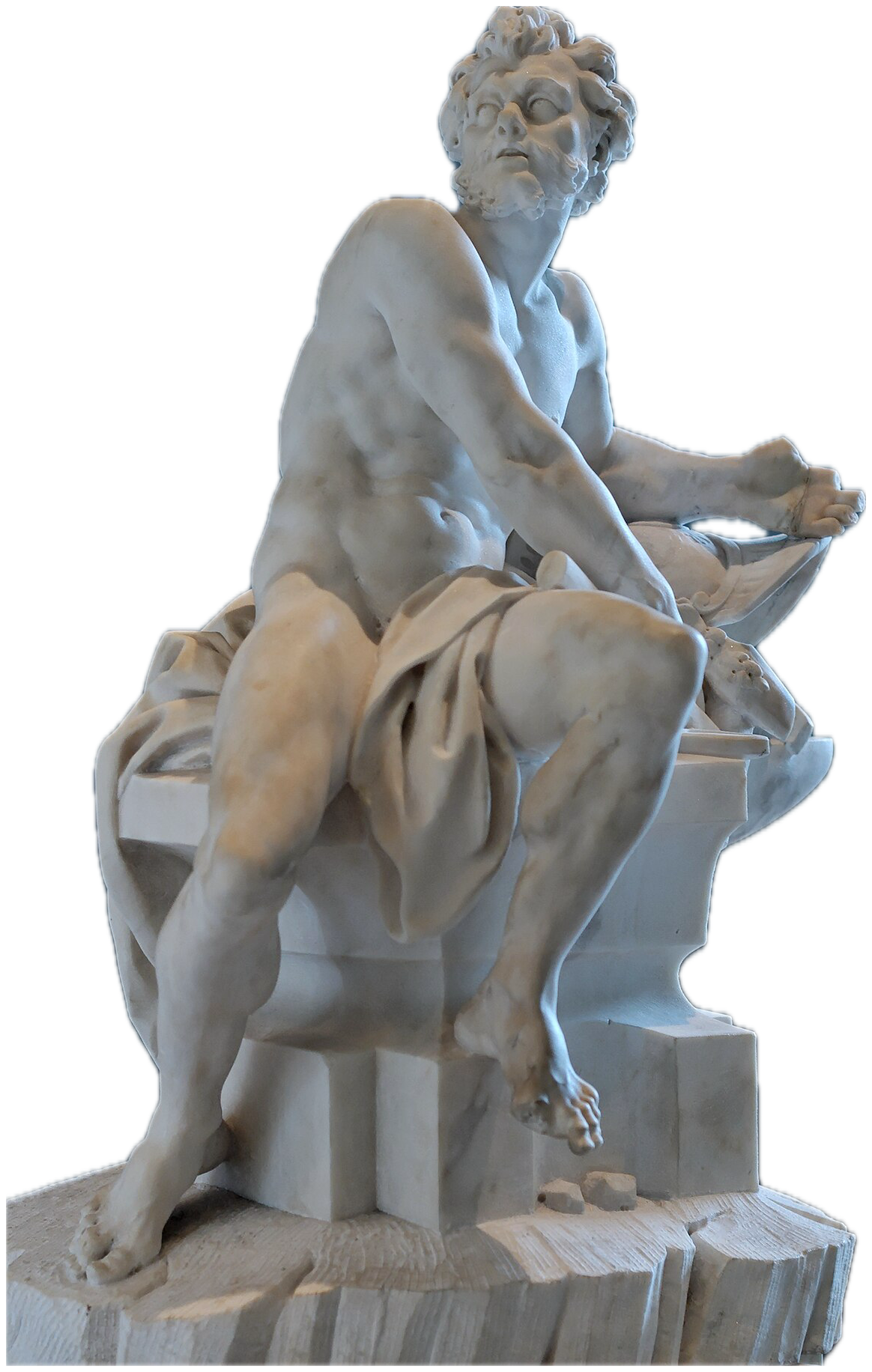
Brother · Sources
Братство или сестринство выведено из общего родителя: Гера. Матери и отцы, не указанные в источнике, не предполагаются.
and among them Hephaestus, the famed craftsman, was first to speak, doing pleasure to his dear mother, white-armed Hera: Surely this will be sorry work, that is no longer bearable, if you two are to wrangle thus for mortals' sakes, and set the gods in tumult; neither will there be any joy in the excellent feast,
and smiling took in her hand the cup from her son. Then he poured wine for all the other gods from left to right, drawing forth sweet nectar from the bowl. And unquenchable laughter arose among the blessed gods, as they saw Hephaestus puffing through the palace.
the piercing dart that the Eilithyiae, the goddesses of childbirth, send—even the daughters of Hera that have in their keeping bitter pangs; even so sharp pains came upon the mighty son of Atreus. Then he leapt upon his chariot and bade his charioteer drive to the hollow ships, for he was sore pained at heart.
Il. 1.571–572 · Il. 1.596 · Il. 11.270 · Il. 14.167 · Il. 14.239 · Il. 14.339 · Il. 18.396 · Il. 21.330–331 · Il. 21.370–379
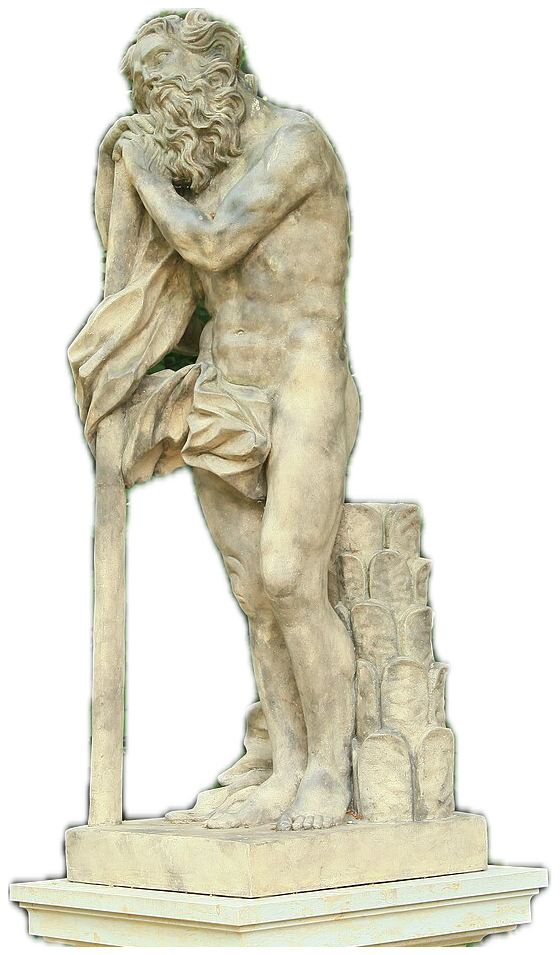
Grandfather · Sources
Происхождение выведено по цепочке родителей: Кронос → Гера → Илифия.
For even though I grudge thee, and am fain to thwart their overthrow, I avail naught by my grudging, for truly thou art far the mightier. Still it beseemeth that my labour too be not made of none effect; for I also am a god, and my birth is from the stock whence is thine own, and crooked-counselling Cronos begat me as the most honoured of his daughters
Then Hera, the queenly goddess, daughter of great Cronos, went to and fro harnessing the horses of golden frontlets. and Hebe quickly put to the car on either side the curved wheels of bronze, eight-spoked, about the iron axle-tree. Of these the felloe verily is of gold imperishable,
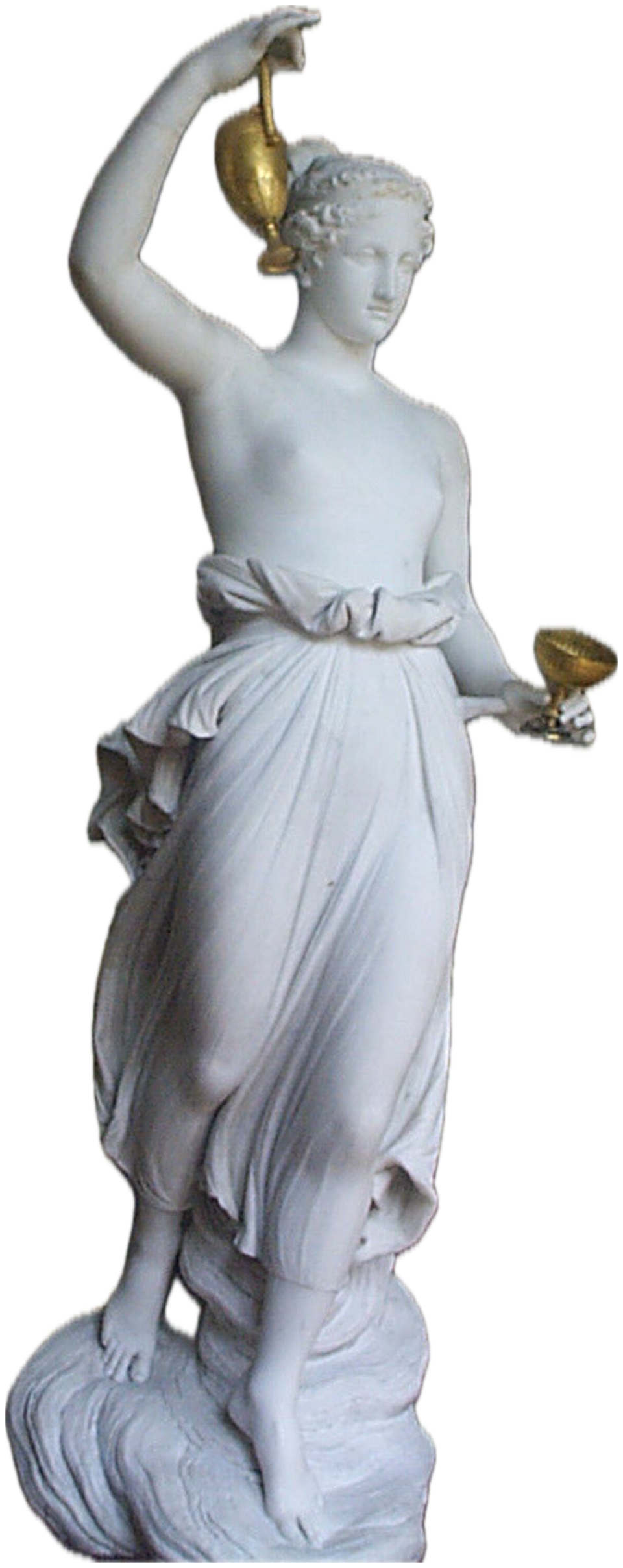
with his fat and flesh, when he is fallen at the ships of the Achaeans. So spake she, and the goddess, white-armed Hera, failed not to hearken. She then went to and fro harnessing the horses of golden frontlets, even Hera, the queenly goddess, daughter of great Cronos; but Athene, daughter of Zeus that beareth the aegis,
Il. 4.59 · Il. 5.721 · Il. 8.383 · Il. 11.270 · Il. 14.194 · Il. 14.243
See all 4
In art

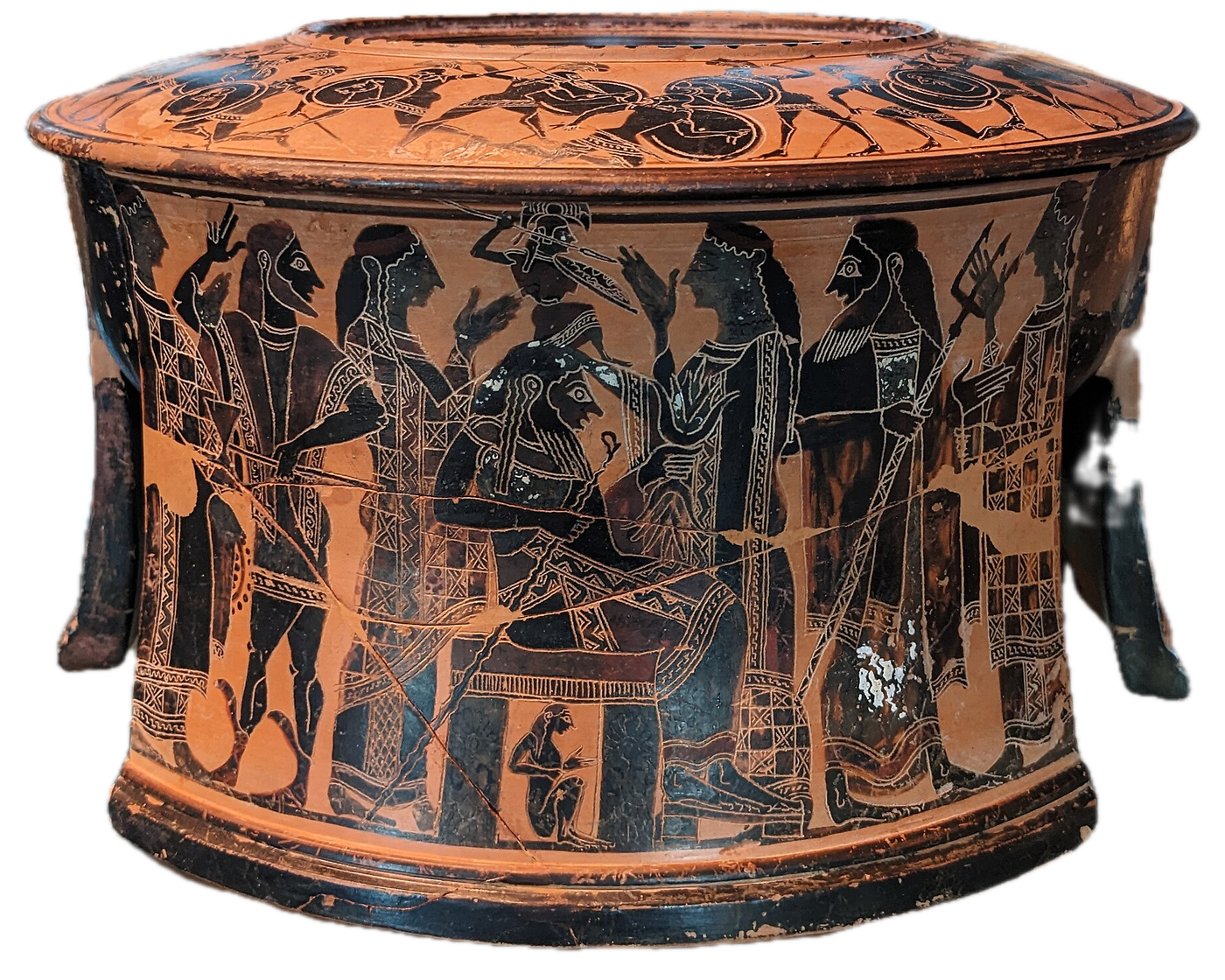
Exaleiptron tripode attique à figures noires - Musée du Louvre AGER CA 616 - photo 2. Department of Greek, Etruscan, and Roman Antiquities of the Louvre. CC0. https://www.wikidata.org/wiki/Q118369340
See all 1
04 / PROVENANCE
Sources and verification
The character is matched to the catalogue.
- Wikipedia · Eileithyia · CC BY-SA 4.0
Excerpt; remaining sentences omitted.
Reference material remains distinct from the poem’s assertions. Characters who share a name retain separate pages.