Idas
Mortal man
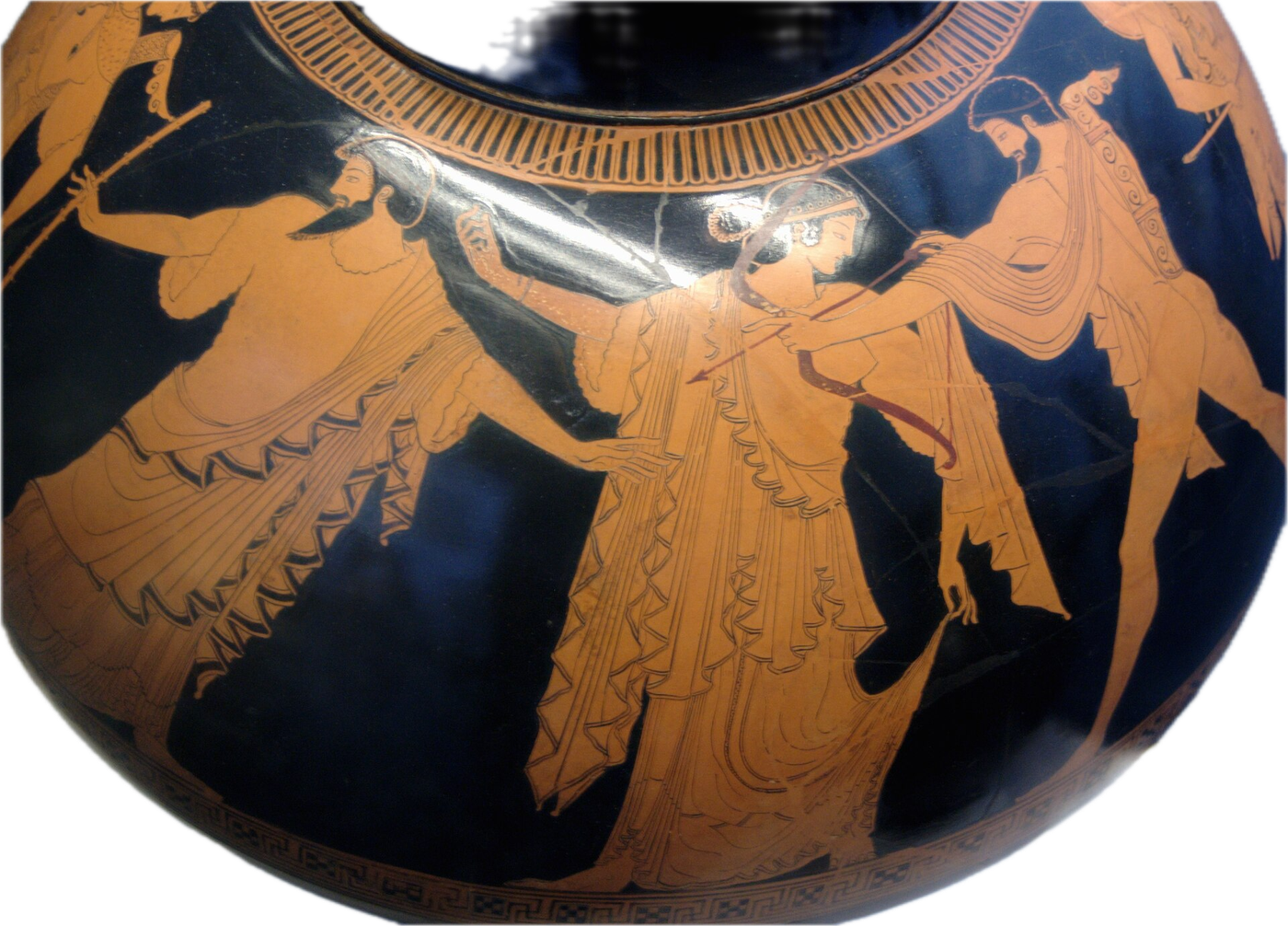
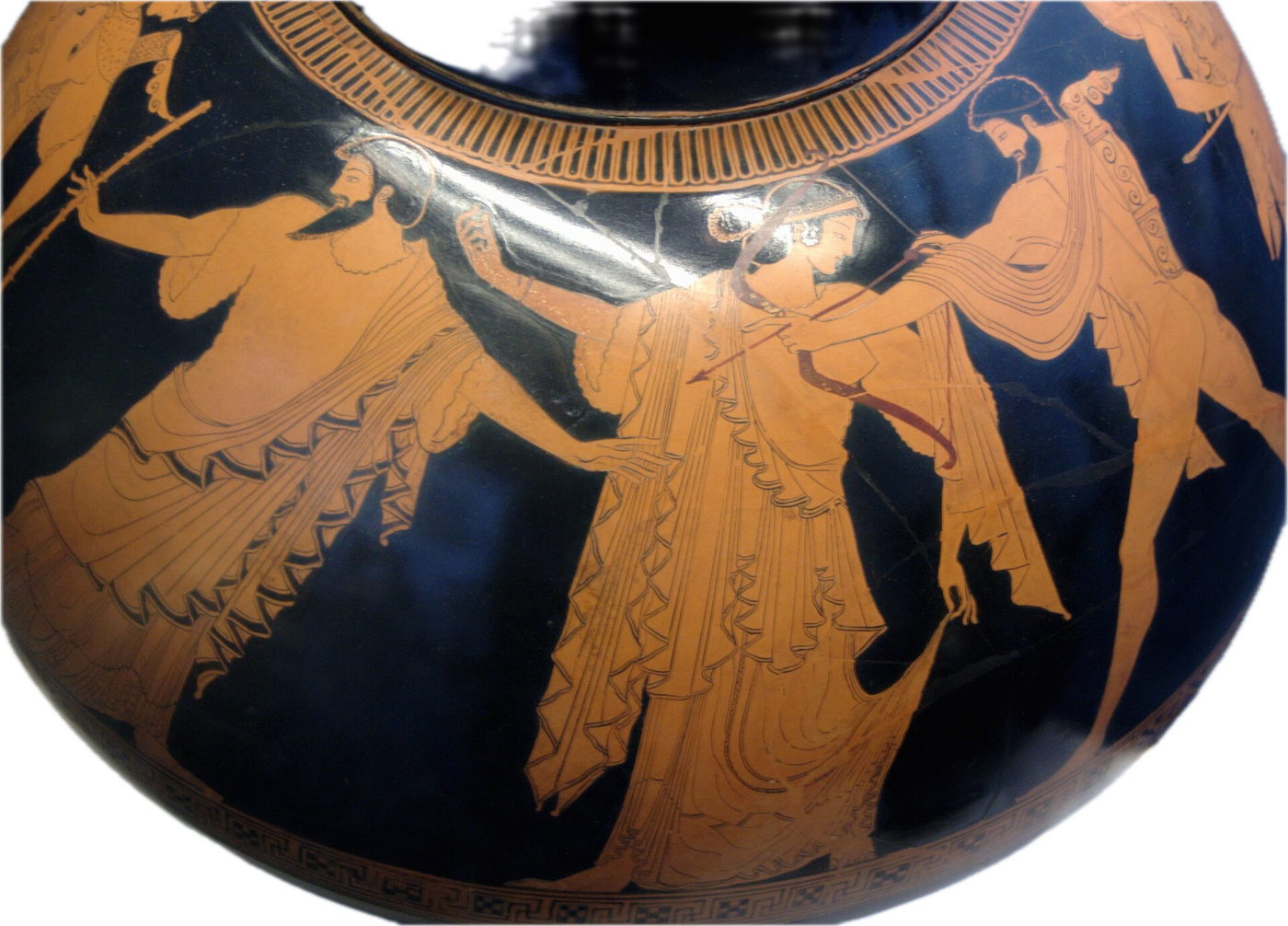
In Greek mythology, Idas (; Ancient Greek: Ἴδας, romanized: Ídas), was a Messenian prince. He was one of the Argonauts, a participant in the hunt for the Calydonian Boar, and contender with the gods.
Explore on the graph- Mentions
- 1
- Connected characters
- 2
- Books
- 1


Mentions in the Iliad
A. T. Murray, Loeb Classical Library, Harvard University Press, 1924 · Homer, Iliad with an English Translation · CC BY-SA 3.0 US
See all 1
Connections
Wife · Sources
Wife · Sources
he then, wroth at heart against his dear mother Althaea, abode beside his wedded wife, the fair Cleopatra, daughter of Marpessa of the fair ankles, child of Evenus, and of Idas that was mightiest of men that were then upon the face of earth; who also took his bow to face the kingPhoebus Apollo for the sake of the fair-ankled maid. Her of old in their halls had her father and honoured mother called Halcyone by name, for that the mother herself in a plight even as that of the halcyon-bird of many sorrows, wept because Apollo that worketh afar had snatched her child away.
Il. 9.559–560
Daughter · Sources
Daughter · Sources
he then, wroth at heart against his dear mother Althaea, abode beside his wedded wife, the fair Cleopatra, daughter of Marpessa of the fair ankles, child of Evenus, and of Idas that was mightiest of men that were then upon the face of earth; who also took his bow to face the king
Il. 9.557–558
See all 2
In art
See all 0
There is nothing in this section yet.
04 / PROVENANCE
Sources and verification
The character is matched to the catalogue.
- Wikipedia · Idas (son of Aphareus) · CC BY-SA 4.0
Excerpt; remaining sentences omitted.
Reference material remains distinct from the poem’s assertions. Characters who share a name retain separate pages.